Top 4 Castles around São Pedro De Rio Seco
A visit to a castle — whether you stumble over one during a hike outdoors or walk your way around the grounds with a guide — is always something special, and you’ve got 4
beautiful castles to choose from around São Pedro De Rio Seco. Just browse our list to find your top castle , and add some history to your next adventure!
Last updated: October 31, 2026
Almeida Castle
Highlight • Castle
Translated by Google •
Tip by

Historic Village of Almeida
Highlight • Historical Site
After the Restoration, the town transformed into a veritable war machine: the six-pointed star-shaped fortress, with bastions, ravelins, and underground galleries that served as both shelter and prison. It was the scene of decisive battles, devastated by the explosion of 1810 and contested in the liberal wars, always rising from the ruins.
Translated by Google •
Tip by

Sign up now to discover places like this
Get recommendations on the best single tracks, peaks, & plenty of other exciting outdoor places.
Fort of the Concepción and Redoubt of San José
Highlight • Castle
Translated by Google •
Tip by

Real Fuerte de la Concepción
Highlight • Historical Site
The fort had two phases. The first, in the 17th century, when after the uprising in Lisbon that deposed Philip of Habsburg, it was built to serve as a base for an army that would recover Portugal. The Second, in the 18th century, when it was rebuilt to oppose the Portuguese stronghold of Almeida. During the war of independence, it was partially blown up and, for much of the 19th century, the surrounding inhabitants took advantage of it as a quarry until its sale to the private sector gave rise to the current construction.
Translated by Google •
Tip by

Castelo Mendo
Highlight • Historical Site
Translated by Google •
Tip by

Start today with a free account
Your next adventure awaits.
Popular around São Pedro De Rio Seco
Tips from the Community

Almeida stands on the plateau like a table set for history: "Al-Mêda" was the name given to it by the Arabs. Previously, it had been a Lusitanian, Roman, and then Christian fort, conquered in 1190 and definitively Portuguese in 1297. Around the medieval castle grew the town, still marked by the Puerta do Sol. After the Restoration, the town transformed into a veritable war machine: the six-pointed star-shaped fortress, with bastions, ravelins, and underground galleries that served as both shelter and prison. It was the scene of decisive battles, devastated by the explosion of 1810 and contested in the liberal wars, always rising from the ruins.
3
0

The Almeida Fort, originally founded as a castle in the 12th century, is one of the best-preserved fortifications in Portugal. It played an important role throughout its history, particularly during the Napoleonic Wars. It was heavily damaged during the Siege of Almeida in 1810 but was later rebuilt. The star fort is known for its bastions and deep moats, which were once intended to provide protection against invaders.
3
1

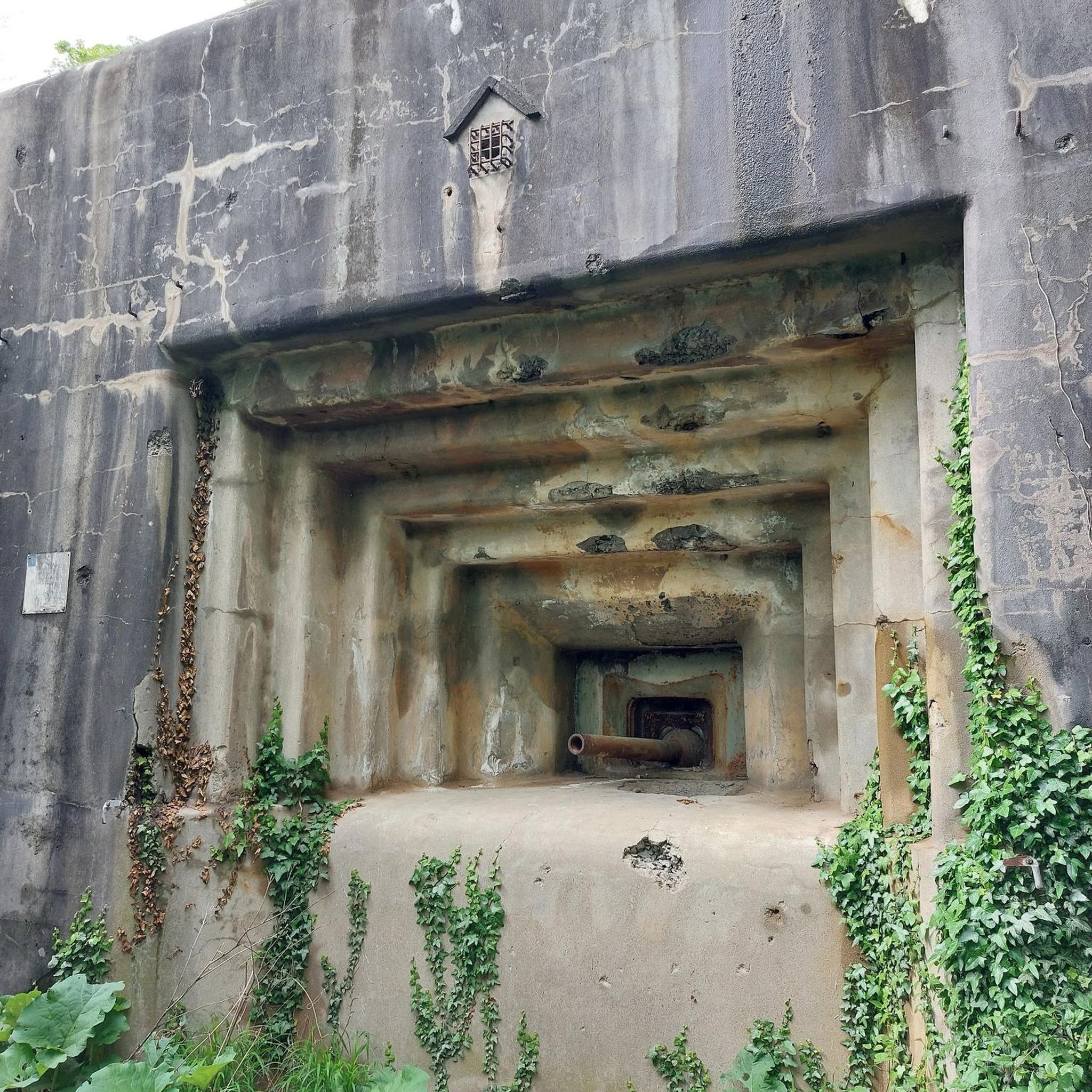
Armed conflicts between borders have been the daily bread in these areas between the two countries. It was built in the 17th century and currently has more than three centuries of history, where its walls are still standing. Currently, it is rehabilitated and is a hotel.
0
2

In Castelo Mendo I started the trip because it is close to the Spanish border. It is a small, very quiet village, an authentic medieval fortress on the Côa river canyon.
1
0

The refurbishment and reconversion project of this 17th-century fortress won, in 2014, the prize for the best restoration of a military building in Spain. What are now luxury rooms on the Spanish-Portuguese border could house 1,500 infantrymen and 200 horses at his creation. The fort had two phases. The first, in the 17th century, when after the uprising in Lisbon that deposed Philip of Habsburg, it was built to serve as a base for an army that would recover Portugal. The Second, in the 18th century, when it was rebuilt to oppose the Portuguese stronghold of Almeida. During the war of independence, it was partially blown up and, for much of the 19th century, the surrounding inhabitants took advantage of it as a quarry until its sale to the private sector gave rise to the current construction.
1
0

If you walk around the wall you have a nice view and you get an impression of the defenses.
1
0
Most popular routes around São Pedro De Rio Seco
Most popular attractions around São Pedro De Rio Seco

Get inspired with the komoot mobile app


Explore more
Looking for the best castles somewhere else? Discover other guides around São Pedro De Rio Seco:
