Top 7 Castles around Alcântara
Best castles around Alcântara are found in a civil parish in western Lisbon, Portugal, an area rich in historical sites and located along the Tagus River. While traditional medieval castles are not a primary feature within Alcântara itself, the surrounding region offers significant historical structures. These sites provide insights into Portugal's past, from 16th-century fortifications to ancient strongholds. The district combines historical significance with a vibrant urban landscape.
Best castles around Alcântara
- The most popular castles is Belém Tower,…
Last updated: August 24, 2026
St. George's Castle
Highlight • Castle
Translated by Google •
Tip by

Belém Tower
Highlight • Monument
Translated by Google •
Tip by

Sign up now to discover places like this
Get recommendations on the best single tracks, peaks, & plenty of other exciting outdoor places.
Sign up for free
Caxias Beach
Highlight • Beach
Tip by

Bom Sucesso Fort (Combatant's Museum)
Highlight • Historical Site
Translated by Google •
Tip by
Palácio Nacional de Queluz
Highlight • Historical Site
Translated by Google •
Tip by

Sign up for free to discover even more castles around Alcântara.
Sign up for free
Already have an account?
Start today with a free account
Your next adventure awaits.
Login or Signup
Tips from the Community

The National Palace of Queluz is enchanting for its grandeur and the exuberance of its architectural details. Closely linked to the experiences of three generations of the Portuguese Royal Family, and the scene of intense emotions, the palace reflects the evolution of tastes and styles of the time, including Baroque, Rococo and Neoclassicism. Surrounding it, scenic gardens invite you to “stroll” back to the time when the court organised sumptuous parties there and preserve memories of gondola rides on the canal, theatre, hunting, musical and literary evenings, masked balls, games and open-air performances. A dreamlike setting, enlivened by waterfalls and delicate water features.
1
1
The National Palace of Queluz charms whether for its imposing nature or the sheer exuberance of its architectural details closely bound up with the lives of three generations of the Portuguese Royal Family and the scene of intense emotions. The Palace furthermore reflects the evolution in the tastes and styles over different period, moving from the Baroque to the Rococo and onto Neoclassicism. Its surrounding scenic gardens invite you for a “stroll” through a period in which the court organised sumptuous parties and that hold the memories of trips by gondola along the canal, theatre, hunting, musical and literary performances, masked balls, games and open-air recitals. A dreamlike scenario, animated by the waterfalls and delicate water games.
1
1

beautiful here along the Atlantic
2
0

The Forte do Bom Sucesso is a historic fortification located in Lisbon, Portugal. It was built in the 17th century to protect the city of Lisbon from sea attacks. It is located in the Belém area of Lisbon, next to the Tagus River. It was built between 1660 and 1670, during the reign of King Afonso VI. The fort is a stone and earth structure, with a pentagonal shape and a central tower and was equipped with cannons and other weapons to defend the city of Lisbon.
0
1

The Belém Tower is one of the most iconic monuments in Lisbon, Portugal. Built between 1515 and 1519 by architect Francisco de Arruda, this Manueline-style tower was originally a fortress intended to protect the entrance to the port of Lisbon across the Tagus River. Over time, the tower also served as a tax collection center, a lighthouse, and a prison. In 1983, it was declared a UNESCO World Heritage Site along with the nearby Jerónimos Monastery.
17
3
The Belém Tower is a 16th-century military construction designed by Francisco de Arruda and Diogo de Boitaca. It played a crucial role during the Age of Discovery as a fortress and port. Throughout its history, it has served as a prison, lighthouse, and tax collection center. Along with the Jerónimos Monastery, it was declared a UNESCO World Heritage Site in 1983. I hope this information is useful to you! 😊
19
2

Beautiful royal castle in an otherwise rather inconspicuous suburb.
0
0
The Belém Tower is a 16th-century military construction designed by Francisco de Arruda and Diogo de Boitaca. It played a crucial role during the Age of Discovery as a fortress and port. Throughout its history, it has served as a prison, lighthouse, and tax collection center. Along with the Jerónimos Monastery, it was declared a UNESCO World Heritage Site in 1983. I hope this information is useful to you! 😊
25
1
Frequently Asked Questions
Are there traditional medieval castles directly within Alcântara?
Alcântara itself is not known for traditional medieval castles. While it has significant historical sites, the original 17th-century Royal Palace of Alcântara was demolished in the 19th century. For classic castles, you'll need to venture slightly outside the district.
What are some notable historical fortifications around Alcântara?
The area around Alcântara features several significant historical fortifications. These include the iconic Belém Tower, a 16th-century military construction, and the Bom Sucesso Fort, which now houses the Combatant's Museum. Further along the coast, you'll find the well-preserved Fort of São Bruno near Caxias Beach.
Which castle is considered the most prominent in the broader Lisbon area?
The most prominent castle in the broader Lisbon area is St. George's Castle. Perched on the highest hill in the Alfama neighborhood, it features eleven towers and architectural elements from the Arab period, offering a deep dive into Portugal's past.
Are there family-friendly historical sites or 'castles' to visit near Alcântara?
Yes, several sites are considered family-friendly. The Belém Tower is a popular choice for families, offering historical significance and scenic views. The Bom Sucesso Fort, with its Combatant's Museum, also provides an engaging experience for all ages.
What kind of views can I expect from the historical sites around Alcântara?
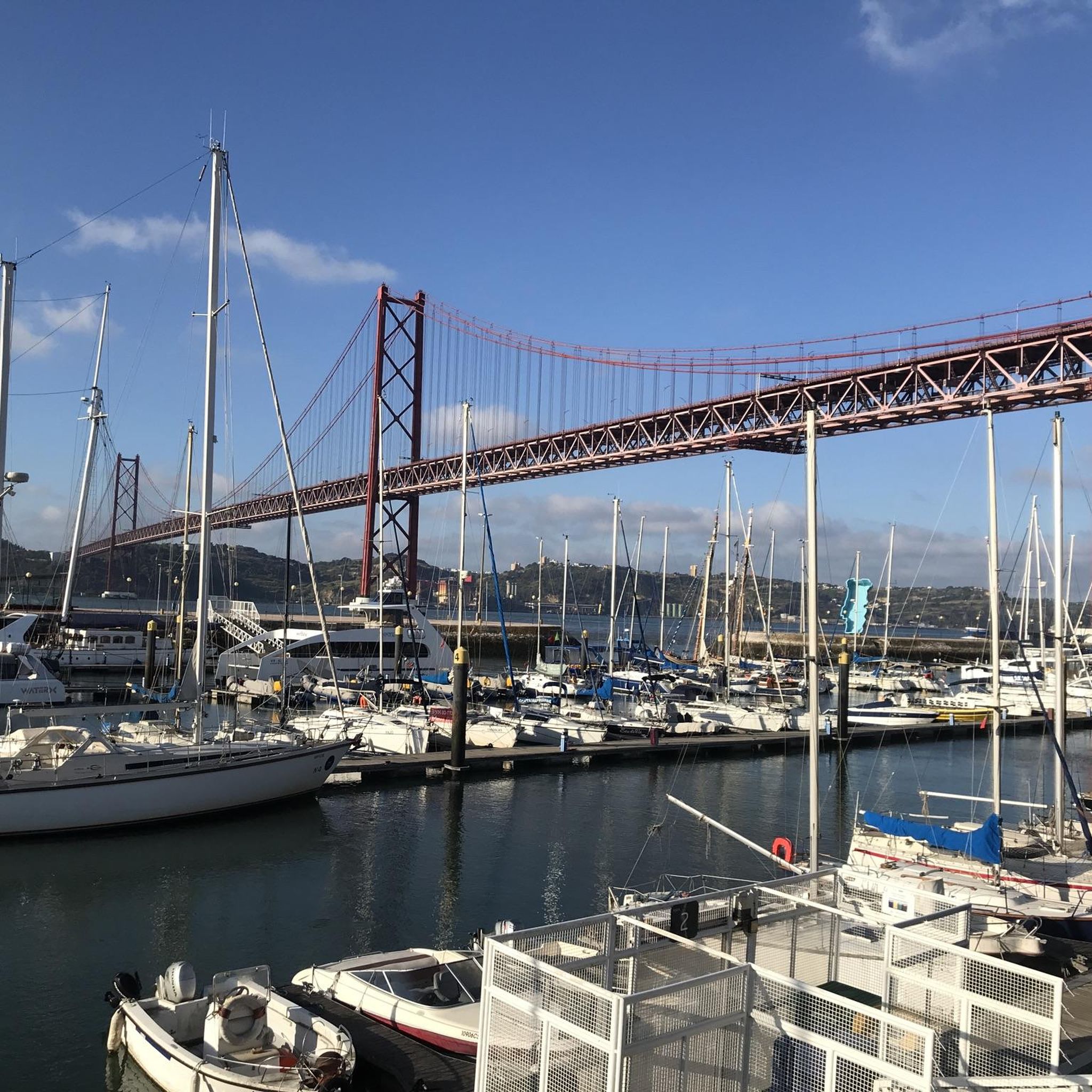
Many historical sites around Alcântara offer excellent viewpoints. For instance, the Belém Tower provides splendid views over the Tagus River. The Capela de Santo Amaro, though not a castle, offers a quiet viewpoint with excellent views of the 25 de Abril Bridge. St. George's Castle, being on the highest hill, offers panoramic vistas of Lisbon.
What outdoor activities can I do near these historical sites?
The area around Alcântara and its historical sites is great for outdoor activities. You can find numerous cycling routes, such as the 'Lisbon Waterfront Cycle Path loop', or running trails like the 'Commerce Square – 25th of April Bridge loop'. For more options, explore the cycling, running, and MTB guides around Alcântara.
What is the best time to visit the historical sites and fortifications around Alcântara?
Lisbon generally enjoys mild weather, making visits pleasant throughout much of the year. Spring (April-May) and autumn (September-October) offer comfortable temperatures and fewer crowds. Summer can be hot, but coastal sites like Belém Tower benefit from river breezes. Winter is mild, suitable for exploring, though some days might be rainy.
Are there any unique historical buildings near Alcântara that are not traditional castles?
Yes, Alcântara and its surroundings feature unique historical buildings beyond traditional castles. The Casa do Alentejo in Lisbon, for example, is a beautiful 17th-century Moorish mansion reflecting Arab cultural influence, now housing a restaurant. The Capela de Santo Amaro, built in 1549, is another charming historical hermitage with artistic tile panels.
How can I reach the historical sites around Alcântara using public transport?
Alcântara is well-served by public transport. You can typically reach many historical sites, including those in Belém or central Lisbon, via tram (e.g., Tram 15E), bus, or train from Alcântara-Terra or Alcântara-Mar stations. Specific routes will depend on your exact destination.
What do visitors particularly enjoy about the historical sites in this region?
Visitors frequently praise the rich history and architectural beauty of the sites. Many appreciate the stunning views, especially from places like St. George's Castle and Belém Tower. The opportunity to explore well-preserved fortifications and learn about Portugal's Age of Discovery is also a highlight for many.
Are there any less crowded historical sites or 'castles' to visit near Alcântara?
While major sites like St. George's Castle and Belém Tower can be busy, you might find fewer crowds at places like the Fort of São Bruno near Caxias Beach, which offers a glimpse into maritime military architecture. The Capela de Santo Amaro also provides a quieter, scenic experience.
Where can I find information about the lost Royal Palace of Alcântara?
The Royal Palace of Alcântara, a 17th-century royal residence, no longer stands in its original form, having been demolished in the 19th century. You can find more historical context about this significant, albeit lost, landmark on Wikipedia.
Most popular routes around Alcântara
Most popular attractions around Alcântara

Get inspired with the komoot mobile app


Explore more
Looking for the best castles somewhere else? Discover other guides around Alcântara:
