Top 5 Castles around Arroios
Best castles around Arroios are accessible from this parish in Lisbon. Arroios is characterized by its 19th and 20th-century architecture, having developed from an older agricultural area. While it does not contain traditional fortified castles within its direct boundaries, it offers excellent access to several prominent historical castles and fortifications in the wider Lisbon area.
Best castles around Arroios
- The most popular castles is Belém Tower, a man-made monument and castle that has guarded the Tagus Estuary since the…
Last updated: July 1, 2026
St. George's Castle
Highlight • Castle
Translated by Google •
Tip by

Belém Tower
Highlight • Monument
Translated by Google •
Tip by

Sign up now to discover places like this
Get recommendations on the best single tracks, peaks, & plenty of other exciting outdoor places.
Sign up for free
Bom Sucesso Fort (Combatant's Museum)
Highlight • Historical Site
Translated by Google •
Tip by
Casa do Alentejo, Lisbon
Highlight • Restaurant
Glimpses of Morocco in the entrance hall, with …
Translated by Google •
Tip by
Palace of the Marquises of Fronteira
Highlight • Historical Site
Translated by Google •
Tip by
Sign up for free to discover even more castles around Arroios.
Sign up for free
Already have an account?
Start today with a free account
Your next adventure awaits.
Login or Signup

Tips from the Community

Behind the simple facade on Rua das Portas de Santo Antão lies one of the city's most magnificent palaces – a true architectural gem. What now serves as a cultural center and restaurant was originally built in the 17th century as the city palace of the Alverca family. The magnificent rooms, with their Moorish and neo-Baroque elements, speak of bygone splendors. Access to the courtyard in front of the restaurant is free, but in return, quiet and consideration for the "actual" guests are expected. ;-)
2
1

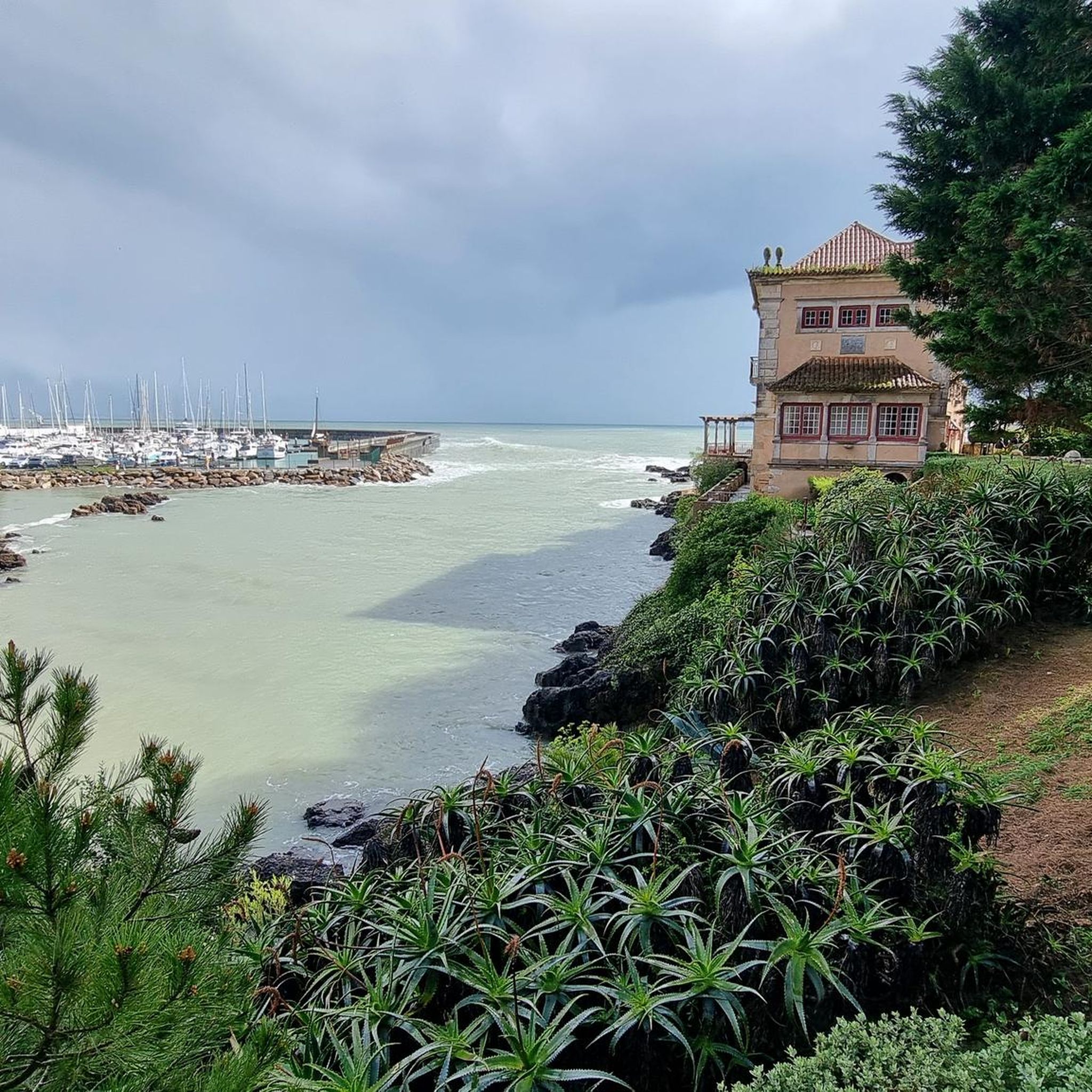
The Forte do Bom Sucesso is a historic fortification located in Lisbon, Portugal. It was built in the 17th century to protect the city of Lisbon from sea attacks. It is located in the Belém area of Lisbon, next to the Tagus River. It was built between 1660 and 1670, during the reign of King Afonso VI. The fort is a stone and earth structure, with a pentagonal shape and a central tower and was equipped with cannons and other weapons to defend the city of Lisbon.
0
1

The Belém Tower is one of the most iconic monuments in Lisbon, Portugal. Built between 1515 and 1519 by architect Francisco de Arruda, this Manueline-style tower was originally a fortress intended to protect the entrance to the port of Lisbon across the Tagus River. Over time, the tower also served as a tax collection center, a lighthouse, and a prison. In 1983, it was declared a UNESCO World Heritage Site along with the nearby Jerónimos Monastery.
17
3
The Belém Tower is a 16th-century military construction designed by Francisco de Arruda and Diogo de Boitaca. It played a crucial role during the Age of Discovery as a fortress and port. Throughout its history, it has served as a prison, lighthouse, and tax collection center. Along with the Jerónimos Monastery, it was declared a UNESCO World Heritage Site in 1983. I hope this information is useful to you! 😊
19
2
The Belém Tower is a 16th-century military construction designed by Francisco de Arruda and Diogo de Boitaca. It played a crucial role during the Age of Discovery as a fortress and port. Throughout its history, it has served as a prison, lighthouse, and tax collection center. Along with the Jerónimos Monastery, it was declared a UNESCO World Heritage Site in 1983. I hope this information is useful to you! 😊
25
1

Great photo point to photograph the entire Castelo 🤩
14
0

The Bom Sucesso Fort, located on the current Plaza de la Imperio (Imperial Square), next to the Belém Tower, was built in 1780 between the Bom Sucesso and Pedrouços beaches on the right bank of the Tagus River as a complement to the Belém Defense Line under the direction of General Guilherme de Vallerée. It was completed in 1782. Since 1994, the premises of the old fort have been part of the Memorial to the Ultramar Fighters. It houses the permanent exhibition "The Portuguese Fighter." Outside, there are three rooms containing equipment related to the various branches of the armed forces.
1
0
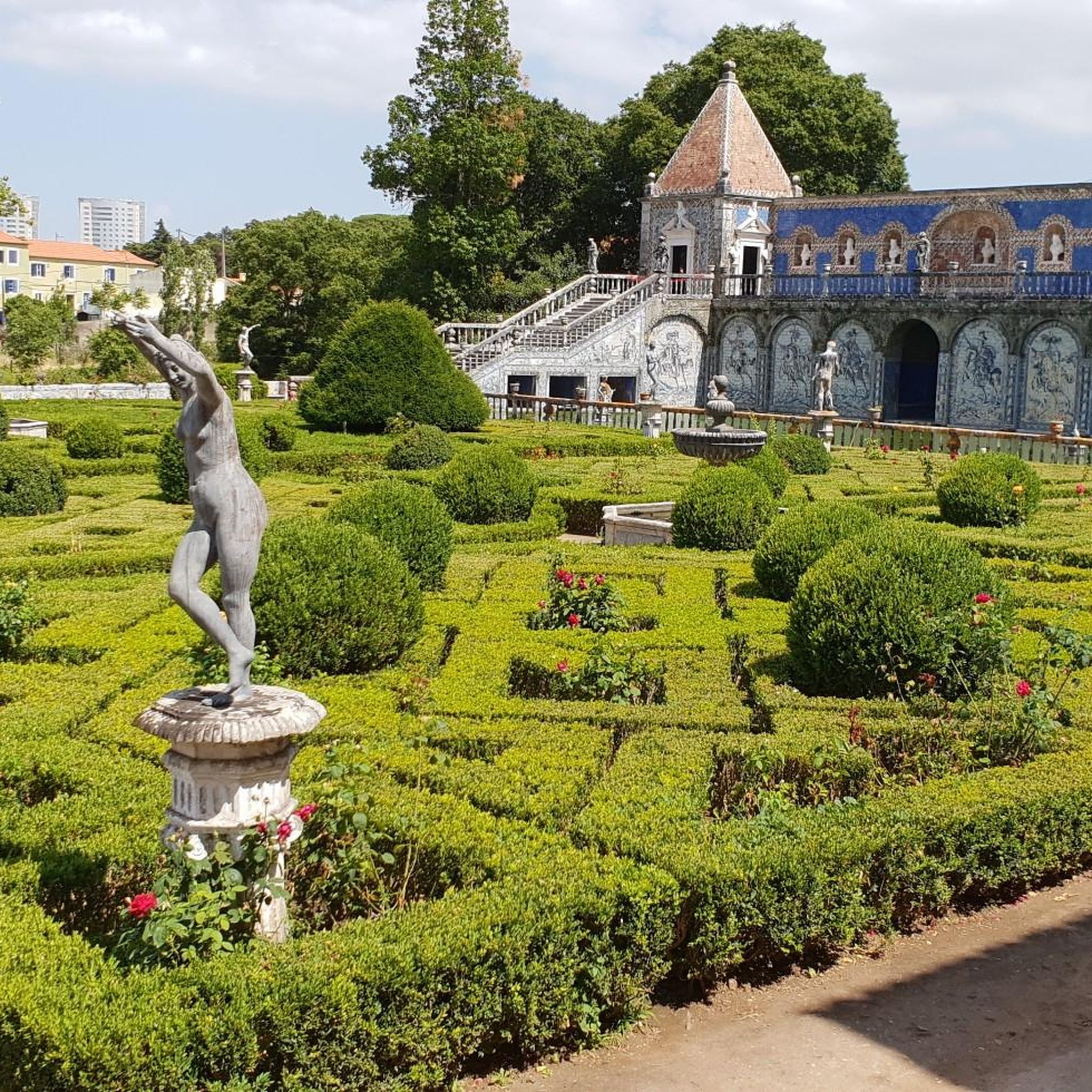
The façade of the palace is adorned with stone, shells, broken glass and porcelain. In addition, the dining room is decorated with portraits of members of the Portuguese nobility, painted by artists such as Domingos António de Sequeira. The chapel, dating from the 16th century, is the oldest part of the palace.
9
0
Frequently Asked Questions
What are the most prominent castles and fortifications accessible from Arroios?
While Arroios itself doesn't contain traditional fortified castles, it offers excellent access to several significant historical sites in the wider Lisbon area. The most notable include St. George's Castle, a historic fortress offering panoramic city views, and Belém Tower, an iconic 16th-century fortress on the Tagus River. Other important sites include the Bom Sucesso Fort (Combatant's Museum) and the historic Palace of the Marquises of Fronteira.
What makes St. George's Castle a must-visit when staying in Arroios?
St. George's Castle is a definitive must-visit due to its ancient origins, dating back to the 6th century, and its strategic location atop one of Lisbon's highest hills. It offers stunning panoramic views of the city and the Tagus River. Visitors can explore its impressive walls, courtyards, and archaeological site, and even experience a Camera Obscura for a real-time 360-degree view of Lisbon. The castle grounds are also home to peacocks and peaceful gardens.
Are there any unique architectural castles or forts near Arroios?
Yes, the Belém Tower is renowned for its distinctive Manueline architecture, a Portuguese late Gothic style. It's a 16th-century fortress that played a crucial role in defending Lisbon's harbor. Another significant structure is the Fort of São Julião da Barra, one of Portugal's largest maritime military structures, known for its Vauban-style architecture. While not generally open to the public, its imposing presence is a significant historical landmark at the mouth of the Tagus River.
Are there any family-friendly castles or historical sites around Arroios?
Yes, several sites are suitable for families. Belém Tower is listed as family-friendly, offering an engaging historical experience by the river. The Bom Sucesso Fort (Combatant's Museum) is also family-friendly and houses a museum with exhibitions that can be interesting for older children. The grounds of St. George's Castle, with its roaming peacocks and open spaces, are also enjoyable for families.
What outdoor activities can I do near these castles?
The Lisbon area, including locations near these castles, offers various outdoor activities. For cycling enthusiasts, there are MTB Trails around Arroios and Gravel biking around Arroios. If you prefer running, you can find numerous Running Trails around Arroios, including routes around parks and historical areas. Many of these routes offer views of the Tagus River and city landmarks.
How can I reach these castles from Arroios using public transport?
Arroios has excellent public transport connections. St. George's Castle is easily accessible by metro (to Rossio or Baixa-Chiado) and then a short walk or tram ride. For Belém Tower and Bom Sucesso Fort, you can take a tram (e.g., Tram 15E) or bus from central Lisbon to the Belém district. The Moorish Castle in Sintra requires a train journey from Rossio Station to Sintra, followed by a local bus or walk.
Are there any less-known historical sites or 'hidden gems' around Arroios?
Beyond the most famous castles, consider visiting the Palace of the Marquises of Fronteira. This 17th-century palace is known for its beautiful gardens adorned with azulejos (tiles), sculptures, and unique architectural details. Another interesting spot is the Casa do Alentejo, a stunning 17th-century Moorish mansion in central Lisbon that reflects Arab cultural influence, now housing a restaurant and cultural space.
What kind of historical significance do these castles hold?
The castles and fortifications around Lisbon are steeped in history. St. George's Castle showcases layers of history from Visigothic and Moorish periods to the Portuguese monarchy. Belém Tower symbolizes Portugal's Age of Discovery, serving as a fortress and port. The Fort of São Julião da Barra played a critical role in defending the Tagus River entrance. These sites collectively tell the story of Lisbon's strategic importance, its defense, and its cultural evolution.
What is the best time of year to visit castles near Arroios?
The best time to visit is typically during the spring (April to June) or early autumn (September to October). During these months, the weather is generally pleasant with moderate temperatures, making it comfortable for exploring the outdoor areas of castles and fortifications. Summer can be very hot and crowded, while winter can bring more rain, though it's usually mild.
Are there good viewpoints near the castles in the Arroios area?
Yes, many of these historical sites offer excellent viewpoints. St. George's Castle is famous for its panoramic views of Lisbon, including the Tagus River and the Alfama district. The Belém Tower also provides scenic views of the river and the surrounding Belém area. Additionally, the Moorish Castle in Sintra, though further afield, offers breathtaking vistas from its ancient walls.
What do visitors enjoy most about the castles and historical sites around Arroios?
Visitors frequently highlight the stunning panoramic views, especially from St. George's Castle. The historical depth and architectural beauty, such as the Manueline style of Belém Tower, are also highly appreciated. Many enjoy the opportunity to wander through ancient battlements and explore archaeological sites, providing a deep dive into Lisbon's layered past. The peaceful gardens and unique features like the Camera Obscura also add to the captivating experience.
Are there options for parking near these castles?
Parking in central Lisbon, especially near popular attractions like St. George's Castle, can be challenging and expensive. It is generally recommended to use public transport. For sites in Belém, such as Belém Tower and Bom Sucesso Fort, there are some paid parking lots available, but they can fill up quickly. For the Moorish Castle in Sintra, parking is available in Sintra town, but it's often easier to take public transport from Lisbon.
Most popular attractions around Arroios

Get inspired with the komoot mobile app


Explore more
Looking for the best castles somewhere else? Discover other guides around Arroios:
