Top 5 Castles around Póvoa De Santo Adrião
Best castles around Póvoa De Santo Adrião are primarily found in the surrounding Lisbon region, offering historical sites and fortifications accessible from the area. While traditional castles do not exist within Póvoa De Santo Adrião itself, the nearby capital provides significant landmarks. These historical sites offer insights into Portugal's past, from ancient fortifications to noble residences. The region's topography allows for elevated viewpoints, providing panoramic cityscapes alongside historical exploration.
Best castles around Póvoa De Santo Adrião
- The most popular castles…
Last updated: May 3, 2026
St. George's Castle
Highlight • Castle
Translated by Google •
Tip by

Palácio Nacional de Queluz
Highlight • Historical Site
Translated by Google •
Tip by

Sign up now to discover places like this
Get recommendations on the best single tracks, peaks, & plenty of other exciting outdoor places.
Sign up for free
Casa do Alentejo, Lisbon
Highlight • Restaurant
Glimpses of Morocco in the entrance hall, with …
Translated by Google •
Tip by

Palace of the Marquises of Fronteira
Highlight • Historical Site
Translated by Google •
Tip by
Archaeological Site of Castelo de São Jorge
Highlight • Castle
Translated by Google •
Tip by

Sign up for free to discover even more castles around Póvoa De Santo Adrião.
Sign up for free
Already have an account?
Start today with a free account
Your next adventure awaits.
Login or Signup

Tips from the Community

The archaeological site of Castelo de São Jorge showcases exposed walls, foundations, and traces of settlements from various eras of Lisbon. A tour of the site offers a glimpse into how people lived and worked here in the past – right beneath the present-day castle walls. It's a fascinating excursion for anyone who wants to combine the view with a bit of urban history.
3
0

Behind the simple facade on Rua das Portas de Santo Antão lies one of the city's most magnificent palaces – a true architectural gem. What now serves as a cultural center and restaurant was originally built in the 17th century as the city palace of the Alverca family. The magnificent rooms, with their Moorish and neo-Baroque elements, speak of bygone splendors. Access to the courtyard in front of the restaurant is free, but in return, quiet and consideration for the "actual" guests are expected. ;-)
2
1

There are guided tours available explaining the site. Otherwise, it is just old walls.
1
1

A beautiful and multifaceted city, wonderful Lisbon 🫶 🇵🇹
2
1

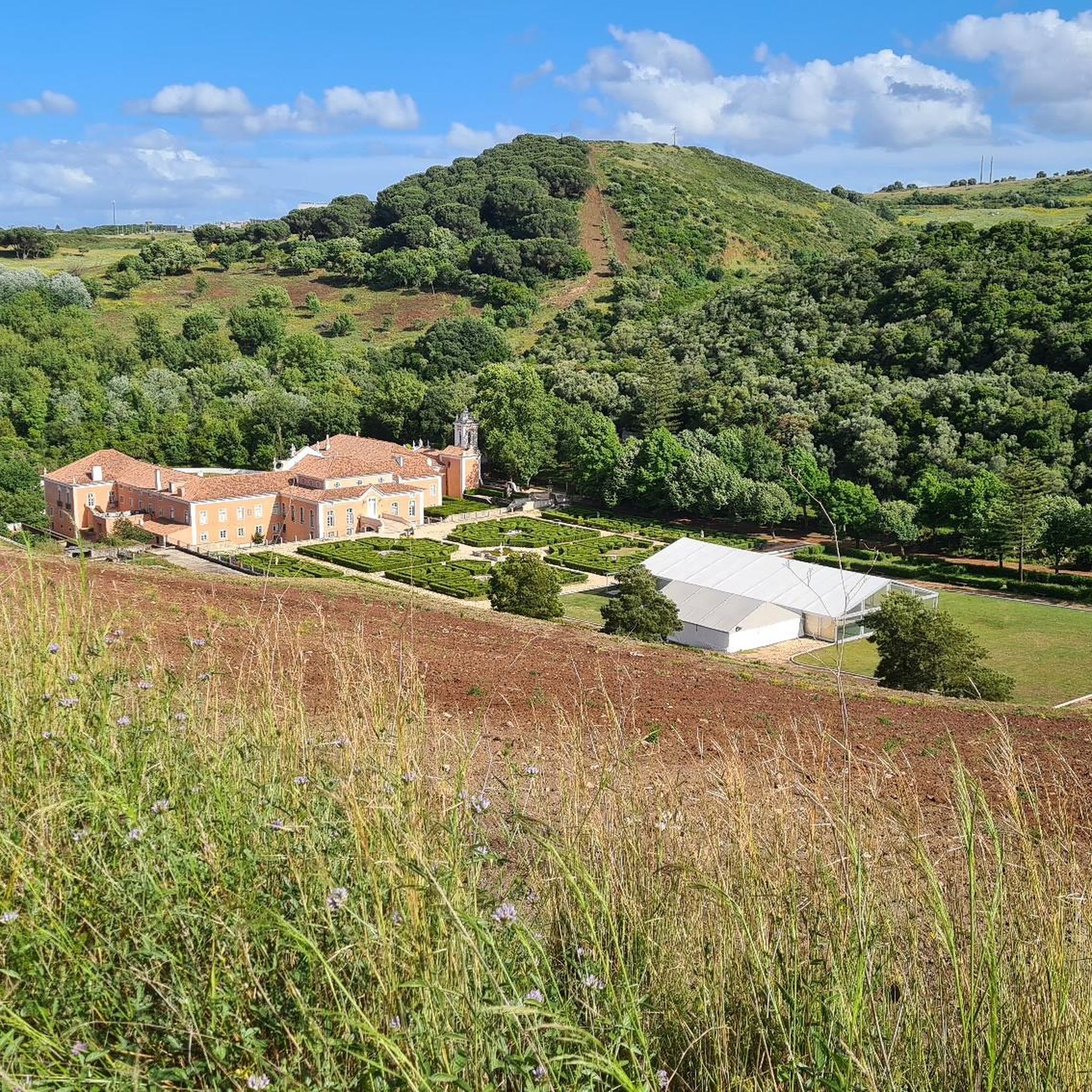
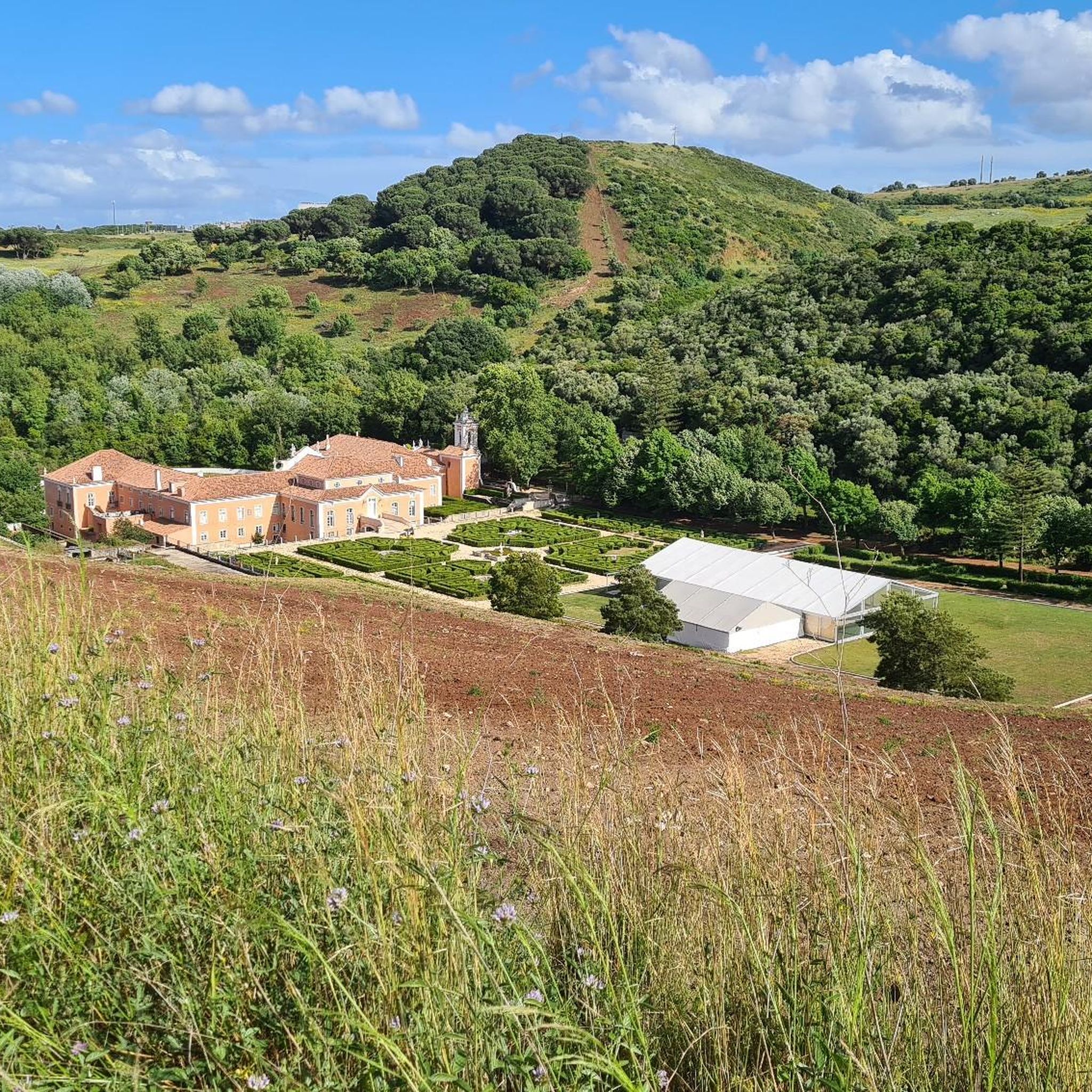
The National Palace of Queluz is enchanting for its grandeur and the exuberance of its architectural details. Closely linked to the experiences of three generations of the Portuguese Royal Family, and the scene of intense emotions, the palace reflects the evolution of tastes and styles of the time, including Baroque, Rococo and Neoclassicism. Surrounding it, scenic gardens invite you to “stroll” back to the time when the court organised sumptuous parties there and preserve memories of gondola rides on the canal, theatre, hunting, musical and literary evenings, masked balls, games and open-air performances. A dreamlike setting, enlivened by waterfalls and delicate water features.
1
1
The National Palace of Queluz charms whether for its imposing nature or the sheer exuberance of its architectural details closely bound up with the lives of three generations of the Portuguese Royal Family and the scene of intense emotions. The Palace furthermore reflects the evolution in the tastes and styles over different period, moving from the Baroque to the Rococo and onto Neoclassicism. Its surrounding scenic gardens invite you for a “stroll” through a period in which the court organised sumptuous parties and that hold the memories of trips by gondola along the canal, theatre, hunting, musical and literary performances, masked balls, games and open-air recitals. A dreamlike scenario, animated by the waterfalls and delicate water games.
1
1

Beautiful royal castle in an otherwise rather inconspicuous suburb.
0
0

Great photo point to photograph the entire Castelo 🤩
14
0
Frequently Asked Questions
What historical castles can I visit near Póvoa de Santo Adrião?
While traditional castles are not located directly within Póvoa de Santo Adrião, the surrounding Lisbon region offers several significant historical sites. The most prominent is St. George's Castle, an ancient fortification that served as a royal palace. Other notable sites include the Palace of the Marquises of Fronteira with its unique architecture and gardens, and Casa do Alentejo, Lisbon, a beautiful 17th-century Moorish mansion.
Are there any actual castles within Póvoa de Santo Adrião itself?
No, traditional castles do not exist within Póvoa de Santo Adrião. While the 'Quinta dos Sete Castelos' is a historical reference in the area, the castles themselves are no longer standing. The significant historical fortifications are found in the broader Lisbon region.
What are the main historical features of St. George's Castle?
St. George's Castle was originally an Islamic period fortification, conquered in 1147, and later served as the Royal Palace for Portuguese kings. It features eleven towers, architectural elements from the Arab period, and an extensive archaeological site showcasing traces of past settlements. Visitors can explore its walls and discover its rich history.
Can I get panoramic views from the castles near Póvoa de Santo Adrião?
Yes, St. George's Castle offers magnificent panoramic views of Lisbon from its towers and extensive walls. It's a popular spot for photography and enjoying the cityscape.
Are there family-friendly options among the castles?
The Palace of the Marquises of Fronteira is considered family-friendly. Its beautiful gardens with numerous sculptures provide an engaging environment for visitors of all ages to explore.
What kind of outdoor activities are available near these castles?
The region around Póvoa de Santo Adrião and Lisbon offers various outdoor activities. You can find easy hikes, running trails, and gravel biking routes. For example, there are several easy hikes around Póvoa de Santo Adrião, including a Golf loop from the National Library of Portugal. You can explore more options on the Easy hikes around Póvoa De Santo Adrião guide, Running Trails around Póvoa De Santo Adrião guide, and Gravel biking around Póvoa De Santo Adrião guide.
What do visitors enjoy most about the castles in this region?
Visitors frequently appreciate the historical depth and stunning views offered by sites like St. George's Castle. The opportunity to explore ancient fortifications, archaeological sites, and enjoy panoramic cityscapes are often highlighted. The unique architecture and gardens of places like the Palace of the Marquises of Fronteira also receive high praise.
Are there archaeological sites to explore within the castles?
Yes, St. George's Castle features an archaeological site with exposed walls, foundations, and traces of settlements from various eras of Lisbon. This offers a fascinating glimpse into the past, showing how people lived and worked beneath the present-day castle walls.
What kind of architectural styles can be seen in these historical sites?
You can observe a range of architectural styles reflecting different historical periods. St. George's Castle retains elements of its original Arab period military fortifications. The Casa do Alentejo is a beautiful 17th-century Moorish mansion with mosaic floors and horseshoe arches, clearly reflecting Arab cultural influence.
Can I find places to eat or relax near these castles?
Yes, for example, Casa do Alentejo, Lisbon, a historical Moorish mansion, houses a restaurant on its upper floor offering a full menu of typical Portuguese dishes. Many areas around the castles, especially in Lisbon, also have cafes and pubs nearby.
What is the best time of year to visit the castles near Póvoa de Santo Adrião?
The castles in the Lisbon region are generally pleasant to visit year-round. Spring (April-May) and Autumn (September-October) offer mild temperatures and fewer crowds, making them ideal for exploring the outdoor areas and enjoying the views. Summer can be hot, while winter is generally mild but may have more rain.
Are there any hidden gems or lesser-known historical sites worth visiting?
While not a 'hidden gem' in the traditional sense, the Palace of the Marquises of Fronteira offers a unique and less crowded experience compared to St. George's Castle. Its intricate façade, stunning gardens, and 16th-century chapel provide a rich historical and aesthetic experience that many visitors find captivating.
Most popular routes around Póvoa De Santo Adrião
Most popular attractions around Póvoa De Santo Adrião

Get inspired with the komoot mobile app


Explore more
Looking for the best castles somewhere else? Discover other guides around Póvoa De Santo Adrião:
