Top 10 Lakes around Alcácer Do Sal (Santiago)
Best lakes around Alcácer Do Sal (Santiago) are primarily artificial reservoirs formed by dams on the Sado River basin. The region is characterized by its riverine landscape and significant water bodies, including the Sado Estuary Nature Reserve. These areas offer opportunities for outdoor activities and provide important habitats for diverse flora and fauna. The municipality of Alcácer do Sal is known for its connection to the Sado River and its agricultural heritage.
Best lakes around Alcácer Do Sal (Santiago)
- The…
Last updated: July 14, 2026
Vale do Gaio Dam
Highlight • Monument
Located near Torrão, …
Translated by Google •
Tip by

Pego do Altar Dam
Highlight • Lake
Translated by Google •
Tip by
Sign up now to discover places like this
Get recommendations on the best single tracks, peaks, & plenty of other exciting outdoor places.
Sign up for free
Vale de Gaio Dam
Highlight • Lake
Translated by Google •
Tip by
Reservoir of the Pego do Altar Dam
Highlight • Lake
Translated by Google •
Tip by
Figueira Valley
Highlight • Lake
Translated by Google •
Tip by
Sign up for free to discover even more lakes around Alcácer Do Sal (Santiago).
Sign up for free
Already have an account?
Start today with a free account
Your next adventure awaits.
Login or Signup
Tips from the Community

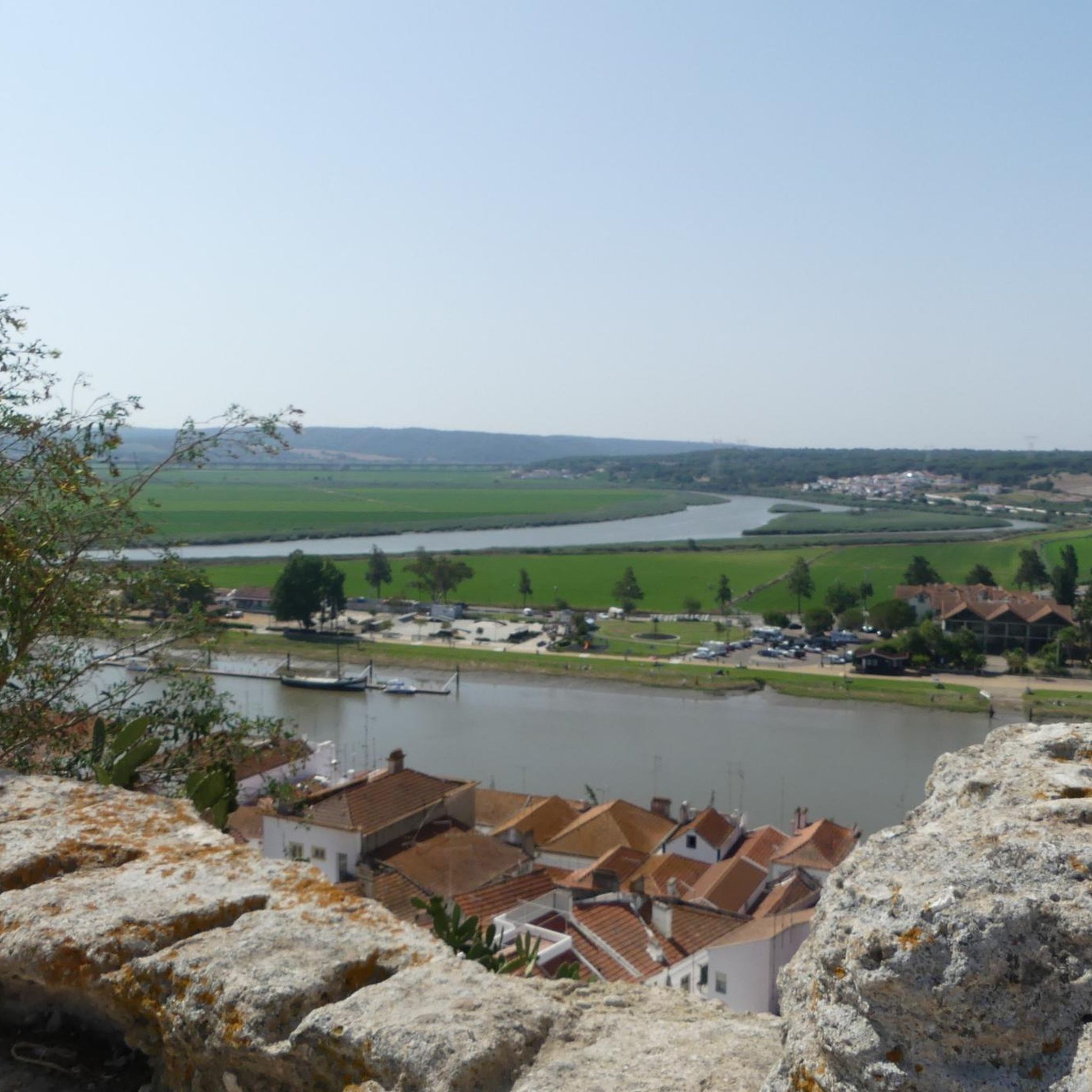
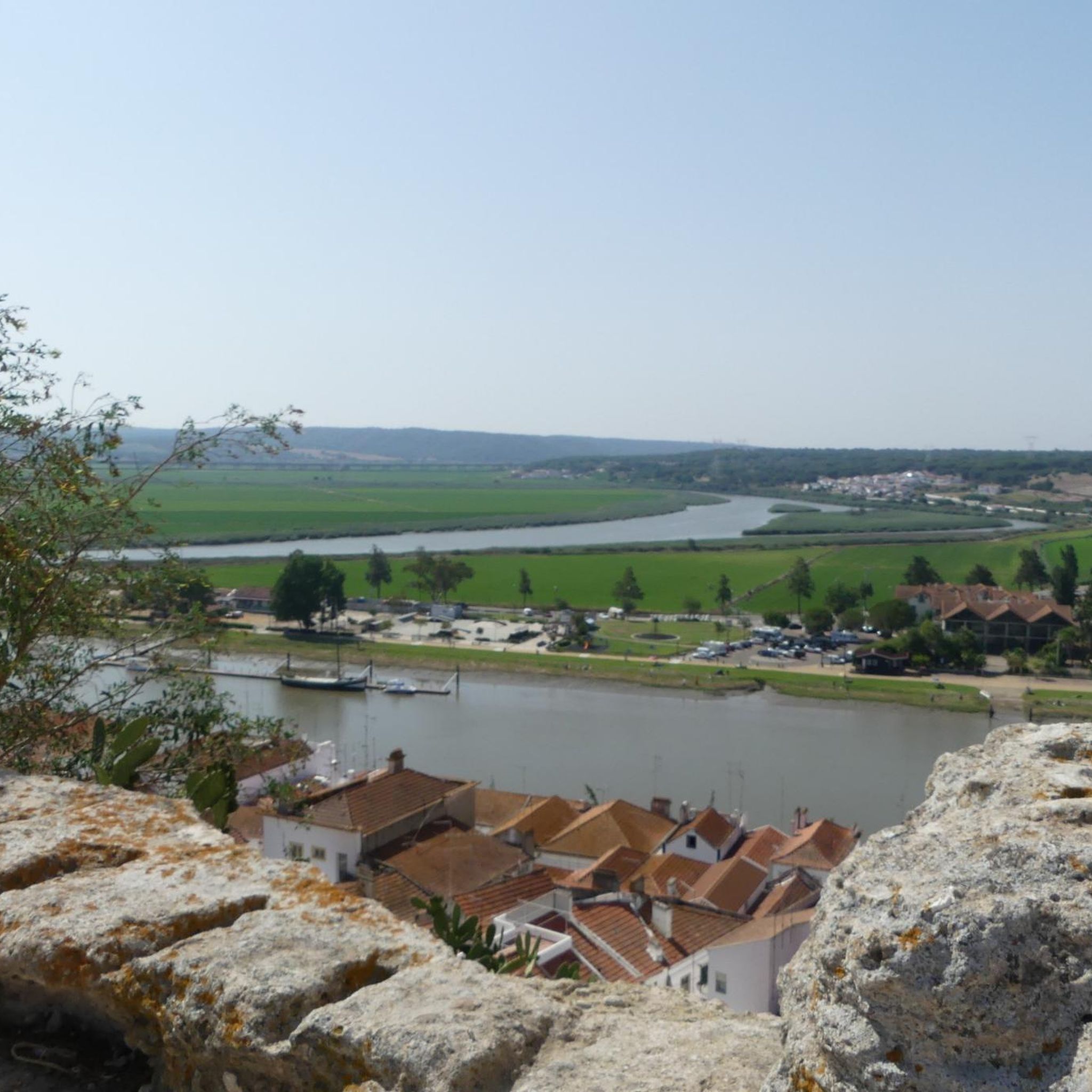
The Pego do Altar Dam, originally named Salazar Dam, is a dam built on the bed of the Ribeira das Alcáçovas, in the Sado River basin, in the parish of Santa Susana, in the municipality of Alcácer do Sal, Portugal. The Salazar Dam was built in 1949, during the Estado Novo period, to harness the waters for agriculture in the Sado Valley (rice fields of Alcácer do Sal) and for hydroelectric generation. Its reservoir is now a point of great tourist interest, particularly for sport fishing.
1
0
The Pego do Altar Dam is located a few kilometres from Alcácer do Sal and was built in 1949 to supply the agricultural area of the Sado River valley and to produce electricity. Today it is very popular with foreigners in their motorhomes and with sports fishing enthusiasts. It is a magical place due to its landscapes, its capacity for leisure activities and its importance in irrigating the fields, where the main irrigated crop is rice. Not far from the Pego do Altar Dam, the village of Santa Susana has a curious feature: some buildings with modernist architecture from the 1940s, which are due to a benefactor of the region, Henrique Louro Fernandes, whose monogram (HF) can be found on some of them. A small church, with two 16th-century panels inside, somewhat deteriorated but magnificent, completes the interesting visit to this place. Recently, the drought that hit this area “uncovered” an old 200-year-old bridge that was submerged by the waters of the dam.
11
0
The Pego do Altar Dam is located a few kilometres from Alcácer do Sal and was built in 1949 to supply the agricultural area of the Sado River valley and to produce electricity. Today it is very popular with foreigners in their motorhomes and with sports fishing enthusiasts. It is a magical place due to its landscapes, its capacity for leisure activities and its importance in irrigating the fields, where the main irrigated crop is rice. Not far from the Pego do Altar Dam, the village of Santa Susana has a curious feature: some buildings with modernist architecture from the 1940s, which are due to a benefactor of the region, Henrique Louro Fernandes, whose monogram (HF) can be found on some of them. A small church, with two 16th-century panels inside, somewhat deteriorated but magnificent, completes the interesting visit to this place. Recently, the drought that hit this area “uncovered” an old 200-year-old bridge that was submerged by the waters of the dam.
9
0
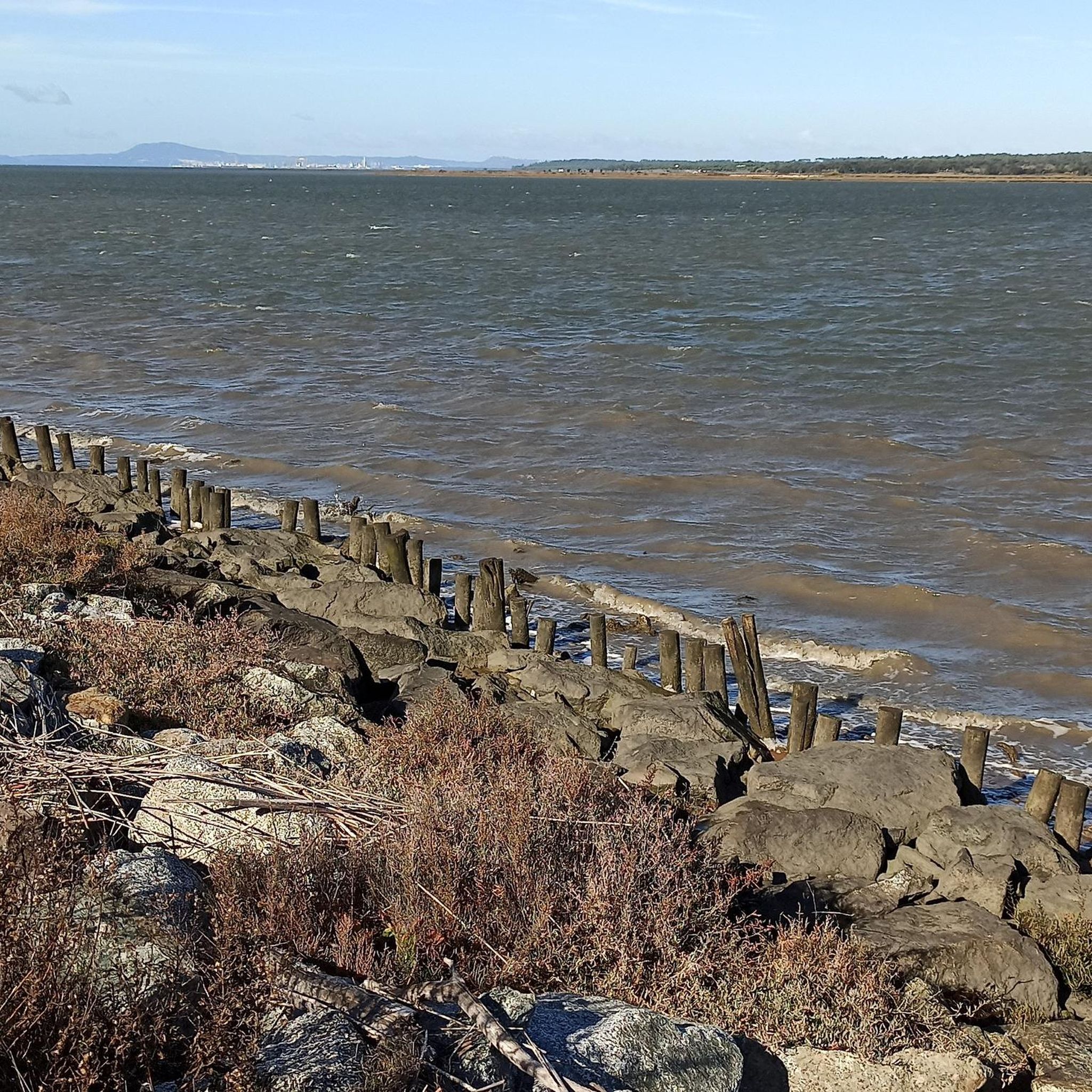
A dam located in the Xarama river (Sado's River Basin) right in the planes of the Alentejo region. Fishing and swimming are allowed. Motor boats and surfing are allowed with some restrictions.
7
1
With a watershed that extends over 509 square kilometres, the Engenheiro Trigo de Morais Dam, better known as the "Vale do Gaio Dam", began operating in 1949. Located near Torrão, on the watercourse of the Xarrama River, the construction was selected by the Order of Engineers to be included in the book “100 Civil Engineering Works in the 20th Century”, which aims to present to society works that have contributed to the development of Portugal and to reinforce the role of Portuguese Engineering in the world. Surrounded by beautiful green areas, the Vale do Gaio dam is an ideal place for sports and water activities (walking, fishing, canoeing, etc.), for a simple walk in the open air or to enjoy a few days of rest in the guesthouse located there. Source: C.M. Alcáçer do Sal
7
1
The Vale de Gaio Dam (formerly Trigo de Morais) is a small paradise for hikers and outdoor enthusiasts in general. On its banks, you can find the peace and quiet that characterizes the Alentejo as an excellent eco-tourism destination. Fishing, canoeing, birdwatching or simply walking are obvious and viable options for those who visit us. There is also a guesthouse and picnic areas. Nearby, many rural tourism establishments await your visit. Although it is located in the District of Setubal, Municipality of Alcácer do Sal and Parish of Torrão, this is a gateway to the Central Alentejo, allowing you to easily reach the small whitewashed towns and villages and the golden plains of our Alentejo.
6
1
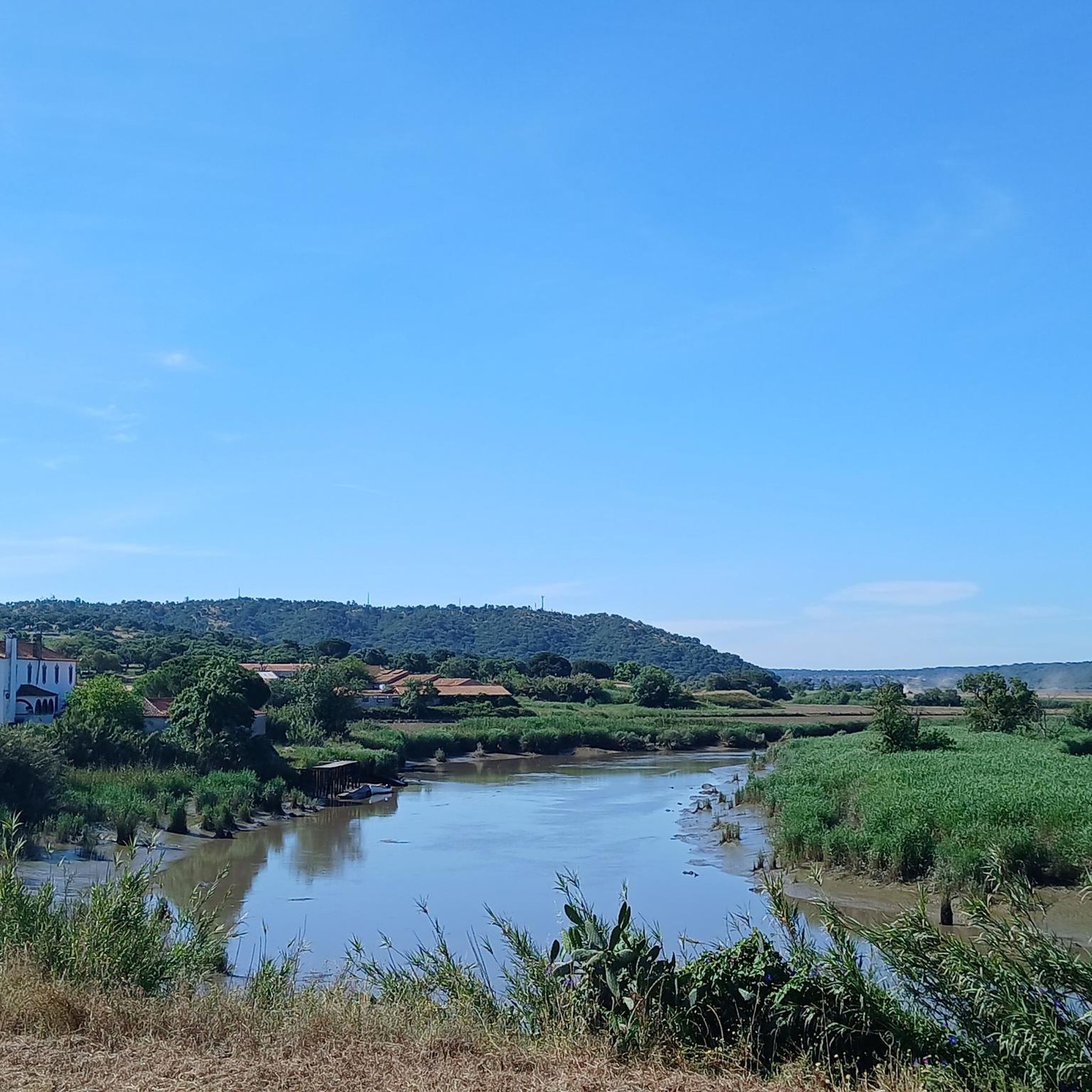
This is an arm of the Pego do Altar Dam, which serves to irrigate the rice fields in the Alcácer do Sal area.
12
0
Frequently Asked Questions
What kind of lakes can I expect to find around Alcácer do Sal (Santiago)?
The lakes around Alcácer do Sal (Santiago) are primarily artificial reservoirs formed by dams, such as the Vale do Gaio Dam and Pego do Altar Dam. These water bodies are part of the Sado River basin and offer picturesque settings for various outdoor activities.
What natural features and wildlife can I observe near the lakes?
Beyond the dams, the Sado Estuary Nature Reserve is a crucial natural attraction. It's an important habitat for diverse flora and fauna, including a resident pod of dolphins and numerous bird species like flamingos, pochards, and herons. The estuary features extensive rice fields, marshes, and salt flats, offering significant opportunities for birdwatching and wildlife observation.
Are there any unique historical elements associated with the dams?
Yes, the Pego do Altar Dam has a unique historical element: during periods of drought, an old 200-year-old bridge submerged by its waters has reappeared. The nearby village of Santa Susana also features modernist architecture from the 1940s and a small church with 16th-century panels. The Vale do Gaio Dam was recognized by the Order of Engineers for its significance in Portugal's 20th-century development.
What outdoor activities are popular at the lakes?
The dams and surrounding areas are ideal for various outdoor pursuits. At Vale do Gaio Dam, you can enjoy walking, fishing, and canoeing. The Pego do Altar Dam is popular for sport fishing and is a favorite spot for motorhome enthusiasts. The Sado Estuary offers boat trips for dolphin and bird watching.
Are there hiking trails available near the lakes?
Yes, there are several hiking opportunities in the region. You can find various trails around Alcácer do Sal (Santiago), including moderate routes like the 'Alcácer do Sal – Alcácer do Sal Castle loop' or easier options like the 'View of Alcácer do Sal – Alcácer do Sal Waterfront loop'. For more details on hiking routes, you can explore the Hiking around Alcácer Do Sal (Santiago) guide.
Can I go cycling near the lakes?
Absolutely. The area offers various cycling routes, ranging from moderate to difficult. For instance, you can find routes like the 'View of Alcácer do Sal – Canal do Pego do Altar loop' or more challenging ones such as the 'View of Alcácer do Sal – Pego do Altar Dam loop'. Detailed routes are available in the Cycling around Alcácer Do Sal (Santiago) guide and Road Cycling Routes around Alcácer Do Sal (Santiago) guide.
Are the lakes family-friendly?
Yes, both the Vale do Gaio Dam and Pego do Altar Dam are considered family-friendly. They offer peaceful environments and opportunities for activities like walking and picnicking, making them suitable for a day out with the family.
What is the best time to visit the lakes around Alcácer do Sal?
The region generally offers pleasant conditions for visiting the lakes. Spring and autumn are often ideal, with milder temperatures perfect for outdoor activities like hiking, cycling, and wildlife observation. Summers can be hot, but the lakes provide opportunities for water-based recreation. Winters are generally mild.
Are there places to stay or eat near the lakes?
Near the Vale do Gaio Dam, there is a guesthouse available for those looking to stay a few days. The surrounding area also has rural tourism establishments. While specific cafes or pubs directly on the lake shores are not widely noted, the town of Alcácer do Sal itself offers various amenities, including accommodation and dining options.
Is wild swimming allowed in the lakes?
At Vale do Gaio Dam, swimming is generally allowed, along with fishing. However, it's always advisable to check local regulations or signage at the specific location for any restrictions or safety guidelines before entering the water.
What do visitors enjoy most about the lakes in this region?
Visitors appreciate the peaceful environment and the beautiful green surroundings of the dams, making them excellent eco-tourism destinations. The opportunities for sport fishing, canoeing, and walking are highly valued. The magical landscapes and leisure activities, especially around Pego do Altar Dam, are also frequently highlighted.
Most popular routes around Alcácer Do Sal (Santiago)
Most popular attractions around Alcácer Do Sal (Santiago)

Get inspired with the komoot mobile app


Explore more
Still not found your perfect lake around Alcácer Do Sal (Santiago)? Check out the guides of these regions to see even more beautiful places.
