Top 2 Lakes in Ostroher-Süderholmer Moor
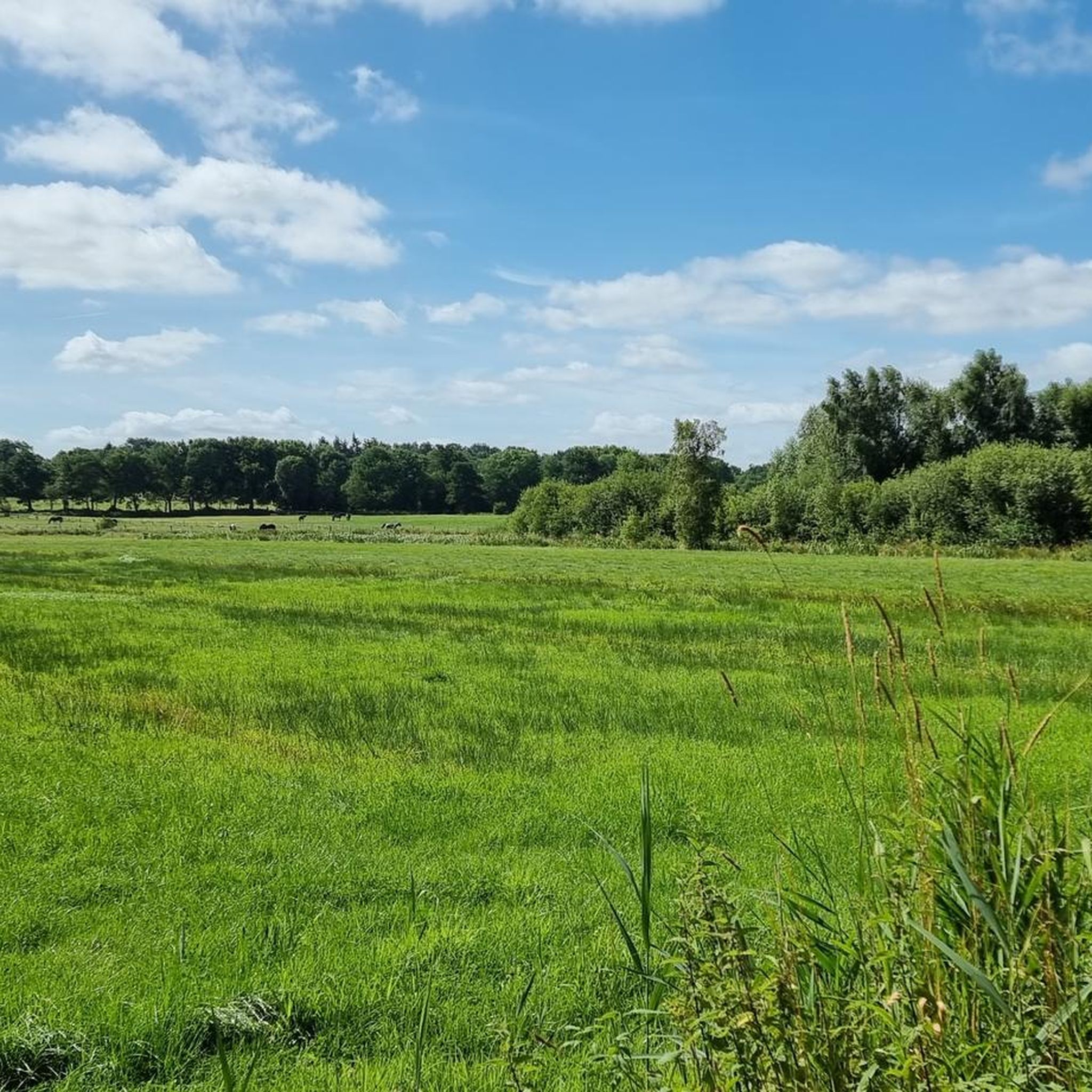
Best lakes in Ostroher-Süderholmer Moor are found within a protected landscape northeast of Heide, Germany. This area features a mosaic of water bodies, reed zones, wetlands, and grasslands, largely formed from historical peat mining. These "Moorseen" (moor lakes) or "Torfstiche" (peat pits) have transformed into natural habitats. The region is recognized for its biodiversity and offers a tranquil environment for nature observation and recreation.
Best lakes in Ostroher-Süderholmer Moor
- The most popular lakes is Moor pools in the Ostroher-Süderholmer Moor…
Last updated: May 11, 2026
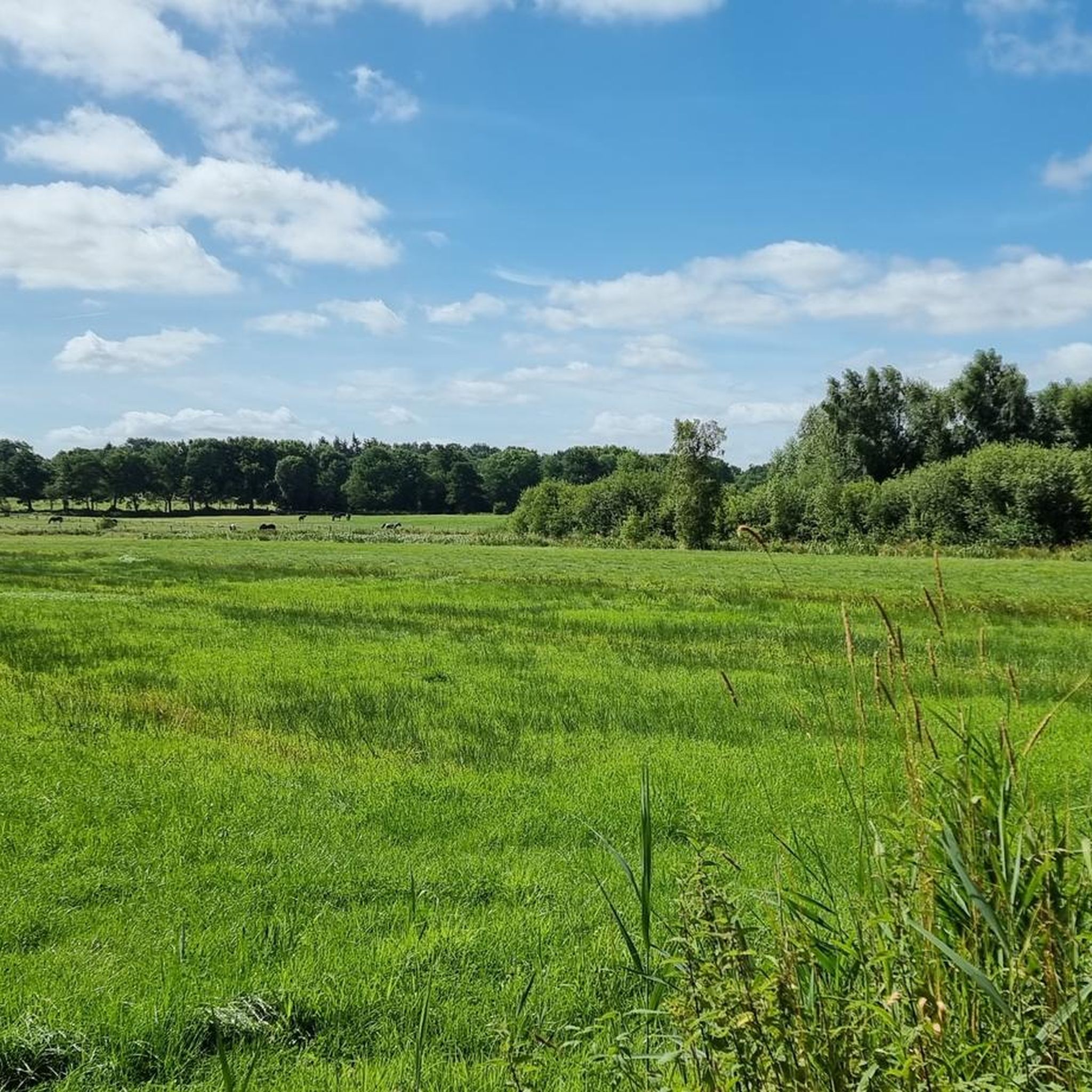
Moor pools in the Ostroher-Süderholmer Moor
Highlight • Natural
Translated by Google •
Tip by

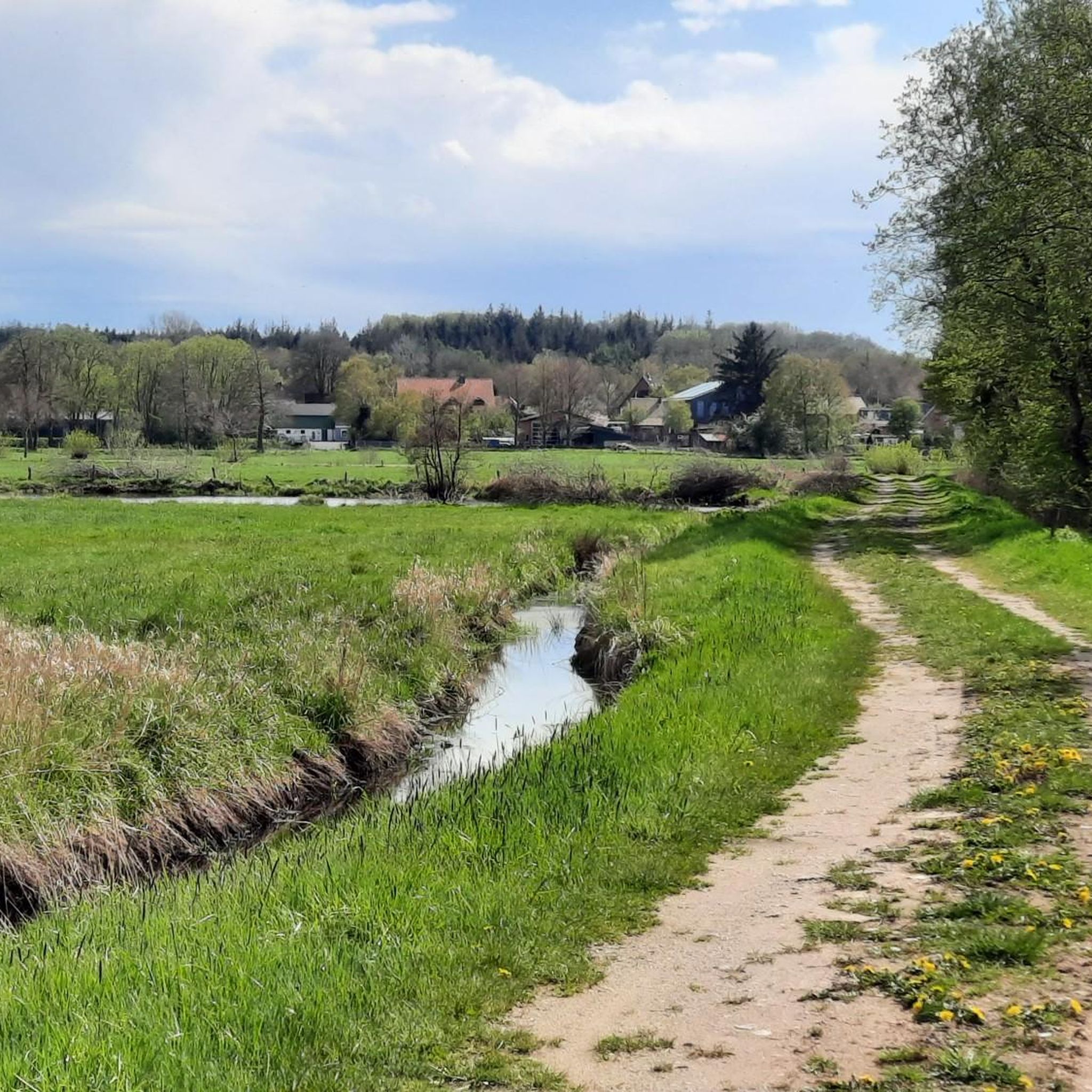
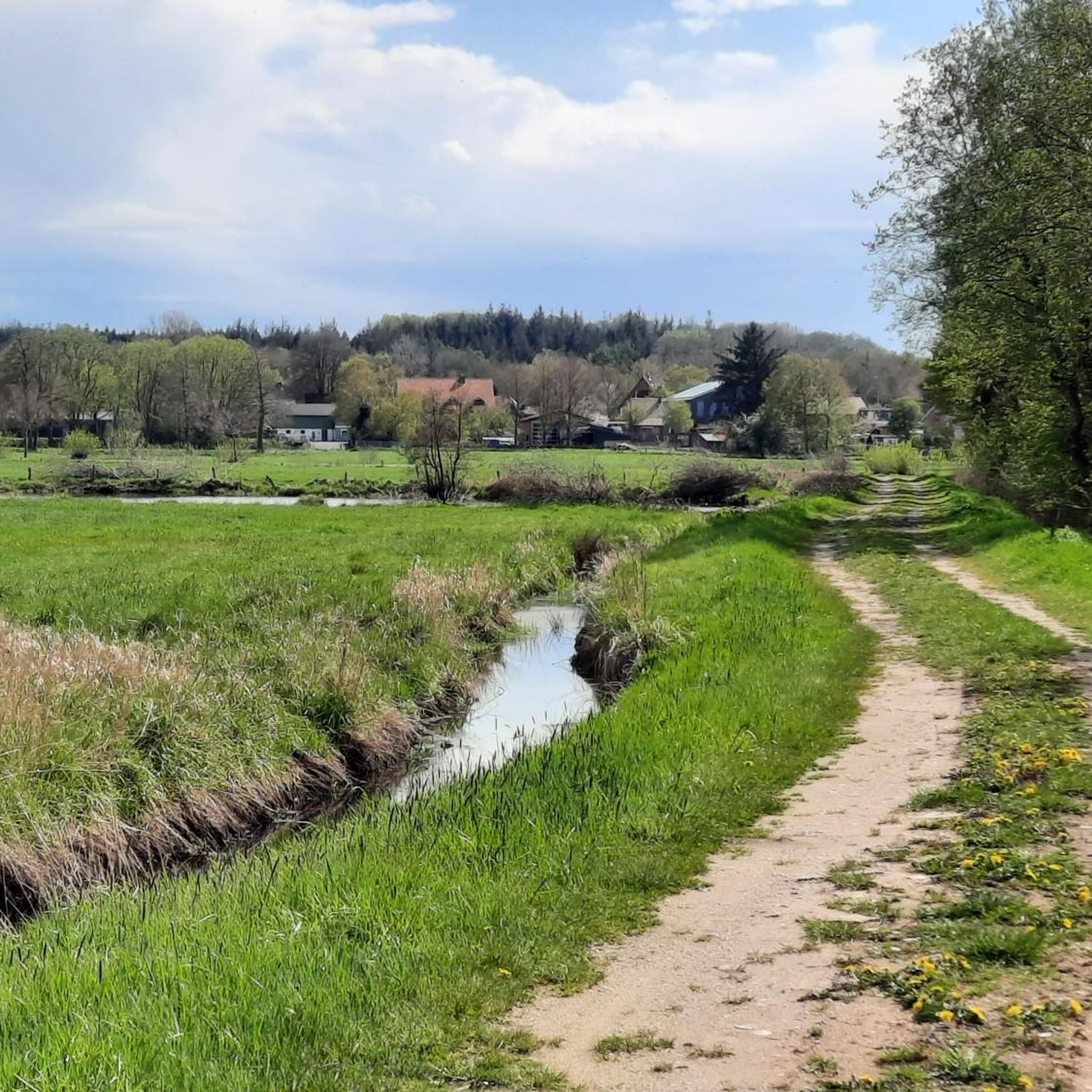
Pond Landscape in Ostroher-Süderholmer Moor
Highlight • Lake
Translated by Google •
Tip by
Sign up now to discover places like this
Get recommendations on the best single tracks, peaks, & plenty of other exciting outdoor places.
Sign up for free
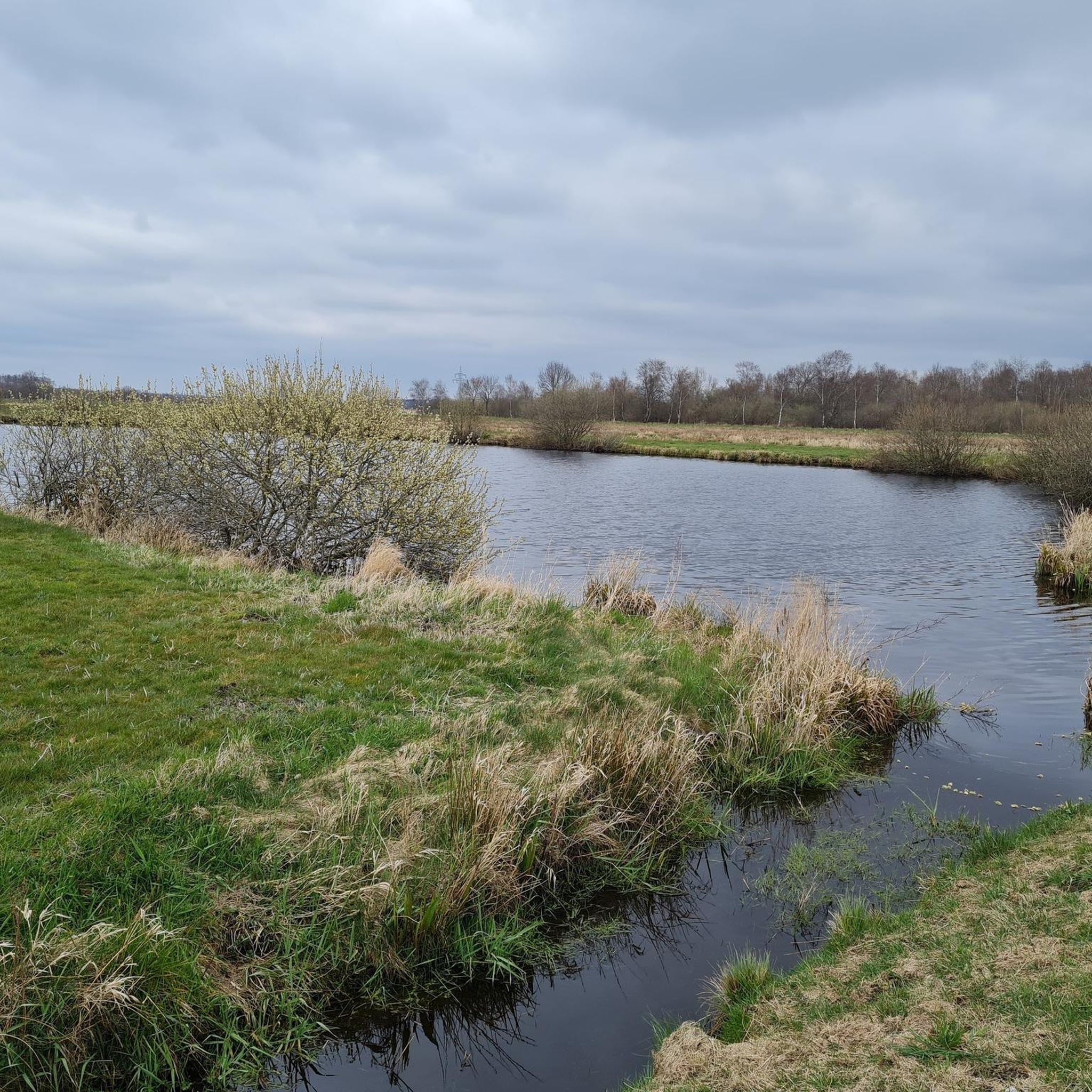
Lake in Ostroher-Süderholmer Moor Nature Reserve
Highlight • Lake
Translated by Google •
Tip by

Fishing pond at Fuchsberg
Highlight • Lake
Translated by Google •
Tip by

Moor Lake in Ostroher-Süderholmer Moor
Highlight • Lake
Translated by Google •
Tip by
Sign up for free to discover even more lakes in Ostroher-Süderholmer Moor.
Sign up for free
Already have an account?
Start today with a free account
Your next adventure awaits.
Login or Signup
Tips from the Community

If you are lucky you will also see the otter
1
0

A small place to rest with a beautiful view over the hollows.
0
0

The nature reserve comprises a mosaic of water areas, reed beds, wet bushes and agricultural green areas, connected by a network of paths. With a little luck, you will see the rare royal fern and animals such as the great bittern and the green hawker.
3
0

The Scottish Highlanders are a peaceful breed of cattle. Everything is very slow and they don't fixate on them with their eyes. Then they get very curious. I also really liked the view of the birch forest. It may be that I'm spoiled at the moment. So I have to "earn" a hike's stars. The water areas are visited by anglers, and they drive right up to them in their cars. There are also too many tractors driving too fast on the supply routes.
5
0
After the Second World War, peat was mined here on a large scale to a depth of six metres. This is how the peat pits, which are today's water areas, were created.
4
0
Today, the landscape is characterized by a mosaic of water areas used for sport fishing, between agricultural grassland areas. The area, which is crossed by a network of paths, also includes reed beds and fen-like wet meadows.
5
0
Today, the landscape is characterized by a mosaic of water areas used for sport fishing, between agricultural grassland areas. The area, which is crossed by a network of paths, also includes reed beds and fen-like wet meadows.
5
0
Today, the landscape is characterized by a mosaic of water areas used for sport fishing, between agricultural grassland areas. The area, which is crossed by a network of paths, also includes reed beds and fen-like wet meadows.
5
0
Frequently Asked Questions
What kind of natural features can I expect around the lakes in Ostroher-Süderholmer Moor?
The Ostroher-Süderholmer Moor is characterized by a unique mosaic of water bodies, reed zones, wetlands, and grasslands. You'll find distinct vegetation like bog-bean, cottongrass, and bog myrtle, along with aquatic plants such as water lilies and frogbit. Rare plants like the royal fern can also be spotted. The area is a protected landscape, offering a rich biodiversity.
What is the origin of the lakes in Ostroher-Süderholmer Moor?
The numerous water features, often called "Moorseen" (moor lakes) or "Torfstiche" (peat pits), are a result of extensive peat mining that took place after World War II. These former peat pits have since transformed into natural habitats, creating the unique landscape you see today, such as the Moor pools in the Ostroher-Süderholmer Moor.
Are there specific spots for wildlife observation near the lakes?
Yes, the moor is excellent for wildlife observation. The Fishing pond at Fuchsberg is noted for providing opportunities to observe various bird species. The entire area is known for diverse birdlife, including great reed warblers, grasshopper warblers, water rails, snipe, and even the rare black tern. With a little luck, you might also spot animals like the great bittern and the green hawker, especially around the Lake in Ostroher-Süderholmer Moor Nature Reserve.
What outdoor activities can I do near the lakes in Ostroher-Süderholmer Moor?
The Ostroher-Süderholmer Moor is ideal for various outdoor activities. You can enjoy hiking, cycling, and jogging on the network of paths that offer views of the diverse moor landscape. For specific routes, consider exploring the family-friendly hikes or traffic-free bike rides available in the region.
Are there family-friendly activities or trails around the lakes?
Absolutely. Many areas around the lakes are suitable for families. The Pond Landscape in Ostroher-Süderholmer Moor is categorized as family-friendly, and the general network of paths is well-suited for leisurely walks. You can find dedicated family-friendly hikes in the region, offering easy routes like the 'Highland Cattle – Rest Area with Statue loop'.
Can I go swimming in the lakes of Ostroher-Süderholmer Moor?
Generally, the lakes in Ostroher-Süderholmer Moor are not designated for swimming. They are primarily moor ponds and former peat pits. For instance, the Fishing pond at Fuchsberg is explicitly noted as not suitable for swimming, with warnings that it might even be dangerous due to the bottomless swamp conditions. These water bodies are valued more for their natural habitat and fishing opportunities.
What is the best time to visit the lakes in Ostroher-Süderholmer Moor?
The Ostroher-Süderholmer Moor offers beauty throughout the year. Spring and summer are ideal for observing diverse flora and fauna, especially birds and aquatic plants. Autumn brings vibrant colors to the surrounding vegetation. Even in winter, the quiet, natural scenery can be enjoyed, though some paths might be wet or muddy.
Are dogs allowed on trails around the lakes?
While the guide data doesn't explicitly state dog-friendly policies for every highlight, protected natural areas often require dogs to be kept on a leash to protect wildlife. It's always best to check local signage or official park regulations upon arrival to ensure a pleasant visit for both you and your dog, while respecting the sensitive ecosystem.
Where can I find a peaceful spot for a picnic near the lakes?
The Ostroher-Süderholmer Moor provides designated resting places, including picnic spots amidst the water and orchards. The area around the Lake in Ostroher-Süderholmer Moor Nature Reserve is described as having a wonderful picnic area, offering a quiet environment surrounded by nature.
What makes the Ostroher-Süderholmer Moor a protected landscape?
The Ostroher-Süderholmer Moor has been designated a protected landscape since 1972, covering approximately 283 hectares. It is recognized as one of the few intact lowland moor areas on Schleswig-Holstein's west coast. This protection ensures the preservation of its unique mosaic of water bodies, reed beds, wet meadows, and the diverse flora and fauna it supports, including rare species like the royal fern and the black tern.
Most popular routes in Ostroher-Süderholmer Moor
Most popular attractions in Ostroher-Süderholmer Moor

Get inspired with the komoot mobile app


Explore more
Still not found your perfect lake in Ostroher-Süderholmer Moor? Check out the guides of these regions to see even more beautiful places.
