Top 11 Lakes in Brechtse Heide
Best lakes in Brechtse Heide are primarily characterized by fens and old clay pits within a protected landscape of heathlands and forests. This area, located in the Antwerp municipality of Brecht, features diverse habitats crucial for local flora and fauna. These water bodies are significant for nature observation and understanding the region's biodiversity and ongoing conservation efforts.
Best lakes in Brechtse Heide
- The most popular lakes is Kooldries Old Clay Pit Pond, a lake where winding paths lead along…
Last updated: July 8, 2026
Kooldries Old Clay Pit Pond
Highlight • Lake
Translated by Google •
Tip by

Hoofsweer Clay Pits Nature Reserve
Highlight • Natural
Characteristic of this nature reserve is that the old wells are more linear and contain more …
Translated by Google •
Tip by

Sign up now to discover places like this
Get recommendations on the best single tracks, peaks, & plenty of other exciting outdoor places.
Sign up for free
Kooldries picnic area – by the old clay pit
Highlight • Lake
Too bad there is …
Translated by Google •
Tip by
Pond Brechtse Heide
Highlight • Natural
Translated by Google •
Tip by

Marbelenven
Highlight • Lake
Translated by Google •
Tip by
Sign up for free to discover even more lakes in Brechtse Heide.
Sign up for free
Already have an account?
Start today with a free account
Your next adventure awaits.
Login or Signup

Tips from the Community

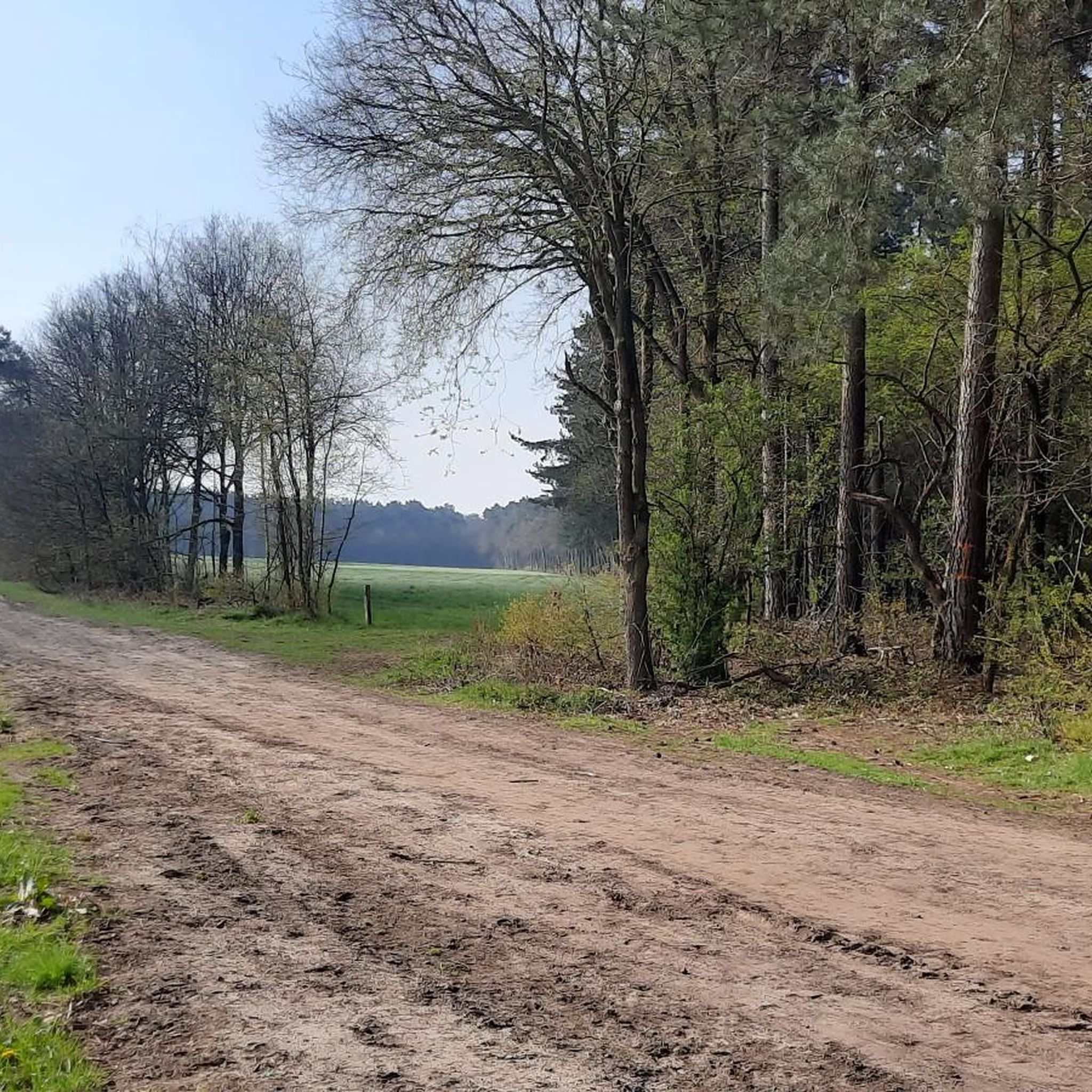
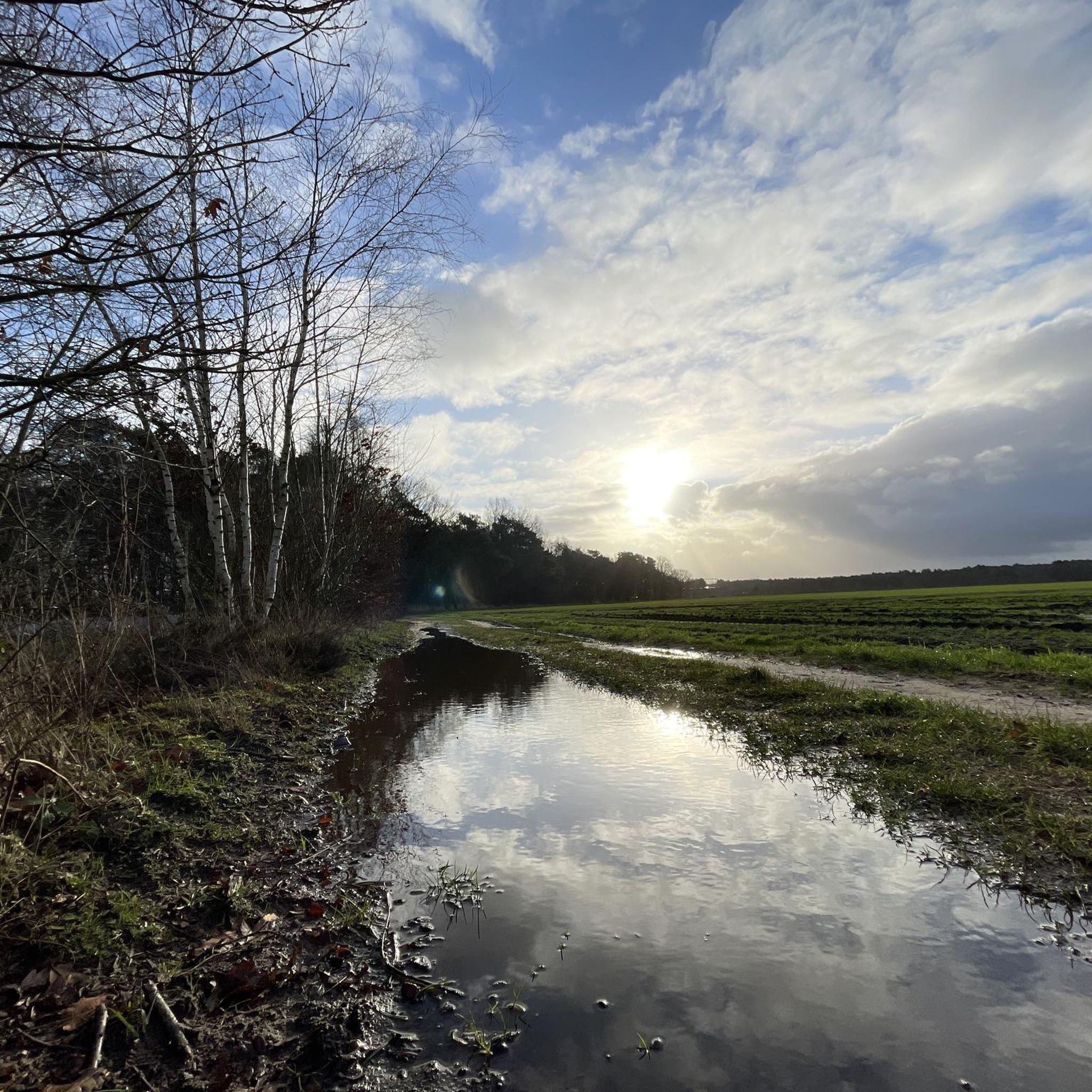
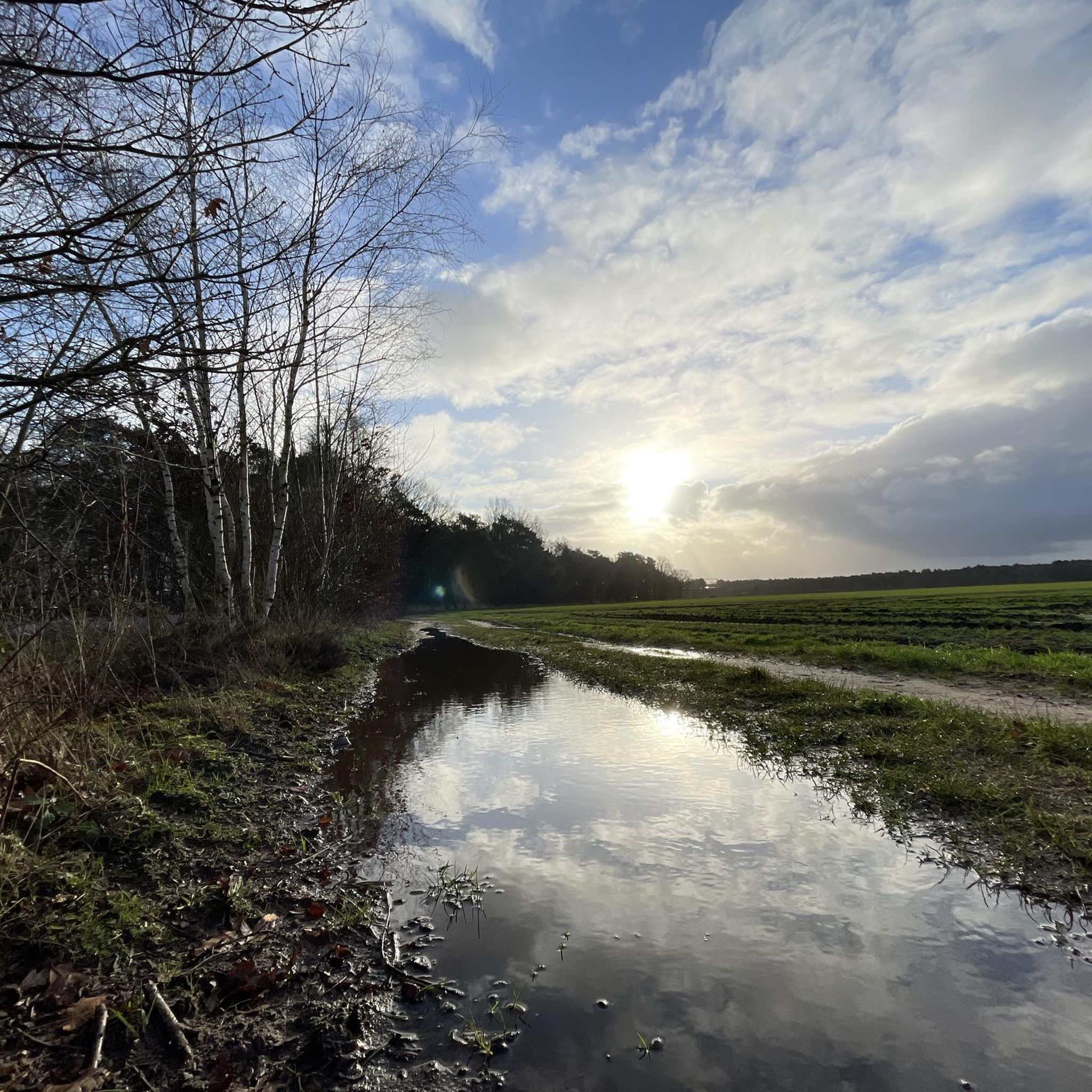
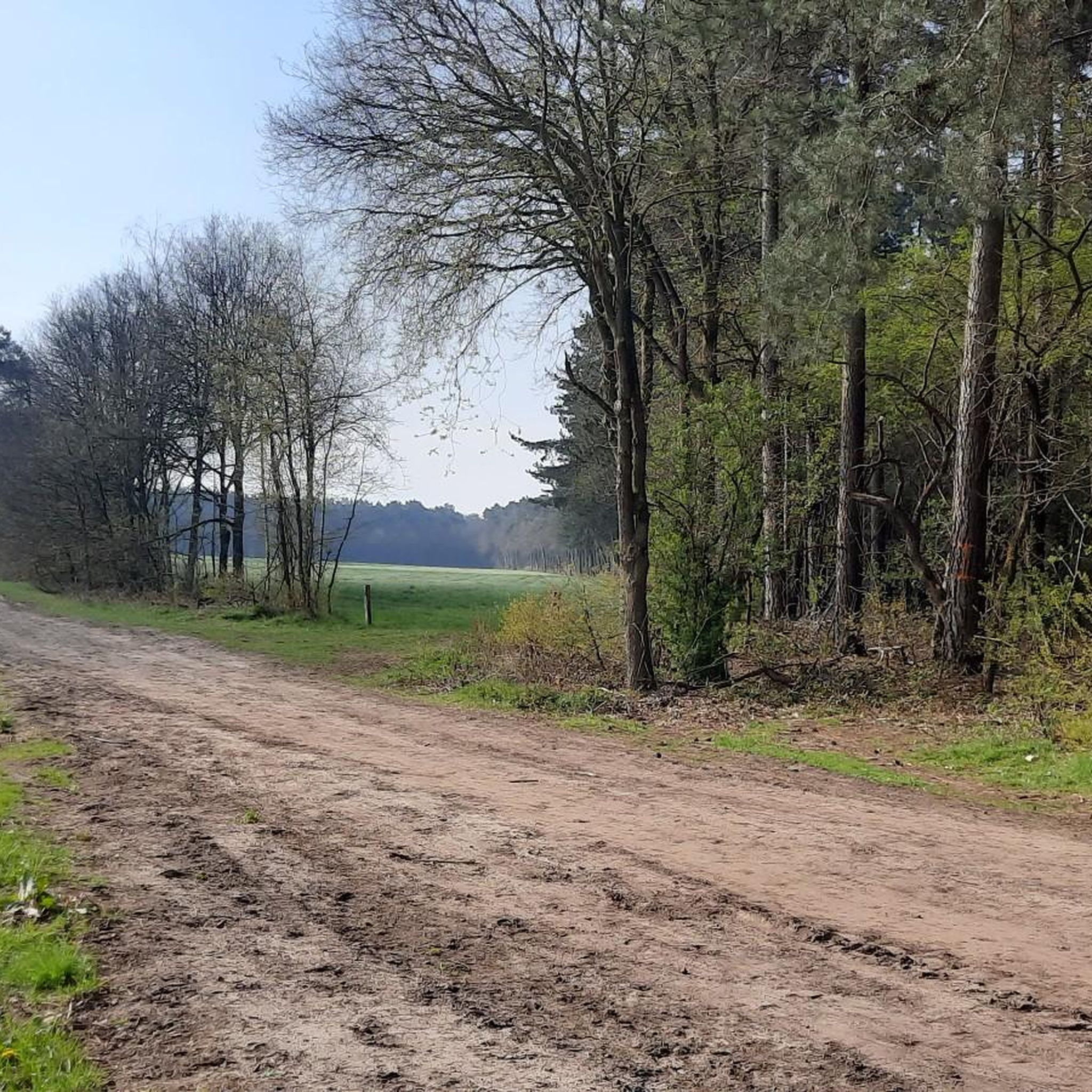
Really beautiful and quiet nature. Surprisingly located behind some industry.
0
0

Bring your own sandwiches, the view is free...
7
0
Winding paths lead along the ponds and through the silence area...
8
0
The sound of nature affects your mood, quiet and no nagging...
10
0

The Marbeleven is a nature reserve located in the Vraagheide and of which 3 ha is currently owned by Natuurpunt. It consists of an overgrown forest with common pine and rough birch, a wet wooded heath, the remains of a dried-up fen, a sod area and a plot edge next to a meadow. This location was once a place of entertainment and fun. Historical interpretation: the recreational area Marmerven, Marmeren Ven, Marbele Ven or Marrebollenven. Together with Sint-Job's "Klein Zwitserland" it was a real attraction for Antwerp tourists, who also spent the night there at campsites. The Marrebollenven gradually lost its appeal, but until the 1980s you could go there for boating or to the playground. The fen is now partly silted up, largely closed off and partly managed by Natuurpunt as a nature reserve. The area is located between junctions 62 and 57 of the Kempense Hoven walking network.
5
0

The Kooldries-Hoofsweer is only accessible to walkers. The Paepestraat that separates the two areas is accessible to cyclists. Hikers can discover the area via a number of marked hiking trails. During the digging of this canal in the 19th century, thick layers of clay were noticed in the subsoil. After the clay extraction, the wells fell into disrepair, filled with rainwater and eventually covered with willow thickets. Due to the underlying clay layer, the area is characterized as a highly dynamic system of drying out and rewetting, as a result of which the Kooldries-Hoofsweer is home to a unique fauna and flora. Bird species such as little grebe, woodpeckers, nuthatches, orioles, tree falcons and kingfishers find refuge in the large clay pits. They are adventurous walks because the paths are not paved. It is therefore advisable to wear good walking shoes or boots. Buggies and prams are difficult to handle in the area.
5
0
The Kooldries-Hoofsweer is only accessible to walkers. The Paepestraat that separates the two areas is accessible to cyclists. Hikers can discover the area via a number of marked hiking trails. During the digging of this canal in the 19th century, thick layers of clay were noticed in the subsoil. After the clay extraction, the wells fell into disrepair, filled with rainwater and eventually covered with willow thickets. Due to the underlying clay layer, the area is characterized as a very dynamic system of drying out and rewetting, as a result of which the Kooldries-Hoofsweer is home to a unique fauna and flora. Bird species such as little grebe, woodpeckers, nuthatches, orioles, tree falcons and kingfishers find refuge in the large clay pits. They are adventurous walks because the paths are not paved. It is therefore advisable to wear good walking shoes or boots. Buggies and prams are difficult to handle in the area.
7
0

Frequently Asked Questions
What kind of water bodies can I expect to find in Brechtse Heide?
Brechtse Heide is characterized by its unique fens ('vennen') and old clay pits that have filled with water over time. These are not large, open lakes but rather ecologically significant watery pockets within heathlands and forests, offering diverse habitats for flora and fauna.
What are some notable natural areas with water features in Brechtse Heide?
Key areas include the Kooldries Old Clay Pit Pond and the Hoofsweer Clay Pits Nature Reserve, both known for their old clay pits now filled with water. Rommersven is also a significant fen undergoing restoration, important for amphibians and connecting larger nature areas.
Are there good places for nature observation and wildlife spotting around the water bodies?
Yes, areas like the Kooldries-Hoofsweer are ideal for nature observation. The old clay pits and fens support a rich variety of species, including rare plants like needle spikerush and sundew, amphibians like the Crested Newt, and numerous birds, dragonflies, and insects. A bird watching wall is available at Hoofsweer Clay Pits Nature Reserve.
Can I go swimming in the fens or clay pits of Brechtse Heide?
No, swimming is generally prohibited in these natural fens and clay pits. This is primarily to protect their delicate ecosystems and for safety reasons, as old clay pits can have dangerous cold spots, as noted at the Kooldries picnic area – by the old clay pit.
Are there family-friendly activities or spots near the water features?
Yes, the Kooldries picnic area – by the old clay pit offers a relaxing spot with a picnic table and views of the water, perfect for families. The Pond Brechtse Heide is also considered family-friendly and offers a peaceful environment.
What kind of walking trails are available around the water bodies?
You can find various walking trails, especially around the Kooldries-Hoofsweer area. Paths along the old clay pits can be adventurous and unpaved, so good walking shoes or boots are recommended. Some trails are marked, and you can find easy hikes in the region, such as the 'Kooldries Old Clay Pit Pond – Viewing platform loop' from Brecht. For more options, explore the Easy hikes in Brechtse Heide guide.
What is the best time to visit the water bodies in Brechtse Heide?
The fens and clay pits offer unique experiences throughout the year. Spring and summer are excellent for observing diverse flora and fauna, including amphibians and dragonflies. Autumn provides beautiful scenery, while winter can offer a quiet, serene atmosphere. Seasonal changes in flora and fauna are significant, making any visit rewarding for nature lovers.
Are the trails around the water bodies accessible for strollers or wheelchairs?
While some paths, particularly around the Hoofsweer Clay Pits Nature Reserve, are noted as potentially accessible for strollers or wheelchairs, many paths in the Kooldries-Hoofsweer area are unpaved and can be difficult to navigate with buggies or prams. It's advisable to check specific trail conditions if accessibility is a concern.
What other outdoor activities can I do near the lakes in Brechtse Heide?
Beyond walking, Brechtse Heide offers various outdoor activities. You can find numerous MTB trails, such as those listed in the MTB Trails in Brechtse Heide guide, or explore road cycling routes, like those in the Road Cycling Routes in Brechtse Heide guide. These guides provide options for different skill levels.
What is the historical significance of the water bodies in Brechtse Heide?
Many of the water bodies, particularly the clay pits, are remnants of 19th and 20th-century industrial clay extraction. Fens like Marbelenven also have a history, with some having been recreational areas in the past before being managed for nature conservation. These features tell a story of changing land use and ecological recovery.
Are dogs allowed near the water bodies in Brechtse Heide?
While the guide data doesn't explicitly state dog policies for every specific water body, nature reserves generally require dogs to be kept on a leash to protect wildlife and maintain the natural environment. It's always best to check local signage or official reserve guidelines for specific rules.
Are there any facilities like cafes or accommodation near the water bodies?
The guide data does not specify cafes or accommodation directly adjacent to the fens or clay pits. However, the broader Brechtse Heide region, being part of the Antwerp municipality of Brecht, would have amenities in nearby towns and villages. For specific picnic spots, the Kooldries picnic area – by the old clay pit offers a place to relax, but remember to bring your own food and take your trash with you as there are no bins.
Most popular routes in Brechtse Heide
Most popular attractions in Brechtse Heide

Get inspired with the komoot mobile app


Explore more
Still not found your perfect lake in Brechtse Heide? Check out the guides of these regions to see even more beautiful places.
