Gipskarstlandschaft Questenberg
Gipskarstlandschaft Questenberg
Top 4 Gorges in Gipskarstlandschaft Questenberg
Best canyons in Gipskarstlandschaft Questenberg are characterized by unique breakthrough valleys and gorge-like formations carved through gypsum rock. This distinctive gypsum karst landscape in Germany's South Harz region offers a compelling destination for nature enthusiasts, showcasing remarkable geological phenomena like sinkholes and karst springs. The area provides extensive hiking opportunities through diverse forests and open landscapes, connecting natural features with cultural sites such as the village of Questenberg.
Best canyons in Gipskarstlandschaft Questenberg
- The most popular canyons is Nassetal, a gorge that features the Nasse stream, a 9.3 km long tributary of the Leine. It is known for its rustic and mystical character, with the stream carving changes into the landscape.
- Another must-see spot is Nasse-Durchbruch, a gorge with a notable rock formation. This area offers a quiet experience, with the sound of rippling water creating a distinct atmosphere.
- Visitors also love Dinsterbach Valley, a gorge that includes a former exploration tunnel. Boards in the area provide explanations of the landscape, making it an informative visit.
- Gipskarstlandschaft Questenberg is known for breakthrough valleys and gorge-like formations. These features are part of a unique gypsum karst landscape.
- The canyons in Gipskarstlandschaft Questenberg are appreciated by the komoot community, with more than 290 upvotes and over 160 photos shared by visitors.
Last updated: July 8, 2026
Dinsterbach Valley
Highlight • Gorge
Translated by Google •
Tip by

Cliffs at the Bauerngraben
Highlight (Segment) • Gorge
Translated by Google •
Tip by

Sign up now to discover places like this
Get recommendations on the best single tracks, peaks, & plenty of other exciting outdoor places.
Sign up for free
Nassetal
Highlight (Segment) • Gorge
The stream rises south of the village of Rotha in the Harz, which belongs to the district town of Sangerhausen. After a good 2.3 km of flow, the Nasse changes its main flow direction from west to south. The first town in the middle Nasse valley is Questenberg. Further downstream follows Wickerode.
Source: Wikipedia
Translated by Google •
Tip by

Nasse-Durchbruch
Highlight • Gorge
Translated by Google •
Tip by

Ankenberg Sinkhole (Karst Trail stamp point)
Highlight • Cave
Translated by Google •
Tip by

Start today with a free account
Your next adventure awaits.
Login or Signup
Popular around Gipskarstlandschaft Questenberg
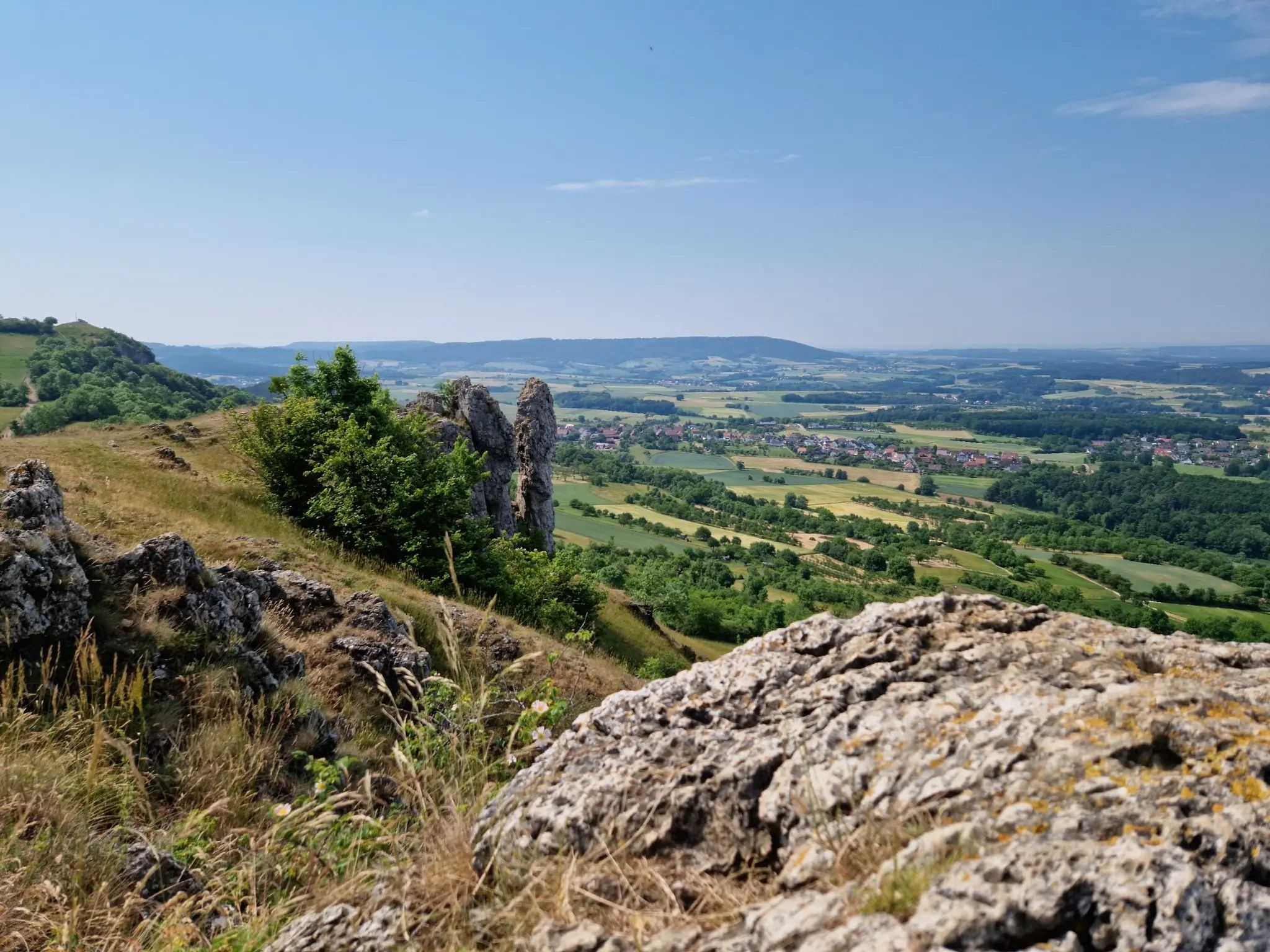
Ten fantastic hikes throughout Germany
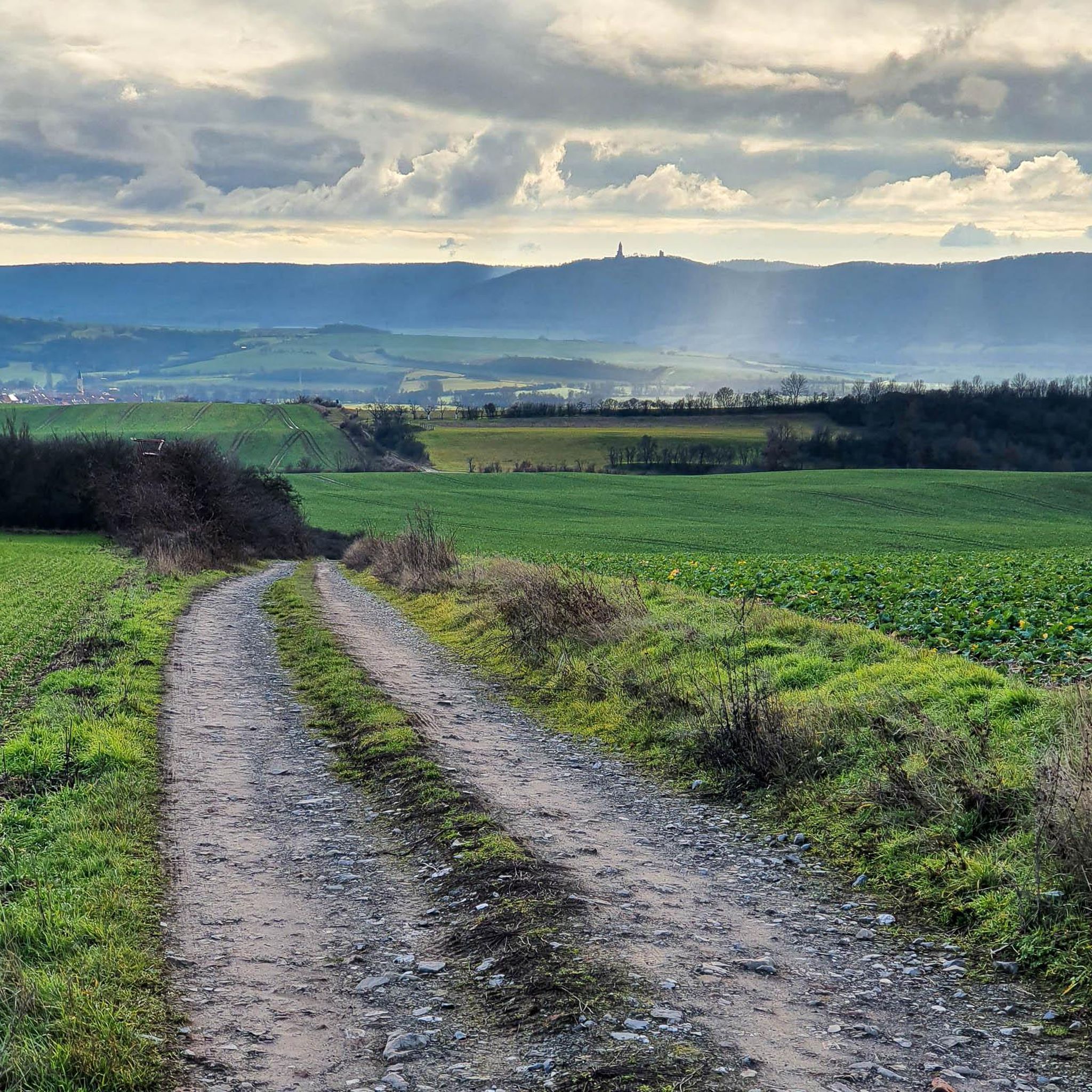
Hiking in Gipskarstlandschaft Questenberg
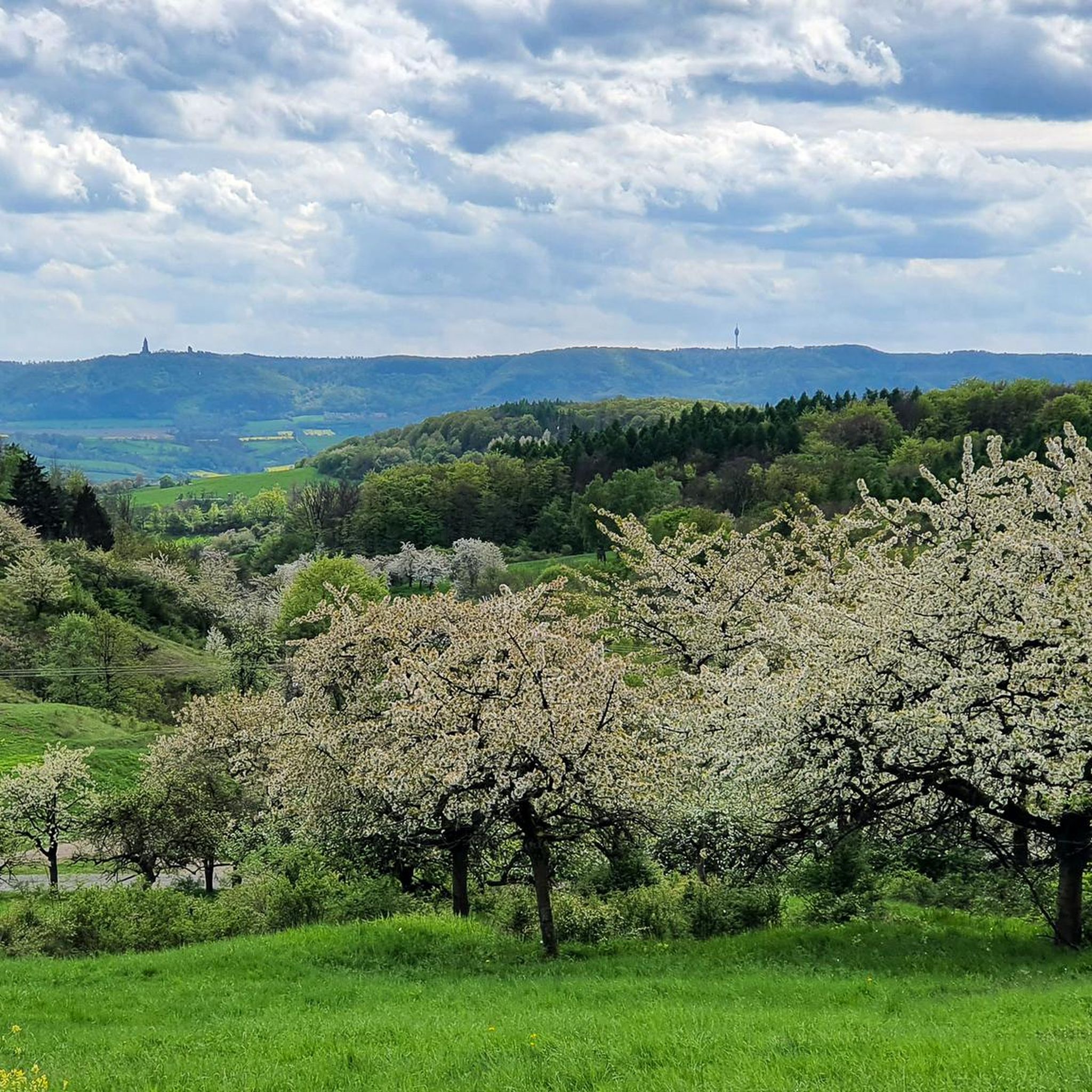
Cycling in Gipskarstlandschaft Questenberg
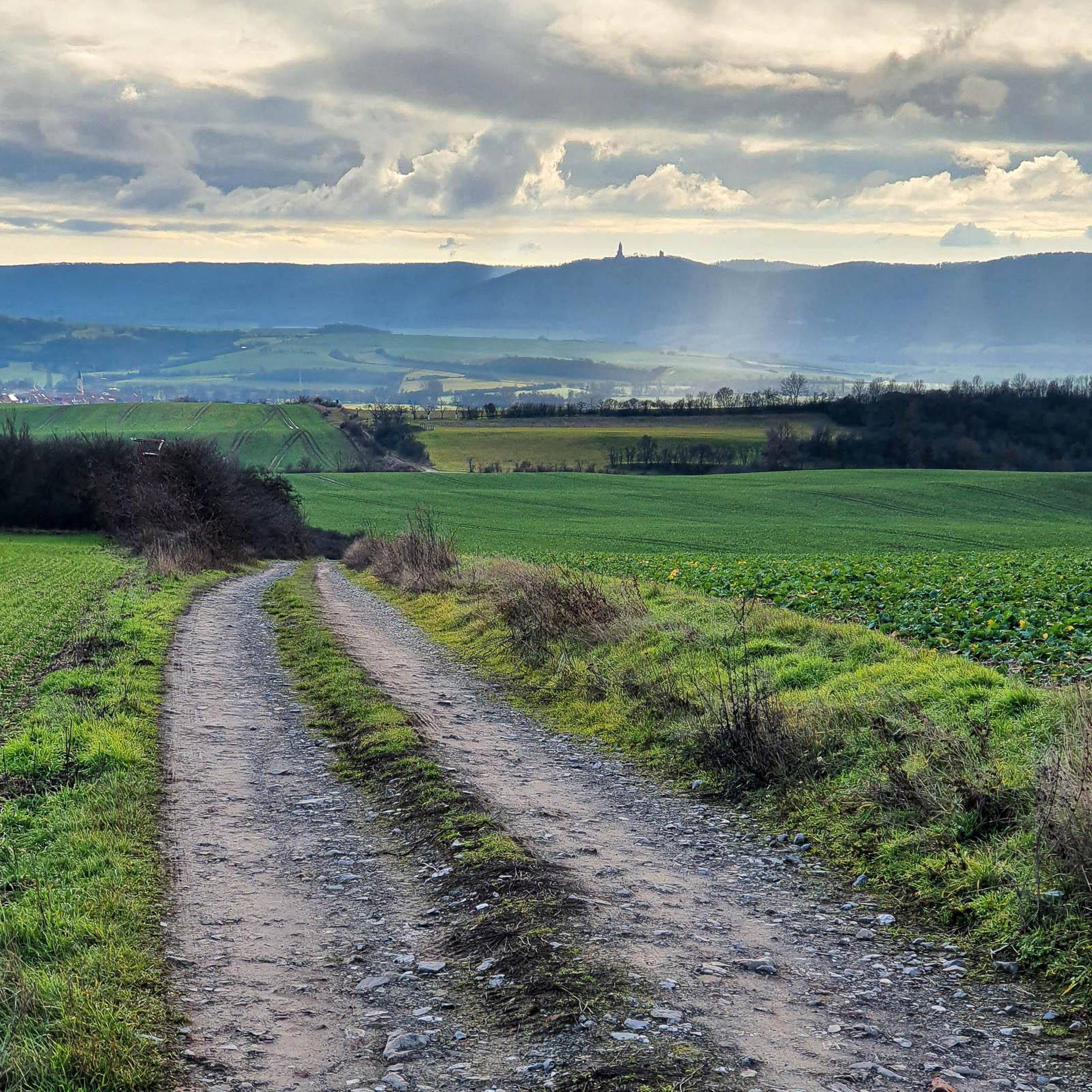
Road Cycling Routes in Gipskarstlandschaft Questenberg
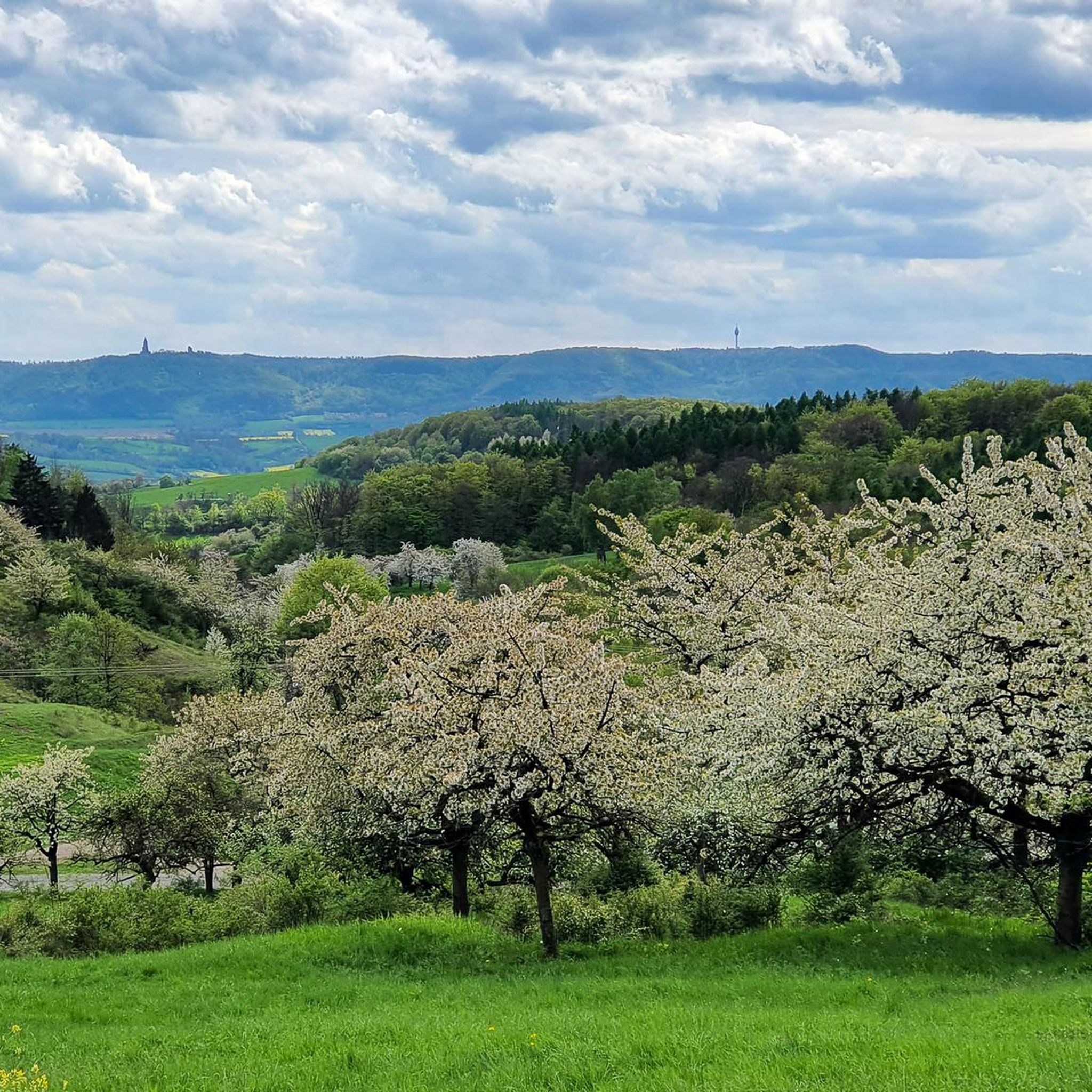
Running Trails in Gipskarstlandschaft Questenberg
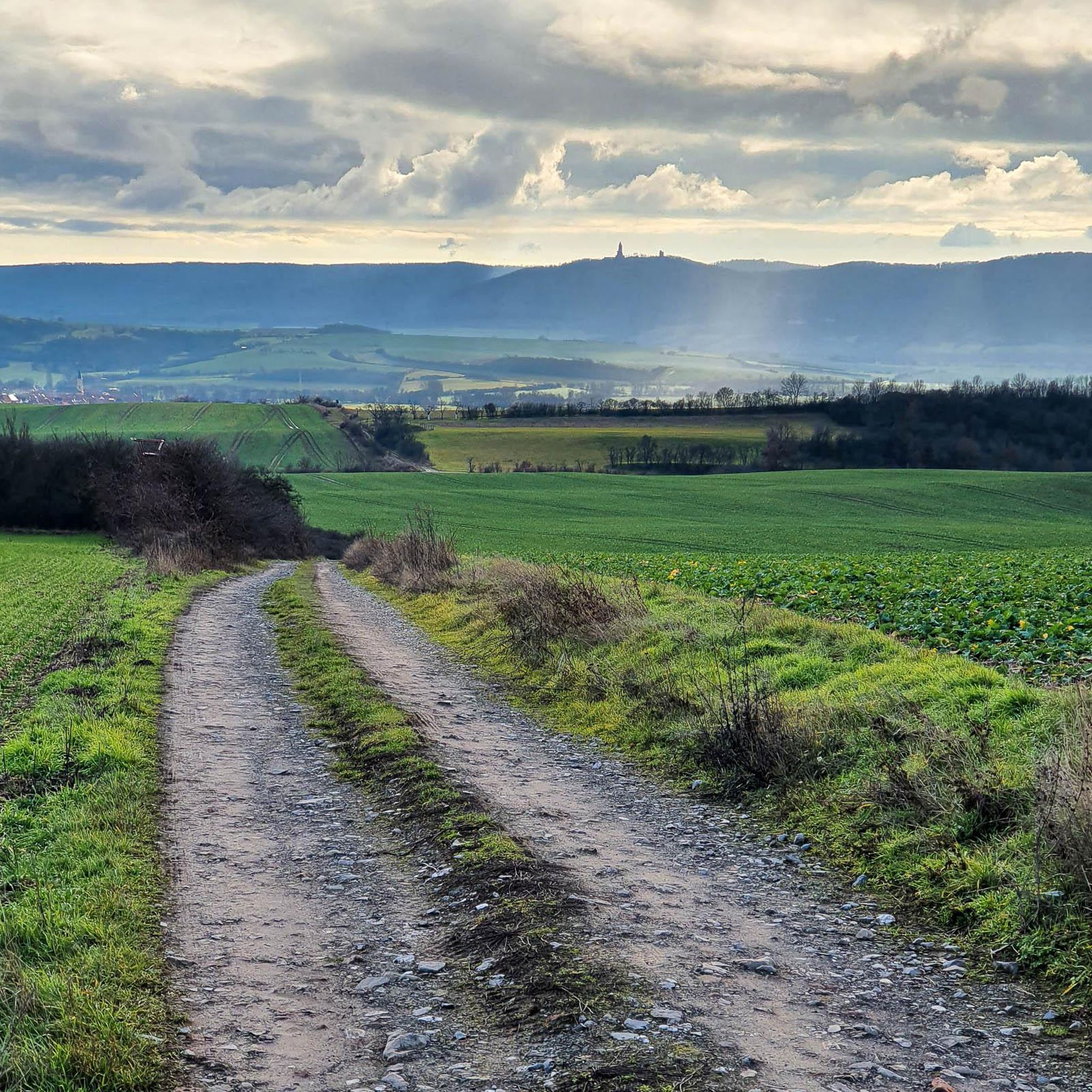
MTB Trails in Gipskarstlandschaft Questenberg

Gravel biking in Gipskarstlandschaft Questenberg
Other adventures in Gipskarstlandschaft Questenberg

Tips from the Community

A stamp point on the Karst hiking trail.
1
0

Scenic section of the Karst hiking trail.
10
0

A beautiful hiking trail, pure nature. The Karst hiking trail runs along here, I can only recommend it.
2
0
Stamp for the HWN Karstwanderweg booklet. The Karstwanderweg from Großleinungen to Hainrode is very well signposted. 👍
1
0

THIS 9961
0
0

Impressively deep karst quarry, the photos don't even come close to showing the depth!
1
0

The Nasse is a 9.3 km long, right tributary of the Leine (tributary of the Helme) in the southeastern Harz, in the district of Mansfeld-Südharz, in Saxony-Anhalt. The stream rises south of the village of Rotha in the Harz, which belongs to the district town of Sangerhausen. After a good 2.3 km of flow, the Nasse changes its main flow direction from west to south. The first town in the middle Nasse valley is Questenberg. Further downstream follows Wickerode. Source: Wikipedia
15
0

Pretty path but you should be careful!
3
0
Frequently Asked Questions
What makes the gorges in Gipskarstlandschaft Questenberg unique?
The Gipskarstlandschaft Questenberg is renowned for its unique gypsum karst landscape, featuring distinctive "Durchbruchstäler" (breakthrough valleys) and gorge-like formations carved by water through soluble gypsum rock. Unlike traditional deep canyons, these areas showcase an unparalleled concentration of karst phenomena in Germany, including sinkholes, dolines, and karst springs, making them a geological marvel.
Are there family-friendly options for exploring the gorges?
Yes, several areas are suitable for families. For instance, the Dinsterbach Valley is listed as family-friendly and offers boards explaining the landscape. Many hiking trails through the valleys are accessible and provide scenic views without extreme difficulty, making them enjoyable for various age groups.
What are some popular hiking trails that go through these valleys?
The region offers extensive trail networks, such as the Karst Hiking Trail, which traverses these valleys and other karst features. You can explore the Nassetal, where the Nasse stream has created an impressive gorge, or the Dinsterbach Valley. The Nasse-Durchbruch is also a beautiful rock formation integrated into local loops.
What kind of geological features can I expect to see?
You'll encounter a rich variety of gypsum karst phenomena. These include breakthrough valleys like the Nasse and Leine Valleys, where streams have eroded through gypsum rock. You can also see sinkholes, such as the impressive Ankenberg Sinkhole, where the Dinsterbach stream disappears underground, and various karst springs and dolines.
When is the best time of year to visit the Gipskarstlandschaft Questenberg gorges?
The valleys offer picturesque views year-round. Spring brings lush greenery and blooming wild garlic in areas like the Nassetal. Autumn is particularly beautiful with vibrant fall foliage, especially around formations like the Nasse-Durchbruch. Summer is ideal for longer hikes, while winter can offer a mystical, rustic atmosphere, though some trails might be more challenging.
Are there any cultural or historical sites near the gorges?
Yes, the village of Questenberg, nestled within the Nasse valley, is known for its medieval castle ruins and the ancient Questenfest tradition. These cultural elements add a historical dimension to the natural exploration of the area.
How can I reach the Gipskarstlandschaft Questenberg gorges by public transport?
Public transport options to the region are available. For specific routes and connections, you can check guides like Hikes from bus stations in Gipskarstlandschaft Questenberg, which provides routes starting directly from bus stops.
Where can I park when visiting the gorges?
Parking is generally available in and around the villages that serve as trailheads for the valleys, such as Questenberg, Großleinungen, or Hainrode. Many hiking trails, including those leading to the Ankenberg Sinkhole, are easily accessible from these locations.
Are dogs allowed on the trails in the Gipskarstlandschaft Questenberg?
While specific regulations can vary, generally, dogs are welcome on most hiking trails in the Gipskarstlandschaft Questenberg, provided they are kept on a leash, especially within nature reserve areas, to protect wildlife and ensure the safety of other visitors. Always check local signage for any specific restrictions.
What other outdoor activities can I do near the gorges?
Beyond exploring the gorges, the region offers a variety of outdoor activities. You can find numerous hiking opportunities, including city hikes in nearby towns like Sangerhausen, as detailed in City hikes in Gipskarstlandschaft Questenberg. There are also running trails available, with options for various difficulty levels, which you can find in Running Trails in Gipskarstlandschaft Questenberg.
What should I wear for hiking in the Gipskarstlandschaft Questenberg?
For hiking in this region, comfortable and sturdy footwear suitable for varied terrain is essential, as trails can range from forest paths to rocky sections. Layered clothing is recommended to adapt to changing weather conditions, and waterproof gear is advisable, especially during spring and autumn. Don't forget water, snacks, and a map or GPS device.
Are there viewpoints offering panoramic views of the valleys?
Yes, the landscape offers picturesque views, particularly from elevated points. The Queste monument, for example, provides panoramic vistas of Questenberg village and its surrounding orchards, offering a great perspective on the breakthrough valleys and the broader karst landscape.
What wildlife might I encounter in the valleys?
The varied habitats within the nature reserve, including the forests and valley systems, support a rich diversity of flora and fauna. You might encounter various bird species, amphibians, reptiles, and bats that find refuge in the karst caves. The forests are home to typical woodland animals, and the unique geology supports specific plant communities.
Most popular routes in Gipskarstlandschaft Questenberg
Most popular attractions in Gipskarstlandschaft Questenberg

Get inspired with the komoot mobile app


Explore more
Already discovered everything in this region? See additional gorges in Gipskarstlandschaft Questenberg for your next adventure:
