Top 4 Caves in Naturpark Steigerwald
Best caves in Naturpark Steigerwald are found within a region characterized by extensive forests, vineyards, and rolling hills, part of the Keuper Uplands. While not known for large karst cave systems with stalactites and stalagmites, the Naturpark Steigerwald offers unique geological features and historical rock formations. The area's geology is primarily conducive to different types of subterranean structures, including natural gypsum caves and man-made rock cellars. These sites provide insight into both natural processes and historical human use of the…
Last updated: July 8, 2026
Hohenlandsberg Castle Ruins
Highlight • Castle
Translated by Google •
Tip by

Külsheim Stone Cave
Highlight • Structure
Look up the hill and to the left. Otherwise you can easily overlook the "cave" 😉.
Translated by Google •
Tip by

Sign up now to discover places like this
Get recommendations on the best single tracks, peaks, & plenty of other exciting outdoor places.
Sign up for free
Höllern Gypsum Cave
Highlight • Cave
Translated by Google •
Tip by

Aschgrund Cellars
Highlight • Structure
Felsenkeller an outstanding cultural asset of the Aischgrund. From Marktbergel to Adelsdorf they can be found in almost every place. Sometimes …
Translated by Google •
Tip by

Mariengrotte Frankfurt
Highlight • Religious Site
The ground on which the grotto was built used to be a quarry.
Translated by Google •
Tip by

Sign up for free to discover even more caves in Naturpark Steigerwald.
Sign up for free
Already have an account?
Start today with a free account
Your next adventure awaits.
Login or Signup
Popular around Naturpark Steigerwald
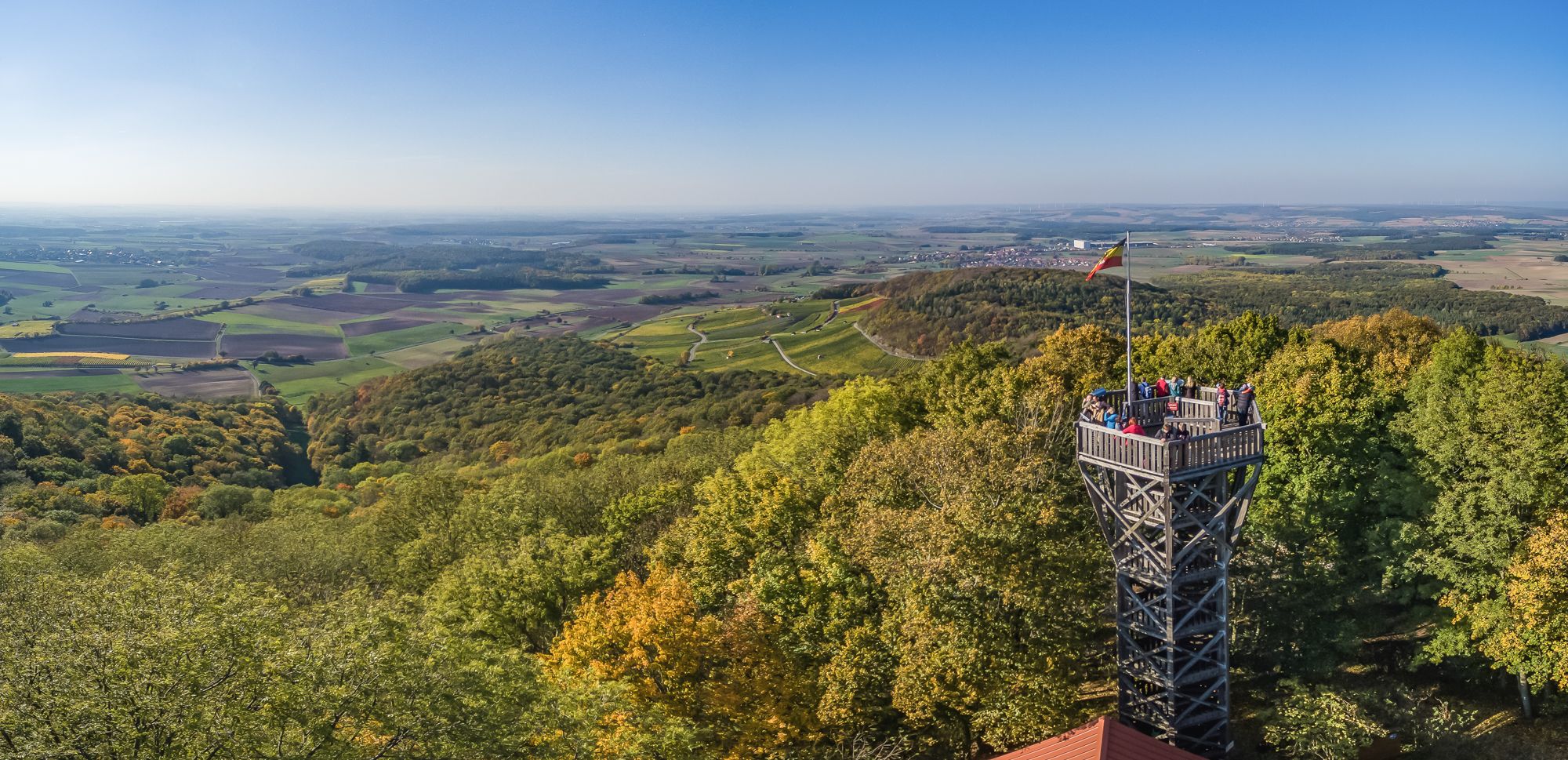
Steigerwald panorama trail — 9 days
The National Natural Landscapes in Bavaria
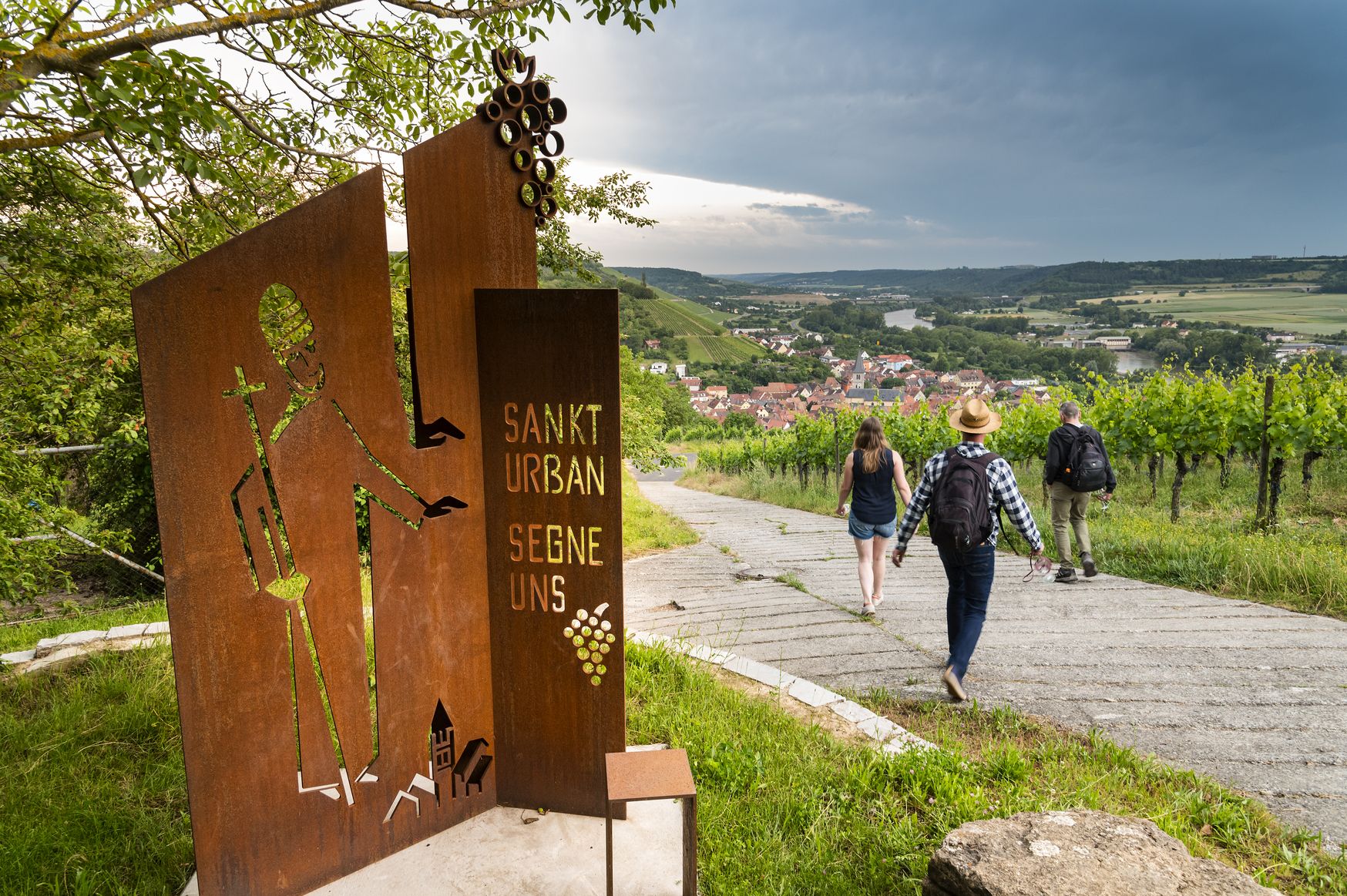
Hiking and culinary delights – walks in the Franconia wine region
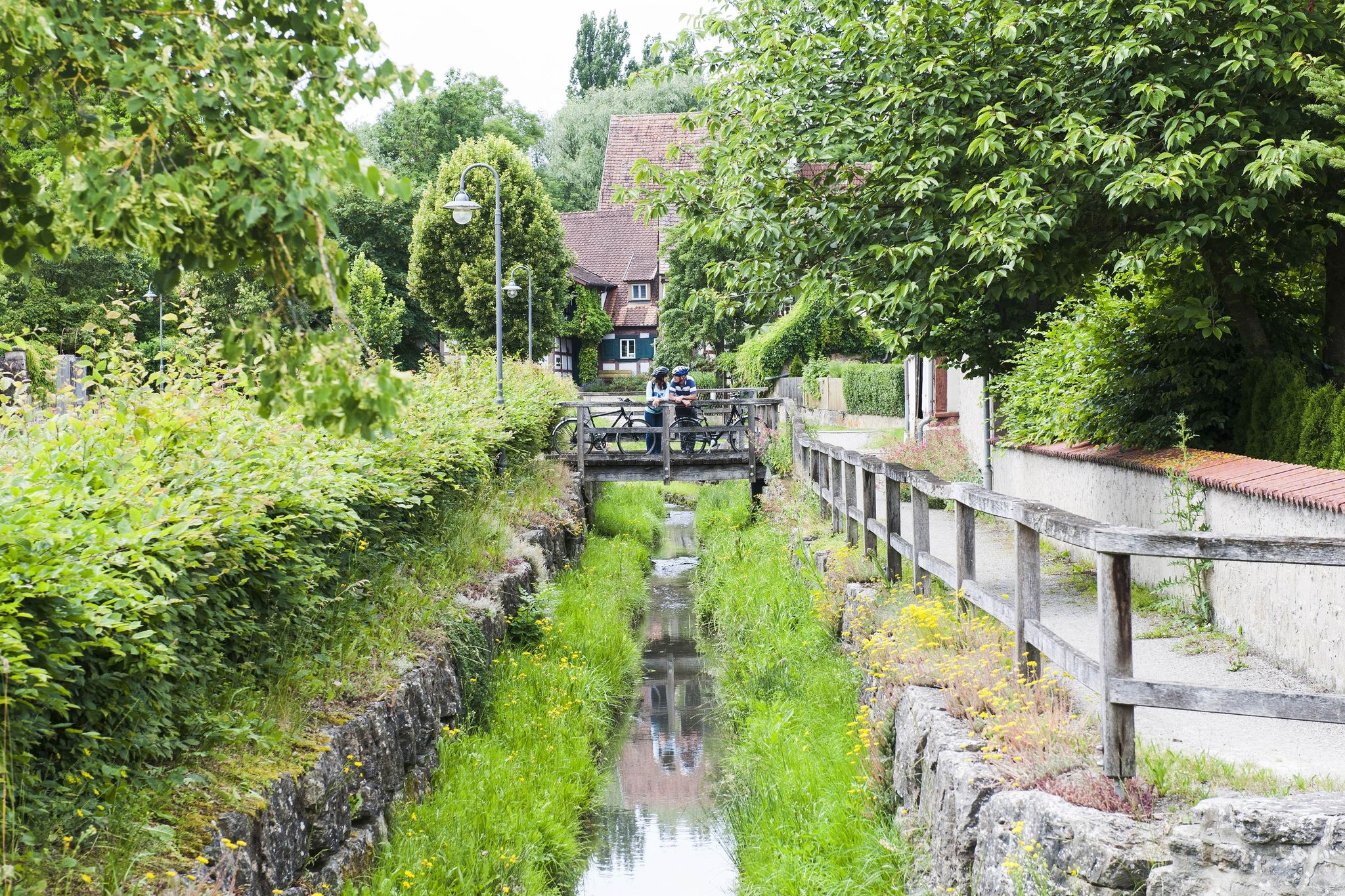
Fun, nature and culture – discover Franconia by bike
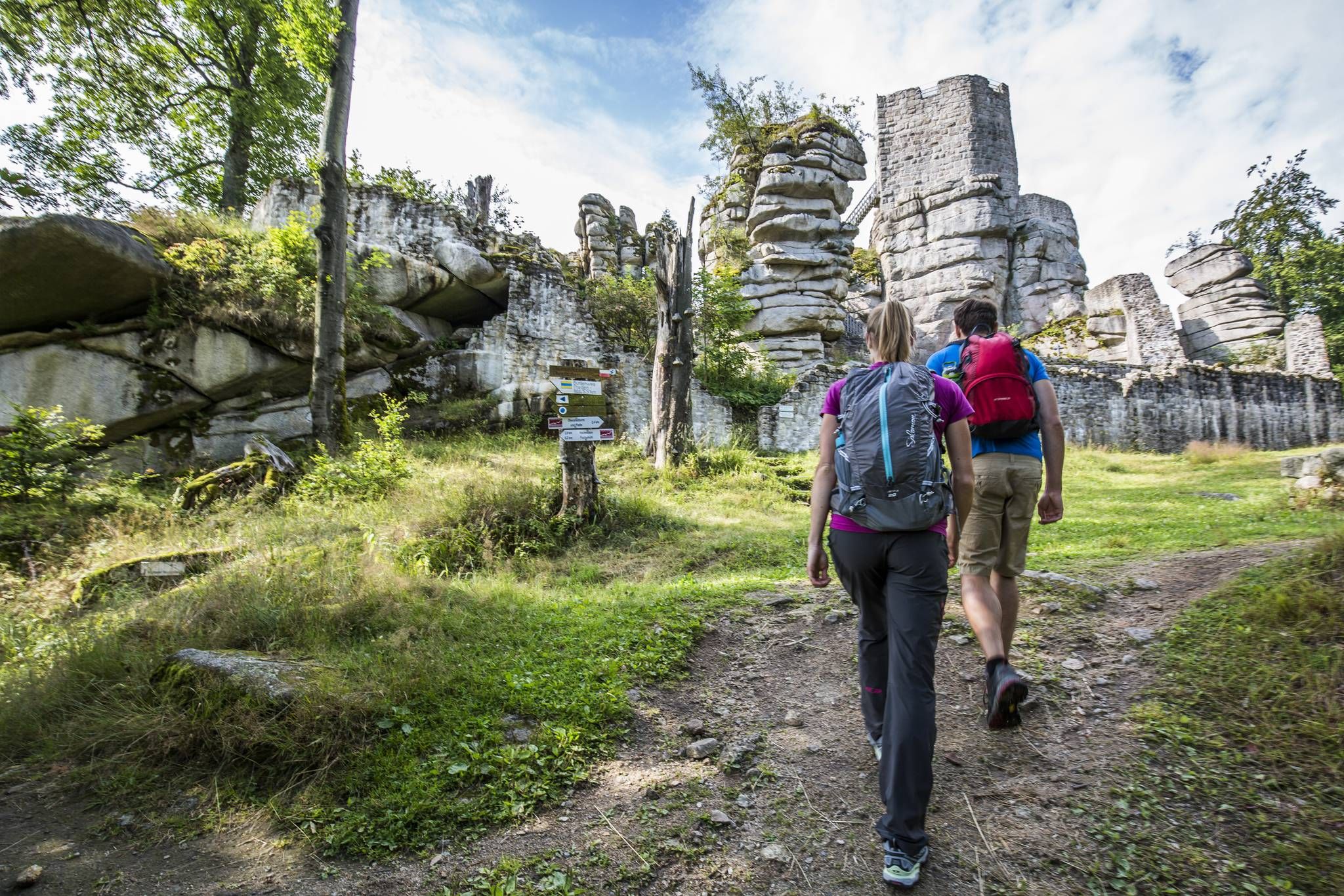
Thousands of kilometres of hiking fun – long-distance hiking trails in Bavaria
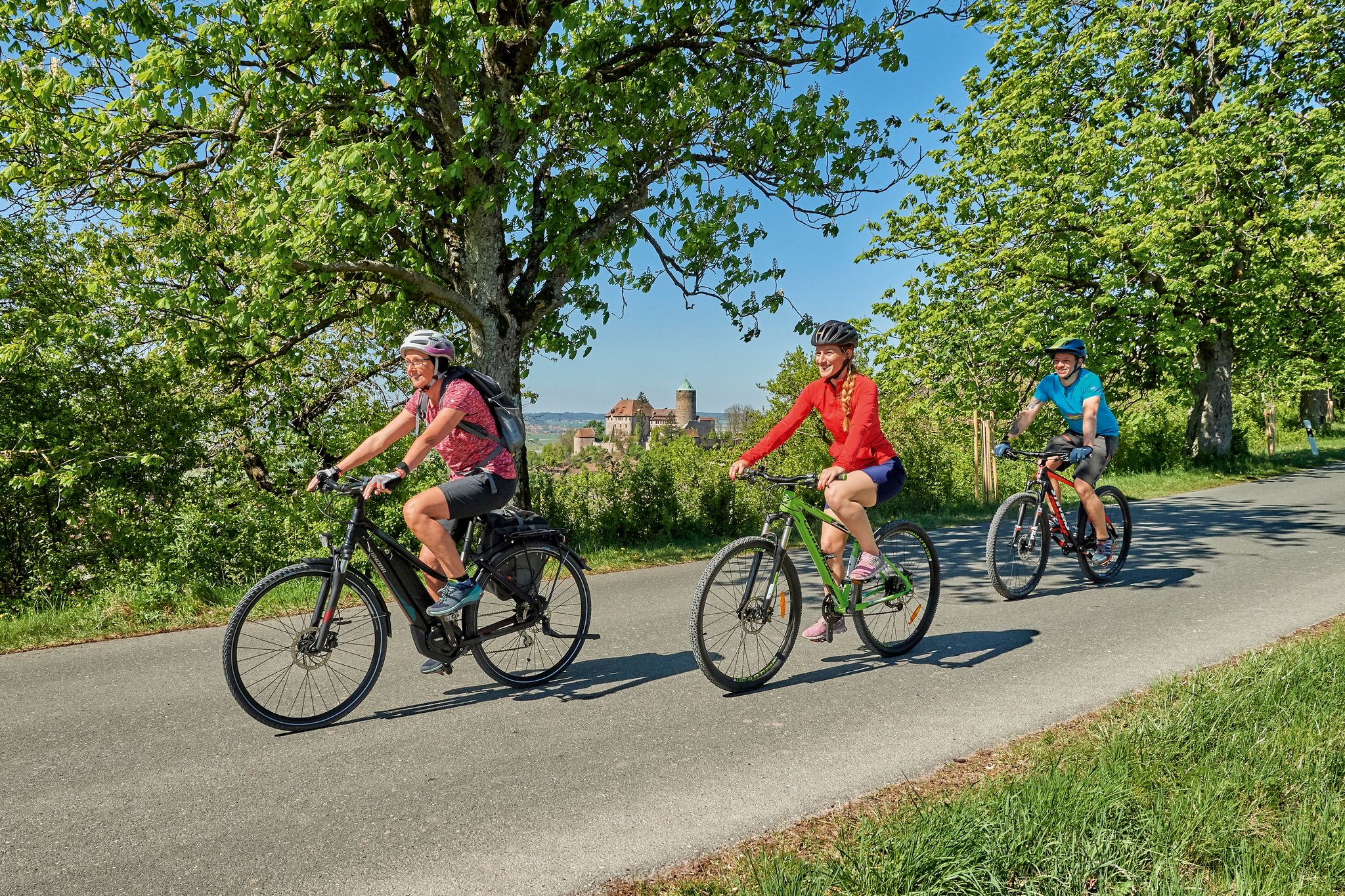
Sustainable cycling holidays — e-bike Tours through Franconia
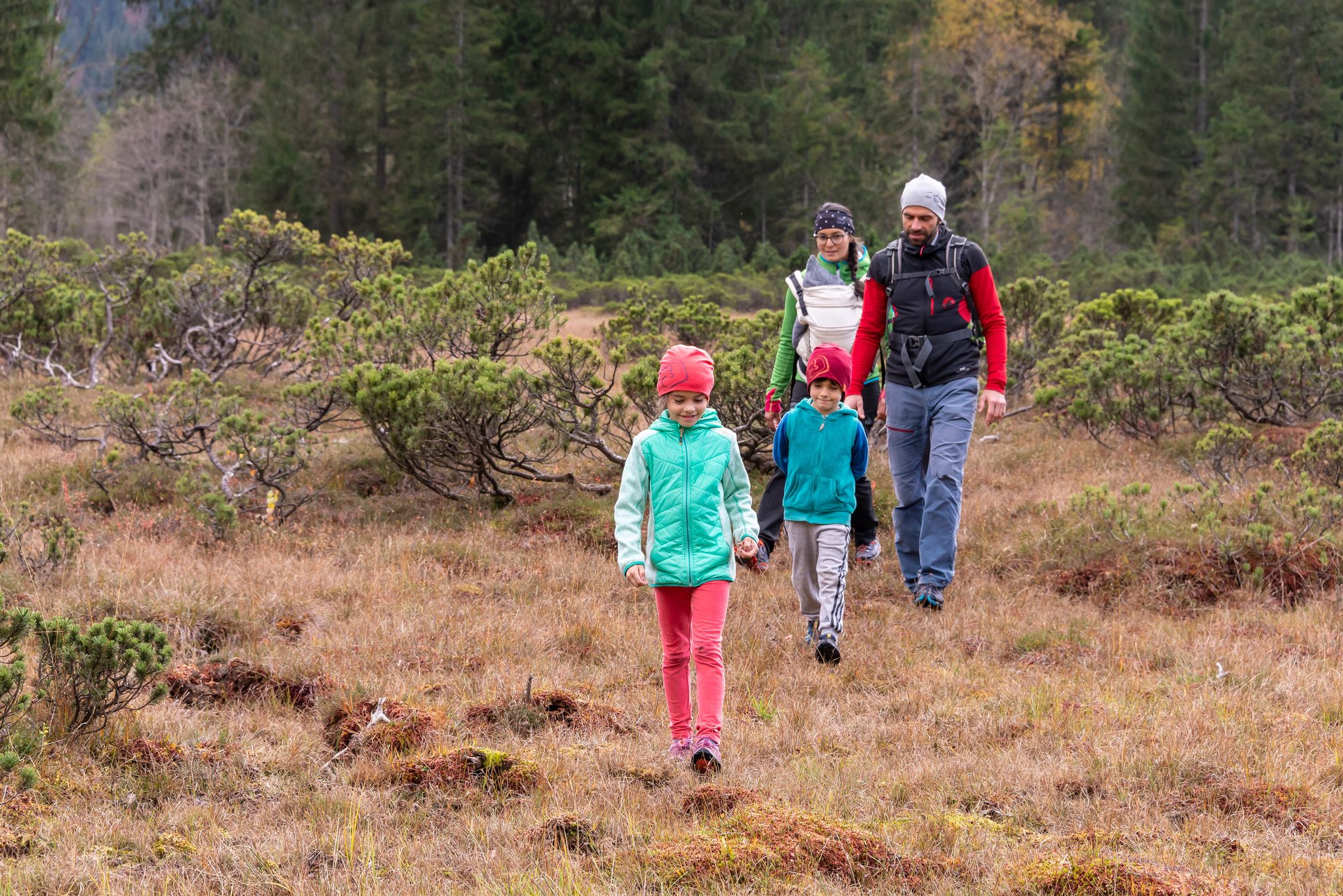
No time for boredom – family hikes with a fun factor in Bayern
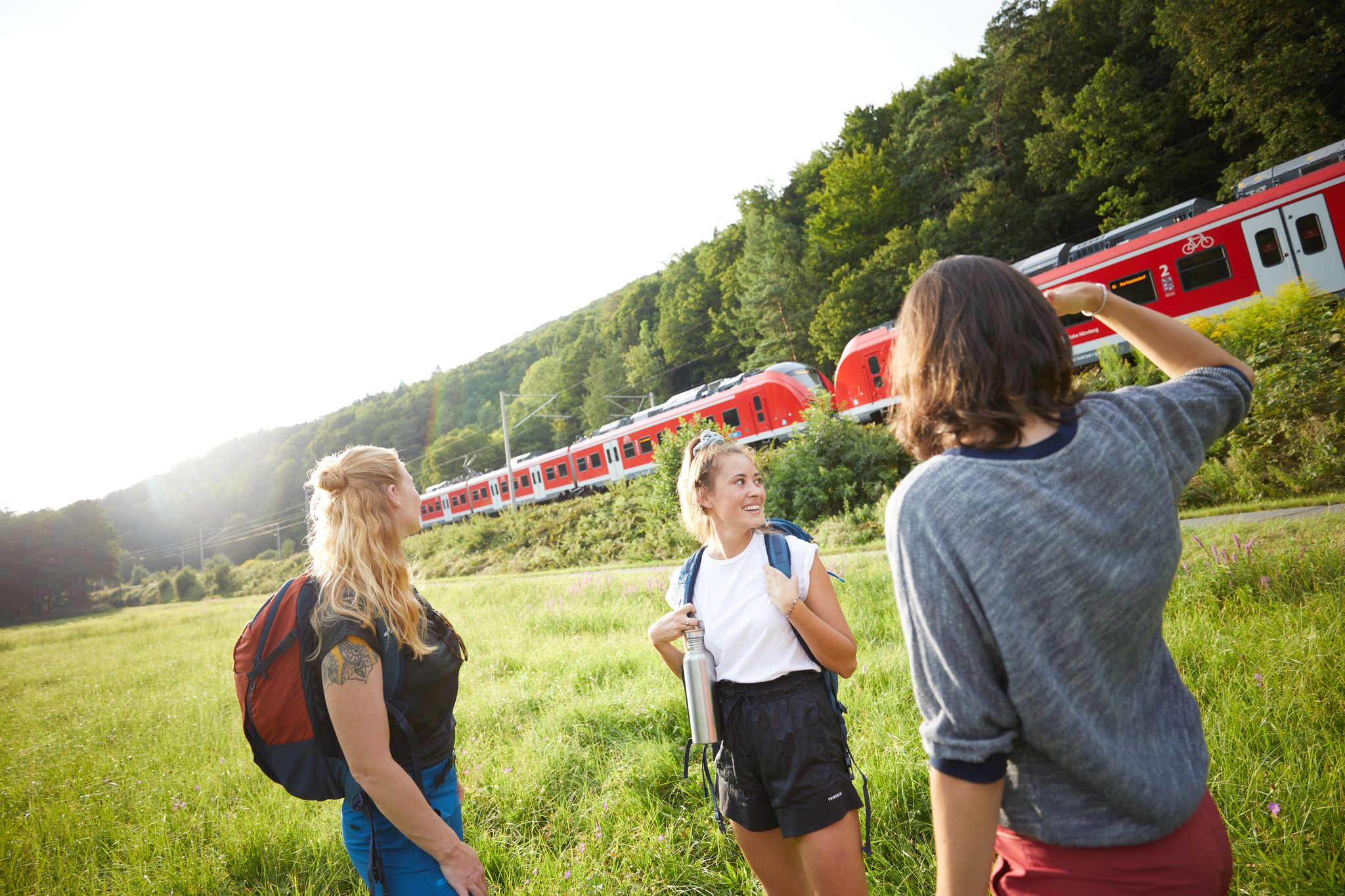
All aboard for summer hiking with Germany’s VGN
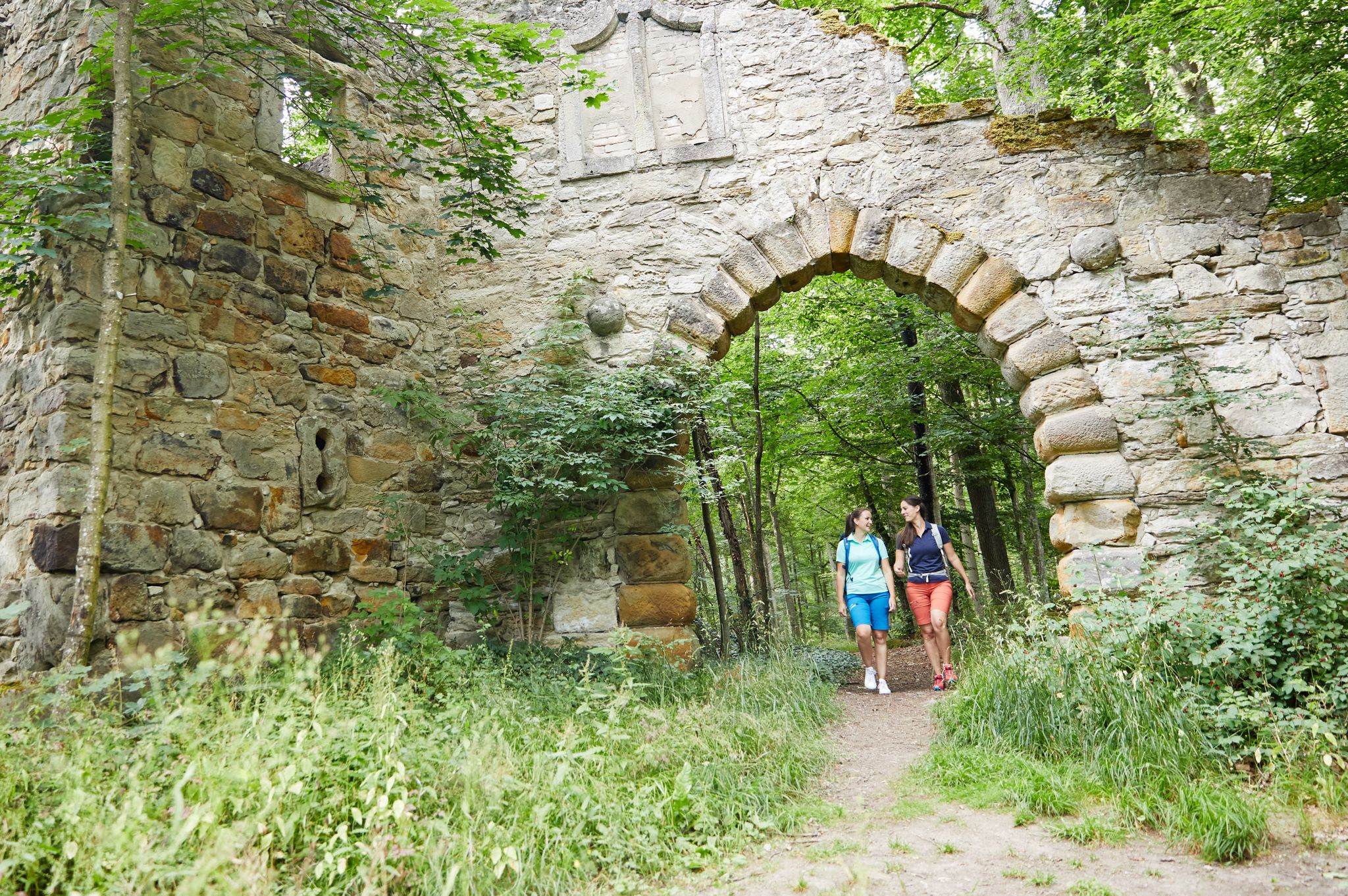
Full of views and fun – VGN leisure tips 2022
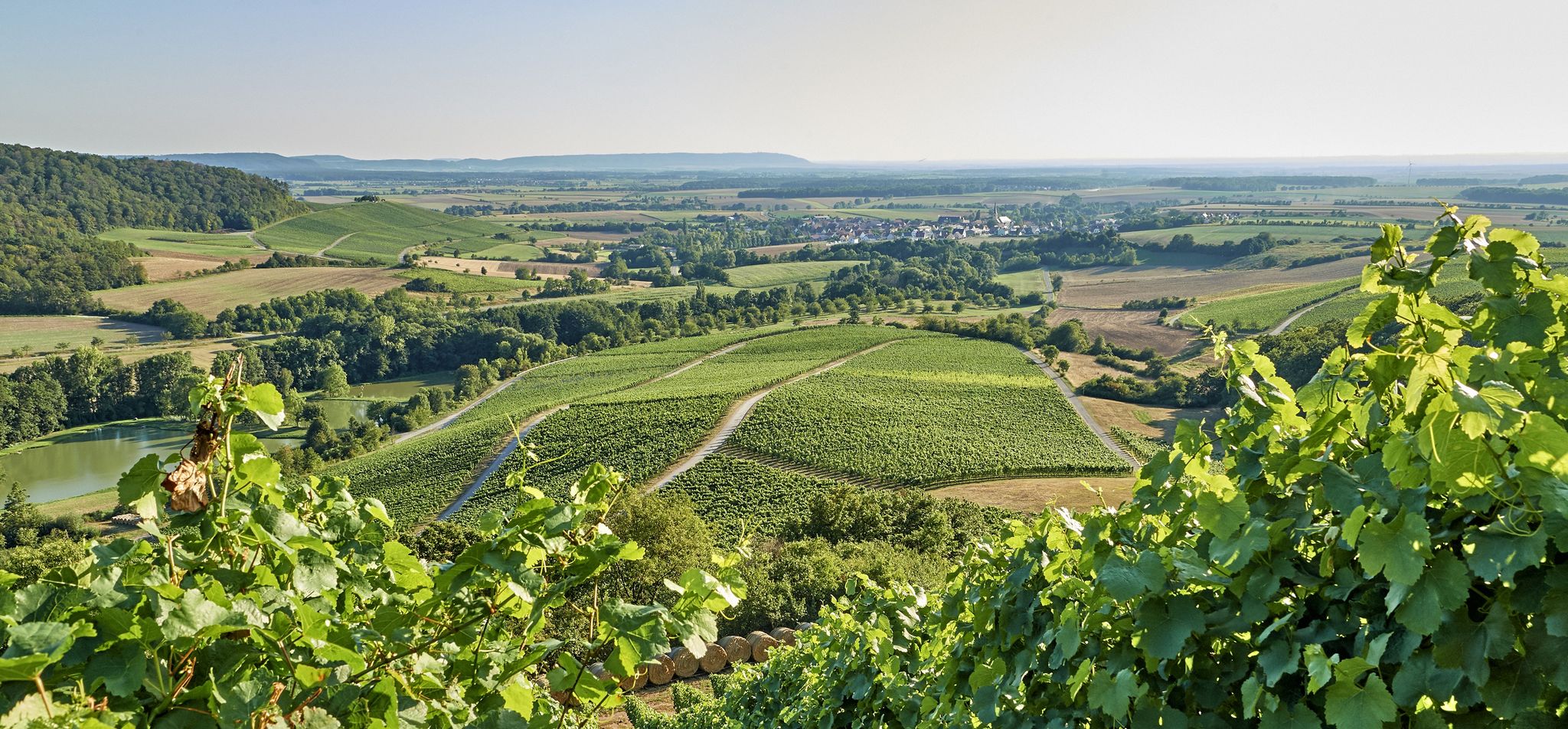
Vineyards, forests and ponds – cycling in the Steigerwald in Germany
Other adventures in Naturpark Steigerwald


Tips from the Community

Nice place for a break, with a wonderful view from the benches.
2
0

The Hohenlandsberg castle ruins are the remnants of the former Hohenlandsberg castle. The castle was built in the 13th century. built. During the Peasants' War in 1525, the castle was taken unscathed by the farmers. In 1554 the castle was destroyed. Today you can enter the castle complex through a tunnel and view the ramparts, foundation walls and the entrances to the casemates.
12
0
The steep section is tough. Not for people who aren't really good on foot.
9
0

What the cellars in the Aischgrund are all about. Felsenkeller an outstanding cultural asset of the Aischgrund. From Marktbergel to Adelsdorf they can be found in almost every place. Sometimes in the middle of the village, often on the outskirts, occasionally also in the woods. There could be up to 1000 cellars in total. Most of the local cellars were hewn into the rock in the mid-19th century. There was a veritable "building boom" between 1850 and 1900. Their emergence is closely related to the flourishing of brewing culture, as they were primarily used to store beer, but also must, wine, fruit and vegetables. Because the temperatures in the cellars are moderate and surprisingly constant. This keeps the stored goods fresh and durable for a long time.
0
0


Somewhat hidden from the path, there is the former "Weinberghüterhaus", also known locally as the "stone cave". Here you can take a break, both in good and bad weather, and enjoy a wonderful view. The already dilapidated "stone cave" was restored by the Külsheim fire brigade association.
1
0

Or also called Lourdes Grotto from 1959 is located in front of the town of Frankfurt. The ground on which the grotto was built used to be a quarry.
3
0

The castle, presumably founded in the 13th century, was not the ancestral seat of the Franconian-Bohemian noble family of the barons of Schwarzenberg-Hohenlandsberg, but a castle of the Hohenlohe, who exercised their bailiwick over the possessions of the Würzburg Dompropstei around Seinsheim from here. In the 15./16. In the 19th century, the castle was the administrative center of the Schwarzenberg rule of Hohenlandsberg, which in Seinsheim and the surrounding area the tithes (= high jurisdiction) and the authorities over the villages of Weigenheim, Seinsheim, Iffigheim, Herrnsheim, the predominant village rule in Bullenheim, shares in the village rule in Hüttenheim and Nenzenheim as well as presumably owned the large village of Dornheim. Further information and reference: https://de.wikipedia.org/wiki/Burgruine_Hohenlandsberg
9
0
Frequently Asked Questions
What types of caves can I expect to find in Naturpark Steigerwald?
Naturpark Steigerwald is primarily known for its natural gypsum caves and historical man-made rock cellars, rather than large karst cave systems with stalactites and stalagmites. These sites offer insights into the region's unique geology and historical uses, such as storage for brewing and agriculture.
Are there any historical cave sites to explore in Naturpark Steigerwald?
Yes, you can explore historical sites like the Hohenlandsberg Castle Ruins, which feature well-preserved casemates and a tunnel entrance. Additionally, the region has numerous historical rock cellars, such as the Aschgrund Cellars and the Rock cellars in Roßstadt, which were historically used for storing beer, wine, and produce.
Are there any family-friendly cave experiences in Naturpark Steigerwald?
Yes, several spots are suitable for families. The Hohenlandsberg Castle Ruins offer an engaging historical exploration for all ages. The Külsheim Stone Cave, which is more of a shelter, provides rewarding views over vineyards and is also considered family-friendly.
Can I visit the Höllern Gypsum Cave?
The Höllern Gypsum Cave is a significant natural monument and nature reserve, important for its special flora and fauna, and serves as a winter habitat for bats. However, the cave itself is not open to the public to protect its delicate ecosystem.
What kind of geological features are prominent in the caves of Naturpark Steigerwald?
The Naturpark Steigerwald, being part of the Keuper Uplands, features natural gypsum caves. These are formed by the karstification of gypsum layers. While not characterized by stalactites or stalagmites, these caves are geologically distinct and often host unique ecosystems, as seen in the Höllern Gypsum Cave.
What outdoor activities can I do near the caves in Naturpark Steigerwald?
The region offers a variety of outdoor activities. You can find numerous routes for mountain biking, such as those listed in the MTB Trails in Naturpark Steigerwald guide. There are also many options for cycling, detailed in the Cycling in Naturpark Steigerwald guide, and mountain hikes, which you can explore through the Mountain Hikes in Naturpark Steigerwald guide.
Are there hiking trails near the cave sites?
Yes, many of the cave sites are accessible via hiking trails. For instance, the Hohenlandsberg Castle Ruins are part of various hiking routes. You can find more information on trails, including those that pass by these sites, in the Mountain Hikes in Naturpark Steigerwald guide.
What is the best time to visit the caves and the Naturpark Steigerwald region?
The Naturpark Steigerwald is beautiful year-round. For exploring historical sites and enjoying views, spring through autumn offers pleasant weather. If you're interested in the unique flora around sites like the Höllern Gypsum Cave, April and May are ideal for seeing spring adonis in bloom, with other flowering phases extending into September.
Are the caves in Naturpark Steigerwald accessible by public transport?
While some areas of Naturpark Steigerwald are served by public transport, direct access to all cave sites can be limited. It is often recommended to combine public transport with hiking or cycling, or to use a car for more flexibility in reaching specific locations like the rock cellars or castle ruins.
What do visitors enjoy most about the cave sites in Naturpark Steigerwald?
Visitors particularly appreciate the historical insights offered by sites like the Hohenlandsberg Castle Ruins, with its casemates and tunnels. The scenic views, such as those from the Külsheim Stone Cave over the vineyards, are also highly valued. The unique geological and historical context of the rock cellars also provides a fascinating experience.
Are there any dog-friendly cave locations in Naturpark Steigerwald?
Many outdoor areas and trails in Naturpark Steigerwald are dog-friendly. For sites like the Hohenlandsberg Castle Ruins and the Külsheim Stone Cave, dogs are generally welcome, especially in outdoor areas. However, always keep dogs on a leash and be mindful of other visitors and wildlife, particularly in nature reserve areas.
Most popular routes in Naturpark Steigerwald
Most popular attractions in Naturpark Steigerwald

Get inspired with the komoot mobile app


Explore more
Extend your search for the best caves by checking out these guides of the top ones in Naturpark Steigerwald:
