Top 8 Lakes in Mývatn-Laxá Region
Best lakes in Mývatn-Laxá Region are characterized by a unique volcanic landscape, featuring pseudocraters and lava formations. This area is part of the Krafla volcanic system in northern Iceland, offering diverse geological features. The region's natural environment supports rich birdlife and provides opportunities for exploring various natural monuments. Visitors can find a range of trails and viewpoints around these lakes.
Best lakes in Mývatn-Laxá Region
- The most popular lakes highlight is Lava Columns at Lake Mývatn, a natural monument where ancient lava columns stand vertically out of the water. This unique geological feature offers photographic opportunities.
- Another must-see spot is Vindbelgjarfjall Summit, an extinct volcano near Lake Mývatn. It provides views of the surrounding landscape and the lake.
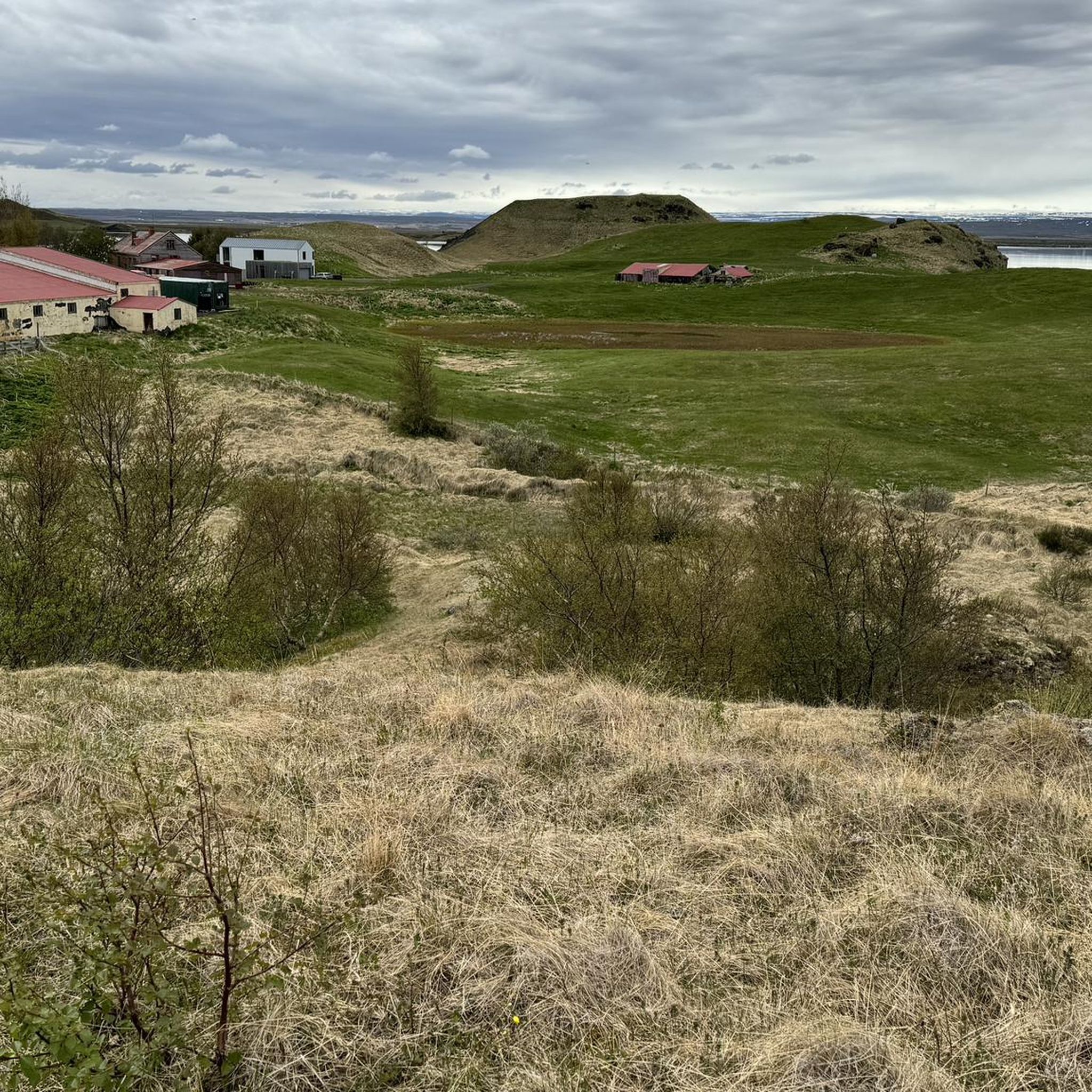
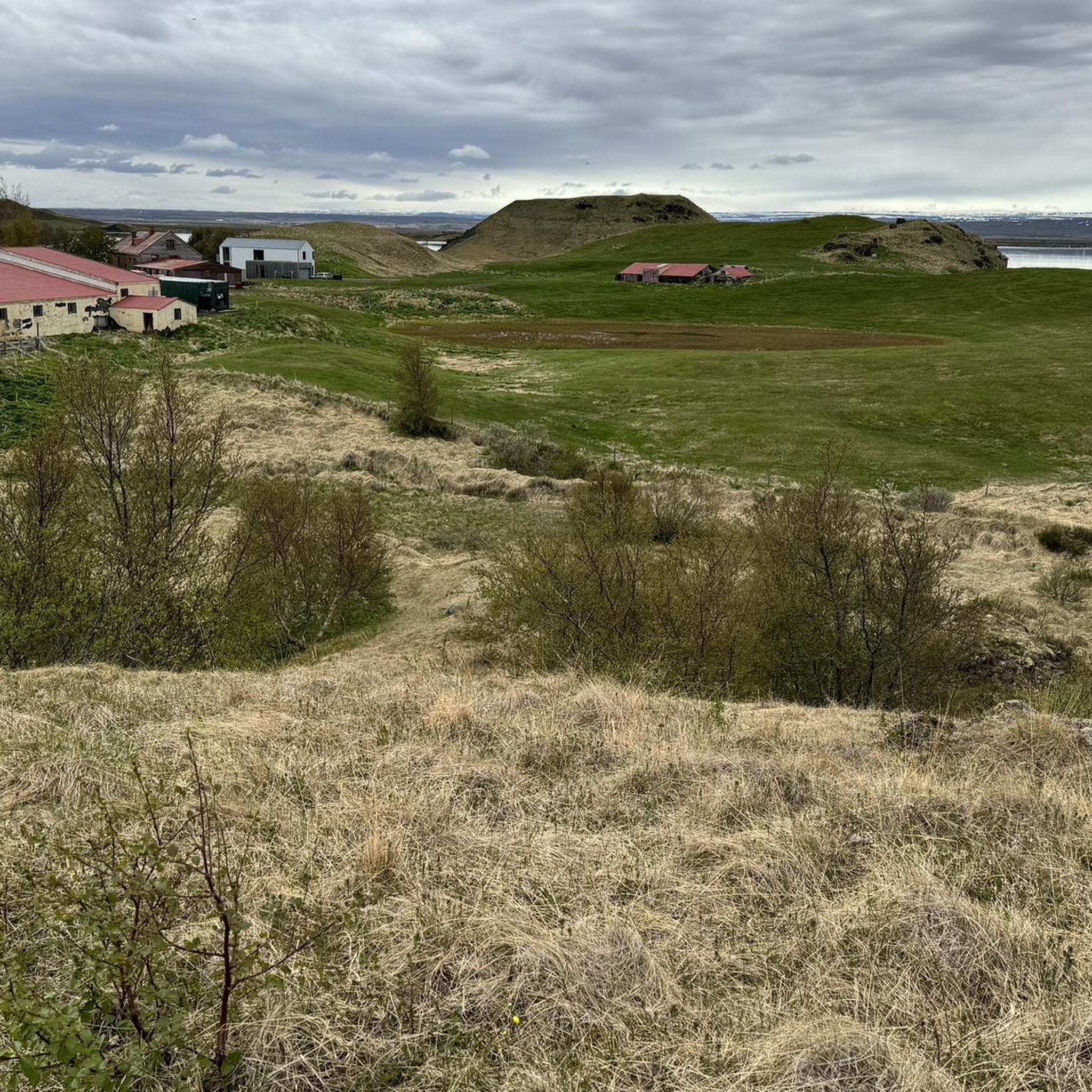
- Visitors also love View of the Skútustaðagígar pseudocraters at Lake Mývatn, a viewpoint overlooking pseudocraters. These geological formations are created by volcanic ash covering water, leading to explosions.
- Mývatn-Laxá Region is known for lakes with unique volcanic landscapes, pseudocraters, and lava formations. These bodies of water offer diverse geological interest and natural beauty.
- The lakes in Mývatn-Laxá Region are appreciated by the komoot community, with more than 50 upvotes and over 70 photos shared.
Last updated: July 8, 2026
Skútustaðagígar
Highlight • Natural Monument
The pseudocraters at Skutustadagigar, the Myvatn lake, are one of the most interesting geological features in Iceland1. These pseudocraters are not real volcanic craters1. They form when volcanic ash covers a small lake. The water underneath evaporates due to the heat, but cannot escape through the layer of ash. Subsequently, under great pressure, an explosion occurs, creating a small crater.
Showing Translation
Tip by

Lake Mývatn
Highlight • Lake
Translated by Google •
Tip by

Sign up now to discover places like this
Get recommendations on the best single tracks, peaks, & plenty of other exciting outdoor places.
Sign up for free
Lava Columns at Lake Mývatn
Highlight • Natural Monument
Tip by

Vindbelgjarfjall Summit
Highlight • Summit
Translated by Google •
Tip by
Black Sand Beach at Lake Mývatn
Highlight • Beach
Here you find the quiet place we called Black Beach at the lake of Myvatn.
Tip by

Sign up for free to discover even more lakes in Mývatn-Laxá Region.
Sign up for free
Already have an account?
Start today with a free account
Your next adventure awaits.
Login or Signup
Popular around Mývatn-Laxá Region
Tips from the Community

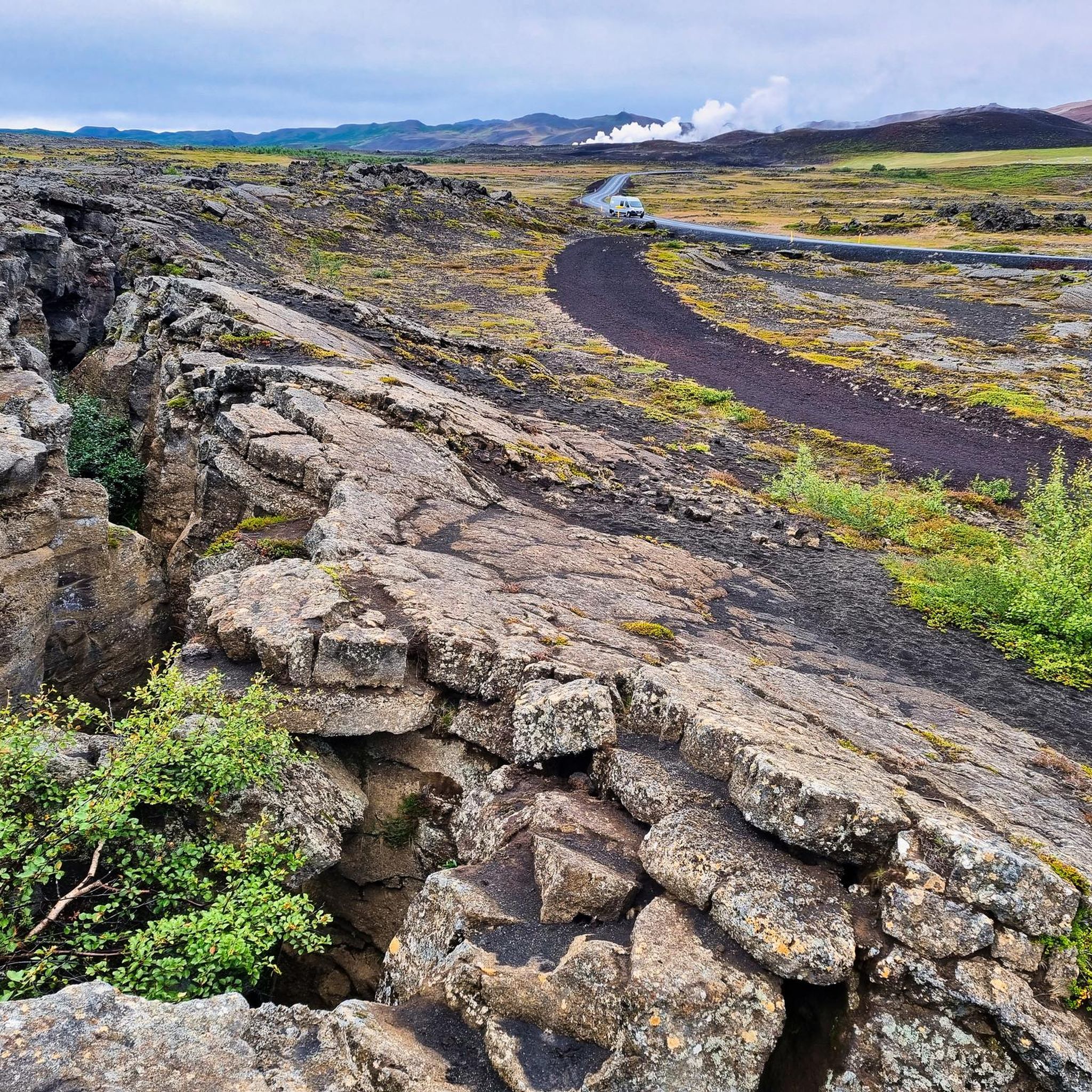
Unique lava formations in Lake Myvatn. What a sight. Can also be photographed or seen from the HÖFÐI nature reserve.
0
0

Little visited but worth it. Great views of Lake Mückensee.
0
0

From this spot, you get a great view of ancient lava columns standing vertically out of the clear blue water. This is a great place to snap a photo before continuing on your hike around this unique geological area.
0
0

This beautiful mountain on the banks of the Myvatn can be climbed in a good three quarters of an hour. If the weather is good, you have a great view from here over the Myvatn, the swamp area where numerous birds breed, and all the way to the Námaskarð thermal area. However, in summer you can expect thousands of flies. Tip: a cloth over your mouth, nose and ears helps. After a third of the way, the overgrown part is done and the wind blows the flies away :)
8
0

The Skútustaðagígar craters are a series of impressive pseudo-craters located in the Mývatn area of North Iceland. They are formed by steam explosions when hot lava flows over wet ground. Surrounded by the beautiful landscape of Lake Mývatn, these craters offer breathtaking views and are a popular destination for nature lovers and bird watchers.
8
0
Mývatn, located in the north of Iceland, is a beautiful lake surrounded by a very active volcanic area. The lake, which is the fourth largest in Iceland, has an area of approximately 37 km². Mývatn's landscape is unique and varied, with numerous small islands and skerries adorning the lake's surface. The area is rich in birds and insects, including the dancing mosquitoes (Chironomidae) from which the lake gets its name. Despite the name “mosquito lake”, these little flies do not sting.
8
0
The second viewing platform if you walk counter-clockwise, it overlooks the inland lake Stakhólstjörn. Stakhólstjörn is a picturesque pond located in the area of Skútustaðagígar, south of Lake Myvatn. It is surrounded by beautifully formed pseudocraters, which create a unique landscape.
8
0
Skútustadagígar is the area south of Lake Myvatn around the pond Stakholstjorn where the famous pseudocraters are found. The Skutustadir farm is named after an old hero called Viga-Skuta and allows us to climb up close to some of those beautifully formed pseudocraters. The pseudocraters at Skutustadagigar were on the list of the 10 best landscapes in Iceland and in the top 5 of things to see in Myvatn.
8
0
Frequently Asked Questions
Are there family-friendly activities around the lakes in Mývatn-Laxá Region?
Yes, several spots are considered family-friendly. For instance, Skútustaðagígar (Skútustaðir Pseudocraters) offers easy walks around its unique geological formations. Lake Mývatn itself is a great area for families to explore the volcanic landscape and observe birdlife. The Lava Columns at Lake Mývatn also provide an interesting and accessible natural monument for all ages.
What unique natural features and wildlife can I expect to see around the Mývatn-Laxá lakes?
The region is renowned for its unique volcanic landscape, featuring pseudocraters, lava formations, and geothermal activity. You can see the pseudocraters up close at Skútustaðagígar and observe ancient lava columns at Lava Columns at Lake Mývatn. The area also boasts rich birdlife, especially around Lake Mývatn, which is known for its diverse duck population.
What is the best season to visit the Mývatn-Laxá lakes?
The summer months (June to August) are generally considered the best time to visit due to milder weather and longer daylight hours, which are ideal for outdoor activities. However, be aware that large swarms of non-stinging midges (mosquitoes) can be present during two periods in summer, making a head net advisable. Spring and autumn offer beautiful colors and fewer crowds, while winter provides a stark, snow-covered landscape for those seeking a unique experience.
Are there accessible trails for beginners around the Mývatn-Laxá lakes?
Yes, there are several easy trails suitable for beginners. For example, the path between the pseudocraters at View of the Skútustaðagígar pseudocraters at Lake Mývatn is very simple and can be walked in about 20 minutes. You can find more easy hiking options in the Easy hikes in Mývatn-Laxá Region guide, including routes like the Skútustaðagígar Pseudocraters loop.
What are some popular hiking trails around the Mývatn-Laxá lakes?
Popular hiking trails include the ascent to Vindbelgjarfjall Summit, which offers panoramic views of Lake Mývatn. There are also various routes around the pseudocraters at Skútustaðagígar. For more options, check out the Easy hikes in Mývatn-Laxá Region guide and the Running Trails in Mývatn-Laxá Region guide for trails like the Vindbelgjarfjall loop from Sortulækur.
What other outdoor activities can I do near the Mývatn-Laxá lakes?
Beyond hiking, the region offers excellent opportunities for cycling and running. You can find various routes in the Cycling in Mývatn-Laxá Region guide, such as the Skútustaðagígar Pseudocraters – Grjótagjá Cave loop. For runners, the Running Trails in Mývatn-Laxá Region guide features routes like the Grjótagjá Cave loop from Reykjahlíð.
Where can I find the best viewpoints of the Mývatn-Laxá lakes?
For stunning panoramic views, hike up to Vindbelgjarfjall Summit, an extinct volcano near Lake Mývatn. Another excellent spot is the View of the Skútustaðagígar pseudocraters at Lake Mývatn, which overlooks these unique geological formations and the lake itself. The Lava Columns at Lake Mývatn also offer a great photographic viewpoint.
Can I walk on the pseudocraters at Lake Mývatn?
Yes, at Skútustaðagígar (Skútustaðir Pseudocraters), you can climb some of these beautifully formed pseudocraters up close. There are paths that allow you to explore these unique geological features, which were formed by steam explosions when lava flowed over wetlands.
Are there many mosquitoes around the Mývatn-Laxá lakes?
The name Mývatn itself means 'mosquito lake' in Icelandic. While the lake is known for swarms of midges (Chironomidae), these are mostly harmless and do not sting. However, there can also be stinging blackflies. During peak seasons in summer, the sheer number of non-stinging midges can be annoying, so bringing a head net or good protection is highly recommended.
How long does it take to walk around the Mývatn-Laxá lakes?
The time required depends on which lake or section you choose to explore. For example, a walk around the smaller path between the pseudocraters at View of the Skútustaðagígar pseudocraters at Lake Mývatn can take as little as 20 minutes. A full loop around Lake Mývatn itself would be a much longer endeavor, often done by cycling or driving, with various shorter hiking trails branching off.
What should I wear for hiking around the Mývatn-Laxá lakes?
Given the variable Icelandic weather, layering is key. Even in summer, be prepared for sudden changes in temperature, wind, and rain. Waterproof and windproof outer layers are essential. Sturdy hiking boots are recommended for trails, especially those involving volcanic terrain. In summer, a head net is highly advisable due to the presence of midges.
Are there cafes and restaurants near the Mývatn-Laxá lakes?
Yes, the settlements around Lake Mývatn, such as Reykjahlíð, offer various services including cafes, restaurants, and accommodation options. These establishments cater to visitors exploring the region's natural attractions.
Most popular attractions in Mývatn-Laxá Region

Get inspired with the komoot mobile app


Explore more
Still not found your perfect lake in Mývatn-Laxá Region? Check out the guides of these regions to see even more beautiful places.
