Top 3 Castles around Ripoll
Castles around Ripoll offer a historical journey through Catalonia's past, featuring both well-preserved structures and evocative ruins. The region is characterized by its diverse terrain, with castles perched on hills over 1,000 meters above sea level, providing extensive views of the surrounding landscape. This area combines historical significance with natural beauty, making it a notable destination for exploring medieval architecture. Visitors can experience a blend of cultural heritage and scenic environments.
Best castles around Ripoll
- The most popular castles is…
Last updated: July 9, 2026
Montesquiu Castle
Highlight • Castle
Translated by Google •
Tip by

Besora Castle
Highlight • Castle
Translated by Google •
Tip by

Sign up now to discover places like this
Get recommendations on the best single tracks, peaks, & plenty of other exciting outdoor places.
Sign up for free
Castle of Torelló
Highlight • Castle
Translated by Google •
Tip by

Castillo de Milany
Highlight • Castle
Translated by Google •
Tip by

Pardines Medieval Village
Highlight • Settlement
Translated by Google •
Tip by
Sign up for free to discover even more castles around Ripoll.
Sign up for free
Already have an account?
Start today with a free account
Your next adventure awaits.
Login or Signup
Popular around Ripoll
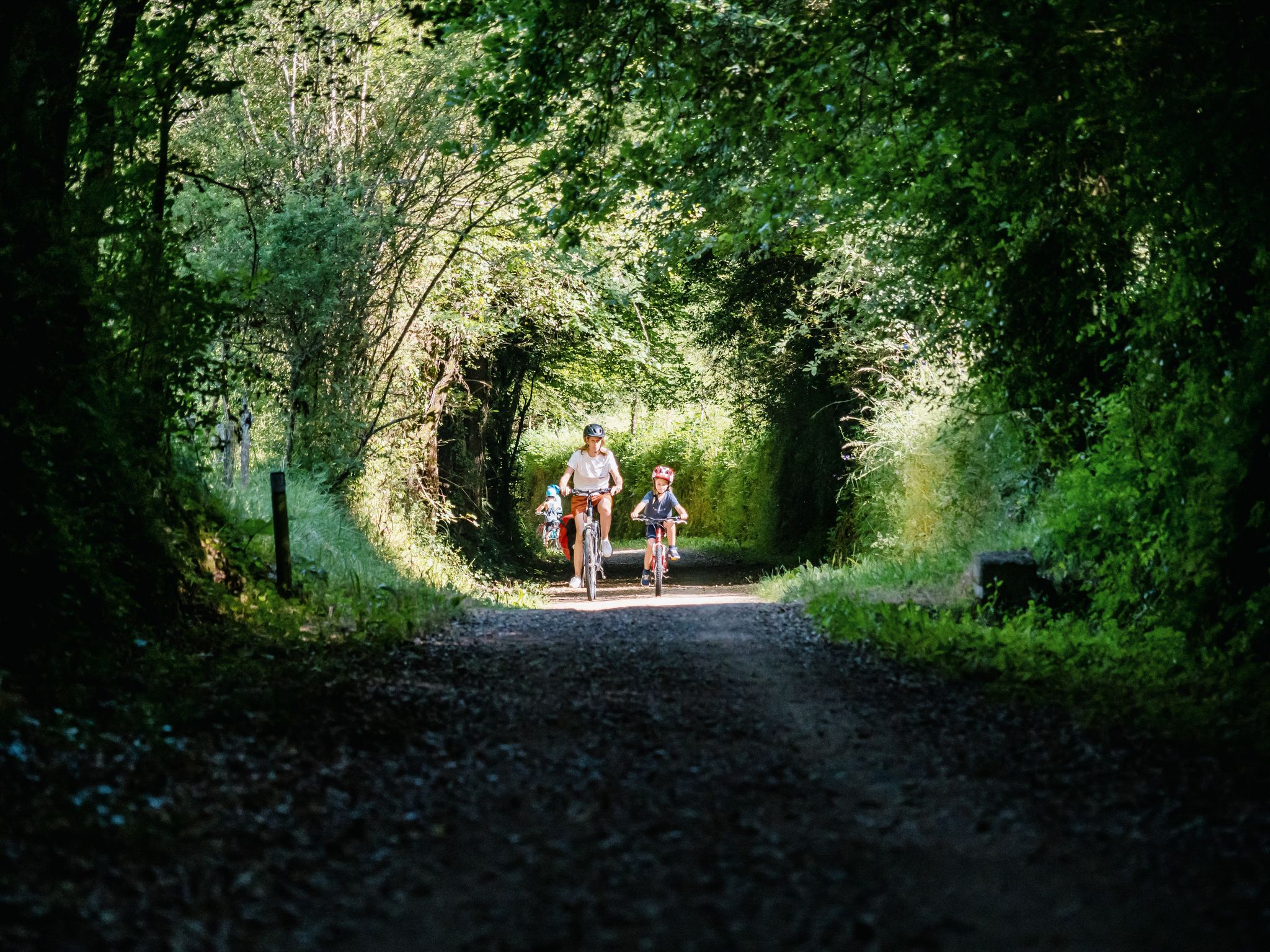
Vías verdes de Girona — an adventure for the whole family
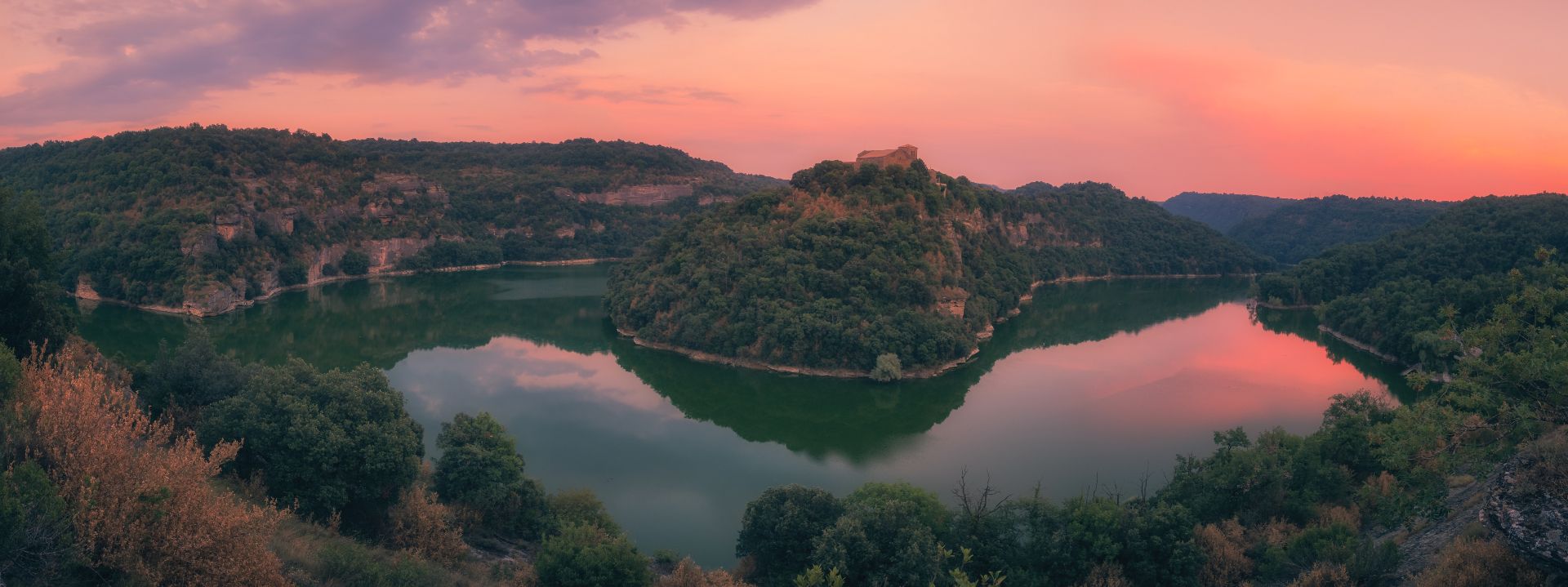
The water trail – Ruta del Ter (GR 210)
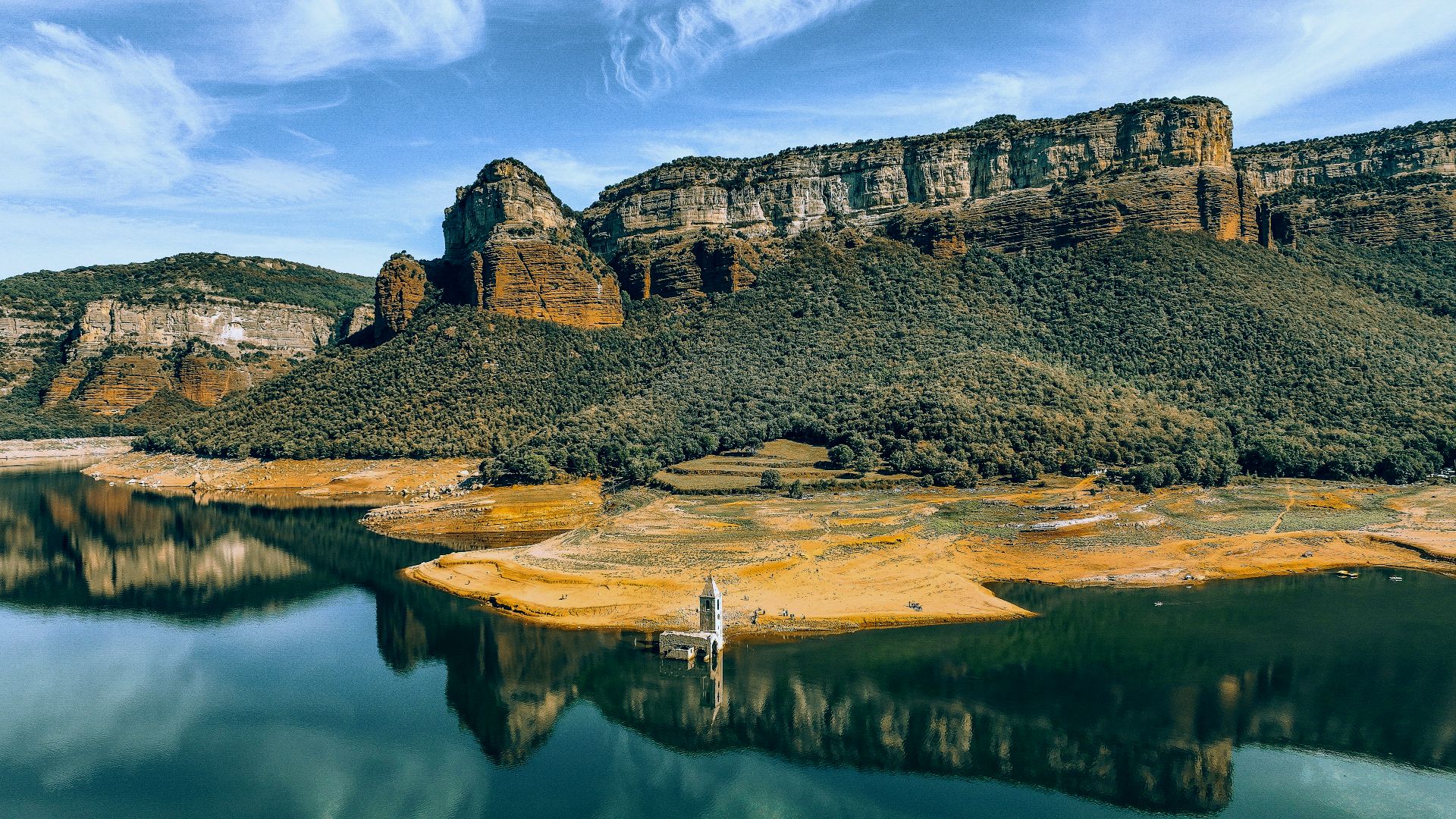
In the footsteps of the Catalan Romanesque – El Camino Oliba
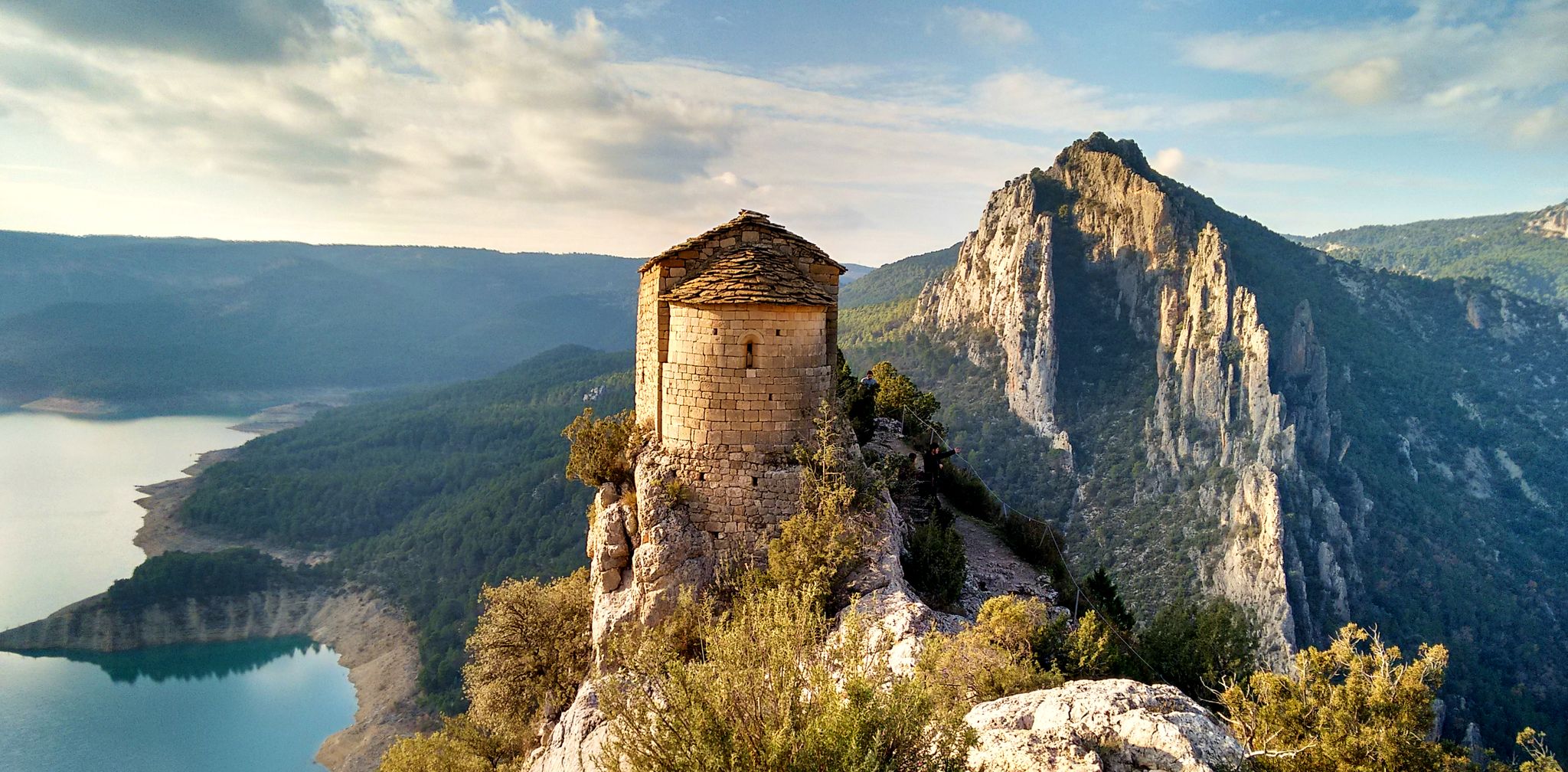
From the Mediterranean to the Pre-Pyrenees – Historical Path in Catalonia (GR 1)
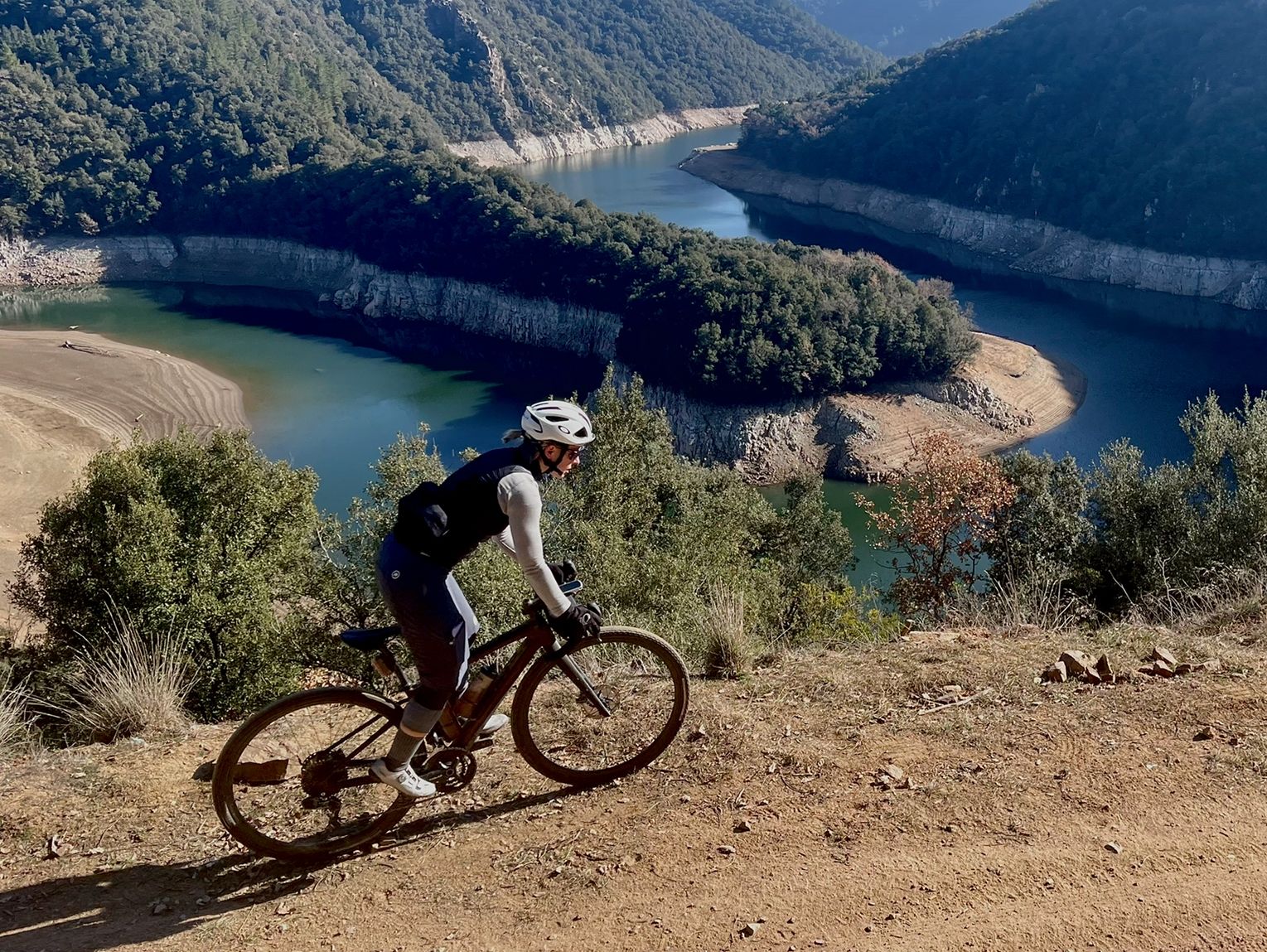
Catalan Pyrenees to the Mediterranean – La Ruta del Ter on gravel
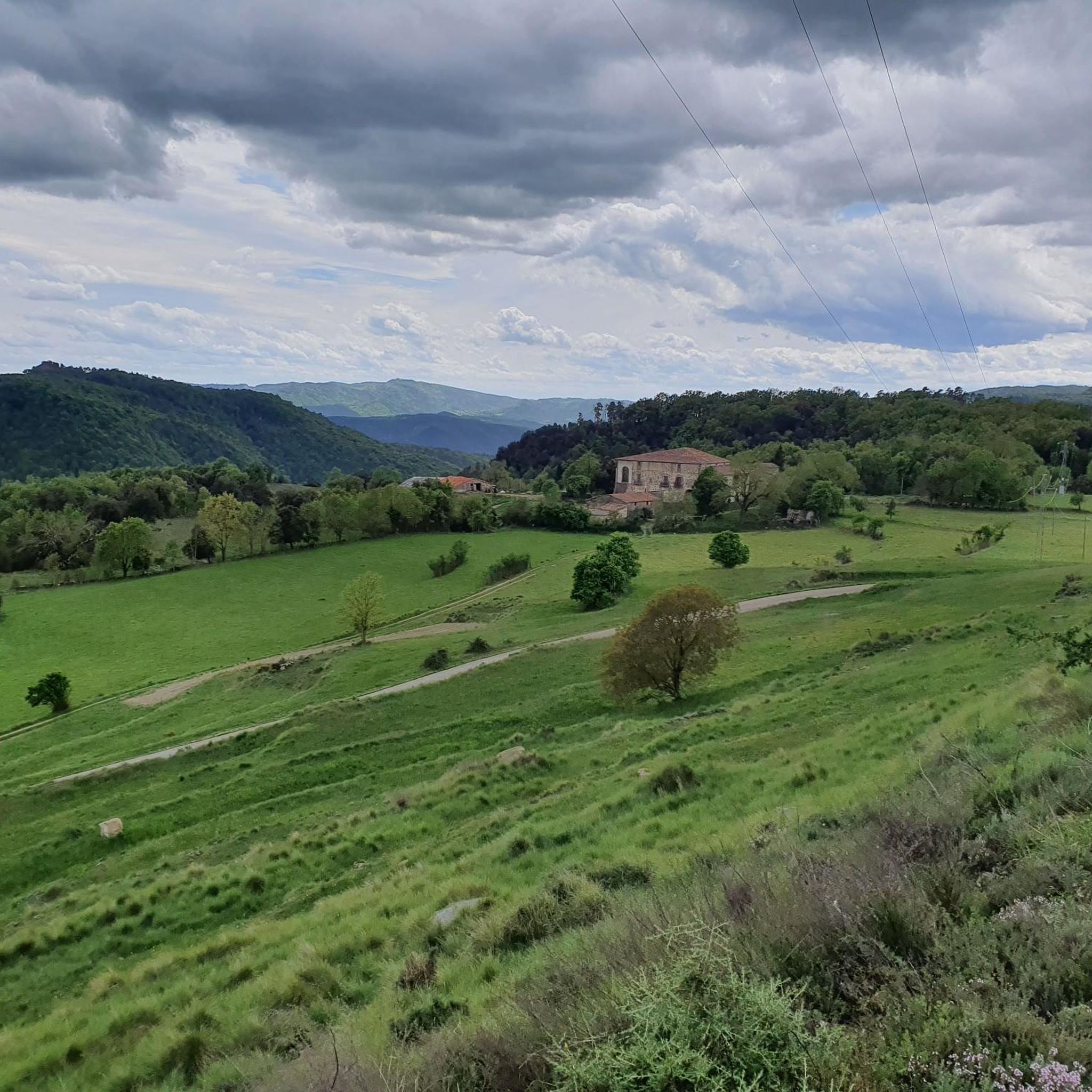
Road Cycling Routes around Ripoll
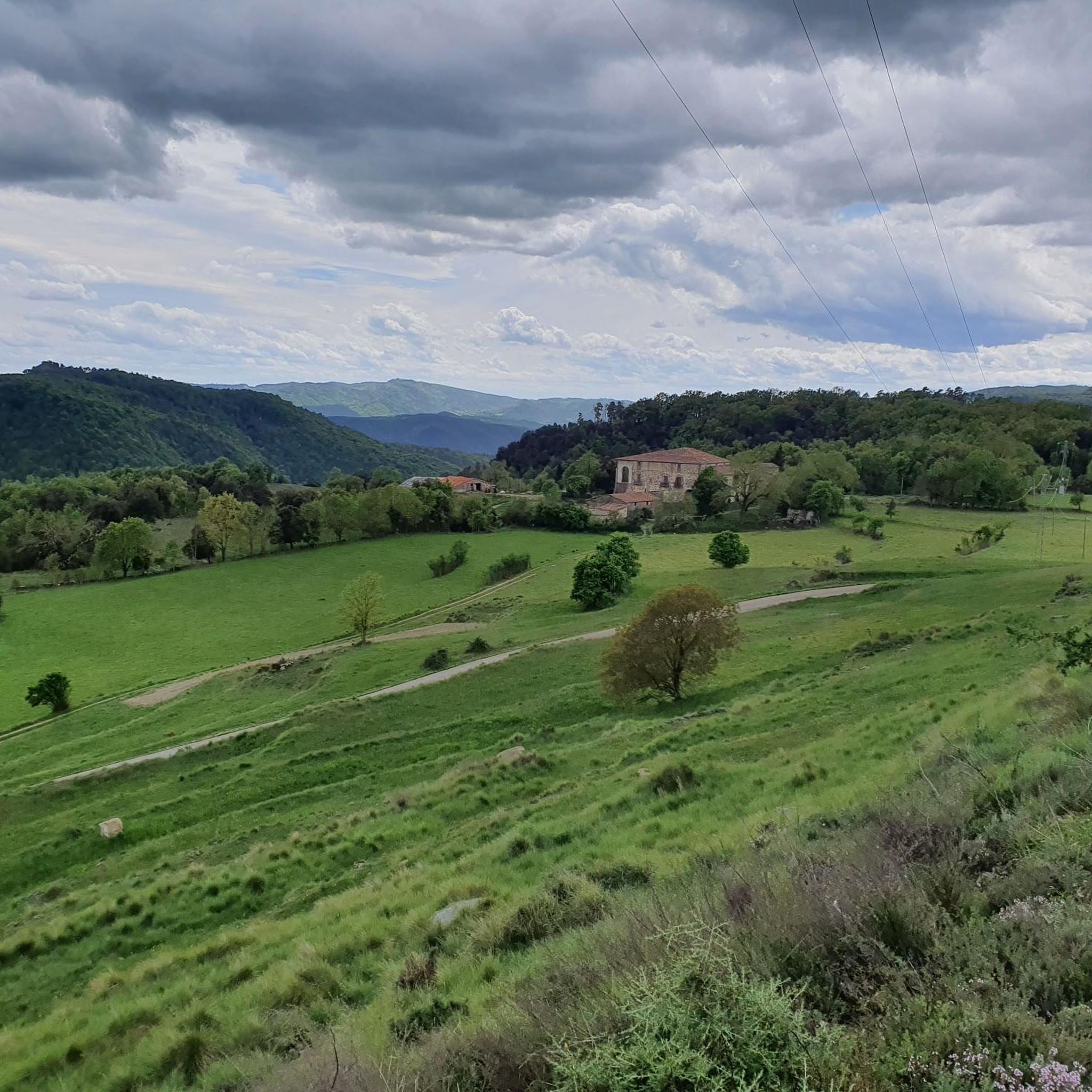
Cycling around Ripoll
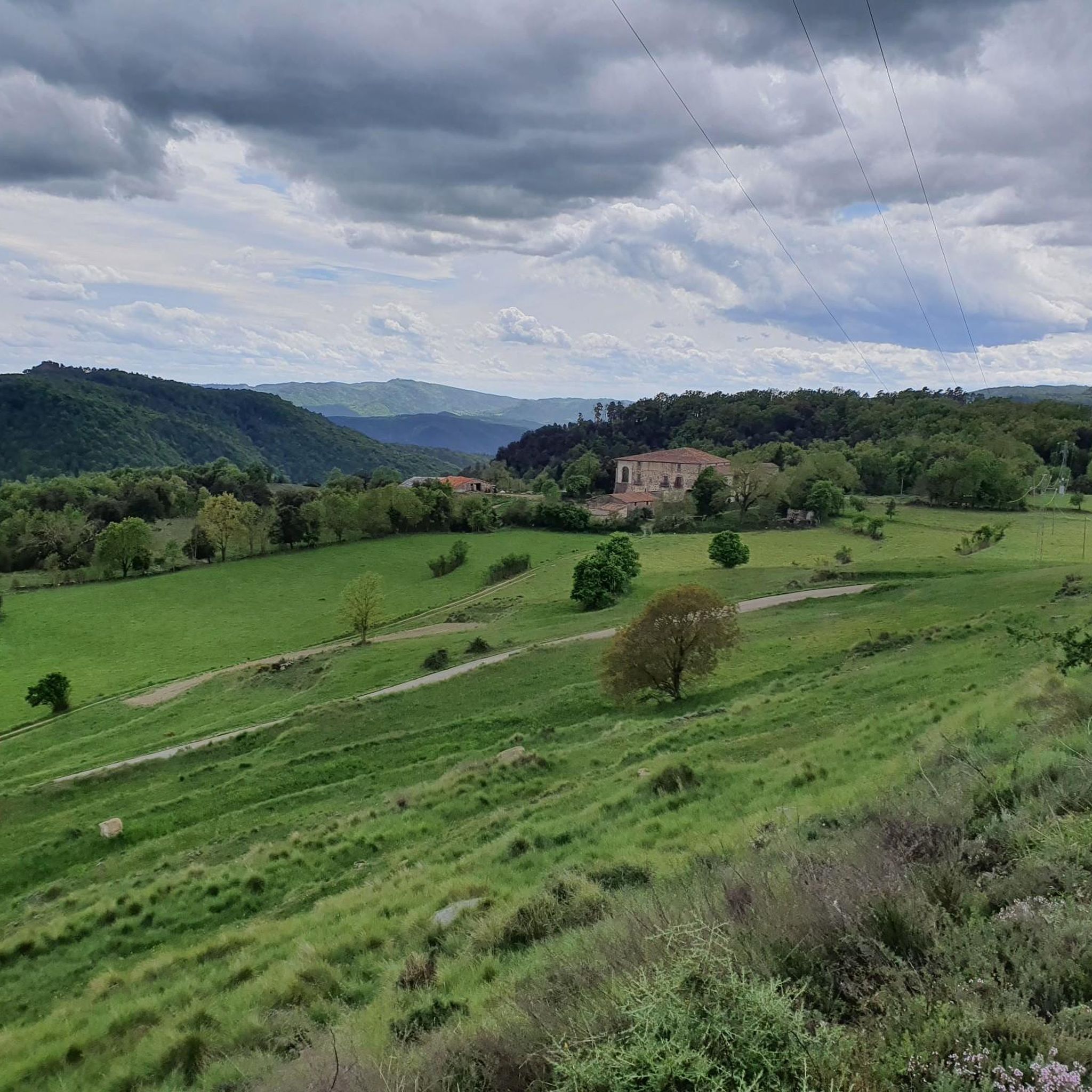
MTB Trails around Ripoll
Hiking around Ripoll

Gravel biking around Ripoll
Other adventures around Ripoll


Tips from the Community

The ruins of the Besora castle and the Romanesque church of Santa María are located on a hill at more than 1000 meters above sea level. It is worth calmly exploring each of its corners and enjoying the beautiful views.
2
0


A few months ago I covered the route from the R 3 train station, from Farga de Bebié to Montesquiu Castle and back to Sant Quirze de Besora Pueblo de la Ratafía: It is approximately 5 km. It is worth it, it is a very beautiful route.
2
0

The Montesquiu castle, in the Osona region, is a beautiful example of a recently restored medieval fortification. Built, surely, during the 13th century, it formed a defensive triangle together with the castles of Besora and Saderra.
3
0

Fantastic castle that is worth visiting
2
0

It appears for the first time in documents from 1285, appearing as a fortified house that would later be called a castle. At first it was known as Colobrer castle and later, Montesquiu. Its origin is probably in the enclave where there was a guard tower that Count Guifré (el Pilós) ordered to be built in the 11th century. In the 14th century it was converted into a fortified residence and in the 16th century the castle was enlarged and fortified. However, it was not until the beginning of the 20th century that it was reformed to give it the appearance it has today.
0
0

Milany Castle is a castle on top of Milany. This is the Catalan castle built at a higher height, specifically at 1,529 meters.
2
0
Pardines is a beautiful medieval town surrounded by nature, located in the Vall de Ribes. A quiet place with narrow alleys and where you can still see remains of the old wall or the 11th century castle.
3
0
Frequently Asked Questions
What kind of historical experience can I expect from the castles around Ripoll?
The castles around Ripoll offer a deep dive into Catalonia's past, ranging from well-preserved structures to evocative ruins. You'll find 10th-century fortifications like Castell de Llaés, which has been meticulously renovated, alongside the ancient remains of Besora Castle, dating back to 895 AD. Many showcase Romanesque architectural elements and played crucial roles in the region's defensive network.
Are there any castles that offer panoramic views of the Ripoll region?
Yes, several castles are known for their stunning panoramic views due to their elevated positions. Besora Castle, perched on a hill over 1,000 meters above sea level, provides a fantastic 360º panorama. Similarly, Castillo de Milany, at 1,533 meters, offers breathtaking views from what was once the highest rocky fortress in inland Catalonia.
What are some unique features of the castles in this area?
The castles in the Ripoll area boast unique characteristics. Castell de Llaés, for instance, has been renovated into a rural house while maintaining its medieval appearance, including a homage tower and a Romanesque church. Castle of Torelló is distinctive for its massive circular tower standing prominently on a marly hill, serving as a significant landmark.
Are there family-friendly historical sites or castles near Ripoll?
Yes, Pardines Medieval Village is a great option for families. While not a castle itself, it features remains of an 11th-century castle and an old wall within a beautiful medieval town setting. It's listed as a family-friendly historical site, offering a quiet place with narrow alleys to explore.
What outdoor activities can I combine with visiting castles around Ripoll?
The Ripoll region is excellent for combining castle visits with outdoor activities. You can find numerous cycling and mountain biking routes. For road cycling, consider routes like 'Eastern Pyrenees Ports - Circular la Creueta & Collada de Toses & Barraques' or 'Climb to Frontanyà & Montgrony'. For touring or mountain biking, the 'Route of Iron and Coal' offers various options. You can explore these routes further in the Road Cycling Routes around Ripoll, Cycling around Ripoll, and MTB Trails around Ripoll guides.
Are there hiking trails that lead to or pass by these castles?
Many castles, especially those in elevated positions like Castillo de Milany and Besora Castle, are accessible via hiking trails. These trails often vary in difficulty, with some leading to high-altitude ruins and offering challenging ascents. The surrounding natural environment makes for scenic walks, often providing rewarding views upon arrival at the castle sites.
What is the best time of year to visit the castles in Ripoll?
Given the elevated positions of many castles and the potential for hiking, spring and autumn generally offer the most pleasant weather for visiting. Temperatures are milder, and the natural surroundings are vibrant. Summer can be warm, especially for more strenuous hikes, while winter might bring colder temperatures and potentially snow at higher altitudes, which could affect accessibility.
What are the typical terrain and difficulty levels for reaching these castles?
The terrain around Ripoll's castles is diverse. Many castles are perched on hills, some over 1,000 meters above sea level, meaning approaches often involve uphill climbs. Trails can range from moderate to challenging, especially for sites like Castillo de Milany, which is at 1,529 meters. Expect varied paths, from well-trodden trails to more rugged terrain, particularly when exploring ruins.
Are there any lesser-known or 'hidden gem' castles worth exploring?
While the guide highlights prominent castles, the region's rich history suggests many smaller, less-visited ruins or historical sites exist. Exploring the broader area around Ripoll, especially off the main routes, can reveal evocative fragments of medieval fortifications that offer a sense of discovery and solitude away from more popular spots.
What do visitors particularly enjoy about the castles around Ripoll?
Visitors frequently appreciate the combination of historical significance and natural beauty. The extensive views from elevated castle sites, such as the 360º panorama from Besora Castle, are often highlighted. The opportunity to explore ancient ruins and connect with early medieval history amidst stunning landscapes is a major draw.
Is public transport available to reach the castles, or is a car necessary?
While Ripoll itself is accessible by public transport, many of the castles, especially those in more remote or elevated locations like Castillo de Milany or Castell de Llaés, are best reached by car, followed by a hike. Public transport options directly to the castle sites are limited, making a personal vehicle or organized tour more practical for comprehensive exploration.
How much time should I allocate for visiting a castle in the Ripoll area?
The time needed varies depending on the castle and your interest. For well-preserved sites or those with extensive ruins like Besora Castle, you might spend 1-2 hours exploring the site itself, plus travel and hiking time. For more remote ruins, the journey to and from the site, often involving a hike, could extend the visit to half a day or more.
Most popular attractions around Ripoll

Get inspired with the komoot mobile app


Explore more
Looking for the best castles somewhere else? Discover other guides around Ripoll:
