Top 7 Caves in Pescara
Caves in Pescara and the surrounding Abruzzo region offer a diverse range of subterranean experiences. The area is characterized by its mountainous terrain, including parts of the Majella National Park, which contributes to the formation of numerous caves and rock shelters. These geological features often hold historical and religious significance, with many serving as ancient hermitages. The landscape provides opportunities for exploring both natural karstic formations and sites of cultural heritage.
Best caves in Pescara
- The most popular caves is…
Last updated: August 19, 2026
Hermitage of Saint Bartholomew in Legio
Highlight • Religious Site
Translated by Google •
Tip by

Sant'Angelo Cave
Highlight • Cave
Translated by Google •
Tip by

Sign up now to discover places like this
Get recommendations on the best single tracks, peaks, & plenty of other exciting outdoor places.
Sign up for free
Hermitage of St. John at the Orfento
Highlight • Religious Site
Translated by Google •
Tip by
Hermitage of Sant'Onofrio of Serramonacesca
Highlight • Religious Site
Translated by Google •
Tip by
Cantrella Cave
Highlight • Cave
Translated by Google •
Tip by
Cerrone Hut
Highlight • Cave
Translated by Google •
Tip by

Rock Chapel of Ripa Rossa
Highlight • Religious Site
Translated by Google •
Tip by

Start today with a free account
Your next adventure awaits.
Login or Signup
Popular around Pescara
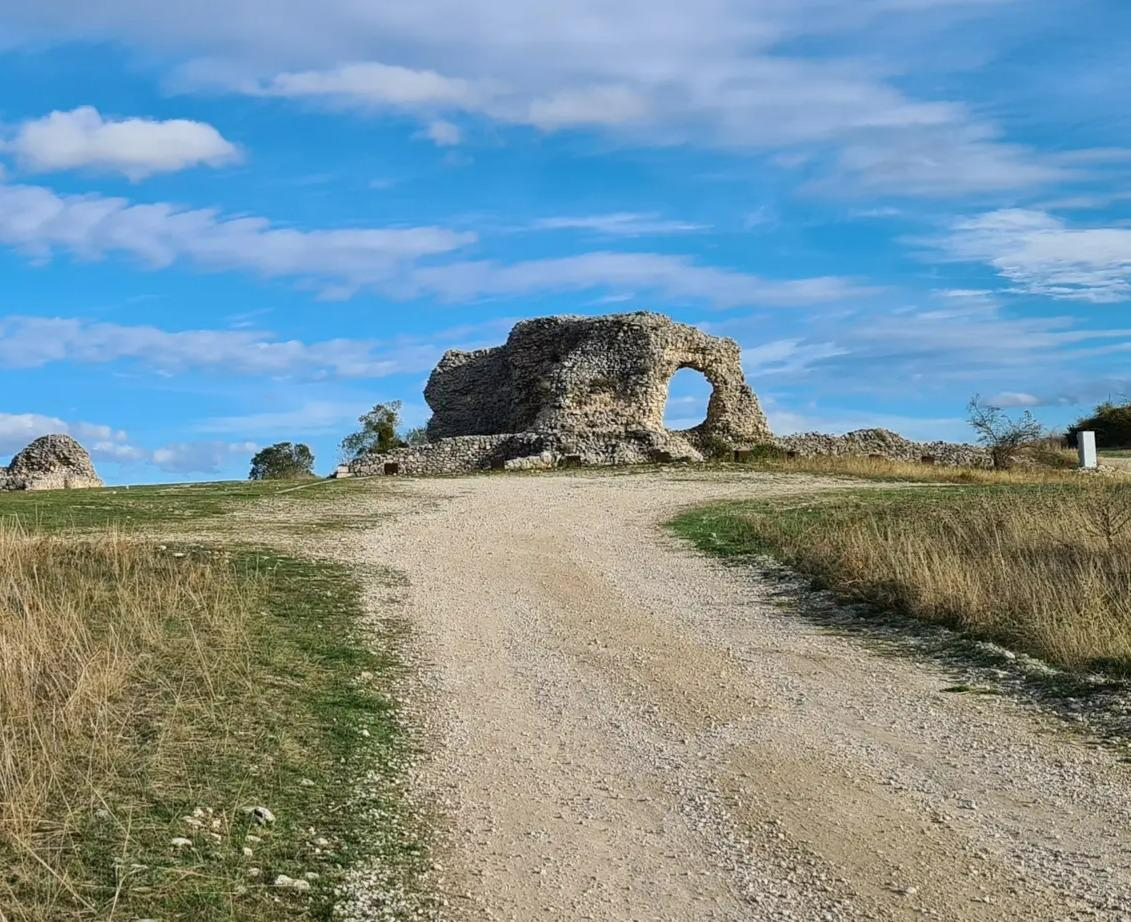
Tratturo Magno – On the roads of transhumance
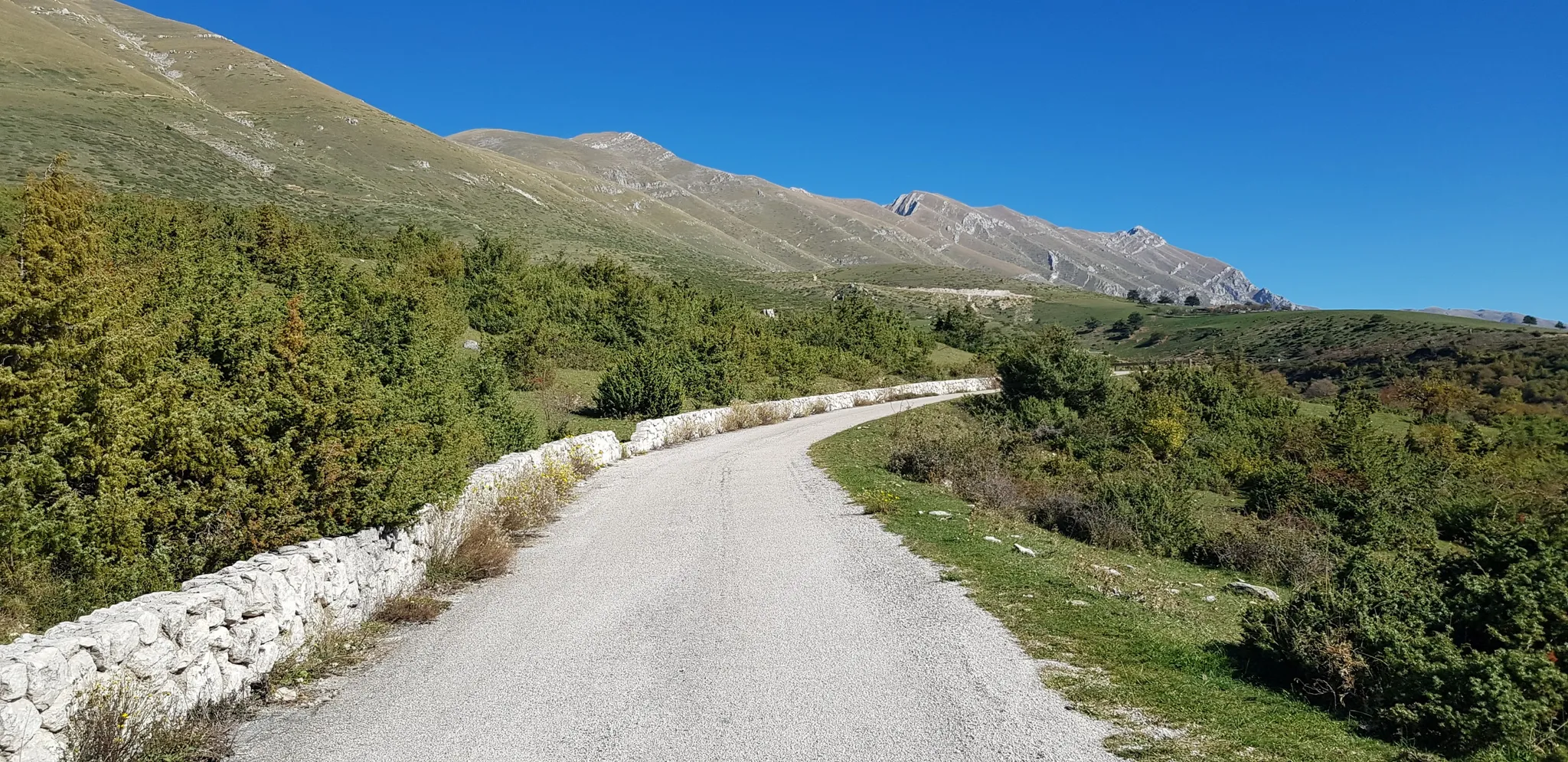
The Apennine Cycleway (Part 2) - From Umbria to Calabria
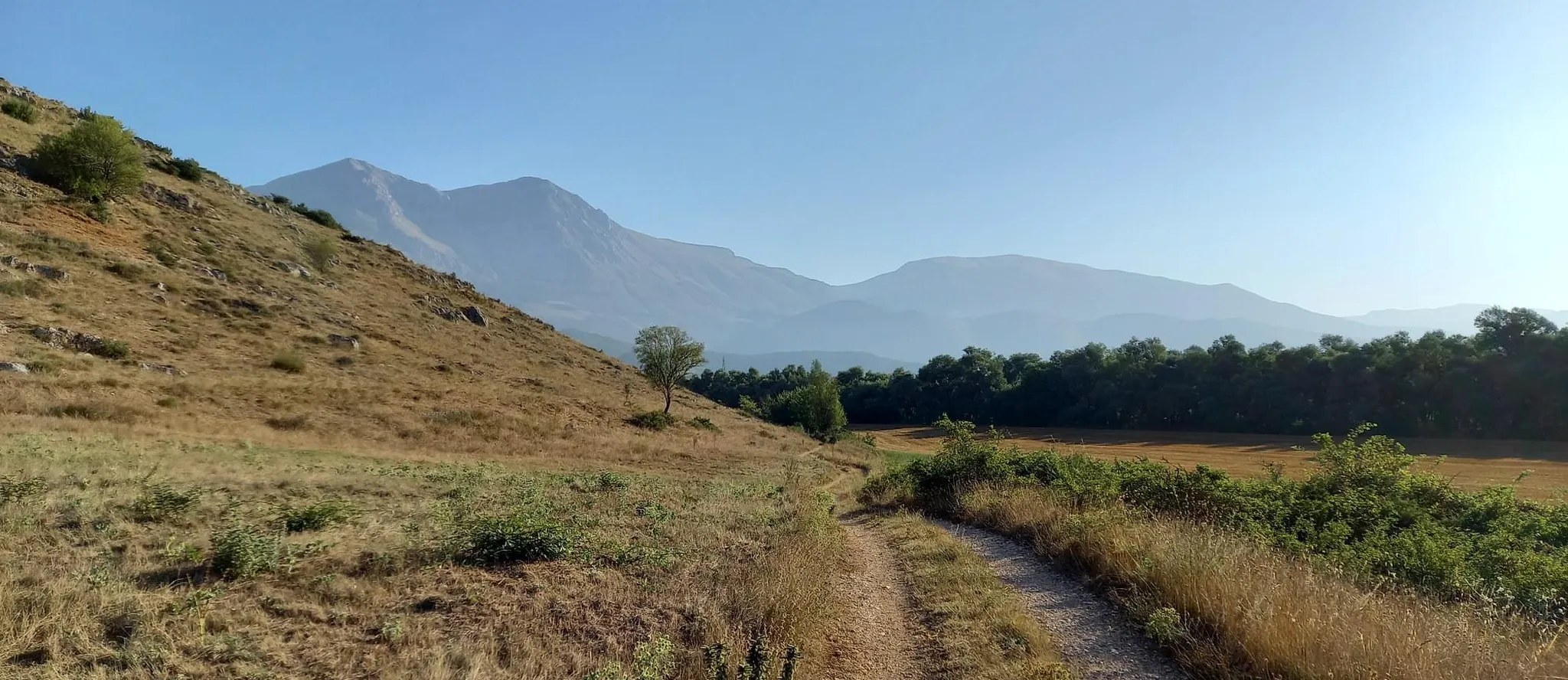
Hike from Rome to the Adriatic Sea – Way of St. Thomas
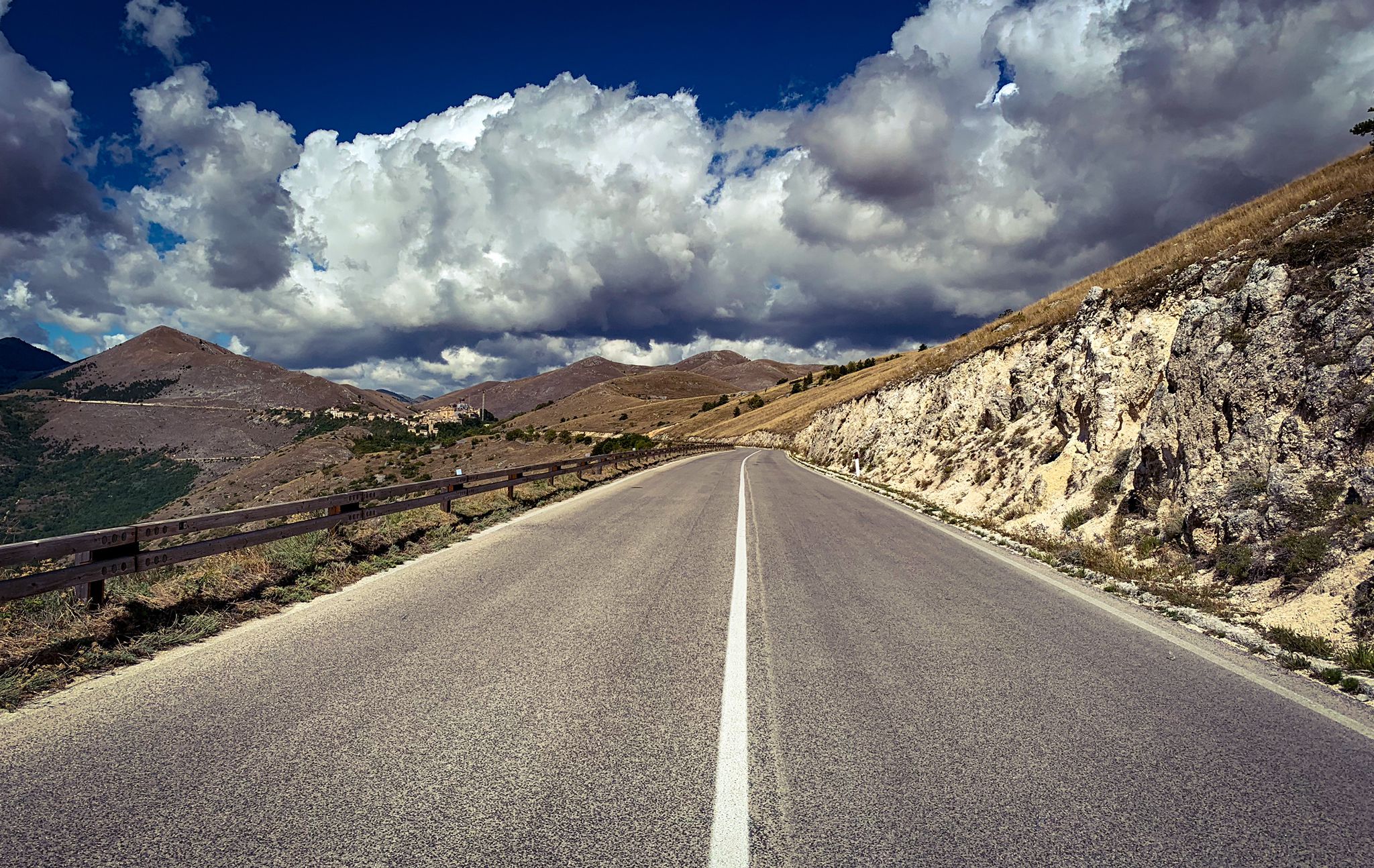
The Apennines to the Adriatic – cycling to discover Abruzzo
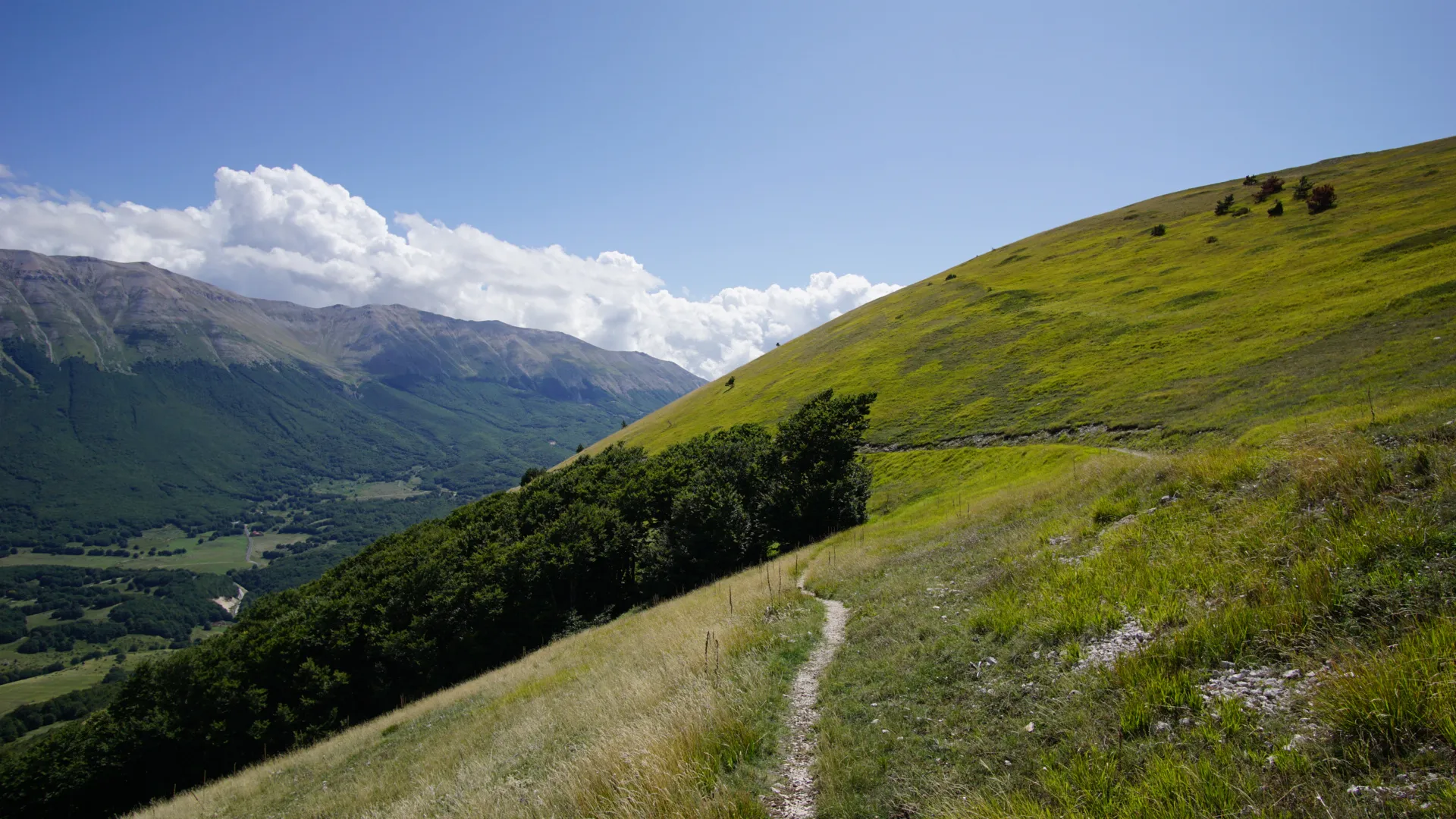
Exploring Italy’s Majella – Cammino di Celestino
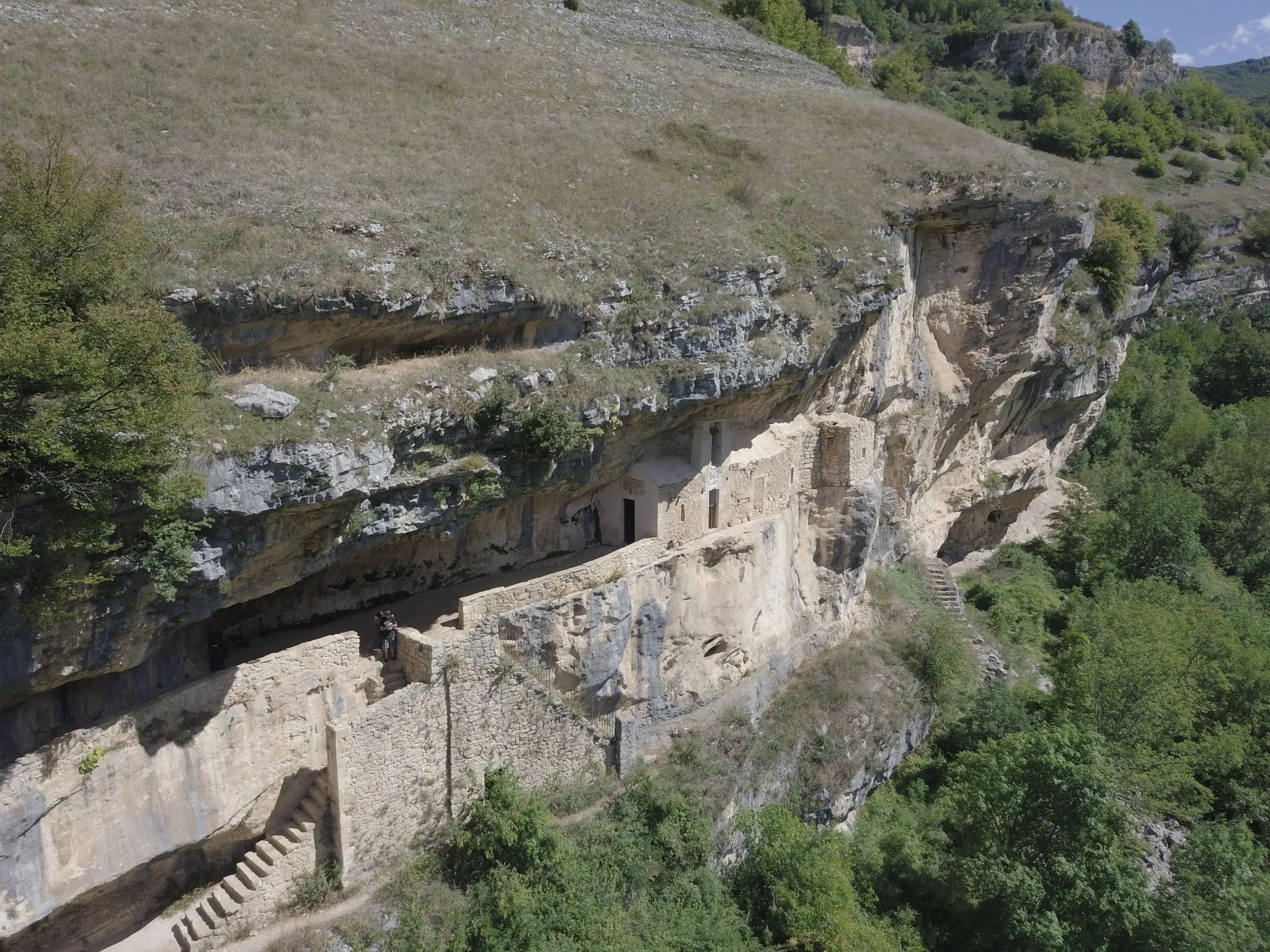
Hike Italy’s Majella National Park – Sentiero dello Spirito
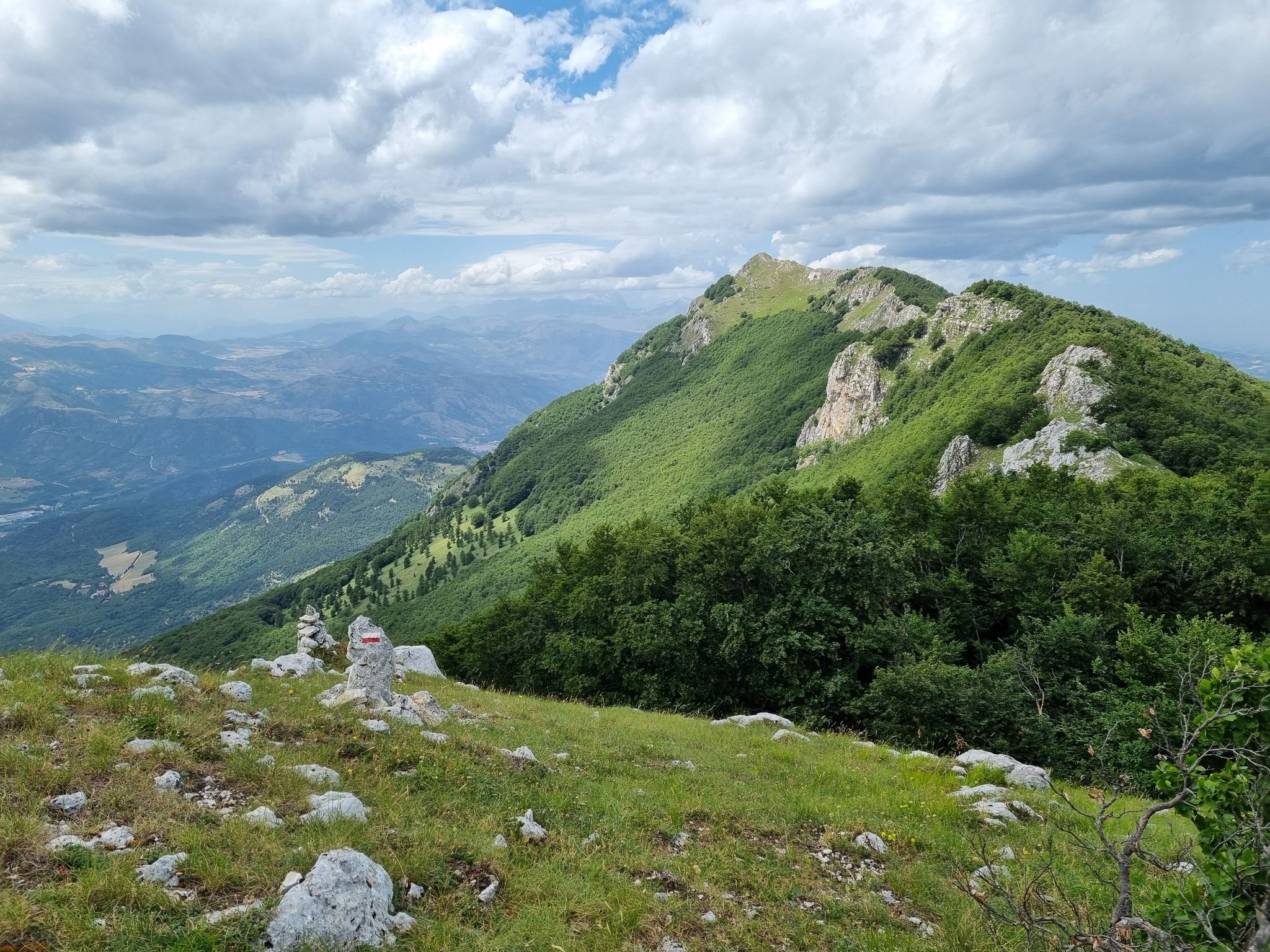
Through the green lungs of Abruzzo – Sentiero Italia
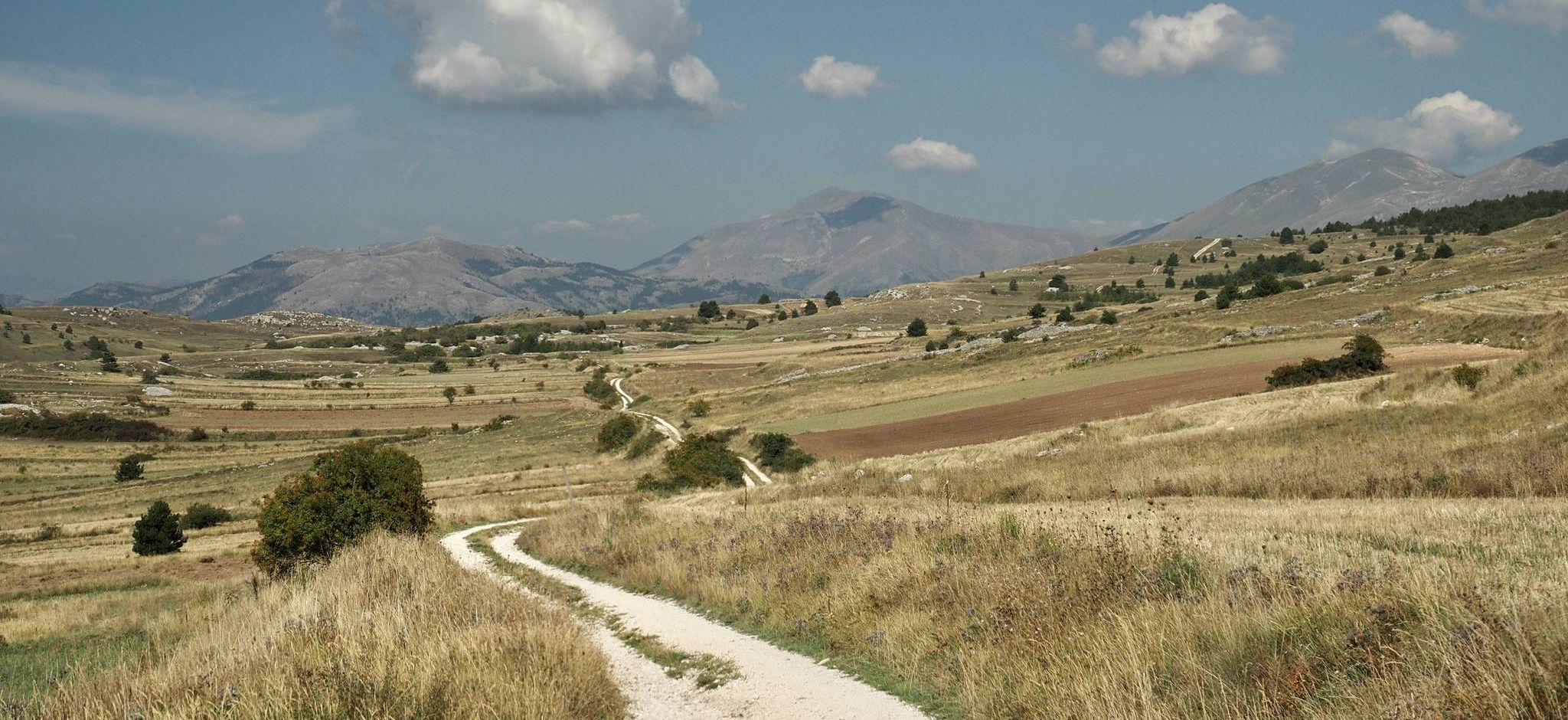
Bikepacking the Wolf's Lair – through Abruzzo in southern Italy
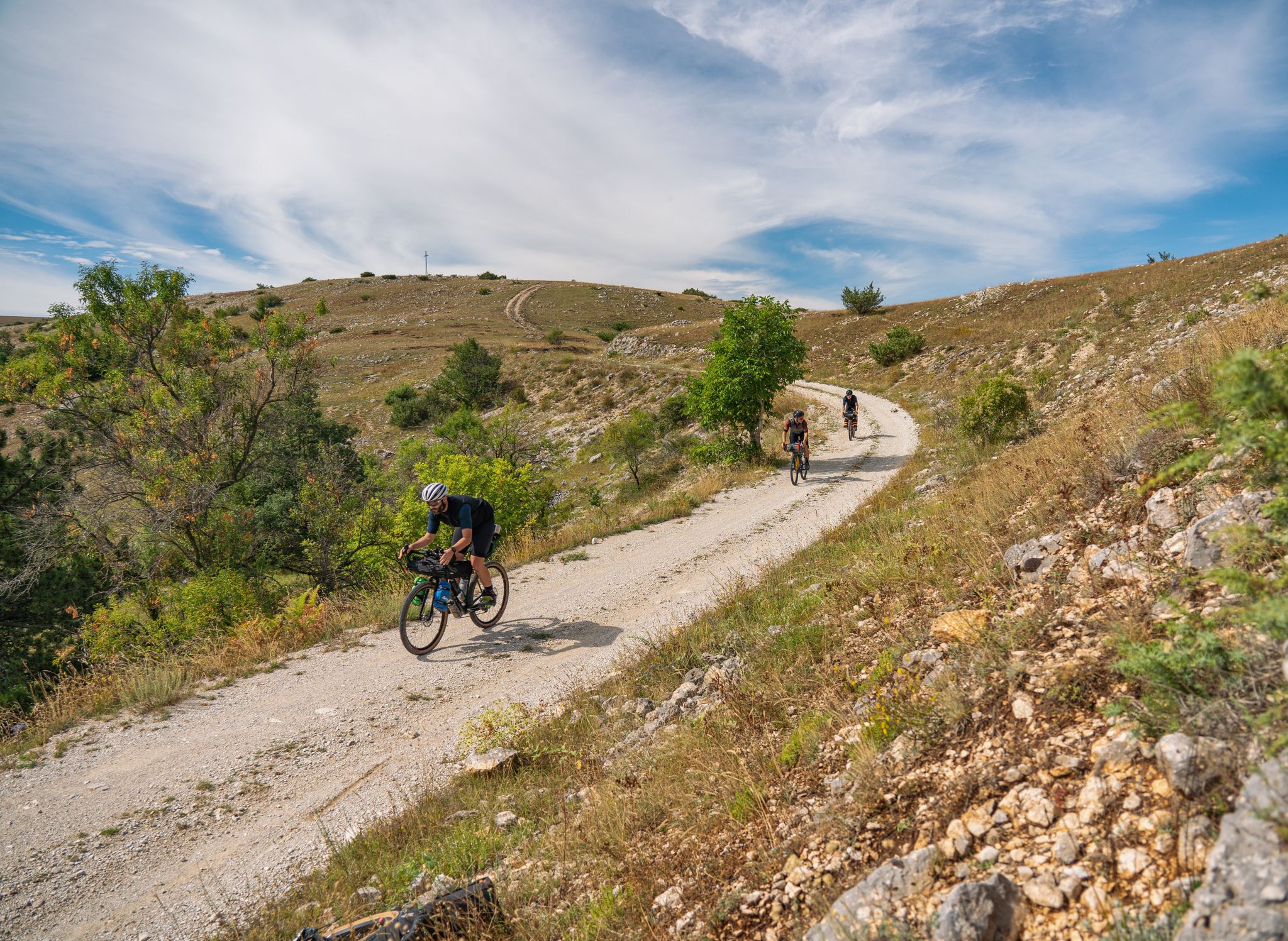
Following in the Footsteps of a Wolf – A Bikepacking Adventure
MTB Trails in Pescara
Other adventures in Pescara


Tips from the Community

The Hermitage of San Bartolomeo in Legio is located in the Majella National Park, between the villages of Abbateggio and Roccamorice. It is a very evocative hermitage, set on the rocky wall of the Vallone dello Spirito, where the Capo La Vena stream flows. The hermitage's oratory is almost entirely embedded in the rock. There is also a 16th-century altar with a niche containing an 19th-century wooden statue depicting the saint. On August 25th, San Bartolomeo is celebrated in Roccamorice, and on this occasion, the villagers carry the wooden statue of the saint in procession from the hermitage to the village church.
1
0

Nature. Spirituality. Effort. Journey. Joy
0
0

Amazing place!!!
0
0

A chapel carved into a high rock overlooking the road leading to L'Eremo di Santo Spirito a Maiella.
2
0


The Cave of Sant'Angelo di Lettomanoppello in the Vallone di Sant'Angelo is a place of uncertain origin, mentioned in the Decrees of the First Holy Visit of the bishop of Chieti in 1844. It is believed that the hermitage is dated thanks to the presence of a statue of San Michele Arcangelo similar to that of San Tommaso in Caramanico, dating back to the XIII century. According to legend, the hermitage was inhabited by a man of holiness, but he mysteriously disappeared leaving behind the statue of the angel. In front of the rocky outcrop where a church once stood, today only a rectangular enclosure remains called the Bed of Sant'Angelo. Furthermore, in front of the church is the Fonte del Garzillo.
2
0
The Hermitage of San Giovanni all'Orfento is an ideal place to go in the summer, when it's cooler in the mountains. Here the snow persists from October to April, so keep that in mind when choosing your shoes. If you love forest walks, the trails around here are great. The entrance to the Hermitage is not for the faint of heart, but the feeling you get at the end is worth it. Plan to bring food with you, as the walks can be long and there is nothing at the top.
3
0

The hermitage is made up of two elements: the church and the part of the house. The hypothesis is that the origins go back to the use of the cave for prayer, then transformed into agro-pastoral use. The church was rebuilt in 1948.
3
0
Frequently Asked Questions
What types of caves can I explore near Pescara?
The Pescara region, particularly within the Majella National Park, offers a diverse range of subterranean experiences. You can find natural karstic formations like the active river caves of Stiffe, historical hermitages such as the Sant'Angelo Cave, and religious rock shelters like the Hermitage of Saint Bartholomew in Legio.
Are there any family-friendly caves to visit near Pescara?
Yes, some caves are suitable for families. The Cerrone Hut is categorized as family-friendly. Additionally, the Grotta delle Farfalle, while more of a nature reserve than a deep cave system, offers an easy excursion in a peaceful natural environment, ideal for families.
What are some of the most geologically impressive caves in the area?
For impressive geological formations, consider the Grotta del Cavallone, one of Europe's highest accessible caves, featuring bright limestone and speleothems. The Stiffe Caves are also notable as active river caves with roaring waterfalls and magnificent rock formations, particularly impressive in spring.
Which caves have historical or religious significance?
Many caves in the Pescara region hold deep historical and religious importance. The Sant'Angelo Cave is known as an ancient rock hermitage, believed to date back to the 13th century. The Hermitage of Saint Bartholomew in Legio was frequented by Pope Celestine V, and the Hermitage of St. John at the Orfento offers a blend of nature and spirituality. The Hermitage of Sant'Onofrio of Serramonacesca also has origins as a prayer cave.
What is the best time of year to visit the caves near Pescara?
The best time to visit can depend on the specific cave. For active river caves like Stiffe, spring is ideal to witness the waterfalls at their most powerful. For hermitages like the Hermitage of St. John at the Orfento, summer is recommended for cooler temperatures in the mountains, though snow can persist from October to April.
Are there hiking opportunities near the caves?
Yes, the region offers extensive hiking opportunities. For example, the natural surroundings of Sant'Angelo Cave are connected by several trails within the Majella National Park. You can find various routes, including easy to difficult options, by exploring hiking guides in Pescara.
What should I wear when visiting caves in Pescara?
Cave temperatures are consistently cool, often around 10°C, with high humidity. It is recommended to wear appropriate clothing, including layers and sturdy footwear, even during warmer months. For some hermitages, like the Hermitage of St. John at the Orfento, proper shoes are essential due to potential snow persistence.
Are there any caves that are less known or considered 'hidden gems'?
While many caves are popular, the Cantrella Cave, once used for forage and cultivation, offers a glimpse into local history. The Rock Chapel of Ripa Rossa is another less-explored site combining natural and historical elements.
What other outdoor activities can I do near the caves?
Beyond hiking, the Pescara region offers diverse outdoor activities. You can find waterfall hikes, or explore gravel biking routes. The area's varied terrain supports activities ranging from easy walks to challenging mountain adventures.
How long does it typically take to explore a cave system?
The duration varies significantly by cave. For example, the tourist itinerary within the Stiffe Caves spans about 700 meters, typically explored with a guided tour. Other sites, especially hermitages like the Hermitage of St. John at the Orfento, involve longer walks to reach, making the overall experience several hours long.
Are permits required for caving in the Pescara area?
For organized tourist caves like Stiffe Caves or Grotta del Cavallone, entry is typically managed through tickets or guided tours, not separate permits. For exploring undeveloped or more challenging cave systems, specific permits or experienced guides may be required, especially within national parks. Always check with local authorities or park management for specific regulations.
Can I find food and drink options near the caves?
While some major tourist caves might have amenities nearby, many hermitages and natural caves are in remote areas. For instance, when visiting the Hermitage of St. John at the Orfento, it's advised to bring your own food as there are no facilities at the top. It's best to plan ahead and pack provisions, or check for options in nearby towns like Lettomanoppello or Lama dei Peligni.
Most popular routes in Pescara
Most popular attractions in Pescara

Get inspired with the komoot mobile app


Didn’t find what you were looking for?
Discover more caves in Pescara region by region:
Explore more
Extend your search for the best caves by checking out these guides of the top ones in Pescara:
