Top 2 Castles around Friestas
Best castles around Friestas are found in the broader region of Northern Portugal, particularly near the Minho River and the Spanish border. This area is characterized by its historical significance, serving as a frontier territory with numerous fortifications. The landscape features river valleys and elevated positions, offering strategic locations for defensive structures. Exploring these castles provides insight into centuries of military architecture and regional history.
Best castles around Friestas
- The most popular castles is Fortress of Valença, a historical…
Last updated: September 2, 2026
Fortress of Valença
Highlight • Historical Site
Translated by Google •
Tip by

Portico of the Church of Santa María de la Asunción, Baiona
Highlight • Religious Site
It began to be built in 1120, although it would not be consecrated until 1225, already in the …
Translated by Google •
Tip by

Sign up now to discover places like this
Get recommendations on the best single tracks, peaks, & plenty of other exciting outdoor places.
Sign up for free
Lapela Tower
Highlight • Historical Site
Tip by

Salvaterra de Miño Fortress
Highlight • Castle
Tip by
View of Valença Fortress from the Dock
Highlight • Viewpoint
Translated by Google •
Tip by

Start today with a free account
Your next adventure awaits.
Login or Signup

Tips from the Community

Not only is the view beautiful, a quiet visit to the Fortress should be a must-do.
0
0

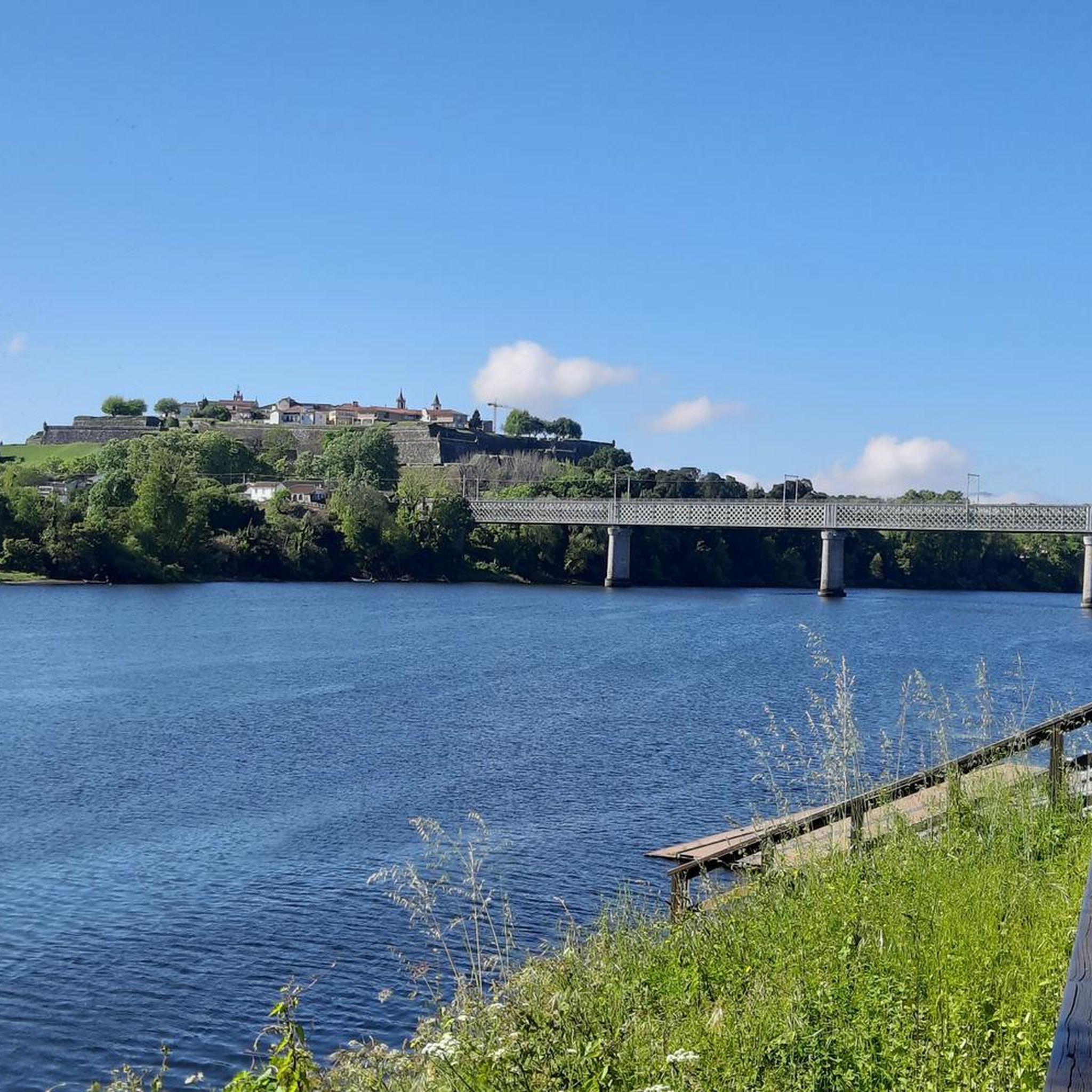
Valença Fortress, also known as Praça-forte de Valença do Minho, is an imposing jewel of Portuguese military architecture with over eight centuries of history. Its origins date back to the 13th century, when King Sancho I and later Afonso III fortified it to protect the border with Galicia. During the Restoration War (17th–18th centuries), it was transformed into a Vauban-style fortress under the engineer Miguel de l’École and the architect Manuel Pinto de Vilalobos, being completed in 1713. The fortress withstood attacks during the Restoration, was captured and recaptured several times, and was also defended during the Napoleonic Wars and the Liberal Wars.
4
0

The imposing Valença Fortress rises atop a hill, dominating the landscape and leaving an unforgettable impression on those who arrive. More than a symbol, it is the soul of the city, preserving centuries of history within its walls. Built in the 17th century on the ruins of an ancient 13th-century castle, the fortress is a masterful example of military architecture of the period, with its star-shaped walls stretching for an impressive 5.5 kilometers. Upon entering, one immediately senses the strength and grandeur of Valença, one of the oldest towns in Portugal.
2
0

Superbly preserved and well-maintained star-shaped fortress
5
1

The well-preserved star fortress of Valença dominates the Minho valley from an elevated position and offers wide views in all directions.
4
1

The Romanesque Cathedral of Santa María with Gothic influences is a fortress-like cathedral that was begun in 1120 but not consecrated until 1225. Its cloister (13th century) is worth mentioning, the only complete medieval cloister that has been preserved in a cathedral in Galicia, and the Santiago Chapel inside the church. The interior can be visited for €3, and you can get your pilgrim stamp at the ticket office.
4
1

Pretty old town within imposing fortress walls
3
1
Frequently Asked Questions
Where are the main castles located in the Friestas region?
While the village of Friestas itself doesn't have castles, the broader region around it, particularly near the Minho River and the border with Spain, is rich in historical fortifications. Key castles and fortresses include the impressive Fortress of Valença, the historic Salvaterra de Miño Fortress, and the ancient Lapela Tower.
Are there family-friendly castles to visit around Friestas?
Yes, several castles in the region are suitable for families. The Fortress of Valença is a great option, offering wide-open spaces within its walls and a town to explore. The Salvaterra de Miño Fortress also welcomes families, with its expansive grounds and historical significance. The Lapela Tower is also considered family-friendly and offers tours.
What kind of historical insights can I gain from visiting these castles?
The castles in this region offer a deep dive into centuries of history. The Fortress of Valença, for instance, is a 17th-century masterpiece built on 13th-century foundations, showcasing military architecture and its role in defending the Portuguese border. The Salvaterra de Miño Fortress dates back to the 10th/11th century, with its walls from the 12th century, highlighting its importance in defending against ancient Lusitanian attacks and later conflicts. Even the Portico of the Church of Santa María de la Asunción, with its fortification-like appearance, tells a story of medieval religious and defensive architecture.
Can I combine a castle visit with outdoor activities like hiking or cycling?
Absolutely! The region around these castles is perfect for outdoor enthusiasts. You can find numerous hiking and cycling routes that often pass by or offer views of these historical sites. For example, the Lapela Tower is very close to the Ecovía do Minho. You can explore various routes, including easy hikes and challenging cycling tours, by checking out the guides for easy hikes around Friestas, cycling around Friestas, and road cycling routes around Friestas.
What are some notable viewpoints or scenic spots near the castles?
Many of the castles themselves offer fantastic viewpoints. The Fortress of Valença, situated on a hill, provides wide views in all directions over the Minho valley. From the garden of the Portico of the Church of Santa María de la Asunción, you can enjoy a fantastic view over to Valença. The Lapela Tower also serves as a viewpoint, offering glimpses of the surrounding landscape.
Is there public transport available to reach the castles?
While specific public transport details for each castle might vary, the region is generally accessible. For instance, Valença, home to the Fortress of Valença, is a well-known town on the border, often connected by regional transport. For more remote sites, combining public transport with a short walk or taxi might be necessary. It's advisable to check local transport schedules for the specific castle you plan to visit.
What is the best season to visit the castles around Friestas?
The best time to visit is generally during spring (April-June) and autumn (September-October) when the weather is mild and pleasant for exploring both the castles and the surrounding outdoor areas. Summers can be warm, but still enjoyable, especially if you plan your visits for the mornings or late afternoons. Winters are typically mild but can be rainy, which might affect outdoor activities.
Are there any unique or hidden castles worth exploring?
Beyond the main fortifications, the region holds other historical gems. While not a single castle, the historic center of Caminha, near Viana do Castelo, is a protected medieval town offering a rich historical experience. Further afield, but notable in the wider region, is the unique Castelo de Almourol, a Templar castle situated on an island in the Tagus River, requiring a boat trip to visit.
What do visitors enjoy most about the castles in this area?
Visitors frequently praise the well-preserved nature and grandeur of the fortifications. For example, the Fortress of Valença is often highlighted for its impressive star-shaped walls and the sense of history within its gates. The scenic views from these elevated structures, the opportunity to explore medieval towns, and the blend of history with natural beauty are also highly appreciated.
Are there cafes or pubs near the castles for refreshments?
Yes, especially in the larger fortified towns. Within the walls of the Fortress of Valença, you'll find a peaceful town with cafes and green spaces. Similarly, towns like Tui, which is close to the Portico of the Church of Santa María de la Asunción, offer various options for refreshments and meals. Even smaller sites like the Fort of São João Baptista in Esposende (a bit further afield) now house a terrace/bar.
Most popular attractions around Friestas

Get inspired with the komoot mobile app


Explore more
Looking for the best castles somewhere else? Discover other guides around Friestas:
