Top 20 Caves in the Landkreis Berchtesgadener Land
Caves in the Landkreis Berchtesgadener Land offer a range of underground experiences, from ancient ice formations to historic mining operations. This region in Bavaria, Germany, features notable geological formations and cultural sites within its mountainous landscape. Visitors can explore natural ice caves, active salt mines, and unique glacier formations. The area provides insights into both natural history and industrial heritage through its subterranean attractions.
Best caves in the Landkreis Berchtesgadener Land
- The most popular caves is Berchtesgaden Salt Mine, a historical site that has been operational since 1517. This active salt mine offers tours deep into the mountain, including a mine train ride and a boat trip across an underground lake.
- Another must-see spot is Eiskapelle at the Watzmann East Face, a natural monument. Visitors can expect to see a significant glacier formation, recognized as the deepest glacier in the Alps, which retains ice even during summer months.
- Visitors also love Schellenberger Ice Cave, a natural ice cave. This is Germany's only accessible ice cave, offering guided tours where visitors use carbide lamps to explore its ice formations.
- Landkreis Berchtesgadener Land is known for its ice caves, salt mines, and natural grottoes. The region provides a variety of subterranean environments to explore, from glacial ice formations to historical mining tunnels.
- The caves in the Landkreis Berchtesgadener Land are appreciated by the komoot community, with more than 900 upvotes and over 380 photos shared by visitors.
Last updated: September 29, 2026
Berchtesgaden Salt Mine
Highlight • Historical Site
Showing Translation
Tip by

Eiskapelle at the Watzmann East Face
Highlight • Natural Monument
Translated by Google •
Tip by

Sign up now to discover places like this
Get recommendations on the best single tracks, peaks, & plenty of other exciting outdoor places.
Mittagsscharte
Highlight • Mountain Pass
location
It is located between the Salzburg Hochthron (1 853 m above sea level) in the north and the Raucheck (1 891 m above sea level) in the south at an altitude of 1 671 m above sea level. A. directly on the border between Austria and Germany.
particularity
The Alpine shaman Rainer Limpöck describes in his books Myth Untersberg and High and Holy - encounters of people and spirits on Untersberg some phenomena that are scientifically so unexplained. This is how Limpöck thinks this is the ... place where "Middle-earth" begins, where the giant devil with his divine powers has shaped, where healing happens, where the sun shines into the underworld, where heaven and earth connect. ,
Translated by Google •
Tip by

Eiskapelle (Ice Chapel) at Watzmann (no longer available)
Highlight • Cave
Translated by Google •
Tip by

Magdalene Grotto on Wartstein
Highlight • Cave
Translated by Google •
Tip by
Eiskapelle Glacier Terminus
Highlight • Cave
Translated by Google •
Tip by

Schellenberger Ice Cave
Highlight • Cave
The cave is open from the end of May to October. Admission costs 12.50 euros for adults and 6 euros for children and young people (6 to 16 years).
Translated by Google •
Tip by

Lourdes Grotto at Kirchholz
Highlight • Religious Site
Translated by Google •
Tip by

Lourdes Grotto
Highlight • Religious Site
Translated by Google •
Tip by

Steinerner Kaser Cave
Highlight • Cave
The legend surrounding the Mittagsscharte refers to a time portal (cave portal) that is said to open there every few years on the Assumption of Mary (August 15th).
In fact, there is a cave called the Steinerner Kaser in the middle of the Mittagsscharte, where a light phenomenon can be observed at 2 p.m. on August 15th and June 21st. A so-called day vent illuminates the cave at midday. This light spectacle becomes even more impressive when the sun and clouds alternate, and you can experience a pulsing sensation inside the cave.
Unfortunately, we were only there on June 28th and were unable to witness this spectacle.
Translated by Google •
Tip by

Sign up for free to discover even more caves in the Landkreis Berchtesgadener Land.
Already have an account?
Start today with a free account
Your next adventure awaits.
Popular around Landkreis Berchtesgadener Land
Triathlon around Germany
The SalzAlpenSteig – On the tracks of white gold
Maximilian Trail in Germany — Lake Constance to Königssee
Ruperti Trail – Hike from Austria's Bohemian Forest to the Carnic Alps
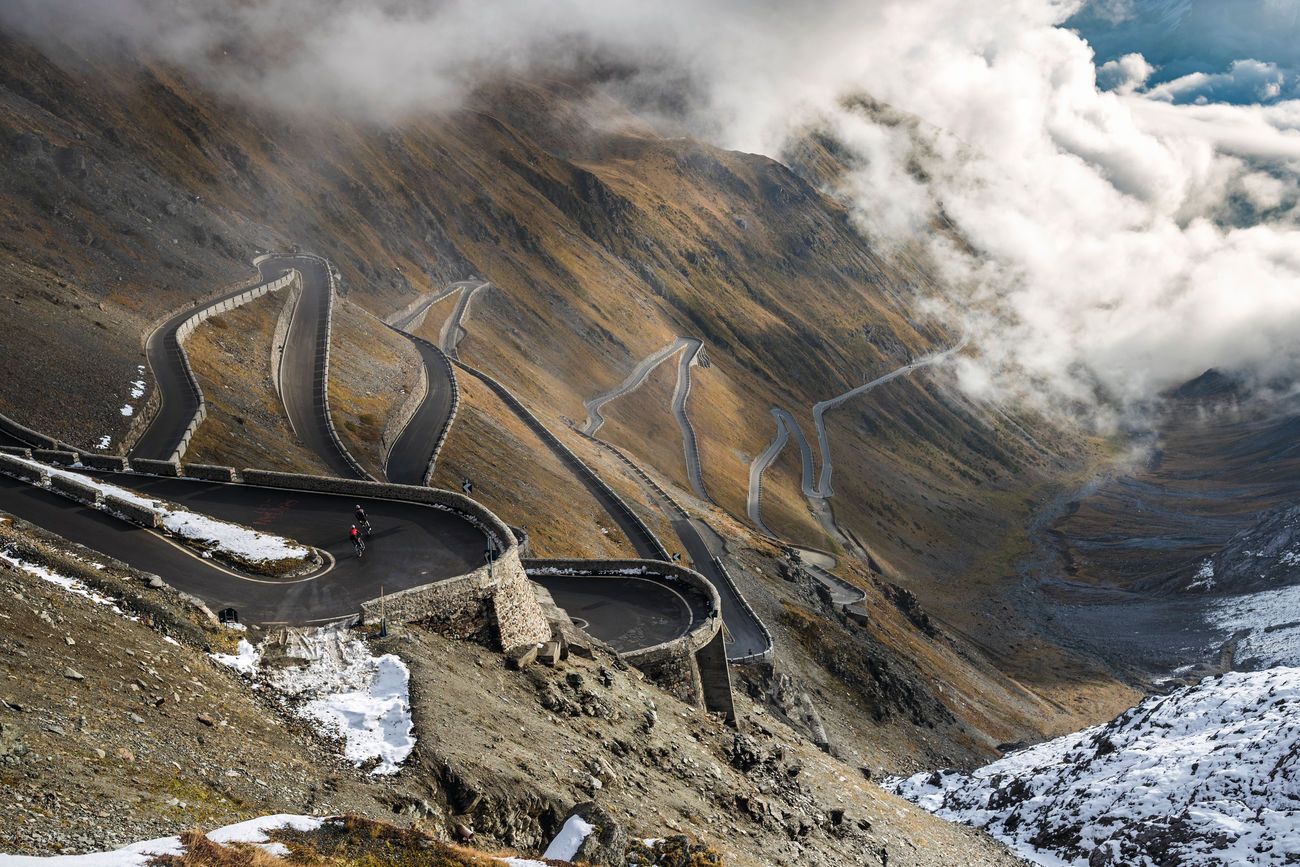
Transalp: Five Road Cycling Routes over the Alps
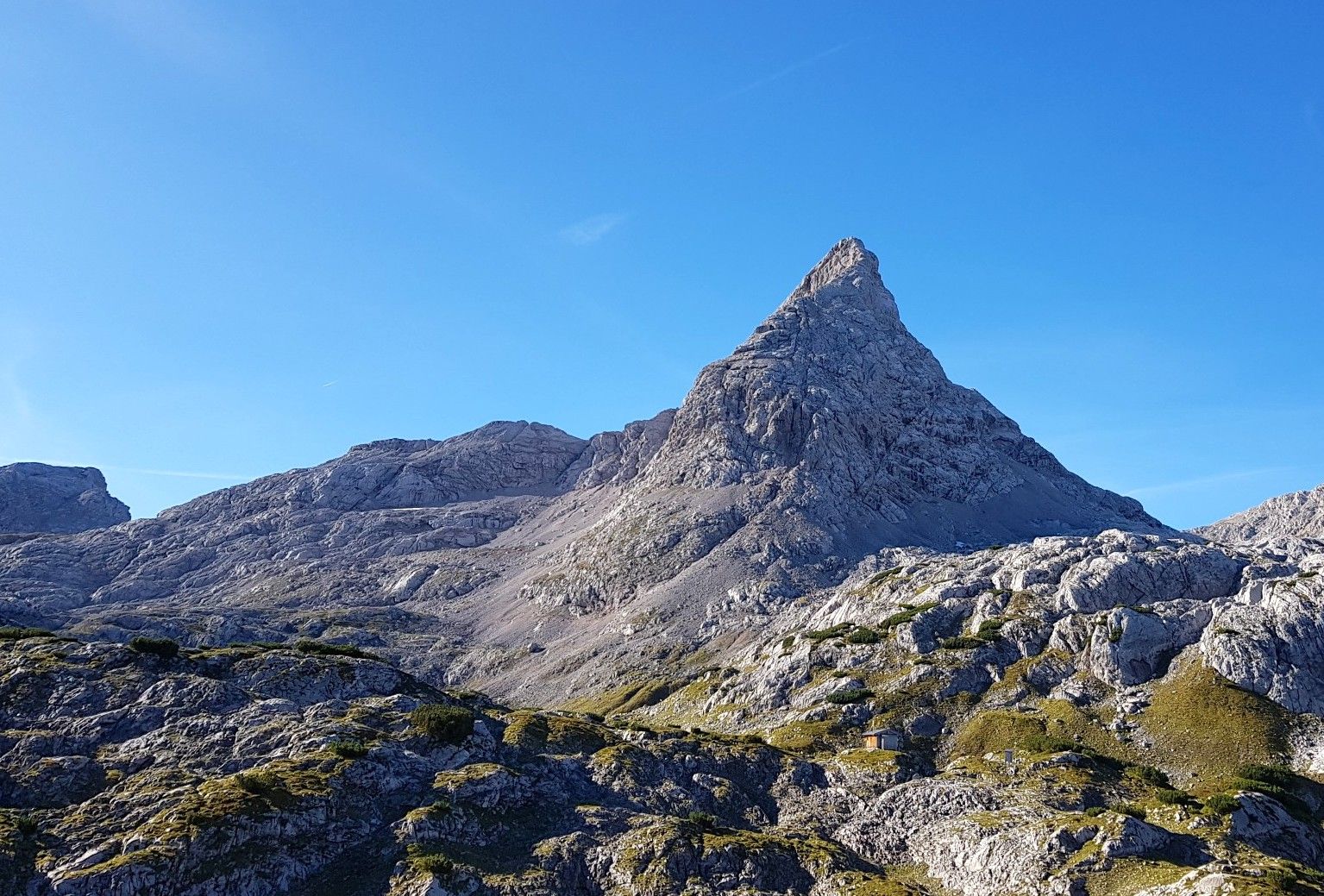
6 days in the Steinernes Meer – hiking over waves of rock
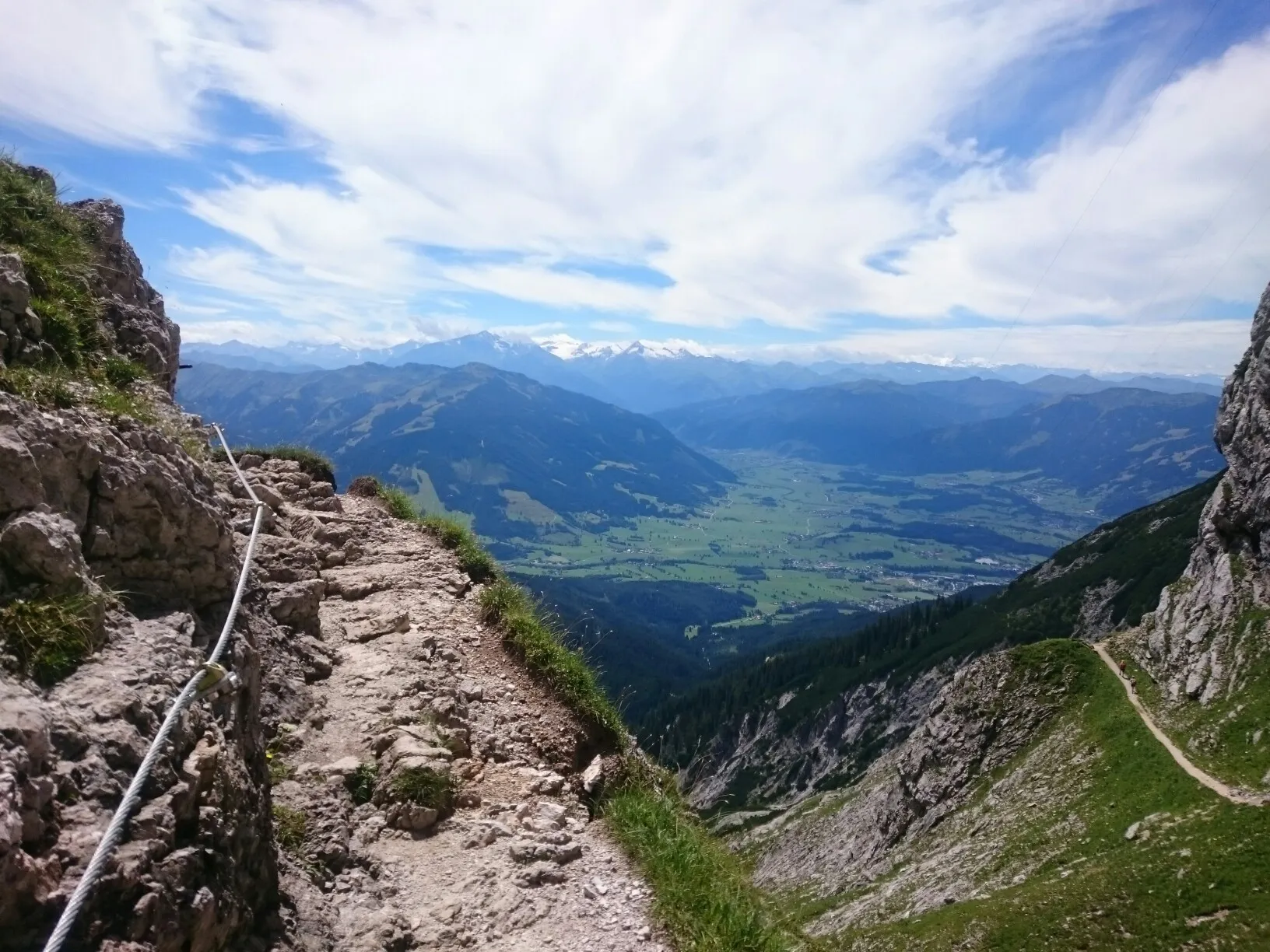
Alpine Crossing — 9 days across the Alps to Lienz
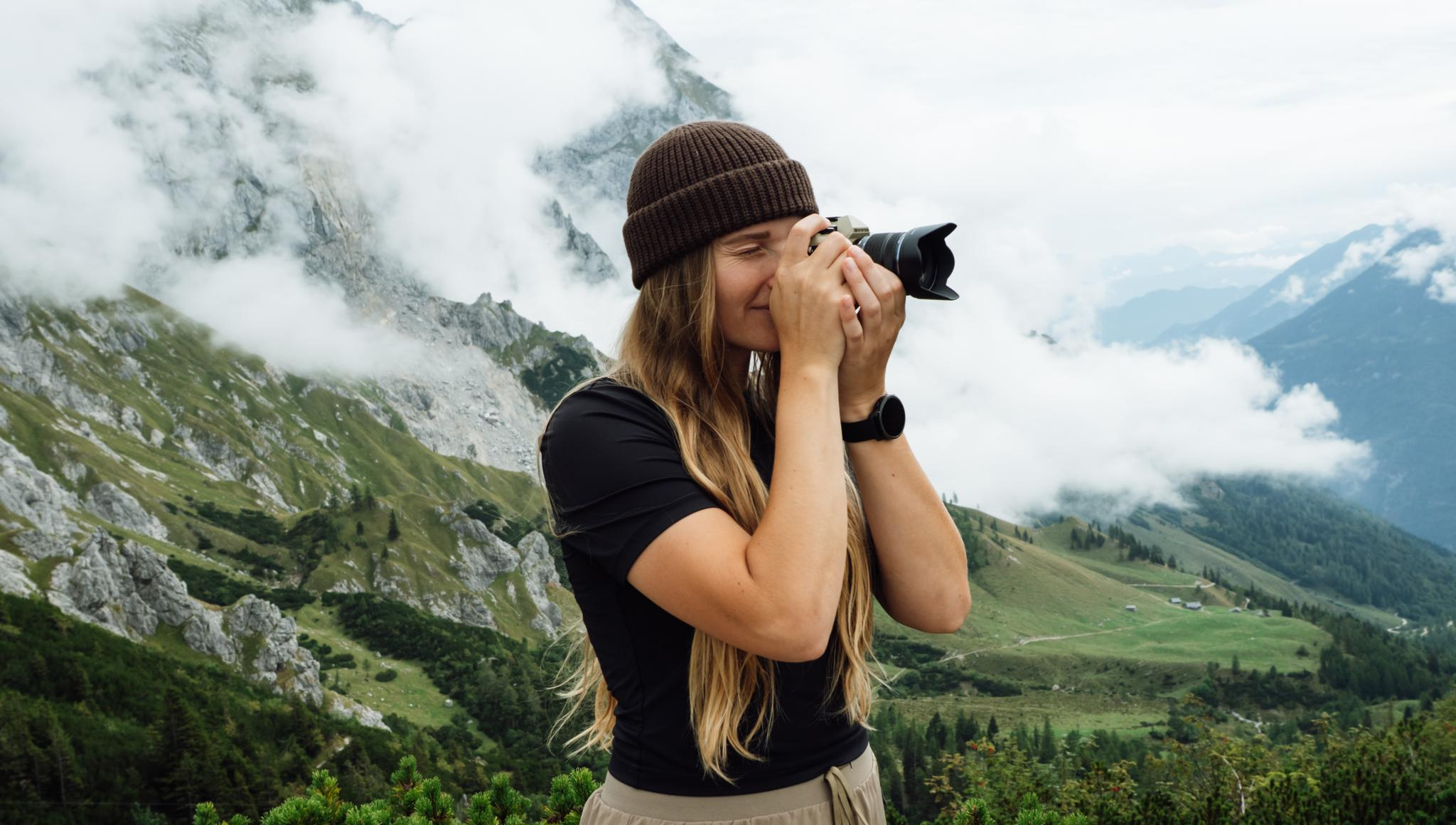
Berchtesgaden through the lens – Photo hikes with OM SYSTEM
Autumn in Chiemgau – an atmospheric hiking break for two
Salzburger Handwerk, Tradition und Natur
Other adventures in the Landkreis Berchtesgadener Land


Tips from the Community

When you hike from one Hochthronn to another, you have to descend into the Mittagsscharte in between. Also a reason why the crossing takes longer than you initially think... ;-)
1
0

very steep and challenging descent and ascent :-)
1
0

Source: The Salzburg Legend Book - Josef Brettenthaler, Matthias Laireiter - Verlag der Salzburger Druckerei, 1976, p. 73 The legend surrounding the Mittagsscharte refers to a time portal (cave portal) that is said to open there every few years on the Assumption of Mary (August 15th). In fact, there is a cave called the Steinerner Kaser in the middle of the Mittagsscharte, where a light phenomenon can be observed at 2 p.m. on August 15th and June 21st. A so-called day vent illuminates the cave at midday. This light spectacle becomes even more impressive when the sun and clouds alternate, and you can experience a pulsing sensation inside the cave. Unfortunately, we were only there on June 28th and were unable to witness this spectacle.
1
0

This is what the path to the Ice Chapel looks like. There's some scrambling over rocks here and there. Wear sturdy footwear.
0
0

From St. Bartholomä, which is at an altitude of 600 meters, the path goes to the Ice Chapel through the forest past a chapel and from 800 meters above sea level through the gravel bed of the former ice channel. The valley is framed by the north face of the Kleiner Watzmann and the Watzmannkinder, on the south side by Hachelkopf and Hirschwiese and with the east face of the Watzmannmittelspitze and -Südspitze as the head of the valley, in which the lowest permanent ice field of a glacier in the German Alps is located, the Ice Chapel at an altitude of 820 meters.
3
0

Your taxi into the underground... sit on it... head straight... arms not stretched out... and the journey into the interior of the mountain begins
11
0
Actually not the place to be.. Danger of collapse lurks everywhere and at all times.. even if it is only small chunks like in the back part… weighing a few tons… but hey… it looks brutally good in there
8
1
In some places it collects even over the summer... so it gets cold in a T-shirt
8
1
Frequently Asked Questions
What unique natural phenomena can be explored in the Landkreis Berchtesgadener Land's caves?
The region offers diverse natural phenomena. You can explore Schellenberger Ice Cave, Germany's only accessible ice cave, featuring impressive ice formations. Another unique sight is the Eiskapelle at the Watzmann East Face, a significant glacier formation known as the deepest glacier in the Alps, which retains ice even during summer months.
Are there any historical underground sites to visit in the region?
Yes, the Berchtesgaden Salt Mine is a prominent historical site, operational since 1517. It offers tours deep into the mountain, including a mine train ride, a boat trip across an underground lake, and slides. Additionally, the Obersalzberg Documentation Center and Bunker Complex provides insight into a significant historical period with its underground facilities.
Are there family-friendly caves in the Landkreis Berchtesgadener Land?
Absolutely. The Berchtesgaden Salt Mine is highly recommended for families, offering an adventurous and educational experience with mine trains, slides, and an underground boat trip. The Lourdes Grotto is also a peaceful and accessible spot suitable for families.
What is the Eiskapelle at the Watzmann East Face?
The Eiskapelle at the Watzmann East Face is a remarkable natural monument and glacier formation. It is recognized as the deepest glacier in the Alps, preserving ice even during the summer months, creating a unique natural spectacle.
What should I wear for a visit to the ice caves?
For visiting the Schellenberger Ice Cave, it's crucial to wear warm clothing and sturdy shoes, as temperatures inside are consistently near zero degrees Celsius, even in summer. The tours involve walking and using carbide lamps, so comfort and safety are key.
Are there any caves that are easily accessible or suitable for beginners?
While many caves in the region involve some hiking, the Berchtesgaden Salt Mine is very accessible, with tours starting with a mine train ride. For natural grottoes, the Lourdes Grotto is generally easy to reach. The Schellenberger Ice Cave requires a multi-hour hike to reach, making it more suitable for intermediate hikers.
What kind of outdoor activities can I do near the caves in Landkreis Berchtesgadener Land?
The region offers numerous outdoor activities. You can find various hiking trails, from easy to challenging, near many cave sites. For example, there are easy hikes and mountain hikes. Gravel biking is also popular, with routes like those found in the Landkreis Berchtesgadener Land gravel biking guide.
What is the best time to visit the caves in the Landkreis Berchtesgadener Land?
The best time depends on the specific cave. The Schellenberger Ice Cave is typically open from late May to October. The Berchtesgaden Salt Mine is open year-round, making it a great option for any season. For the Eiskapelle, summer allows for closer access, though the path can be very attractive in autumn.
Are there any religious or spiritual grottoes in the area?
Yes, the region features several religious grottoes. The Magdalene Grotto on Wartstein is a natural monument with historical and religious significance. There are also multiple Lourdes Grottoes, such as the one depicting the apparition of Mary, offering peaceful places for reflection.
What makes the Almbachklamm gorge noteworthy in relation to caves?
While not a traditional cave, the Almbachklamm gorge, known for its crystal-clear waters and waterfalls, features some cave-like sections and impressive rock overhangs. It offers a scenic walking experience where you can observe geological formations similar to those found in caves.
What do visitors enjoy most about the caves in Landkreis Berchtesgadener Land?
Visitors frequently highlight the unique experiences offered, such as the thrilling slides and underground boat trip at the Berchtesgaden Salt Mine. The sheer scale and beauty of the ice formations in the Schellenberger Ice Cave, explored by carbide lamp, also leave a lasting impression. The mystical atmosphere and natural beauty of sites like the Eiskapelle are also highly appreciated.
Is there a cave near the Austrian border that is worth visiting?
Yes, while not strictly within the Landkreis Berchtesgadener Land, the nearby Lamprecht's Cave (Lamprechtshöhle) in Austria is about 35 minutes from Bad Reichenhall. It is one of Austria's largest cave systems and offers an accessible tourist route with a constant temperature of 5 degrees Celsius, making it a good option for cave enthusiasts in the wider region.
Most popular routes in the Landkreis Berchtesgadener Land
Most popular attractions in the Landkreis Berchtesgadener Land

Get inspired with the komoot mobile app


Didn’t find what you were looking for?
Discover more caves in the Landkreis Berchtesgadener Land region by region:
Explore more
Extend your search for the best caves by checking out these guides of the top ones in the Landkreis Berchtesgadener Land:
