Top 15 Caves in Graubünden
Caves in Graubünden offer a diverse range of subterranean and geological formations within Switzerland's largest canton. The region is characterized by its mountainous terrain, including the Alps, and features various natural and historical cave sites. These formations include natural rock shelters, glacial ice caves, and historical sites built into or around cave structures. Graubünden's landscape provides varied opportunities for exploring geological wonders and historical remnants.
Best caves in Graubünden
- The most popular caves is Glacier Cave Entrance (Graubünden), a cave that requires alpine experience, surefootedness, and good footwear. The climb to this glacier cave is challenging.
- Another must-see spot is Morteratsch Glacier Ice Cave, a natural monument. The status of the glacier can make access difficult, with tracks over the glacier sometimes challenging to navigate.
- Visitors also love Enchanted Forest Trail with Caves and Waterfall, a trail through the forest. This path is uneven and requires sure-footedness, offering a unique experience with its natural features.
- Graubünden is known for natural caves, historical cave sites, and glacial formations. The region offers a variety of cave types to explore, from ancient rock shelters to ice caves.
- The caves in Graubünden are appreciated by the komoot community, with over 80 upvotes and 116 photos shared across 16 highlights.
Last updated: August 19, 2026
Kropfenstein Castle Ruins (Casti Grotta)
Highlight • Castle
According to dendrochronological investigations, the complex dates from the beginning of the 14th century; a year of 1312 is mentioned. There is no evidence of a previous building.
The inner wall and parts of the roof are formed by the overhanging rock. The beam bearings of the earlier access are still recognizable today. The complex is entered through a low entrance gate. A square window and a shooting hatch are embedded in the wall above the gate. The eastern part of the complex is a narrow tube about 1.5 to 2 m wide and, due to the cramped conditions, probably only served as storage and for defense. The south wall has broken several times and has been adapted to the natural course of the rock face. There are several slit windows for exposure as well as square windows with openings of approx. 70 by 50 cm.
The living quarters were in the western part of the complex, six meters wide. Remains of transverse walls, beam holes, windows with seating niches, a cloakroom in the west wall and a heap on the second floor reveal the earlier division. A relief found in the ruin showing a man with a short coat is in the Rhaetian Museum; a copy is exhibited in the Waltensburg local museum. The interior of the building wing is divided by two transverse walls, the foundations of which are still preserved. Some of the wooden beams that were still there were sawn off, which suggests that the beams that can still be used are planned to be demolished and removed. The most suitable roof is probably a pent roof attached backwards to the rock.
Translated by Google •
Tip by

Waarma Chrachä Earth Fissure
Highlight • Cave
According to a legend, the pastor of Vals once had to go up to the village of Zerfreila (which was then flooded by the dam in 1957) to administer the last sacraments to a dying woman. However, the path had been buried by an avalanche and he couldn't continue to the village, but he couldn't go back to Vals either. He had already resigned himself to freezing to death here when it occurred to him that he must be near the "Warma Chracha". In fact, he was able to save himself up to this crevasse. He saw footprints in the snow, but not a soul far and wide, no matter how hard he shouted. Finally he gathered all his courage and climbed down into the crevasse. There he soon came across a wooden board and noticed with astonishment that he was standing by a coffin - the coffin of that dying woman from Zerfreila. Because there was no cemetery in Zerfreila at that time, the coffin should have been transported to Vals, but the pallbearers couldn't get through either and so they deposited the coffin in the warm Chrachä... the priest recognized this quickly and began immediately for them praying for the dead as if he had come in time.
The legend is much more extensive in the original :-)
Translated by Google •
Tip by

Sign up now to discover places like this
Get recommendations on the best single tracks, peaks, & plenty of other exciting outdoor places.
Sign up for free
Sperre Trin Fortress Museum
Highlight • Historical Site
The main plant of the Trin locking point is an infantry plant (army designation A 7762) in the rocks of Crap Sogn Barcazi and Crap Pign. The plant was built in 1941–1942 as an underground infantry cavern in the rock on three floors connected by 300 steps and tunnels. It was armed with four machine guns and two Lmg 25 light machine guns and could hold a crew of 30. The cable car to the Crap Sogn Barcazi, the only factory cable car in an infantry factory in the canton of Graubünden, was used to transport materials.
At Crap Ueara is the shelter A 7761, a natural cave.
During World War II, the Swiss army built a fortress in the rock in Trin as well as several bunkers in the vicinity to prevent the enemy from entering the Réduit. Disguised as a waterworks, rock or shed, these were not recognizable. They were kept confidential for over 60 years. Today the once closed doors are open to visitors twice a month. The Trin lock appears in the inventory of combat and command structures as a “lock of national importance”. The guided tour of the fortress takes about 3-4 hours.
Text: Fortress Museum Sperre Trin and Wikipedia
museums.ch/org/de/Fortezia-Trin---Sperre-Trin
sperretrin.ch
Translated by Google •
Tip by

Guckloch Cave in the Val d'Uina Gorge
Highlight • Cave
Translated by Google •
Tip by

Eisloch Cave
Highlight • Cave
Translated by Google •
Tip by

Glacier Cave Entrance (Graubünden)
Highlight • Cave
Beginning of 2025: The climb is closed to hikers with the warning "danger to life" and "rockfall".
Translated by Google •
Tip by

Enchanted Forest Trail with Caves and Waterfall
Highlight • Trail
Translated by Google •
Tip by

Abgrundhöli Cave
Highlight • Cave
Translated by Google •
Tip by

Minieras da Fier (Iron Mine)
Highlight • Structure
Translated by Google •
Tip by

Platenga Show Mine
Highlight • Structure
Translated by Google •
Tip by
Sign up for free to discover even more caves in Graubünden.
Sign up for free
Already have an account?
Start today with a free account
Your next adventure awaits.
Login or Signup
Popular around Graubünden
Winter Magic in the Surselva – peace, space and pure nature
Snowy fun and hut cuisine – Winter Adventures in the Prättigau
Summit joy on the mountain peaks of Davos Klosters
Step into the hiking season – spring routes in Graubünden
Cross-country skiing fever in the Graubünden region
In the snow paradise – winter hiking in Davos Klosters
Indulgence to the power of two – culinary delights and winter hiking in Flims Laax
Family-friendly winter hikes in Eastern Switzerland
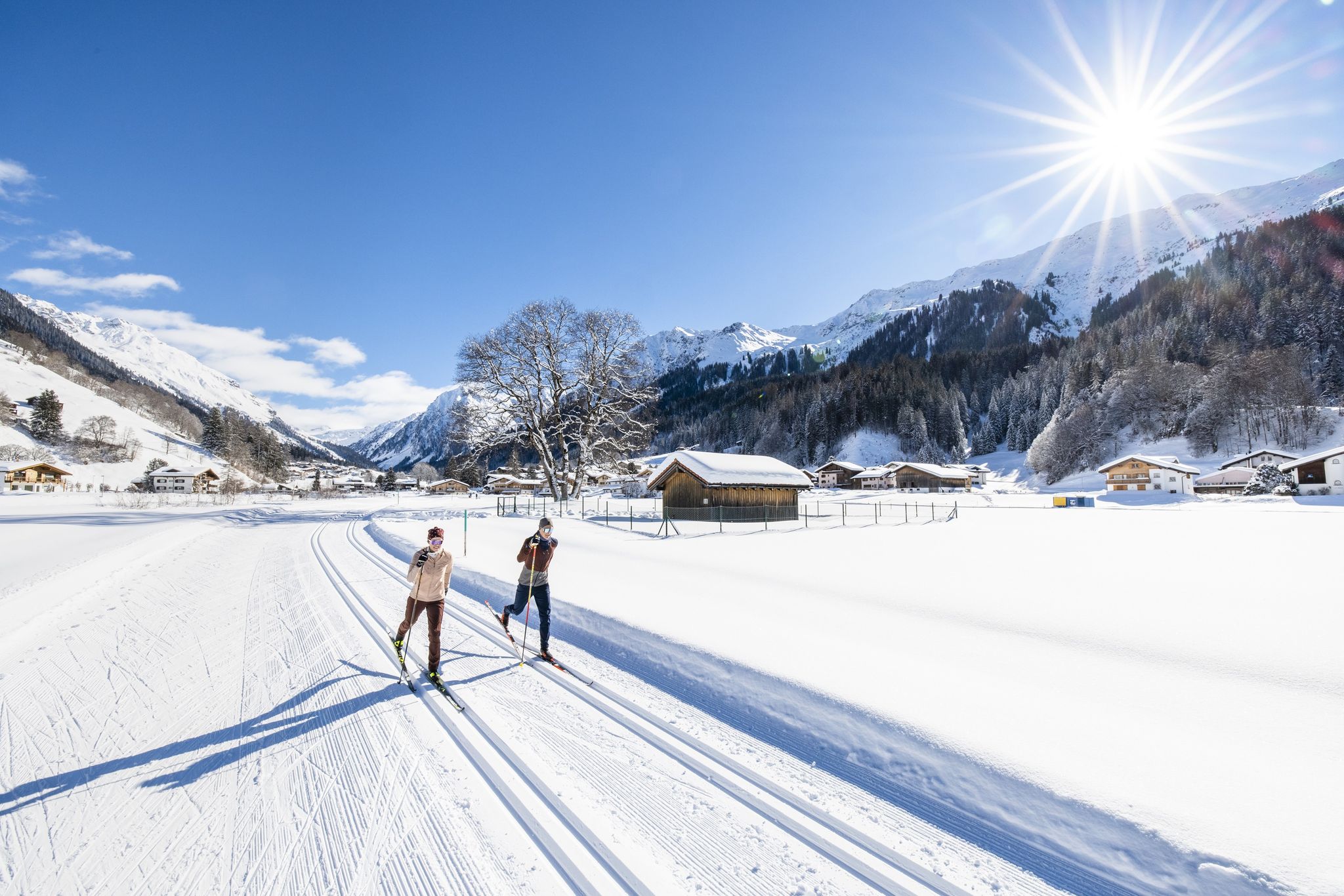
Cross-country skiing in Davos Klosters – dreamy trails and the Après Nordic experience
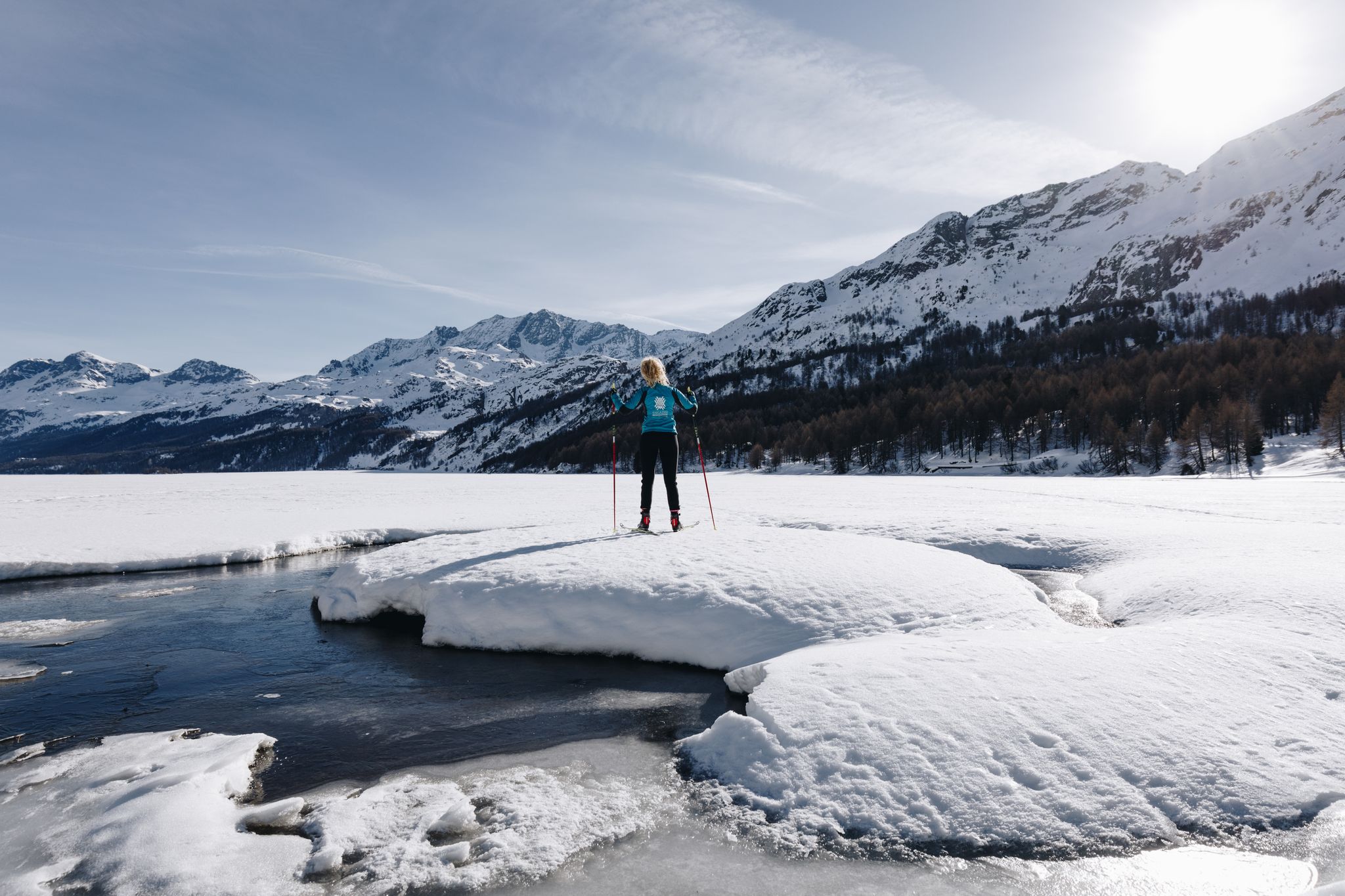
Simply paradisiacal – cross-country skiing in Bregaglia
Other adventures in Graubünden


Tips from the Community

Kropfenstein Castle ruins are one of the most extraordinary castles in Surselva. It was built on a prominent rock ledge and seems to literally cling to the steep rock face. Access is via a rather narrow hiking trail that requires sure-footedness. Once at the ruins, the impressive remains of the walls and the spectacular view of the Rhine Gorge and the surrounding mountain landscape reward the short detour.
0
0


Just crazy
0
0

The cave aptly bears its name, as it descends directly into the mountain. At the entrance, you truly find yourself facing a pitch-black abyss. This cave is best left to speleologists.
2
0

The climb to the glacier cave requires alpine experience, surefootedness and good footwear. In winter there is no fixed path, but you can follow the tracks of other hikers to the top. Beginning of 2025: The climb is closed to hikers with the warning "danger to life" and "rockfall".
0
0

Here you can discover a once secret facility. The fortress with bunkers and rock caverns offers a glimpse into the time around the Second World War.
0
0

Really cool path through the forest. It is very uneven, so you need to be sure-footed.
3
0

Super climbing fleas
2
0
Frequently Asked Questions
What types of caves can I explore in Graubünden?
Graubünden offers a diverse range of subterranean experiences. You'll find natural rock shelters, impressive glacial ice caves, and historical sites built into or around cave structures. These include ancient prehistoric sites like the Drachenloch, geological wonders such as the Gletschermühlen Cavaglia, and even unique cave castles like Rappenstein.
Are there any historically significant cave sites in Graubünden?
Yes, Graubünden is home to several historically significant cave sites. The Drachenloch near Vättis is renowned as Europe's highest prehistoric site, with evidence of human life and cave bear bones dating back over 50,000 years. Another notable site is the Kropfenstein Castle Ruins (Casti Grotta), a unique 14th-century castle partially built into a cave.
Which caves are suitable for families with children?
For a family-friendly experience, the Gletschermühlen Cavaglia (Glacier Mills of Cavaglia) offers an accessible discovery path with an 'interactive' mill where children can descend a ladder. The site also provides a free illustrated booklet for kids. Another option is the Enchanted Forest Trail with Caves and Waterfall, which offers a unique experience with natural features, though it requires sure-footedness due to uneven paths. The Rock Shelter by Large Boulder is also considered family-friendly.
What are the most unique natural cave formations in the region?
Beyond traditional caves, Graubünden features unique natural formations. The Gletschermühlen Cavaglia are impressive glacial potholes, some up to 14 meters deep, carved by meltwater. The Val Roseg offers temporary ice caves and tunnels within the Morteratsch Glacier, which are dynamic and constantly changing. Additionally, the Waarma Chrachä Earth Fissure is a large crevice with local legends.
Are there any challenging cave explorations for experienced adventurers?
Yes, some cave explorations in Graubünden are quite challenging. The climb to the Glacier Cave Entrance (Graubünden) requires alpine experience, surefootedness, and good footwear. Similarly, accessing the Morteratsch Glacier Ice Cave can be difficult due to the glacier's status and potential rockfall areas. The Drachenloch also involves a demanding hike along a steep mountain path.
When is the best time to visit caves in Graubünden?
The best time to visit depends on the type of cave. Many outdoor cave paths and geological sites like the Gletschermühlen Cavaglia are generally open from May to October, depending on snow conditions. For glacier caves, conditions are highly dynamic and can change rapidly, often requiring local guides. Historical sites and mines might have specific opening hours that vary seasonally.
Can I explore ice caves in Graubünden?
Yes, you can explore ice caves, particularly in areas like Val Roseg near Pontresina, which offers temporary ice caves and tunnels within the Morteratsch Glacier. Due to their dynamic and potentially hazardous nature, these glacier caves can only be explored safely with local mountain guides. The Glacier Cave Entrance (Graubünden) and Morteratsch Glacier Ice Cave are also notable, though access can be challenging.
Are there any cave-related museums or educational sites?
Yes, in Vättis, the Drachenloch Museum exhibits finds from the Drachenloch cave, including Paleolithic cave bear bones and excavation documents. For a historical and architectural experience, the Sperre Trin Fortress Museum is a man-made monument that incorporates cave structures, offering insights into military history. The Platenga Show Mine and Minieras da Fier (Iron Mine) also provide educational experiences about mining history.
What kind of hiking trails are available near the caves?
Many caves in Graubünden are integrated into or accessible via hiking trails. For example, the Drachenloch requires a challenging hike with panoramic views. The Sulzfluh cave path offers varied terrain with wire-secured sections and access to multiple cave formations. You can find many hiking opportunities in the region, including easy hikes like the Morteratsch glacier trail or more difficult routes in the Hiking in Graubünden guide.
Are there any specific safety recommendations for visiting caves in Graubünden?
For challenging cave explorations, such as glacier caves or high-altitude sites like the Drachenloch, good hiking equipment, stable mountain boots, and sure-footedness are highly recommended. Some areas, like the Morteratsch Glacier, can have difficult access due to changing conditions and rockfall. For glacier caves, exploring with local mountain guides is essential for safety. Always check local conditions and warnings before heading out.
Can I reach any of the cave sites by public transport?
Yes, some sites are accessible by public transport. For instance, the Gletschermühlen Cavaglia can be reached by train via the Bernina Line, a UNESCO World Heritage site, with the railway station just a 10-minute walk from the glacier garden. Access to other sites often involves a combination of public transport to a nearby village followed by a hike.
What other outdoor activities can I combine with a cave visit in Graubünden?
Graubünden offers a wealth of outdoor activities. Near many cave sites, you'll find extensive hiking trails, from easy walks to challenging alpine routes. The Val Roseg, for example, is ideal for hiking, biking, or horse-drawn carriage rides. You can explore various routes in guides like Easy hikes in Graubünden or even try Gravel biking in Graubünden.
Most popular routes in Graubünden
Most popular attractions in Graubünden

Get inspired with the komoot mobile app


Didn’t find what you were looking for?
Discover more caves in Graubünden region by region:
Explore more
Extend your search for the best caves by checking out these guides of the top ones in Graubünden:
