Top 3 Gorges around Wolfgangsee
Best canyons around Wolfgangsee are characterized by impressive natural gorges and dramatic rock formations within the Salzkammergut region. The area offers opportunities for canyoning, hiking, and via ferrata adventures. These natural features provide encounters with flowing water and rugged landscapes. The region's geological makeup contributes to a variety of outdoor experiences.
Best canyons around Wolfgangsee
- The most popular canyons is Rock crevices at Plombergstein, a gorge that arose from a rock fall, forming small caves and narrow passages. It…
Last updated: June 25, 2026
Falkenstein Chapel and Healing Spring
Highlight • Religious Site
Translated by Google •
Tip by

Rock crevices at Plombergstein
Highlight • Gorge
Translated by Google •
Tip by

Sign up now to discover places like this
Get recommendations on the best single tracks, peaks, & plenty of other exciting outdoor places.
Sign up for free
Scharflingerhöhe Pass
Highlight • Mountain Pass
Translated by Google •
Tip by

Steingraben Weir on the Zinkenbach
Highlight • Structure
Translated by Google •
Tip by

Small Waterfall Gorge
Highlight • Gorge
Translated by Google •
Tip by

Start today with a free account
Your next adventure awaits.
Login or Signup
Popular around Wolfgangsee
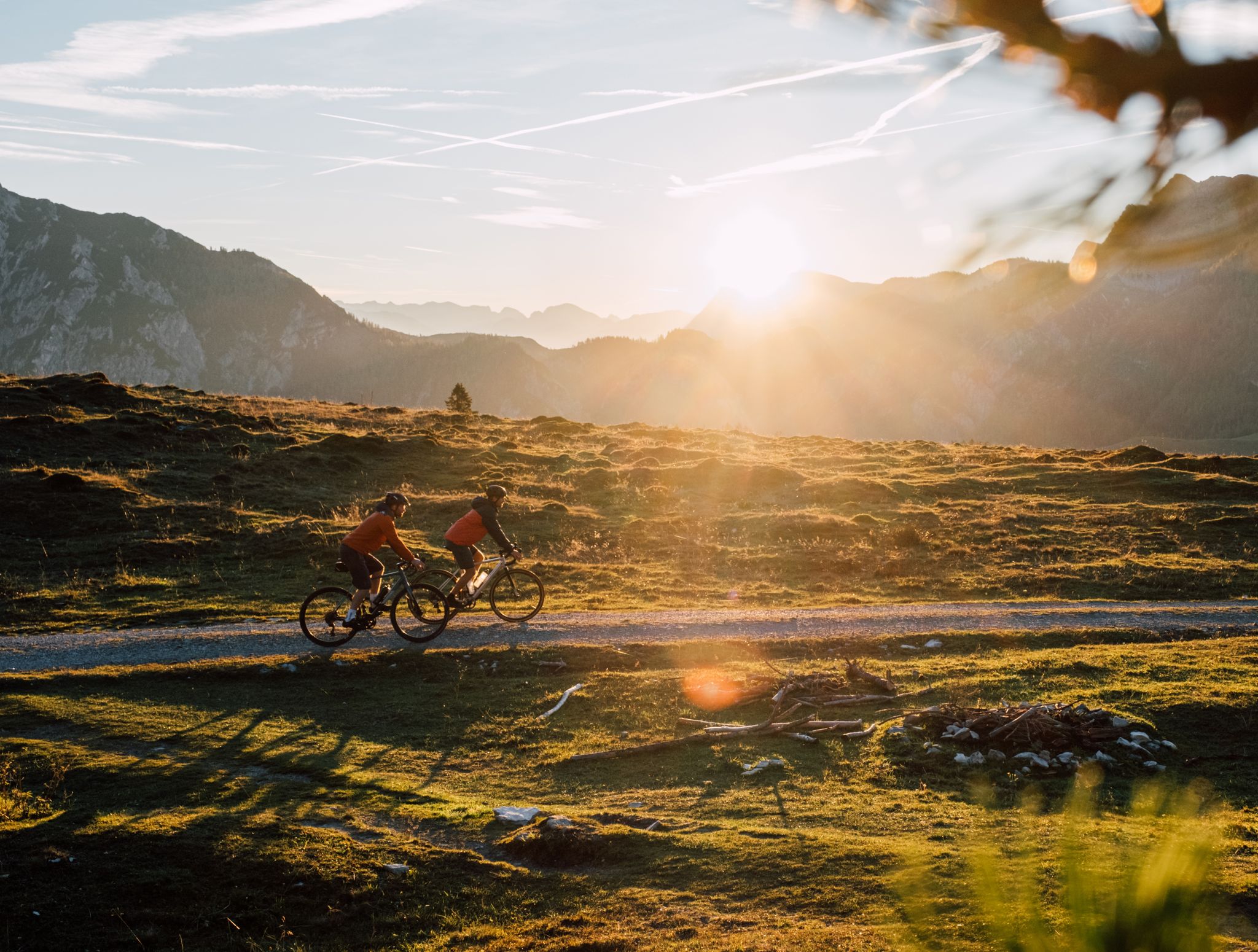
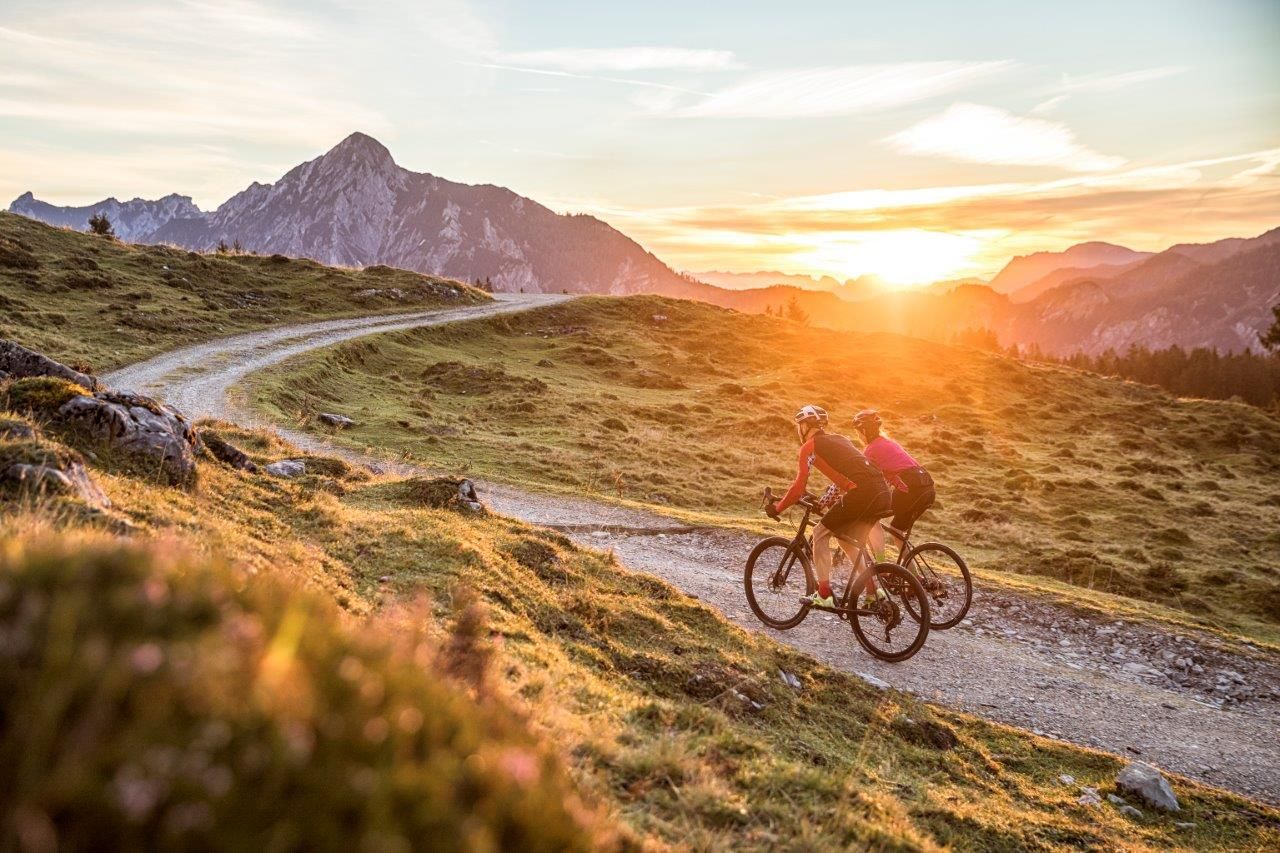
Beyond the pavement – explore Austria's wild nature on a gravel bike
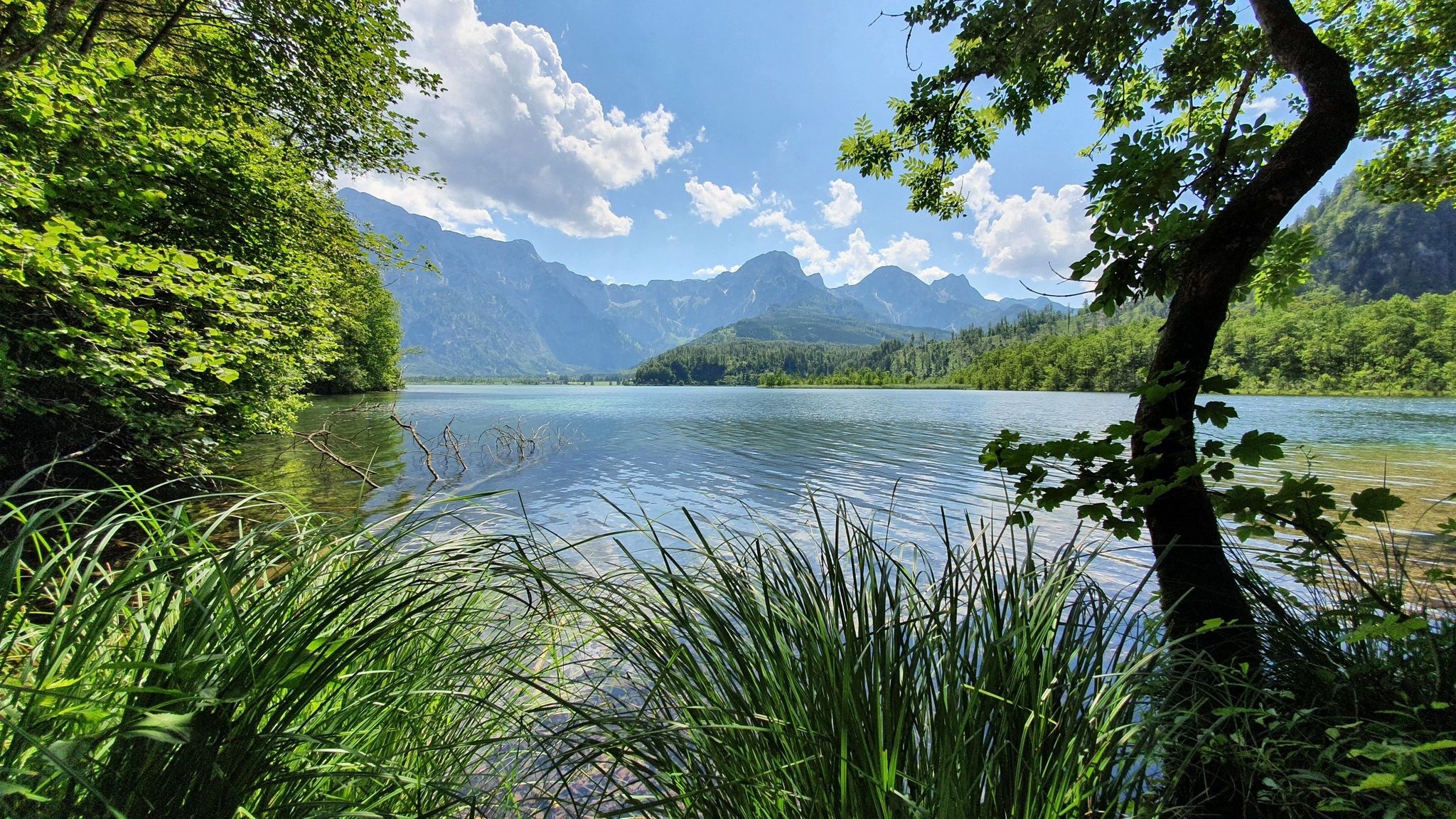
Voralpenweg 04 – From Vienna to Bad Reichenhall
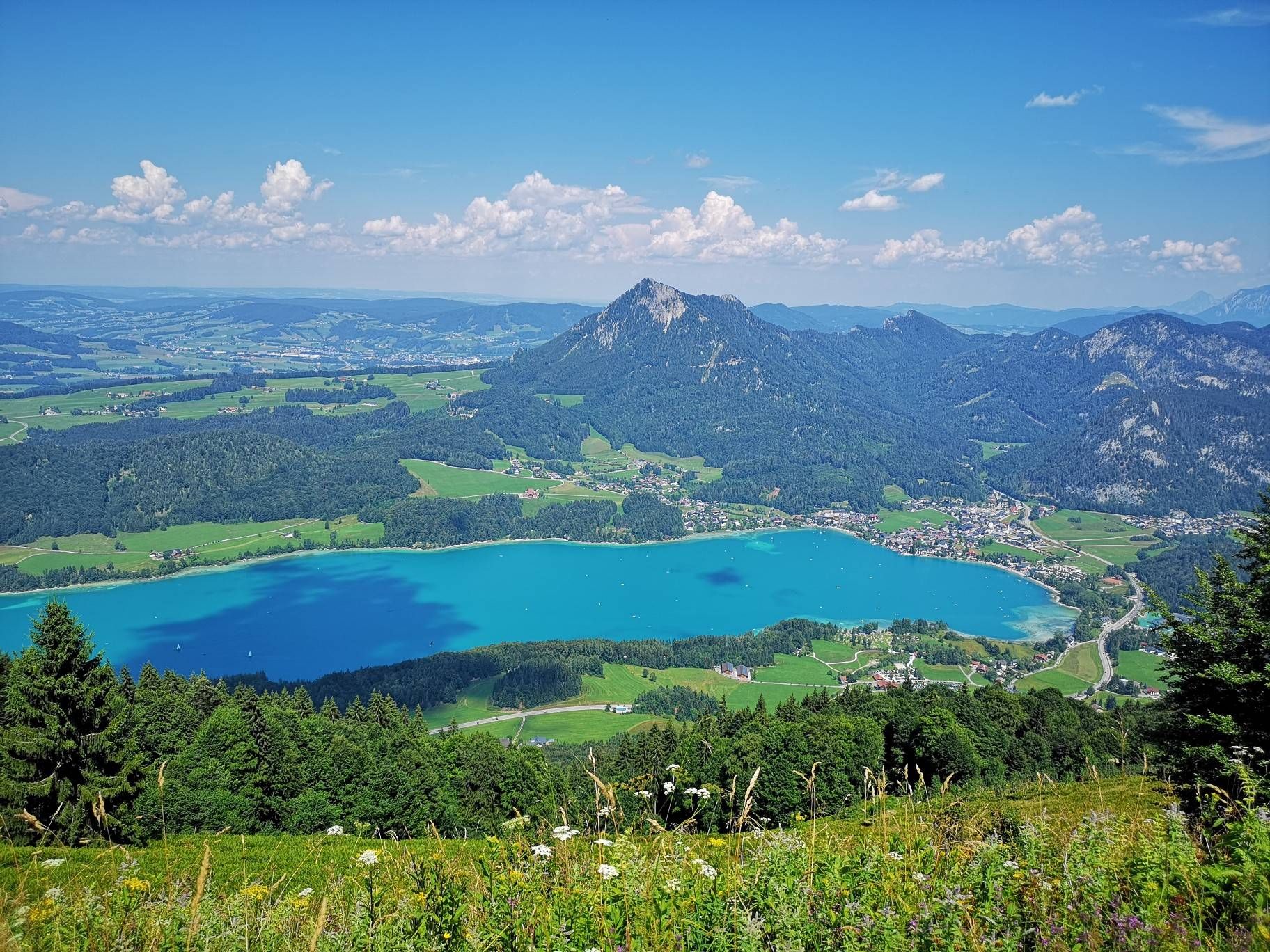
BergeSeen Trail – Long distance hiking in Austria's Salzkammergut with mountains and lakes galore
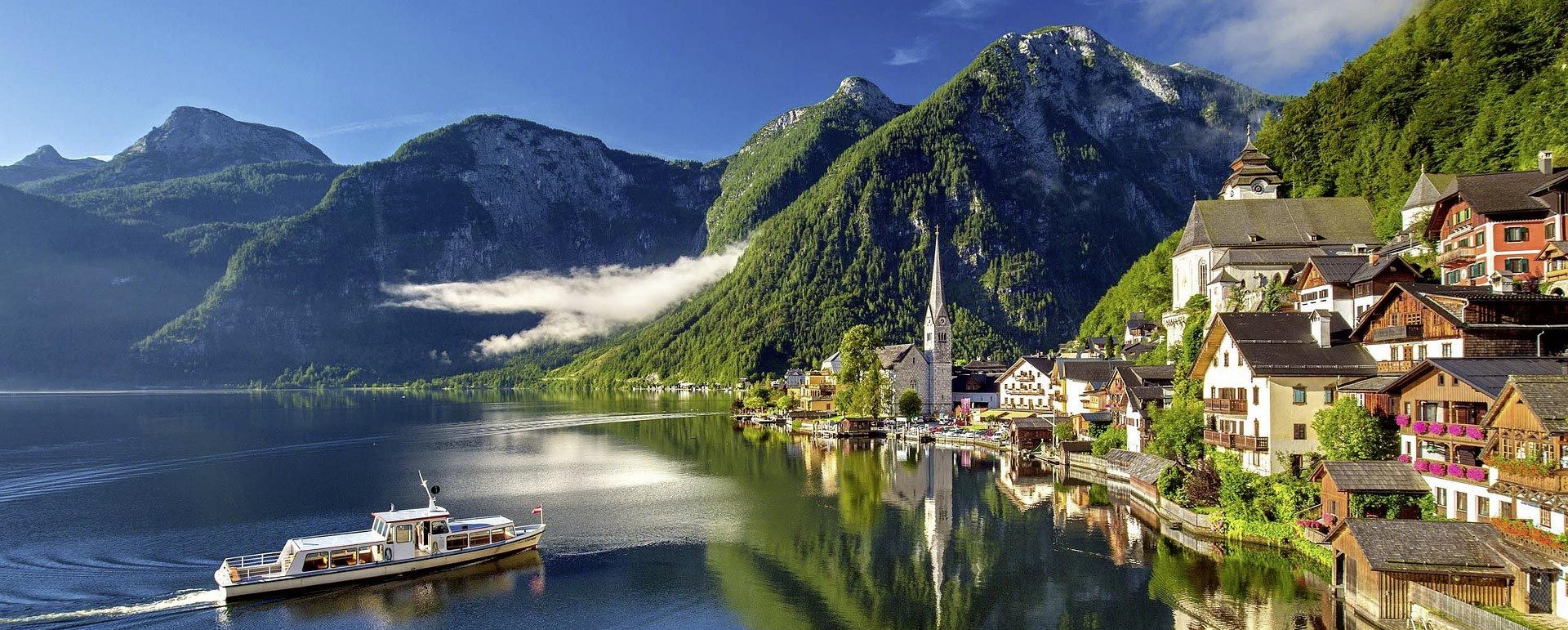
Cycling like a Kaiser – From lake to lake in Austria's Salzkammergut
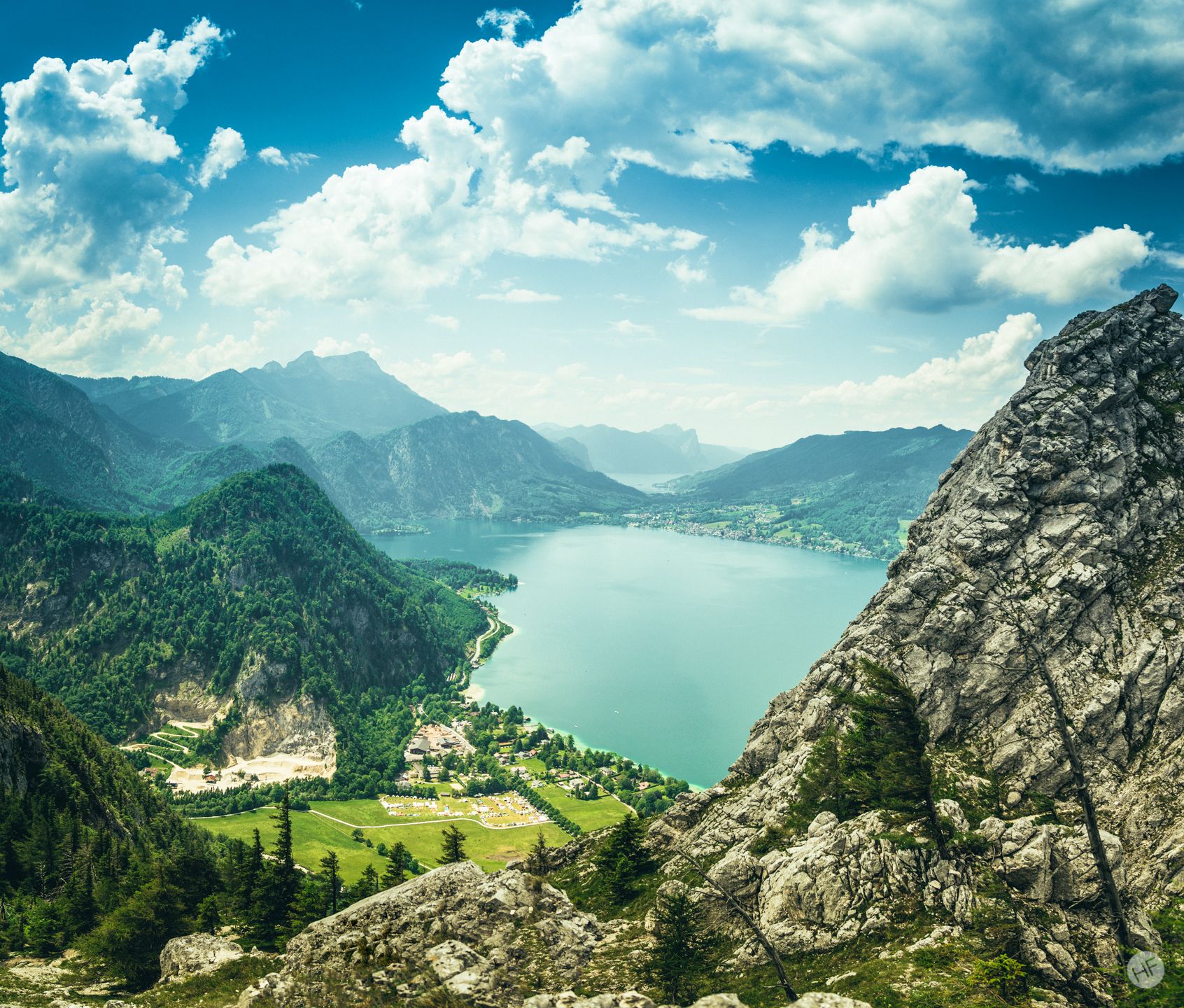
Around the Attersee – long-distance trails and the mountain hikes
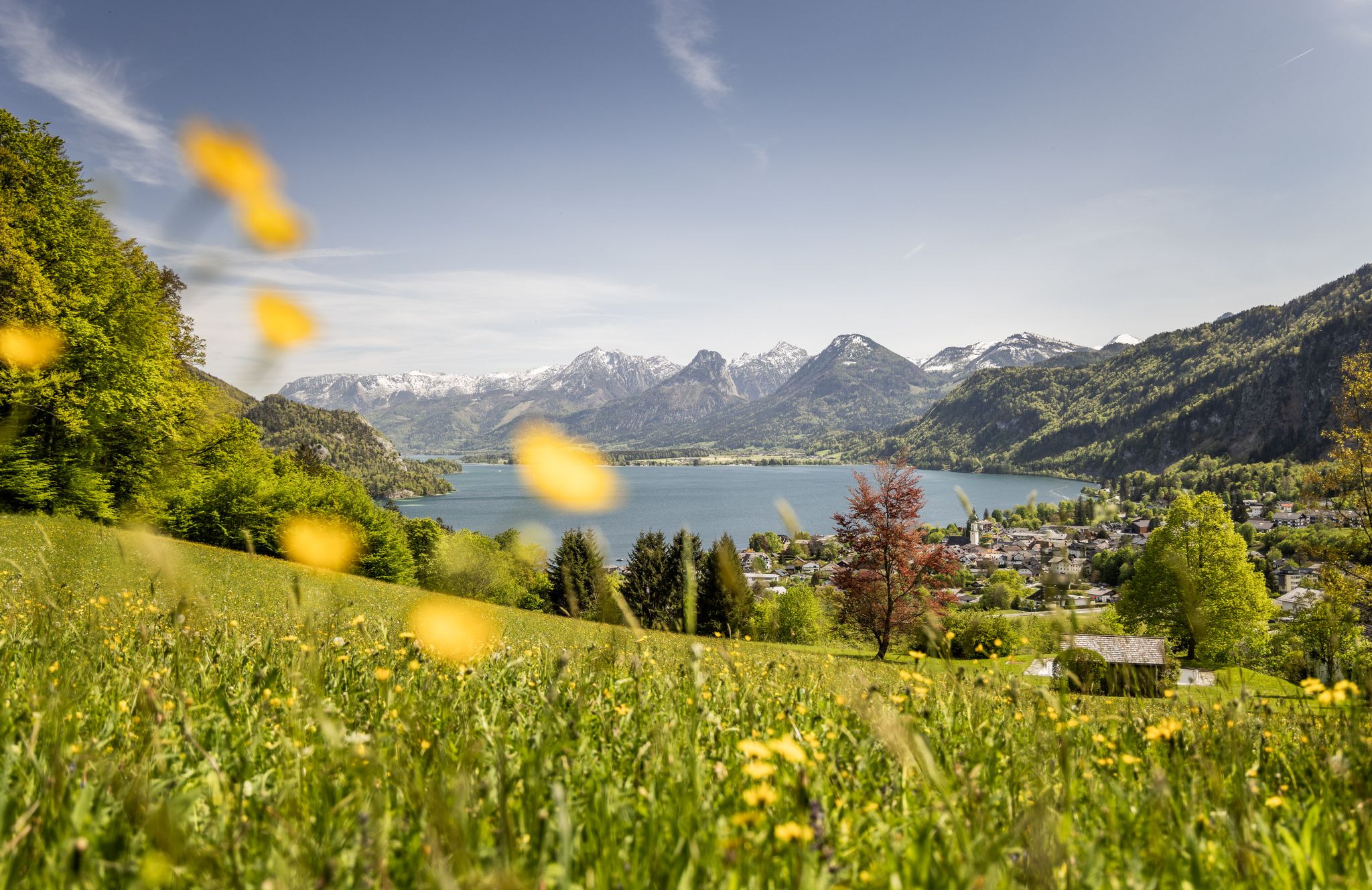
Between water and rock – hiking in Salzkammergut
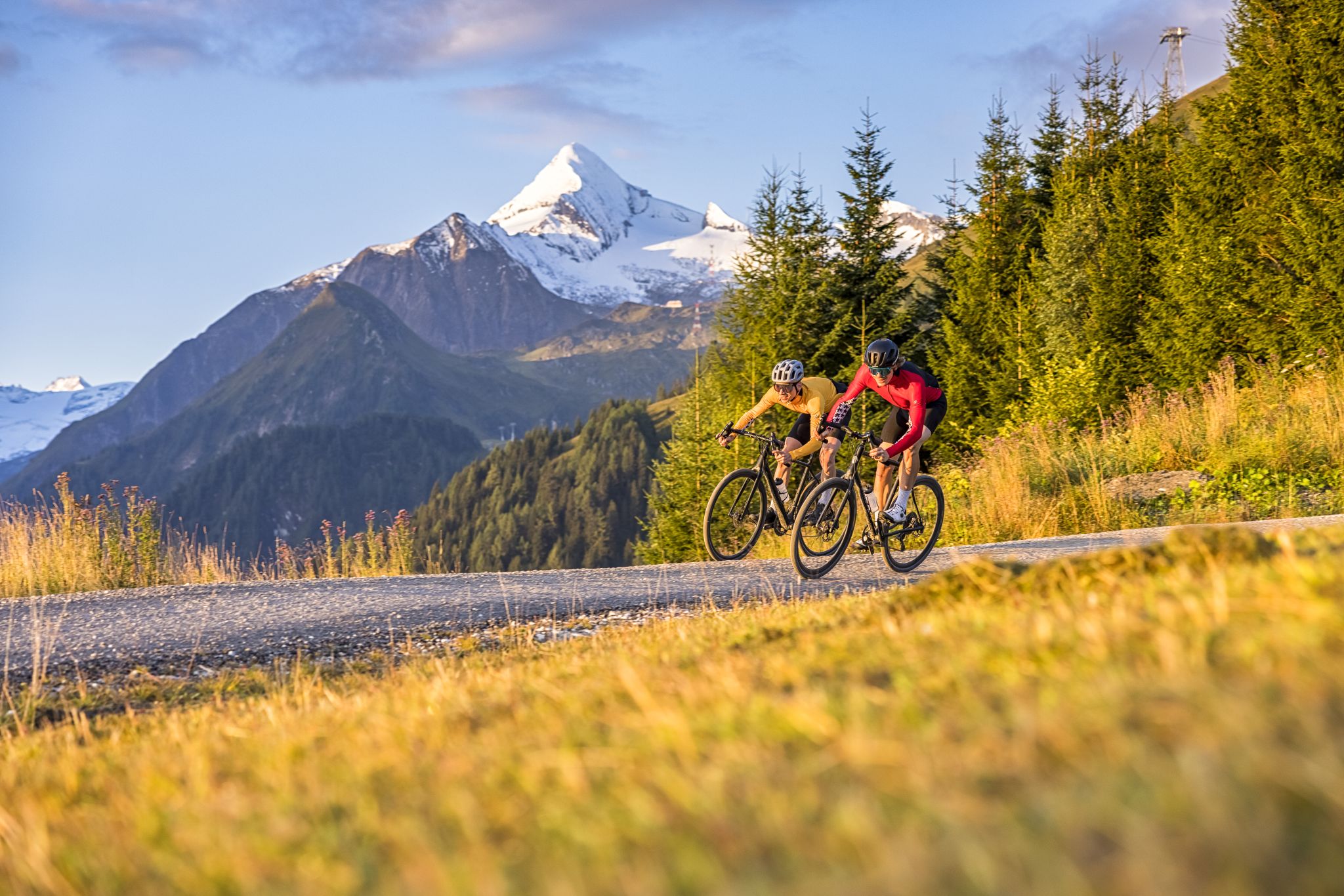
Graveltour SalzburgerLand: The Hard
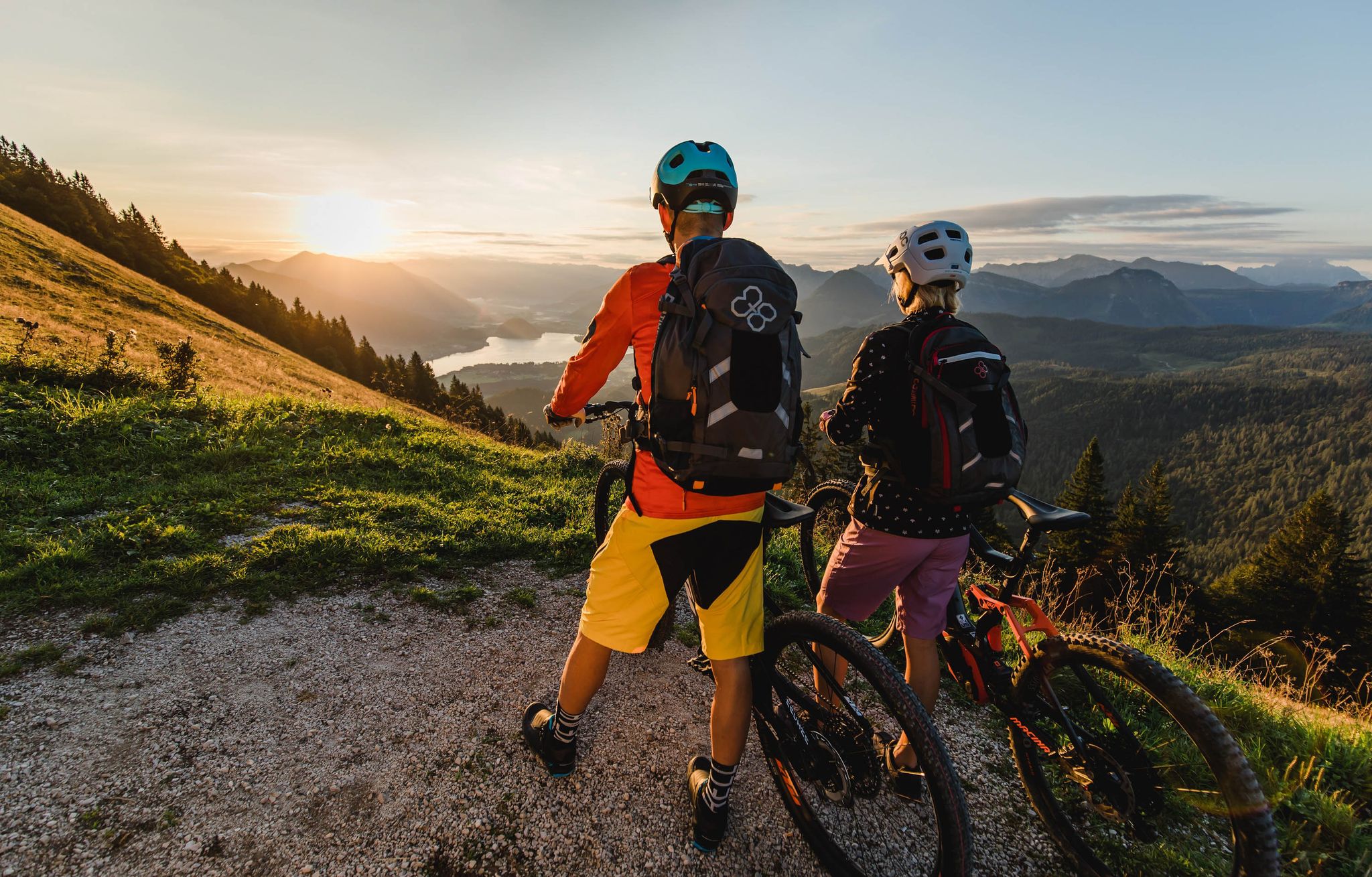
Fantastic MTB Tours between Wolfgangsee and Fuschlsee
Cycle in SalzburgerLand – roads and gravel in Salzkammergut and Tennengau
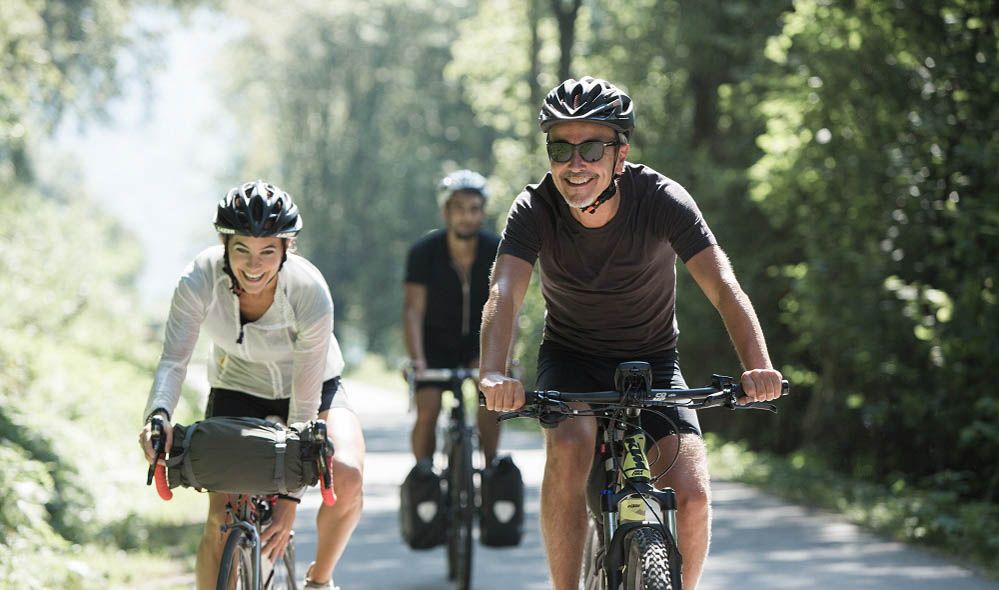
The most beautiful leisurely cycling routes in Upper Austria
Other adventures around Wolfgangsee


Tips from the Community

The first chapel on the pilgrimage route up the Falkenstein is the chapel “Steine gegen Sünde” (Stones against Sin). The Falkenstein Church, built in 1626, nestles against the rock face. The caves inside the church form a “Schliefstein” (slipping stone), which is said to shed old evils. In the “wundersames Wasser” (miraculous water) chapel, just a few steps away, the saint from Regensburg is present. Inside, a spring bubbles, which Wolfgang made leap from the rock with his pilgrim's staff for a thirsty monk. The water is considered healing for the eyes.
0
0

If you pour the water over your closed eyes, it is healing
0
0

The Zinkenbach is the main tributary of Lake Wolfgangsee and is over 20 meters wide in its lower reaches. After the merger of Königsbach, Schreinbach and Weißrießbach, they flow into the Zinkenbach at Steingraben. On the opposite bank of St. Wolfgang it flows into Lake Wolfgang.
1
0

"Passhöhe" reached, now you roll to the next lake
0
0

Driving is strictly prohibited here.
1
0

There are some small waterfalls here, opposite it goes down partly imposing.
0
0
Great little waterfalls, the other side is steep downhill
1
0

A nice place up here by the FALKENSTEIN church; interesting story about the creation
4
0
Frequently Asked Questions
What types of canyon experiences can I find around Wolfgangsee?
The Wolfgangsee region offers a diverse range of experiences, from water-based canyoning to spectacular gorge-like via ferratas. You can find deeply incised gorges like the Burggrabenklamm, which is ideal for entry-level canyoning with abseiling and sliding, or the Zinkenbach, which offers a more comfortable hiking and swimming experience. For those seeking vertical adventures, the Postalmklamm features a challenging via ferrata with rope bridges and climbs, and the Drachenwand Klettersteig provides breathtaking views from a prominent mountain face.
Are there family-friendly canyoning options near Wolfgangsee?
Yes, the Zinkenbach near Abersee is an excellent option for families or those new to canyoning. It allows for hiking and swimming along the watercourse without mandatory rappelling, making it accessible with less specialized equipment. The Burggrabenklamm also offers entry-level canyoning tours suitable for beginners and children aged 12-14, providing full equipment and guided experiences.
What are some notable natural features or landmarks within the gorges around Wolfgangsee?
The region boasts several impressive natural features. The Burggrabenklamm is known for an 18-meter high waterfall. The Zinkenbach features a 5-meter waterfall that can be bypassed or rappelled. You can also explore the Rock crevices at Plombergstein, which arose from a rockfall and form small caves and narrow passages. The Small Waterfall Gorge also offers picturesque cascades.
What is the best time of year to visit the canyons and gorges in the Wolfgangsee region?
The best time to visit depends on the activity. For water-based canyoning, late spring through early autumn (May to September) typically offers the most favorable water levels and temperatures. For via ferratas and hiking in the gorges, the warmer, drier months from spring to autumn are generally ideal, avoiding snow and ice. Always check local weather conditions before planning your trip.
Are there historical or cultural sites near the gorges?
Yes, near some of the natural gorges, you can find sites with historical significance. For example, the Falkenstein Chapel and Healing Spring is located in the immediate vicinity of a gorge. This site was historically a major pilgrimage destination, with a spring believed to have healing powers, particularly for the eyes. The area around the chapel is rich in legend and history.
What kind of outdoor activities can I do near the Wolfgangsee canyons?
Beyond exploring the canyons themselves, the Wolfgangsee region offers a wide array of outdoor activities. You can find numerous running trails, including the challenging Bürgelstein Panoramic Trail, or more moderate lakeside loops. There are also city hikes around charming towns like Bad Ischl. For cyclists, the region provides diverse routes, from the scenic Wolfgangsee Cycle Path to more demanding tours with views of Lake Attersee or Mondsee. Explore more options on the Running Trails around Wolfgangsee, City hikes around Wolfgangsee, and Cycling around Wolfgangsee guides.
Are there challenging climbing experiences in the gorges around Wolfgangsee?
Absolutely. The Postalmklamm hosts a spectacular and challenging via ferrata, featuring rope bridges, climbs alongside waterfalls, and overhanging rock faces. Further afield but still within the broader Salzkammergut, the Drachenwand Klettersteig offers a moderately difficult climbing experience with stunning panoramic views of Mondsee and the Dachstein massif. These require good physical condition and appropriate safety equipment.
Where can I find impressive viewpoints related to the gorges?
The Scharflingerhöhe Pass offers a spectacular gorge view as you transition between Mondsee and Wolfgangsee. For climbers, the Drachenwand Klettersteig provides magnificent panoramas of Mondsee and the surrounding mountains from its summit. Even the descent through the 'Drachenloch' on the Drachenwand offers another great view of Mondsee.
What should I wear for canyoning in the Wolfgangsee area?
For guided canyoning tours, especially in places like the Burggrabenklamm, you will typically be provided with full wetsuit equipment, a helmet, and a harness. Special canyoning shoes are often available or recommended. It's advisable to wear swimwear underneath and bring a towel and dry clothes for afterwards. Always check with your tour operator for specific gear requirements.
Can I hike along the Zinkenbach canyon?
Yes, the Zinkenbach is known as a comfortable hiking canyon. It features sections where you can hike and swim along the watercourse, offering a pleasant outdoor experience. You can also visit the Steingraben Weir on the Zinkenbach, where the Königsbach, Schreinbach, and Weißrießbach merge into the Zinkenbach.
Most popular routes around Wolfgangsee
Most popular attractions around Wolfgangsee

Get inspired with the komoot mobile app


Explore more
Already discovered everything in this region? See additional gorges around Wolfgangsee for your next adventure:
