Top 10 Caves around Freudenstadt
Caves around Freudenstadt offer a unique exploration of the region's geological and historical underground features. Located in the Black Forest, Freudenstadt provides access to a landscape shaped by both natural processes and centuries of human activity. The area is characterized by its forested terrain and historical mining operations, which have left behind accessible underground structures. These sites provide insight into the region's industrial heritage and civil defense efforts.
Best caves around Freudenstadt
- The most popular caves is Former Beer Cellar…
Last updated: July 9, 2026
Lower Sophia Mine
Highlight • Historical Site
Translated by Google •
Tip by

Former Beer Cellar of the Sonnenwirt (Eutinger Valley)
Highlight • Cave
the starting point is the sports center at the sports field in Eutingen im Gäu
the information signs are very informative
Translated by Google •
Tip by

Sign up now to discover places like this
Get recommendations on the best single tracks, peaks, & plenty of other exciting outdoor places.
Sign up for free
Holy Three Kings Silver Mine
Highlight • Historical Site
Translated by Google •
Tip by

Wolfgang and Eberhard Mine Entrance
Highlight • Historical Site
Translated by Google •
Tip by
Dorothea Exploration Tunnel (Grube Dorothea)
Highlight • Cave
Showing Translation
Tip by

Bat Cellar
Highlight • Cave
Translated by Google •
Tip by

Old Ice Cellar on Leinsteige near Felldorf
Highlight • Structure
Translated by Google •
Tip by

Hallwangen Visitor Mine
Highlight • Historical Site
Opening hours (May 1st - October 31st): every Tuesday at 4 p.m. (one guided tour), 1st and 3rd Sunday of the month, 2 p.m. …
Translated by Google •
Tip by

Ferdinand Tunnel (Straßburgerin Mine) Silver Mine Entrance
Highlight • Historical Site
Translated by Google •
Tip by

Start today with a free account
Your next adventure awaits.
Login or Signup
Popular around Freudenstadt
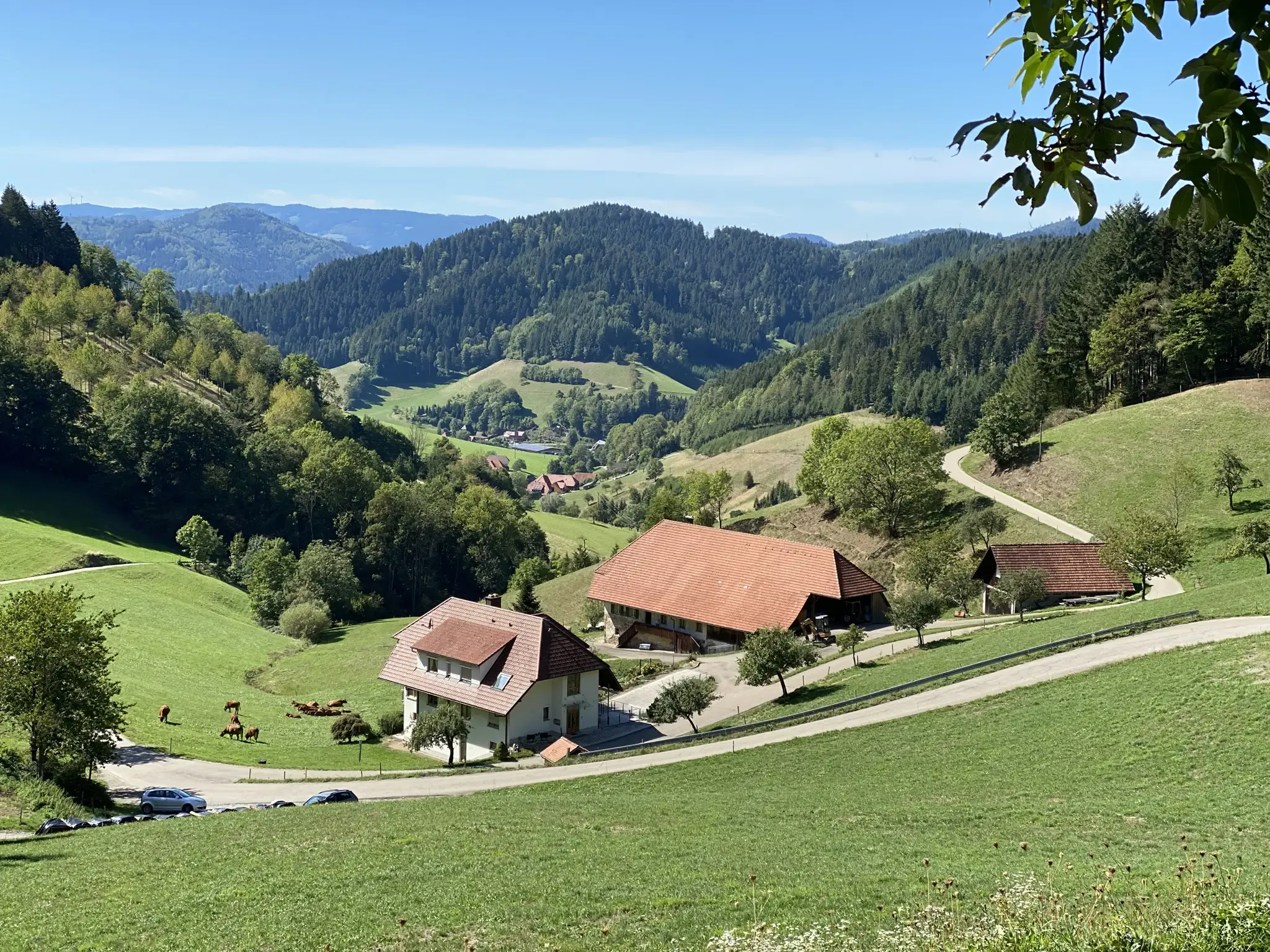
Kinzigtäler Jakobusweg – With Jakob through the Black Forest
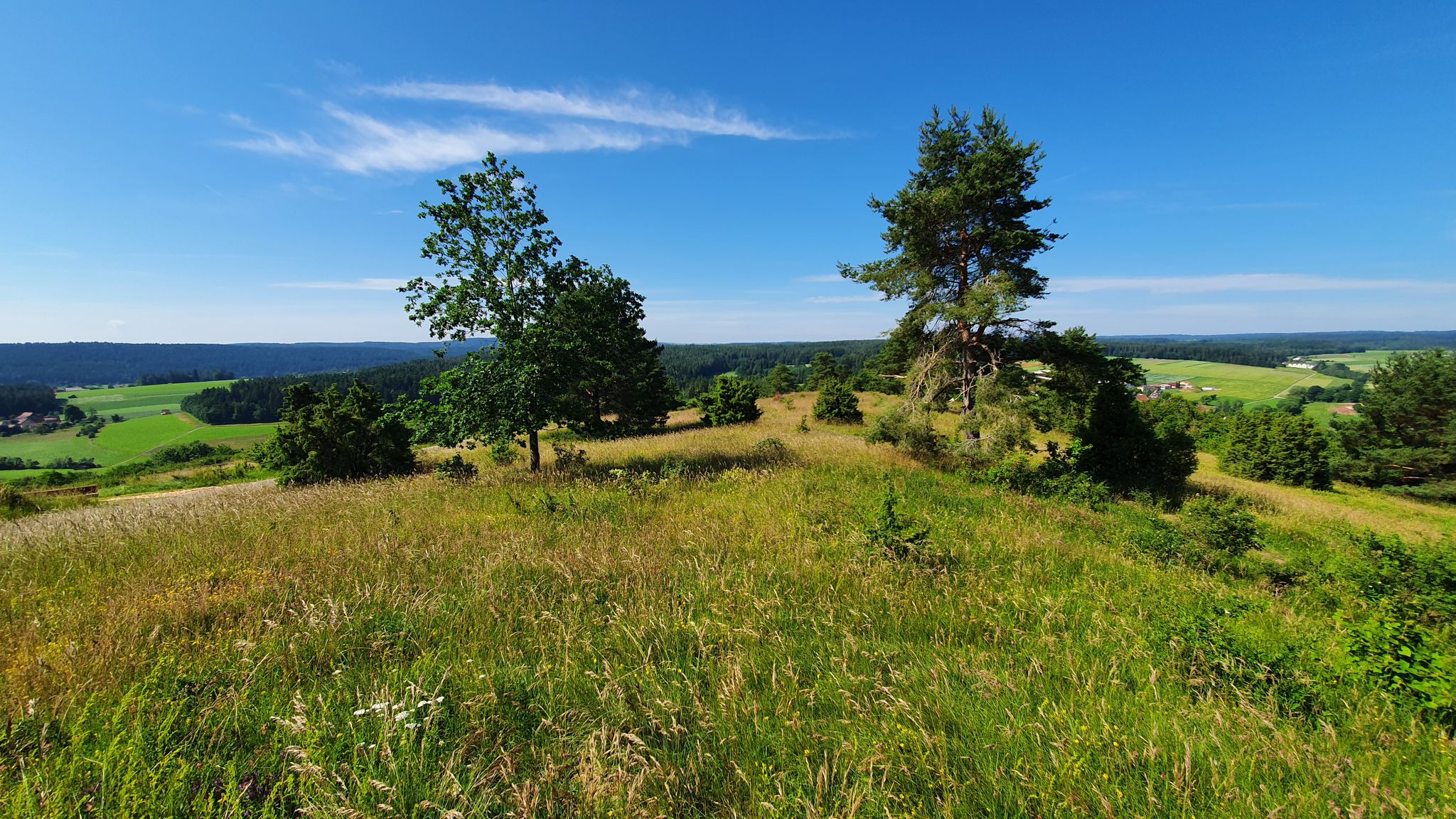
Germany's Gäurandweg – A ramble through the countryside
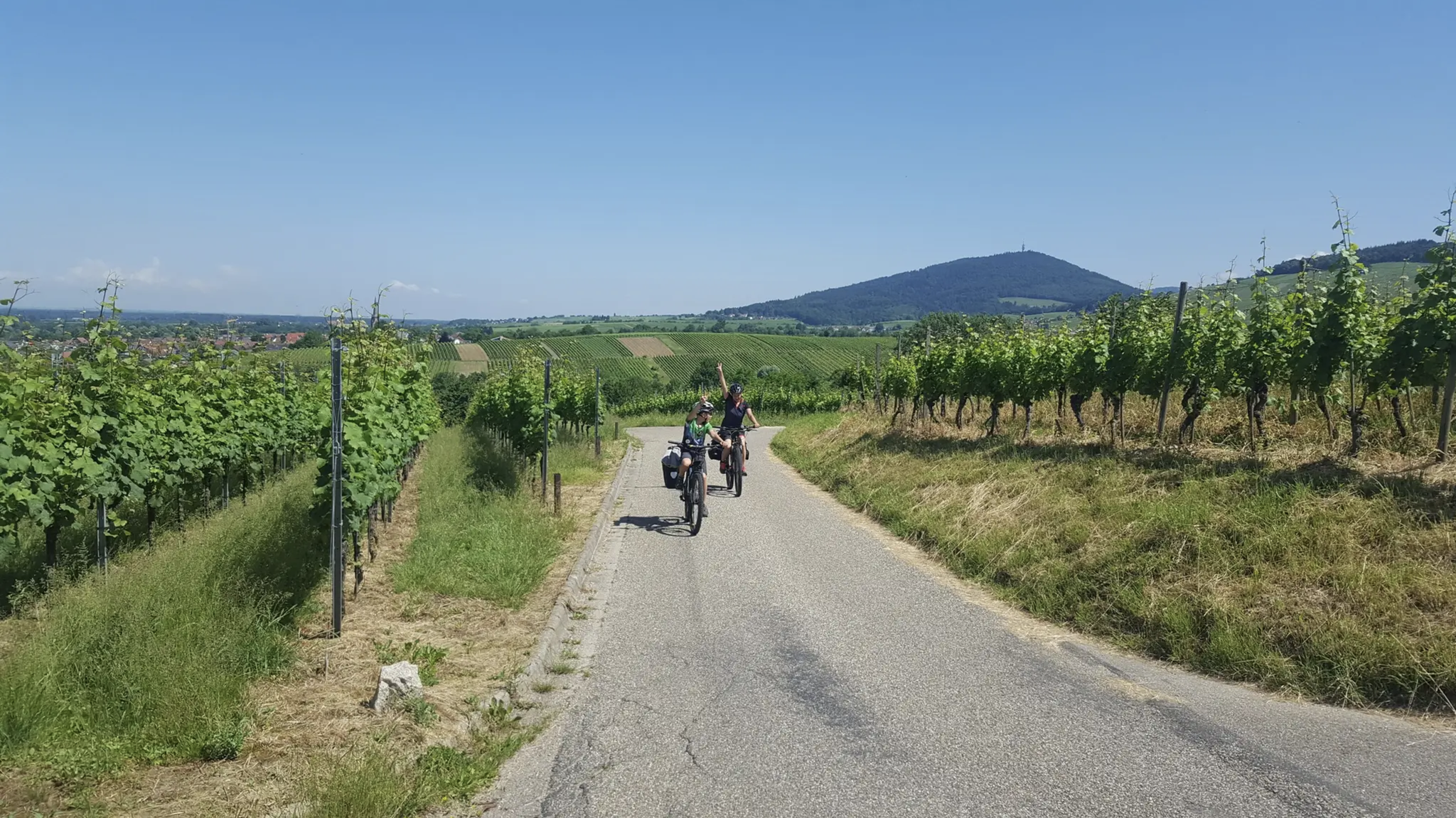
Naturpark cycle way – 4 days through the northern Black Forest
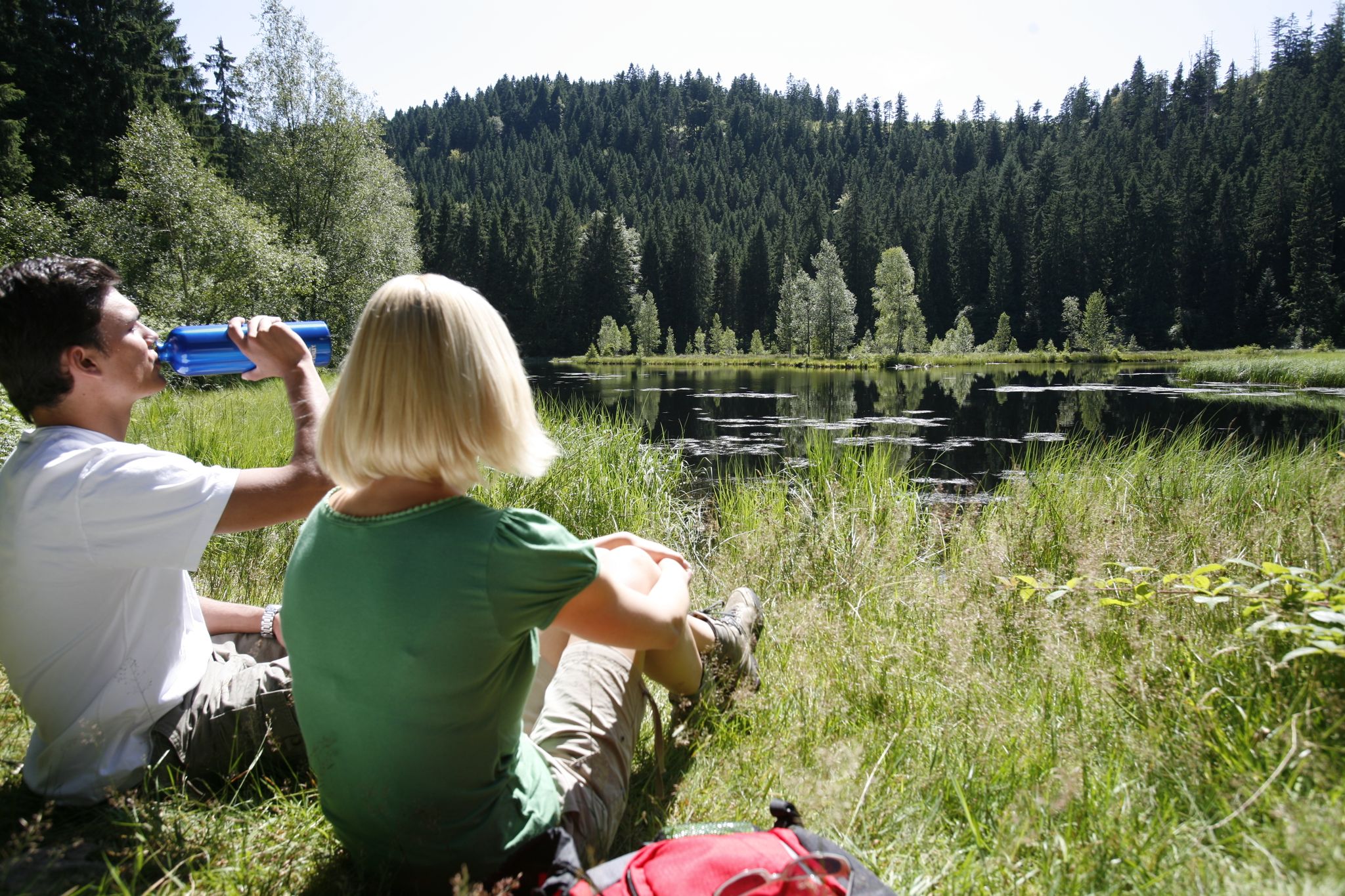
Baiersbronn Seensteig Lake Trail – Hiking heaven through the Black Forest in Germany
Three Valleys Cycle Path – Cycle across the Black Forest in Germany
Crossway Gengenbach - Alpirsbach
The Eastern Path of the Black Forest Association
Murgleiter Trail – Experience the diverse Murg Valley in 5 stages
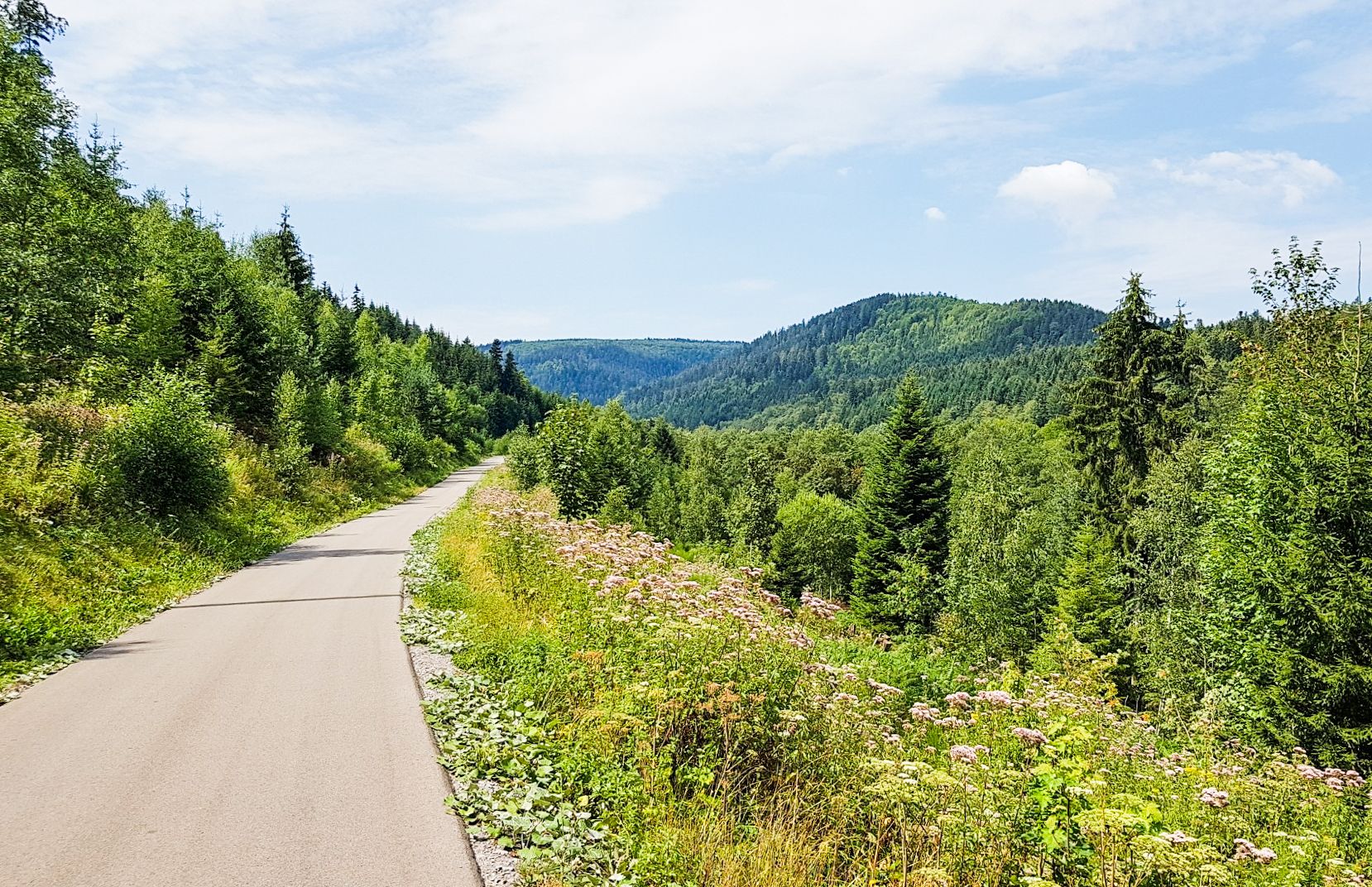
Naturpark cycle way – 4 days through the northern Black Forest
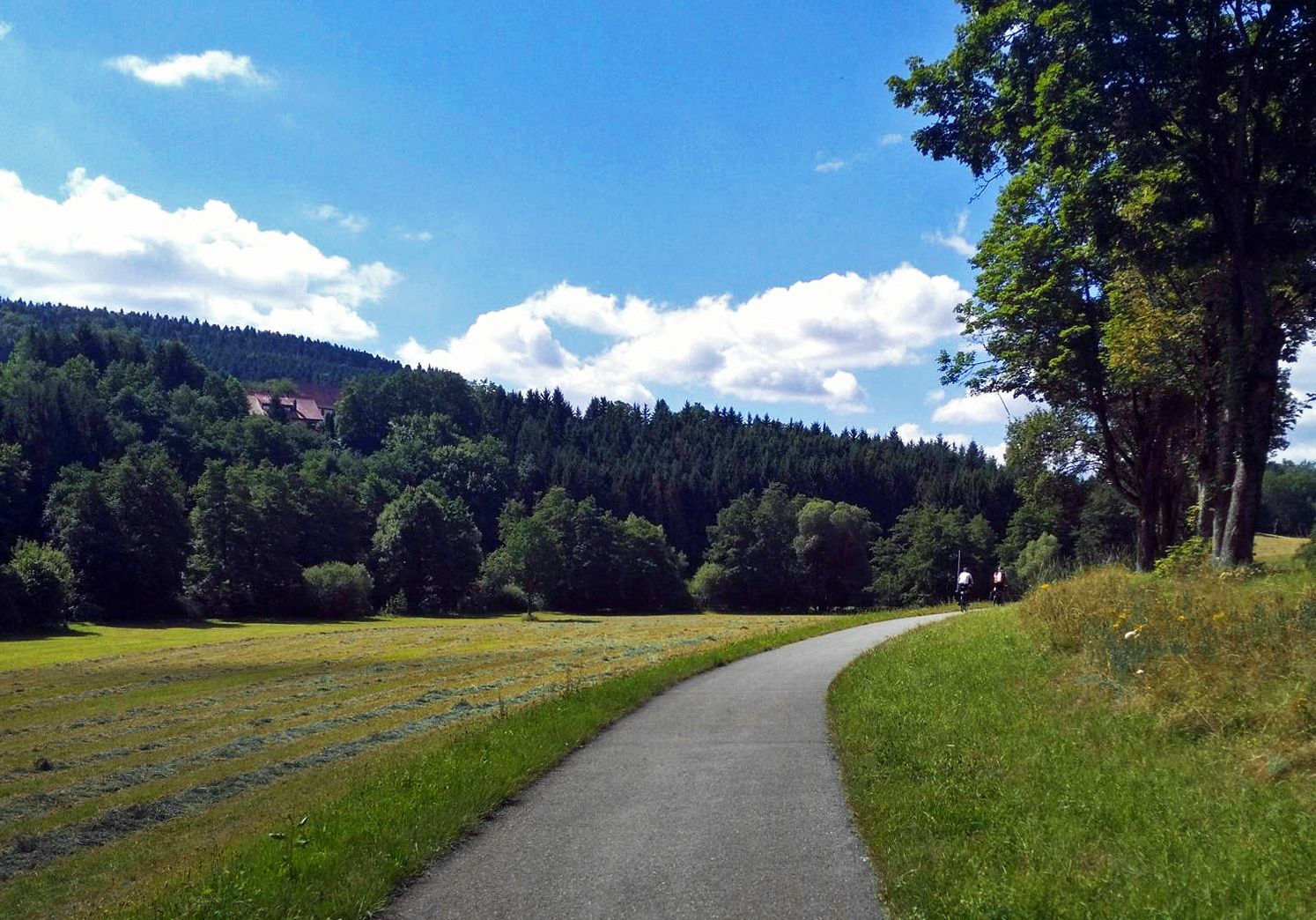
The Heidelberg-Schwarzwald-Bodensee-Radweg
Other adventures around Freudenstadt


Tips from the Community

The Dorothea mine was created as an exploratory tunnel in 1988. The main aim was to find barite. However, this is not economically viable as it is too heavily interspersed with iron and manganese ores. During the construction of the tunnel, remains of the old Dorothea mine, which was already mentioned in 1536, were also found. The operation of the exploratory tunnel was discontinued as early as 1992. Between 2007 and 2009, further investigations took place, but these activities have now been completely discontinued.
3
0

The Sophia Untere mine is one of the few in the Forbach Valley whose entrance is not backfilled today. Cobalt was mined there - which was unique in the Northern Black Forest. The mine is first mentioned in 1593, it was probably in operation until 1757, after which it was closed down and backfilled. The entrance to the mine was only rediscovered around 1995. Guided tours are possible on request. https://www.nationalparkregion-schwarzwald.de/poi/baiersbronn-friedrichstal-grube-sophia
4
0

A very informative information panel on the geology and history of mining in the Forbach Valley. If you look into the tunnel entrance, you can see the remains of a barite vein on the ceiling. Barite (heavy spar) was the accompanying material around which iron, silver, and copper ore had been deposited. Just a few meters from the tunnel, the Sachtleben company had core drilling carried out in 2017 to explore the thickness and purity of the barite vein, with the aim of possibly reviving mining. However, the results of the core drilling were sobering.
1
0

In the 18th century, mining played an important role in the Alpirsbach monastery. In the area of today's Alpirsbach town center, the Wolfgang and Eberhard mines brought in the most revenue. Two parallel barite veins contained rich cobalt ores in some places. The ore veins were opened up by extensive mine works, which, with the exception of the surface shafts, have been preserved to this day. Mining and blue dye production contributed significantly to Alpirsbach's economic boom at that time. Source: Display board
10
0
The "Untere Sophia" mine is one of the oldest mines in the area. It is already marked on a map by Georg Gadner from 1593. At that time, however, the tunnel was still called "St. Johannis am Friesenberg."
7
0

Nature - historical hiking trail Eutinger Tal 3. Former beer cellar of the Sonnenwirt At the entrance to the Eutinger Tal, at least five beer cellars were carved into the shell limestone, in which the innkeepers kept their freshly brewed beer at a constant temperature. At the end of the cellars, a chimney-like shaft provided ventilation. Bat cellar Abandoned beer cellars are winter quarters for various bats (e.g. the local barbastelle bat) and amphibians (e.g. fire salamander), which depend on a frost-free and undisturbed retreat. Source: Information board at the site
2
0
Nature - historical hiking trail Eutinger Tal 3. Former beer cellar of the Sonnenwirt At the entrance to the Eutinger Tal, at least five beer cellars were carved into the shell limestone, in which the innkeepers kept their freshly brewed beer at a constant temperature. At the end of the cellars, a chimney-like shaft provided ventilation. Bat cellar Abandoned beer cellars are winter quarters for various bats (e.g. the barbastelle bat found here) and amphibians (e.g. fire salamanders), which depend on a frost-free and undisturbed retreat. Source: Information board at the site
1
0

Here you can see something beautiful, very worth seeing
1
0
Frequently Asked Questions
What kind of underground attractions can I explore in the Freudenstadt area?
The Freudenstadt area offers a unique blend of underground experiences. You can visit historic mines, such as the Holy Three Kings Silver Mine, which provides insight into the region's mining heritage. There are also former beer cellars, like the Former Beer Cellar of the Sonnenwirt, which now serve as important bat habitats. Additionally, the Freudenstadt Air-Raid Shelter offers a historical perspective on civil defense during WWII.
Are there historical mines open to visitors near Freudenstadt?
Yes, the region is rich in mining history. The Historisches Besucherbergwerk Freudenstadt, also known as the Holy Three Kings Silver Mine, is a significant attraction where you can explore former silver and baryte workings. Other historical sites include the Lower Sophia Mine, one of the oldest in the area, and the Hallwangen Visitor Mine.
What geological features can I expect to see in the underground sites around Freudenstadt?
In the historic mines, you can observe geological formations primarily consisting of quartz and baryte, with some historical silver deposits. The former beer cellars, such as the Former Beer Cellar of the Sonnenwirt, are carved into shell limestone. These sites offer a glimpse into the geological processes that shaped the Black Forest region.
Are there any family-friendly underground attractions in Freudenstadt?
Many of the underground sites, particularly the visitor mines and accessible cellars, are suitable for families. The Historisches Besucherbergwerk Freudenstadt offers guided tours of varying lengths, some of which are less challenging and suitable for a wider age range. Exploring the Bat Cellar can also be an engaging experience for children interested in nature.
What should I wear when visiting the mines or underground shelters?
When visiting the historic mines, such as the Historisches Besucherbergwerk Freudenstadt, it is highly recommended to wear warm clothing and sturdy shoes. The internal temperature in the mines is consistently around 6-8 °C (43-46 °F) with high humidity (95-98%), making it quite cool and damp even in summer.
Are there any natural caves or grottoes in the immediate Freudenstadt area?
While Freudenstadt itself is known more for its historic mines and man-made underground structures, the broader Black Forest and Swabian Alb regions are home to impressive natural caves with stalactite formations. In the immediate vicinity, you'll find fascinating man-made 'caves' like the Former Beer Cellar of the Sonnenwirt, which are now natural monuments due to their role as bat habitats.
What is the Freudenstadt Air-Raid Shelter and can I visit it?
The Freudenstadt Air-Raid Shelter is a former beer and wine cellar that was converted into a shelter during World War II. It covers 497 square meters and was designed to accommodate about 500 people. Guided tours are available, typically lasting around 30 minutes, offering a unique historical perspective on civil defense efforts.
What outdoor activities can I combine with a visit to the caves around Freudenstadt?
The Freudenstadt region, nestled in the Black Forest, offers numerous outdoor activities. You can enjoy various hiking trails, from moderate to difficult, exploring the forested terrain. There are also challenging mountain hikes and extensive MTB trails for cycling enthusiasts. Many of these routes pass by or are close to the underground attractions.
Are there any unique historical structures like old cellars to explore?
Yes, the area features several interesting old cellars. The Former Beer Cellar of the Sonnenwirt in Eutinger Valley, carved into shell limestone, once stored beer and now provides winter quarters for bats. Another example is the Old Ice Cellar on Leinsteige near Felldorf, a freely accessible structure from old times that may have also served as a beer cellar.
What is the best time of year to visit the underground attractions in Freudenstadt?
The underground attractions, particularly the mines and air-raid shelter, maintain a consistent cool temperature year-round, making them suitable for visits in any season. However, if you plan to combine your visit with outdoor activities like hiking, spring through autumn generally offer the most pleasant weather conditions in the Black Forest.
Can I find information about the history of cobalt mining in the region?
Yes, the Lower Sophia Mine is a significant site for understanding cobalt mining in the Northern Black Forest. This mine, first mentioned in 1593, was unique for its cobalt deposits. While operations ceased long ago, guided tours can provide insights into its history and the mining techniques used.
Most popular routes around Freudenstadt
Most popular attractions around Freudenstadt

Get inspired with the komoot mobile app


Didn’t find what you were looking for?
Discover more caves around Freudenstadt region by region:
Explore more
Extend your search for the best caves by checking out these guides of the top ones around Freudenstadt:
