Top 8 Caves around Fribourg
Best caves around Fribourg are situated in a region defined by its varied geological landscape, including the Jura mountains and river-carved canyons. This area features both natural cave systems and historical man-made tunnels. These sites provide insights into the region's geological past and human history, with formations like petrified sand dunes and ancient riverbeds. The Fribourg canton offers a range of subterranean experiences for exploration.
Best caves around Fribourg
- The most popular caves is Grey Rock Caves, a cave…
Last updated: September 29, 2026
Grey Rock Caves
Highlight • Cave
Today you can simply explore the caves. Children in particular have fun exploring the grottos.
Translated by Google •
Tip by

Magdalena Hermitage, Räsch
Highlight • Religious Site
Translated by Google •
Tip by

Sign up now to discover places like this
Get recommendations on the best single tracks, peaks, & plenty of other exciting outdoor places.
Dankes Grotto
Highlight • Cave
Translated by Google •
Tip by

Grotte des Nayes
Highlight • Cave
must cope. In total the cave has 3 entrances but the third
protrudes from a wall and cannot be …
Translated by Google •
Tip by

Grotto of St. Silvester
Highlight • Cave
🤘🏻🚵🏻♂️✌🏻
Translated by Google •
Tip by

Stone Cave
Highlight • Cave
Translated by Google •
Tip by

Sandstone Quarry Cave
Highlight • Cave
Translated by Google •
Tip by

Wannelschilchli Cave
Highlight • Cave
Showing Translation
Tip by

Start today with a free account
Your next adventure awaits.
Popular around Fribourg
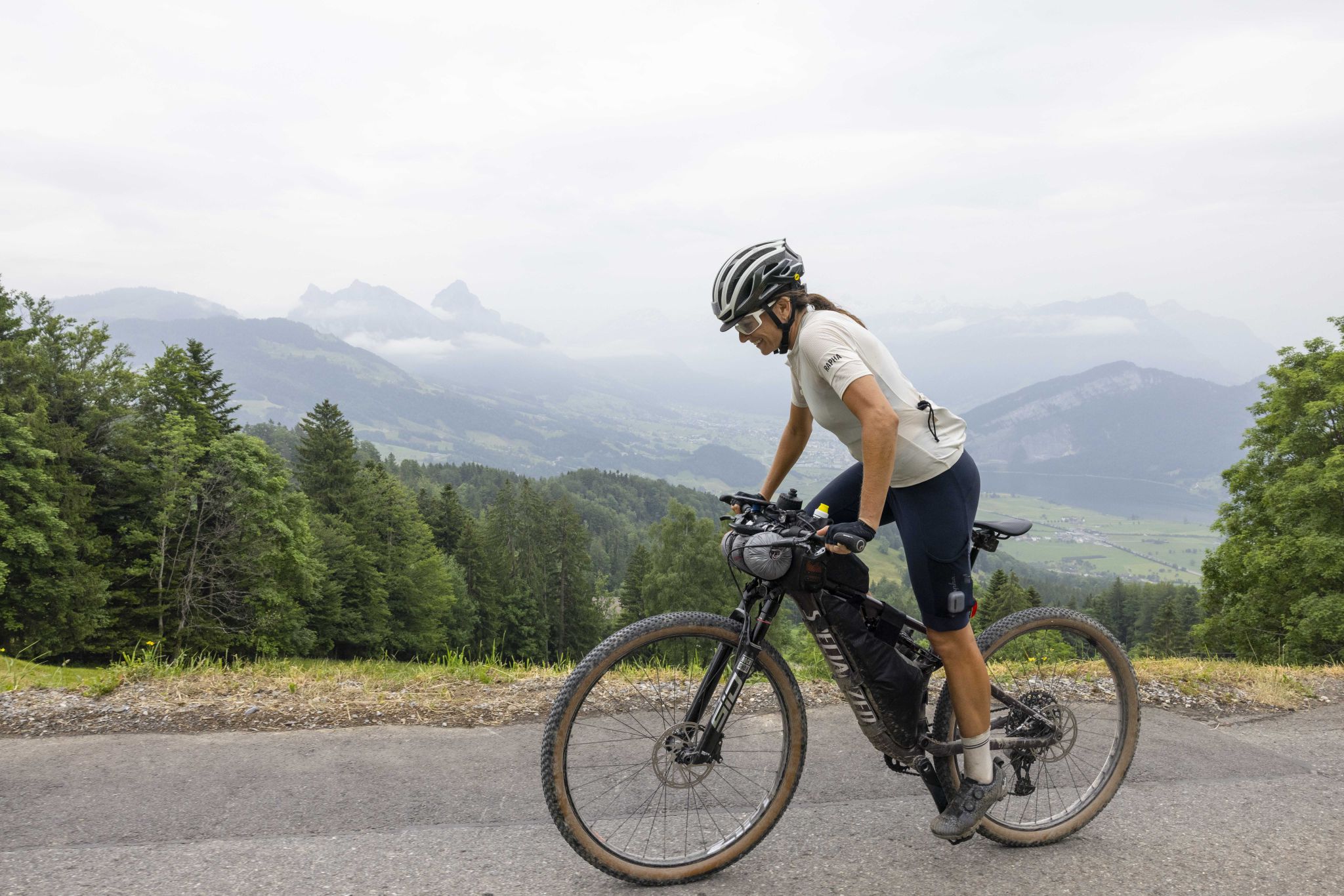
Hope 1000 – Bikepacking Switzerland in 11 stages
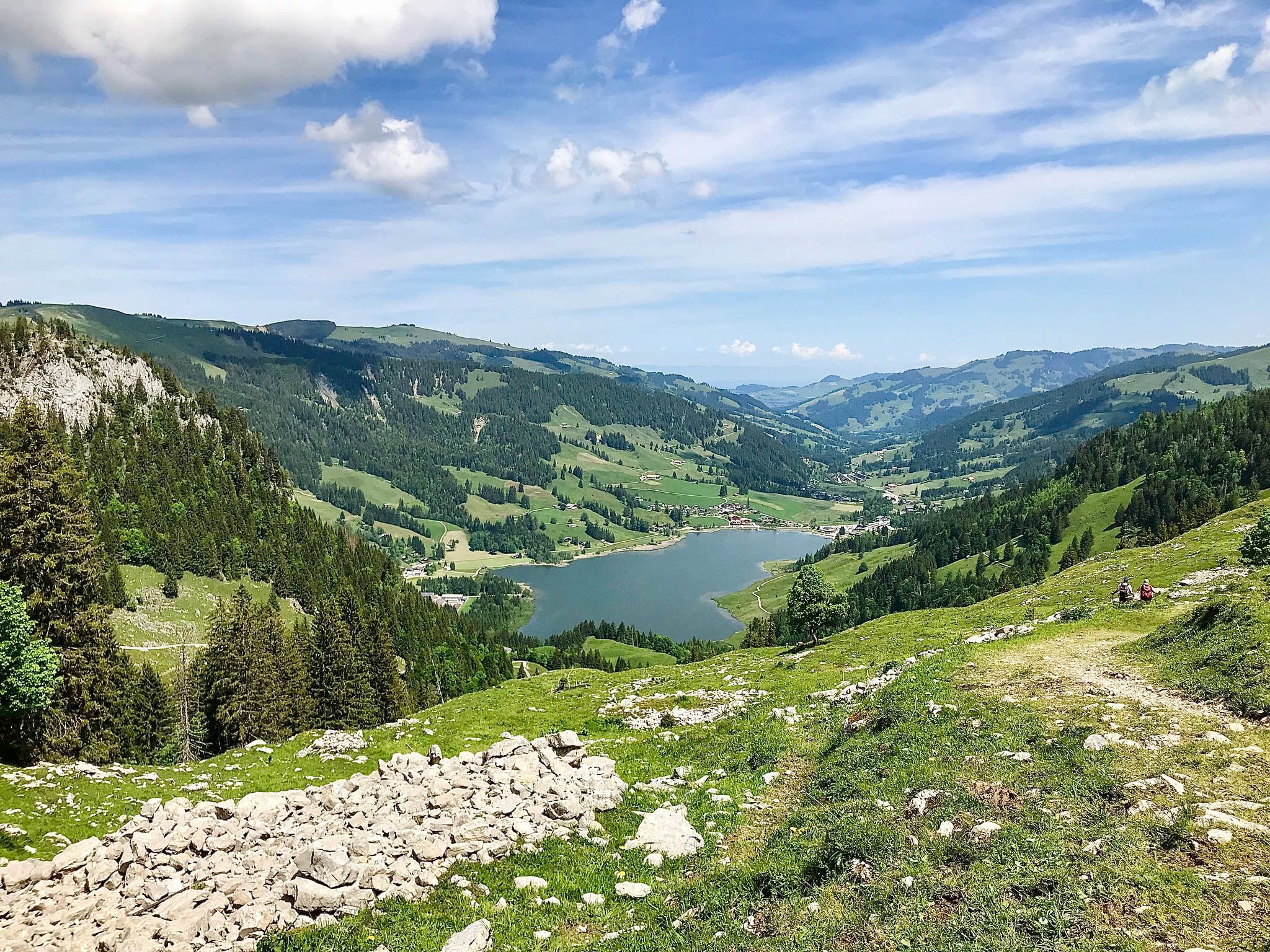
Freiburg Pre-Alpine Trail – Hiking along the language border
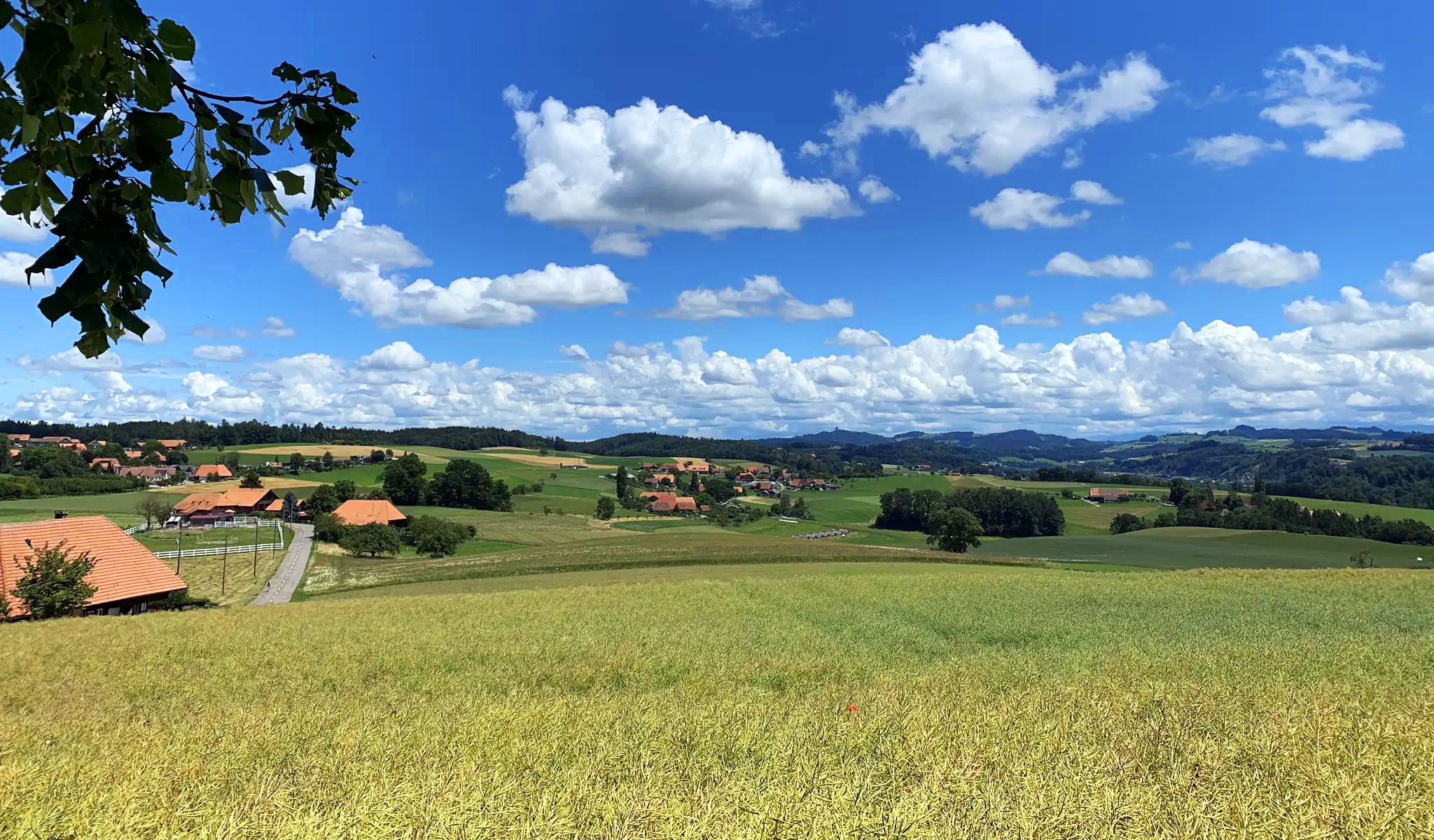
Alter Bernerweg – Cycling in the idyllic Swiss Mittelland
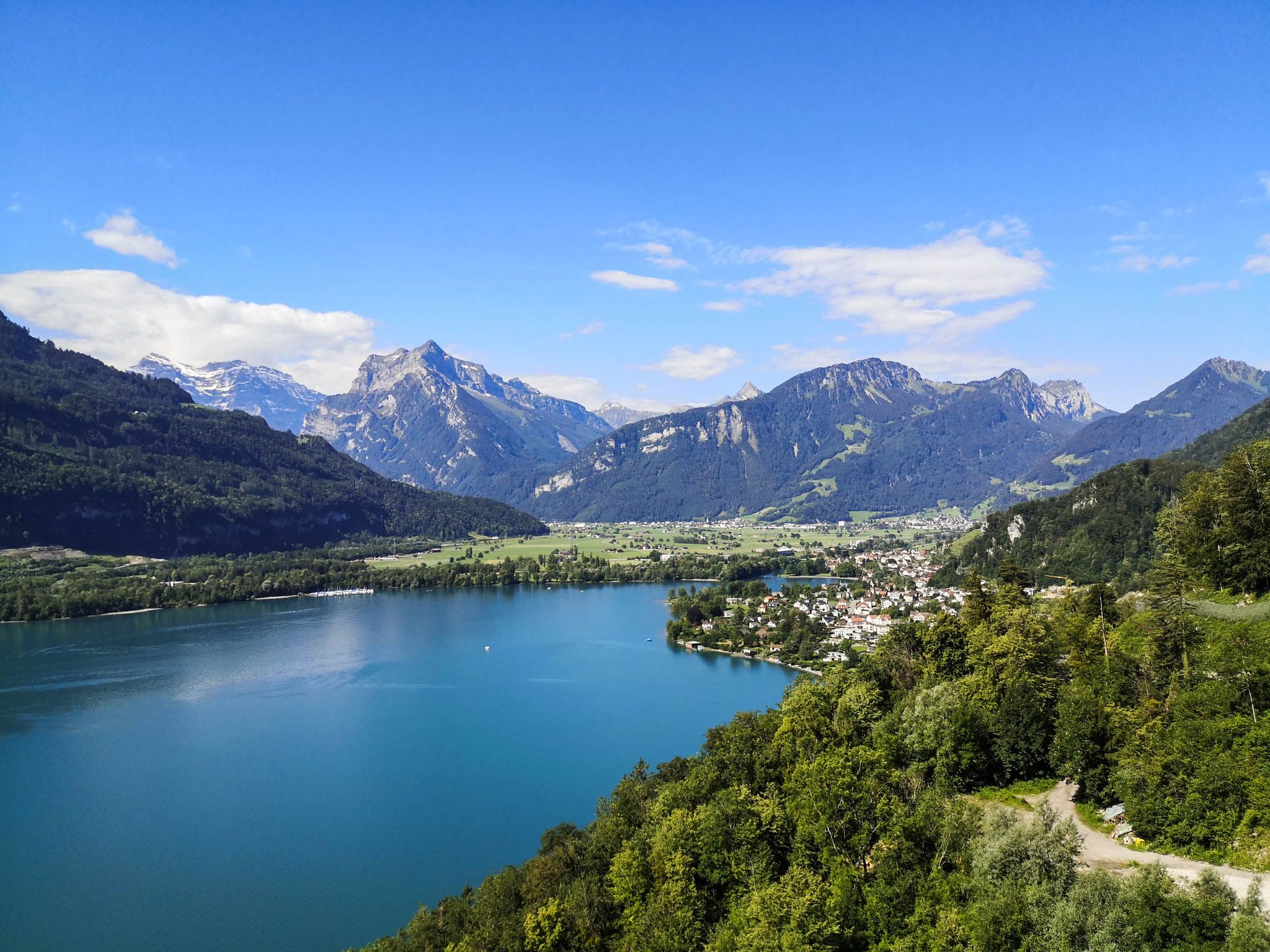
Alpine Panorama Trail in Switzerland – Keep your eyes on the mountains
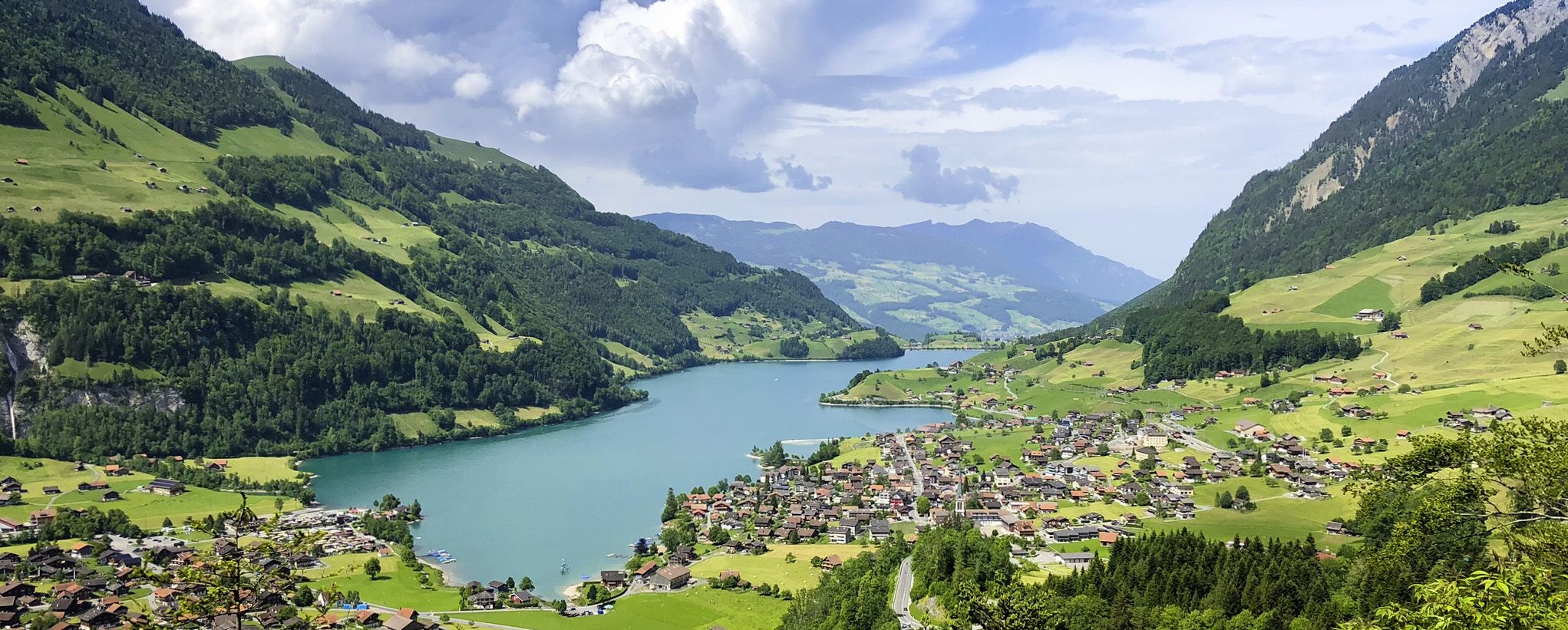
The Lakes Route – Picture-postcard views in the Swiss alpine foothills
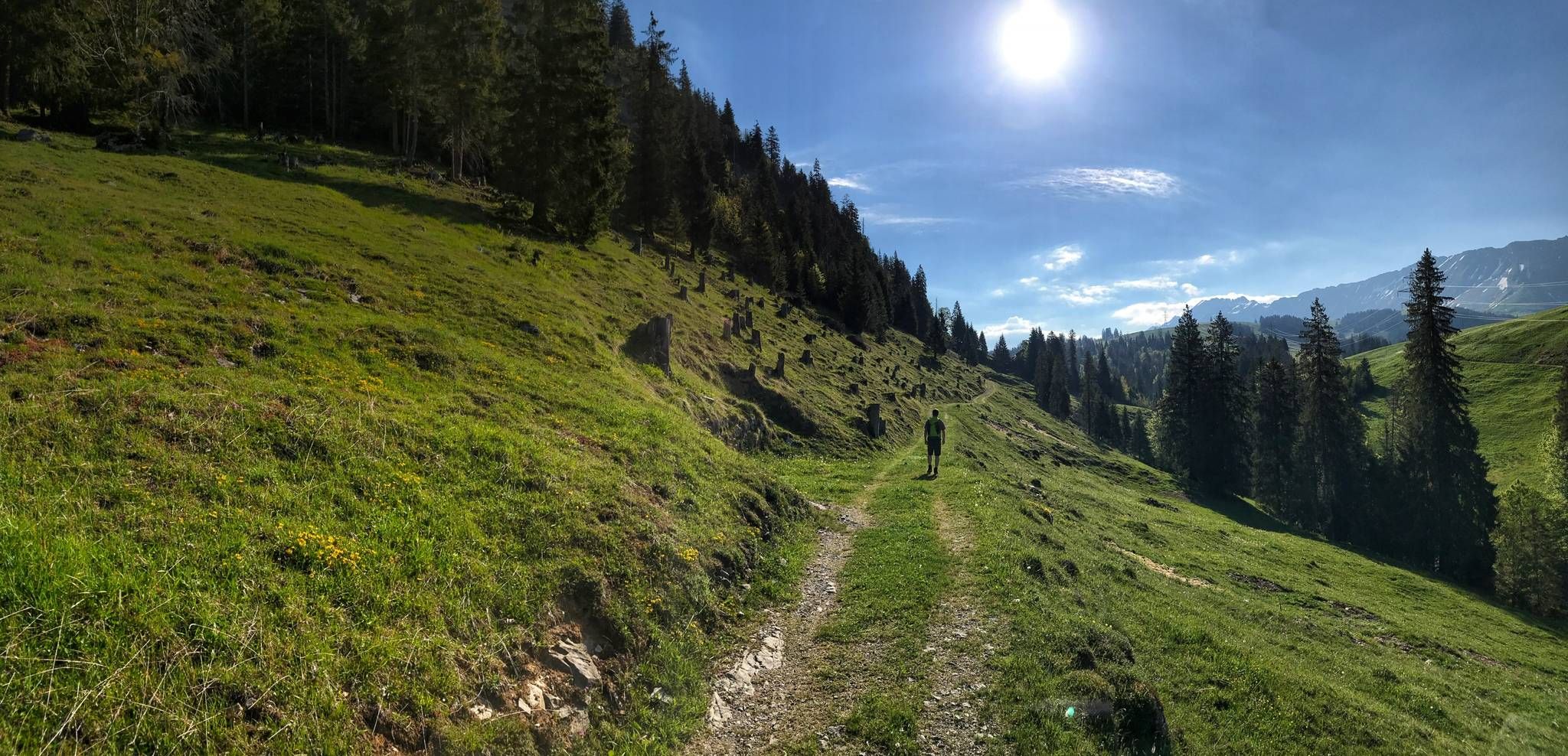
Trans Swiss Trail – Hiking across Switzerland
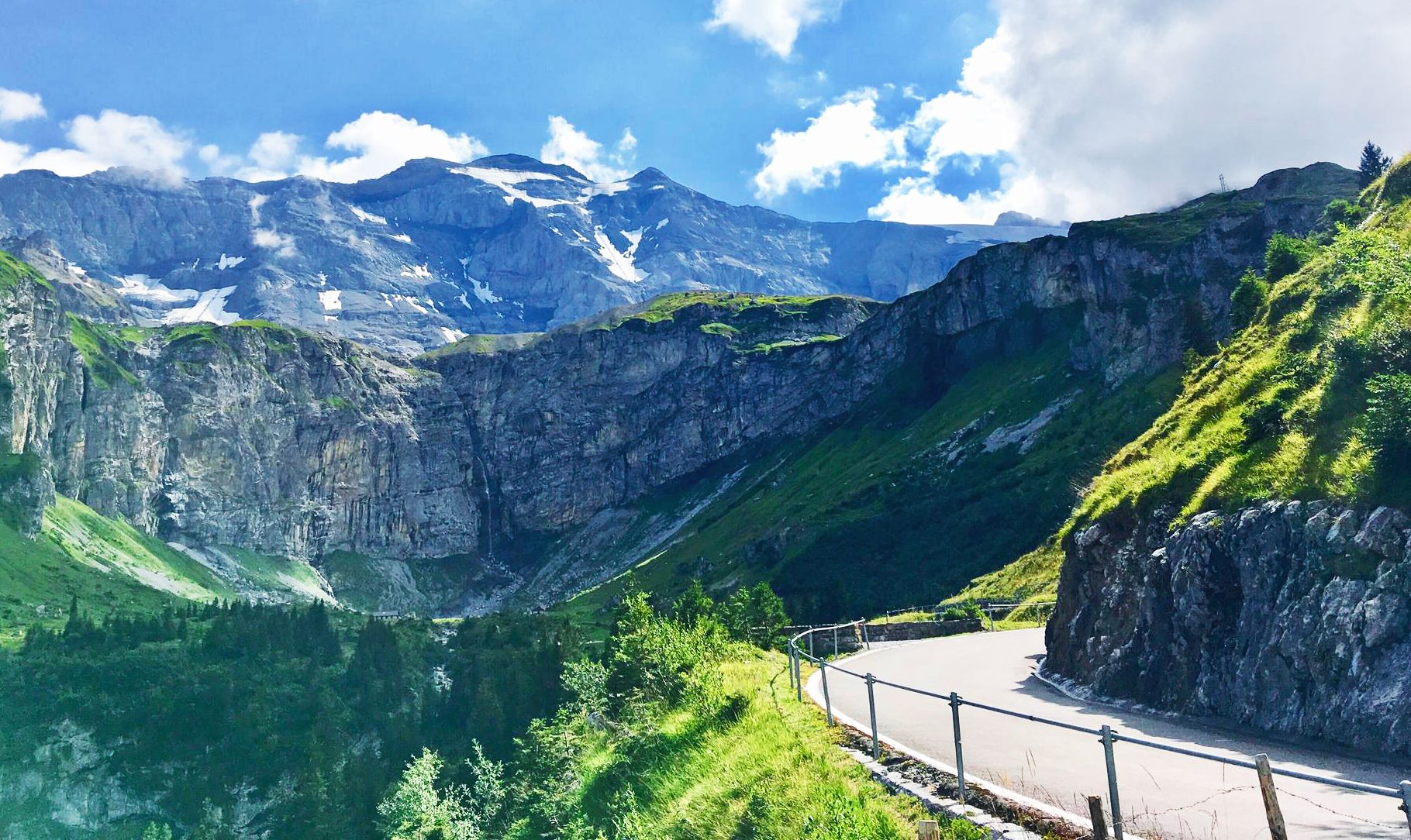
Alpine Panorama Route — 8 stages through the foothills of the Alps
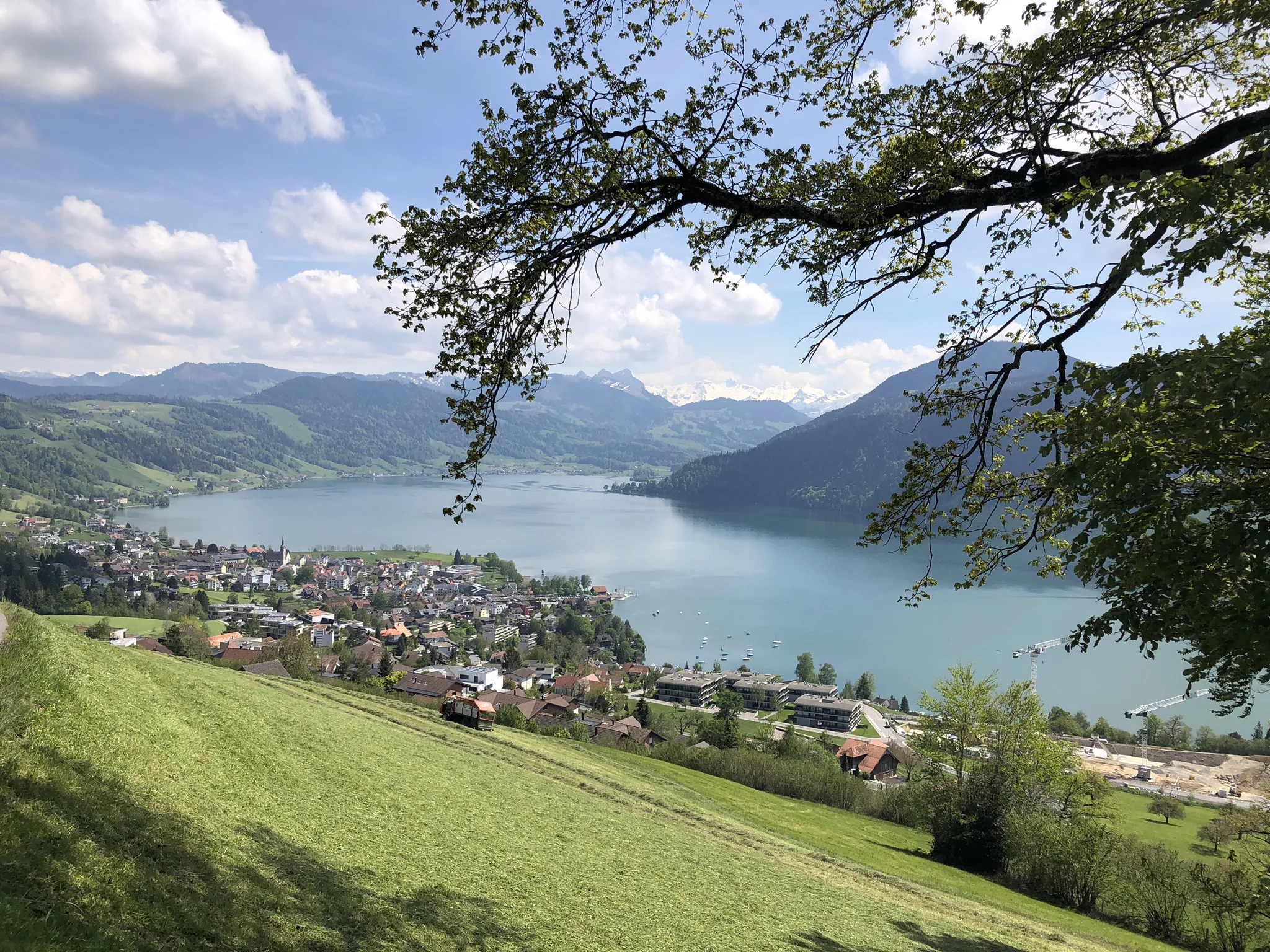
The Herzroute – Cycling through the heart of Switzerland
Via Jacobi – Following the Way of St James across Switzerland
Gravel roads and Alpine views – gravel riding in the Gantrisch Nature Park
Other adventures around Fribourg


Tips from the Community

A special little detour from the shore path: In about 3 minutes, a short path leads up to the Dankes-Grotte (Gratitude Grotto), which is built directly into an impressive rock face. It is precisely the combination of the natural rock, the small grotto, and the quiet location that makes this place particularly worth seeing. The grotto is believed to have originated around 1921. Over the years, it fell somewhat into oblivion and was no longer adequately maintained. In 2005, it was renovated and made into a well-kept place of contemplation again. In the grotto, there is also a statue of the Virgin Mary from 1937. Candles can also be lit. This makes the grotto a beautiful place for a short pause and reflection.
0
0

Quite narrow at the beginning and I found hardly any information about it. As I was traveling alone, I didn't go in...
0
0

Infantry position from World War I
0
0

200 meters of pure playground with several corridors, caverns, and stairs. An adventure for all ages!
0
0
The old mine from the 19th/20th century extracted sandstone and left us a large cavern in the rock today.
0
0

La Lamberta Excavated in the molasse, they have 200 meters of galleries. The infantry work intended for the machine gun position is one of the scattered fortifications set up during the First World War to defend the Swiss Plateau. The construction of this infantry work took place between 1916 and 1917 and made it possible to protect the axis of Lake Morat. Today these caves have become a paradise for children for long games of hide-and-seek. https://www.j3l.ch/fr/P8751/lieux/sites-naturels/les-grottes-des-roches-grises-la-lamberta
0
1

An absolute must for cave freaks. The cave is dark, steep, wet and slippery.
4
0

A hermit's dwelling in the hamlet of Räsch was first mentioned in 1448. The hermit Johann Dupré and his assistant Johann Liecht expanded the rock dwelling to its current size between 1680 and 1708. In order to prevent the hermitage from collapsing and to preserve it for the general public, the parish of Düdingen carried out extensive renovation work in 2005/2006. Open and free of charge from April to September.
6
0
Frequently Asked Questions
What are some family-friendly caves to visit in the Fribourg region?
For a family outing, the Grey Rock Caves offer an exciting exploration of man-made tunnels that served as WWI fortifications, which children particularly enjoy. The Grotto of St. Silvester is also family-friendly and provides a nice resting spot. Further afield, the Grottes de Vallorbe are known for their impressive scale and a 'Fairy Treasure Trove' of gems, while the Grottes de Réclère feature a Prehistoric Park adjacent to the caves, making both excellent choices for families.
Are there caves with historical significance in the Fribourg area?
Yes, the region boasts several historically significant caves. The Magdalena Hermitage, Räsch, is a unique rock dwelling expanded by hermits between 1680 and 1708. The Grey Rock Caves and the Mont Vully Caves (Lamberta Caves) are man-made tunnels dug between 1915 and 1917, serving as fortifications during World War I. The Sandstone Quarry Cave also has historical significance as a man-made site.
What kind of geological features can I expect to see in the caves around Fribourg?
The caves in and around Fribourg showcase diverse geological features. At Magdalena Hermitage, Räsch, you can walk on petrified sand dunes, evidence of a sea that existed 20 million years ago. The Grottes de Vallorbe are famous for their active underground river, waterfalls, stalagmites, and dripping columns. The Grottes de Réclère feature abundant limestone formations, including Switzerland's largest stalagmite, 'the Dome,' and impressive speleothems in its 'Great Hall'.
What are the most challenging caves for experienced explorers?
For those seeking a challenge, the Grotte des Nayes is an impressive passage cave where you can climb a good 100 meters. It's known for being dark, steep, wet, and slippery, often retaining ice remains even in summer. It requires good preparation, including a headlamp and appropriate clothing, and is best avoided when wet or snowy.
Are there any caves that are free to visit?
Yes, the Magdalena Hermitage, Räsch is open and free of charge from April to September. It offers a unique blend of natural geology and human history, allowing visitors to explore the rock dwellings and petrified sand dunes at no cost.
What outdoor activities can I do near the caves in Fribourg?
The Fribourg region offers various outdoor activities near its caves. You can find numerous hiking trails, such as the challenging Gastlosen Tour or easier routes around Lac Noir. For cycling enthusiasts, there are options for gravel biking and touring, including routes around Lake Murten and Lake Schiffenen. You can explore more routes in the Hiking around Fribourg, Gravel biking around Fribourg, and Cycling around Fribourg guides.
What is the best time to visit the caves in the Fribourg region?
The best time to visit depends on the specific cave. The Magdalena Hermitage, Räsch is open from April to September. For caves like Grottes de Vallorbe and Grottes de Réclère, which maintain constant cool temperatures (8-11°C and 7°C respectively) and high humidity year-round, they can be visited in most seasons, offering a cool escape in summer and a unique experience in colder months. Always check specific opening hours before planning your trip.
What should I wear or bring when exploring caves in Fribourg?
When exploring caves, especially natural ones, it's advisable to wear sturdy shoes with good grip, as surfaces can be wet and slippery. Layers of clothing are recommended due to constant cool temperatures inside, even in summer. For caves like Grotte des Nayes or the Mont Vully Caves, a good headlamp or torch is essential as they are unlit. Some caves may require old clothes due to muddy or narrow passages.
Are there any mysterious or hidden gem caves in the Fribourg region?
Yes, the Stone Cave, located not far from a hiking trail in a nature reserve, is described as very impressive and mysterious. It can be entered and explored, offering a sense of discovery for those looking for less-known spots.
Can I find religious sites associated with caves in the Fribourg area?
Yes, several caves in the region have religious connections. The Magdalena Hermitage, Räsch is a former hermit's dwelling with a rock chapel. The Grotto of St. Silvester and the Dankes Grotto are also noted as caves with religious significance, offering places of reflection or worship.
What do visitors enjoy most about the caves around Fribourg?
Visitors particularly enjoy the blend of natural beauty and historical intrigue. For instance, the Grey Rock Caves are appreciated for the adventure they offer, especially for children exploring the man-made tunnels. The Magdalena Hermitage, Räsch is valued for its unique aura and the geological phenomenon of petrified sand dunes. The challenging nature of caves like Grotte des Nayes also appeals to those seeking an adventurous experience.
Most popular routes around Fribourg
Most popular attractions around Fribourg

Get inspired with the komoot mobile app


Didn’t find what you were looking for?
Discover more caves around Fribourg region by region:
Explore more
Extend your search for the best caves by checking out these guides of the top ones around Fribourg:
