Top 19 Caves in Roth
Caves in Roth, a district in Bavaria, Germany, offer diverse geological and historical exploration opportunities. Located south of Nuremberg, the region is characterized by its natural landscapes, including gorges and rock formations. The area features both natural caves formed by erosion and historical cellars used for storage. These sites provide insights into the region's natural history and past human activities.
Best caves in Roth
- The most popular caves is Karl's Cave, a cave that is one of two large…
Last updated: September 29, 2026
Karl's Cave
Highlight • Cave
Translated by Google •
Tip by

Müllersloch Gorge and Waterfall
Highlight • Gorge
Translated by Google •
Tip by

Sign up now to discover places like this
Get recommendations on the best single tracks, peaks, & plenty of other exciting outdoor places.
The Luderloch Cave
Highlight • Cave
Translated by Google •
Tip by

Sommerkeller Barthelmesaurach
Highlight • Historical Site
Translated by Google •
Tip by

Ice Cave in Altmühl Valley Nature Park
Highlight • Cave
Translated by Google •
Tip by

Schwarzachklamm Gorge
Highlight • Gorge
Translated by Google •
Tip by

Schwarzachklamm: Caves and Rock Formations
Highlight (Segment) • Cave
Translated by Google •
Tip by

Small Cave Behind Wernloch
Highlight • Cave
Translated by Google •
Tip by

Lower Felsenkeller Thalmässing
Highlight • Cave
Translated by Google •
Tip by
Zigeunerloch
Highlight • Cave
Drive carefully, next to the trail it goes pretty far down!
Translated by Google •
Tip by

Sign up for free to discover even more caves in Roth.
Already have an account?
Start today with a free account
Your next adventure awaits.
Popular around Roth
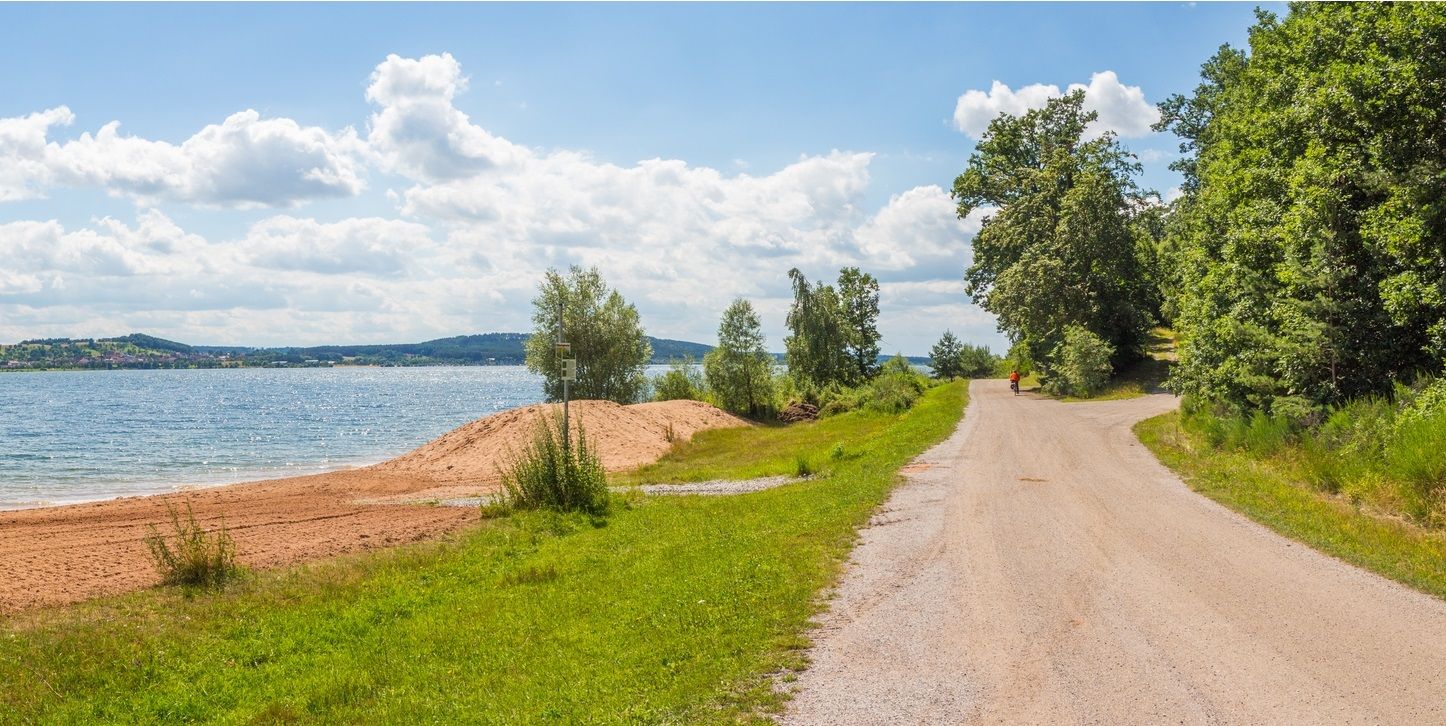
The Franconian Water Bike Path – 8 days of creeks, lakes & rivers
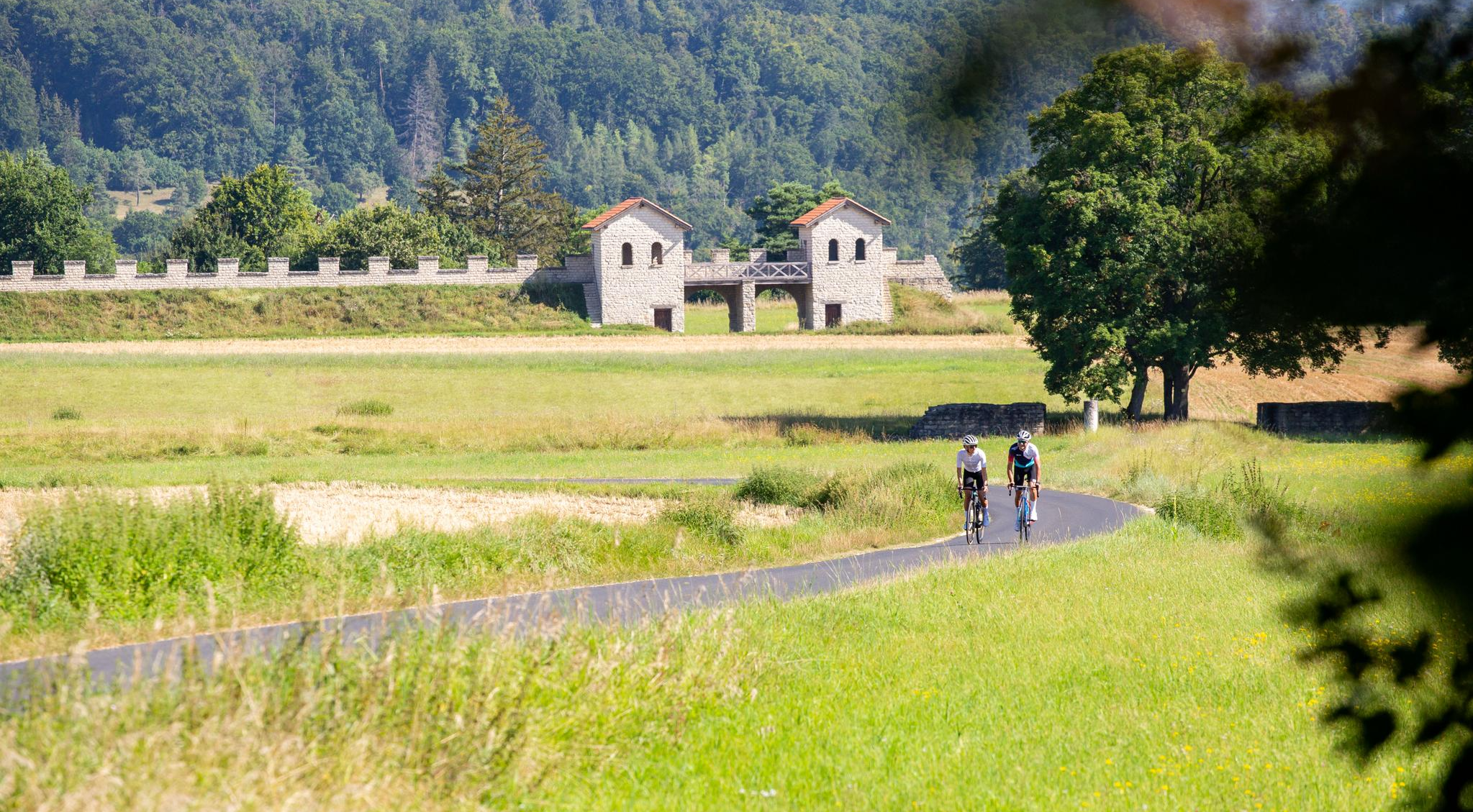
Saddle joy & Jura magic – road cycling in the Altmühltal
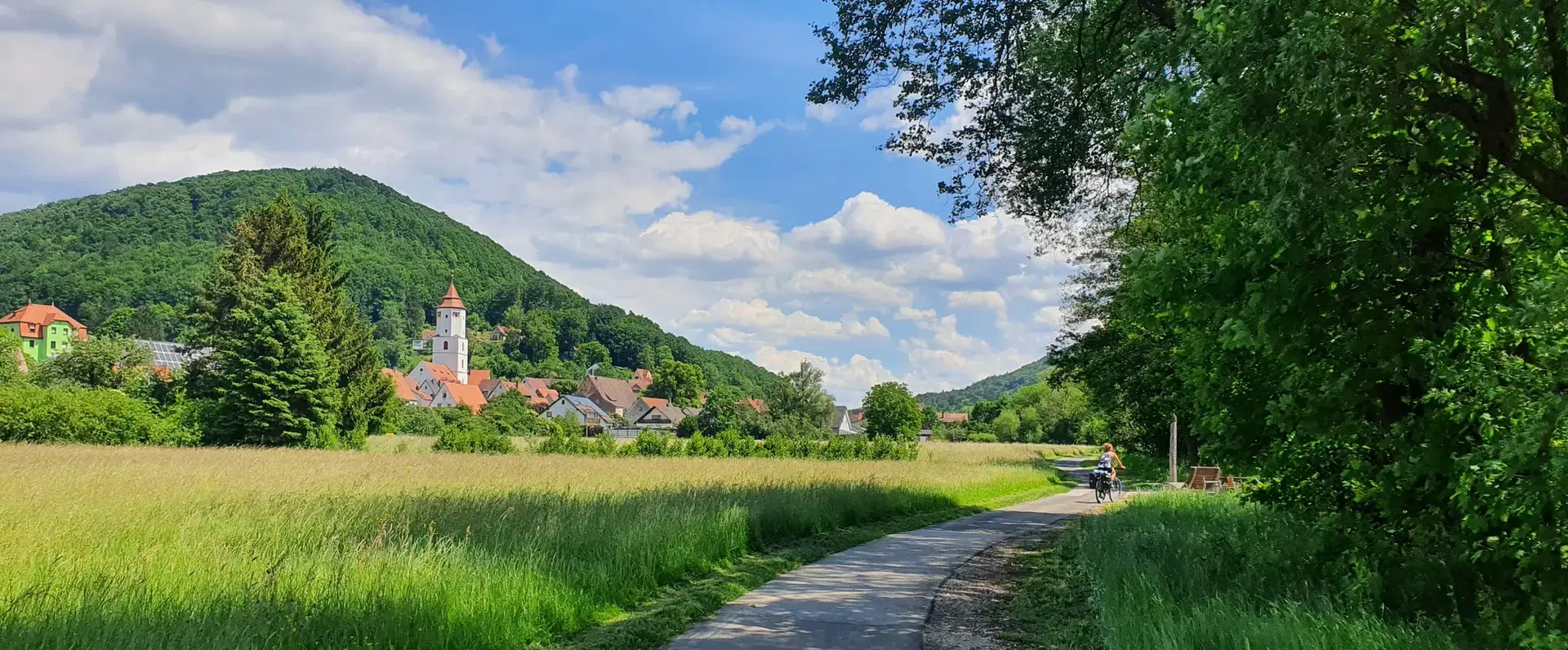
Cycling through the Nuremberg metropolitan region – nature & enjoyment
City, country, lake – VGN leisure tips 2025
Nature, the outdoors and adventure – hiking through the VGN's nature parks
A cycling paradise in Bavaria – Altmühl Valley Nature Park
Catch the bus and train into nature – VGN Leisure Tips 2023
Wonderful nature and endless variety – Altmühltal Nature Park
D-Route 11 – Baltic Sea - Upper Bavaria
No time for boredom – family hikes with a fun factor in Bayern


Tips from the Community

Rooty trail above the gorge with two or three tricky sections;
0
0

The summer cellar (building permit issued in 1862) served for the year-round storage of beer, which was an important foodstuff for travelers on the Nuremberg-Ulm trade route. Therefore, B. had two inns and a horse-changing station. Today, guided tours of the restored rock-cut cellars are offered.
0
0

Beer storage and bowling alley It was built in 1862 as a beer storage cellar by the innkeeper and brewer Leo Wolshofer with a habitable front building. Konrad Gundel bought it in 1883 and built a bowling alley to the east of the cellar in 1885. It was used until 1930. At that time, its function as a cold storage cellar with natural ice also ended. Towards the end of the Second World War, the cellar was a shelter for the population. From 1954 onwards, it gradually fell into disrepair. In 2001, the municipality of Kammerstein bought the ruins, including the cellar and the property.
1
0

A little variety along the many hiking trails around Thalmässing
0
0

The Schwarzachklamm offers impressive rock formations and especially the Karlshöhle.
4
0

Anyone looking for peace and solitude is in the wrong place here when the weather is nice
2
0

This place is really worth a visit at any time of the year!
1
1

In fact, everything has already been said here. The hiking trail between the Schwarzach and Karlshöhle is unparalleled. But not on the weekend.
17
2
Frequently Asked Questions
What are some of the most notable caves and rock formations in the Roth region?
The Roth region offers a variety of geological features. Among the most popular are Karl's Cave, a significant washout in the Schwarzach Gorge, and Müllersloch Gorge and Waterfall, known for its impressive rock formations. Another interesting site is The Luderloch Cave, which is part of a local legend hiking trail.
Are there any caves in Roth with historical significance?
Yes, several caves and cellars in the Roth region have historical importance. The Luderloch Cave is steeped in local legends and is a station on the Büchenbach legend hiking trail. The Sommerkeller Barthelmesaurach, a historical summer cellar, was once used for beer storage and now serves as a bat habitat. The Pandurenloch Cave near Hilpoltstein also has legends associated with the War of the Bavarian Succession.
What kind of natural features can I expect to see when visiting caves in Roth?
Beyond the caves themselves, you can expect to encounter diverse natural landscapes. The Schwarzach Gorge, home to Karl's Cave, is a nature reserve. Müllersloch Gorge and Waterfall showcases natural monuments formed by centuries of erosion. The region also features forests, rivers, and viewpoints, such as those found near the Sandstone Cave at Hörlberg.
Are there family-friendly caves or cave-related activities in the Roth area?
Many of the cave sites in Roth are suitable for families. Karl's Cave and the Schwarzachklamm: Caves and Rock Formations are both listed as family-friendly. The Luderloch Cave, with its legends, can also be an engaging stop for families exploring the Büchenbach legend hiking trail.
What are the best times to visit the caves in the Roth region?
Most caves and gorges in the Roth region are accessible year-round. However, some, like Müllersloch Gorge and Waterfall, are particularly recommended for winter visits when ice formations can be admired, though surefootedness is advised. For exploring natural caves like the Ice Cave in Altmühl Valley Nature Park, a flashlight is always a good idea.
What outdoor activities can I do near the caves in Roth?
The Roth region offers numerous outdoor activities. You can find various hiking trails, including those that pass by caves like the Ice Cave in Altmühl Valley Nature Park. For more options, explore the Hiking in Roth guide or the Waterfall hikes in Roth guide. Mountain biking is also popular, with trails like the Cäsartrail near Ottersdorf, detailed in the MTB Trails in Roth guide.
Are there any caves in the Roth district that are important for wildlife?
Yes, the Sommerkeller Barthelmesaurach is a significant winter habitat for bats. Similarly, the Lower Felsenkeller Thalmässing has sections closed off specifically for bat quarters, highlighting its role in nature conservation. Visitors might even encounter hibernating bats in the open sections.
Do I need special equipment or permits to explore caves in Roth?
For most accessible caves and rock formations in Roth, like Karl's Cave or Müllersloch Gorge, no special permits are generally required. However, for exploring deeper natural caves such as the Ice Cave in Altmühl Valley Nature Park or Pandurenloch Cave, a flashlight is highly recommended. Surefootedness is also advised, especially in gorges or during wet/icy conditions.
What is the difficulty level for exploring caves in the Roth region?
The difficulty varies. Many sites, like Karl's Cave, involve walking through gorges with some low passages or wooden stairs, generally considered intermediate. Others, like Müllersloch Gorge, can be challenging, especially in winter. Some smaller caves, like the Small Cave Behind Wernloch, might require you to make yourself small to enter.
Are there any caves in the broader region near Roth that are worth visiting?
While not directly in the Roth district, the nearby Franconian Switzerland region is renowned for its caves. Notable examples include the Teufelshöhle (Devil's Cave) near Pottenstein, known for its extensive corridors and stalactites, and the Sophienhöhle cave near Rabenstein, which features fantastic stalactite formations in various colors.
What do visitors enjoy most about the caves and rock formations in Roth?
Visitors frequently appreciate the natural beauty and geological formations, especially the erosive features of the Schwarzach river at Karl's Cave. The historical and legendary aspects of sites like The Luderloch Cave also draw interest. Many enjoy the unique experience of exploring these natural monuments, often combined with hiking through scenic gorges and forests.
Are there any caves in Roth that are accessible during winter?
Yes, some caves and gorges are particularly beautiful in winter. Müllersloch Gorge and Waterfall is noted for its impressive icicles during freezing temperatures, though surefootedness is essential. The Ice Cave in Altmühl Valley Nature Park can also feature icicles if the weather is right.
Most popular routes in Roth
Most popular attractions in Roth

Get inspired with the komoot mobile app


Didn’t find what you were looking for?
Discover more caves in Roth region by region:
Explore more
Extend your search for the best caves by checking out these guides of the top ones in Roth:
