Top 5 Caves around Bad Hersfeld
Best caves around Bad Hersfeld are characterized by their geological formations and historical significance within the Landecker Berg and Richelsdorf Mountains. The region features natural sinkholes and rift caves, alongside historical mining tunnels. These sites offer insights into natural processes, ecological importance, and industrial heritage. The area provides opportunities to explore both natural monuments and historical mining operations.
Best caves around Bad Hersfeld
- The most popular caves is Kurfürsten-Stollen Iba, a historical site that is a mining tunnel rather…
Last updated: May 13, 2026
Hilmeser Loch Sinkhole
Highlight • Natural Monument
Translated by Google •
Tip by

Kurfürsten-Stollen Iba
Highlight • Historical Site
Translated by Google •
Tip by

Sign up now to discover places like this
Get recommendations on the best single tracks, peaks, & plenty of other exciting outdoor places.
Sign up for free
Neuer Mut Mine near Hattenbach
Highlight • Structure
Here are the links to three of these publications in PDF …
Translated by Google •
Tip by

Ransbacher Senke Cave
Highlight • Cave
Translated by Google •
Tip by
Start today with a free account
Your next adventure awaits.
Login or Signup
Popular around Bad Hersfeld
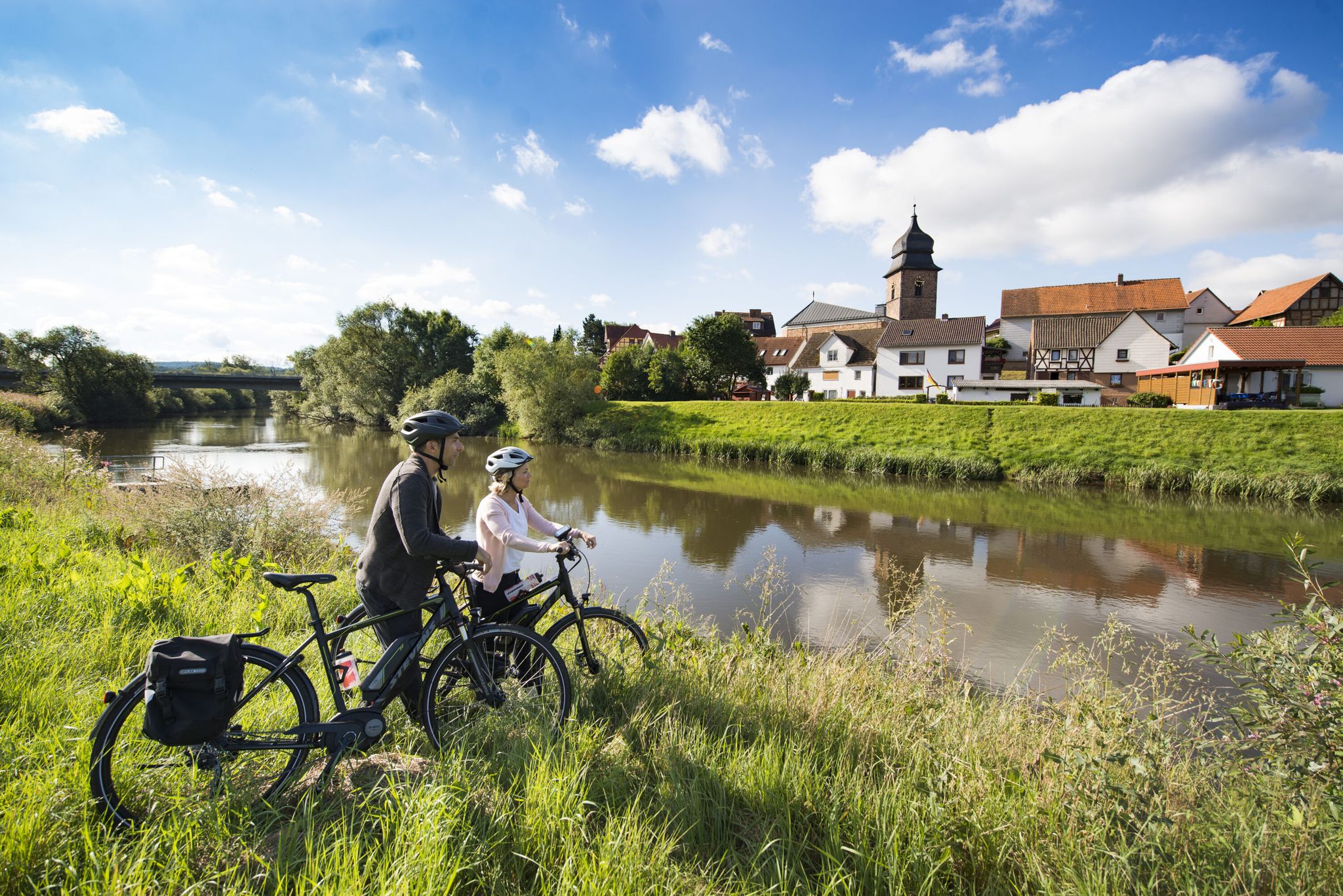
The Fulda cycle path R1 — in 5 stages from the Rhön to the Weser
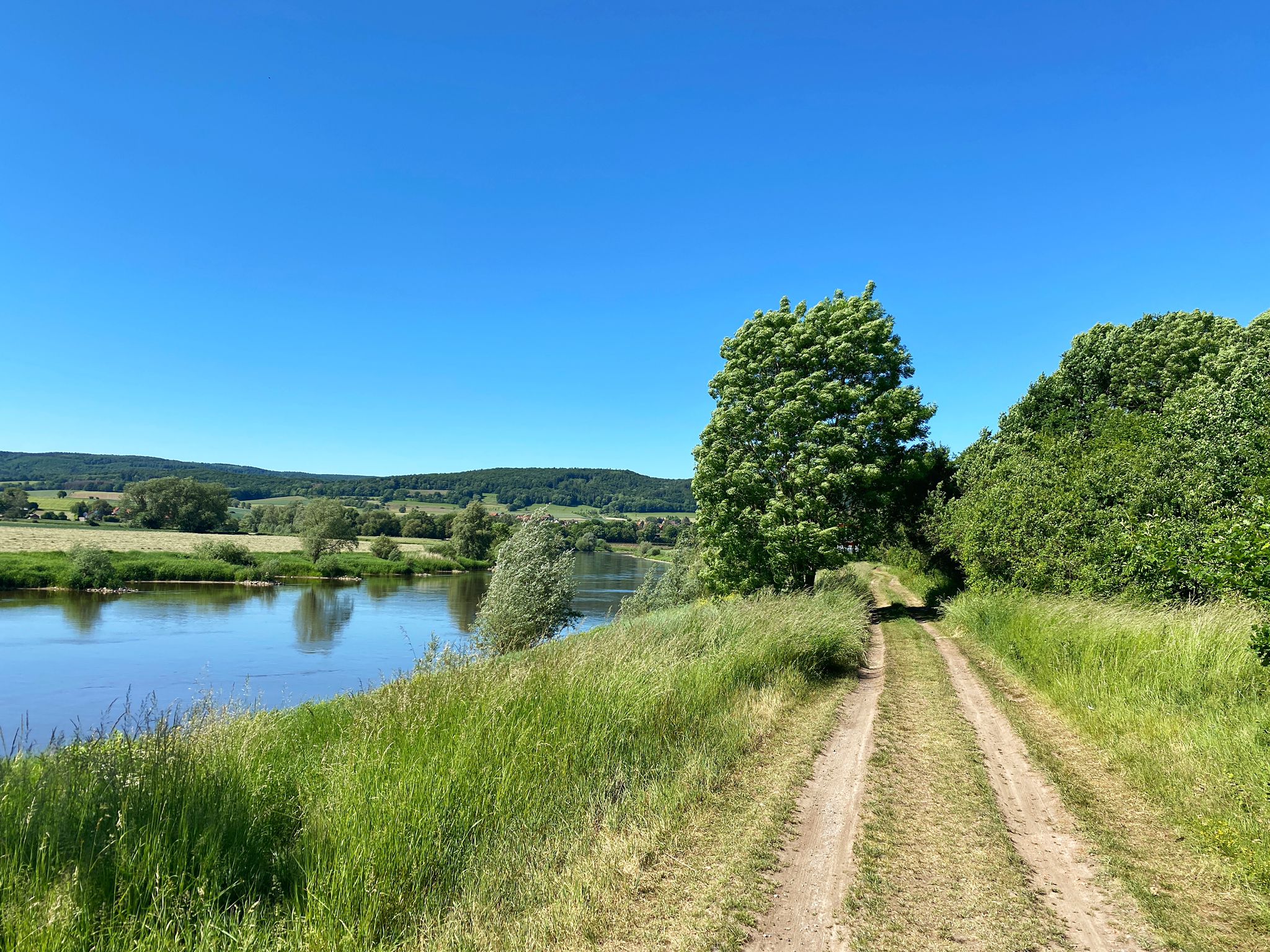
D:Route 9: Weser - Romantic Route
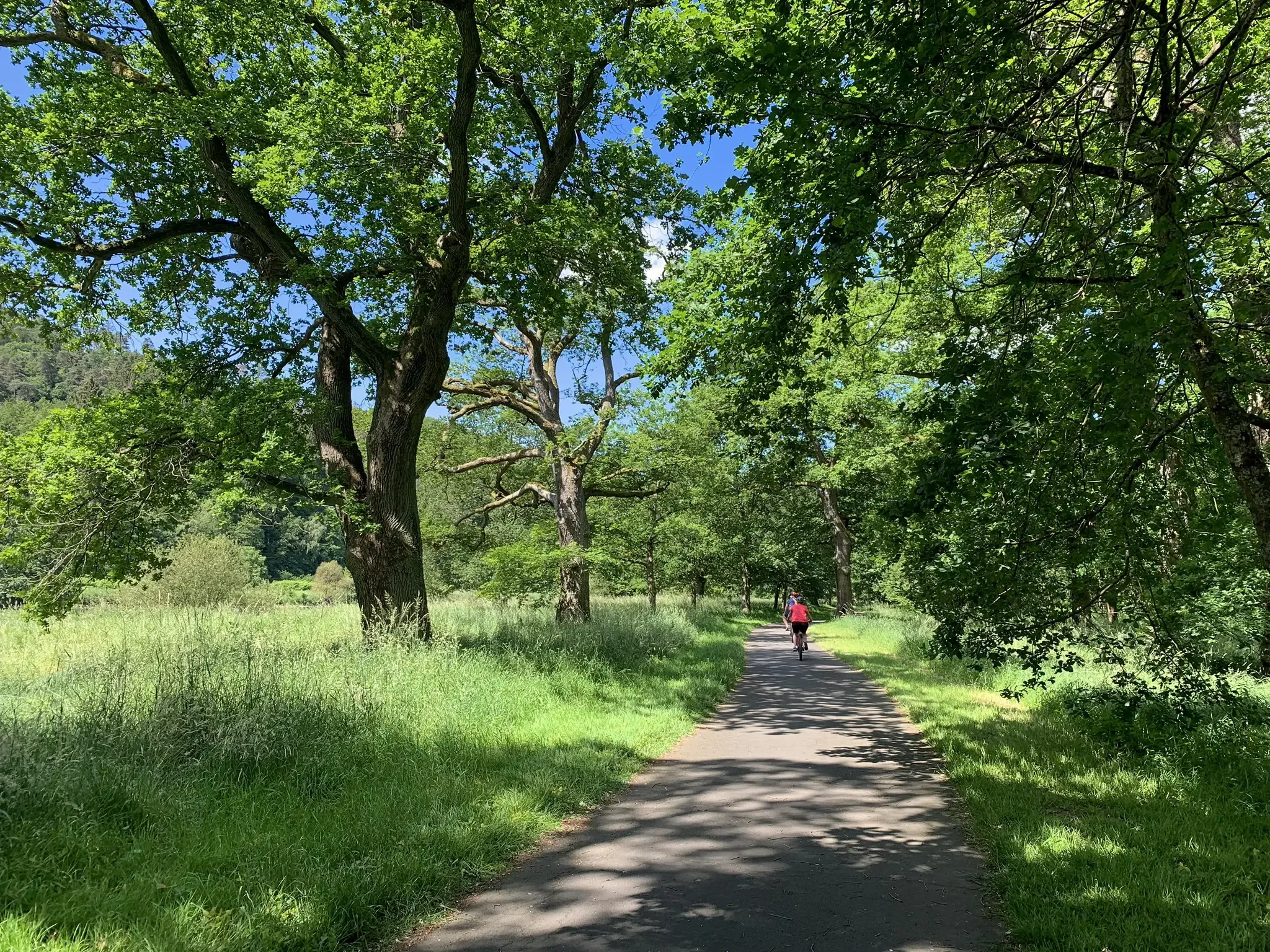
D-Route 4: Mittelland Route
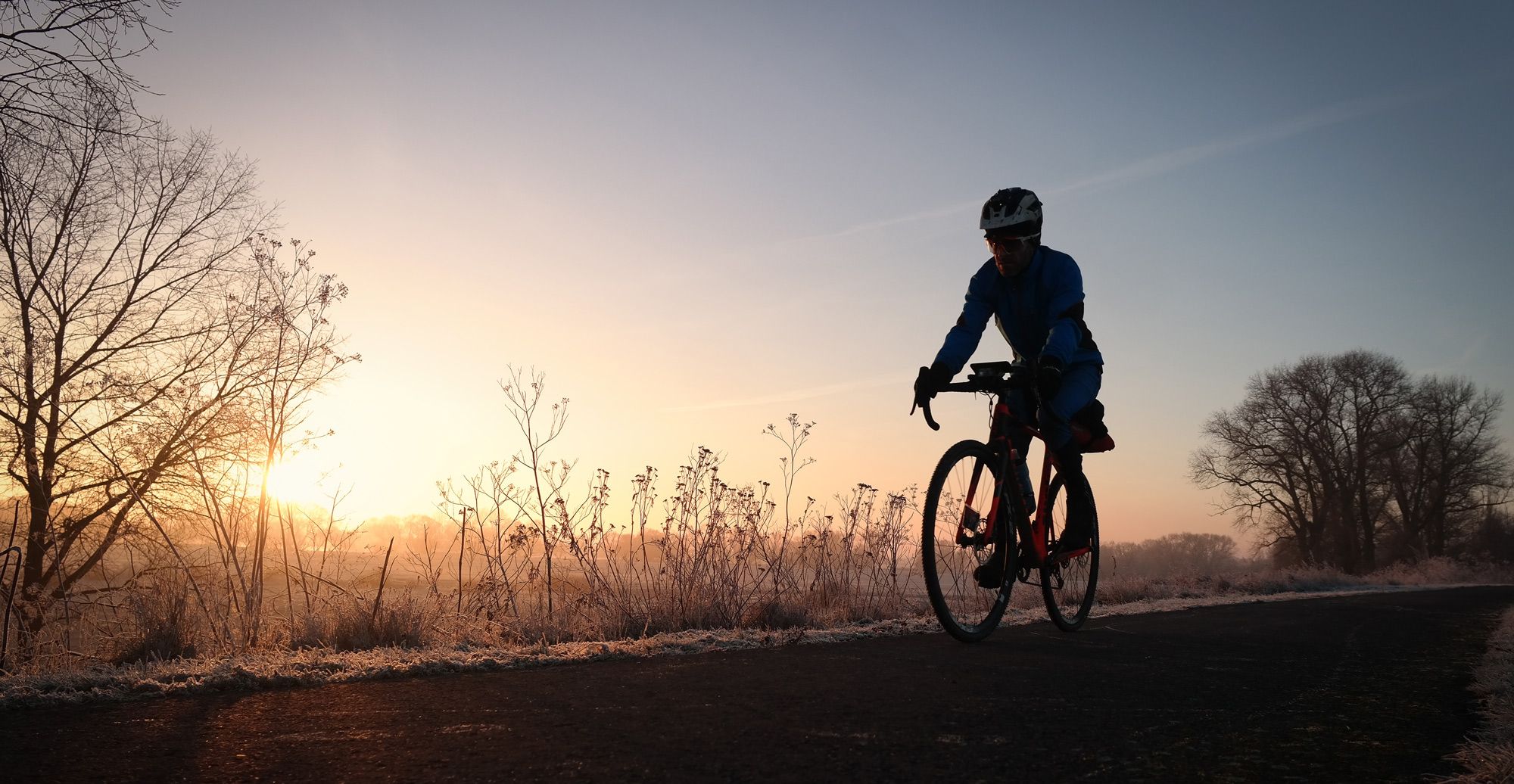
Wintery river rides – from the Ruhr to the Elbe

German Unity Cycle Route
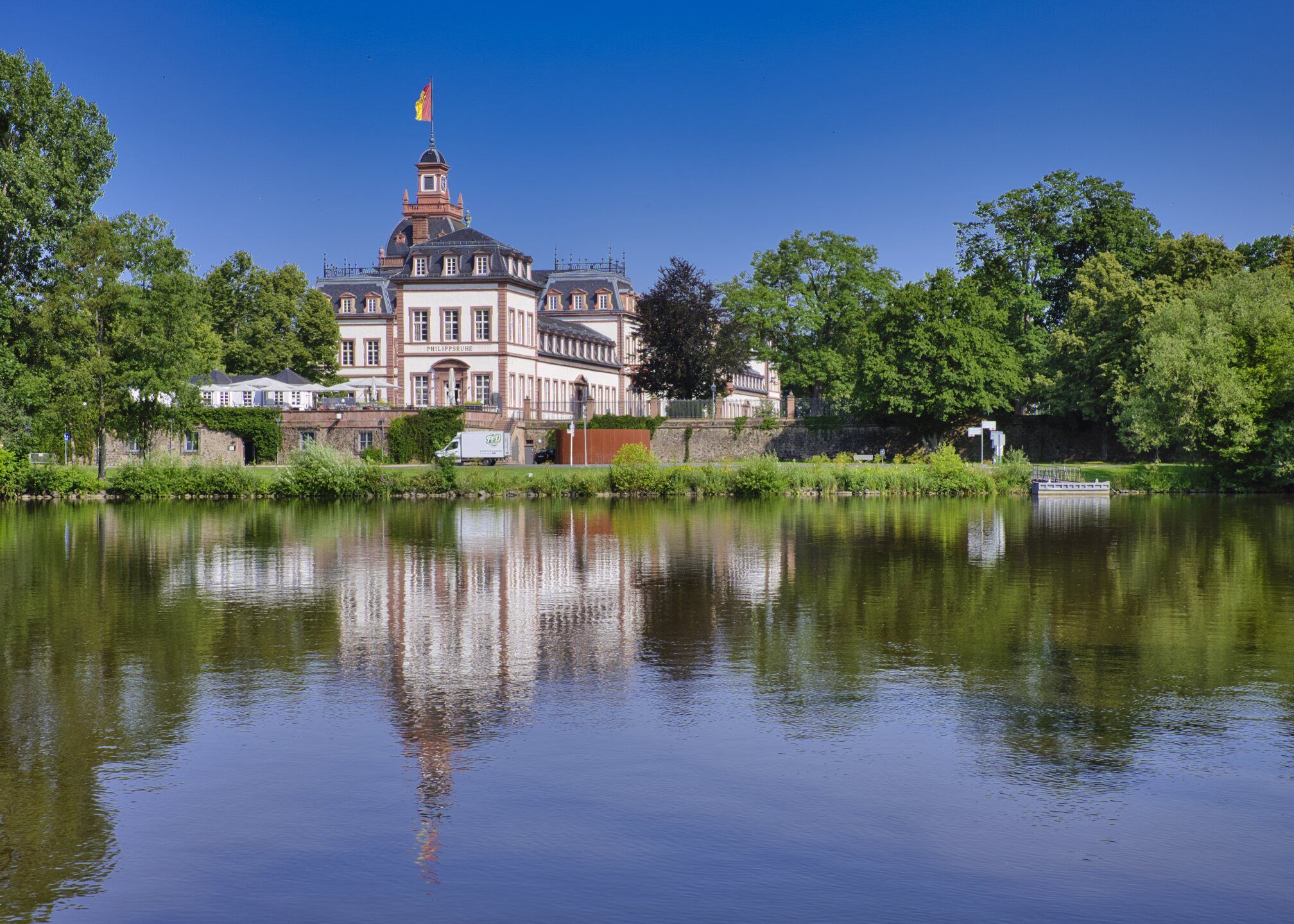
Rad-Kurzurlaube im RMV – Einfach mal raus!
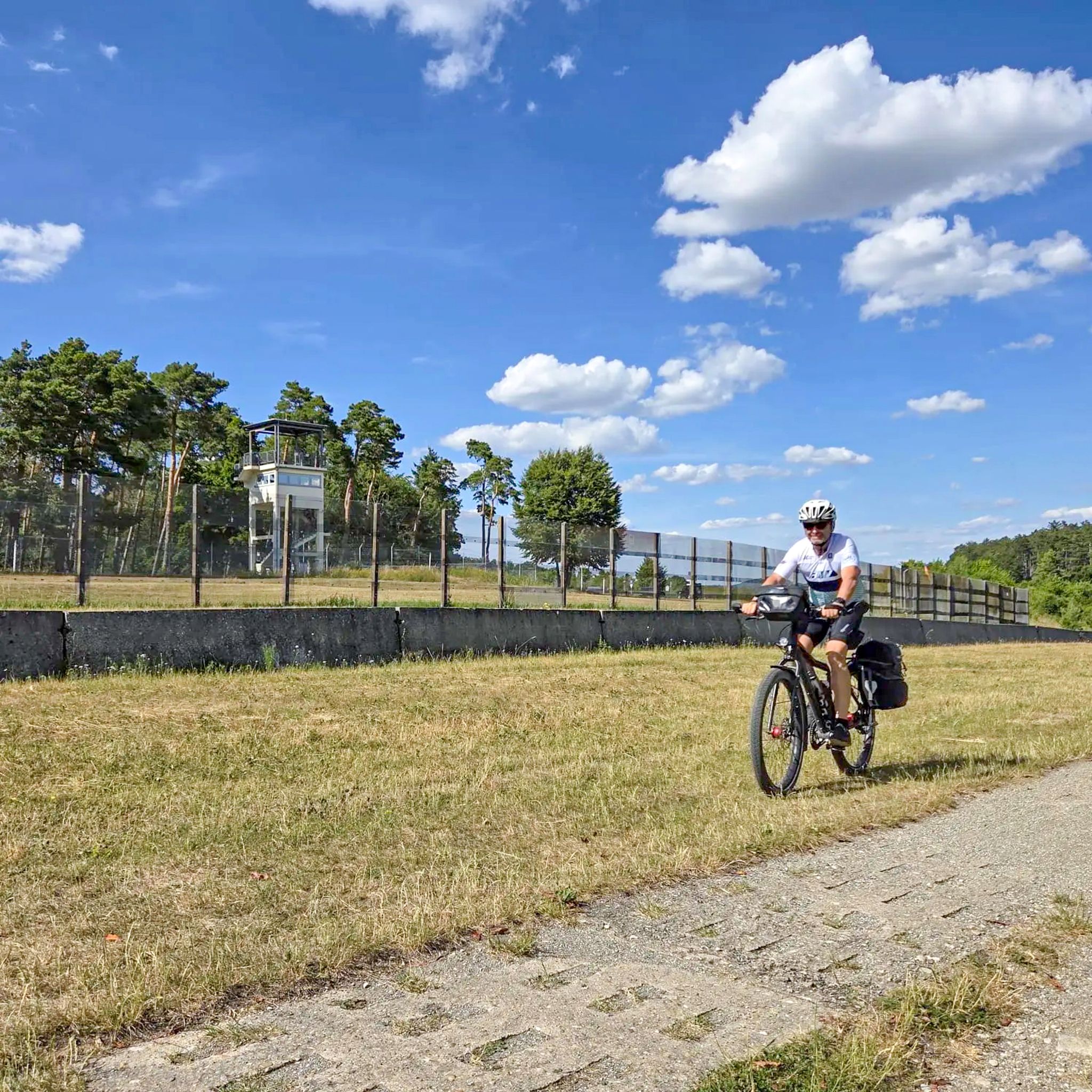
Radtouren zum Tag der Deutschen Einheit – Unterwegs im Fulda-Gap
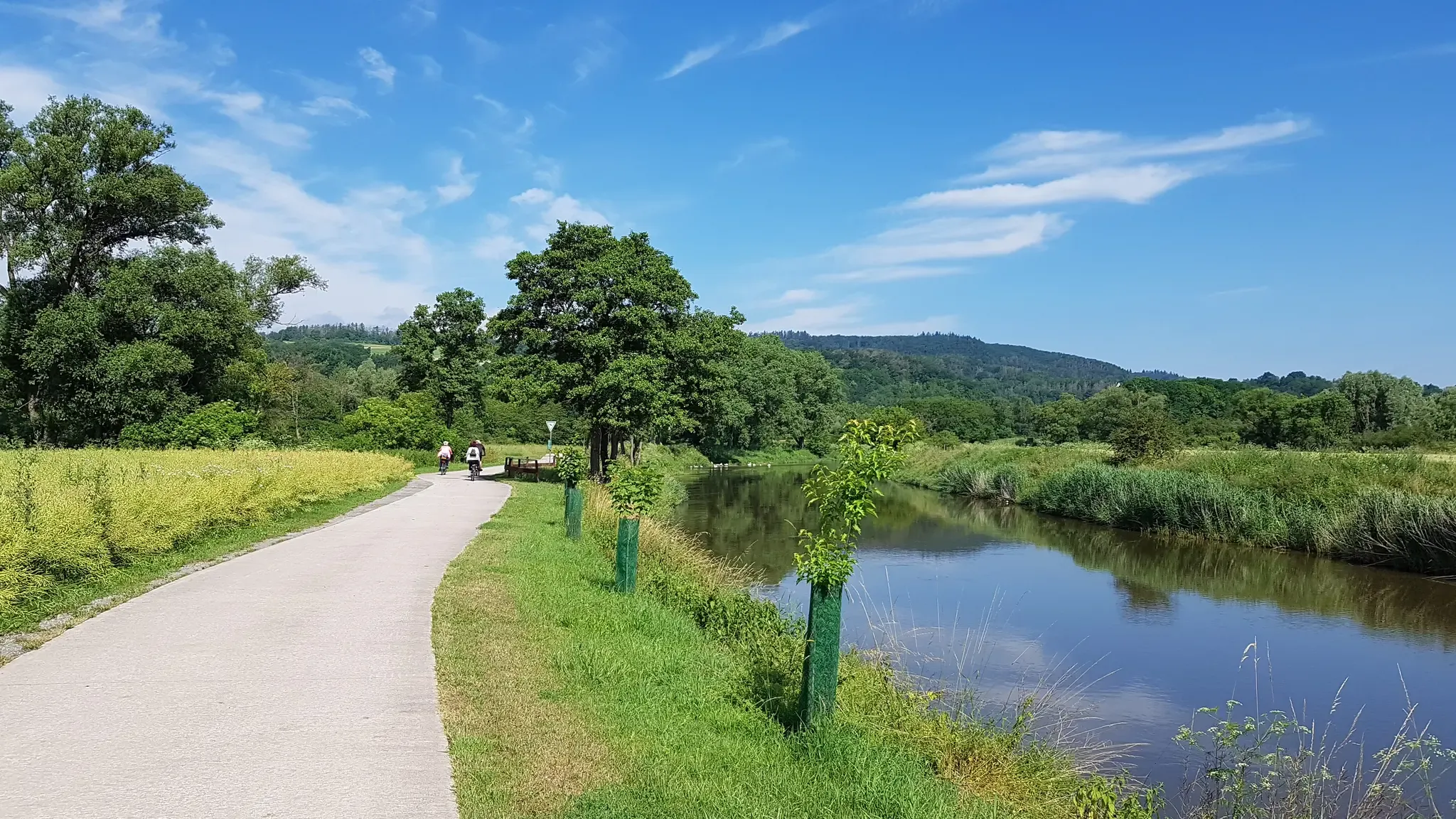
Mit Rosbacher auf Tour in Nordhessen
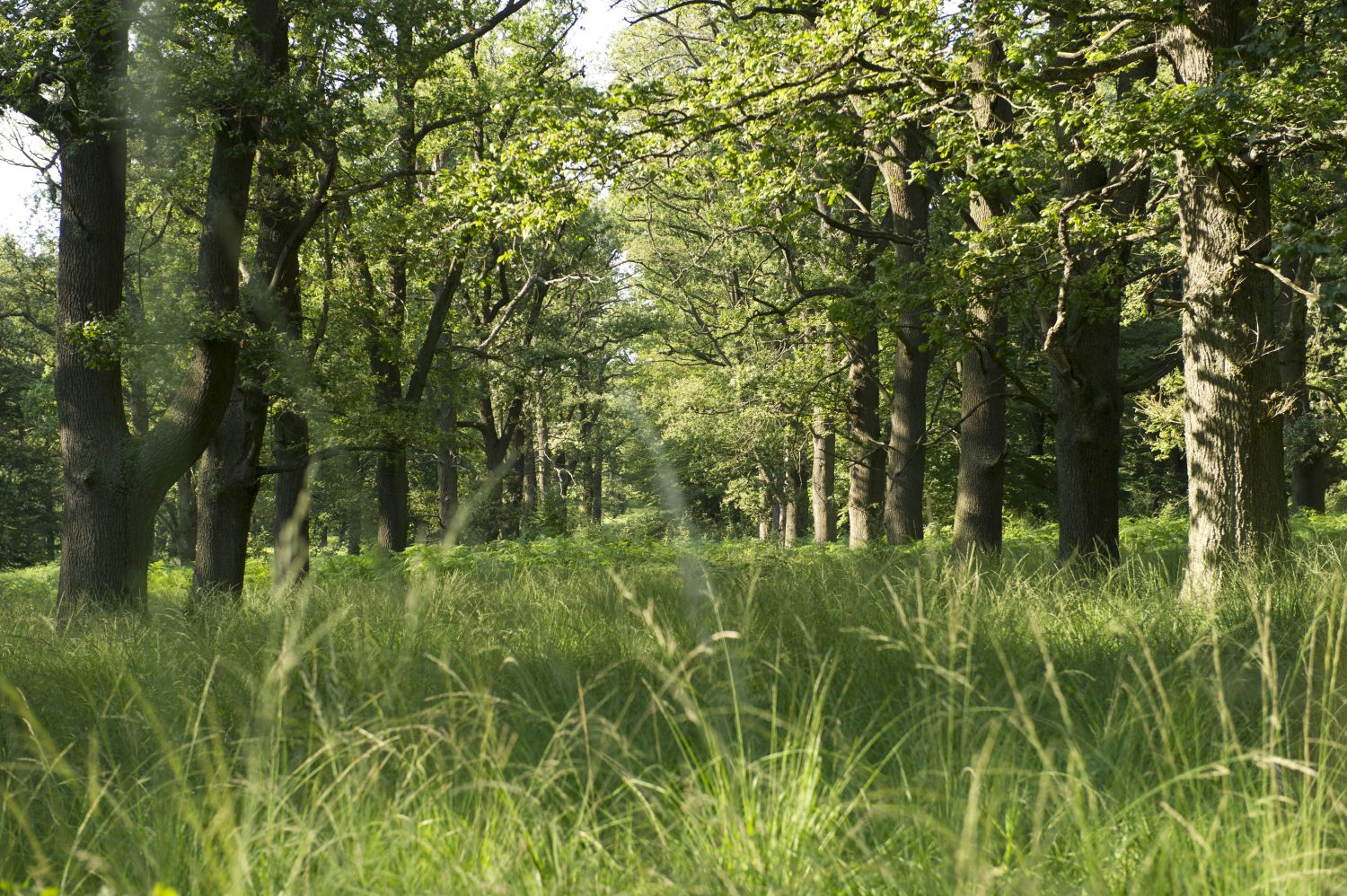
Entschleunigen in der GrimmHeimat NordHessen
Cycling around Bad Hersfeld
Other adventures around Bad Hersfeld


Tips from the Community

There is a wealth of information on this topic, published in several "My Homeland" supplements of the Hersfelder Zeitung. Here are the links to three of these publications in PDF format: - November 2015; The mine near Hattenbach http://www.hersfelder-zeitung.de/bilder/2010/03/11/4602393/1497119164-2015_54_11_internet.pdf - February 2016; The mine near Hattenbach https://www.hersfelder-zeitung.de/content/hersfelder-zeitung-de/downloads/pdf/2016_55_02_internet.pdf - September 2017; The Neuer Mut mine near Hattenbach https://www.hersfelder-zeitung.de/content/hersfelder-zeitung-de/downloads/pdf/heimatland_Sep1_online2017.pdf
3
0

Inconspicuous, with the wooden gate around it, you drive past it quickly.
0
0

The closed hole is the natural monument "Hilmeser Loch". The last depth measured in 2018 by the Cave Research Club Bad Hersfeld e.V. was about 20 m. Reports from the 19th century by Carl Trautvetter (first explorer) spoke of a length of 100 - 150 m. Source: S.Gress
1
0

The “Ransbacher Senke” rift cave is of regional importance as winter quarters for bats. In 2008, the State Association for Cave and Karst Research Hessen e. V. for example the Bechstein's bat and the great mouse-eared bat.
1
1
The Hilmeser Loch is a shaft cave created by landslides in the limestone on the Landecker Berg. The burglar funnel is secured with a wooden railing. The cave was created by the cave research club Bad Hersfeld e. V. has been documented in the past and freed from rubbish and rubbish several times together with the volunteer fire brigade. The approx. 20 meter deep cave is designated as a natural monument and a particularly protected habitat for bats, for example, as winter quarters. Literature tip: Stefan Zaenker - Das Hilmeser Loch, Mein Heimatland, No. 9, Sept. 2021.
1
1

The Kurfürstenstollen is located directly on the Iba nature trail. There has been evidence of mining in the Richelsdorf Mountains since 1460. Since then, Iba has been closely associated with mining, making it the largest village in the former Rotenburg district. Cobalt ore and barite (barite) were mainly mined in the tunnels built around 1800. It reaches 1200 meters into the mountain.
2
0

Frequently Asked Questions
What types of underground sites can I explore near Bad Hersfeld?
The Bad Hersfeld region features a variety of underground sites, including natural formations like the Hilmeser Loch Sinkhole, which is a shaft cave, and the Ransbacher Senke Cave, a rift cave. You can also visit historical mining tunnels such as the Kurfürsten-Stollen Iba and the Neuer Mut Mine near Hattenbach, which offer insights into the region's industrial heritage.
Are there any caves near Bad Hersfeld that are important for wildlife?
Yes, several sites are significant for wildlife, particularly bats. The Hilmeser Loch Sinkhole is a protected habitat and wintering ground for bats. Similarly, the Ransbacher Senke Cave is regionally important as a wintering quarter for species like the Bechstein's bat and the great mouse-eared bat. The Neuer Mut Mine near Hattenbach is also known as a bat paradise.
Can I visit historical mining tunnels in the Bad Hersfeld area?
Absolutely. The Kurfürsten-Stollen Iba is a notable historical mining tunnel, part of a region with mining history dating back to 1460. Tunnels built around 1800 were used for extracting cobalt ore and barite, extending 1200 meters into the mountain. Approximately 100 meters of the tunnel are accessible and illuminated for visitors.
Are the caves around Bad Hersfeld suitable for families?
The Kurfürsten-Stollen Iba is considered family-friendly, offering an accessible and illuminated section that provides an engaging look into mining history. Other natural cave sites like the Hilmeser Loch Sinkhole and Ransbacher Senke Cave are more focused on natural conservation and may involve more challenging terrain, making them less suitable for very young children or those seeking developed tourist attractions.
What is the typical difficulty level for exploring these underground sites?
The difficulty varies. The Kurfürsten-Stollen Iba offers an easy, illuminated section. However, natural sites like the Hilmeser Loch Sinkhole and Ransbacher Senke Cave are generally considered more challenging due to their natural, undeveloped state and potential for uneven terrain. The Neuer Mut Mine near Hattenbach is also noted as challenging, often requiring specific access.
What geological features can I observe in the caves of this region?
The region's caves showcase interesting geological formations. The Hilmeser Loch Sinkhole is a shaft cave formed by landslides in limestone. The Ransbacher Senke Cave is a rift cave. These sites offer a glimpse into natural geological processes, contrasting with the man-made structures of the historical mining tunnels.
Are there any guided tours available for the caves near Bad Hersfeld?
While the region does not feature large, commercially developed show caves with regular guided tours like those found elsewhere, the Kurfürsten-Stollen Iba has an accessible and illuminated section that provides a self-guided experience of the mining history. For other sites, access might be restricted or require special arrangements, often involving local cave research clubs.
What outdoor activities can I do near the caves around Bad Hersfeld?
The Bad Hersfeld region offers various outdoor activities. You can find numerous running trails, gravel biking routes, and road cycling routes. These activities allow you to explore the natural landscapes surrounding the cave sites, such as the Landecker Berg and Richelsdorf Mountains.
What should I wear when visiting the caves in the Bad Hersfeld area?
For sites like the Kurfürsten-Stollen Iba, comfortable walking shoes and a light jacket are usually sufficient as it's an illuminated tunnel. For natural caves like the Hilmeser Loch Sinkhole or Ransbacher Senke Cave, sturdy footwear with good grip, layers of clothing (as temperatures underground can be cooler), and potentially a headlamp are recommended due to uneven terrain and natural conditions.
Is there parking available at the cave sites?
Parking availability varies by site. The Kurfürsten-Stollen Iba is located directly on the Iba nature trail, and often has designated parking nearby for trail users. For natural monuments like the Hilmeser Loch Sinkhole or Ransbacher Senke Cave, parking might be less formal, often requiring parking at nearby trailheads or designated spots and walking to the site.
What is the best time of year to visit the caves around Bad Hersfeld?
The best time to visit depends on your interest. The Kurfürsten-Stollen Iba can be visited year-round. For natural caves that serve as bat habitats, such as the Hilmeser Loch Sinkhole and Ransbacher Senke Cave, access might be restricted during winter months to protect hibernating bat populations. Generally, spring to autumn offers more pleasant weather for exploring the surrounding outdoor areas.
Are there any permits required for caving in the Bad Hersfeld region?
For the publicly accessible section of the Kurfürsten-Stollen Iba, no special permit is required. However, for deeper exploration of natural caves or mines like the Neuer Mut Mine near Hattenbach, access is often restricted and may require permission from local authorities or cave research clubs, especially given their importance as bat habitats and for safety reasons.
Most popular routes around Bad Hersfeld
Most popular attractions around Bad Hersfeld

Get inspired with the komoot mobile app


Explore more
Extend your search for the best caves by checking out these guides of the top ones around Bad Hersfeld:
