Top 16 Caves around Hameln
Best caves around Hameln are situated within the Weser Mountains region, presenting a range of geological formations and natural habitats. This area features significant sites, from Germany's northernmost stalactite cave to unique natural phenomena. The landscape provides opportunities to explore Earth's history and observe local biodiversity. Visitors can find both accessible show caves and ecologically important natural cave systems.
Best caves around Hameln
- The most popular caves is Cliffs and Bat Caves in the Kleiner Deister, a cave formation…
Last updated: September 29, 2026
Cliffs and Bat Caves in the Kleiner Deister
Highlight • Cave
Translated by Google •
Tip by

Schillat Cave
Highlight • Cave
Translated by Google •
Tip by

Sign up now to discover places like this
Get recommendations on the best single tracks, peaks, & plenty of other exciting outdoor places.
Dunsthöhle Bad Pyrmont
Highlight • Cave
Translated by Google •
Tip by

Dunsthöhle (Vapor Cave) Bad Pyrmont
Highlight • Cave
Translated by Google •
Tip by

Oberberg Crevice
Highlight • Cave
Translated by Google •
Tip by

Sign up for free to discover even more caves around Hameln.
Already have an account?
Start today with a free account
Your next adventure awaits.
Popular around Hameln
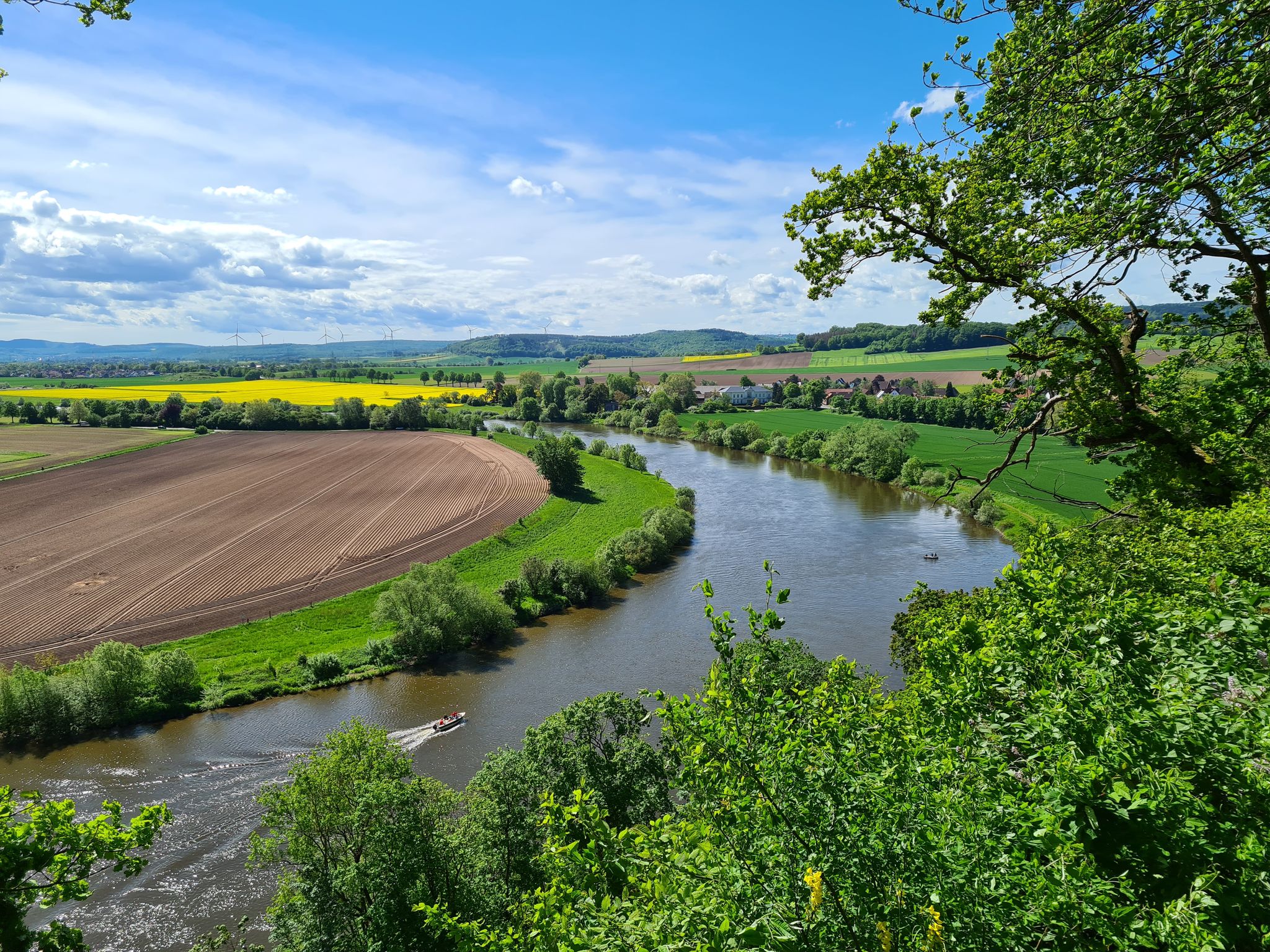
Loccum-Volkenroda pilgrim's way – From monastery to monastery
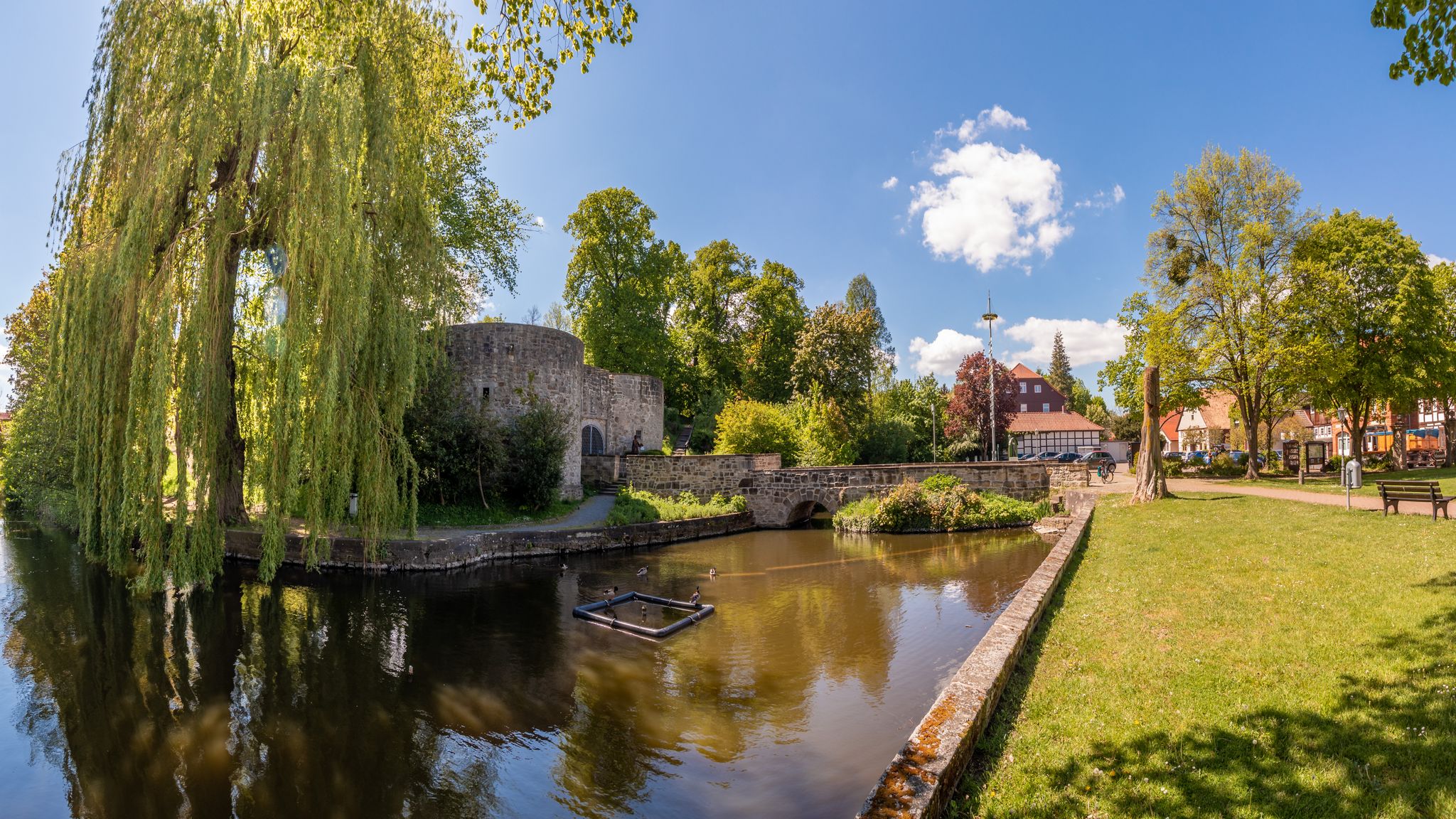
Berlin-Hameln Cycle Route – From West to East
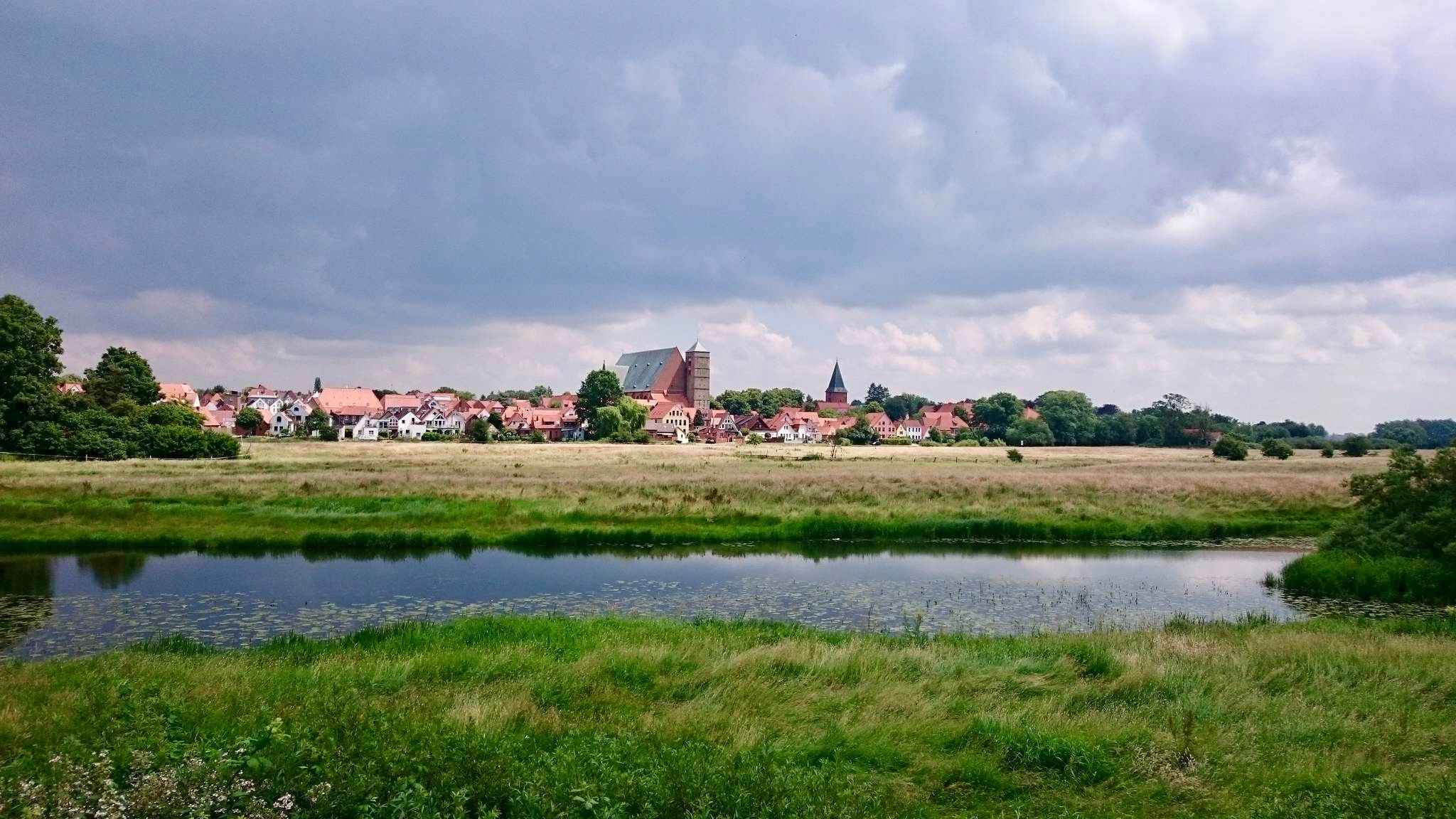
The Weser Cycle Path
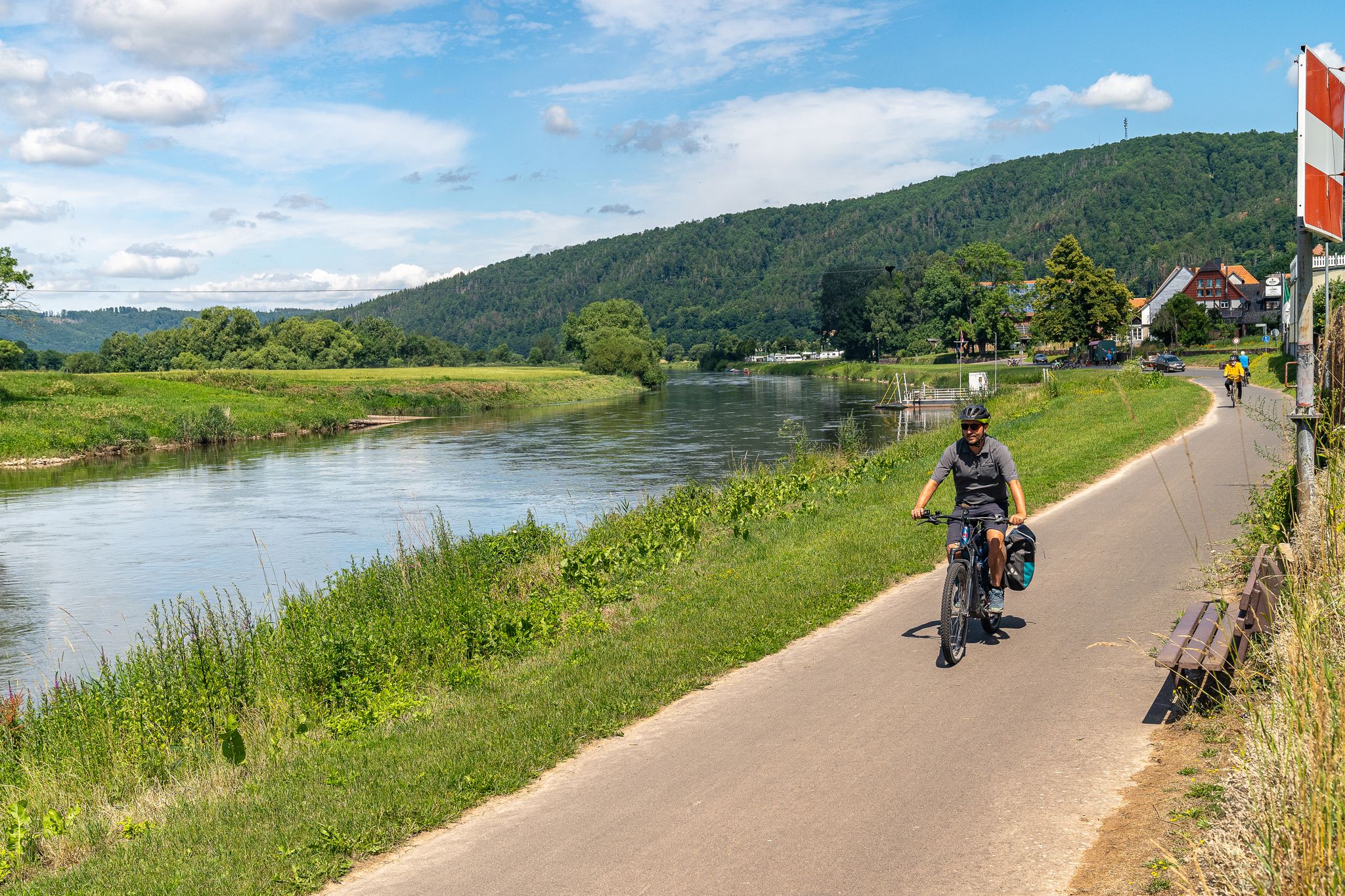
Freedom and pure cycling pleasure – Bike & Camp in the Weser Uplands
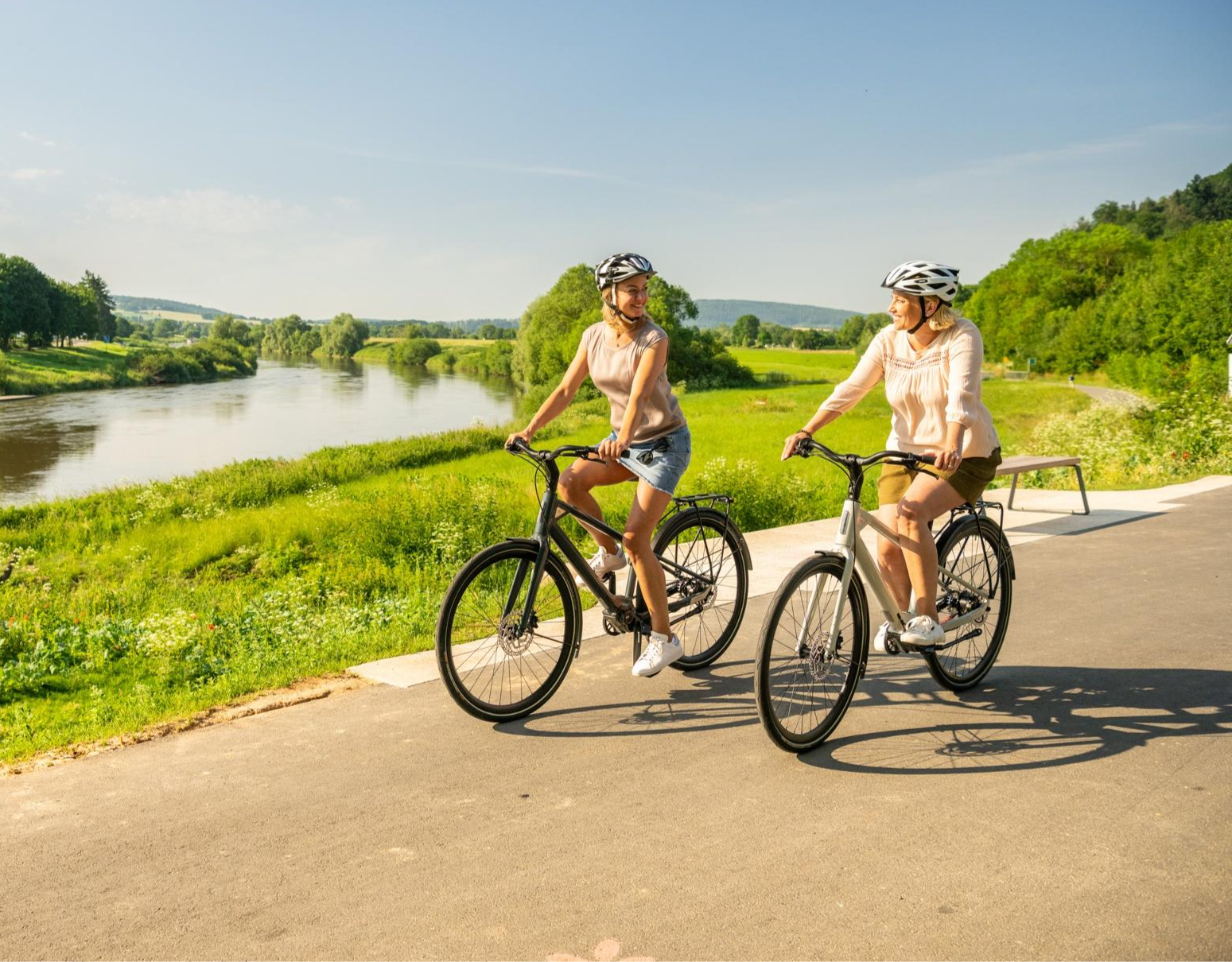
Nature, culture & cycling fun – top 10 Tours in the Weser Uplands
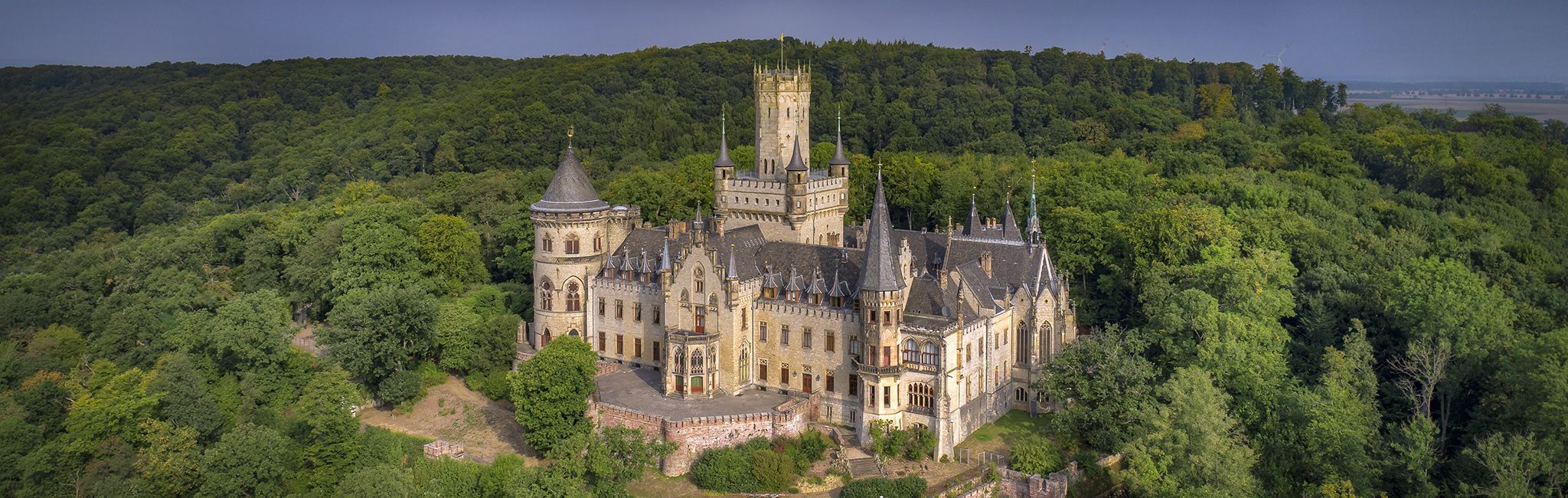
Cultural route in Niedersachsen – By Bike through Hannover and the surrounding countryside
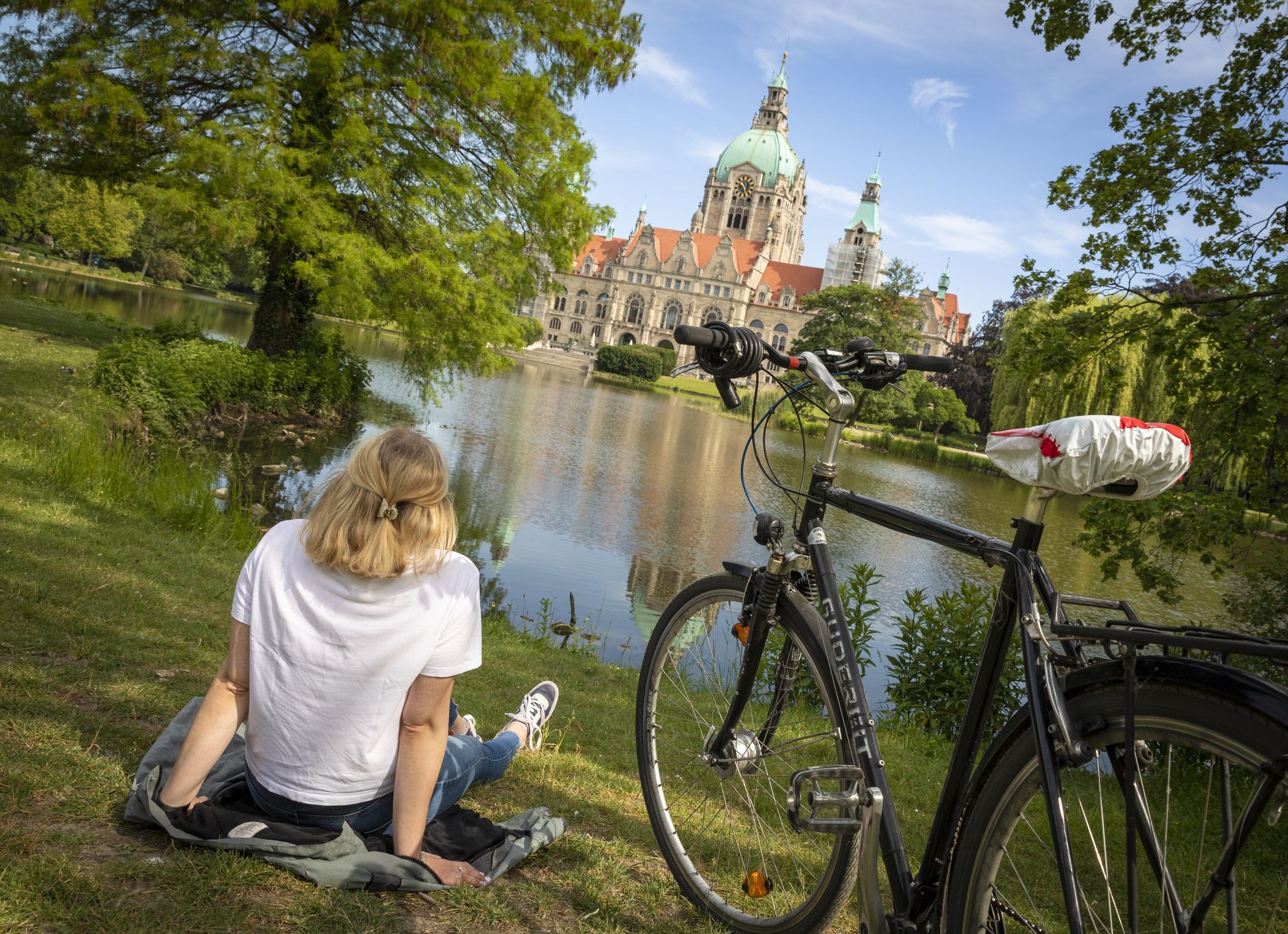
On two wheels - 9 cities + 2 in Lower Saxony
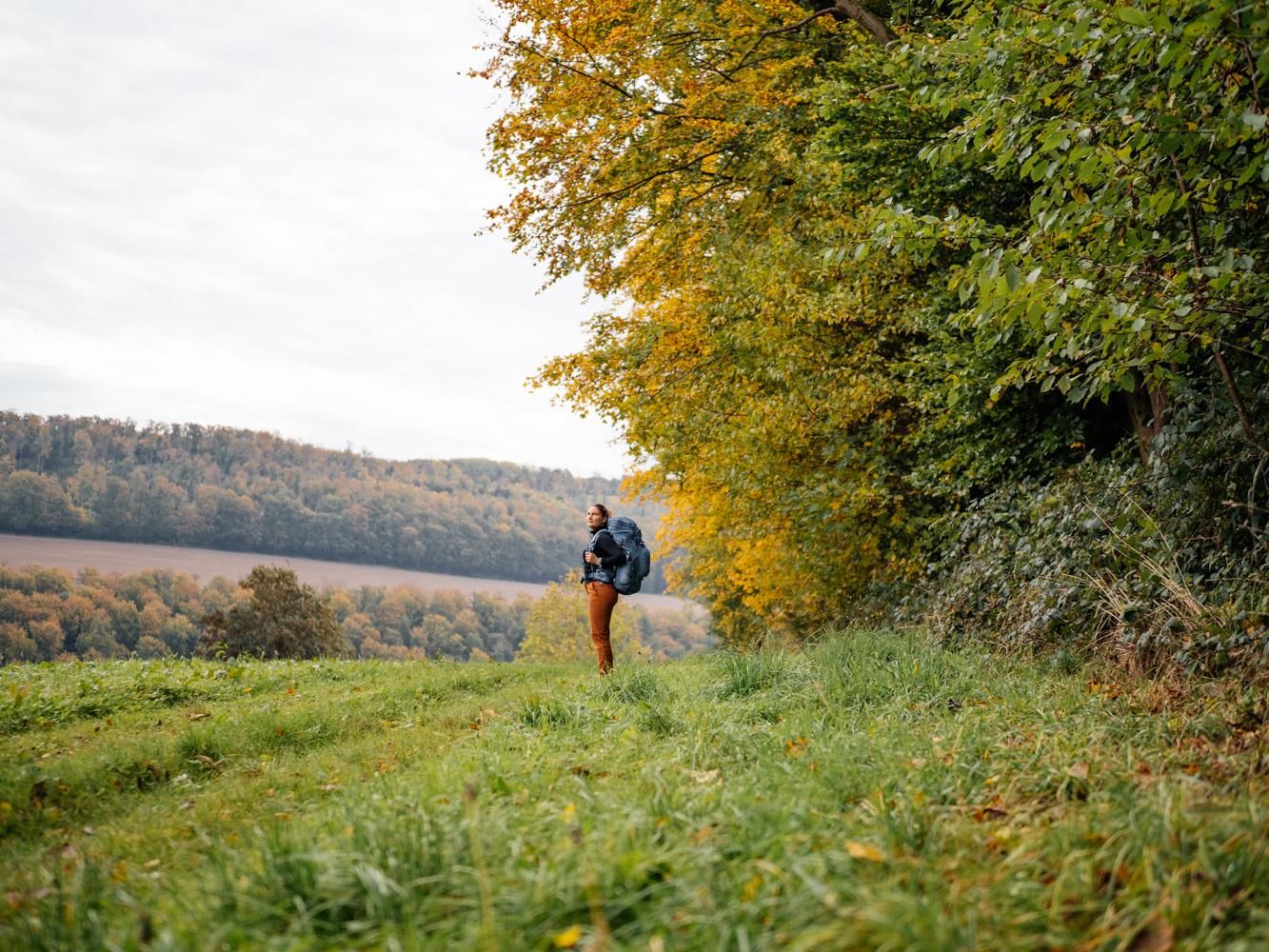
Weser Uplands Trail in autumn – out and about with Fräulein Draußen
Along the Weser to the sea – Weser Cycle Route alternative route
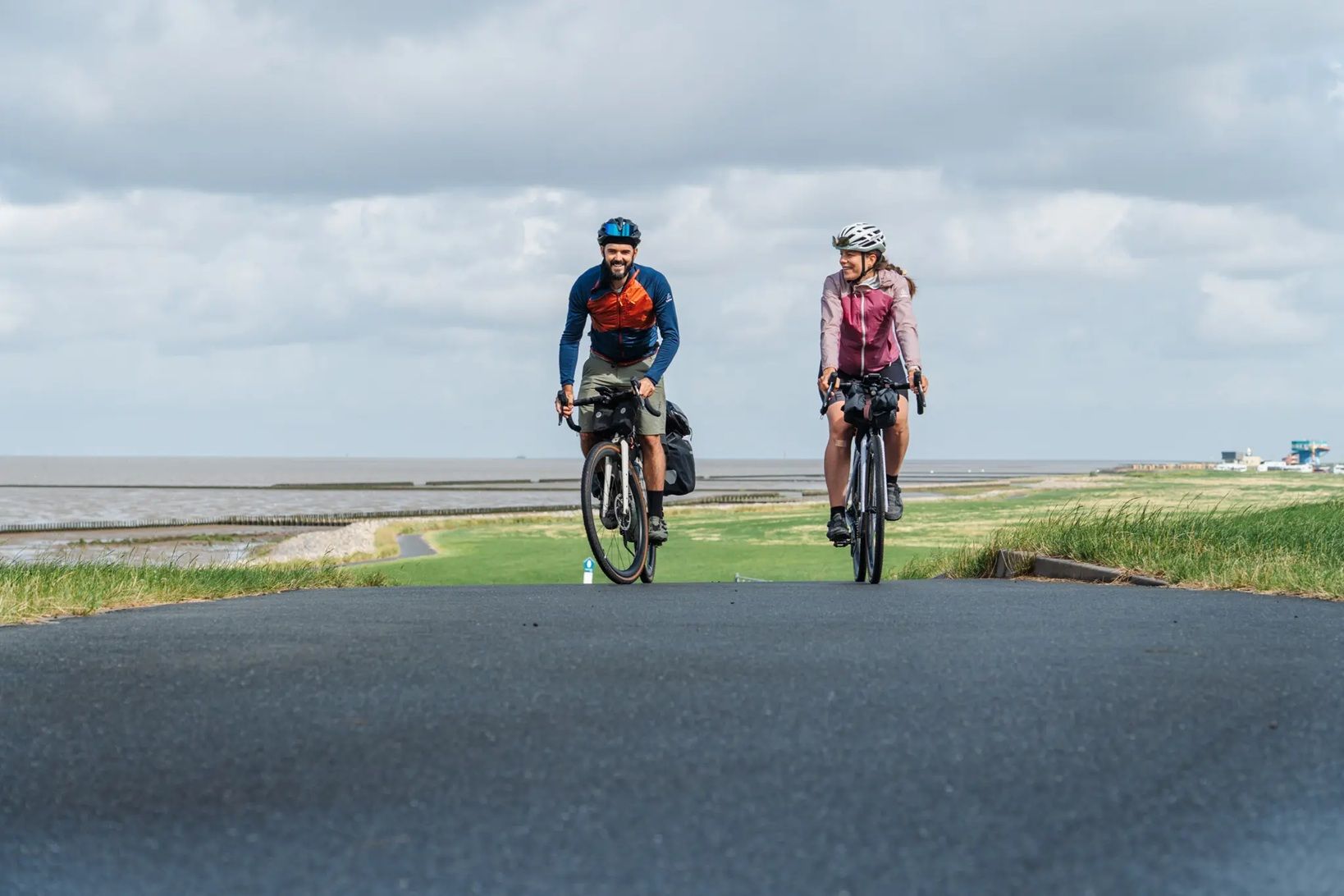
On the Weser Cycle Route – from the Weser Uplands to the North Sea
Other adventures around Hameln


Tips from the Community

The Oberberg fissure in the Weser Uplands is a narrow, natural crevice in the limestone of the Oberberg mountain and is one of the region's geological features. It lies well hidden on a steep slope and resembles a deep, inaccessible crack in the rock less than a cave. Due to its narrow structure, slippery limestone walls, and partially unstable floor, hiking guides advise against entering the fissure. It is precisely this mysterious yet difficult-to-access appearance that makes it such a fascinating place, best viewed from a distance.
0
0

Beautiful facility to linger
0
0

The Haze Cave is unique in Germany. It is located on the site of a former quarry where red sandstone was extracted in the 17th century. Quarry workers noticed a "haze" at a certain depth that caused people to faint. Dead birds were repeatedly found in the pit. Well doctor Dr. Johann Philipp Seip came to Pyrmont in 1712 and investigated the phenomenon. He suspected it was sulfur vapor. Carbon dioxide (CO2) was only discovered a few years later as atmospheric acid. The metal half-shells symbolize the numerous springs in Bad Pyrmont.
1
0

You should visit. A nice experience.
2
0

Here you can take part in a nice and interesting guided tour for 8 euros. The place is open on weekends from 10 a.m. to 6 p.m. You can also watch a short film afterwards.
5
0

The haze cave is on the site of a former quarry where red sandstone was quarried in the 17th century. Quarry workers noticed a "haze" at a certain depth that caused people to faint. Again and again dead birds and animals were found in the pit. When the well-known well doctor Dr. Johann Philipp Seip came to Pyrmont in 1712 and got to the bottom of the apparitions. He assumed it was sulfur vapor. Carbon dioxide (CO2) was only discovered as atmospheric acid a few years later. In self-experiments, through "repeated sweating and drawing in the sulphurous fumes", Seip found out that this does not contain any toxic substances. With the permission of Prince Friedrich Anton Ulrich zu Waldeck von Pyrmont, he had a stone vault built over the steaming pit in 1720. Above it is a small building, about "6 shoes square and 10 shoes high", to prepare a dry bath for spa guests. However, the dry weld pool could not be used continuously because of the non-constant level of carbon dioxide. Seip, on the other hand, found that people of all walks of life "vaunt good recovery and help against swelling of the feet, gout pains and stiffness of the limbs". Source: https://www.staatsbad-pyrmont.de/bad-pyrmont-erleben/naturphaenomen-dunsthoehle
0
0


CAUTION: With high humidity, the risk of slipping is very high in the area. (roots, stones)
0
0
Frequently Asked Questions
What makes the caves around Hameln unique?
The caves around Hameln offer a diverse range of experiences. You can explore Germany's northernmost stalactite cave, the Schillat Cave, with its geological formations. The Dunsthöhle in Bad Pyrmont is unique in Germany for its natural carbon dioxide emissions, a phenomenon investigated since the 18th century. Additionally, the Cliffs and Bat Caves in the Kleiner Deister are significant for their ecological role as a habitat for bats and other animals.
Are there family-friendly caves to visit near Hameln?
Yes, both the Schillat Cave and the Dunsthöhle in Bad Pyrmont are considered family-friendly. The Schillat Cave offers educational insights into Earth's history and features like rock paintings and glowing stones, which can be engaging for children. The Dunsthöhle provides a unique scientific curiosity that can be interesting for all ages.
Can I visit the Schillat Cave? What should I expect?
The Schillat Cave can only be visited as part of a guided tour. During the tour, you'll see detailed reproductions of early rock paintings, sparkling crystals, and glowing stones, especially in the 'Fairytale Forest' section. The experience includes educational insights into Earth's history, the Ice Age, and ancient seas. A 3D slide show featuring images from the nearby Riesenberg cave is also a highlight.
What is special about the Dunsthöhle in Bad Pyrmont?
The Dunsthöhle in Bad Pyrmont, also known as the Haze Cave, is unique in Germany for its natural carbon dioxide (CO2) emissions. Historically, quarry workers would faint due to the 'haze,' and dead birds were often found. This phenomenon was investigated as early as 1712, initially mistaken for sulfur vapor. Today, it offers a fascinating insight into natural gas occurrences and their historical study.
Are there any caves important for wildlife near Hameln?
Yes, the Cliffs and Bat Caves in the Kleiner Deister are an important destination for wildlife. These cliff formations contain caves that serve as a habitat for bats and other animals, highlighting their ecological significance in supporting local biodiversity.
Are there guided tours available for the caves?
Yes, guided tours are available for both the Schillat Cave and the Dunsthöhle in Bad Pyrmont. The Schillat Cave requires a guided tour for entry, and the Dunsthöhle is also best experienced with a guided explanation of its unique phenomenon.
What are the opening hours and entrance fees for the Schillat Cave?
The Schillat Cave is open on Saturdays, Sundays, and public holidays from 10 a.m. to 6 p.m. During the high season (Easter to October), it is also open on Wednesdays from 2 p.m. to 6 p.m. Entrance fees are 8 euros for adults and 4 euros for children. You can find more information at www.schillathoehle.de.
How can I reach the Dunsthöhle in Bad Pyrmont?
The Dunsthöhle in Bad Pyrmont is located on the site of a former quarry. While specific public transport routes are not detailed, Bad Pyrmont is a well-known spa town, and local transport options are generally available. It's advisable to check local public transport schedules for the best way to reach the site.
Are there hiking opportunities near the caves?
Yes, the region around Hameln offers various hiking opportunities. For example, the Cliffs and Bat Caves in the Kleiner Deister are part of an interesting cliff formation that can be explored via trails. You can find numerous hiking routes in the area by checking the Mountain Hikes around Hameln guide on komoot.
Is the Schillat Cave accessible for visitors with mobility challenges?
Yes, the Schillat Cave is noted as being wheelchair accessible, making it suitable for visitors with mobility challenges to experience Germany's northernmost stalactite cave.
What kind of amenities are available at the Schillat Cave?
At the Schillat Cave, visitors can find a café and beer garden at the 'Huthaus' where regional products are offered. This provides a place to relax and enjoy refreshments after a guided tour of the cave.
What other outdoor activities can I do near the caves?
Beyond exploring the caves, the Hameln region provides various outdoor activities. You can find numerous cycling routes, such as those listed in the Cycling around Hameln guide, or explore running trails detailed in the Running Trails around Hameln guide. The area is well-suited for enjoying the natural landscape of the Weser Mountains.
Most popular routes around Hameln
Most popular attractions around Hameln

Get inspired with the komoot mobile app


Explore more
Extend your search for the best caves by checking out these guides of the top ones around Hameln:
