Top 12 Gorges around Hameln
Best canyons around Hameln are found within the Hameln-Pyrmont district and the Weserbergland, featuring impressive natural formations often referred to as gorges or cliffs. This region offers dramatic geological features popular for hiking and scenic views. The landscape includes rolling hills, lush forests, and riverine areas along the Weser. These natural attractions provide significant geological interest and scenic beauty for outdoor enthusiasts.
Best canyons around Hameln
- The most popular canyons is Hohenstein Cliffs and Scenic Viewpoint, a viewpoint that…
Last updated: September 29, 2026
Hohenstein Cliffs and Scenic Viewpoint
Highlight • Viewpoint
Translated by Google •
Tip by

Devil's Kitchen Gorge
Highlight • Gorge
Translated by Google •
Tip by

Sign up now to discover places like this
Get recommendations on the best single tracks, peaks, & plenty of other exciting outdoor places.
Totental (Valley of the Dead)
Highlight (Segment) • Gorge
Logging was stopped here for many years, long before the state forestry designated this area as a natural forest that is no longer managed.
Translated by Google •
Tip by
Cliffs and Bat Caves in the Kleiner Deister
Highlight • Cave
Translated by Google •
Tip by

Deister-Süntel Valley
Highlight • Gorge
Translated by Google •
Tip by

Sign up for free to discover even more gorges around Hameln.
Already have an account?
Start today with a free account
Your next adventure awaits.
Popular around Hameln
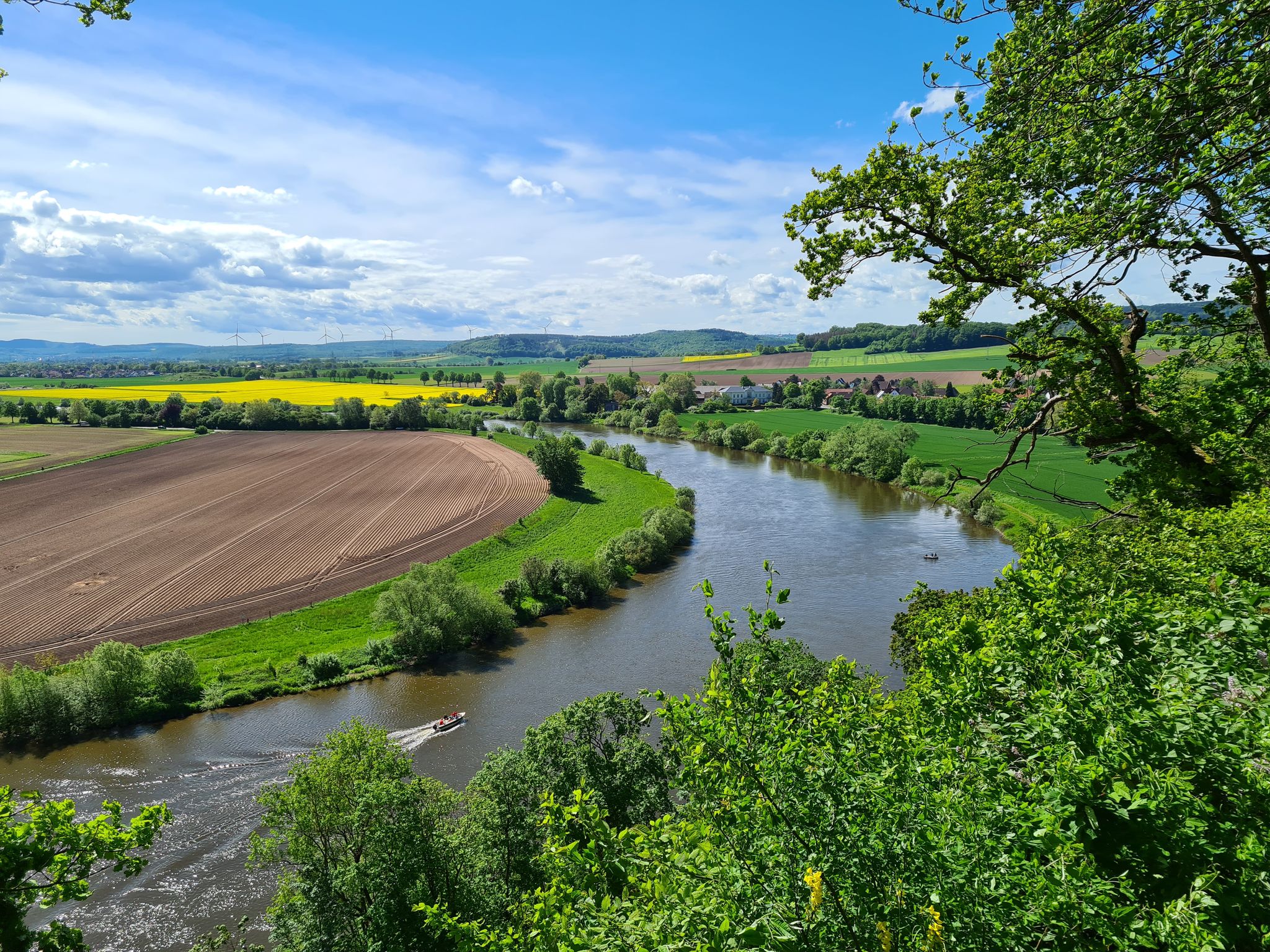
Loccum-Volkenroda pilgrim's way – From monastery to monastery
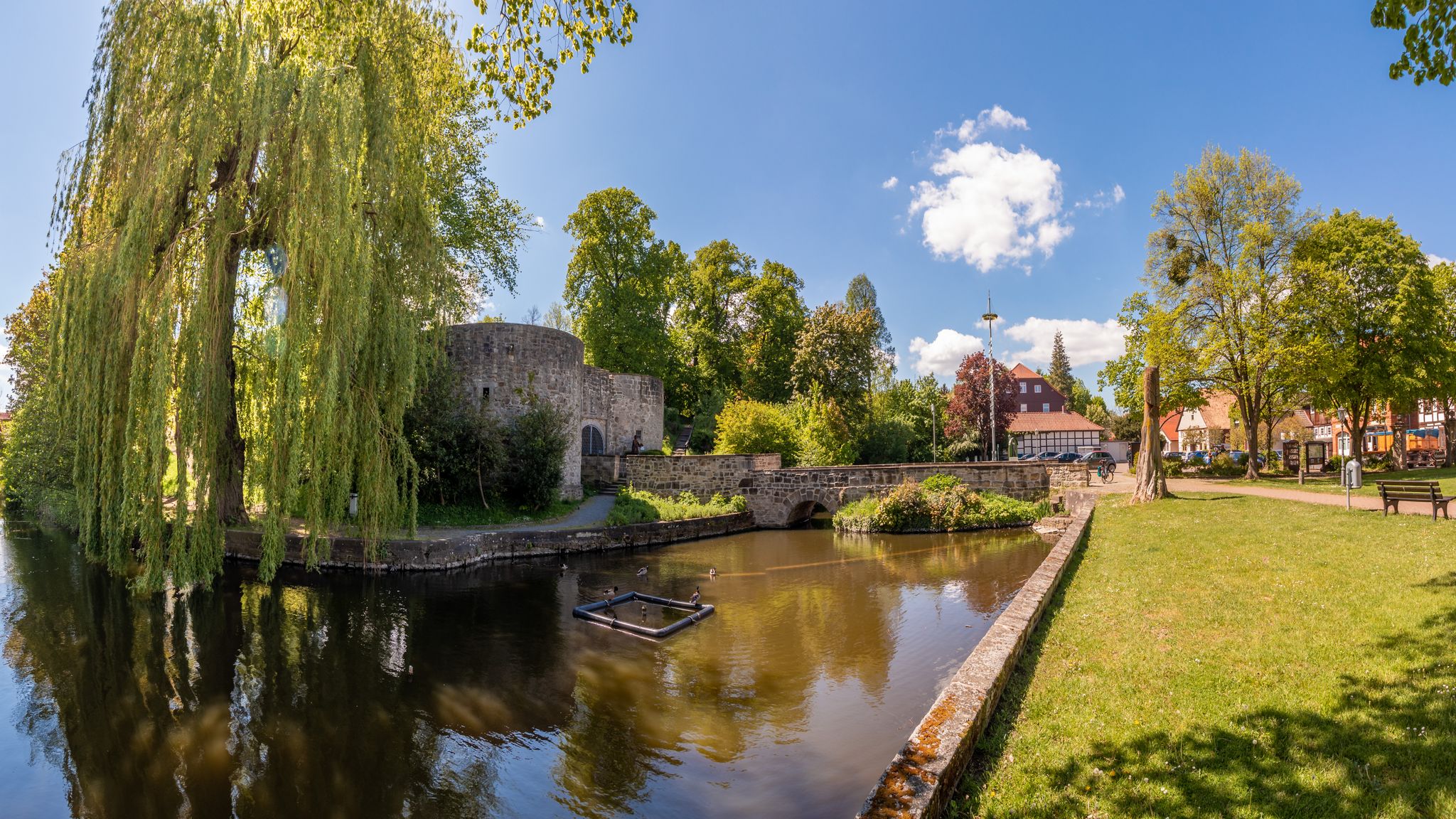
Berlin-Hameln Cycle Route – From West to East
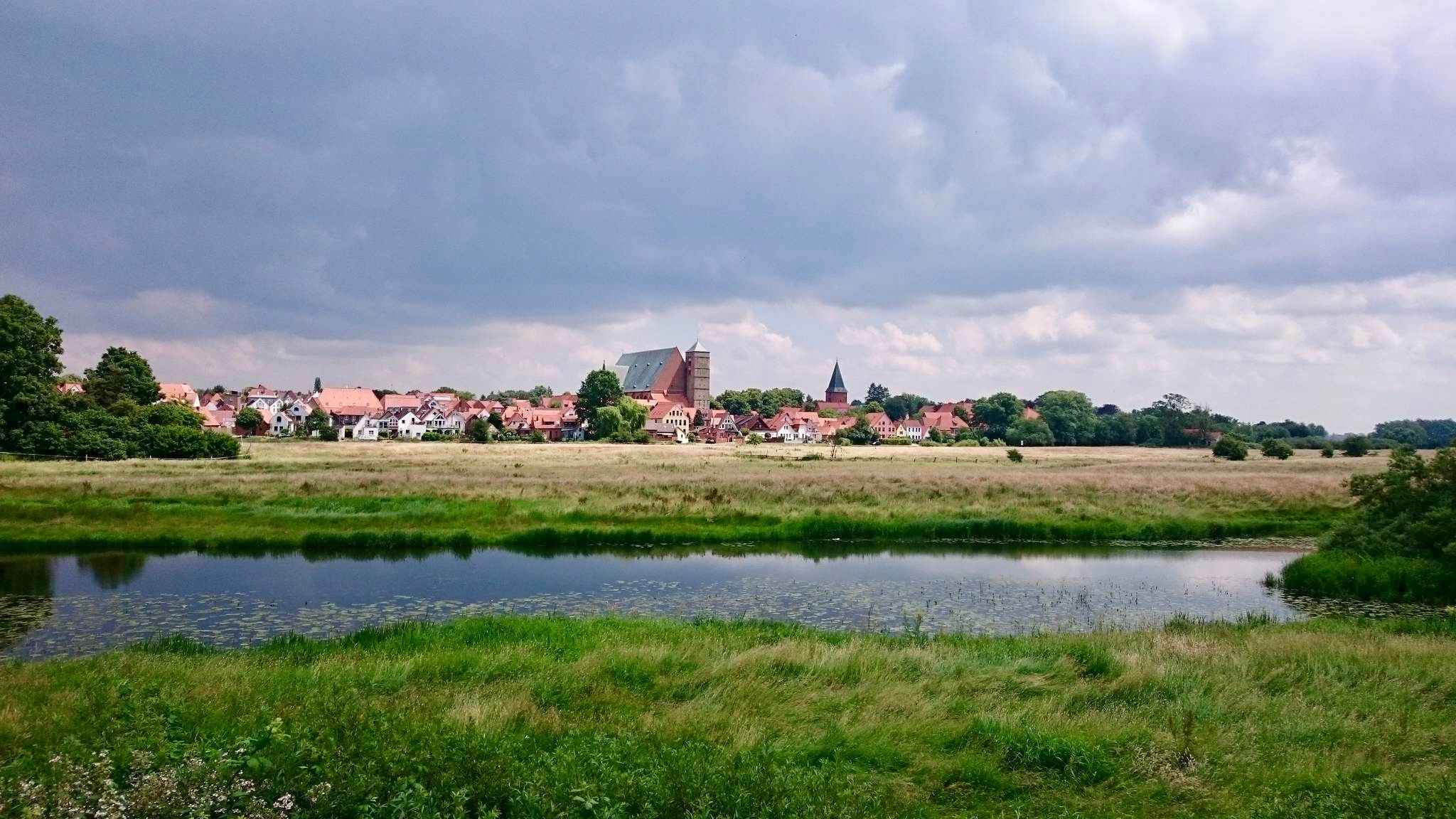
The Weser Cycle Path
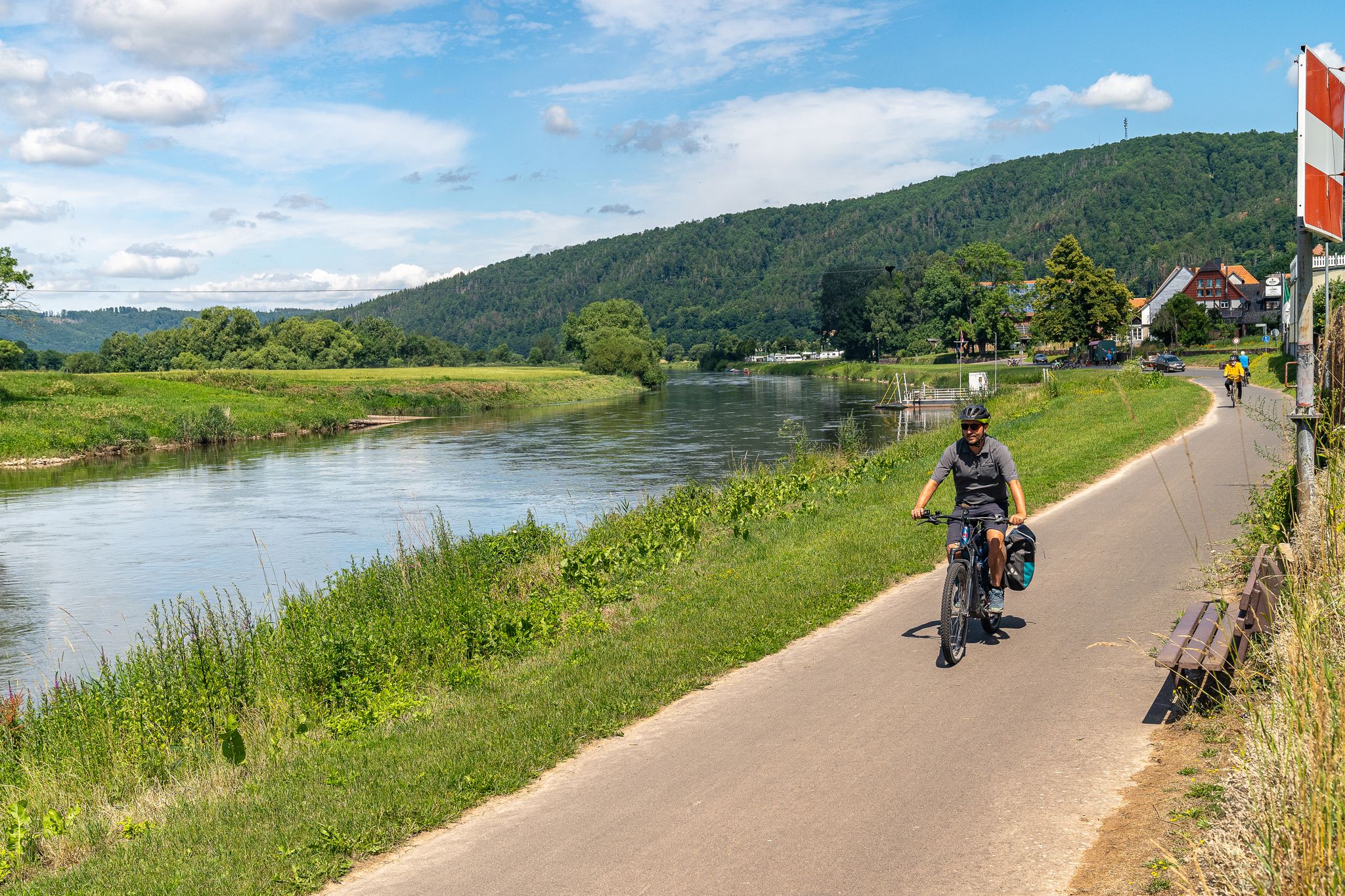
Freedom and pure cycling pleasure – Bike & Camp in the Weser Uplands

Nature, culture & cycling fun – top 10 Tours in the Weser Uplands
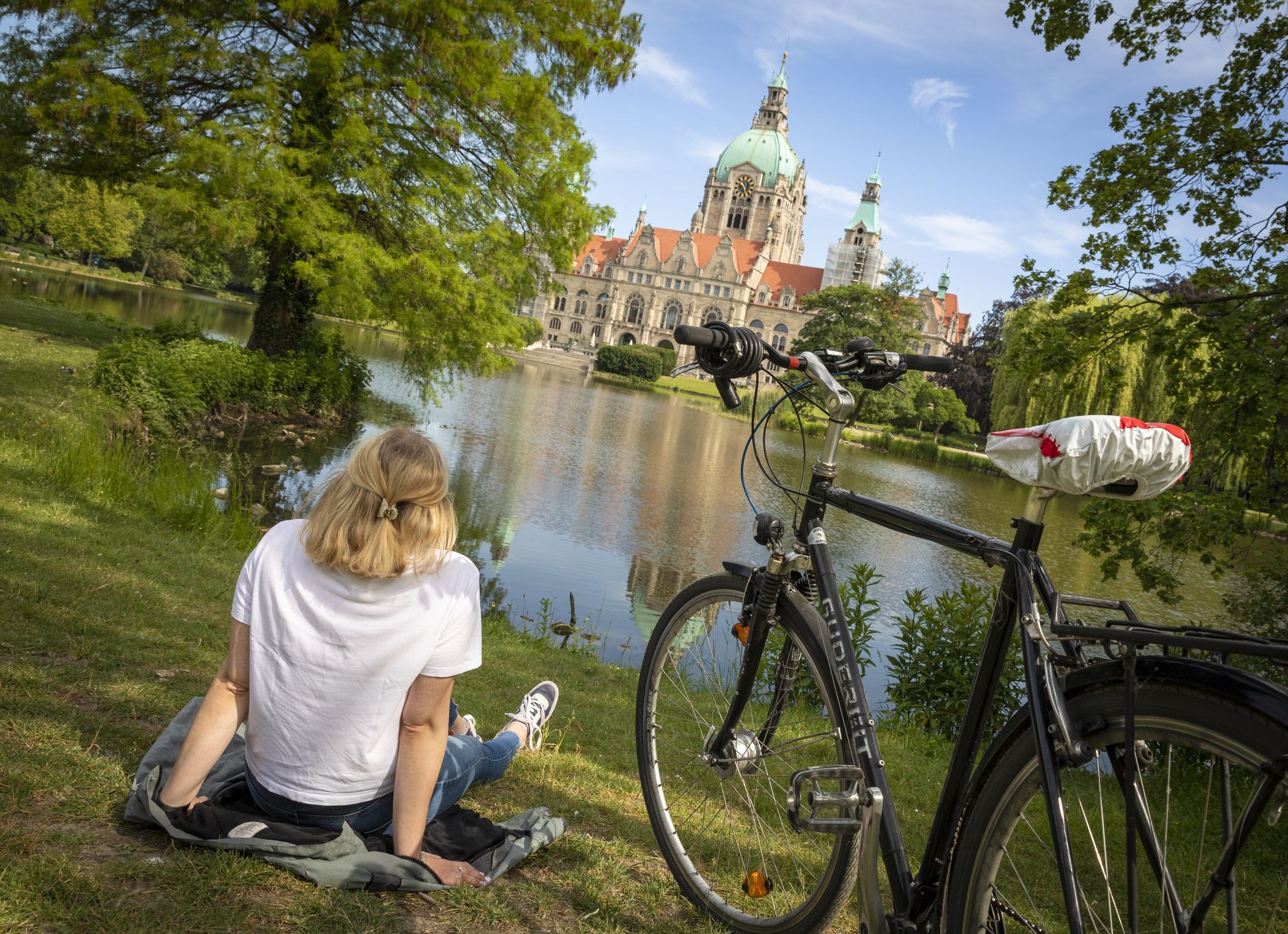
Cultural route in Niedersachsen – By Bike through Hannover and the surrounding countryside
On two wheels - 9 cities + 2 in Lower Saxony
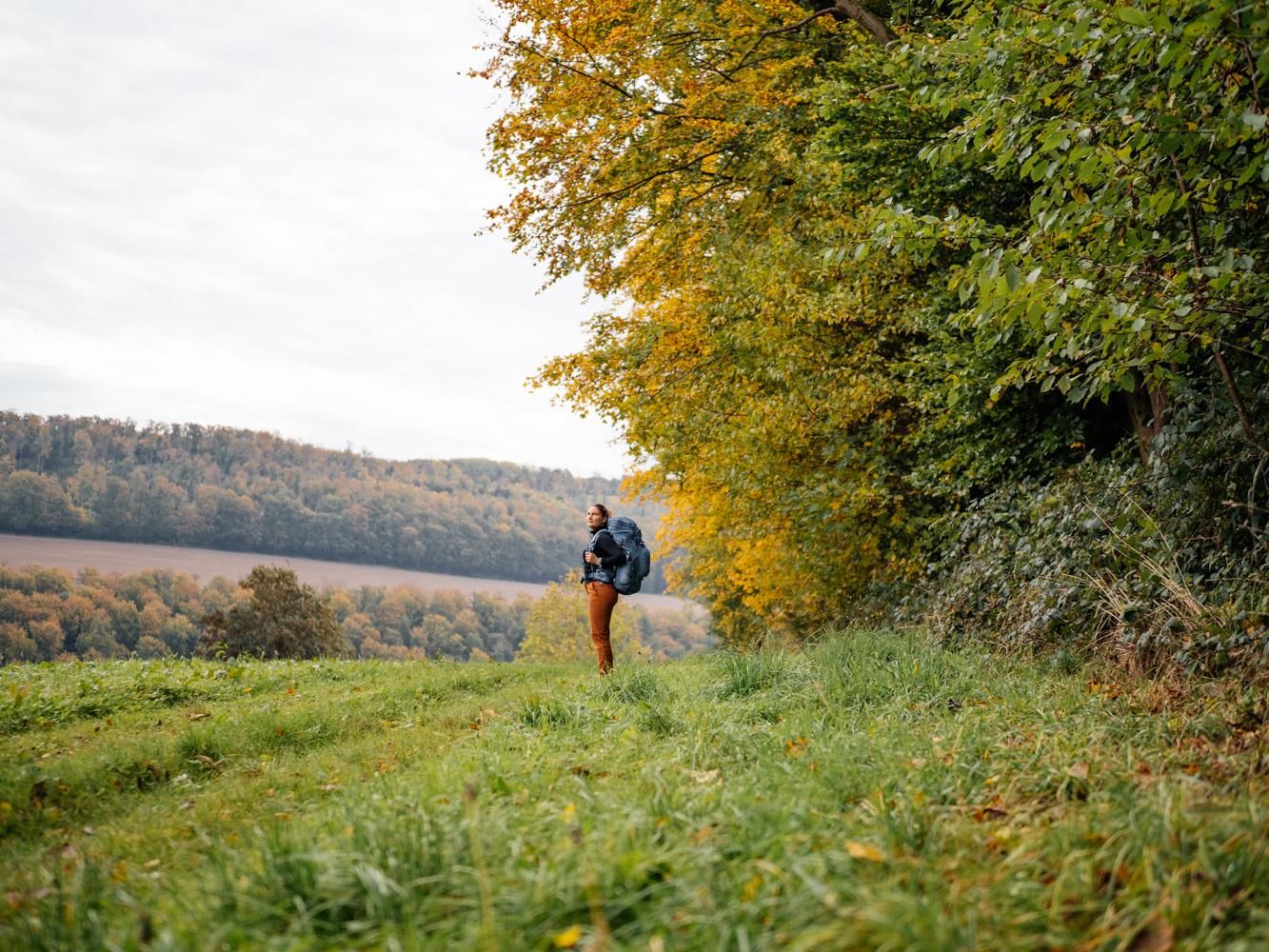
Weser Uplands Trail in autumn – out and about with Fräulein Draußen
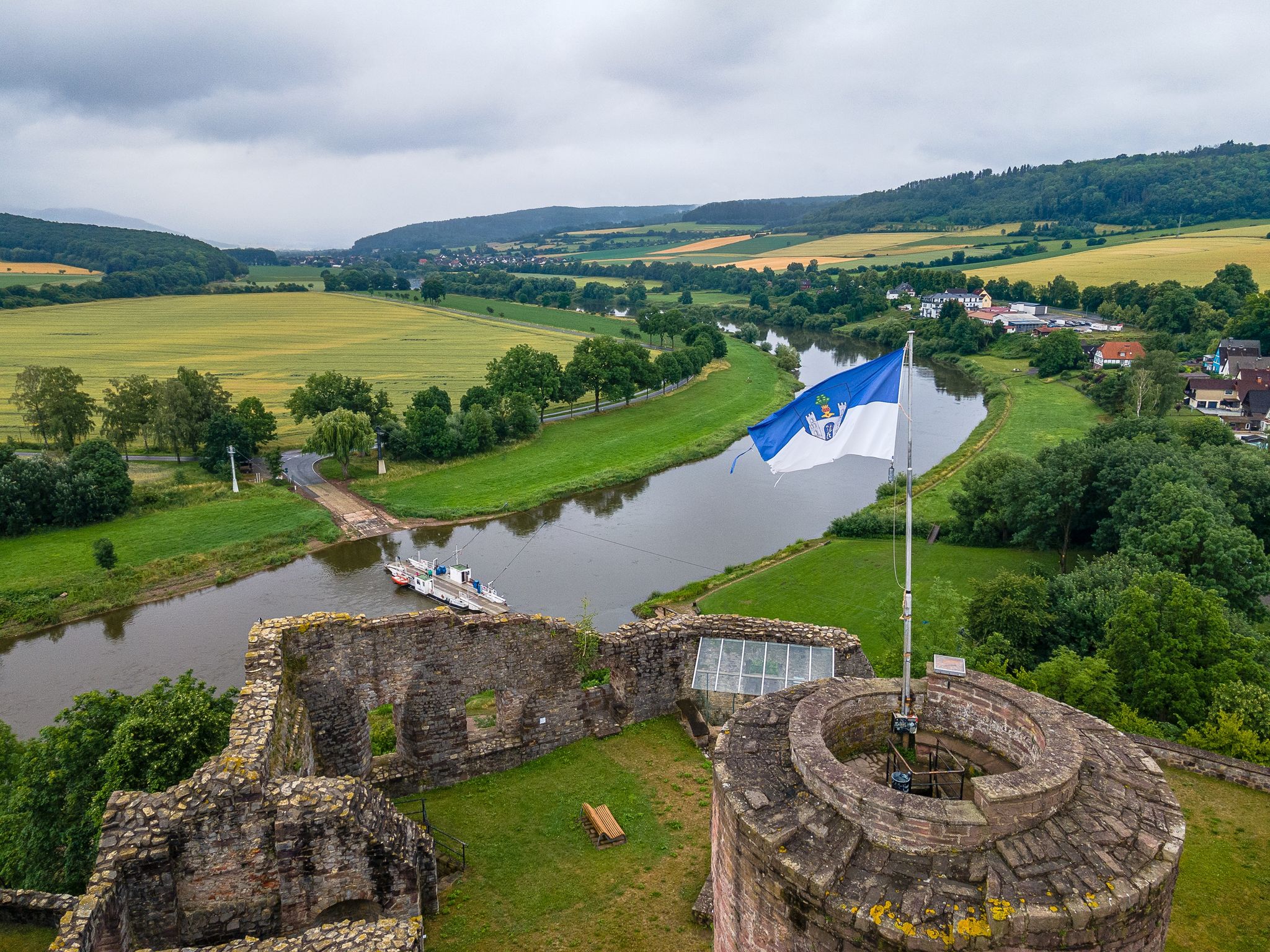
Along the Weser to the sea – Weser Cycle Route alternative route
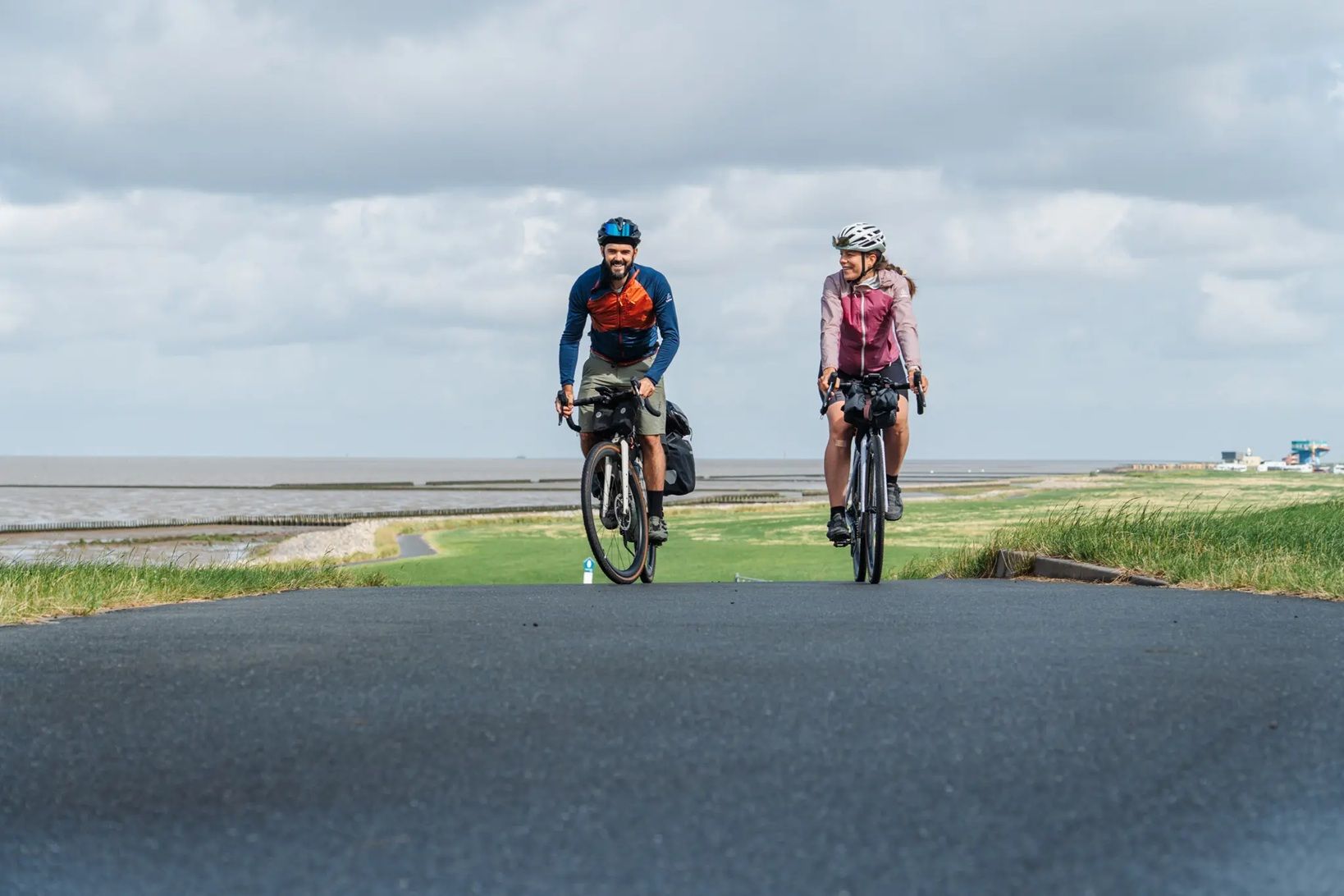
On the Weser Cycle Route – from the Weser Uplands to the North Sea
Other adventures around Hameln


Tips from the Community

Good footwear and sure-footedness are required, especially when it is damp... But the journey is worth it.
3
0

The Deister-Süntel valley is located in the north-east of the Weserbergland in Lower Saxony between the Bückeberg-Süntel and Deister mountain ranges in the Schaumburg and Hameln-Pyrmont districts. Contrary to what you would expect from looking at the map, the Deister-Süntel valley extends northwards beyond the Süntel area into the Rodenberger Mulde east of the Bückeberg and the Auetal and south to the Hachmühler basin with the Kleinen Deister in the east and thus reaches a length of around 25 km. At the watershed of the valley north of Bad Münder, two rivers have their source at the Süntel. The Hamel has its source in Hamelspringe and flows south into the Weser. The Rodenberger Aue rises in Bakede and flows north into the Westaue, which in turn flows into the Leine. They are fed by around 20 streams from the Deister and Süntel. Source: Wikipedia
0
0
It was the year 1284. As every year, there had been a series of festive days with boisterous activity in Hamelin around St. John's Day. Moving out and moving, especially of young people and children, were the order of the day. In the darkness, the St. John's fires blazed up on the heights of the surrounding mountains. Stimulated by the festivities of the preceding St. John's Day, a large group of children made their way to Ith, just under two miles away, on June 26th in the most beautiful summer weather. Massive and rugged, the massif of the Fahnenstein juts out into the plain on the northern Ith. According to ancient custom, a midsummer bonfire was burned at its height every year, and the youth of Hamelin wanted to be there. With happy playing and singing, we left Hamelin's Easter Gate. A minstrel, a piper, led the long procession of 130 children. The Cobbenberg, as this Ithhöhe is called in the oldest documents, was reached in good time towards evening. At the foot of the Fahnenstein, halfway up the Cobbenberg, lies the eerie devil's kitchen, a formerly swampy rock basin in the middle of steep cliffs. Tradition has it that this place was an old Germanic place of worship and sacrifice. The devil's kitchen at the foot of the flag stone now particularly attracted the leader of the children. Like all members of his guild, he was still excluded from the church and therefore stuck to the old beliefs. The devil's kitchen was dangerous terrain, due to the swamp basin and the steep cliffs from which large blocks had detached over time and today have completely filled the swamp hole. Mysterious mists rose from the bottom, will-o'-the-wisps floated to and fro. As dusk fell, the children feared spooks and ghosts. As if by magic, they pressed forward. As the foremost sank into the swamp, panic set in, and instead of realizing the danger and turning back, those who stayed behind became utterly shy. Partly driven by superstitions, partly in an effort to save their comrades, they pressed forward and thus to perdition. So the sump of the devil's kitchen on the slope of the Cobbenberg, just under two miles east of Hamelin, became the grave of the 130 Hamelin children. https://www.mystic-culture.de/kultplatz/ith/teufelskueche/rattenfaengersage.html
9
1

At www.ith-sagen.de you can listen to the legends of the Teufelsküche in a podcast. We like that.
5
0


Refuge for animals and plants! Here is something else from the network: https://de.wikipedia.org/wiki/H%C3%B6hlengebiet_im_Kleinen_Deister
4
0

Beautiful rock formations with caves. In a cave you can look into it but it is closed with bars.
6
1

Interesting rock formations above jump in which many bats cavort.
4
0
Frequently Asked Questions
What natural features can I expect to see in the canyons around Hameln?
The region around Hameln, particularly the Hameln-Pyrmont district and the Weserbergland, features impressive natural formations often referred to as gorges or cliffs. You'll find dramatic geological features like the Hohenstein Cliffs, which are ancient sandstone formations, and the rugged, forested terrain of the Devil's Kitchen Gorge. The landscape also includes rolling hills, lush forests, and riverine areas along the Weser.
Are there any particularly scenic viewpoints in the canyons near Hameln?
Yes, the Hohenstein Cliffs and Scenic Viewpoint is a prominent natural highlight offering spectacular sunsets and panoramic views on clear days. Another viewpoint can be found at the Devil's Kitchen Gorge, which provides a dramatic perspective of the rugged landscape.
What makes the Hohenstein Cliffs a significant natural attraction?
The Hohenstein Cliffs are a testament to the region's geological history, formed by wind erosion over centuries. They consist of hard, erosion-resistant sandstone, specifically Osningsandstein, which was laid down approximately 100 million years ago. Beyond their dramatic appearance, they offer extensive hiking opportunities and are popular for climbers, hikers, and bikers.
What is unique about the Devil's Kitchen Gorge?
The Devil's Kitchen Gorge, or Teufelsküche, is characterized by a 'slight alpine ascent with stairs,' offering a rugged and unique climbing experience within the Ith mountains. The area has a mysterious atmosphere, with local legends and historical context adding to its intrigue, making it a distinctive gorge-like environment to explore.
What kind of landscape can I expect in the Totental (Valley of the Dead)?
The Totental (Valley of the Dead) is described as a wildly romantic and untouched gorge. Logging has been stopped here for many years, allowing the forest to thrive naturally. The path through the valley can be challenging, especially after rain, with steep downhill sections and a forest floor often covered with leaves, giving it a truly wild feel.
What are the difficulty levels of hiking trails in the canyons around Hameln?
The difficulty levels vary. Some areas like the Hohenstein Cliffs and Devil's Kitchen Gorge are considered challenging, with the latter featuring a 'slight alpine ascent with stairs.' The Totental (Valley of the Dead) also presents a challenging path, particularly when wet. However, there are also intermediate options like the Cliffs and Bat Caves in the Kleiner Deister, and family-friendly areas such as the Deister-Süntel Valley.
Are there family-friendly options among the gorges near Hameln?
Yes, the Deister-Süntel Valley is noted as a family-friendly gorge. While some other gorges offer more challenging terrain, many areas around Hameln provide diverse landscapes suitable for various activity levels, including easier paths for families.
What is the best time of year to visit the canyons around Hameln?
To avoid crowds at popular spots like the Hohenstein Cliffs, it's advised to visit early in the morning, in the evening, or during autumn/winter. Generally, the region offers beautiful scenery throughout the year, with each season providing a different experience of the lush forests and dramatic rock formations.
What outdoor activities can I do near the canyons around Hameln?
Beyond exploring the gorges themselves, the Hameln region offers a wide array of outdoor activities. You can find numerous hiking trails, including easy hikes, as well as mountain biking and cycling routes. For more detailed information on routes, you can explore guides like Easy hikes around Hameln, MTB Trails around Hameln, and Cycling around Hameln.
Are there hiking trails near these canyons?
Yes, the canyons are integrated into a network of hiking trails. For instance, the Hohenstein Cliffs area is popular for hikers, with various trails winding through the scenic landscape. The Ith-Hils-Weg also passes through or near the Devil's Kitchen Gorge. You can find many more options in the Easy hikes around Hameln guide.
What do visitors enjoy most about the canyons around Hameln?
Visitors particularly appreciate the dramatic geological formations and scenic beauty. The panoramic views from spots like the Hohenstein Cliffs are highly rated. The unique climbing experiences in places like the Devil's Kitchen Gorge and the wild, untouched nature of the Totental (Valley of the Dead) are also significant draws. The komoot community has shared over 3200 photos and given more than 2900 upvotes for these natural attractions.
Are the trails in the canyons around Hameln suitable for dogs?
While specific dog-friendly designations for each canyon are not always available, the region's extensive network of hiking trails through forests and natural areas generally welcomes dogs. It's always recommended to keep dogs on a leash, especially in protected natural areas or when encountering wildlife, and to check local regulations for specific trails.
Most popular routes around Hameln
Most popular attractions around Hameln

Get inspired with the komoot mobile app


Explore more
Already discovered everything in this region? See additional gorges around Hameln for your next adventure:
