Top 20 Gorges around Hemer
Canyons around Hemer are characterized by unique geological formations within Germany's Sauerland region. The area features striking rock landscapes and impressive natural monuments. These formations offer insights into natural history and provide varied terrain for exploration. Hemer's landscape is shaped by ancient geological processes, creating distinct natural features.
Best canyons around Hemer
- The most popular canyons is Log steps and wooden bridges in the Grand Canyon of Lendringsen, a gorge that offers wonderful views of the Sauerland. It is…
Last updated: September 29, 2026
Log steps and wooden bridges in the Grand Canyon of Lendringsen
Highlight • Gorge
Translated by Google •
Tip by

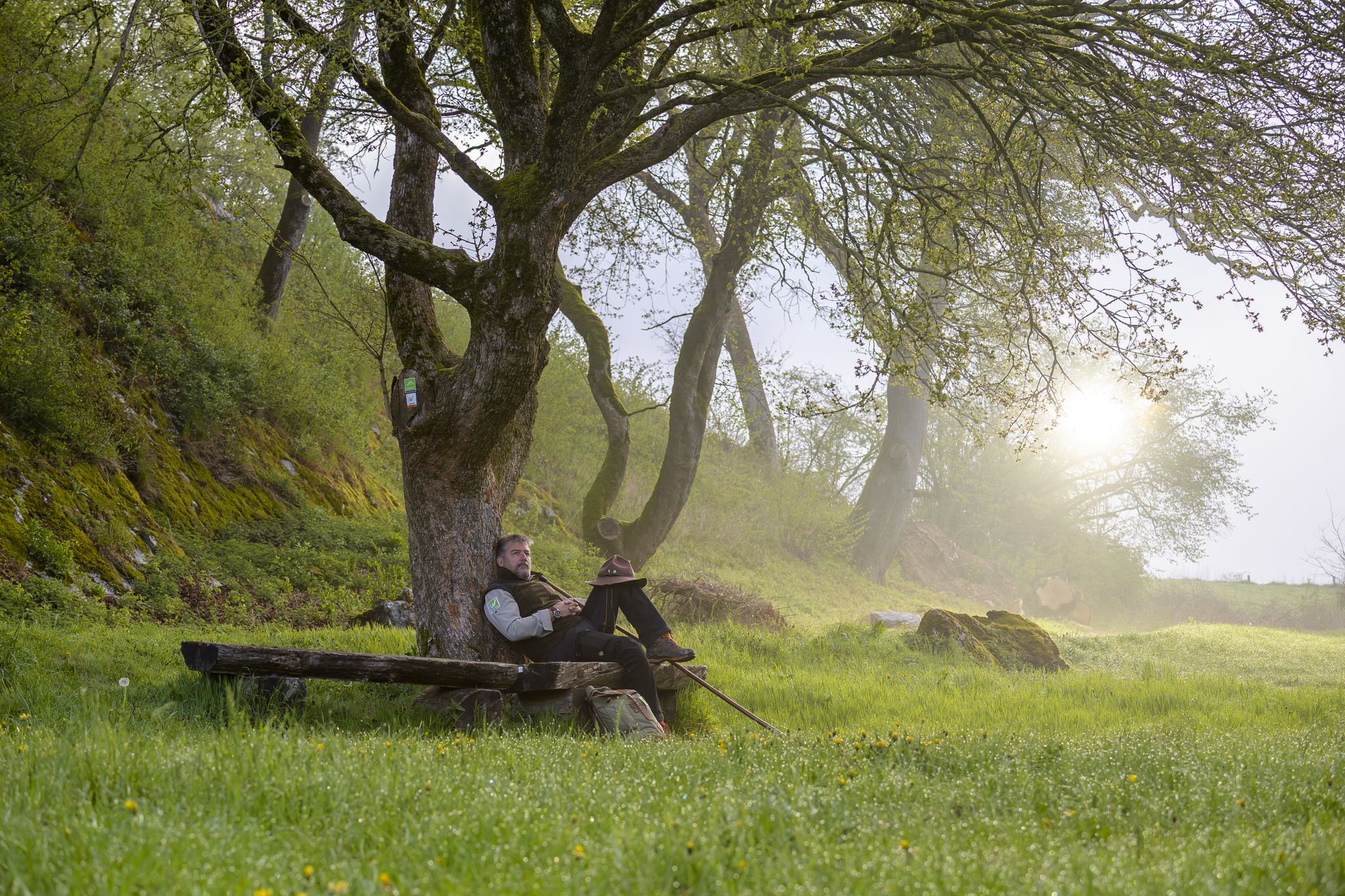
Bench at the Felsenmeer in Hemer
Highlight • Natural Monument
Translated by Google •
Tip by

Sign up now to discover places like this
Get recommendations on the best single tracks, peaks, & plenty of other exciting outdoor places.
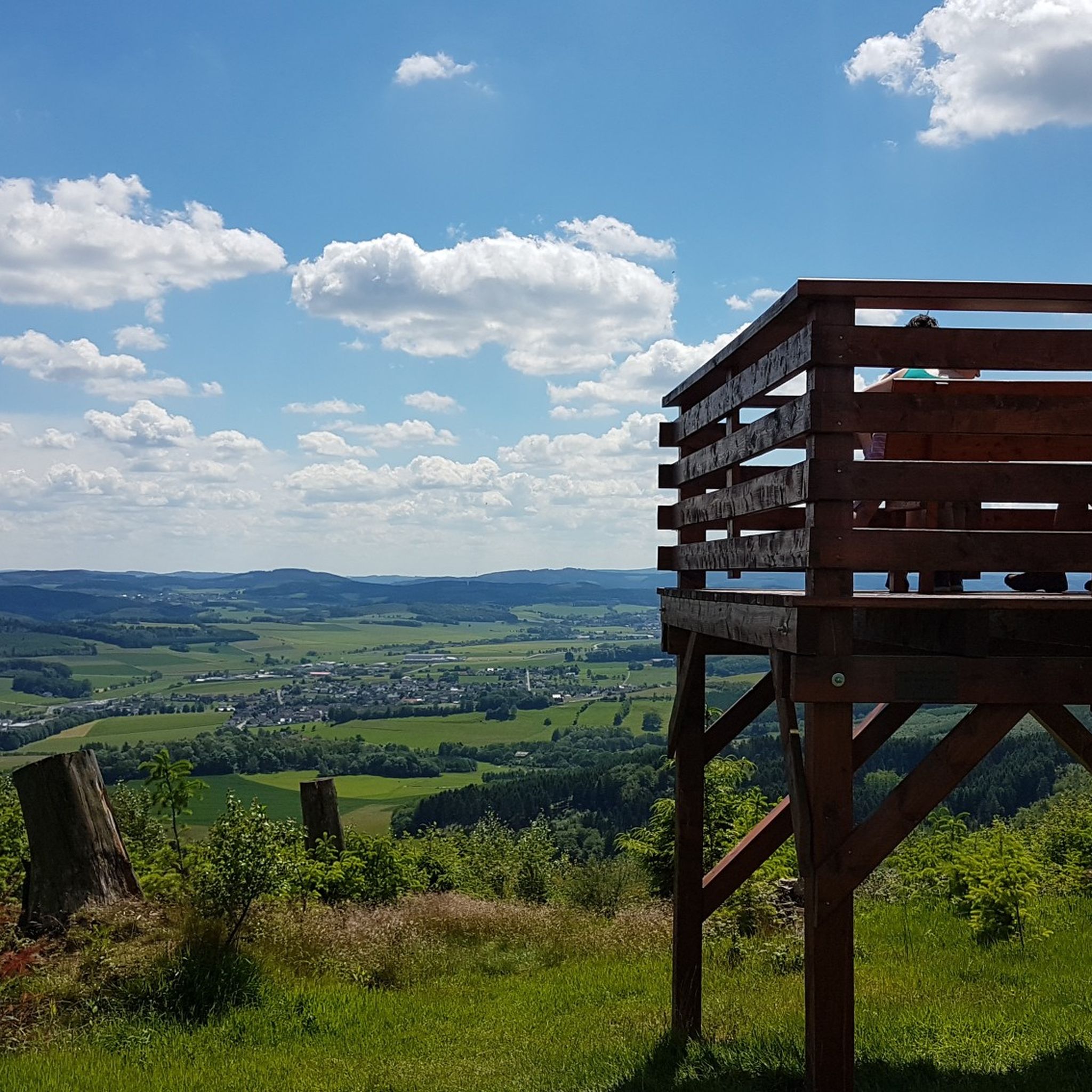
Felsenmeer viewing platform, Hemer
Highlight • Viewpoint
Translated by Google •
Tip by
Rock path
Highlight • Gorge
Translated by Google •
Tip by

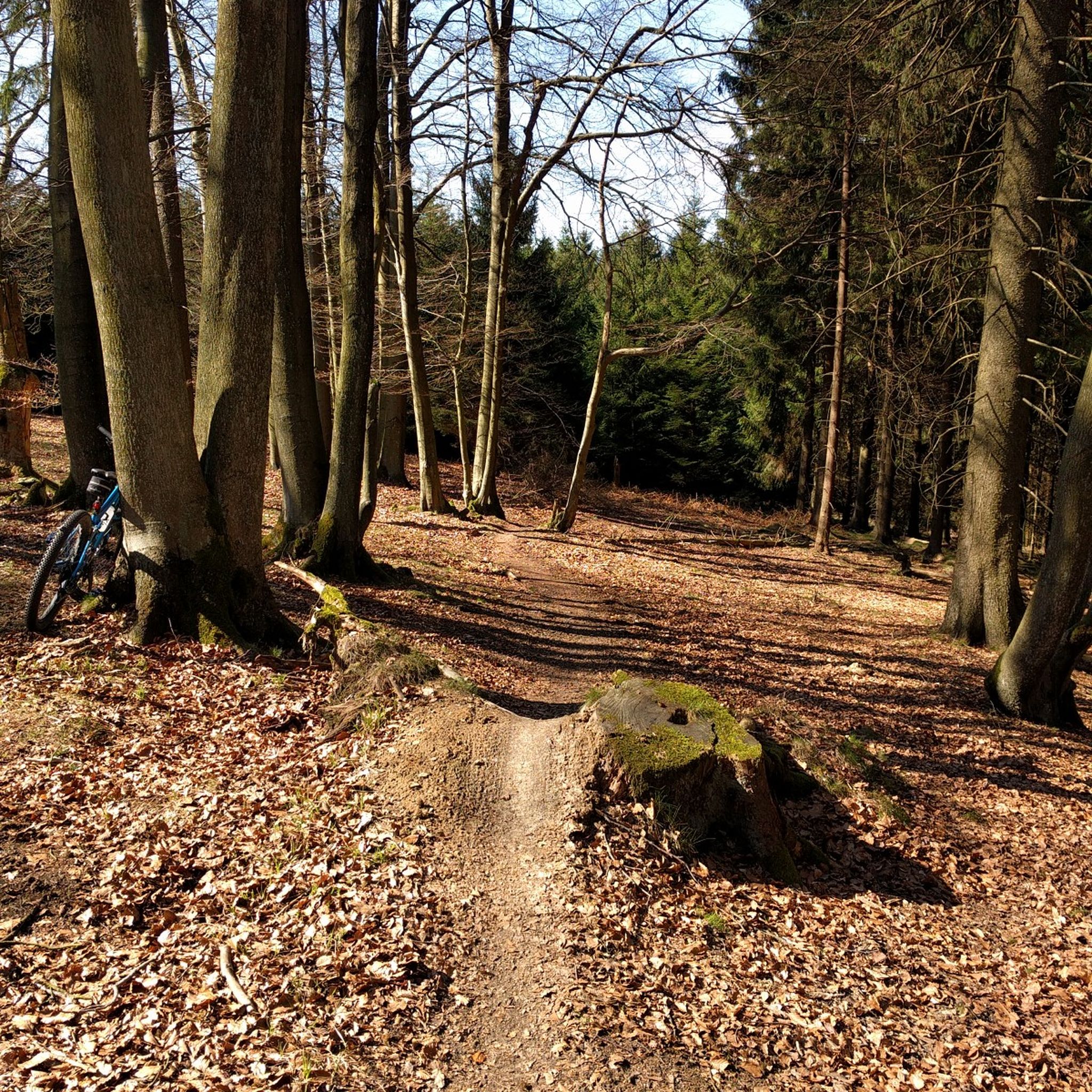
Rock Path in the Iserlohn City Forest
Highlight (Segment) • Gorge
Translated by Google •
Tip by

Sign up for free to discover even more gorges around Hemer.
Already have an account?
Start today with a free account
Your next adventure awaits.



Tips from the Community

"He will come through this hollow way."
3
0

From the viewing platform we have a beautiful view of the sea of rocks. A legend explains very well how the sea of rocks came into being: When the devil was traveling through the area with a large sack full of stones, the sack scraped past the rocks lying around, creating a hole in it. The further the devil went, the bigger the hole became. Eventually the devil kept losing his rocks from his sack - until the whole sack ripped at this point, creating the sea of rocks.
4
0

Quite unexpectedly, you suddenly find yourself in front of the opening in the rock and can enjoy the unfortunately quite short path through.
1
0

A free-floating, wave-shaped bridge and an observation platform are located here for very special views of the sea of rocks.
7
0

The Felsenmeer in Hemer, a unique natural monument in the Sauerland, combines natural history and cultural aspects in a fascinating way. The geological formation of this remarkable geotope goes back millions of years and is the result of the weathering of limestone through dissolution processes. Rainwater, enriched with carbon dioxide from the atmosphere, turns into a weak acid that dissolves limestone and thus forms the characteristic rock formations of the Felsenmeer. The impressive landscape forms that are now known as the Felsenmeer were created over geological periods of time. This nature reserve is not only a prime example of the dynamic forces of earth's history, but also a place full of legends. One of the stories is about dwarves who searched for precious metals under the rocks and giants who wanted to steal these treasures. The legendary dwarf king Alberich is said to have caused the ceiling of the rock hall to collapse with a magic spell, burying the giants under the rocks and creating the Felsenmeer. Visitors can explore the Felsenmeer via a variety of paths, including a wooden walkway that leads directly over the cliffs and rocks. There is also a viewing platform and an upper bridge that are barrier-free, so visitors with limited mobility can also enjoy the nature reserve. Dogs are allowed on a leash, and there is a large, free car park at the neighboring Sauerland Park. The Felsenmeer Hemer is a special experience in every season, be it snowy, in the colorful autumn forest, or in the lush green of summer. The cliffs and caves of the Felsenmeer are part of the impressive karst landscape, which visitors can explore in more detail on display boards. Recognition as a "Significant Geological Monument of Germany" and as a "National Geotope" underlines the unique importance of this natural monument and its position as one of Germany's outstanding natural wonders.
5
0
The Felsenmeer in Hemer, a unique natural monument in the Sauerland, combines natural history and cultural aspects in a fascinating way. The geological formation of this remarkable geotope goes back millions of years and is the result of the weathering of limestone through dissolution processes. Rainwater, enriched with carbon dioxide from the atmosphere, turns into a weak acid that dissolves limestone and thus forms the characteristic rock formations of the Felsenmeer. The impressive landscape forms that are now known as the Felsenmeer were created over geological periods of time. This nature reserve is not only a prime example of the dynamic forces of earth's history, but also a place full of legends. One of the stories is about dwarves who searched for precious metals under the rocks and giants who wanted to steal these treasures. The legendary dwarf king Alberich is said to have caused the ceiling of the rock hall to collapse with a magic spell, burying the giants under the rocks and creating the Felsenmeer. Visitors can explore the Felsenmeer via a variety of paths, including a wooden walkway that leads directly over the cliffs and rocks. There is also a viewing platform and an upper bridge that are barrier-free, so visitors with limited mobility can also enjoy the nature reserve. Dogs are allowed on a leash, and there is a large, free car park at the neighboring Sauerland Park. The Felsenmeer Hemer is a special experience in every season, be it snowy, in the colorful autumn forest, or in the lush green of summer. The cliffs and caves of the Felsenmeer are part of the impressive karst landscape, which visitors can explore in more detail on display boards. Recognition as a "Significant Geological Monument of Germany" and as a "National Geotope" underlines the unique importance of this natural monument and its position as one of Germany's outstanding natural wonders.
9
0

for me one of the most beautiful corners in the Felsenmeer; lush green dominates and shines
4
0
small "dead end bridge" in the upper part of the Felsenmeer in Hemer
5
0
Frequently Asked Questions
What are the main geological attractions around Hemer?
Hemer is renowned for unique geological formations rather than traditional canyons. The most prominent are the Felsenmeer (Sea of Rocks), a striking natural monument with bizarre rock formations and deep gorges, and the Heinrichshöhle (Heinrich's Cave), an impressive stalactite cave. Other notable areas include Log steps and wooden bridges in the Grand Canyon of Lendringsen and the Rock Path in the Iserlohn City Forest, both offering unique rock landscapes.
Are there family-friendly options for exploring the natural formations near Hemer?
Yes, the Rock Path in the Iserlohn City Forest is noted as family-friendly, offering a varied and beautiful route through bizarre rock formations. The Felsenmeer also has well-developed paths and viewing platforms suitable for families, and dogs are allowed on a leash.
What kind of natural features can I expect to see in Hemer's geological sites?
You can expect to see a diverse range of natural features. The Felsenmeer showcases wildly rugged rock landscapes, deep gorges, and high rocks formed by the weathering of 380-million-year-old reef limestone. The Heinrichshöhle features fantastic stalactite formations, including stalagmites, stalactites, sinter curtains, and terraces, some up to 230,000 years old, within its extensive cave system.
Are there historical or cultural aspects to the Felsenmeer?
Absolutely. The Felsenmeer has a rich history, including iron ore mining from the 11th to the 19th centuries, detailed at the Felsenmeer Museum. Local legends speak of giants and dwarves associated with the Felsenmeer, adding a mythical charm. It's also recognized as a 'Significant Geological Monument of Germany' and a 'National Geotope'.
Is the Felsenmeer accessible for everyone?
The Felsenmeer is freely accessible year-round. It features a wooden walkway that leads directly over the cliffs and rocks, along with a free-floating, wave-shaped bridge and an observation platform that are barrier-free, allowing visitors with limited mobility to enjoy the nature reserve. Sturdy footwear is recommended for exploring the rugged terrain.
What is the Heinrichshöhle, and what can I see there?
The Heinrichshöhle is an impressive stalactite cave in Hemer's Sundwig district, part of the larger Perick Cave System. Inside, you can marvel at beautifully illuminated stalactite formations, high fissures, and crevices. It's also famous for rich finds of Ice Age animal bones, including a fully assembled, 2.35-meter-long cave bear skeleton on display, making it one of Europe's most bone-rich Upper Pleistocene sites. For more information, you can visit the Heinrichshöhle Wikipedia page.
How can I explore the Heinrichshöhle?
Visits to the Heinrichshöhle are only possible as part of a guided tour, which provides educational insights into the cave's formation and history. The accessible 300 meters of the cave have well-maintained and mostly even paths, ensuring comfortable exploration. The cave maintains a cool temperature of about 8 degrees Celsius year-round, so a light jacket is advisable.
What outdoor activities can I do near Hemer's geological formations?
The area around Hemer offers a variety of outdoor activities. You can find numerous options for hiking, including routes like the 'Felsenmeer (Hemer) loop from Hemer'. There are also dedicated running trails and cycling routes, such as the 'Hönne Cycle Path – Hönne River in Fröndenberg loop from Hemer', allowing you to explore the beautiful Sauerland landscape.
What should I wear when visiting the Felsenmeer or Heinrichshöhle?
For the Felsenmeer, sturdy footwear is highly recommended due to the rugged rock landscape, stairs, and wooden bridges. When visiting the Heinrichshöhle, it's advisable to bring a light jacket, as the cave maintains a constant cool temperature of about 8 degrees Celsius (46°F) year-round.
Can I bring my dog to the Felsenmeer?
Yes, dogs are allowed on a leash at the Felsenmeer. This allows you to enjoy the unique natural monument with your canine companion.
What makes the 'Grand Canyon of Lendringsen' unique?
The Log steps and wooden bridges in the Grand Canyon of Lendringsen offers a unique experience to walk through a wild forest section with wonderful views of the Sauerland. It features log steps and wooden bridges, making it an adventurous and engaging trail for those who enjoy challenging routes.
What do visitors enjoy most about the Felsenmeer?
Visitors frequently praise the Felsenmeer for its unique natural beauty and the well-developed paths that offer different perspectives of the rock formations. Many enjoy the free-floating bridge and observation platform for special views, and appreciate that it's a special experience in every season, whether snowy, in the colorful autumn forest, or in the lush green of summer.
Is there parking available at the Felsenmeer?
Yes, there is a large, free car park available at the neighboring Sauerland Park, making it convenient for visitors to access the Felsenmeer.
Most popular routes around Hemer
Most popular attractions around Hemer

Get inspired with the komoot mobile app


Explore more
Already discovered everything in this region? See additional gorges around Hemer for your next adventure:
