Top 5 Caves around Haibach
Caves near Haibach offer a mix of natural features and historical sites within the Spessart region. While extensive natural cave systems are not prominent directly in Haibach, the area features notable grottoes and former quarries that have cave-like characteristics. These landmarks provide insights into local geology, history, and cultural practices. The landscape around Haibach is characterized by forests and rolling terrain, making these sites accessible via various hiking routes.
Best caves around Haibach
- The most popular caves is Lourdes Grotto…
Last updated: June 26, 2026
Bensenbruch Quarry and World War II Shelter
Highlight • Cave
Translated by Google •
Tip by

Teschen Cave (volcanic vent in the Spessart)
Highlight • Volcano
Translated by Google •
Tip by

Sign up now to discover places like this
Get recommendations on the best single tracks, peaks, & plenty of other exciting outdoor places.
Sign up for free
Lourdes Grotto Laafisch
Highlight • Religious Site
Brick arched niche with a statue of the Madonna and figure of Bernadette Soubirous with a small bell tower crowned with a cross, chapel with a tent roof, …
Translated by Google •
Tip by

Bat Winter Quarters Blankenbach
Highlight • Cave
Translated by Google •
Tip by

Start today with a free account
Your next adventure awaits.
Login or Signup
Tips from the Community

The Bensenbruch was once a place of refuge during the Second World War where people sought protection.
1
1

It's a bit strange to stand here. What would happen if you looked in and the bats flew out.
3
0

Bensenbruch at the end of the Second World War. Since Gailbach and Dörrmorsbach became a combat zone during Holy Week 1945, people took refuge in cellars and tunnels to avoid bombs and grenades. People also sought refuge in the Bensenbruch, an old quarry. An approximately 15 meter long and over 2 meter high room in the form of a cellar vault could accommodate 50 to 60 people.
1
0
Bensenbruch Two caves remain from the former Bensenbruch. In the larger one, 50 to 60 people could find shelter during a bomb attack in 1945. The lamprophyre dike is bordered by the basal breccia (Buntsandstein) alternating with siltstones from the crumbly slate series.
1
1

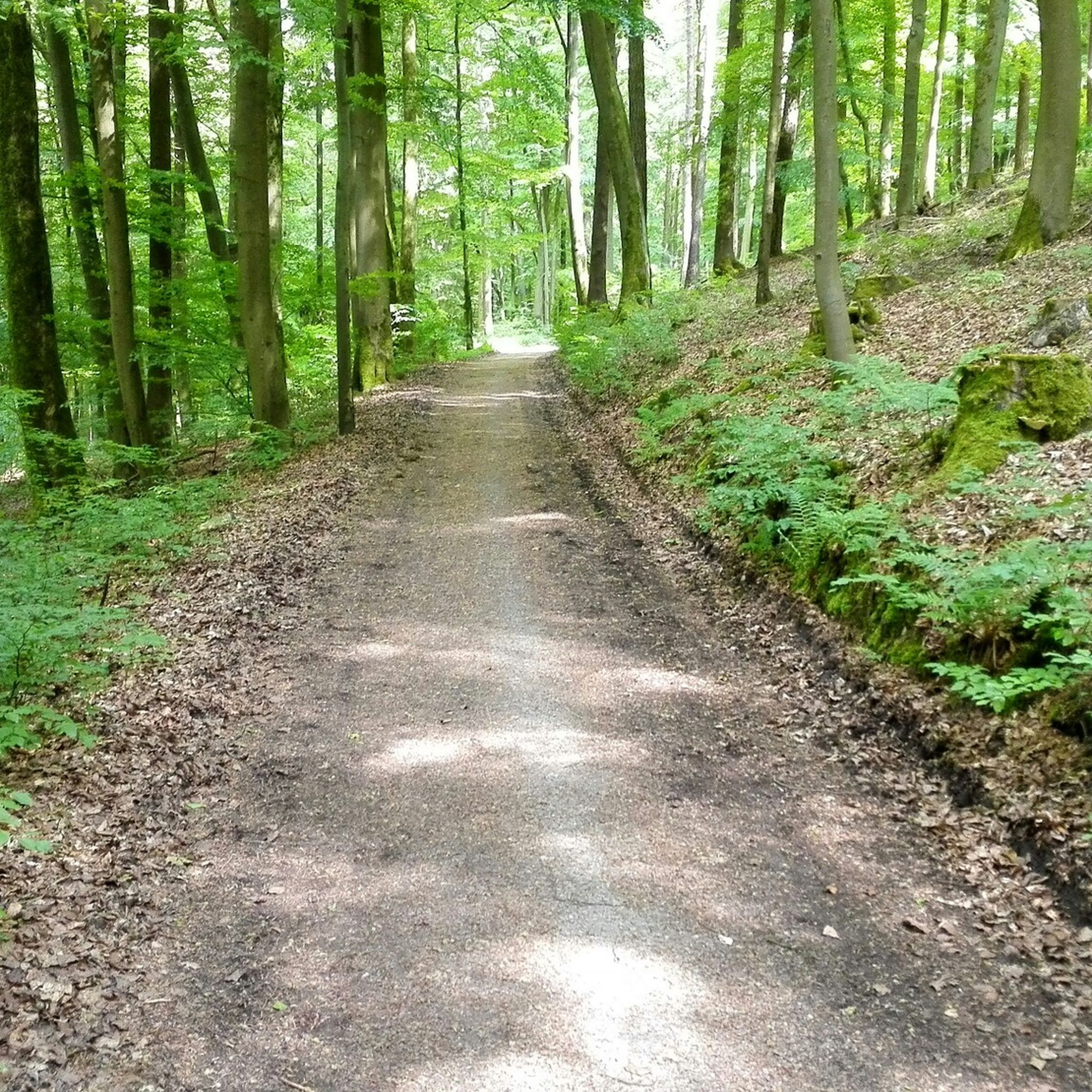
The Crotte is in the middle of the forest.
1
0

The Teschenhöhle is the remains of a quarry from which basalt was mined. This basalt formed a volcanic vent that formed about 43 million years ago. During the eruption, the layer of red sandstone that had not yet been removed here was broken through. You can observe this in the rock, which consists of a volcanic breccia with parts of red sandstone that was deformed by the violent eruption
1
0
Located in Blankenbach. Right on the bike path.
3
0

Lourdes Grotto Brick arched niche with a statue of the Madonna and figure of Bernadette Soubirous with a small bell tower crowned with a cross, chapel with a tent roof, integrated in the wall system with stairs and turrets, broken sandstone, 1930-1933
2
0
Frequently Asked Questions
What kind of 'caves' can I expect to find around Haibach?
The Haibach area is known more for grottoes, former quarries, and unique geological formations rather than extensive natural cave systems. You'll find sites like the Lourdes Grotto Laafisch, a devotional grotto, and the Bensenbruch Quarry and World War II Shelter, a historical site. The Teschen Cave is actually a volcanic vent.
Are there any natural geological features to explore?
Yes, the Teschen Cave (volcanic vent in the Spessart) is a significant natural monument. It's the only volcanic vent in the Spessart, formed approximately 43 million years ago, and was later used for basalt extraction. It offers a unique insight into the region's geological past.
What historical sites are there among the caves and grottoes?
The Bensenbruch Quarry and World War II Shelter is a notable historical site. This former quarry served as a retreat and holds historical significance, particularly from World War II. The Lourdes Grotto Laafisch, constructed between 1930 and 1933, also represents a piece of local cultural history.
Are the caves and grottoes around Haibach family-friendly?
Many of the sites, such as the grottoes and former quarries, are accessible via hiking paths and can be suitable for families. The Teschen Cave is located in the middle of the forest and is easy to find with signs, making it an interesting destination for a family walk. Always check specific route difficulties if planning a longer hike.
Can I bring my dog to the cave trails in Haibach?
Generally, the outdoor areas and trails leading to these sites are dog-friendly. For example, the Teschen Cave is situated in the forest and is part of hiking routes. However, always keep dogs on a leash and be mindful of other visitors and any specific signage at individual locations, especially religious sites like grottoes.
What is the best time of year to visit the caves and grottoes?
The sites around Haibach are generally accessible year-round. Spring and autumn offer pleasant temperatures for hiking to these locations, with vibrant foliage or blooming nature. Summer is also suitable, though it can be warmer. Winter visits are possible, but some paths might be slippery or muddy, especially in forested areas.
Are there hiking or cycling routes that include these sites?
Yes, the grottoes and quarries are often integrated into local hiking and cycling networks. For instance, the Mariengrotte in Haibach is part of local hiking routes. You can find various routes, including gravel biking, MTB trails, and general cycling tours around Haibach, which may pass near these points of interest. Explore options like Gravel biking around Haibach or MTB Trails around Haibach.
Where can I park when visiting these locations?
Parking availability varies by location. For sites like the Bat Winter Quarters Blankenbach, which is right on a bike path, you might find parking in nearby villages or designated trailheads. For other sites, look for local parking areas in the closest towns or villages, often near trail access points. Specific parking details are usually available on local tourism websites or maps.
What is the significance of the Mariengrotte in Haibach?
The Mariengrotte in Haibach is a devotional grotto, serving as a place for reflection and religious observances, particularly Marian devotions. It was inaugurated in 1959 and is often built into existing rock formations or quarries, providing a unique, tranquil atmosphere. While not a natural cave, it holds significant spiritual and cultural value for the local community.
What is the <a href="https://www.komoot.com/highlight/4795838" target="_blank" rel="noopener">Bat Winter Quarters Blankenbach</a>?
The Bat Winter Quarters Blankenbach is a natural monument that serves as a habitat for bats during the winter months. It is located in Blankenbach, directly on a bike path, and offers a glimpse into local wildlife conservation efforts. Visitors should observe from a distance to avoid disturbing the bats.
Are there any cafes or restaurants near the caves and grottoes?
While the sites themselves are often in natural or secluded settings, you can find cafes, pubs, and restaurants in the nearby towns and villages around Haibach. Many hiking and cycling routes in the region pass through or near these communities, offering opportunities for refreshments and meals before or after your exploration.
What do visitors enjoy most about the caves and grottoes around Haibach?
Visitors appreciate the unique blend of natural beauty, historical significance, and cultural heritage. The tranquility of sites like the Lourdes Grotto Laafisch, the geological wonder of the Teschen Cave, and the historical context of the Bensenbruch Quarry are frequently highlighted. The integration of these sites into scenic hiking paths is also a popular aspect.
Most popular routes around Haibach
Most popular attractions around Haibach

Get inspired with the komoot mobile app


Explore more
Extend your search for the best caves by checking out these guides of the top ones around Haibach:
