Top 11 Caves around Lennestadt
Caves around Lennestadt are situated within the Sauerland region, an area known for its diverse subterranean formations. The landscape features natural caves, historical mining tunnels, and unique grottos, offering varied underground experiences. This region provides insights into geological processes and historical mining activities. Lennestadt serves as a base for exploring these natural and man-made underground sites.
Best caves around Lennestadt
- The most popular caves is Atta Cave, a cave that features an elaborate and colorful world of stalactites, stalagmites,…
Last updated: September 29, 2026
Atta Cave
Highlight • Cave
Translated by Google •
Tip by

Theodora Mine and Hut
Highlight • Mountain Hut
Translated by Google •
Tip by

Sign up now to discover places like this
Get recommendations on the best single tracks, peaks, & plenty of other exciting outdoor places.
Glücksanfang Mine (Station 15)
Highlight • Historical Site
Translated by Google •
Tip by
Neue Hoffnung Mine
Highlight • Structure
wirsiegen.de/2023/11/neuer-eingang-fuer-grube-neue-hoffnung-in-hilchenbach/383848
Translated by Google •
Tip by

Mine behind the Homberg (bat roost)
Highlight • Cave
Translated by Google •
Tip by

Sign up for free to discover even more caves around Lennestadt.
Already have an account?
Start today with a free account
Your next adventure awaits.
Popular around Lennestadt
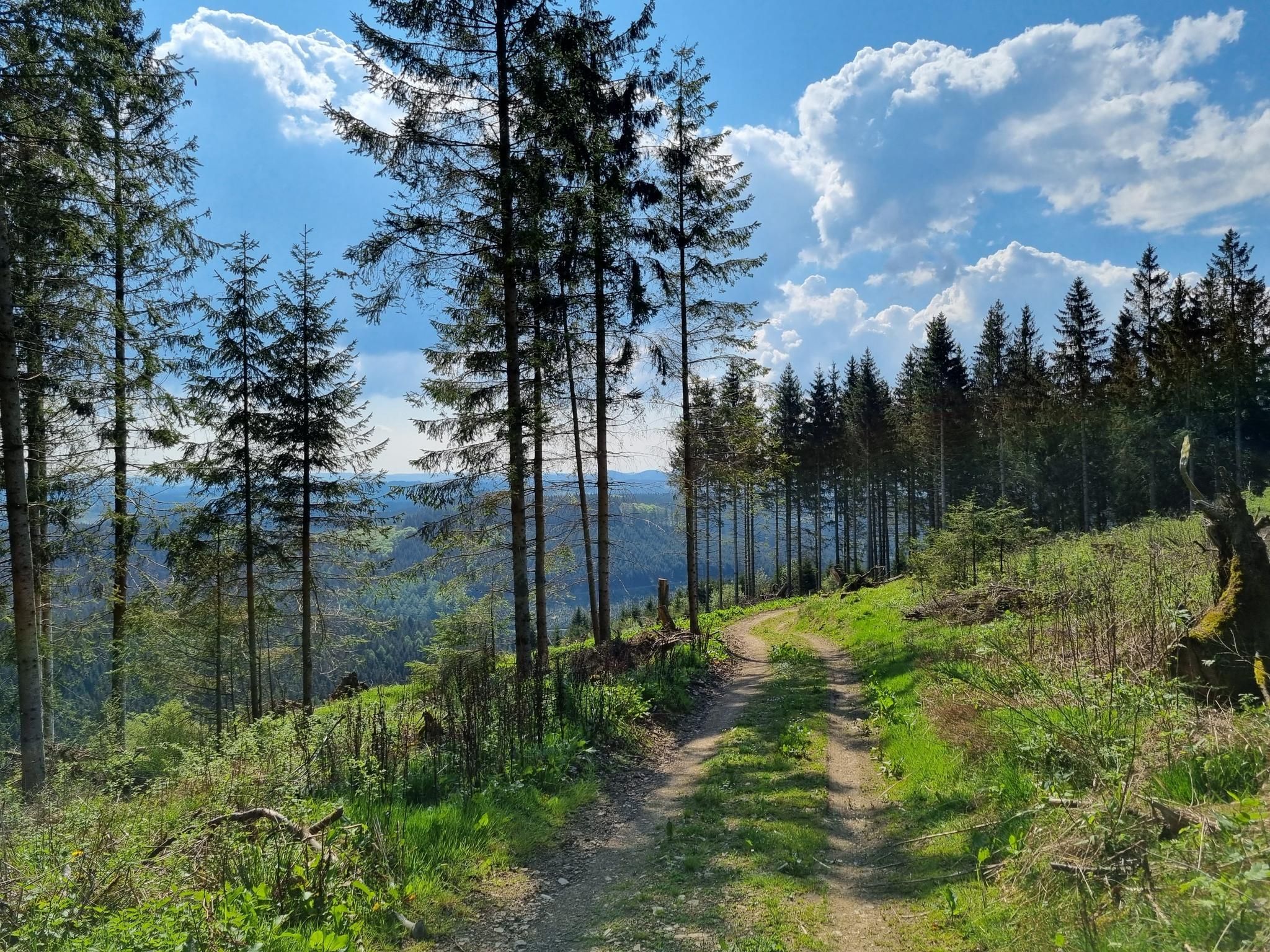
Ehmsenweg – Hiking through Western Sauerland
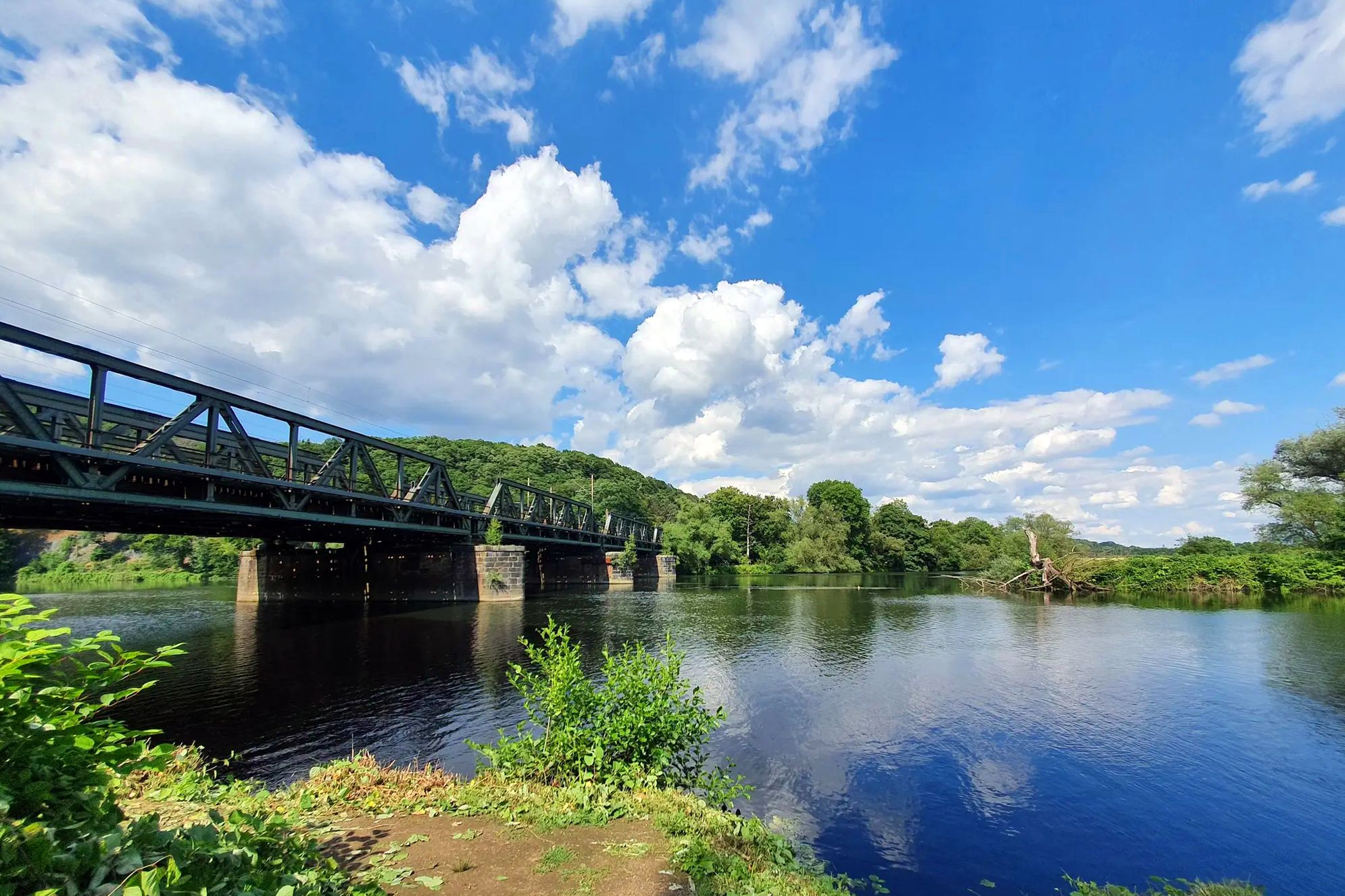
The Lenneroute – From mountains to the Ruhr through the Sauerland

Sauerland Trails – altitude, distant views, pure nature

Multi-day hikes in the Sauerland – eight trails, many unforgettable moments
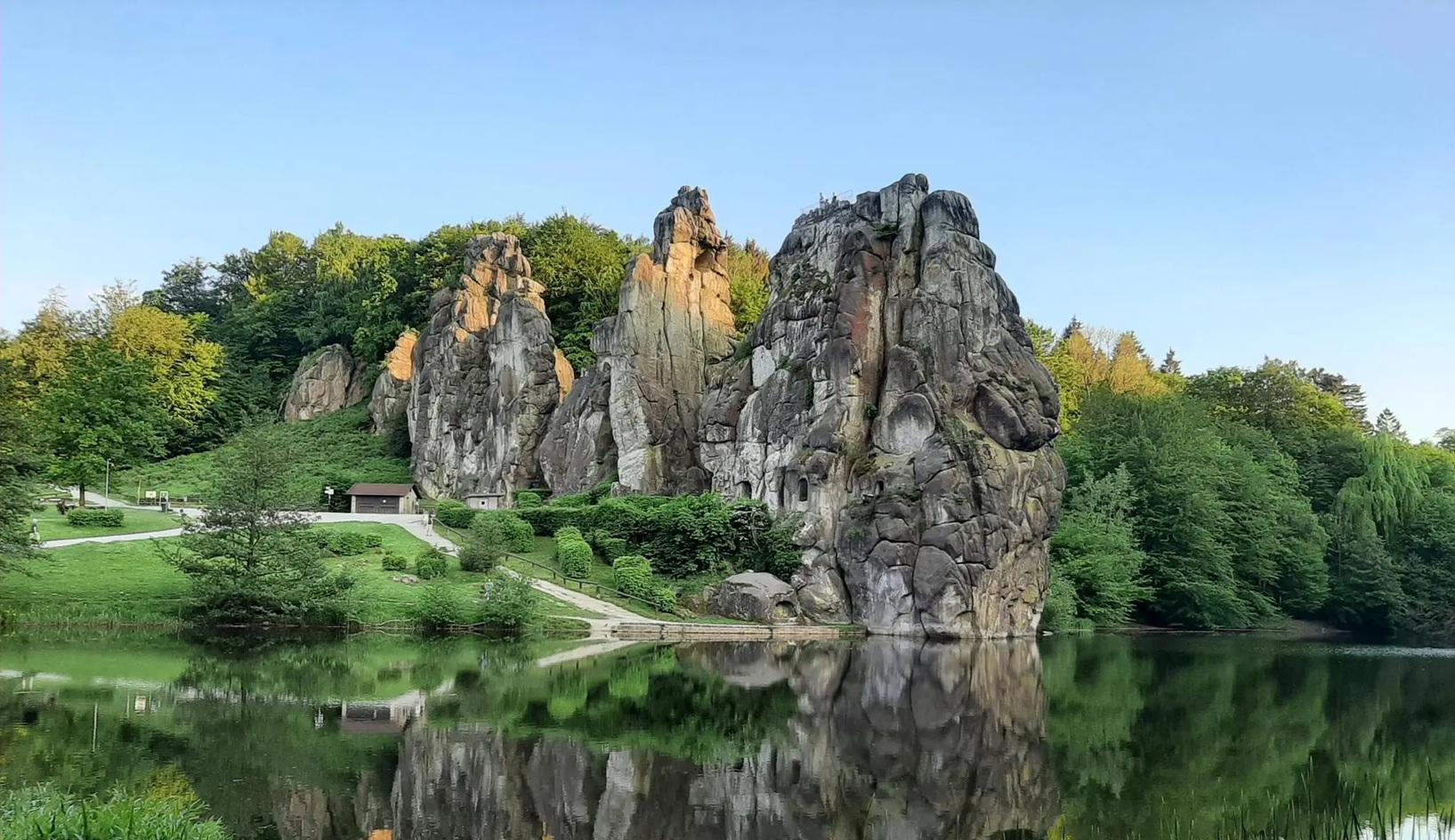
The National Natural Landscapes in Nordrhein-Westfalen
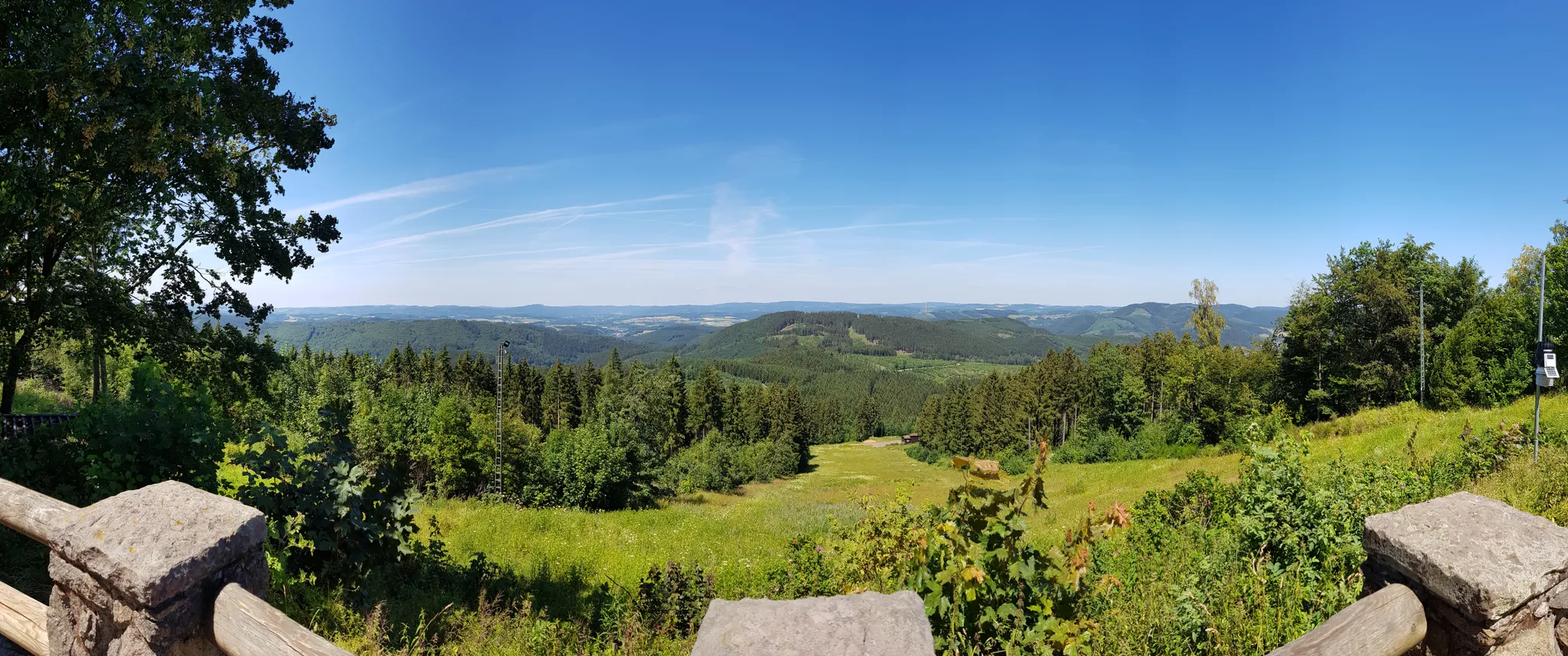
Sauerländer Hütten Hopping - Two days of cabin feeling in Hochsauerland
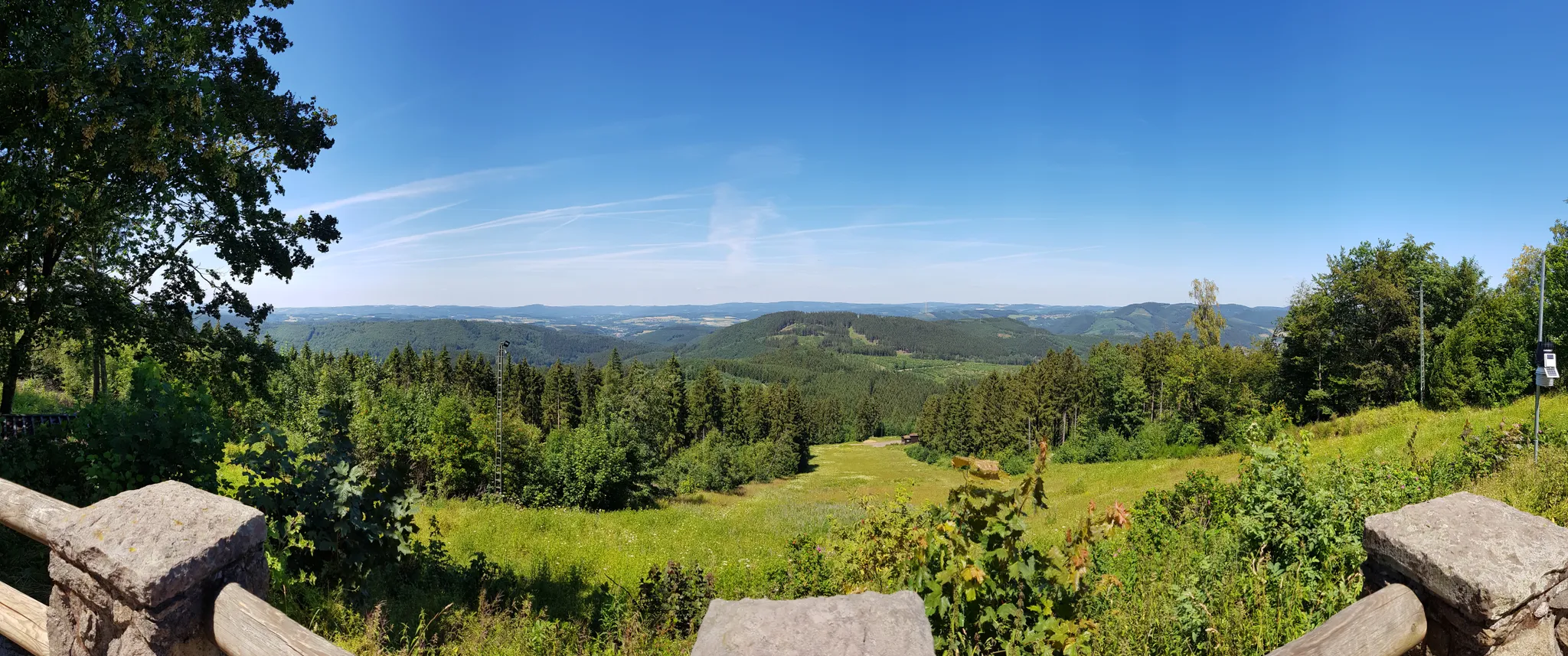
Sauerländer Hutten Hopping - Two days of real Huttenfeeling
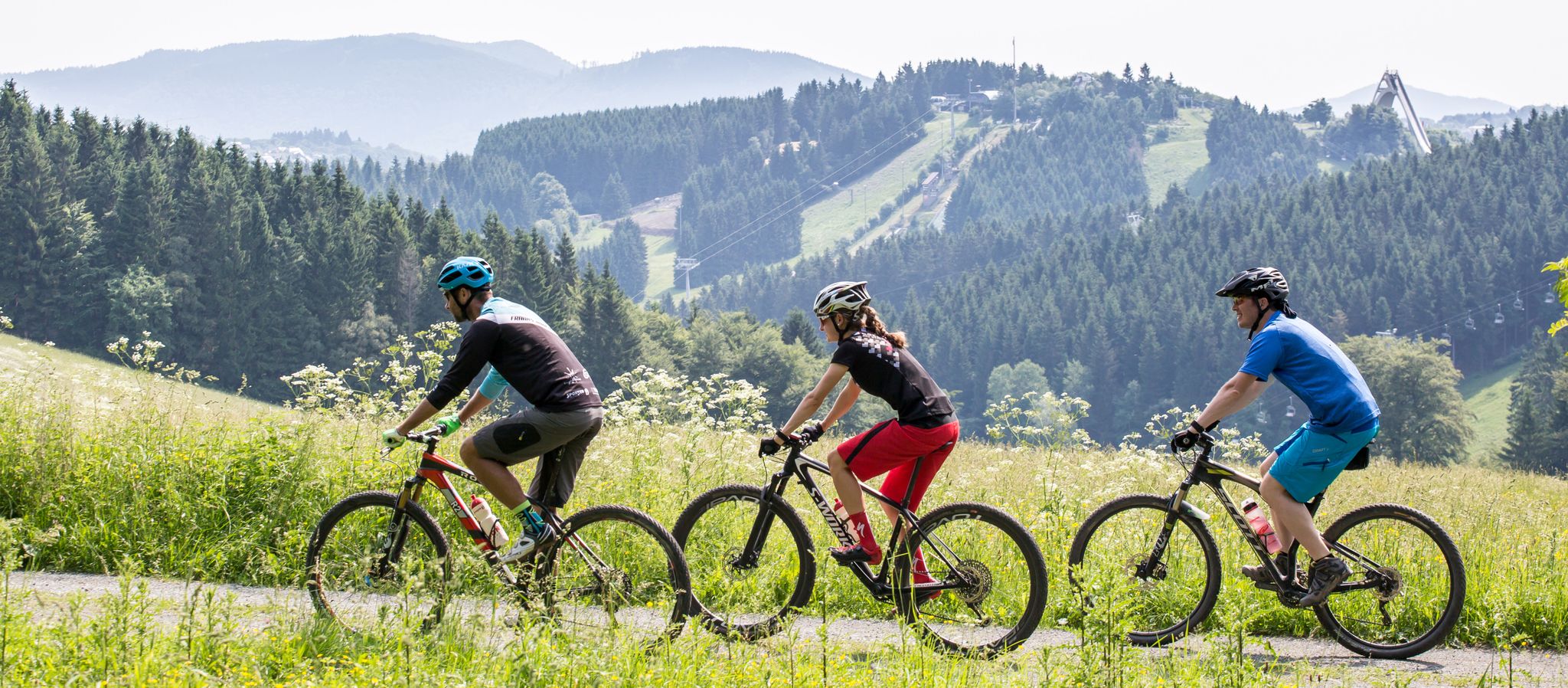
Bike Arena Sauerland – mountain biking in the land of 1000 mountains
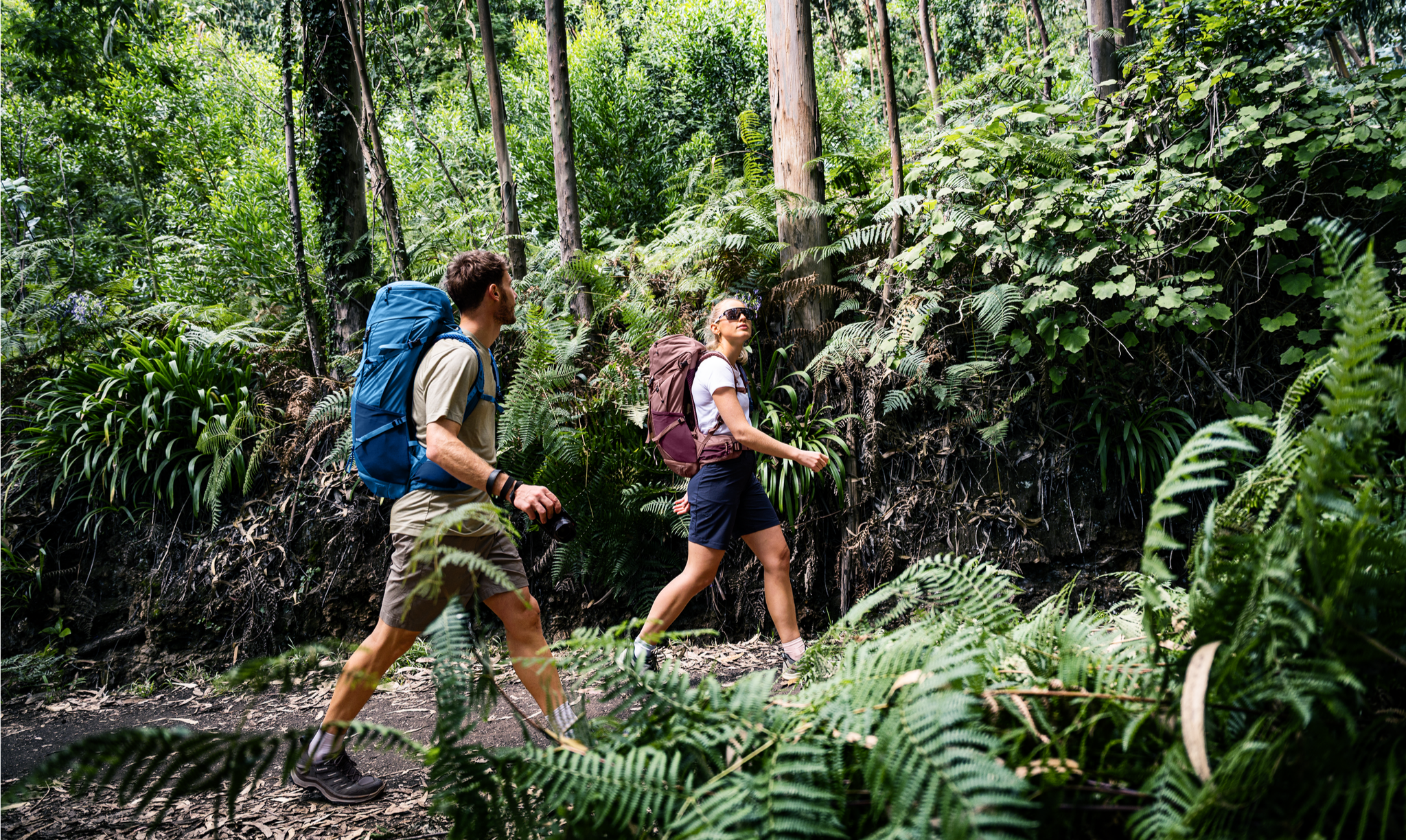
Rucksack auf und los – Weitwandern mit deuter in Deutschland

Mit der Familie auf Tour – Wanderspaß im Sauerland
Other adventures around Lennestadt


Tips from the Community

Former Theodora mine and forest hut. It's always interesting what mining-scientific history can be found here in the Siegerland region, especially around the Kindelsberg.
0
0

The pit has been in a renewal process for several years and has been very interesting to look at ever since. A new keystone is to be installed in the entrance in the near future, but who knows how long that will take 😉
0
0

A shelter for bats on a small trail
0
0

Well done for nature conservation and the bat species that live there.
0
0

This pit is a little off the path. You can walk a little way into it and there is a spring nearby. https://wirsiegen.de/2023/11/neuer-eingang-fuer-grube-neue-hoffnung-in-hilchenbach/383848/
3
0

"... Station 15: “Glücksanfang upper tunnel” mine – In the upper tunnel of the “Glückanfang” mine, from 1722 onwards, in addition to iron, lead, silver, copper and zinc ores were mined in two 1 m thick and 80 m long corridors . Already before the middle of the 19th century, the Glücksbeginning mine “consolidated” with the Jungemann, whose name it also took..." https://www.wittgensteiner-wanderland.de/wp-content/uploads/2012/09/kindelsbergpfad.pdf
0
0
"... Station 21: “Theodora” mine and hut – One of the small mines on the Martinshardt, which was run by an independent union, was the “Theodora mine” in the Zitzenbachtal near Ferndorf. After 8 years of painstaking work, in When people looked in vain for ore, the tunnel was abandoned. 266 m of sections 2 m high and 1.20 m wide were excavated in vain and almost 600 cubic meters of rock were unearthed. The “Theodora” mine is now next to the Stahlberger Erbstollen the only still accessible pit in the Müsen area..." https://www.wittgensteiner-wanderland.de/wp-content/uploads/2012/09/kindelsbergpfad.pdf
0
0

Used for bats to hide
4
0
Frequently Asked Questions
What types of underground experiences can I find near Lennestadt?
Near Lennestadt, you can explore a variety of underground sites. These include natural stalactite caves like the renowned Atta Cave, historical mining tunnels such as the Abela Healing Tunnel (a former slate mine), and even old mine tunnels that now serve as bat roosts, like the Mine behind the Homberg. The region offers geological wonders, historical insights, and unique ecological sites.
What makes the Atta Cave a significant attraction?
The Atta Cave in Attendorn is one of Germany's largest and most visited stalactite caves. It features an elaborate and colorful world of stalactites, stalagmites, and stalagnates, formed over millions of years. It's recognized for its diverse and abundant formations, offering an impressive natural spectacle and is part of the largest connected cave system in Germany.
Are there any historical mining sites to explore near Lennestadt?
Yes, the region has a rich mining history. You can visit sites like the Theodora Mine and Hut, which offers insights into past mining activities. Another notable historical site is the Glücksanfang Mine (Station 15), where iron, lead, silver, copper, and zinc ores were once extracted. The Herpelstollen, a former ore tunnel, also provides a historical glimpse into regional mining.
Are there family-friendly caves around Lennestadt?
The Atta Cave is considered family-friendly, offering an engaging experience for visitors of all ages with its impressive formations and guided tours. Many of the historical mining sites also provide educational experiences suitable for families.
What is the best time to visit the caves around Lennestadt?
Caves generally maintain a constant cool temperature year-round, making them suitable for visits in any season. However, the Atta Cave is open almost all year, typically from 11 a.m. to 3:30 p.m. It's always advisable to check specific opening hours for each cave before planning your visit.
How long does a typical cave tour take?
Tours at the Atta Cave usually last about 50 minutes. For other sites like the Abela Healing Tunnel, the duration of your visit can vary depending on whether you are there for relaxation or a quick exploration.
What should I wear for a cave visit?
Caves maintain a consistently cool temperature, often around 9° Celsius, even in summer. It's recommended to wear warm clothing and comfortable, sturdy shoes, as surfaces can sometimes be damp or uneven.
Are dogs allowed in the caves near Lennestadt?
Policies regarding dogs vary by specific cave. For instance, the Atta Cave generally does not permit dogs inside. It's best to check the individual cave's website or contact them directly for their current pet policy before your visit.
Can I see wildlife in the caves near Lennestadt?
While large wildlife is uncommon, some old mine tunnels, such as the Mine behind the Homberg, now serve as important roosts for bats, integrating historical mining with natural wildlife preservation.
What outdoor activities can I do near these caves?
The area around Lennestadt offers various outdoor activities. You can find numerous hiking trails, including easy hikes like the Hohe Bracht Circular Hiking Trail, or more challenging mountain hikes. There are also gravel biking routes available. For more details on routes, you can explore guides like Easy hikes around Lennestadt, Mountain Hikes around Lennestadt, and Gravel biking around Lennestadt.
Are there any unique healing or therapeutic tunnels in the region?
Yes, the Abela Healing Tunnel (Former Slate Mine Grube Felicitas) is a unique site. This former slate tunnel offers a constant temperature of 9° Celsius and air that is pure, pollen-free, and nearly 100% humid, providing a soothing environment for relaxation and respiratory benefits.
Are there any caves further afield in the Sauerland region worth visiting?
Beyond Lennestadt, the broader Sauerland region boasts other impressive caves. These include the Dechenhöhle in Iserlohn, known as an 'underground magic kingdom,' the Heinrichshöhle in Hemer famous for cave bears, and the Balver Höhle, Europe's largest open cultural cave. The Bilsteinhöhle in Warstein, part of the Bilsteintal with a wildlife park, is also a notable option.
What is the Marian Grotto Möllmicke?
The Marian Grotto Möllmicke is not a natural cave but a beautifully landscaped grotto situated in front of a rock face. It features leading stairs and benches, offering a peaceful and picturesque stop for those interested in local cultural and religious sites, providing a serene atmosphere.
Most popular routes around Lennestadt
Most popular attractions around Lennestadt

Get inspired with the komoot mobile app


Explore more
Extend your search for the best caves by checking out these guides of the top ones around Lennestadt:
