Top 4 Castles around Wismar
Best castles around Wismar are found in a region known for its historical significance and architectural heritage. Wismar, a UNESCO World Heritage site, features a well-preserved Hanseatic town layout and impressive Brick Gothic architecture. The area surrounding Wismar offers a variety of historical residences, including prominent manor houses and former fortified sites. These locations provide insight into the region's past, from princely residences to agricultural estates.
Best castles around Wismar
- The most popular castles is Gutshaus Gamehl, a historical site that was rebuilt in 1862 in Neo-Gothic style. This manor house has been extensively restored and converted into a country hotel.
- Another must-see spot is Poel Fortress and Former Castle Grounds, a former castle site. The island church is partially surrounded by a former rampart from the 17th-century fortress, with information boards detailing its history.
- Visitors also love Tressow Castle, Schulenburg Family Gravesite, and Castle Site, a historical castle site. This location offers a glimpse into the region's historical estates.
- Wismar is known for historical residences, manor houses, and former fortified sites. The region offers a variety of historical structures to explore, from grand palaces to restored country estates.
- The castles around Wismar are appreciated by the komoot community, with more than 100 upvotes and over 90 photos shared by visitors.
Last updated: May 13, 2026
St. Marienkirche Tower (Wismar)
Highlight • Religious Site
Translated by Google •
Tip by

Poel Fortress and Former Castle Grounds
Highlight • Castle
Translated by Google •
Tip by

Sign up now to discover places like this
Get recommendations on the best single tracks, peaks, & plenty of other exciting outdoor places.
Sign up for free
Gutshaus Gamehl
Highlight • Historical Site
Translated by Google •
Tip by

Tressow Castle, Schulenburg Family Gravesite, and Castle Site
Highlight (Segment) • Castle
Translated by Google •
Tip by

Start today with a free account
Your next adventure awaits.
Login or Signup
Popular around Wismar
The Hanseatic Way – Cycling across North Germany to Poland, follow the cog!
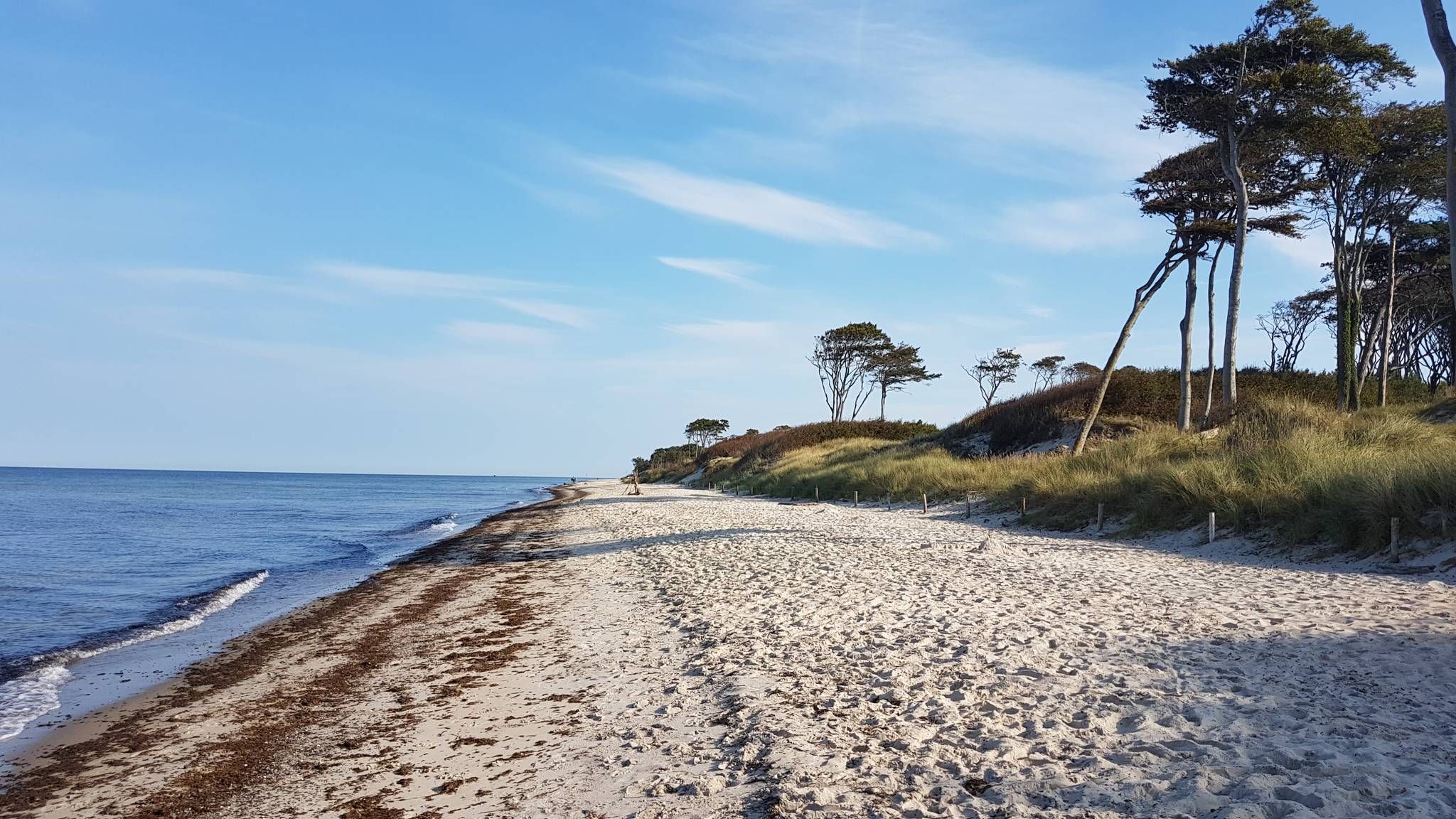
The E9 along the Baltic Sea — Explore an epic coastline
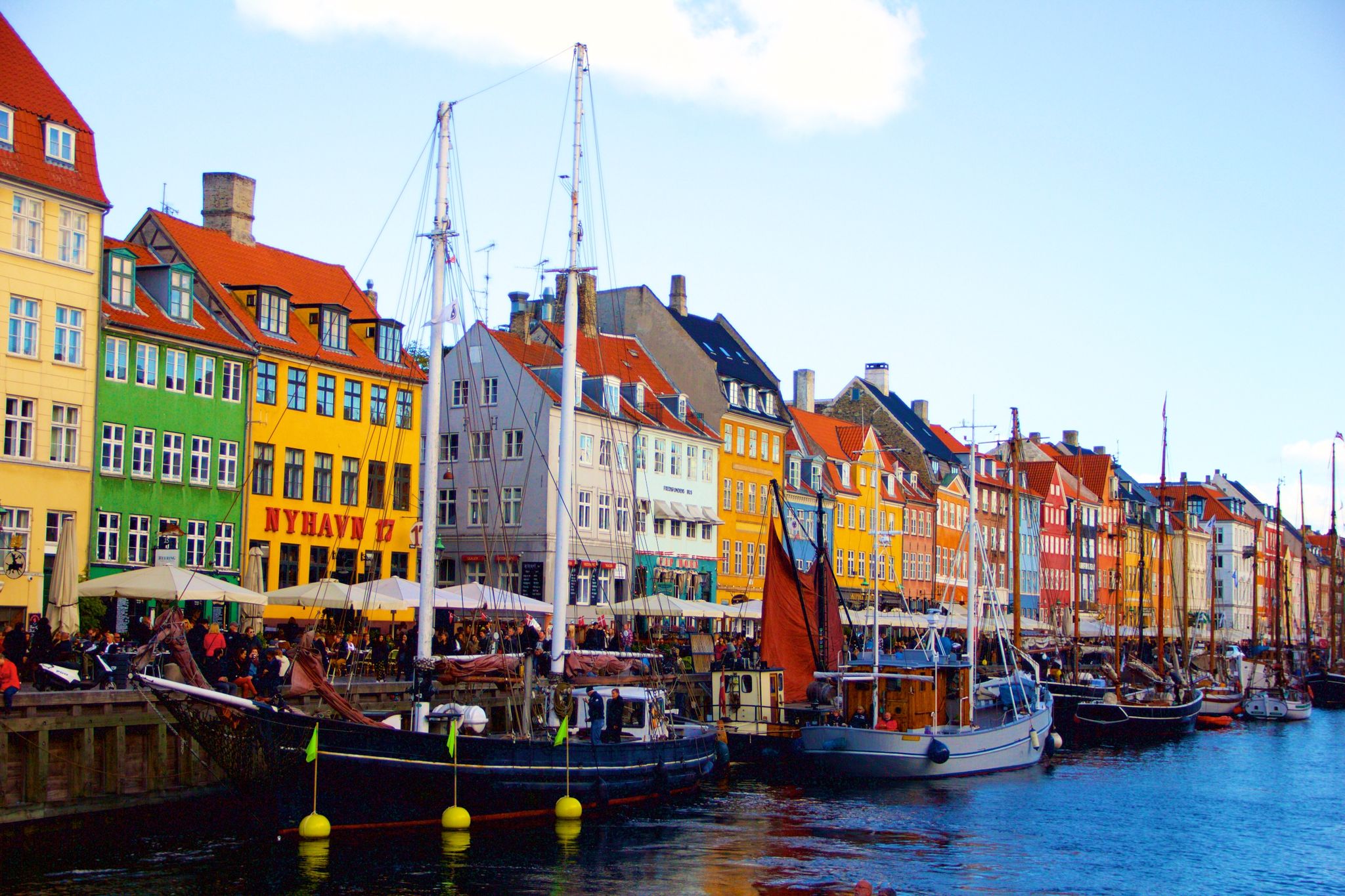
Berlin. Fehmarn. Copenhagen. An adventure on two wheels.
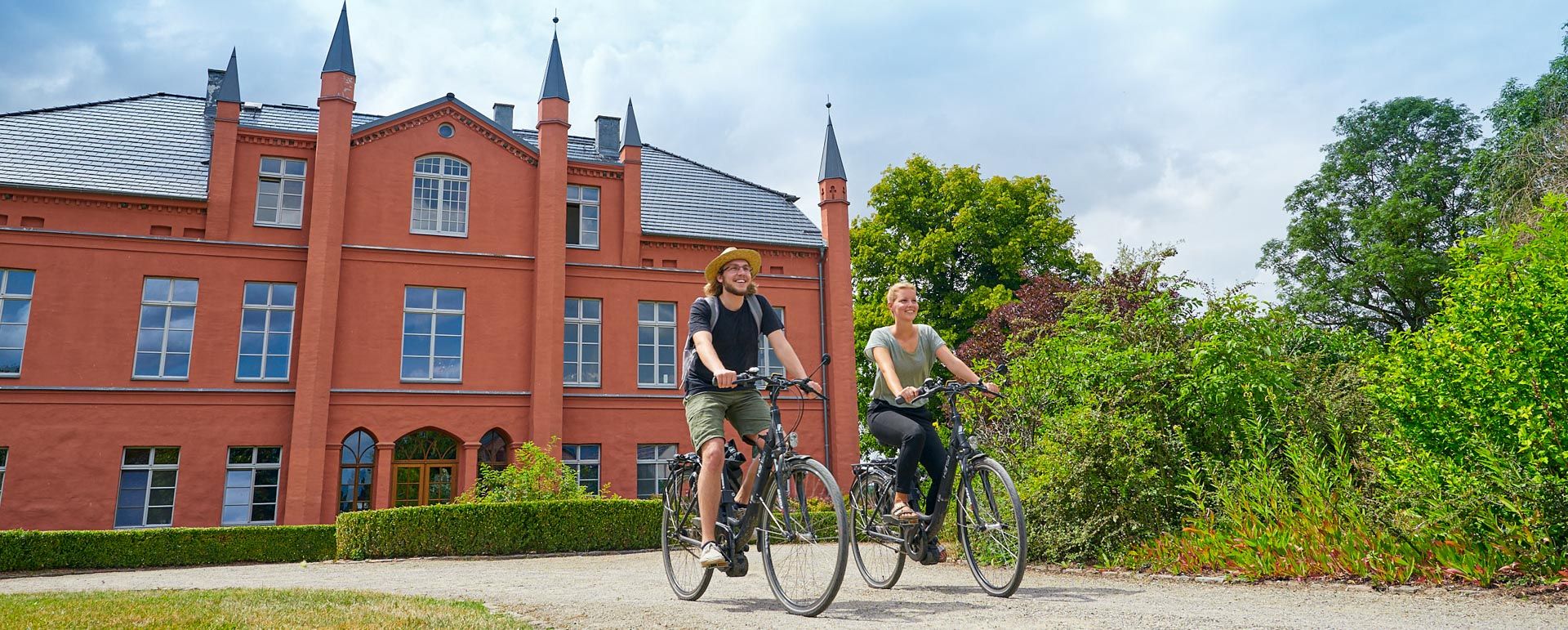
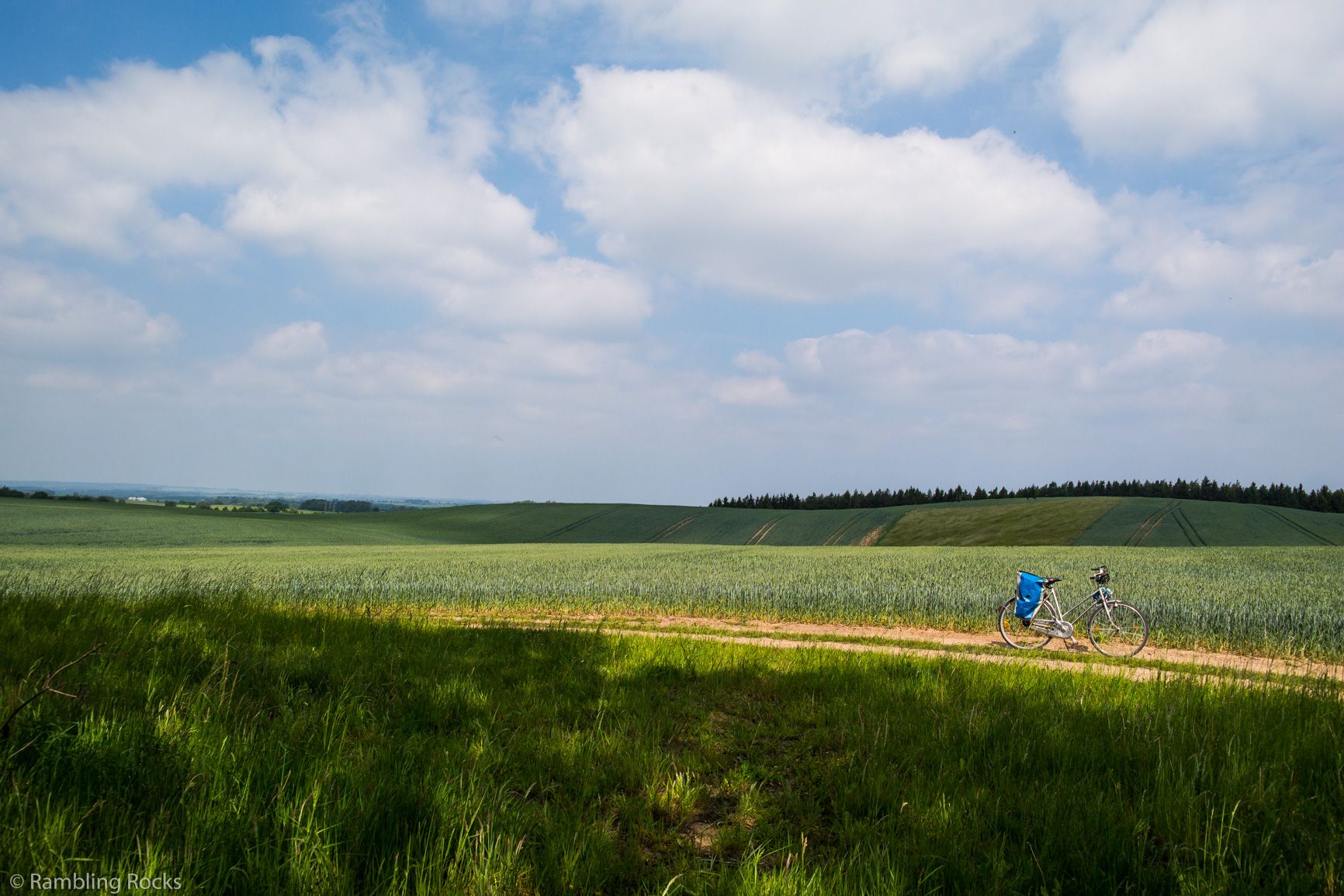
Baltic Manors – Exploring historic manor houses along the South Baltic coast
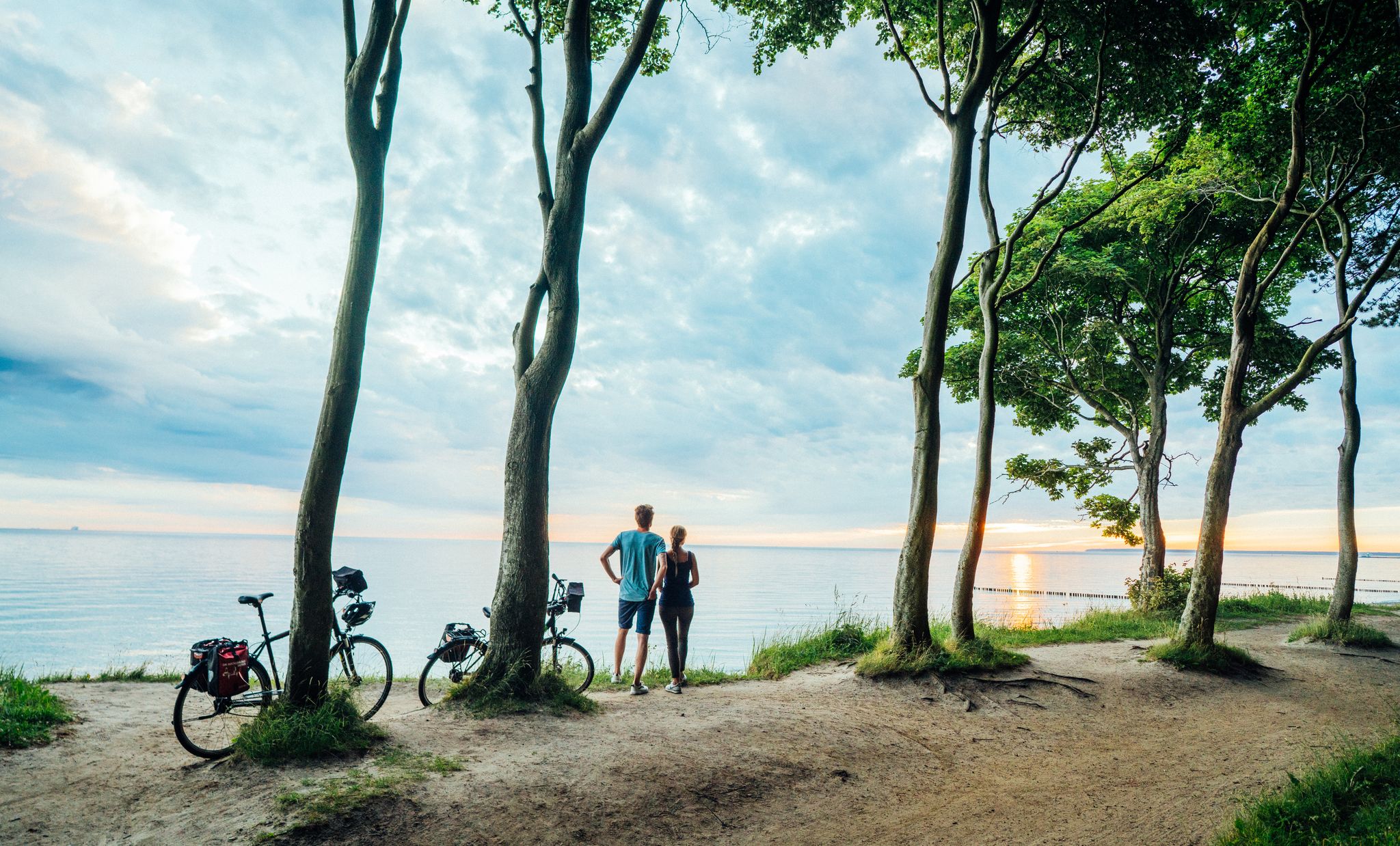
Bicycle touring on the Baltic Sea Cycle Path
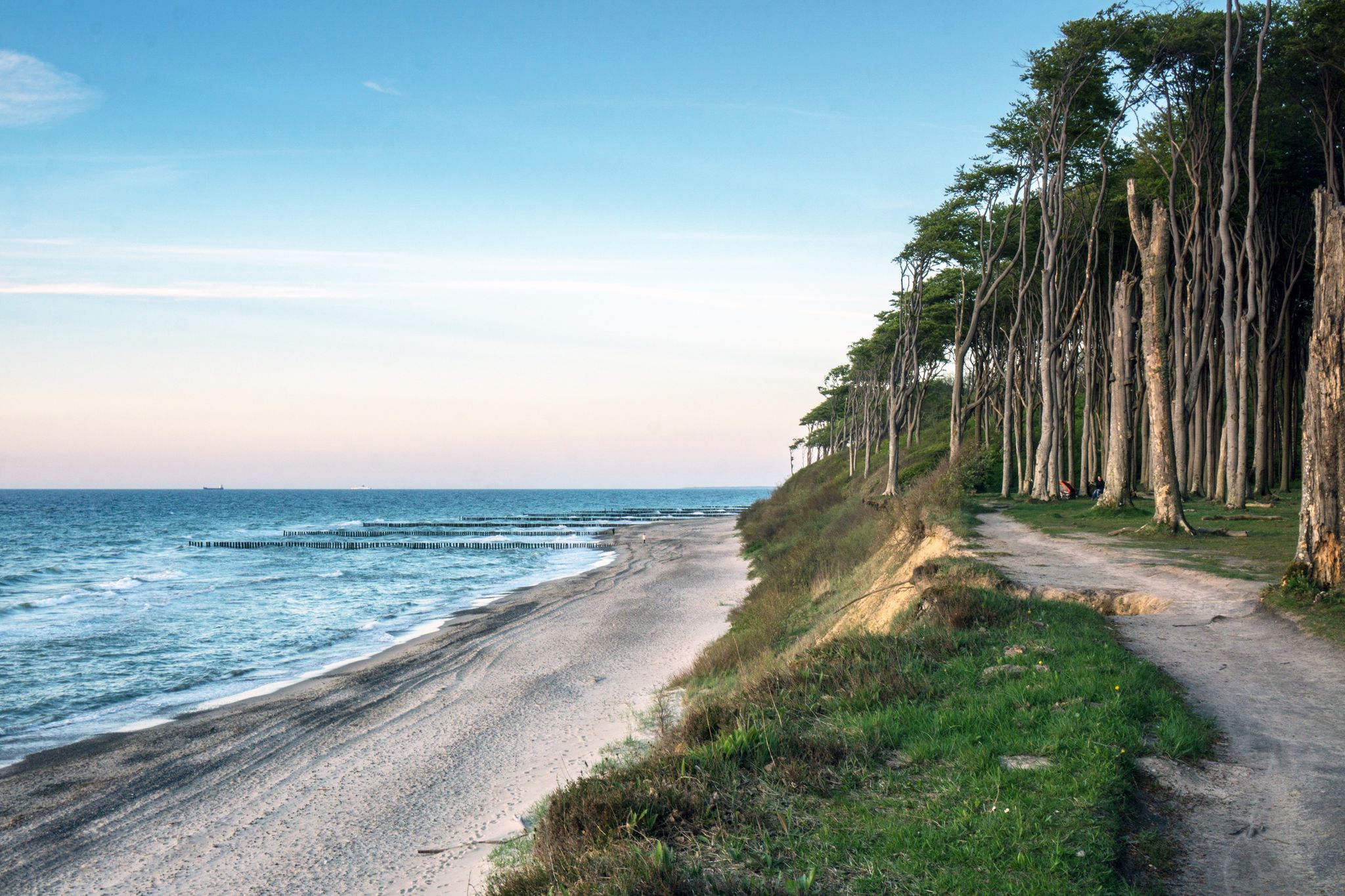
D-Route 2: Baltic Coast Route
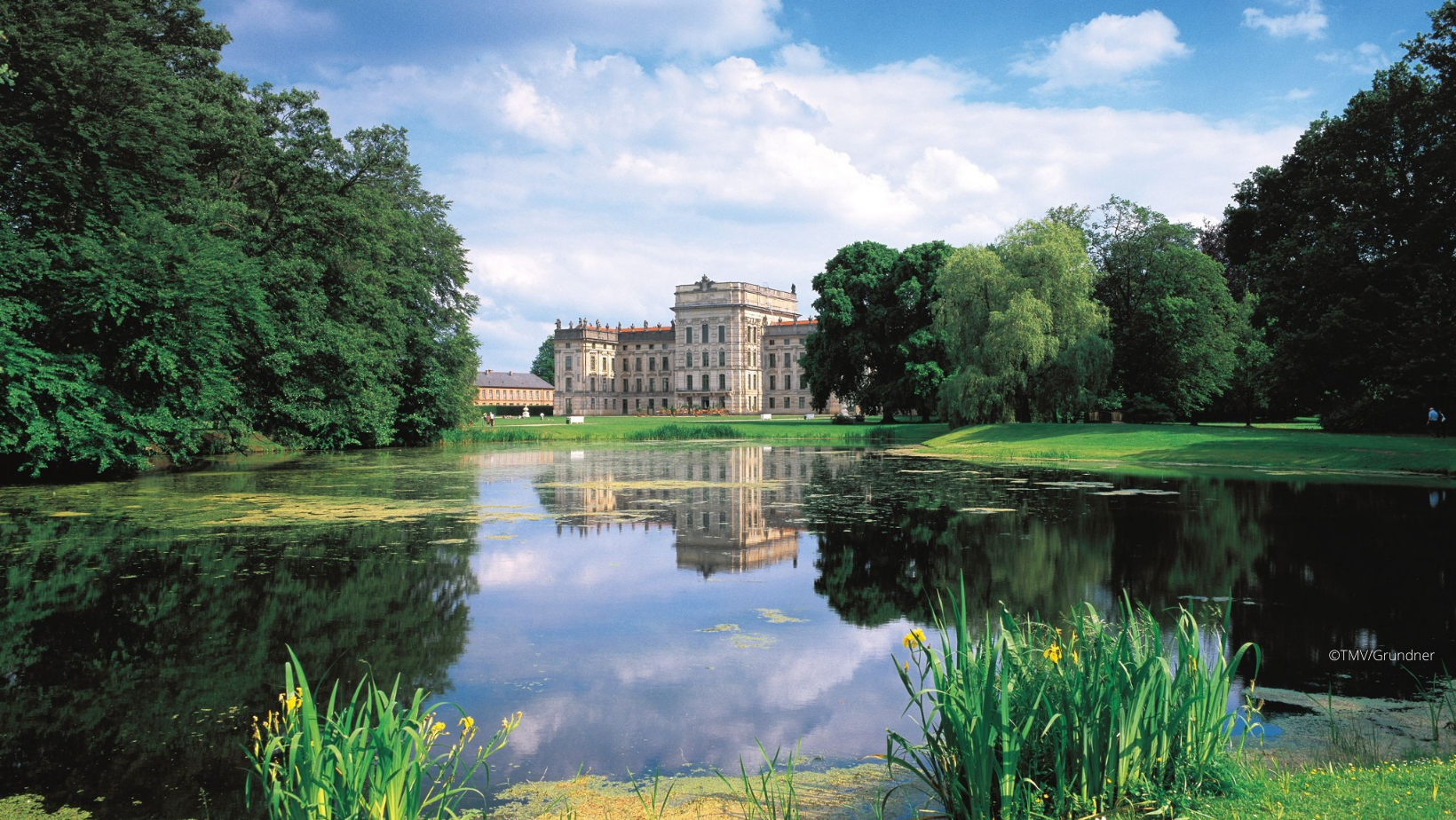
Auf dem Residenzstädte-Rundweg
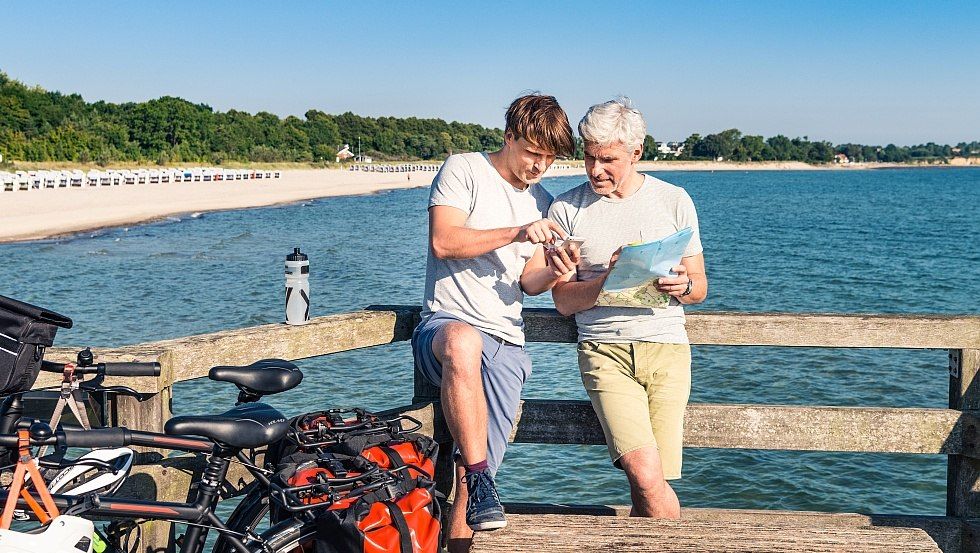
Westlicher Backstein-Rundweg

Ostseeküsten-Radweg: Radeln, wo die Wellen flüstern
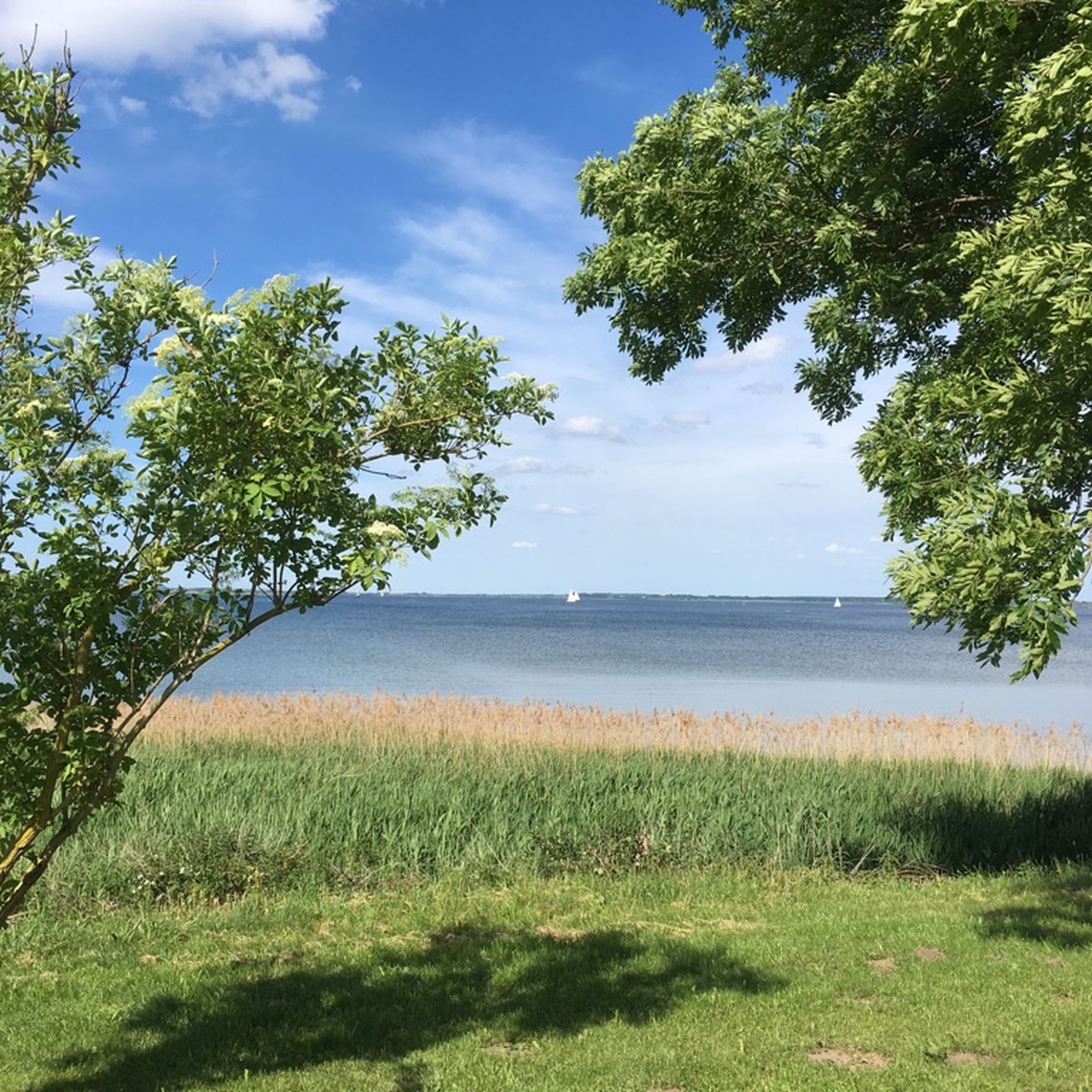
Cycling around Wismar
Other adventures around Wismar


Tips from the Community

The castle rampart on the island of Poel is an important historical relic from the early modern period of fortification. It is located in the present-day village of Kirchdorf, the island's main town, and marks the site of the former ducal castle of Poel, which was built at the beginning of the 17th century under Duke Adolf Friedrich I of Mecklenburg.
1
0

A beautiful, almost enchanted place ☺️ The surroundings are picturesque.
0
0

A little detour is worth it.🚴🏼♀️
0
0

The current St. Mary's Church was built in the early 14th century. However, a church building had already been built 100 years earlier. The church was badly damaged in the last air raid in April 1945 and was demolished in 1960. Only the 80-meter-high tower remained. The entire site now serves as a memorial against war.
12
0

It is well done that you can see the dimensions of the church from earlier times. There is also a small cast model on the site that shows the former church. There are also great sculptures on site.
8
0

The church was impressive in size. On the side of the former nave there is a tactile model, which is also very interesting for sighted people. The 3D model shows representations of the former church and the current remaining church.
8
0

Definitely super interesting, somehow missed it
0
0

The imposing sacred building belongs to one of the 3 main churches in Wismar, just like St. Nikolai and St. George's Church. The late Gothic hall church was built near the market square at the beginning of the 13th century. In the 15th century it was then expanded by 2 side halls. The church was badly damaged in World War II. In 1960, the then city council decided to blow up the damaged nave of the church, so that today only the 80 m high west tower is standing. At that time the church was used as a council church and house of prayer, today it houses a popular exhibition on brick Gothic. In 1921 the church was chosen as a film location for the film Nosferatu, other film locations included the water gate and courtyard of the Holy Spirit Church and the harbour. The tower is a landmark and sea mark of the Hanseatic city that catches the eye from afar. Source: https://www.wismar.m-vp.de/st-marien-kirche-wismar/
9
1
Frequently Asked Questions
What types of historical residences can I explore around Wismar?
Wismar and its surroundings offer a variety of historical sites, ranging from princely palaces to restored manor houses and former fortress grounds. In Wismar itself, the Fürstenhof, a Renaissance palace, is a prominent example. Nearby, you can visit manor houses like Gutshaus Gamehl, which has been converted into a hotel, or the historical grounds of Poel Fortress and Former Castle Grounds.
Are there any family-friendly castle sites near Wismar?
Yes, several sites are suitable for families. The Poel Fortress and Former Castle Grounds offer an interesting historical exploration with information boards, and the surrounding area is pleasant for a walk. Gutshaus Gamehl, with its picturesque surroundings, can also be a nice stop for families.
Can I combine a castle visit with outdoor activities like hiking or cycling?
Absolutely. The region around Wismar is excellent for outdoor activities. You can find various routes for hiking and cycling that pass by or are close to these historical sites. For example, you can explore easy hikes around Wismar, or find MTB trails and gravel biking routes that offer a different perspective of the landscape and its historical landmarks. Discover more routes in our guides for easy hikes, MTB trails, and gravel biking around Wismar.
What is the most historically significant palace directly within Wismar?
The Fürstenhof (Princes' Palace) is the most prominent historical palace directly within Wismar. It served as a residence for the Princes of Mecklenburg and showcases remarkable Italian Renaissance architecture, particularly its 'New Court' wing built in the mid-16th century. Its intricate terracotta carvings and historical significance make it a key landmark.
Are there any castles or manor houses near Wismar that offer accommodation?
Yes, Schloss Gamehl, located near Wismar, is a notable example. This Neo-Gothic manor house, built in 1860, has been fully renovated and converted into a charming country hotel. It offers individually furnished rooms, a restaurant, and a park, providing a unique historical stay experience.
What can I expect to see at the Poel Fortress and Former Castle Grounds?
At the Poel Fortress and Former Castle Grounds, you'll find remnants of a 17th-century fortress, primarily in the form of earthen ramparts that partially surround the island church. While the castle itself was destroyed in the Thirty Years' War, information boards on site detail its history and its role in securing Wismar Bay.
Is there a castle near Wismar known for its art and cultural events?
Yes, the Weitendorf Manor House, near Wismar, is known for its tiny 15th-century brick chapel. Since 1991, the Art Association Chapel Weitendorf has used this building for exhibitions, concerts, and summer symposia, and a 'Sculpture Alley' is now a local attraction, blending history with contemporary culture.
What is the best way to learn about the history of these sites?
Many sites, such as the Poel Fortress and Former Castle Grounds, have information boards providing historical context. For places like the Fürstenhof, which houses the district court, you can appreciate its architecture and historical grandeur from the exterior and public areas. For a deeper dive, local museums or guided tours in the region often cover the history of these specific residences and the broader Hanseatic era.
Are there any castles or palaces further afield but still relevant to Wismar's history?
Yes, Schwerin Castle, often called the 'Neuschwanstein of the North,' is a significant attraction nearby. Wismar was once part of the Duchy of Mecklenburg, and the dukes relocated their seat to Schwerin. Today, parts of Schwerin Castle serve as the Mecklenburg-Vorpommern state parliament and a museum, making it a crucial historical and architectural landmark in the wider region. You can learn more about it on Wikipedia.
What do visitors enjoy most about the castles and historical sites around Wismar?
Visitors appreciate the blend of historical architecture and the tranquil, picturesque surroundings. Many enjoy the opportunity to explore well-preserved manor houses like Gutshaus Gamehl, which offers a charming and almost enchanted atmosphere. The historical significance of sites like the Poel Fortress and the architectural beauty of Wismar's Fürstenhof also draw considerable interest.
Are there any less crowded historical sites to visit near Wismar?
While popular sites can attract visitors, many of the manor houses and smaller historical grounds in the vicinity, such as Manor House Neuhof or the Weitendorf Manor House, offer a more tranquil experience. These provide insight into the region's aristocratic and agricultural past without the larger crowds of more prominent attractions.
Most popular routes around Wismar
Most popular attractions around Wismar

Get inspired with the komoot mobile app


Explore more
Looking for the best castles somewhere else? Discover other guides around Wismar:
