Top 8 Caves around Wiesloch
Best caves around Wiesloch include natural formations and historical sites in the surrounding region. The area features geological curiosities and locations with local folklore. These sites offer a nature-oriented experience, blending natural exploration with regional history. The landscape provides diverse terrain for outdoor activities.
Best caves around Wiesloch
- The most popular caves is Dachsenfranz Cave, a cave that is a historical site located in a forest setting. It is known as the former dwelling of a hermit named 'Dachsenfranz'…
Last updated: September 29, 2026
Dachsenfranz Cave
Highlight • Cave
After a later understanding …
Translated by Google •
Tip by

Breathing Rock near Rothsnasenhütte
Highlight • Natural Monument
Translated by Google •
Tip by
Sign up now to discover places like this
Get recommendations on the best single tracks, peaks, & plenty of other exciting outdoor places.
Rock Shelter in Naturpark Neckartal-Odenwald
Highlight • Natural Monument
Translated by Google •
Tip by

Cableway Entrance to the Quarry Tunnel
Highlight • Structure
Translated by Google •
Tip by

The Weiße Hohle
Highlight • Cave
A sign with hiking trails in the region is also on site.
Translated by Google •
Tip by

Sign up for free to discover even more caves around Wiesloch.
Already have an account?
Start today with a free account
Your next adventure awaits.
Popular around Wiesloch
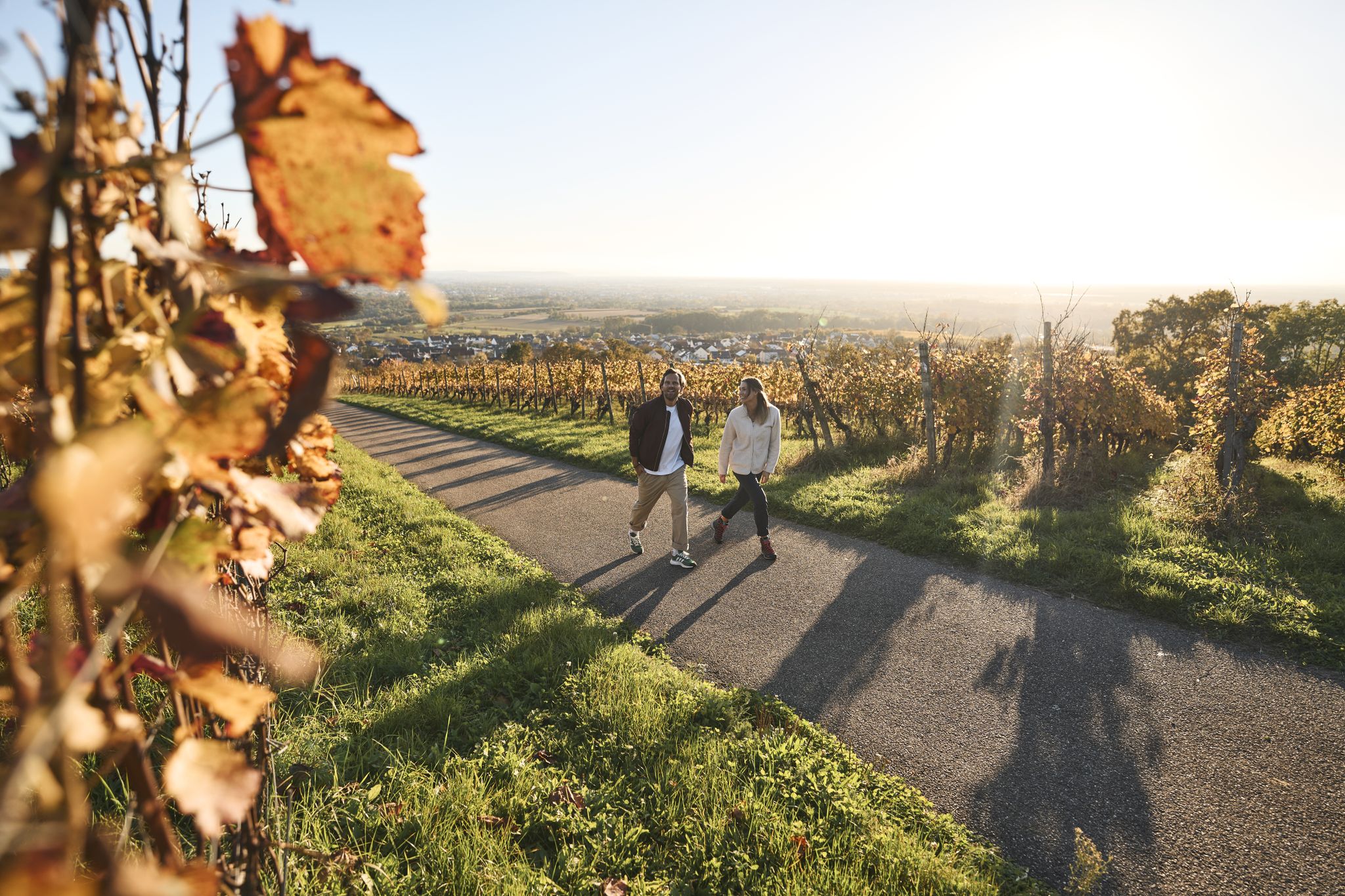
Fine drops and local cuisine – gourmet hiking in the Süden ganz oben
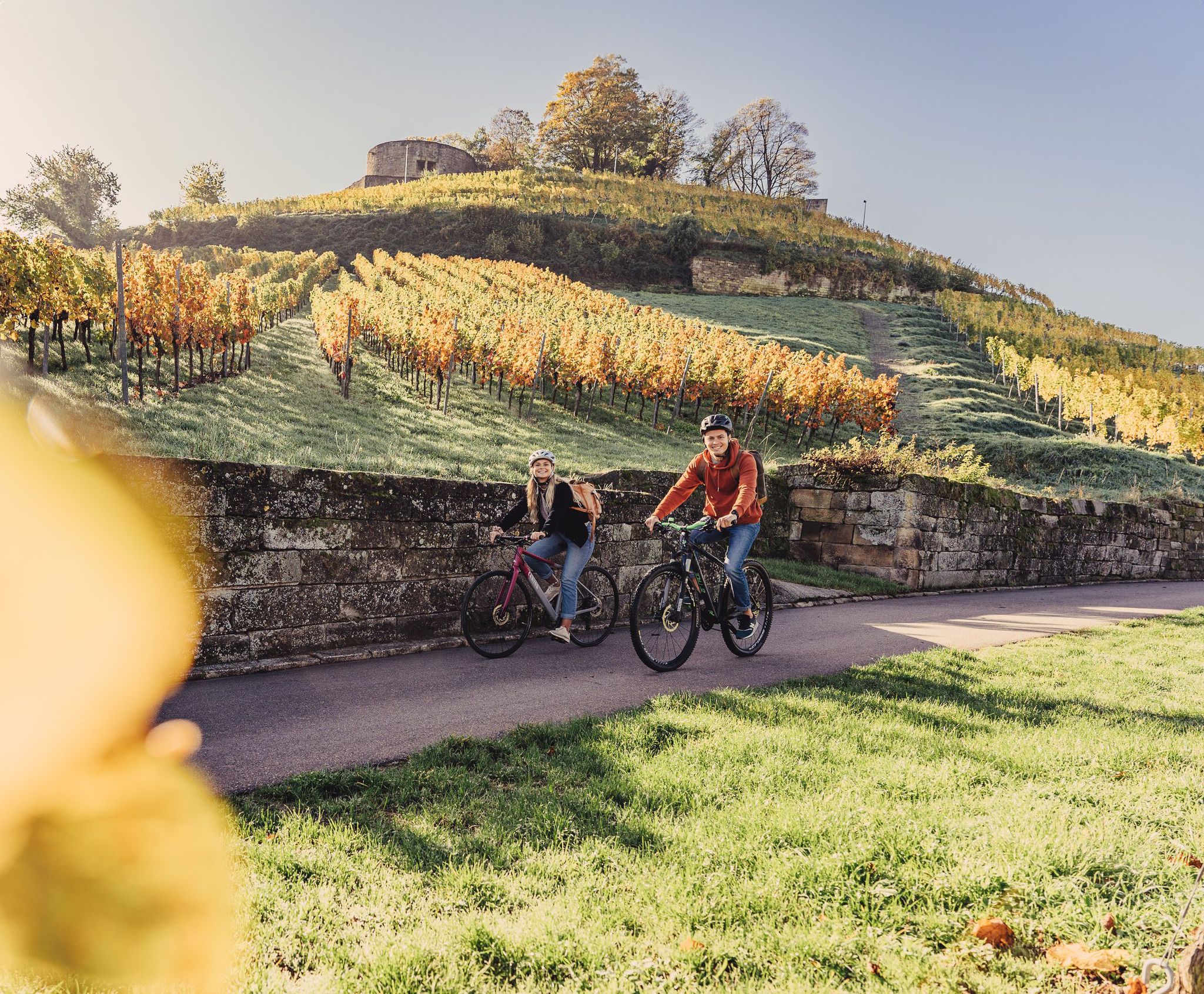
Cycling for pleasure in the north of Baden-Württemberg
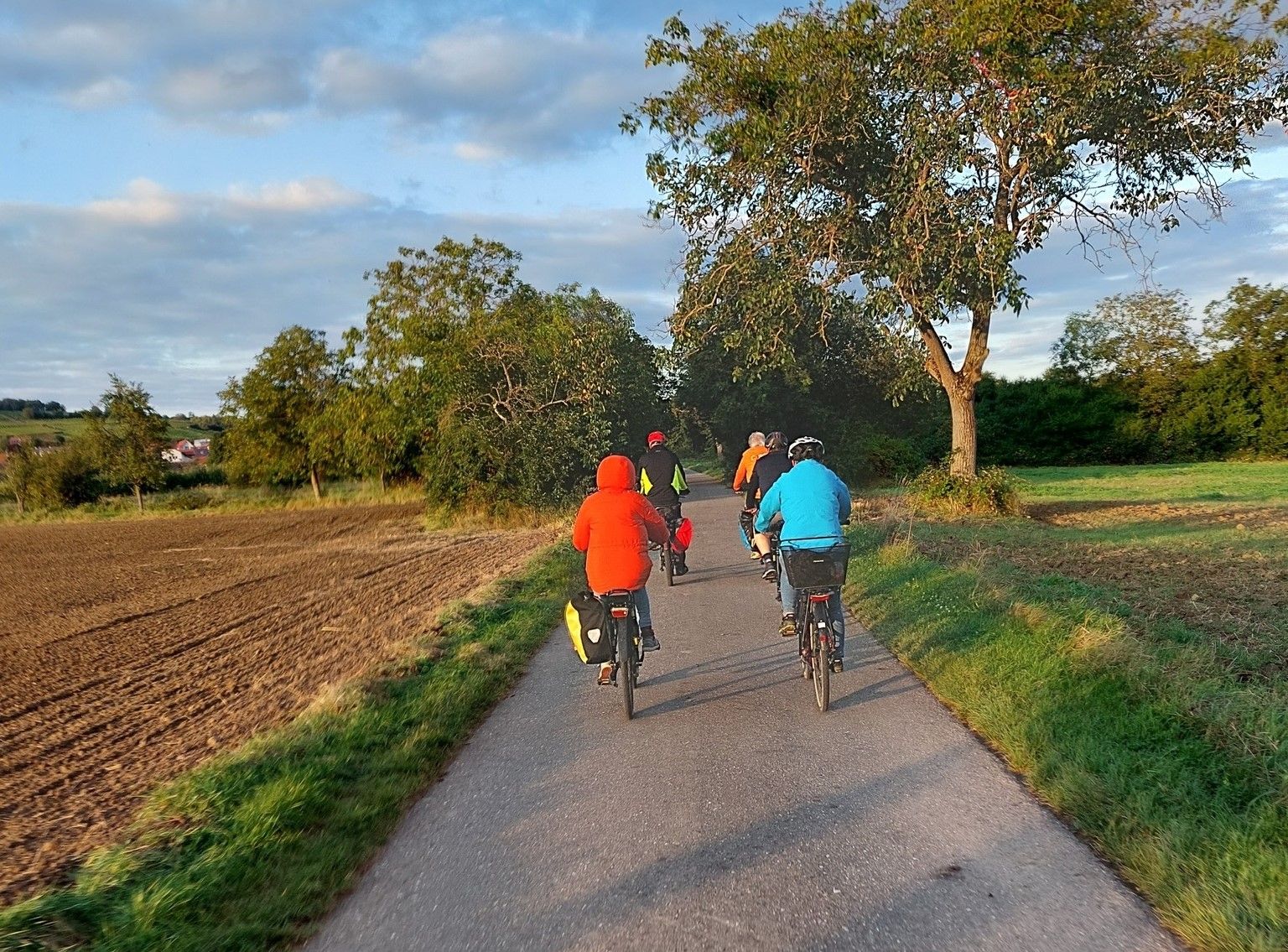
ADFC Wiesloch/Walldorf: After work cycling
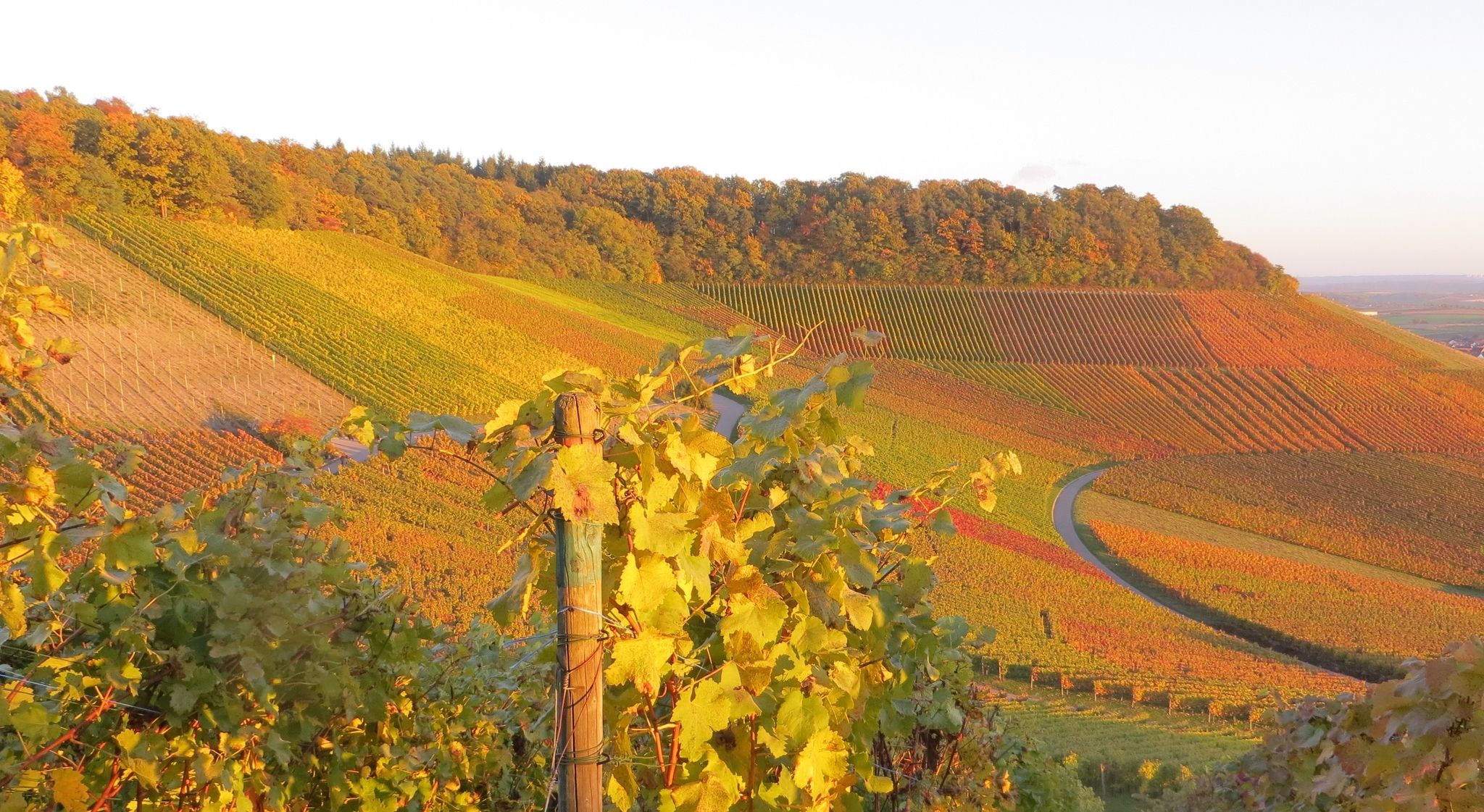
ADFC Wiesloch/Walldorf: Beautiful day tours in Kraichgau, the 'Land of 1000 hills'
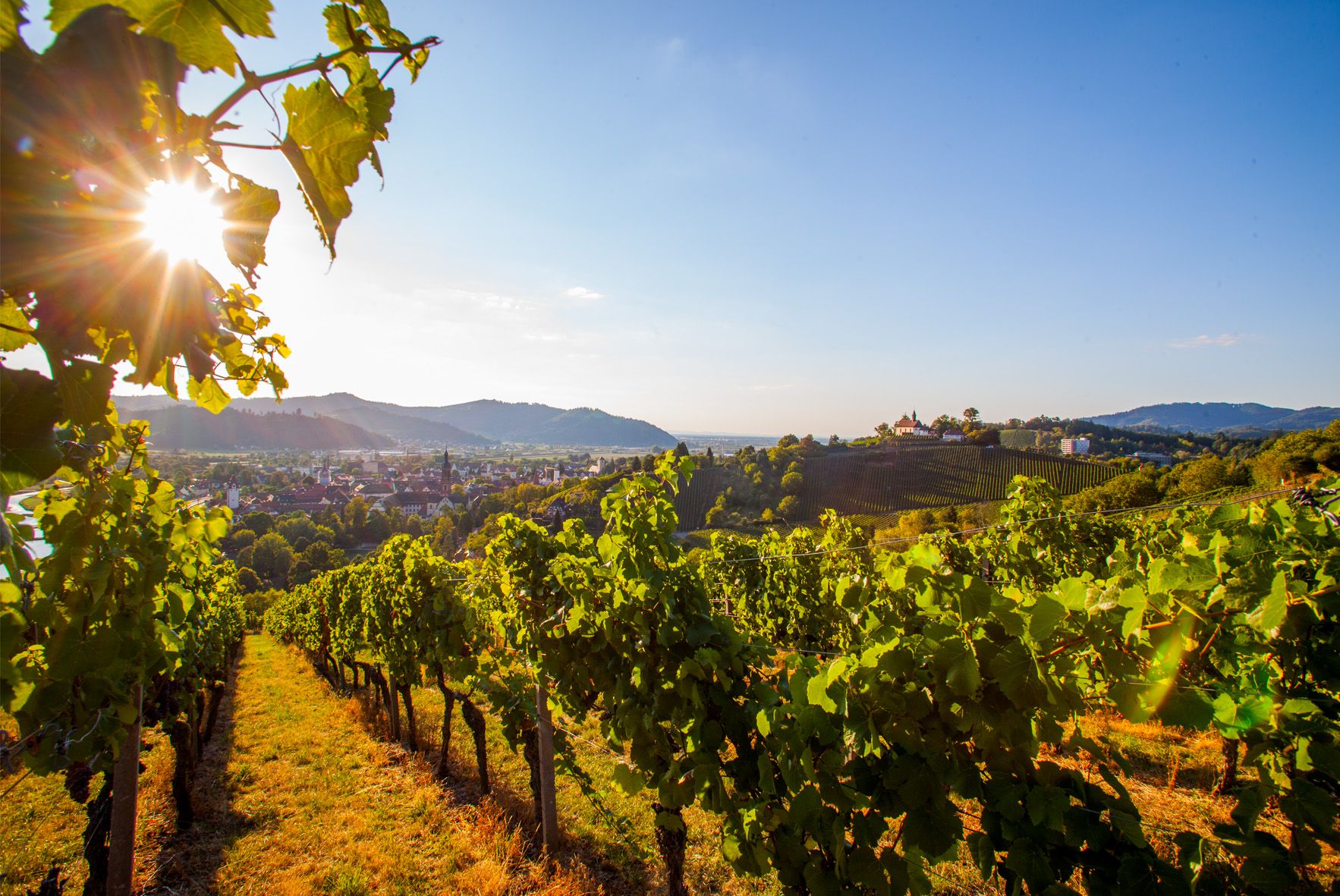
Right the Black Forest, left the Rhine – the Baden Wine Cycle Route
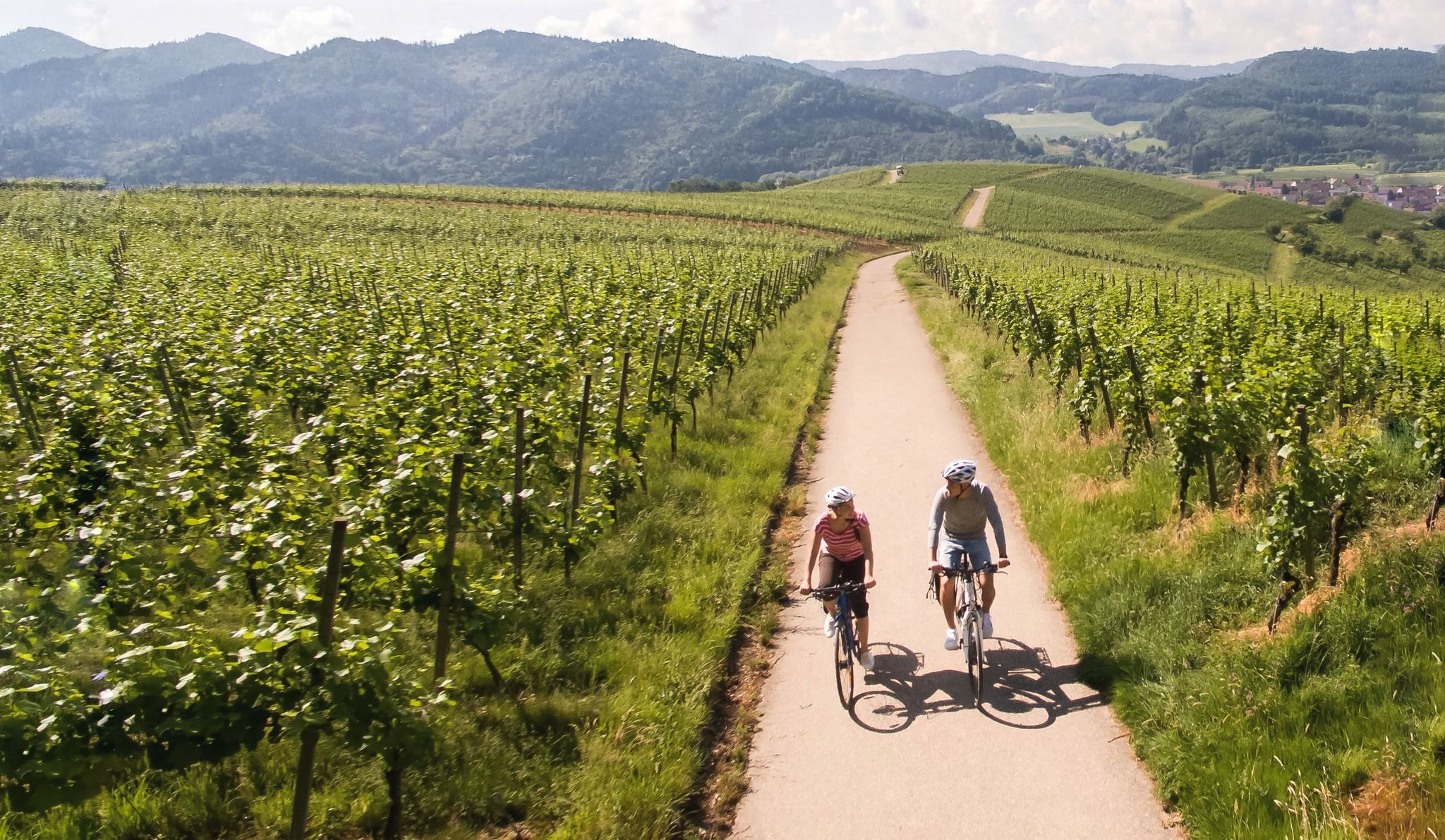
Vineyards and the Rhine Valley – the Baden Wine Cycle Route
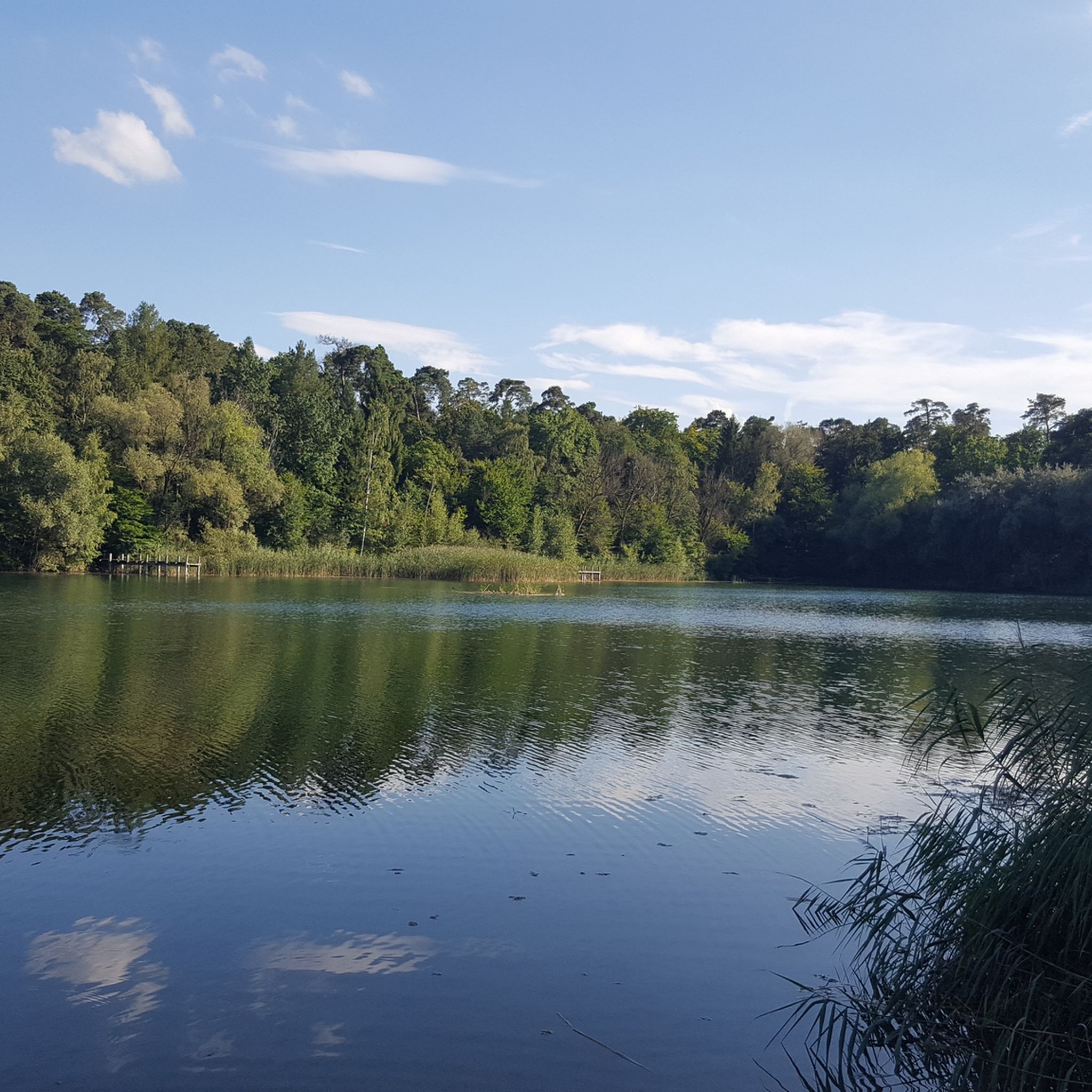
Cycling around Wiesloch
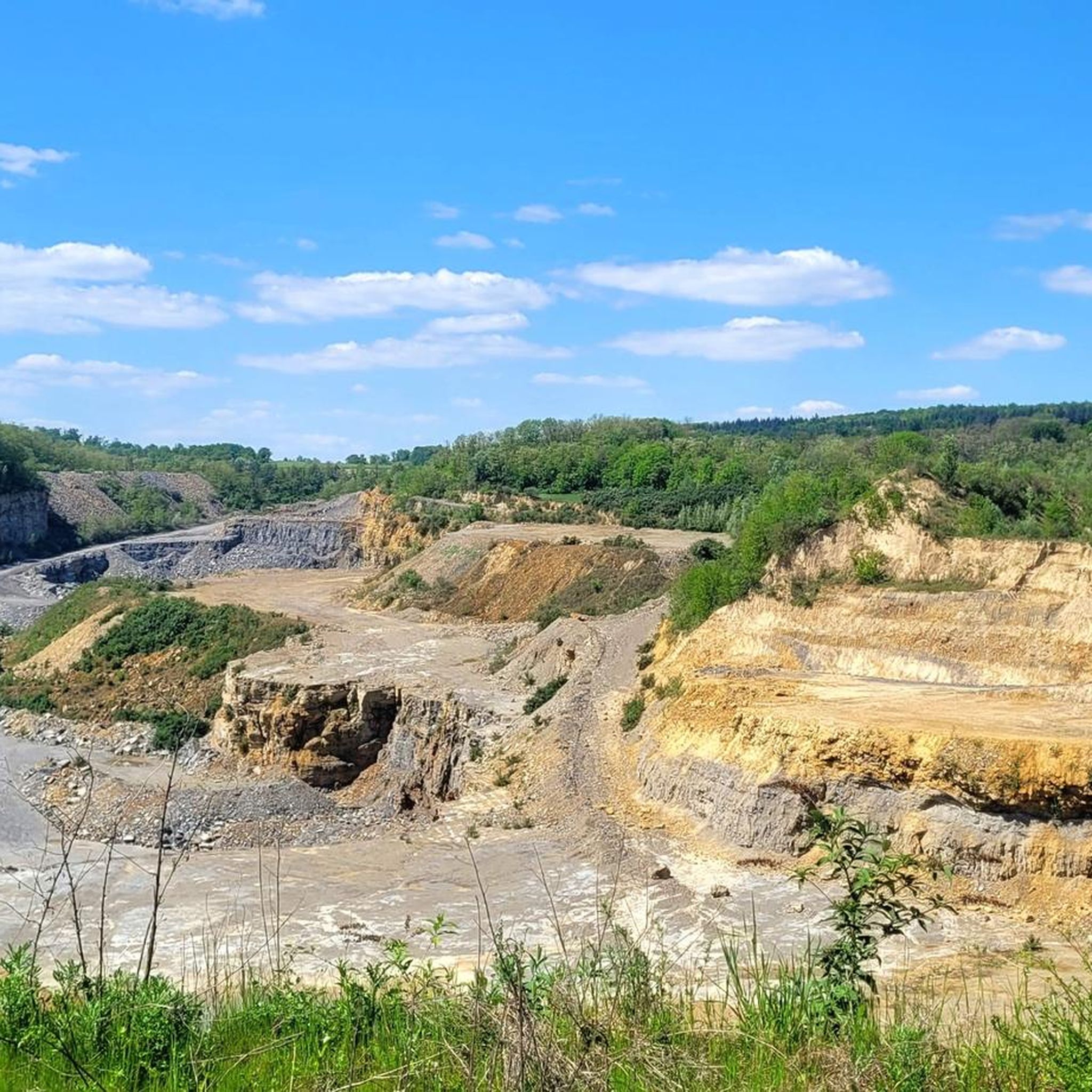
Road Cycling Routes around Wiesloch
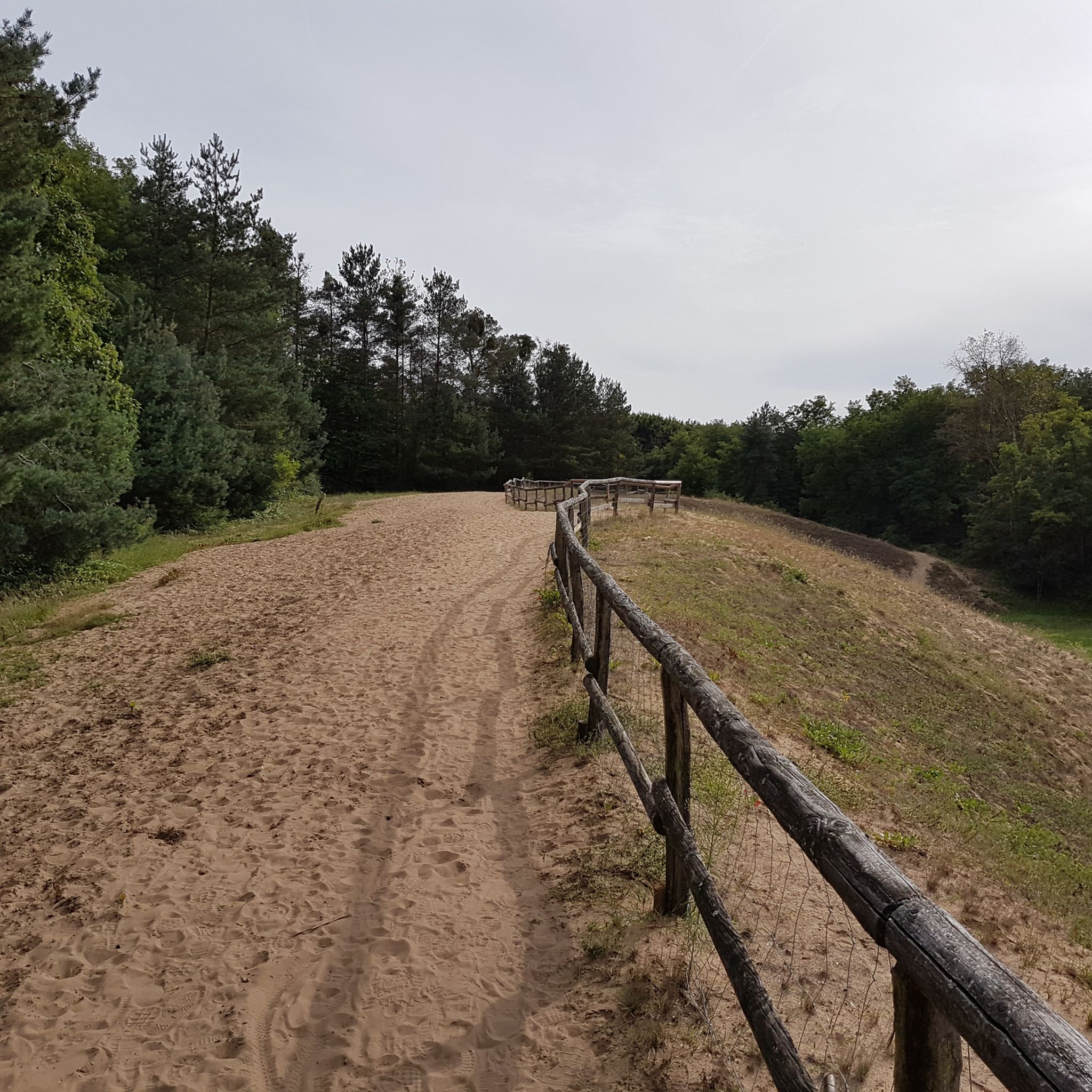
Hiking around Wiesloch
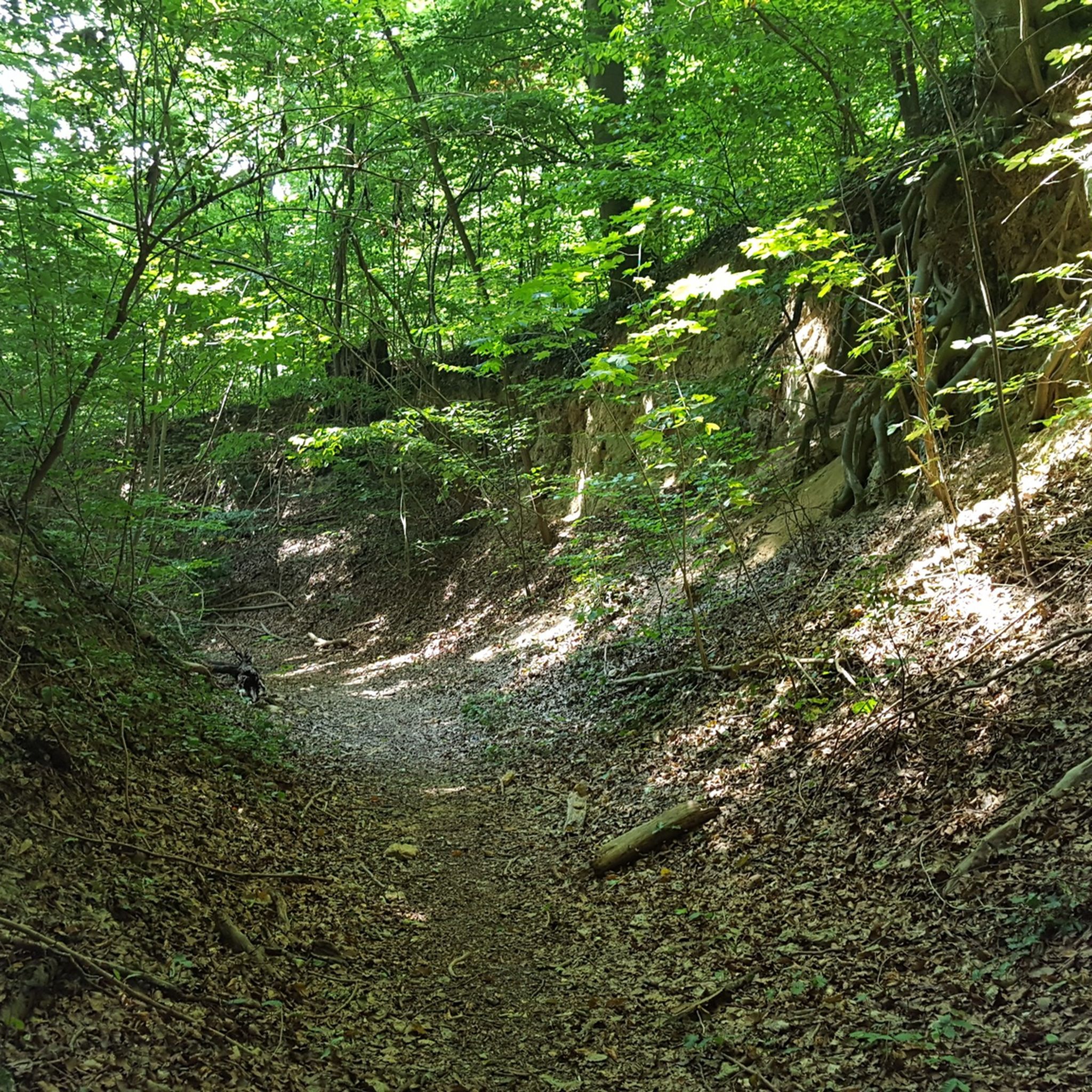
MTB Trails around Wiesloch
Other adventures around Wiesloch


Tips from the Community

Good starting point for hikes
0
0

The “Weiße Hohle” forest car park is located on Sinsheimer Straße, on the outskirts of Nußloch, directly at the entrance to the “Weiße Hohle”. A sign with hiking trails in the region is also on site.
4
0

Totally rustic dwelling place from the so-called Dachsenfranz. In the middle of the forest and also an adventure for the children
3
0

Ascent a bit wild but short, if you know where the overhang can be seen from the path.
0
0

The Dachsenfranzhöhle was once the cave of the '"Dachsenfranz" Francesco Regali. He lived over a hundred years ago in the forests of the Odenwald and in the Kraichgau. It is not original, but it is a replica. It is impressive to see how the "Dachsenfranz" lived. Also great for children, because the small living room cave is accessible.
3
0


As I walked by, I noticed the stairs and I became curious. I only noticed at home that this is a highlighted highlight - where does the rope that dangles left on the rock lead to?
1
0

Does a fox family live here who are currently making coffee? Is it the exhaust ducts of the subway to Wilhelmsfeld? Or is it the exit of a secret tunnel system that runs under the Neckar and extends beyond the Dilsberg fortress? The speculation on the Internet is growing wild. There is a mysterious phenomenon in the Kleingemünde Forest: In winter, "warm" air flows out of a crevice not far from the Rothsnasenhütte. Sometimes it even steams. In summer, the outflowing air is perceived as cool. Hikers reported to the town hall because they had observed that warm air was flowing out of two crevices in the sandstone above Kleingemünd shortly before the Rothsnasenhütte. It was reported that even the glasses were fogging up. The hikers suspected there might be underground passages in the rock. (https://www.rnz.de/nachrichten/region_artikel,-atmender-fels-bei-kleingemuend-dieses-mysterioese-phaenomen-sracht-fuer-staunen-plus-video-_arid,437842.html)
3
0
Frequently Asked Questions
What kind of caves can I expect to find around Wiesloch?
The caves around Wiesloch are primarily natural formations and historical sites, offering a more rustic and nature-oriented experience. You'll find geological curiosities and locations rich in local folklore, rather than large, commercially developed show caves with extensive stalactite formations.
Are there any historical caves to explore near Wiesloch?
Yes, the Dachsenfranz Cave is a significant historical site, known as the former dwelling of a hermit named 'Dachsenfranz' over a century ago. The Meutersloch Sandstone Cave also holds historical significance, reportedly used as a hiding place during religious wars.
What unique natural phenomena can I observe in the caves around Wiesloch?
The Breathing Rock near Rothsnasenhütte is a notable geological phenomenon. Here, air emanates from a rock crevice, feeling warm in winter and cool in summer, creating a mysterious 'breathing' effect.
Are the caves around Wiesloch suitable for families?
Yes, some locations are considered family-friendly. For instance, the Dachsenfranz Cave is a popular spot for families, offering an engaging blend of nature and local history that can be explored via various hiking and cycling routes.
What are the typical difficulty levels for exploring these caves?
Most of the cave sites around Wiesloch, such as the Dachsenfranz Cave, Breathing Rock near Rothsnasenhütte, and The Weiße Hohle, are accessible via intermediate hiking trails. They offer a nature-oriented experience rather than technical caving, making them suitable for most active individuals.
What outdoor activities can I do near these caves?
The region around Wiesloch offers diverse terrain for various outdoor activities. You can find numerous hiking trails, such as the 'Kraichgau wine hike' or routes leading to viewpoints. There are also extensive options for MTB trails and gravel biking routes, allowing you to combine cave visits with longer cycling tours.
Are there specific hiking trails that lead to the caves?
Yes, many caves are integrated into the local hiking network. For example, the Dachsenfranz Cave is situated in a beautiful forest and can be reached via various hiking routes. The Weiße Hohle also has a sign with hiking trails in the region directly at its car park. You can explore more options on the Hiking around Wiesloch guide.
What do visitors enjoy most about the caves around Wiesloch?
Visitors appreciate the blend of natural beauty and local history. The well-maintained paths, the serene forest settings, and the intriguing stories behind sites like the Dachsenfranz Cave are frequently highlighted. The unique geological phenomenon of the Breathing Rock also captivates many.
Is there parking available near the cave sites?
Yes, for some sites, parking is conveniently located. For instance, 'The Weiße Hohle' has a dedicated forest car park on Sinsheimer Straße, directly at its entrance, making it easily accessible.
Can I visit the caves during winter?
The natural cave sites around Wiesloch are generally accessible year-round, as they are open-air natural formations. The Breathing Rock near Rothsnasenhütte is particularly interesting in winter, as warm air emanates from its crevice, sometimes even steaming.
Are there any man-made tunnels or quarry features to see?
Yes, the Cableway Entrance to the Quarry Tunnel offers a glimpse into the region's industrial history. While not a natural cave, it's an impressive man-made structure with a 500m long tunnel that once served a quarry.
Are the caves around Wiesloch dog-friendly?
Given their nature as outdoor, natural, and historical sites, most of the cave locations and their surrounding trails are generally dog-friendly. However, always ensure your dog is on a leash and that you clean up after them to respect the natural environment and other visitors.
Most popular routes around Wiesloch
Most popular attractions around Wiesloch

Get inspired with the komoot mobile app


Explore more
Extend your search for the best caves by checking out these guides of the top ones around Wiesloch:
