Top 7 Caves around Wüstenrot
Best caves around Wüstenrot are found within a reasonable driving distance in the Baden-Württemberg region, offering diverse underground experiences. The area features geological formations like Stubensandstein and Tobel Gorges, alongside historical mining sites. These natural and man-made subterranean spaces provide insights into the region's geology and past industries. The landscape around Wüstenrot is characterized by its natural monuments and historical significance.
Best caves around Wüstenrot
- The most popular caves is Hohler Stein Erosion Natural Monument, a natural_monument that features…
Last updated: October 12, 2026
Hohler Stein Erosion Natural Monument
Highlight • Natural Monument
Translated by Google •
Tip by

Silberstollen Spiegelberg
Highlight • Cave
Mica flakes, shiny coal, so-called Zugstein and pyrites embedded in the sandstone repeatedly raised the hope of finding ores or even precious …
Translated by Google •
Tip by

Sign up now to discover places like this
Get recommendations on the best single tracks, peaks, & plenty of other exciting outdoor places.
Lumpenloch Cave
Highlight • Cave
Translated by Google •
Tip by

Hollow Stone
Highlight • Cave
Translated by Google •
Tip by

Whetstone Mine
Highlight • Historical Site
Translated by Google •
Tip by

Sign up for free to discover even more caves around Wüstenrot.
Already have an account?
Start today with a free account
Your next adventure awaits.
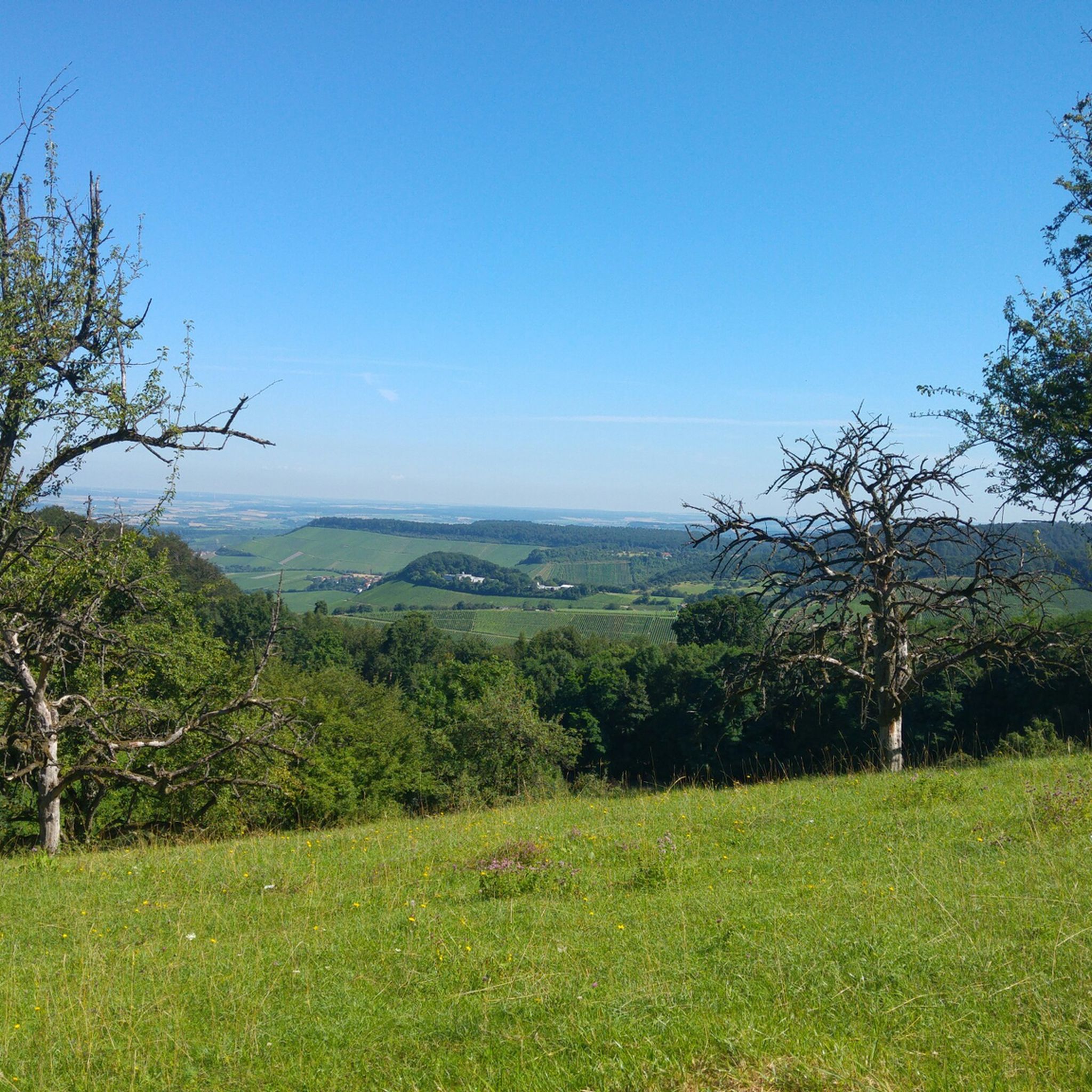
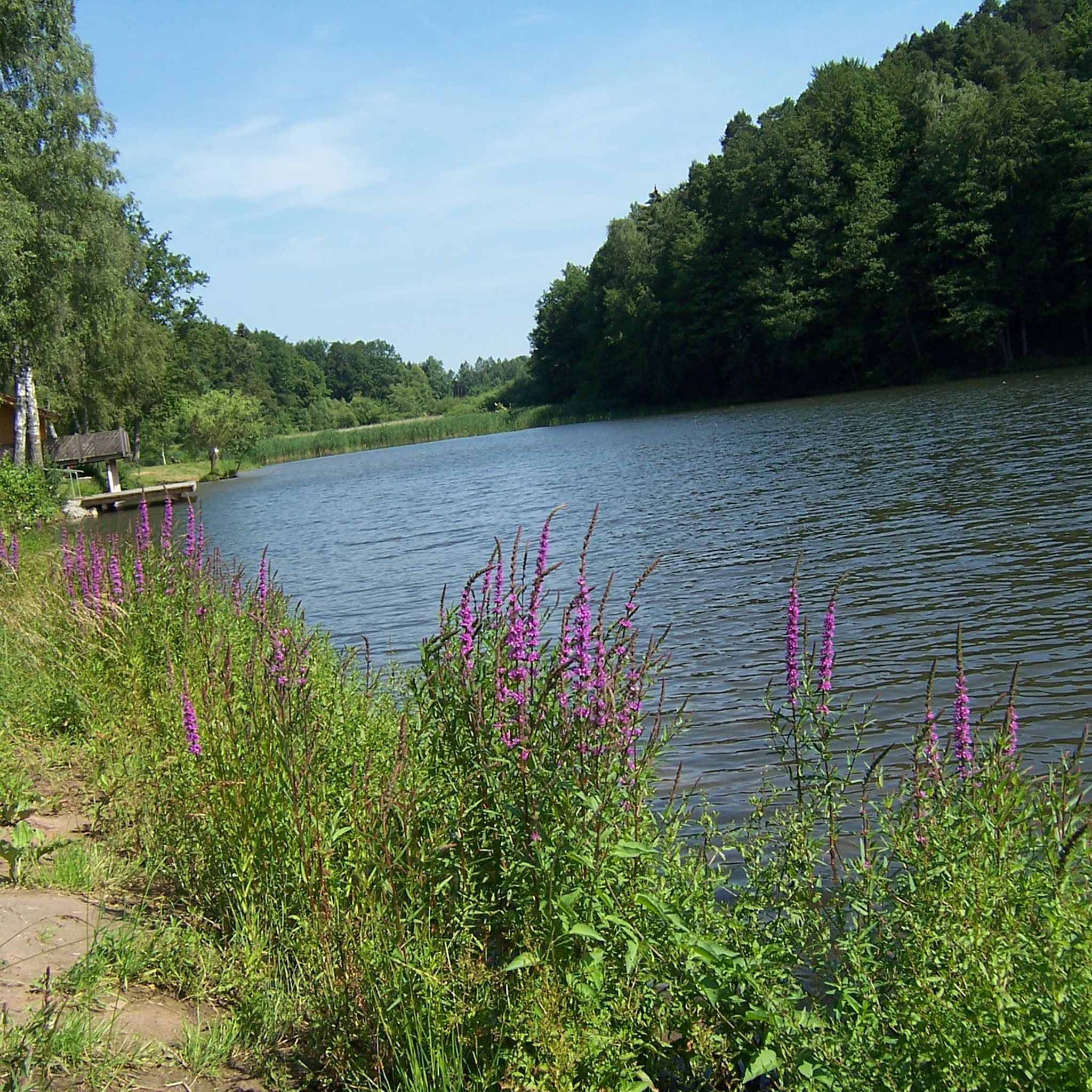
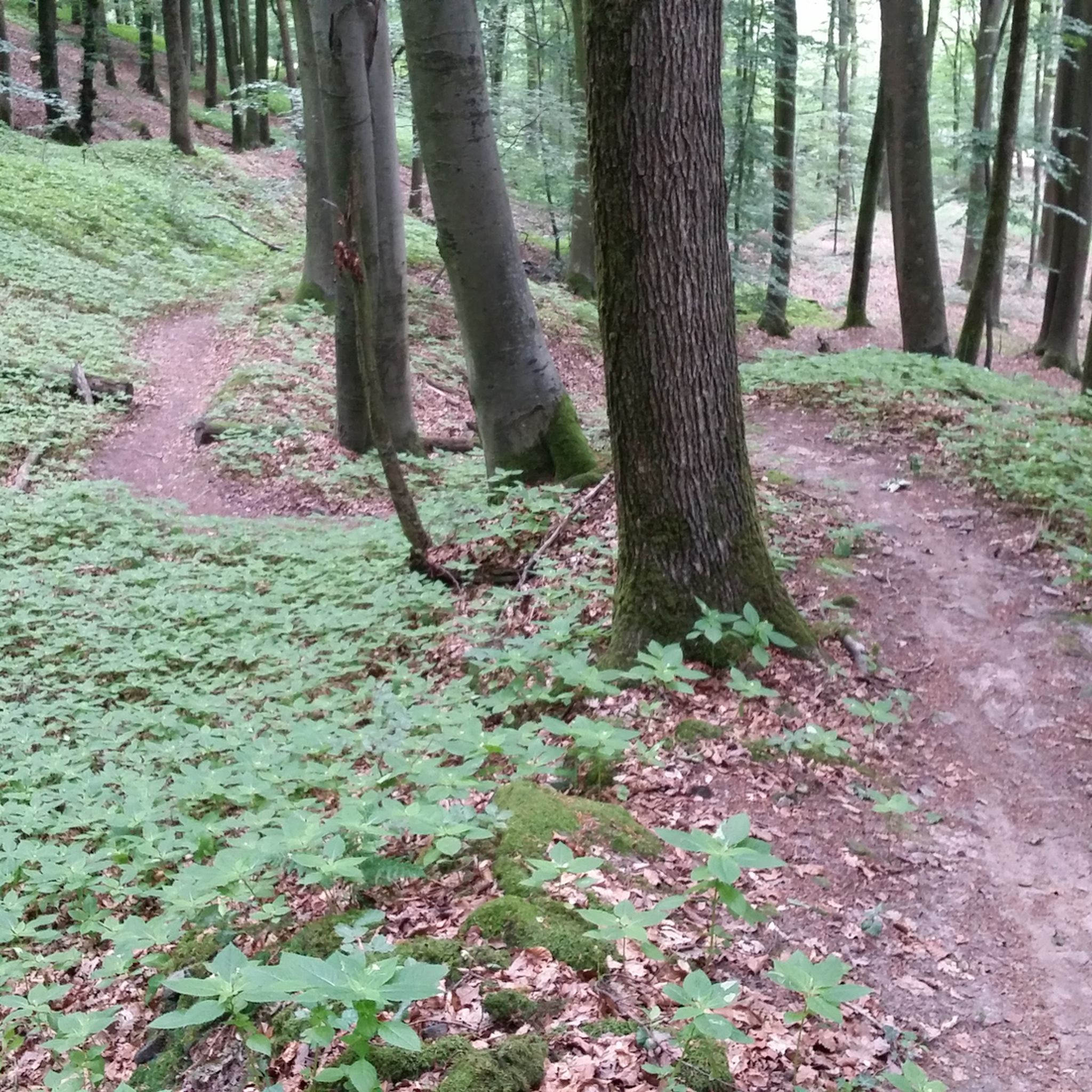
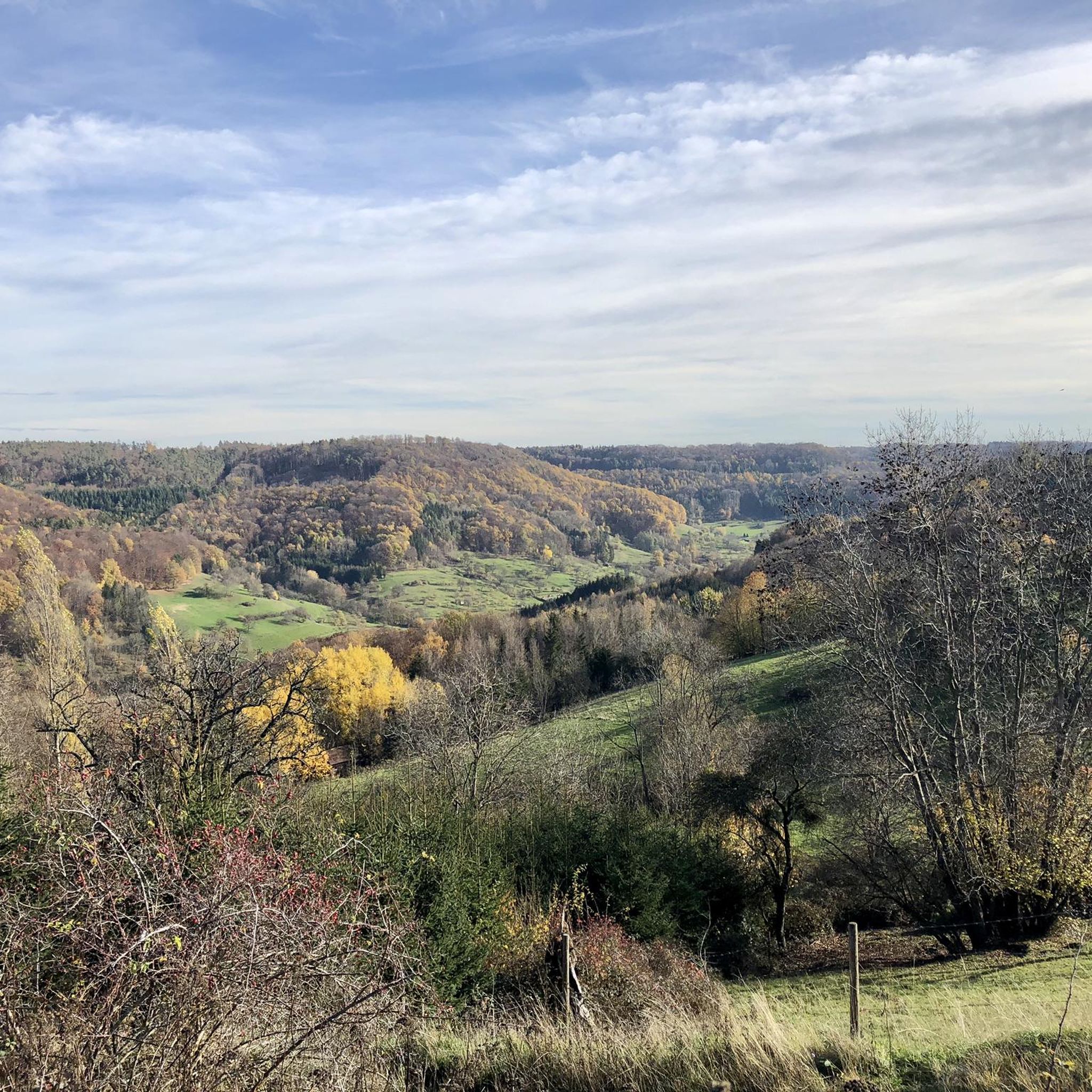

Tips from the Community


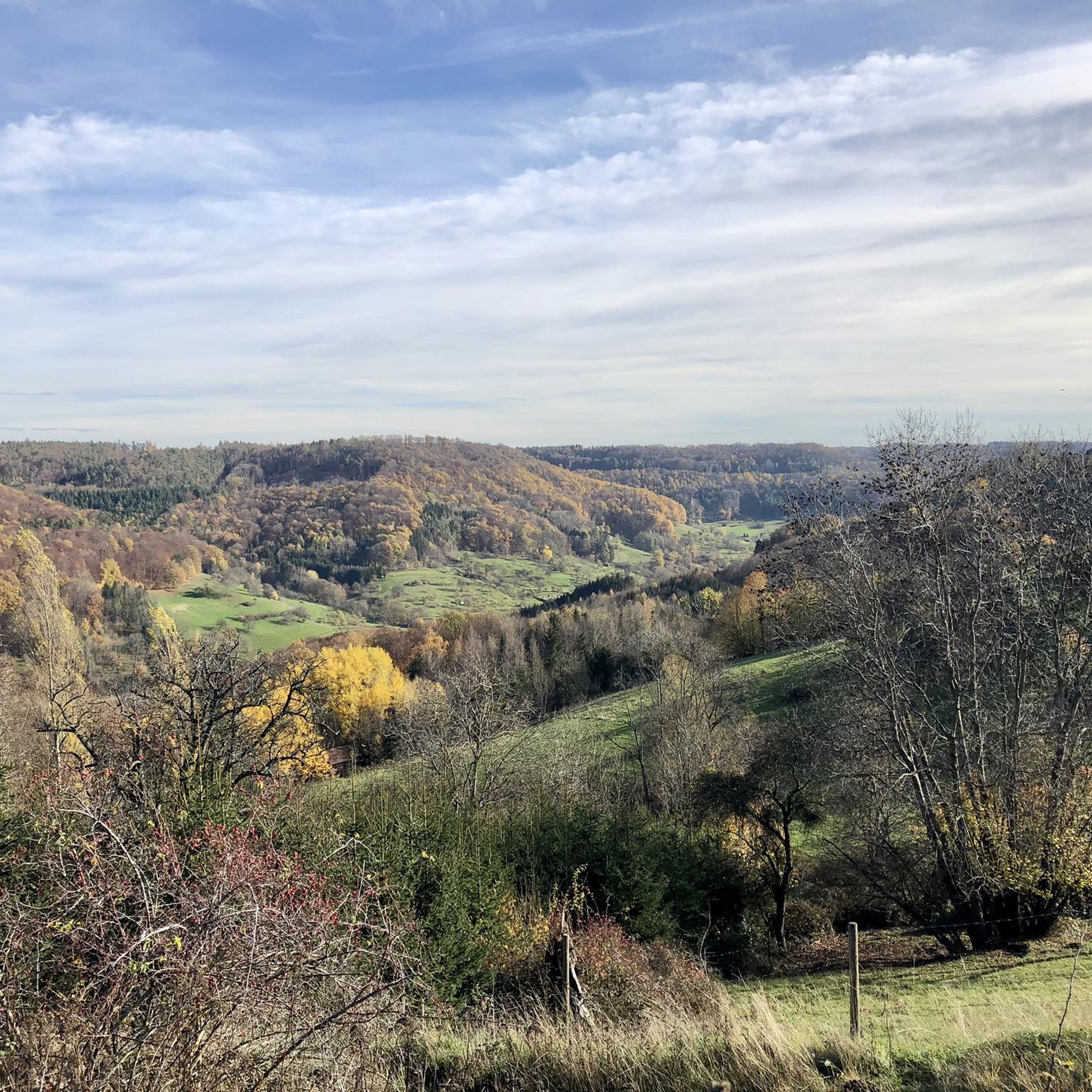
The Hohle Stein (Hollow Stone) is located in the middle of the Tobel Gorge. It was eroded over millennia and is now a monument to erosion. A small amount of water trickles down from the ceiling of the small grotto throughout the year.
5
0

Hollowed out sandstones with a small trickle of water on the way to a gorge on a very natural path.
3
1

- Entering the tunnel: as part of a "special tour". - A special tour is offered from 10 people (3.00 each). 👷♀️🔦⚒️🪜🧗♂️ - The contact details can be found here; www.wetzsteinstollen.de on the website of the Spiegelberg Tourist Association
1
0

Below Spiegelberg-Jux, siliceous sandstone has been mined since the Middle Ages and processed into whetstones for sharpening scythes. The Wetzsteinstollen visitor mine is a silent witness to this era, in which – uniquely in Europe – whetstone-grade material was mined in a mine. See also: http://www.wetzsteinstollen.de/
2
0

... a cave secured by an iron door, which can only be looked into from the outside. However, one can see enough. To get an impression
2
0


Here you realize the power of nature!
3
1
Frequently Asked Questions
What types of caves can I explore near Wüstenrot?
Near Wüstenrot, you can explore a variety of caves, including natural erosion formations like the Hohler Stein Erosion Natural Monument, historical mining tunnels such as Silberstollen Spiegelberg and the Whetstone Mine, and grotto-like formations. Further afield in Baden-Württemberg, you'll find impressive dripstone caves like Eberstadt Stalactite Cave and Nebelhöhle, as well as the unique Wimsener Cave, which is navigable by boat.
Are there family-friendly caves to visit near Wüstenrot?
Yes, several caves are suitable for families. The Eberstadt Stalactite Cave offers well-developed paths, guided tours, and even a cave slide and outdoor playground. Nebelhöhle is also family-friendly with its impressive formations and large halls. The Wimsener Cave provides a unique boat tour experience, and the Whetstone Mine operates as a visitor mine with guided tours, making it engaging for all ages.
What are some historical caves or mining sites in the Wüstenrot area?
The region has a rich mining history. You can visit Silberstollen Spiegelberg, an 18th-century mining tunnel with connections to Friedrich Schiller's father. The Whetstone Mine is a unique German tunnel used for quarrying sandstone, now a visitor mine. The Gabe Gottes Silver Mine is another historical site, and Lumpenloch Cave has historical significance as a former shelter and ice cave.
What is the best time of year to visit caves near Wüstenrot?
Most show caves like Eberstadt Stalactite Cave and Nebelhöhle are open year-round, maintaining a constant cool temperature inside. However, the Schiller Cave is closed from mid-November to mid-April to protect hibernating bats. For natural erosion sites like the Hohler Stein Erosion Natural Monument, winter can be particularly impressive with icicle formations, but paths may be slippery. Always check specific opening times for visitor mines and show caves.
Are there any caves near Wüstenrot that offer a unique experience, like a boat tour?
Yes, the Wimsener Cave, located about 110-120 km from Wüstenrot, is Germany's only active water cave navigable by boat. Visitors can take a guided boat tour for about 70 meters into the illuminated underwater passage, following the underground Zwiefalter Ach river. This offers a distinctive way to experience a cave's formations and underground river.
What should I wear when exploring caves in the Wüstenrot region?
Caves maintain a constant cool temperature, typically between 7°C and 11°C, and often have high humidity. It's advisable to wear warm layers, even in summer, and sturdy, non-slip footwear. For less developed caves like Schiller Cave or Gabe Gottes Silver Mine, bringing a torch is essential as there is no artificial lighting.
Are there hiking opportunities near the caves around Wüstenrot?
Yes, the region around Wüstenrot offers numerous hiking trails. For example, you can find routes like the 'Himmelsleiter Wooden Staircase – Tobel Gorge and the Hollow Stone loop from Stangenberg' which includes the Hohler Stein Erosion Natural Monument. The Wimsener Cave also has hiking opportunities nearby. You can find more hiking options in the Hiking around Wüstenrot guide.
What are the geological features of the caves in this area?
The caves around Wüstenrot are primarily formed in Stubensandstein, leading to erosion niches and grotto-like formations. Further away, in the Swabian Alb, caves like Eberstadt Stalactite Cave and Nebelhöhle are stunning dripstone caves with stalactites, stalagmites, and calc-sinter formations, created by the dissolution of limestone over millions of years. The Hohler Stein Erosion Natural Monument, for instance, features a large niche formed by water eroding softer sandstone layers.
Can I find cafes or restaurants near the caves?
Many of the larger show caves, like Eberstadt Stalactite Cave and Nebelhöhle, often have visitor centers with amenities including cafes or kiosks. For other caves or after your visit, you can typically find cafes and pubs in nearby towns and villages. For example, the Silberstollen Spiegelberg is in an area with refreshment stops available.
Are there any caves that are freely accessible without a guided tour?
Yes, the Schiller Cave on the Swabian Alb is freely accessible, though it lacks artificial lighting, so you'll need to bring a torch. The Gabe Gottes Silver Mine is also generally freely accessible, though the entrance may sometimes be locked. For these, be prepared for a more natural, undeveloped caving experience.
What other outdoor activities can I combine with a cave visit near Wüstenrot?
Besides hiking, the Wüstenrot area offers various cycling opportunities. You can explore road cycling routes or touring bicycle paths. For example, there are routes like 'WT5 Family bike tour - Leisurely high altitude tour around Wüstenrot' or 'Maienfels Castle – View of the Brettach Valley loop from Wüstenrot'. You can find more options in the Road Cycling Routes around Wüstenrot guide and the Cycling around Wüstenrot guide.
How long does it typically take to explore the caves?
The duration varies by cave. Guided tours at show caves like Eberstadt Stalactite Cave or Nebelhöhle typically last around 45-60 minutes. The boat tour at Wimsener Cave is shorter, about 10-15 minutes. For freely accessible caves like Schiller Cave or the Gabe Gottes Silver Mine, the exploration time depends on your interest and how far you wish to venture, but usually, a visit takes 30-60 minutes.
Most popular routes around Wüstenrot
Most popular attractions around Wüstenrot

Get inspired with the komoot mobile app


Explore more
Extend your search for the best caves by checking out these guides of the top ones around Wüstenrot:
