Top 5 Caves around Wittenberg
Best caves around Wittenberg are predominantly found within the Wörlitz Park, a UNESCO World Heritage site known for its landscaped gardens and architectural features. This region of Saxony-Anhalt offers a unique collection of artificial grottoes, cave labyrinths, and historical man-made structures rather than natural caves. These attractions provide insights into 18th-century landscape design and human ingenuity. The park's focus on intricate grottoes and cave-like installations creates distinct exploration opportunities.
Best caves around Wittenberg
- The most popular caves is Chain Bridge…
Last updated: June 26, 2026
Chain Bridge and Schwedenlöcher in Wörlitz Park
Highlight • Bridge
Translated by Google •
Tip by

Luisenklippe Cave Labyrinth
Highlight • Cave
Translated by Google •
Tip by
Sign up now to discover places like this
Get recommendations on the best single tracks, peaks, & plenty of other exciting outdoor places.
Sign up for free
Egeria Grotto in Wörlitz Park
Highlight • Monument
Translated by Google •
Tip by

Luisenklippe
Highlight • Monument
Translated by Google •
Tip by

Amalien Grotto on Amalien Island
Highlight • Cave
Translated by Google •
Tip by

Grotto at Eichenkranz, Wörlitz Park
Highlight • Cave
Translated by Google •
Tip by

Musentempel
Highlight • Monument
Translated by Google •
Tip by
Start today with a free account
Your next adventure awaits.
Login or Signup
Popular around Wittenberg
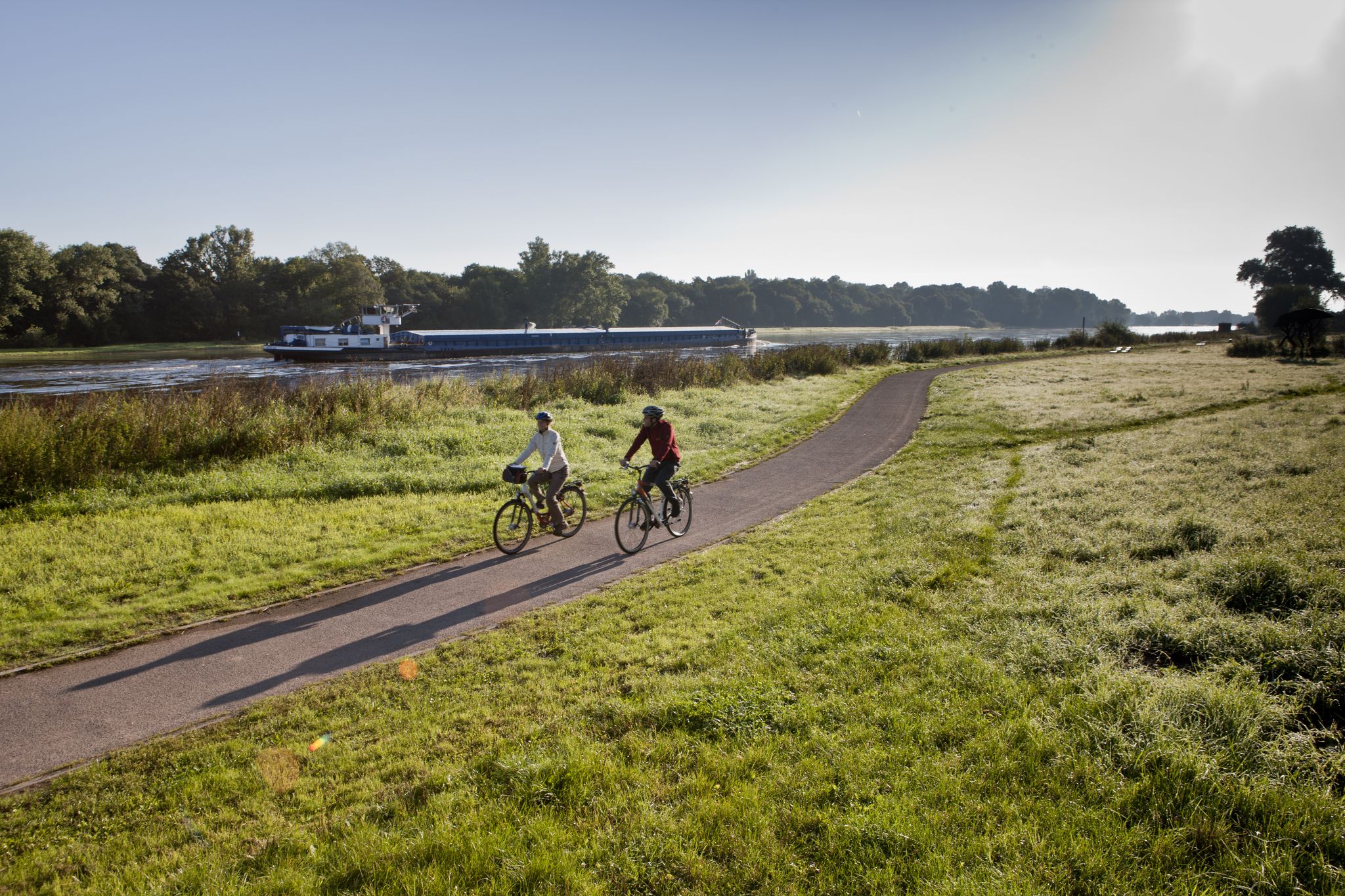
Elbe Cycle Route – Ride through Saxony-Anhalt
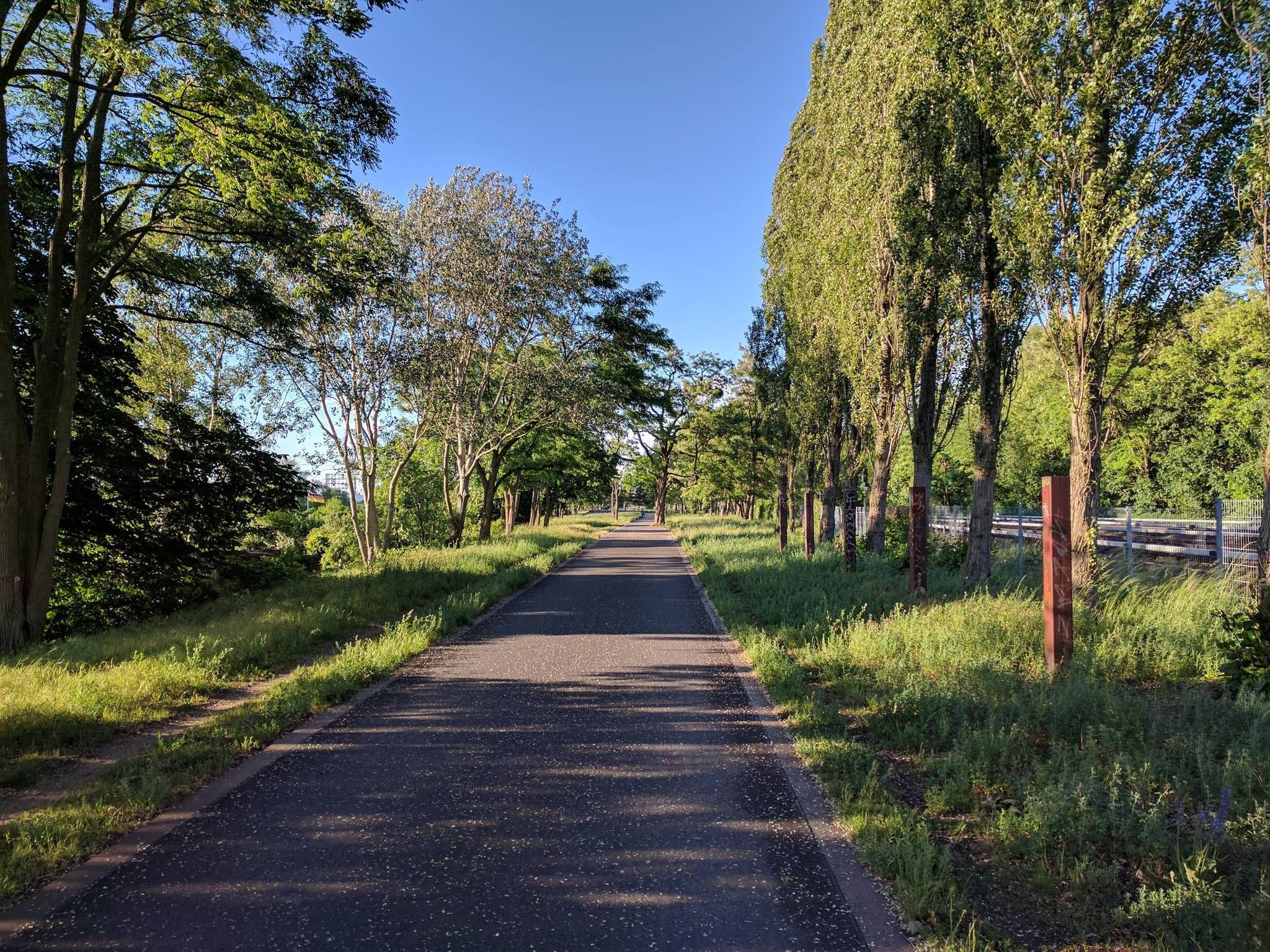
The Berlin Leipzig cycle path – Through the East in five stages

From Berlin to Prague — in the footsteps of the Peace Race part 2
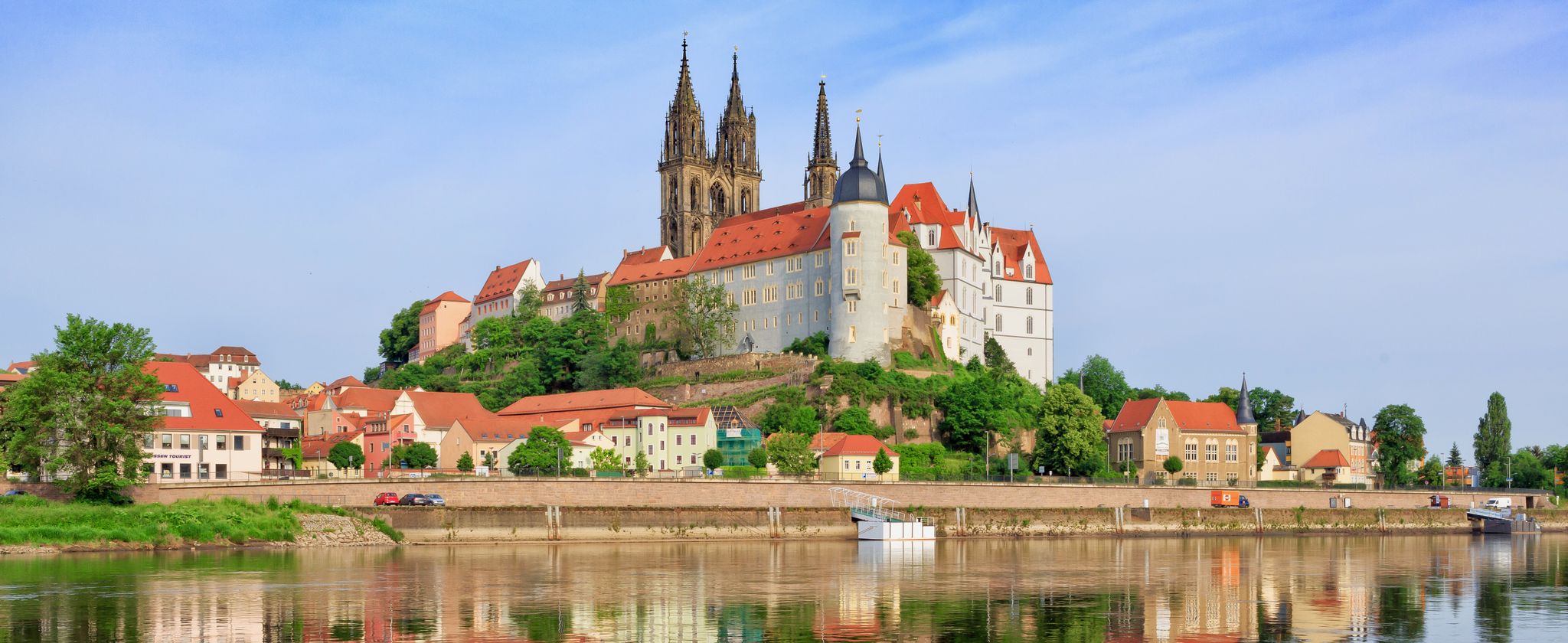
The Elbe Cycle Path — cross-border cycling pleasure
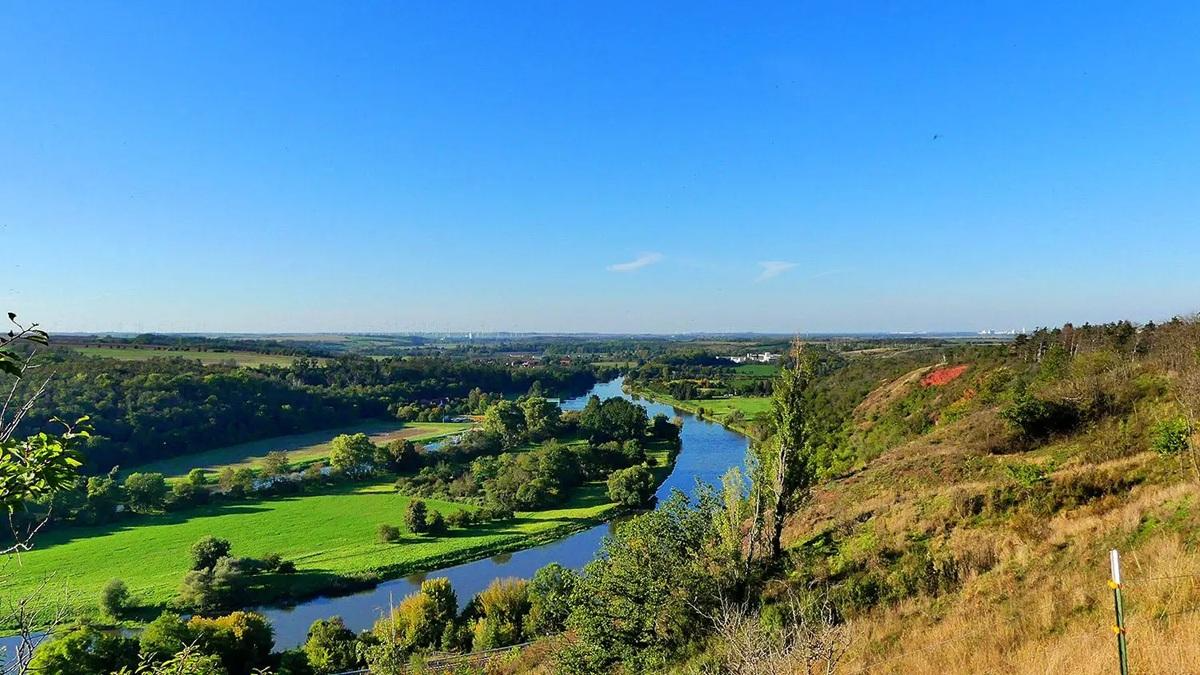
The National Natural Landscapes in Saxony-Anhalt
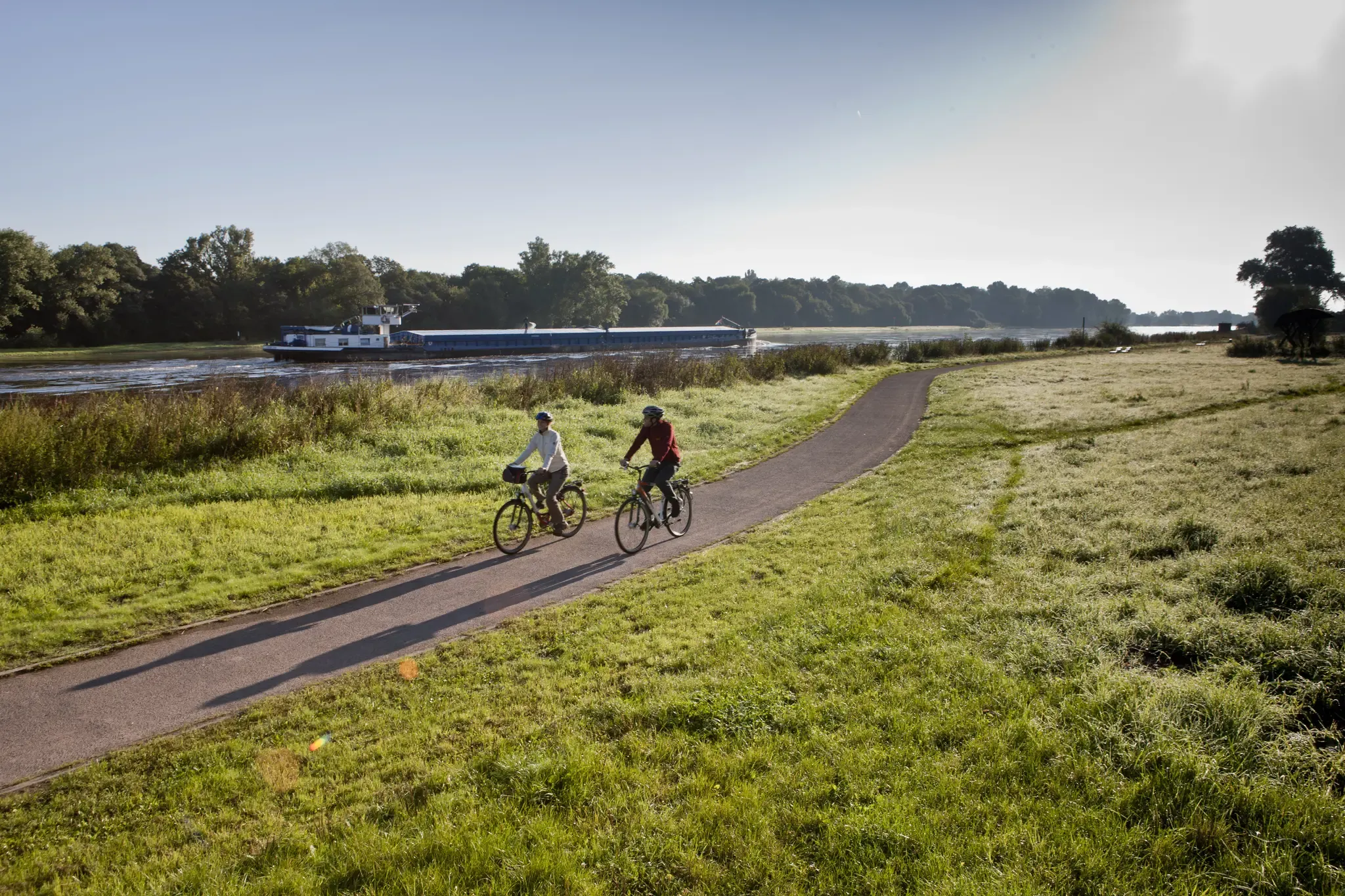
Ride the Elbe Cycle Route through Saxony-Anhalt
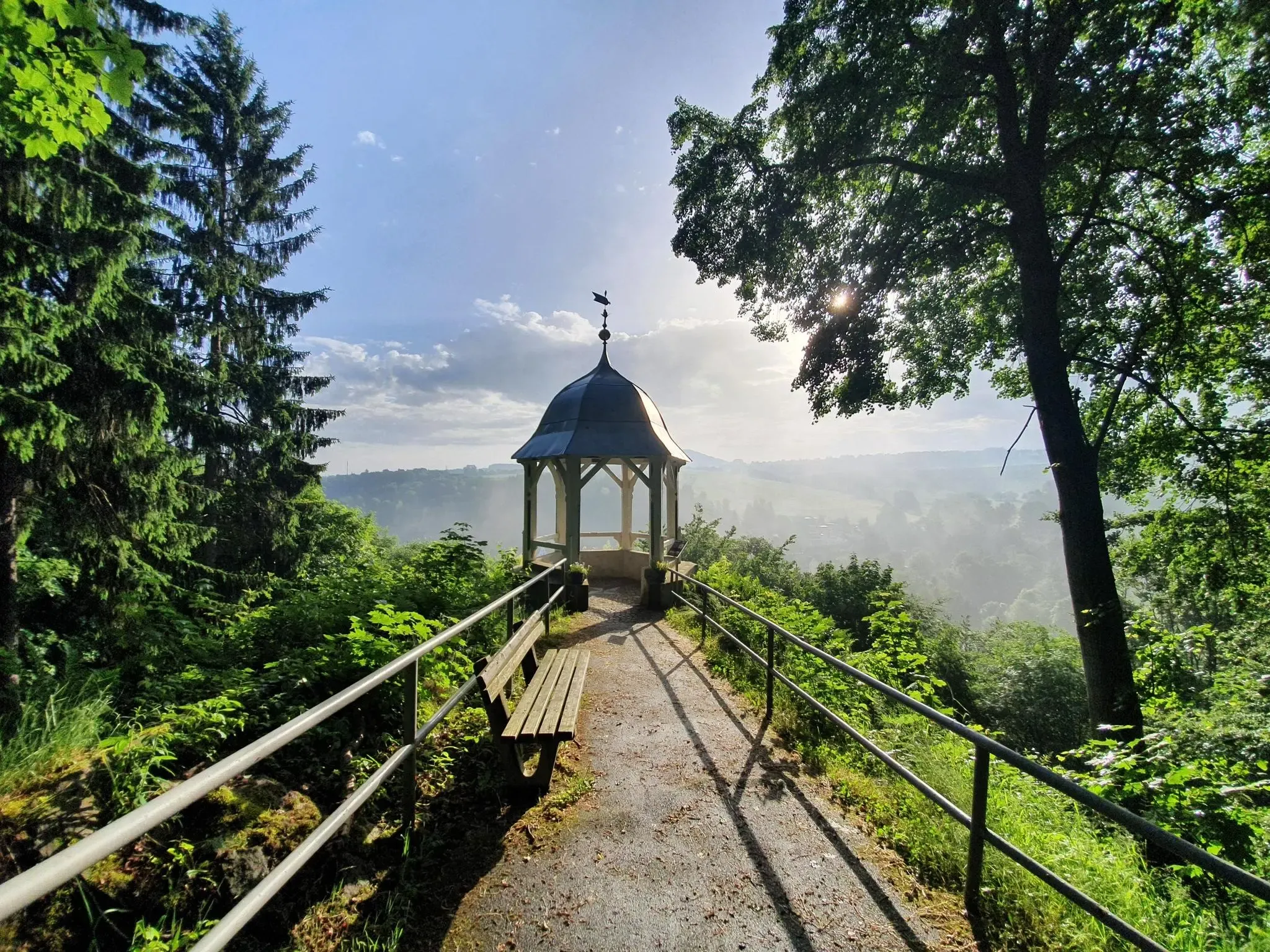
#GoFurther – discover the views of Germany!
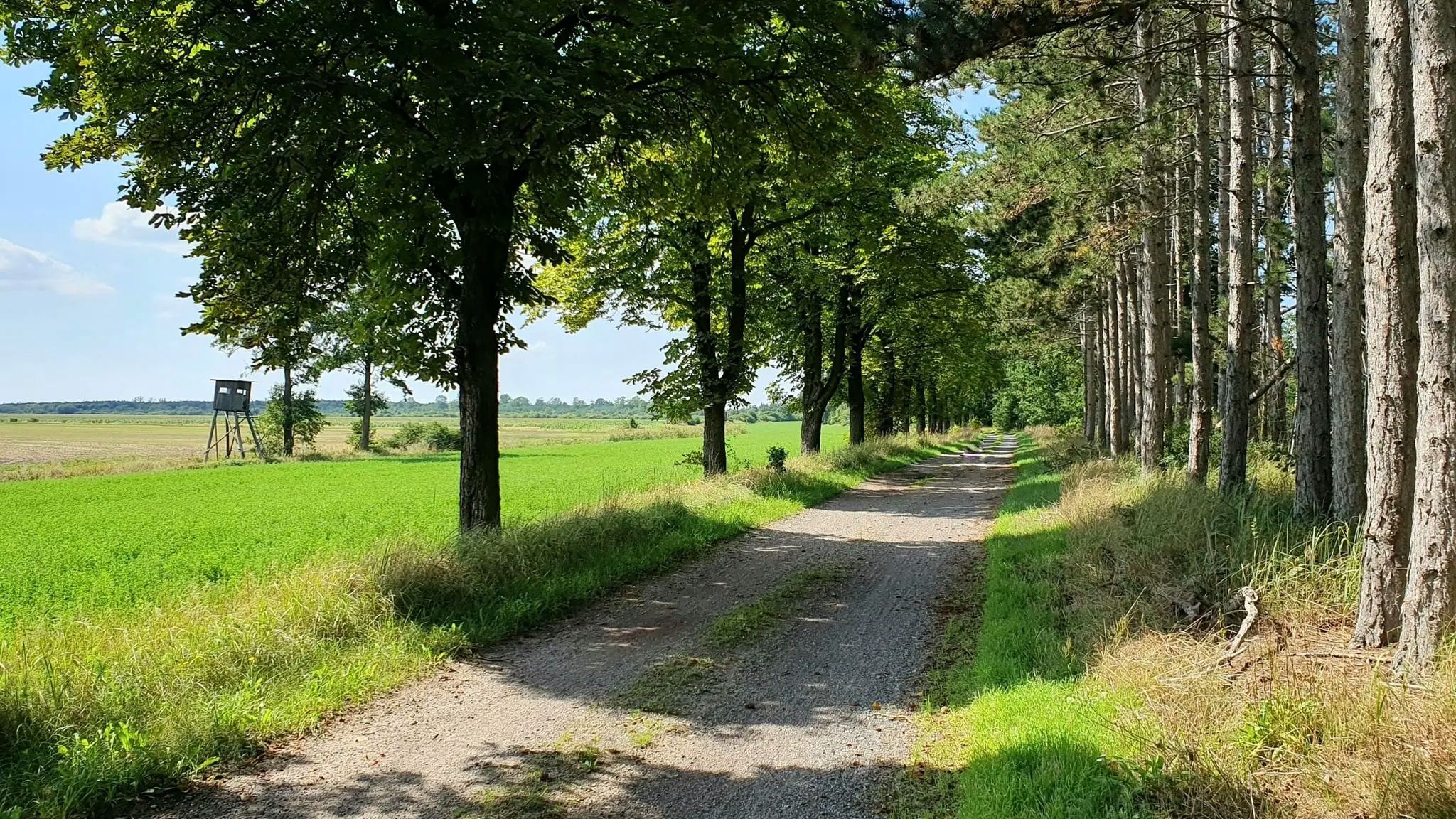
Hike through heath landscapes near Leipzig – Forester's Trail

Cycling in Saxony – joy on two wheels
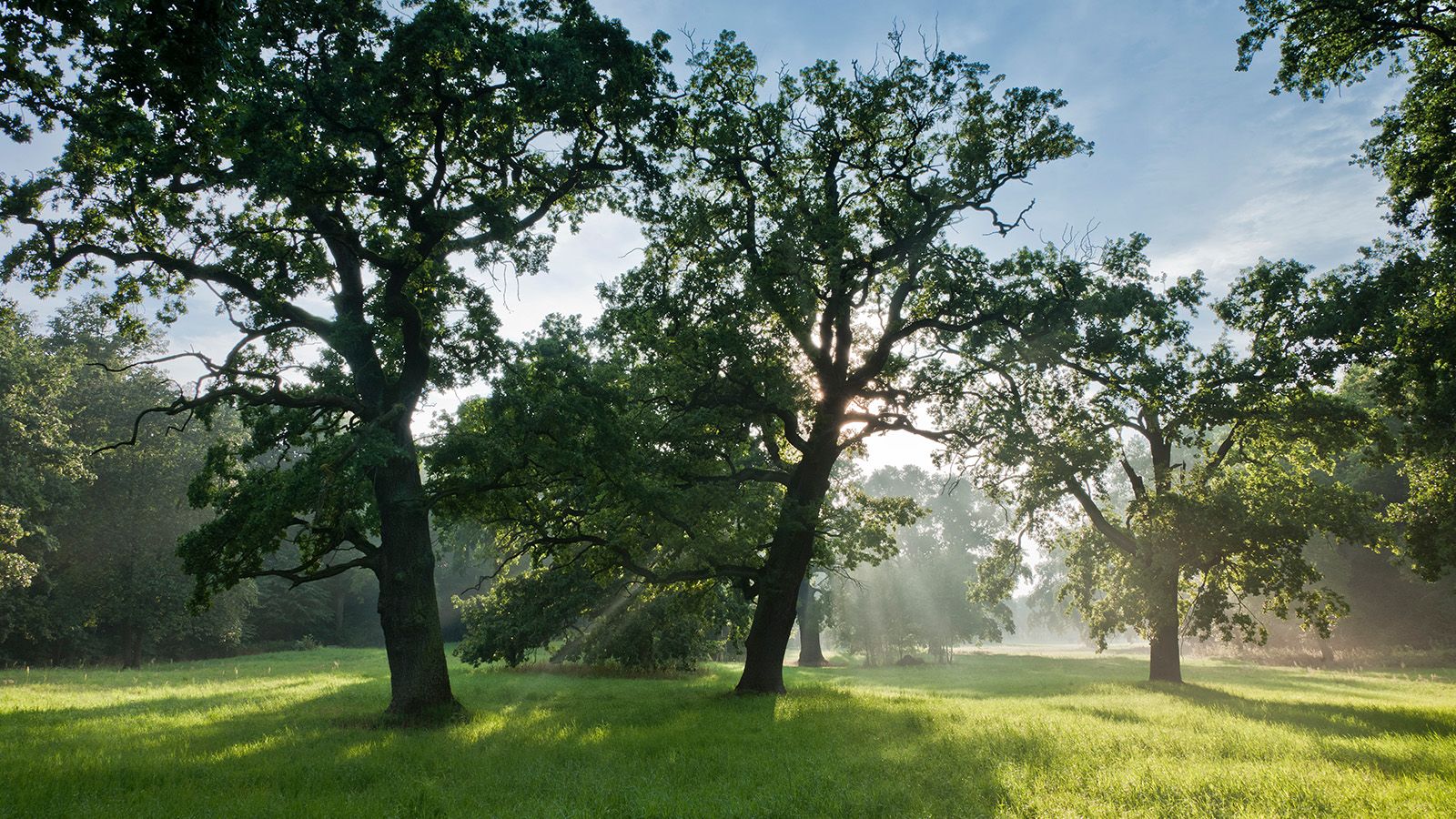
Nature and culture – cycling in the Dessau-Roßlau region
Other adventures around Wittenberg


Tips from the Community

Always worth seeing, even without water in the ditch
0
0


An artificial ruin has been built here based on an Italian model of a nymphaeum. The furthest corner of the park, a beautiful corner with Stein Island and Villa Hamilton.
1
0

You can't miss it.
1
0

One of the many attractions in the park
4
0
One of the many attractions in Wörlitz Park
5
0

☆ Interesting construction... great system... flashlight very useful.
4
0
Frequently Asked Questions
What kind of caves can I expect to find directly around Wittenberg?
The caves directly around Wittenberg are primarily artificial grottoes, cave labyrinths, and historical man-made structures located within the Wörlitz Park, a UNESCO World Heritage site. These attractions offer insights into 18th-century landscape design and human ingenuity, rather than natural geological formations.
Are there any natural caves in the broader Saxony-Anhalt region near Wittenberg?
Yes, while Wittenberg itself features artificial structures, the broader Saxony-Anhalt region offers impressive natural caves. Notable examples include the Baumannshöhle and Hermannshöhle in the Harz Mountains, known for their geological formations and unique cave fauna like olms.
Which caves are particularly family-friendly in the Wittenberg area?
Several spots in Wörlitz Park are great for families. The Chain Bridge and Schwedenlöcher offer an adventure experience for all ages. The Luisenklippe Cave Labyrinth is described as the most beautiful and adventurous corner of the park, with many small caves inviting discovery, especially for children.
What historical cave-like dwellings can be explored in the region?
Near Halberstadt, you can explore the unique 'Hobbit Caves' of Langenstein. These former cliff dwellings were dug into sandstone walls between 1855 and 1858, serving as homes until the early 20th century. They offer a fascinating glimpse into human adaptation and ingenuity.
Are there any caves with unique geological features or wildlife nearby?
The Hermannshöhle in the Harz Mountains is known for its beautiful stalactites, stalagmites, and crystal chamber. Uniquely, it is the only German cave inhabited by olms (aquatic salamanders), making it a special visit for those interested in cave wildlife and geology.
What should I wear when visiting caves in the region?
For natural caves like those in the Harz Mountains, warm clothing and non-slip shoes are recommended. The constant cool temperatures and high humidity inside make layers and sturdy footwear essential for comfort and safety. For the artificial grottoes in Wörlitz Park, regular walking attire is usually sufficient.
Are there any accessible caves for visitors with mobility challenges?
The region's natural show caves often involve stairs and uneven terrain, making them challenging for wheelchair users. The artificial grottoes and cave-like structures in Wörlitz Park are part of a larger landscaped garden, and while the park itself has accessible paths, specific cave entrances or interiors might have limitations. It's best to check directly with the specific attraction for detailed accessibility information.
What outdoor activities can I combine with a visit to the caves around Wittenberg?
The Wörlitz Park, where many of the cave-like structures are located, is ideal for walking and exploring. For more structured activities, you can find various routes nearby. For example, there are easy hikes around Wittenberg, including routes like the 'Luther House, Wittenberg loop'. You can also find road cycling routes and running trails in the wider area.
What do visitors enjoy most about the cave experiences in Wörlitz Park?
Visitors particularly enjoy the unique blend of adventure and historical design. The Luisenklippe Cave Labyrinth is praised for being 'wonderfully designed' and a 'real pleasure for young and old,' with many small caves inviting discovery. The overall experience of the garden kingdom is often highlighted as lovely and worth the trip.
Are there any artificial caves with historical significance beyond Wörlitz Park?
Yes, the Klusfelsen near Halberstadt features a unique sandstone massif with remarkably large artificial cavities, some believed to date back to prehistoric times. Additionally, the Fox Den (Fuchsbau) at the Devil's Wall is an artificial, cellar-like cavity created in 1934 as a hiking destination and shelter, offering a piece of local history.
Is there a specific time of year that is best for visiting the caves?
The artificial grottoes and structures within Wörlitz Park are generally accessible during park opening hours, which typically align with warmer months for optimal enjoyment of the gardens. For natural caves like Baumannshöhle and Hermannshöhle, they are often open year-round, but it's always advisable to check their specific operating hours and any seasonal closures before planning your visit.
Most popular routes around Wittenberg
Most popular attractions around Wittenberg

Get inspired with the komoot mobile app


Didn’t find what you were looking for?
Discover more caves around Wittenberg region by region:
