Top 20 Gorges around Heiligenblut am Großglockner
Best canyons around Heiligenblut am Großglockner are situated within the Hohe Tauern National Park, offering a range of natural features. This region is characterized by dramatic landscapes carved by water, providing opportunities for exploration. The area features over 20 gorges, showcasing the geological processes that have shaped the alpine environment. Visitors can experience diverse terrain, from narrow passages to wider valleys, all within a mountainous setting.
Best canyons around Heiligenblut am Großglockner
- The most popular canyons is Ködnitzbach Suspension Bridge…
Last updated: September 29, 2026
Dabaklamm Gorge
Highlight (Segment) • Gorge
Translated by Google •
Tip by

Ködnitzbach Suspension Bridge
Highlight • Bridge
Translated by Google •
Tip by

Sign up now to discover places like this
Get recommendations on the best single tracks, peaks, & plenty of other exciting outdoor places.
Dorfertal Valley
Highlight • Gorge
Translated by Google •
Tip by

Tunnel in the Daberklamm
Highlight • Structure
Translated by Google •
Tip by

Krumltal – Valley of Vultures and Eagles
Highlight (Segment) • Gorge
Translated by Google •
Tip by

Sign up for free to discover even more gorges around Heiligenblut am Großglockner.
Already have an account?
Start today with a free account
Your next adventure awaits.
Popular around Heiligenblut am Großglockner
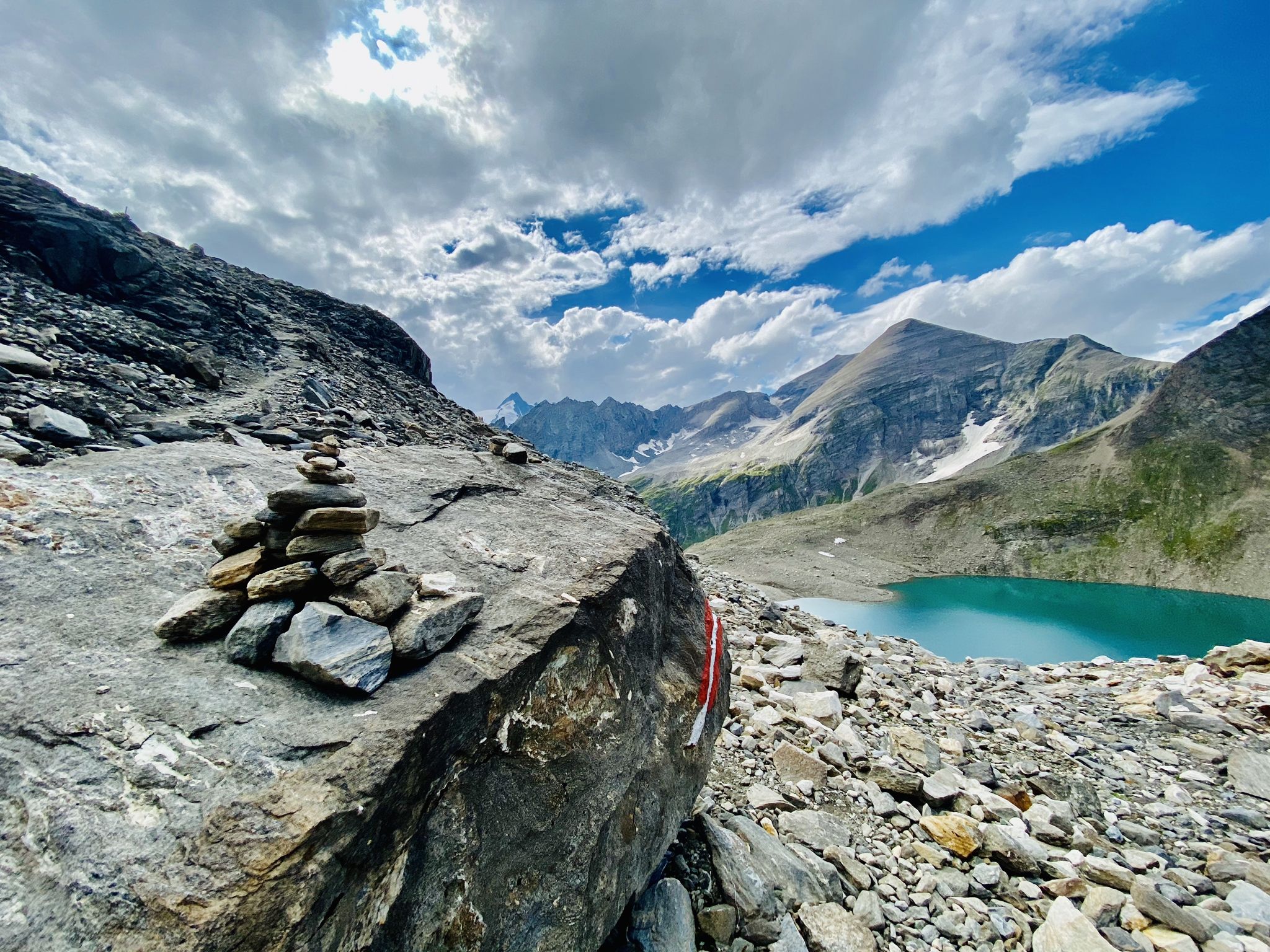
The Tauernhöhenweg – Once across the Hohe Tauern
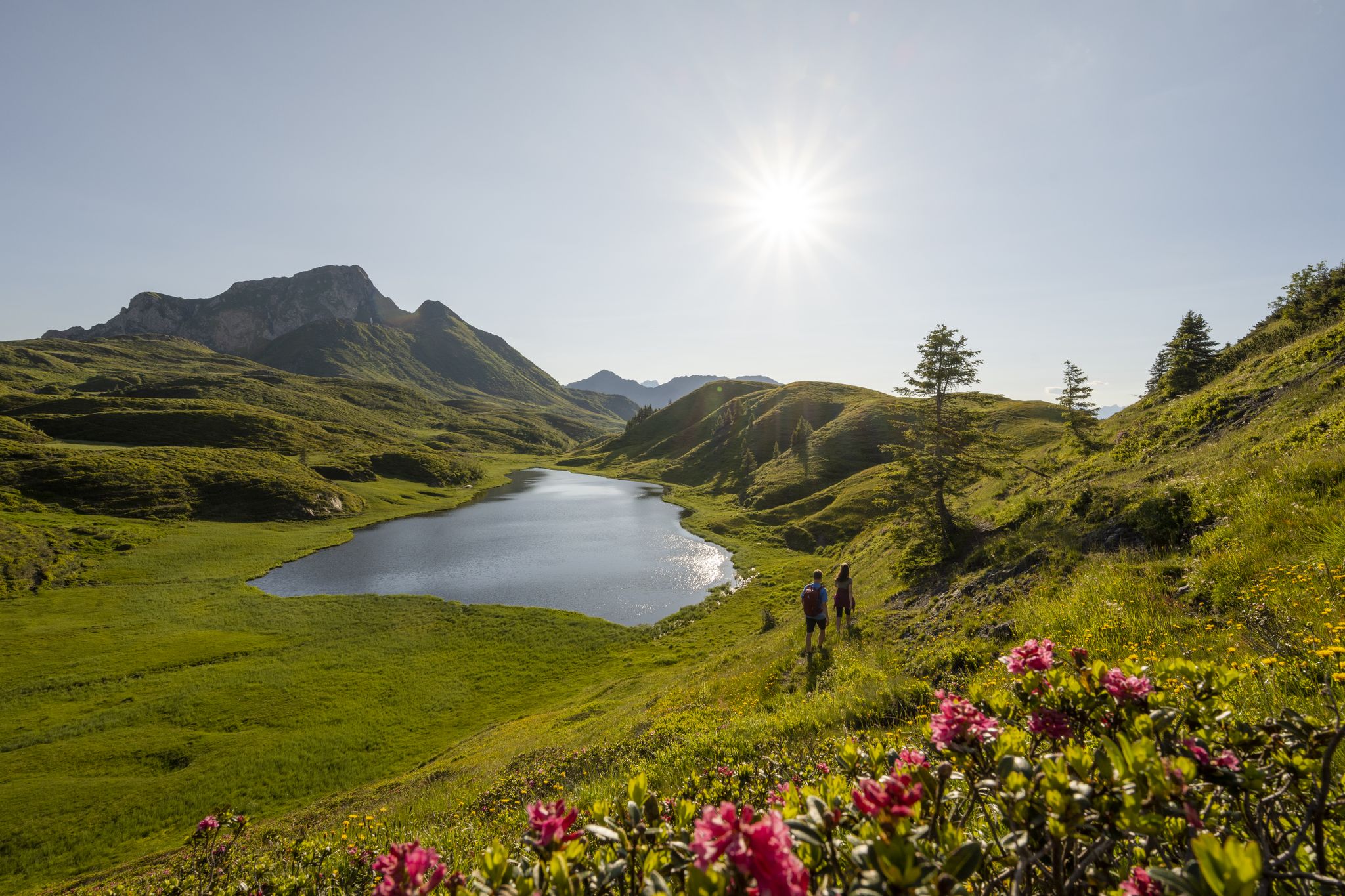
Long hikes on the southern side of the Austrian Alps – in Carinthia
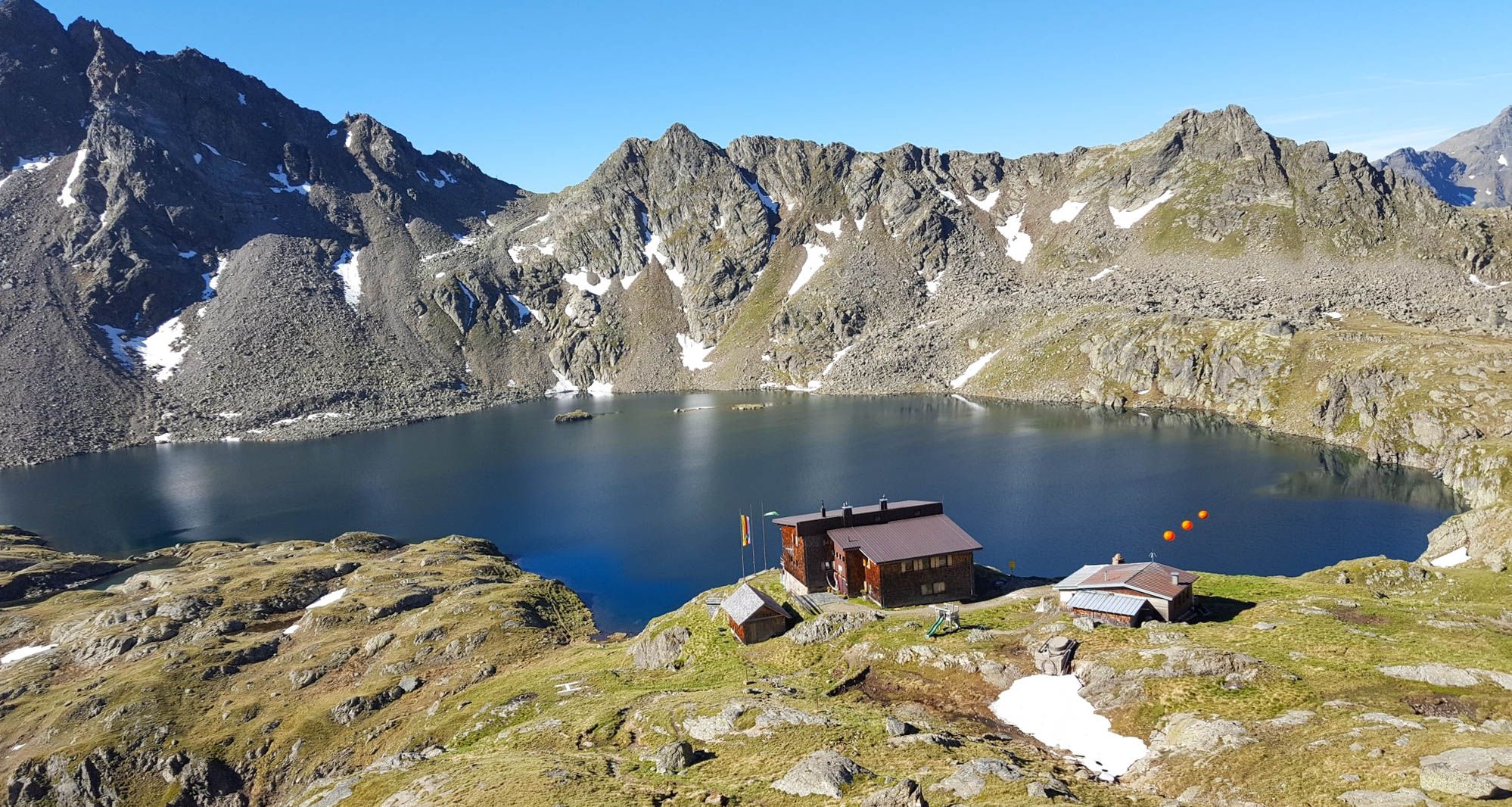
Wiener Höhenweg in Austria – 6 stages in the Schober Group
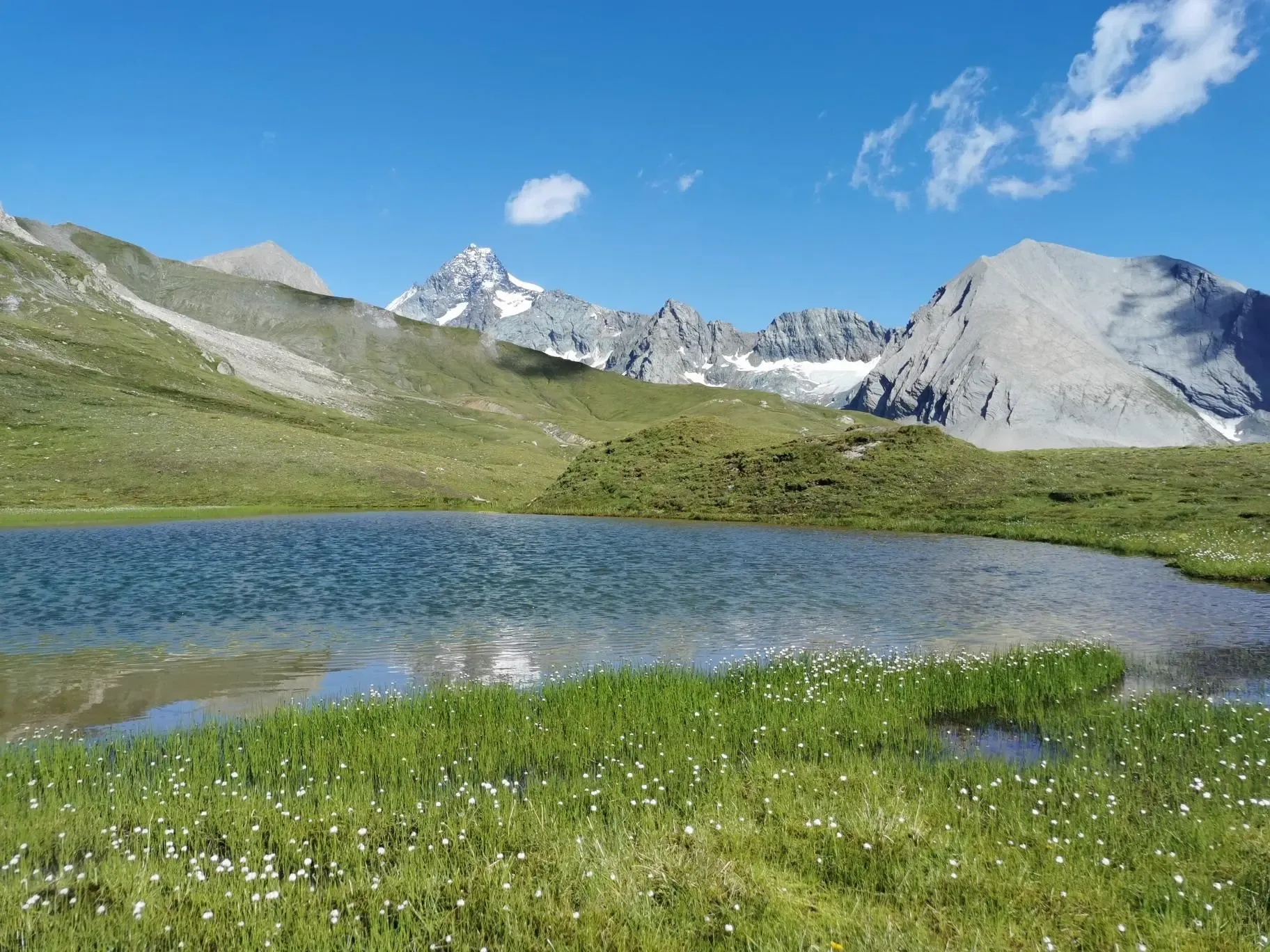
The Glockner Trek – Exploring Austria's highest peak
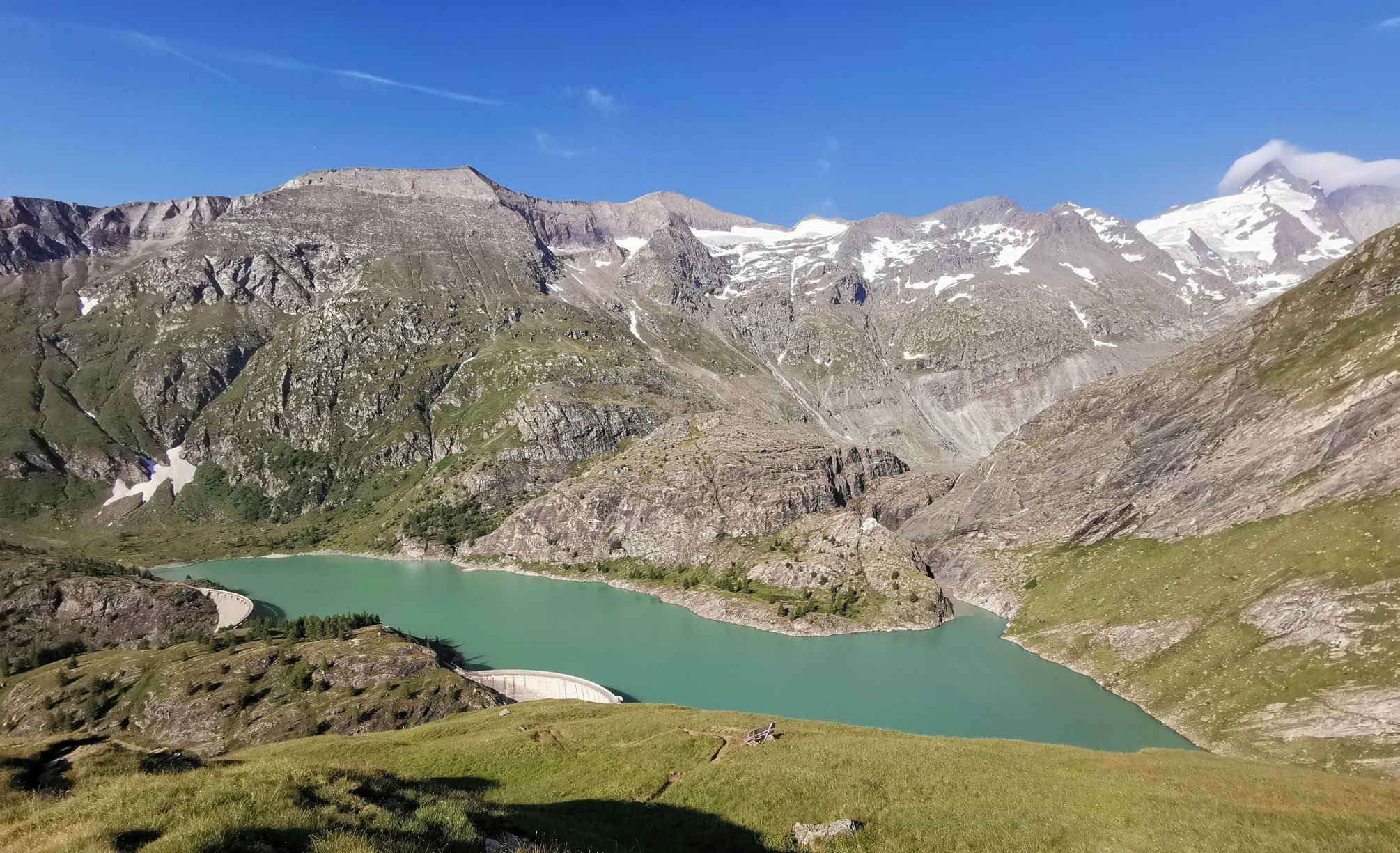
The Grossglockner – Circumnavigate Austria's highest mountain
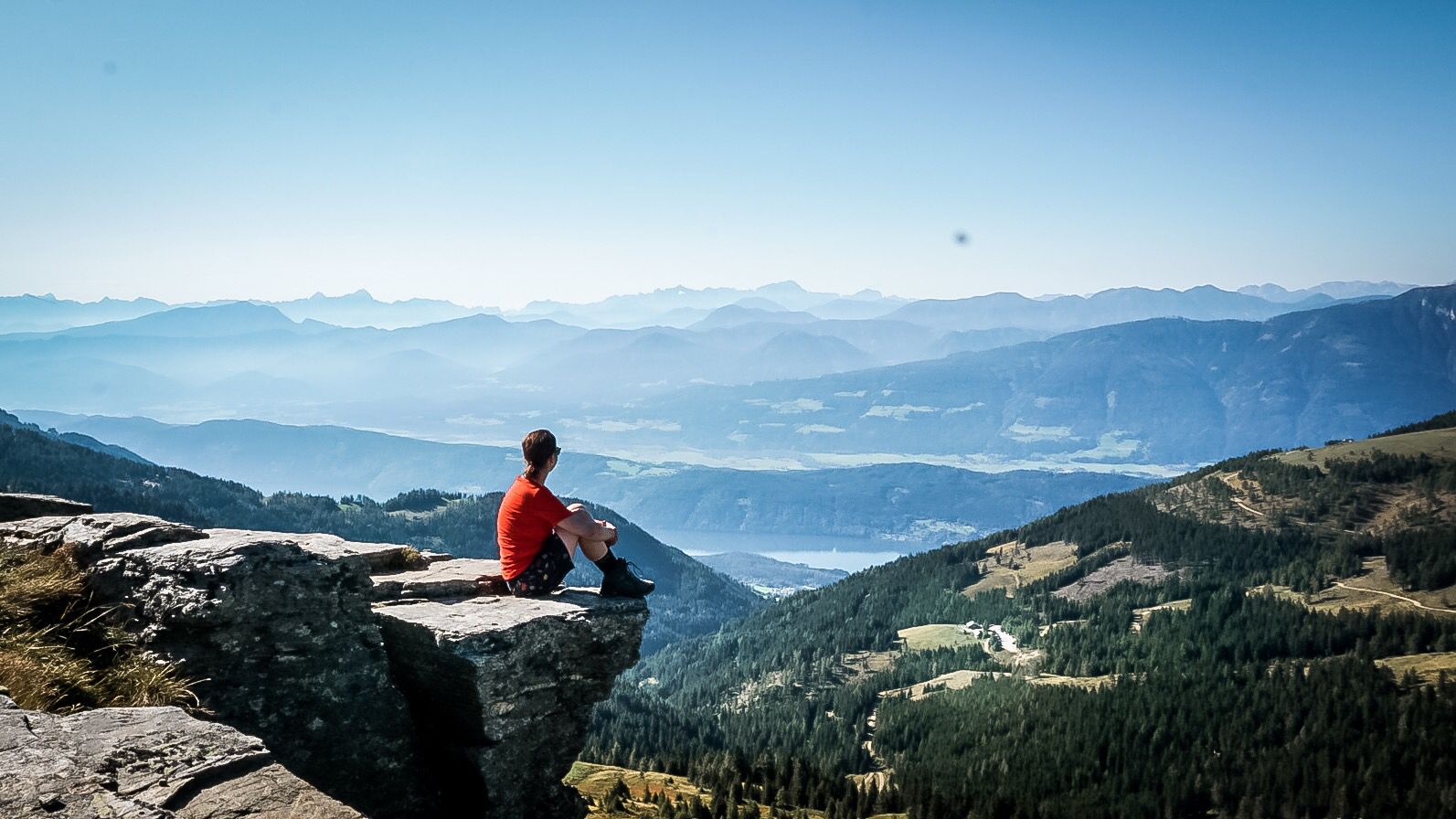
Alpe-Adria-Trail: My long-distance hike from the glacier to the sea
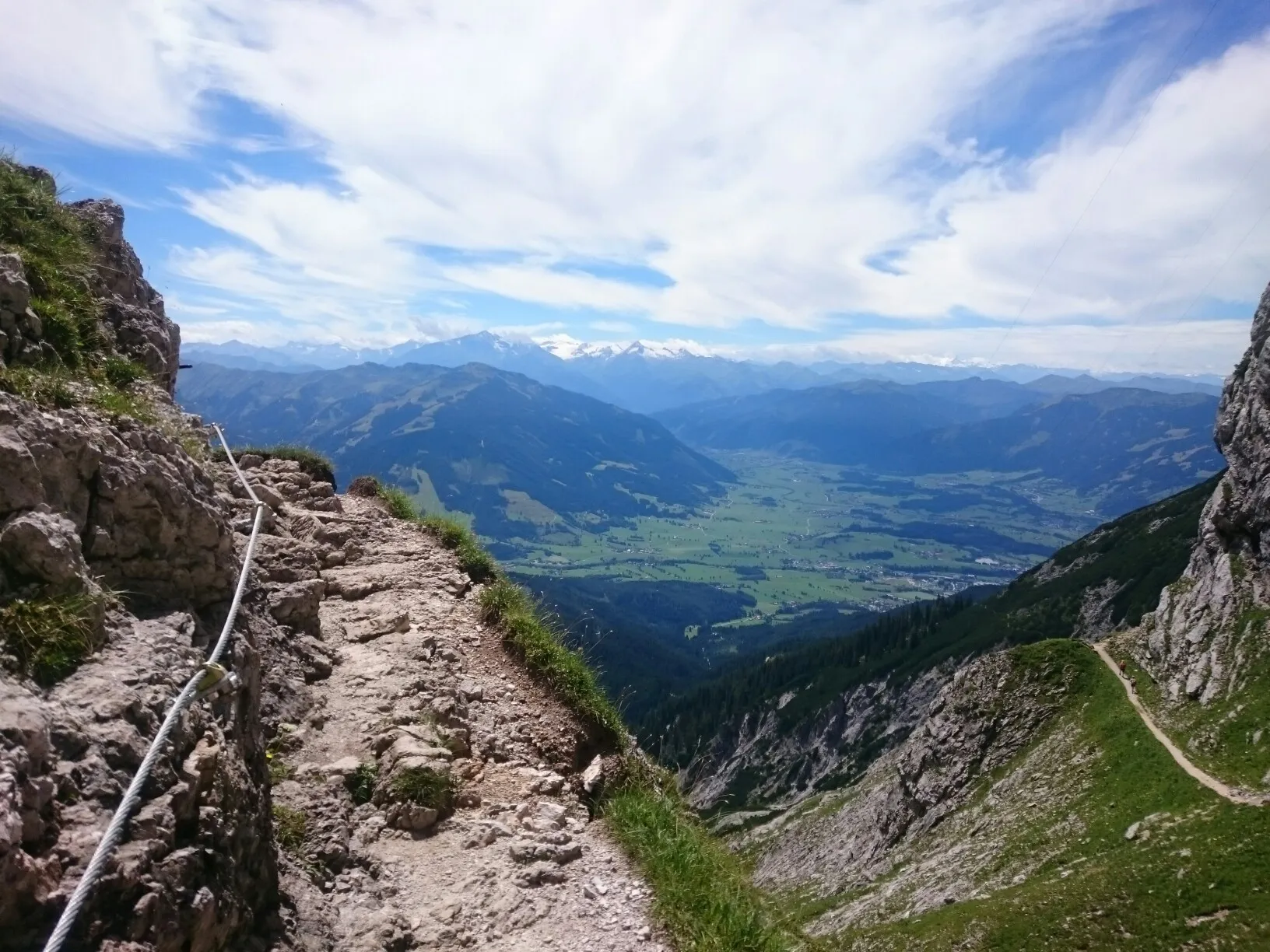
Alpine Crossing — 9 days across the Alps to Lienz
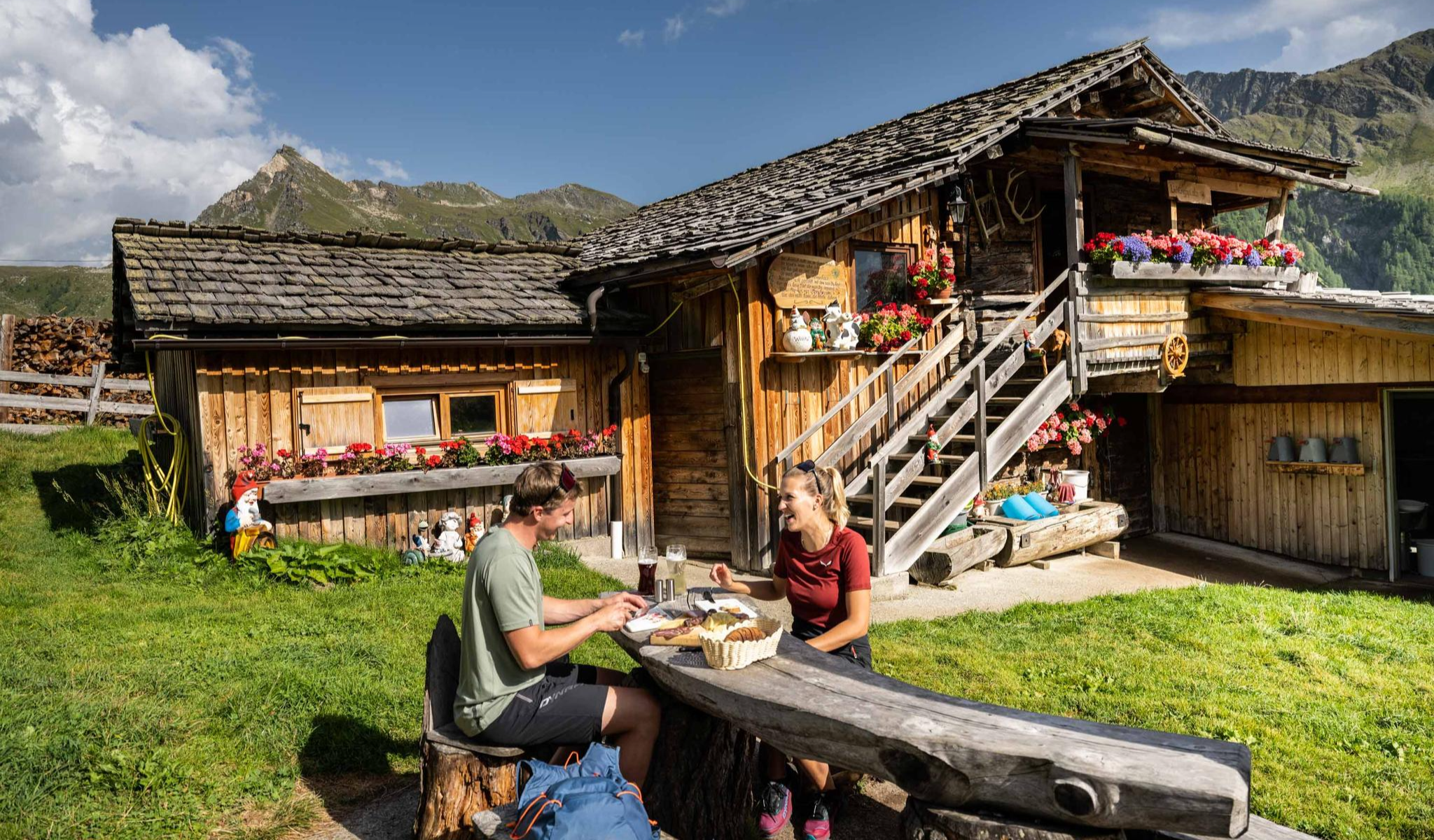
Peak happiness – hut hikes in the High Tauern
Your time out – long-distance hiking trails in the High Tauern
Varied family hiking in the High Tauern
Other adventures around Heiligenblut am Großglockner


Tips from the Community

Impressive gorge, please wear good shoes, from the Alm onwards the path becomes stony
0
1

Super accessible from the Taurer hiking parking lot. No problem even with a stroller. For those who choose the path through the tunnel! Don't forget a flashlight!
0
0
Easily reachable from the Traurer hiking parking lot. No problem even with a stroller. If you take the path through the tunnel!!! Don't forget your flashlight.
1
0

Beautiful hike, unfortunately we didn't see any birds, maybe it was due to the midday sun or it's still too early at the end of May for bird sightings. We stopped at Bräualm, also very nice there
0
0

The 55-meter-long suspension bridge spans the Ködnitzbach stream at a dizzying height of 30 meters. Crossing is easy on the gratings.
3
0


It's beautiful here, unfortunately we didn't see any vultures. That was probably because of the midday heat. The Bäualm is a must. Very friendly hosts. It's also a long way uphill, but it's a good path.
1
0

Beautiful walk, in the beginning along the fence, then it becomes more relaxed. In winter, the section after the tunnel is closed. It is doable with shoes under your shoes, but it is very dangerous on the frozen snow with those precipices.
3
0
Frequently Asked Questions
What unique canyon experiences can I find around Heiligenblut am Großglockner?
The region offers diverse canyon experiences. For adventure seekers, the Möllschlucht (Möll Canyon) features a spectacular Via Ferrata with rope bridges and varying difficulty levels. You can also visit the Ködnitzbach Suspension Bridge, which provides a unique perspective as you float above the gorge. For a historical journey, explore the Dabaklamm Gorge, where a path hewn into the cliff was historically used by alpine farmers.
Where can I experience powerful waterfalls in the gorges?
You can witness impressive waterfalls at several locations. The Jungfernsprung Waterfall (Zopenitzenbachfall) plunges over 130 meters in three stages, offering dramatic views from a moderately difficult hiking trail. The Gößnitz Falls (Gößnitzfall), located directly in Heiligenblut, are another powerful spectacle where the Gößnitzbach stream carves through a narrow rock face, plummeting 70 to 80 meters.
Are there family-friendly canyon walks or activities?
Yes, several areas are suitable for families. The Dabaklamm Gorge is categorized as family-friendly, offering an accessible path. The Ködnitzbach Suspension Bridge is also an adventure for children, with views of a small dam. The trail to the Gößnitz Falls is often described as easy and pleasant, making it suitable for families.
What kind of natural features can I expect to see in the canyons near Heiligenblut?
The canyons are characterized by dramatic landscapes carved by water. You'll find turquoise pools, small waterfalls, and steep wall sections, particularly in the Möllschlucht. The Dorfertal Valley, located shortly after the Dabaklamm, opens up into wide alpine meadows surrounded by proud mountain peaks. The Debanttal, Austria's longest self-contained alpine valley, showcases a wide range of wild animals and mountain plants amidst larch and stone pine forests.
Can I spot wildlife in the canyons around Heiligenblut?
Yes, the region is known for its wildlife. The Krumltal – Valley of Vultures and Eagles is a natural monument specifically known for its wildlife viewing opportunities, especially for vultures and eagles around sunrise. The Debanttal also hosts a wide range of wild animals due to its favorable climate and geological conditions.
What are the difficulty levels of canyon trails in the area?
Difficulty levels vary. The Möllschlucht Via Ferrata offers sections suitable for beginners (up to difficulty C) but also parts requiring significant arm strength and experience (C/D difficulties). Many hiking trails to viewpoints, such as those for the Jungfernsprung Waterfall and Gößnitz Falls, are moderately difficult or easy. Highlights like the Ködnitzbach Suspension Bridge and Krumltal are generally considered intermediate.
What is the best time of year to visit the canyons?
The best time to visit the canyons around Heiligenblut am Großglockner is typically during the warmer months, from late spring to early autumn, when trails are clear of snow and water levels are suitable for activities like Via Ferrata. Always check local conditions before your visit, especially regarding weather and trail accessibility.
What other outdoor activities can I do near the canyons?
Beyond exploring the gorges, the region offers a variety of outdoor activities. You can find numerous road cycling routes, including challenging rides on the Großglockner High Alpine Road, as detailed in the Road Cycling Routes around Heiligenblut am Großglockner guide. There are also easy hikes, such as the Geotrail Tauernfenster, which you can explore in the Easy hikes around Heiligenblut am Großglockner guide, and various running trails, including those to the Jungfernsprung Waterfall, found in the Running Trails around Heiligenblut am Großglockner guide.
Are there any canyons with historical significance?
Yes, the Dabaklamm Gorge is a natural monument with historical importance. The path hewn into its cliff was historically used by alpine farmers to drive cattle and served as a trade route from East Tyrol to Salzburg via the Kalser Tauern.
How accessible are the canyons around Heiligenblut am Großglockner?
Many canyons and their viewpoints are accessible via well-maintained hiking trails. For example, the Jungfernsprung Waterfall is reached by a moderately difficult trail from Heiligenblut, and the Gößnitz Falls have an easy and pleasant hiking trail. Access to the Möllschlucht for the Via Ferrata requires specific climbing gear and experience, but viewpoints are generally accessible.
Do I need a permit for canyoning or visiting the gorges?
For general visits to the gorges and hiking trails, specific permits are typically not required. However, if you plan to undertake activities like the Via Ferrata in the Möllschlucht, it's essential to have appropriate equipment and potentially guided tours, though a general permit for access is not usually needed. Always check local regulations for any specific activity.
Are the canyon trails dog-friendly?
While many trails in the Hohe Tauern National Park are dog-friendly, it's always recommended to keep dogs on a leash, especially in protected areas and near wildlife. Specific information on dog-friendliness for each individual canyon trail should be checked locally or on trail-specific guides, as conditions can vary.
Most popular routes around Heiligenblut am Großglockner
Most popular attractions around Heiligenblut am Großglockner

Get inspired with the komoot mobile app


Explore more
Already discovered everything in this region? See additional gorges around Heiligenblut am Großglockner for your next adventure:
