Top 12 Castles around Mutters
Best castles around Mutters are found in the surrounding Innsbruck-Land district and the wider Tyrol region of Austria. Mutters is a village known for its natural beauty, hiking, skiing opportunities, and its connection to the Stubaitalbahn. While Mutters itself does not host any castles, it serves as a convenient base for exploring several historically significant fortifications nearby. Visitors can easily access these sites, which offer insights into Renaissance and Baroque architecture and history.
Best castles around Mutters
- The most popular castles is Ambras Castle, Innsbruck, a castle that is considered one of Austria's most important sights and a top destination in Tyrol. It houses one of the world's first museums preserved in its original location, featuring Archduke Ferdinand II's collections.
- Another must-see spot is Hofburg, Innsbruck (Imperial Palace), a castle and historical site. This former Habsburg palace, originally a 15th-century imperial residence under Emperor Maximilian I, was rebuilt in Baroque style during the 18th century by Empress Maria Theresia.
- Visitors also love Büchsenhausen Castle, a historical castle. Originally a casting hut and later a residence, it changed ownership multiple times and was expanded with new buildings and a connecting wing in 1641.
- Mutters is known for its proximity to Renaissance castles, imperial palaces, and historical residences. The area offers a variety of castles to see and explore, each with distinct architectural styles and historical significance.
- The castles around Mutters are appreciated by the komoot community, with more than 300 photos and over 600 upvotes across the highlights.
Last updated: June 26, 2026
Hofburg, Innsbruck (Imperial Palace)
Highlight • Castle
In 1500 the Hofburg Innsbruck was completed under Emperor Maximilian I (1459-1519). It already had the same dimensions as today and was captured by Albrecht Dürer as a watercolor. You can see a late Gothic inner courtyard with a covered staircase, the coat of arms tower and the women's chambers, called "Frauenzimmer". There was a large reception room, which was designed as a hall with columns and vaults and is now known as the "Gothic Cellar". A "Kürnstube" in which Maximilian's hunting trophies were housed, a "Silverkammer" (treasury) and a banquet hall (with depictions of Hercules) have also been preserved.
The "racing ground" in front of the Hofburg served as a tournament venue for the sports-loving emperor.
Almost 250 years later, Maria Theresa (1717-1780) visited the Imperial Hofburg Innsbruck and felt that it was no longer up to date. Since 1665 there were no more Tyrolean sovereigns and the governors, who now ruled Tyrol on behalf of the Emperor, lived on the first floor (Lieutenancy). The state rooms on the second floor, which were reserved for the Imperial Family, remained uninhabited. The ruler ordered a renovation in the Viennese late baroque style and sent her best artists to Innsbruck: Konstantin von Walter and Nicolaus Parcassi. Martin van Meytens and his school as well as Franz Anton Maulbertsch were commissioned to furnish the interior. The renovation work was interrupted by the Seven Years' War and lasted until the 1870s.
Text / Source: INNSBRUCK TOURISM
innsbruck.info/gehenswuerdigkeiten/sightseeing/historical-buildings/detail/infrastructure/kaiserliche-hofburg-innsbruck.html
Translated by Google •
Tip by

Ambras Castle, Innsbruck
Highlight • Castle
Ambras Castle, Innsbruck, is one of Austria's most important sights and the top day trip destination in Tyrol.
Visit the world's first museum preserved in its original location and embark on a journey back 450 years.
Text / Source: Ambras Castle, Innsbruck, Schlossstraße 20, 6020 Innsbruck
schlossambras-innsbruck.at
Translated by Google •
Tip by
Sign up now to discover places like this
Get recommendations on the best single tracks, peaks, & plenty of other exciting outdoor places.
Sign up for free
Büchsenhausen Castle
Highlight • Castle
Schloss Büchsenhausen changed ownership several times, in 1641 it was acquired by Wilhelm Biener, who had a new building in the east and a connecting wing built. The old residential building was lavishly decorated for representation purposes, including a large library, a valuable collection of paintings, a comprehensive collection of maps and geographical engravings, and a collection of musical instruments. Biener also founded a beer brewery, for which he had a brewhouse, a malting house and a large vaulted cellar built.
From 1686 to 1833, the residence was owned by the Knights of Lama. It was extended to plans by Johann Martin Gumpp the Elder and baroque, 1688 was a new portal to the small courtyard between the west and east tract, around 1700, the clock tower was built. In 1698, the Bishop of Brixen, Johann Franz Khuen of Belasi, inaugurated the new chapel in the eastern part.
(Https://de.m.wikipedia.org/wiki/Schloss_B%C3%BCchsenhausen)
Translated by Google •
Tip by

Schloss Ambras Castle Park, Innsbruck
Highlight • Historical Site
During the lifetime of Archduke Ferdinand II, Ambras Castle included a large forest area.
The grounds, which slope steeply to the east and today, with their cliffs, ravines, bridges, and an artificial waterfall, are reminiscent of their original state, served as a game park. The palace also boasted a richly landscaped park, completed in 1574, with fish ponds, bird aviaries, and private garden houses in the pleasure gardens.
Remaining features from this period include the spacious Bacchus Grotto, carved into the rock, where the Archduke's guests were once welcomed with the famous Ambras drinking games, as well as a stair tower in the Keuchengarten, the former structure of which has been partially reconstructed.
The hydroelectric "circulating table" and the ball game house south of the Spanish Hall are no longer preserved. Under Archduke Karl Ludwig, who used Ambras Castle as a summer residence, the western part of the park was transformed into a landscaped garden starting in 1855, and the Keuchengarten received a swimming pool.
Text / Source: Ambras Castle Innsbruck, Schlossstraße 20, 6020 Innsbruck
schlossambras-innsbruck.at/das-schloss-entdecken/orte-im-schloss/schlosspark
Translated by Google •
Tip by
Matrei Trautson Castle
Highlight • Castle
With the construction of the Brennerbahn in 1868 and the blasting of the tunnel through the castle hill, the castle suffered major damage. After major restorations, it was destroyed by aerial bombs on April 2, 1945, except for the chaplaincy and parts of the keep. The bombs were supposed to interrupt the Brenner railway.
Translated by Google •
Tip by

Sign up for free to discover even more castles around Mutters.
Sign up for free
Already have an account?
Start today with a free account
Your next adventure awaits.
Login or Signup
Popular around Mutters
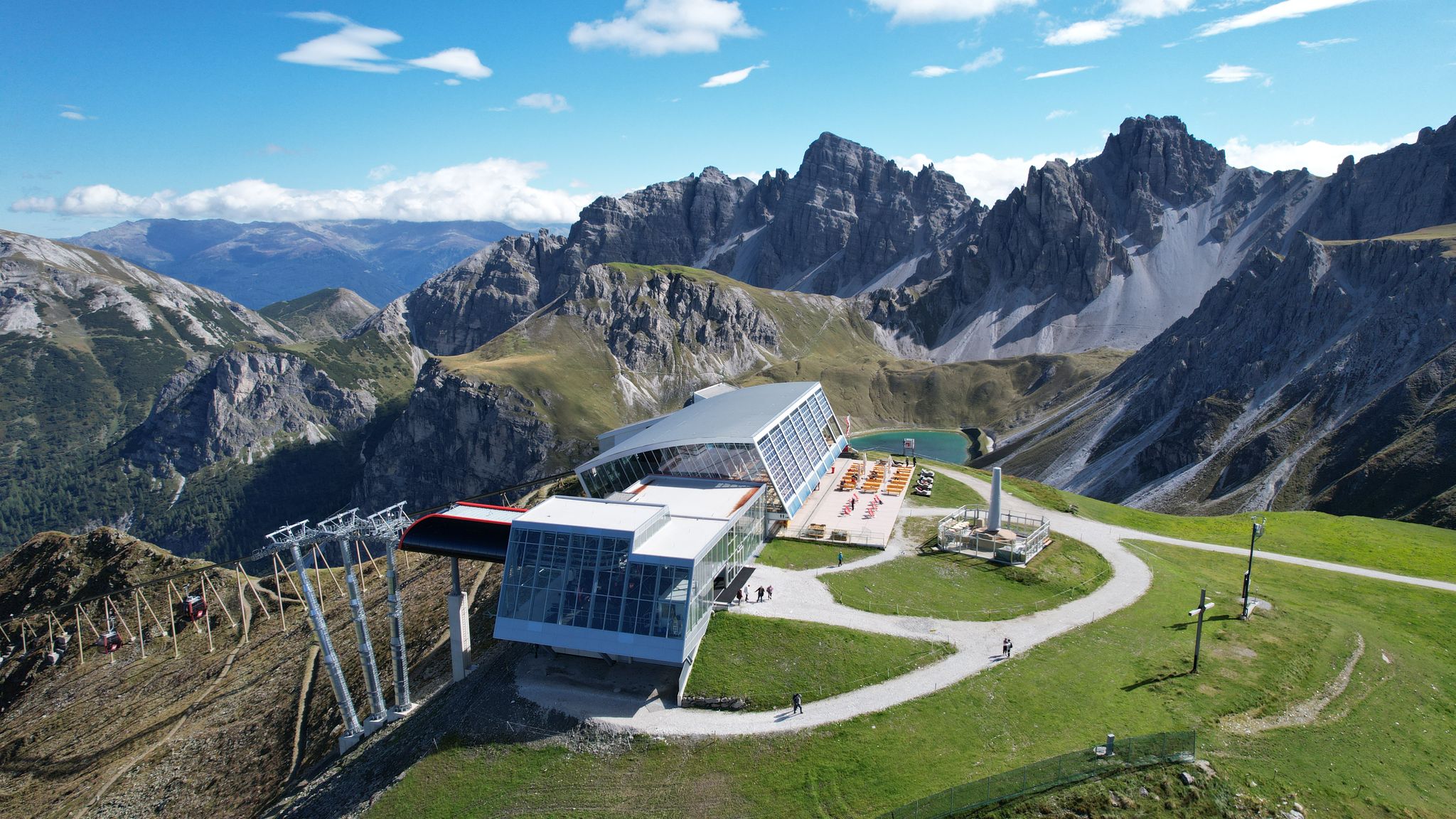
In the ‘Dolomites of North Tyrol’ – hiking in Axamer Lizum
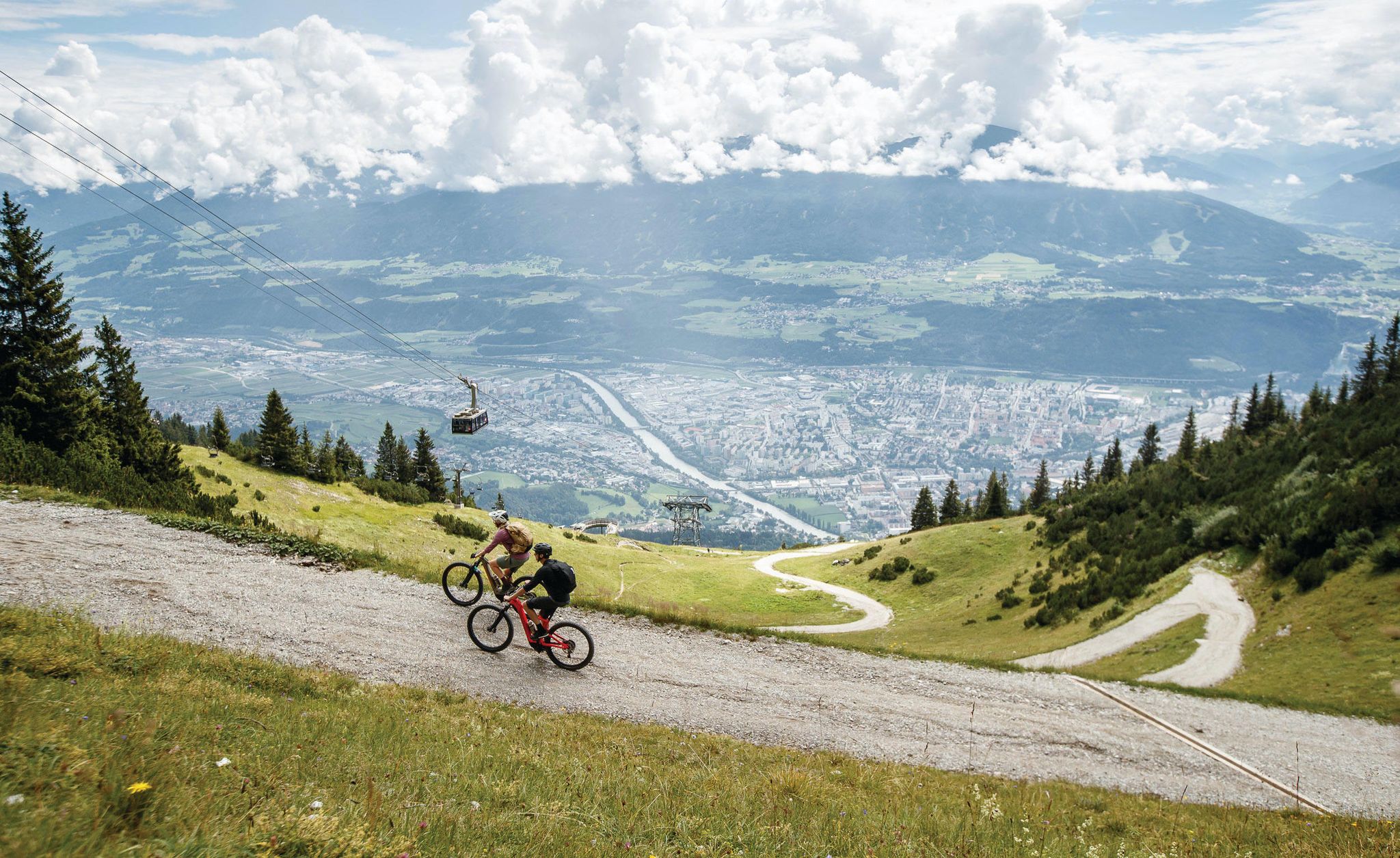
Get out of the city, get on the trail — welcome to Innsbruck!
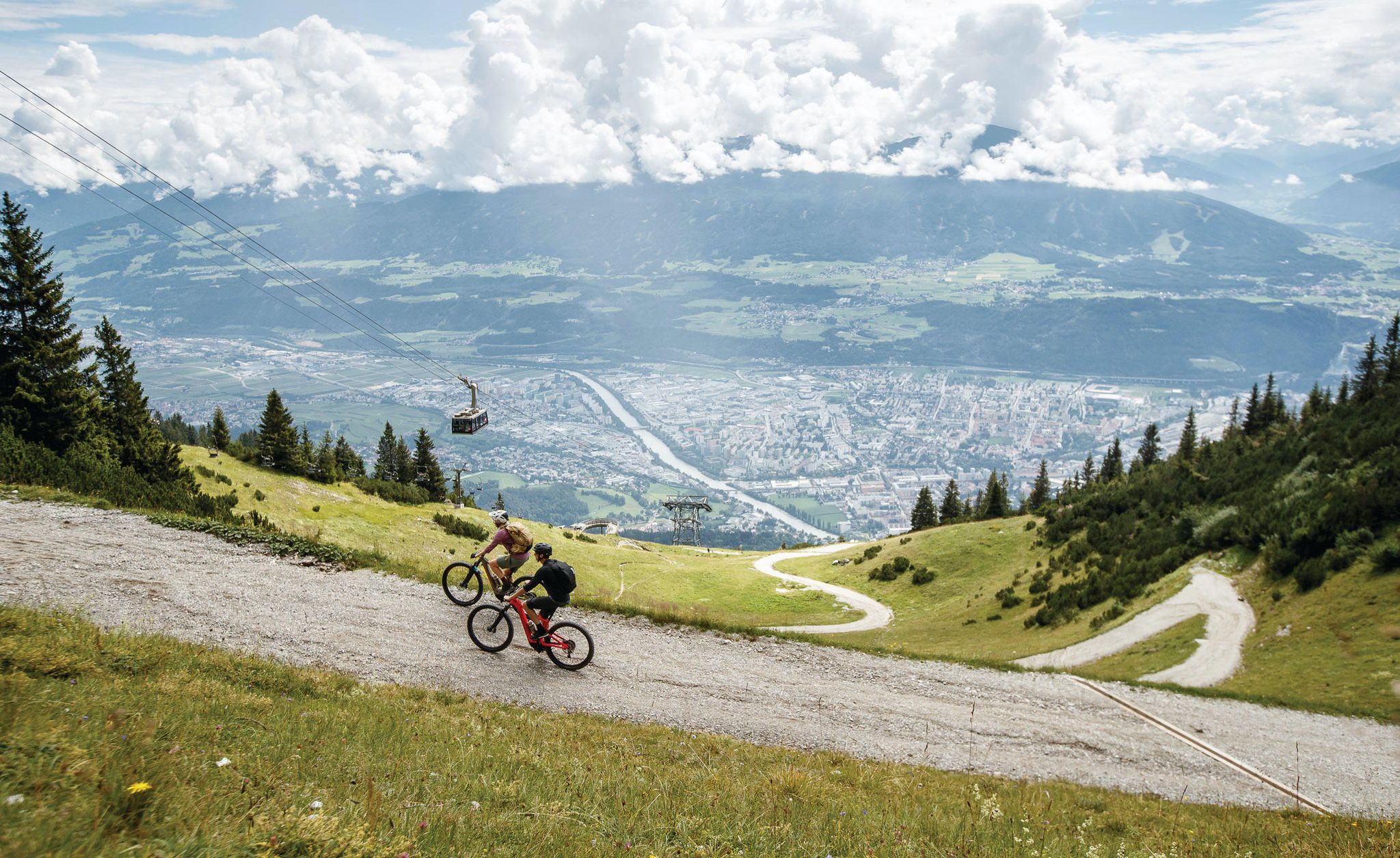
Dream trails as far as your tires will take you — biking in Innsbruck!

Mountain pastures and local dishes — hiking to the Tyrolean alpine huts
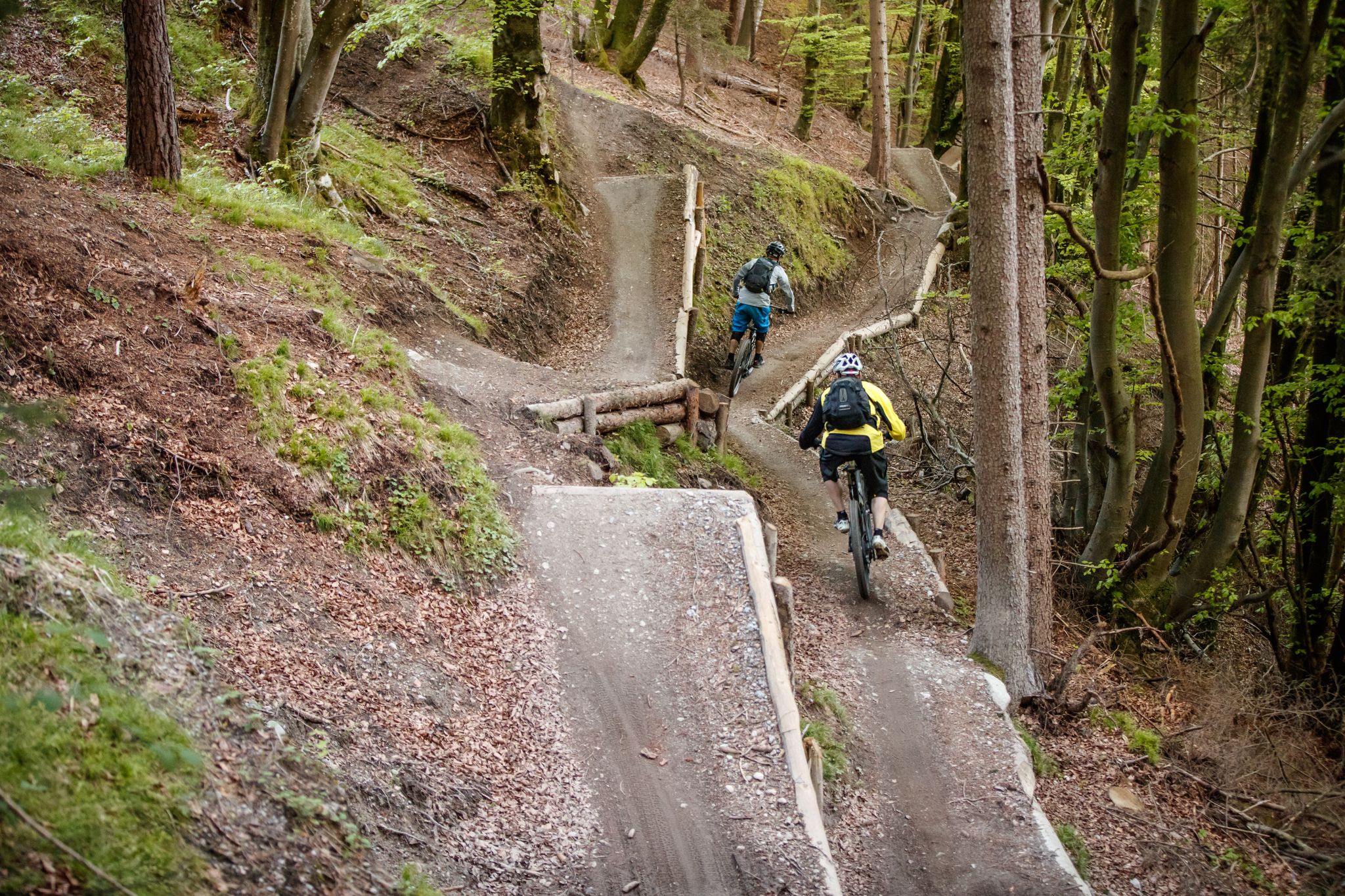
Get out of the city, get on the trail — welcome to Innsbruck!
For mountaineers and gourmets – Tyrolean hikes for foodies
Amazing hiking & gourmet feasts – Taste of Place tours in Tyrol
Fast descents and wide views — Tyrol's trail paradise
Für Klein und Groß – Familienwanderungen in Tirol
Hiking around Mutters
Other adventures around Mutters


Tips from the Community

Closed to visitors from November
2
0
A very well-maintained park; today I was lucky and was able to observe two free-roaming peacocks there.
2
0

The World's First Museum / The History of Ambras Castle Ambras Castle is located on the southern outskirts of Innsbruck, the Tyrolean capital. Records of Ambras date back to the 10th century, spelled "Amras" or "Omras." In the High Middle Ages, it was the seat of the Upper Bavarian Counts of Andechs. The property then passed into the possession of the Tyrolean sovereigns through inheritance. The medieval character of the castle is still clearly evident in the structure of the upper castle. In 1564, Ambras Castle became the residence of the Tyrolean sovereign, Archduke Ferdinand II, who moved there with his young family, his wife Philippine, and their two sons, Andreas and Karl. The so-called upper castle was converted and expanded into a residential building in the Renaissance style. The impressive Spanish Hall and extensive gardens were created below the residential building as new buildings. Text / Source: Ambras Castle Innsbruck, Schlossstraße 20, 6020 Innsbruck https://www.schlossambras-innsbruck.at/das-schloss-entdecken/das-schloss#:~:text=Schloss%20Ambras%20liegt%20am%20s%C3%BCdlichen%20Stadtrand%20der%20Tiroler
16
0
Palace Park - Ambras Castle, Innsbruck During the lifetime of Archduke Ferdinand II, Ambras Castle included a large forest area. The grounds, which slope steeply to the east and today, with their cliffs, ravines, bridges, and an artificial waterfall, are reminiscent of their original state, served as a game park. The palace also boasted a richly landscaped park, completed in 1574, with fish ponds, bird aviaries, and private garden houses in the pleasure gardens. Remaining features from this period include the spacious Bacchus Grotto, carved into the rock, where the Archduke's guests were once welcomed with the famous Ambras drinking games, as well as a stair tower in the Keuchengarten, the former structure of which has been partially reconstructed. The hydroelectric "circulating table" and the ball game house south of the Spanish Hall are no longer preserved. Under Archduke Karl Ludwig, who used Ambras Castle as a summer residence, the western part of the park was transformed into a landscaped garden starting in 1855, and the Keuchengarten received a swimming pool. Text / Source: Ambras Castle Innsbruck, Schlossstraße 20, 6020 Innsbruck https://www.schlossambras-innsbruck.at/das-schloss-entdecken/orte-im-schloss/schlosspark
16
0

Innsbruck's Hofburg, often referred to as the Tyrolean sister of Vienna's magnificent House of Habsburg, is a fascinating piece of history. The era of Maria Theresa, in particular, left its mark here and should not be ignored by anyone interested. Those familiar with the history of the dynasty can better understand the significance of this place. Admittedly, there are palaces in Austria that exude more glamour. But the Hofburg has its own special charm. The magnificent halls, large-format paintings, and breathtaking frescoes tell stories from times long past and invite you to immerse yourself deeply in history. The private chambers of Empress Elisabeth and Emperor Franz Joseph are particularly fascinating. Although the Empress rarely stayed here, her name still attracts many visitors. And the Hofburg's location is simply impressive – located in the heart of Innsbruck, it blends harmoniously into the cityscape. The exhibition can be explored at a leisurely pace without a guided tour, offering the opportunity to linger in the historic setting and absorb the atmosphere. A visit that brings history to life!
5
1
The World's First Museum / The History of Ambras Castle Ambras Castle is located on the southern outskirts of Innsbruck, the Tyrolean capital. Records of Ambras date back to the 10th century, spelled "Amras" or "Omras." In the High Middle Ages, it was the seat of the Upper Bavarian Counts of Andechs. The property then passed into the possession of the Tyrolean sovereigns through inheritance. The medieval character of the castle is still clearly evident today in the fabric of the upper castle. In 1564, Ambras Castle became the residence of the Tyrolean sovereign, Archduke Ferdinand II, who moved in with his young family, his wife Philippine, and their two sons, Andreas and Karl. The so-called upper castle was converted and expanded in the Renaissance style to create a residential area. The impressive Spanish Hall and extensive gardens were created below the residential building as new buildings. Text / Source: Ambras Castle Innsbruck, Schlossstraße 20, 6020 Innsbruck https://www.schlossambras-innsbruck.at/das-schloss-entdecken/das-schloss#:~:text=Ambras Castle is located on the southern outskirts of the Tyrolean town, and is the seat of the Upper Bavarian Counts of Andechs.
17
0
Ambras Castle, Innsbruck Ambras Castle, Innsbruck, is one of Austria's most important sights and the top day trip destination in Tyrol. Visit the world's first museum preserved in its original location and embark on a journey back 450 years. Text / Source: Ambras Castle, Innsbruck, Schlossstraße 20, 6020 Innsbruck https://www.schlossambras-innsbruck.at/
17
0

Trautson Castle, which towers over Matrei, dates back to the 13th century and was once known as the "Pearl of the Wipptal". Towards the end of World War II, the castle was almost completely destroyed in a bombing raid. It has since been restored and is beautiful to look at.
0
0
Frequently Asked Questions
What are some of the most historically significant castles near Mutters?
Mutters serves as an excellent base for exploring several historically significant castles. Ambras Castle, Innsbruck, a Renaissance castle, is considered one of Austria's most important sights, housing Archduke Ferdinand II's world-famous collections. The Hofburg, Innsbruck (Imperial Palace), a former Habsburg palace, showcases centuries of imperial history. Additionally, Hasegg Castle in Hall in Tirol, with its famous Mint Museum, offers a unique blend of medieval fortification and industrial history.
Which castles near Mutters are particularly well-preserved or offer unique insights into the past?
Ambras Castle, Innsbruck, stands out as one of the world's first museums preserved in its original location, offering a journey back 450 years into the world of Archduke Ferdinand II. Tratzberg Castle, though not listed as a highlight in the provided data, is renowned as one of Austria's most aesthetically pleasing and best-preserved Renaissance castles, still privately owned and featuring original 16th-century furnishings.
Are there family-friendly castles to visit near Mutters?
Yes, both Ambras Castle, Innsbruck, and the Hofburg, Innsbruck (Imperial Palace), are categorized as family-friendly. Ambras Castle offers extensive grounds and historical collections that can engage various ages, while the Hofburg provides insight into royal life. Tratzberg Castle also offers audio tours, including a fairy tale tour specifically designed for children, making it an engaging option for families.
How can I reach the castles near Mutters using public transport?
Mutters is well-connected, and many castles are accessible via public transport from Innsbruck. Ambras Castle is easily accessible from Innsbruck by tram or bus. The Hofburg, Innsbruck, is located directly in the heart of Innsbruck, making it very convenient to reach by public transport within the city. Hasegg Castle in Hall in Tirol is also a short distance from Innsbruck and can be reached by local buses.
What is the best time of year to visit castles around Mutters?
The best time to visit castles around Mutters is generally from spring to autumn (April to October). During these months, the weather is pleasant for exploring castle grounds and gardens, and all attractions are typically open with extended hours. While winter visits are possible, some outdoor areas or specific exhibits might be closed, and the focus shifts more to indoor experiences.
How long should I plan for a visit to these castles?
For major castles like Ambras Castle or the Hofburg, Innsbruck, you should plan at least 2-3 hours to explore the interiors, collections, and grounds thoroughly. Smaller sites or those focused on specific exhibits, like Hasegg Castle's Mint Museum, might take 1-2 hours. A full day trip could comfortably include one major castle and perhaps a stroll through the nearby town.
Are there hiking opportunities near the castles around Mutters?
Yes, Mutters is known for its natural beauty and hiking opportunities. While the castles themselves might not have extensive hiking trails directly on their grounds, you can combine a castle visit with nearby walks. For example, the area around Mutters offers various hiking routes, such as the "Panoramatour rund um die Muttereralm" or the "Natterer Lake loop from Mutters." You can find more details on hiking routes in the region on the Hiking around Mutters guide.
What other outdoor activities can I combine with a castle visit near Mutters?
Beyond hiking, the region around Mutters offers excellent opportunities for running and cycling. You can explore running trails like the "Lake Natters loop from Mutters" or cycling routes such as the "Inn River Cycle Path." These activities can be a great way to experience the scenic surroundings before or after visiting a castle. Discover more options on the Running Trails around Mutters guide and the Cycling around Mutters guide.
Can I find good viewpoints of castles near Mutters?
While Mutters itself offers stunning natural views, specific viewpoints directly overlooking the castles are often found within their own grounds or nearby towns. For instance, the Mint Tower at Hasegg Castle in Hall in Tirol provides panoramic views of Hall's old town, the Inn Valley, and the Karwendel mountains. Keuchengarten at Ambras Castle also offers scenic spots within the castle park.
Are any castles near Mutters wheelchair accessible?
Accessibility varies by castle. The Hofburg, Innsbruck, as a major imperial palace, has made efforts to be accessible, though specific areas might still pose challenges due to its historic nature. Ambras Castle also offers some accessible routes, but it's always advisable to check their official websites for the most current and detailed accessibility information before your visit.
Are there cafes or dining options near the castles?
Yes, most major castles, especially those popular with tourists, have cafes or restaurants either on-site or very close by. For example, both Ambras Castle and the Hofburg, Innsbruck, being in or near Innsbruck, are surrounded by numerous dining options. Hasegg Castle is located in Hall in Tirol, a town with many cafes and eateries.
Can I visit castles near Mutters with my dog?
Generally, dogs are not permitted inside the historical buildings of castles due to preservation concerns and the presence of valuable artifacts. However, some castle grounds or parks might allow dogs on a leash. For example, the park surrounding Ambras Castle may be accessible for leashed dogs. It's always best to check the specific castle's visitor policies regarding pets before planning your trip.
Most popular routes around Mutters
Most popular attractions around Mutters

Get inspired with the komoot mobile app


Explore more
Looking for the best castles somewhere else? Discover other guides around Mutters:
