Top 10 Gorges around Mittersill
Best canyons around Mittersill are characterized by dramatic rock formations, rushing waters, and lush alpine flora. The region, situated in the Austrian Alps, features numerous gorges, locally known as "Klamm," carved by rivers over millennia. These natural formations offer diverse experiences, from accessible hiking trails to more challenging routes. Mittersill serves as a base for exploring these geological features.
Best canyons around Mittersill
- The most popular canyons is Schösswendklamm, a gorge that features a mesmerizing waterfall after rains. It…
Last updated: August 19, 2026
Schösswendklamm
Highlight (Segment) • Gorge
Translated by Google •
Tip by

Gschlößtal Valley by the Großvenediger
Highlight (Segment) • Gorge
Translated by Google •
Tip by

Sign up now to discover places like this
Get recommendations on the best single tracks, peaks, & plenty of other exciting outdoor places.
Sign up for free
Teufelssprung Summit and Gorge
Highlight • Summit
Translated by Google •
Tip by

Valley Entrance to the Core Zone, Hohe Tauern National Park
Highlight • Gorge
Translated by Google •
Tip by

Bridge Over the Sinterbach Gorge
Highlight • Bridge
Translated by Google •
Tip by

Sign up for free to discover even more gorges around Mittersill.
Sign up for free
Already have an account?
Start today with a free account
Your next adventure awaits.
Login or Signup
Popular around Mittersill
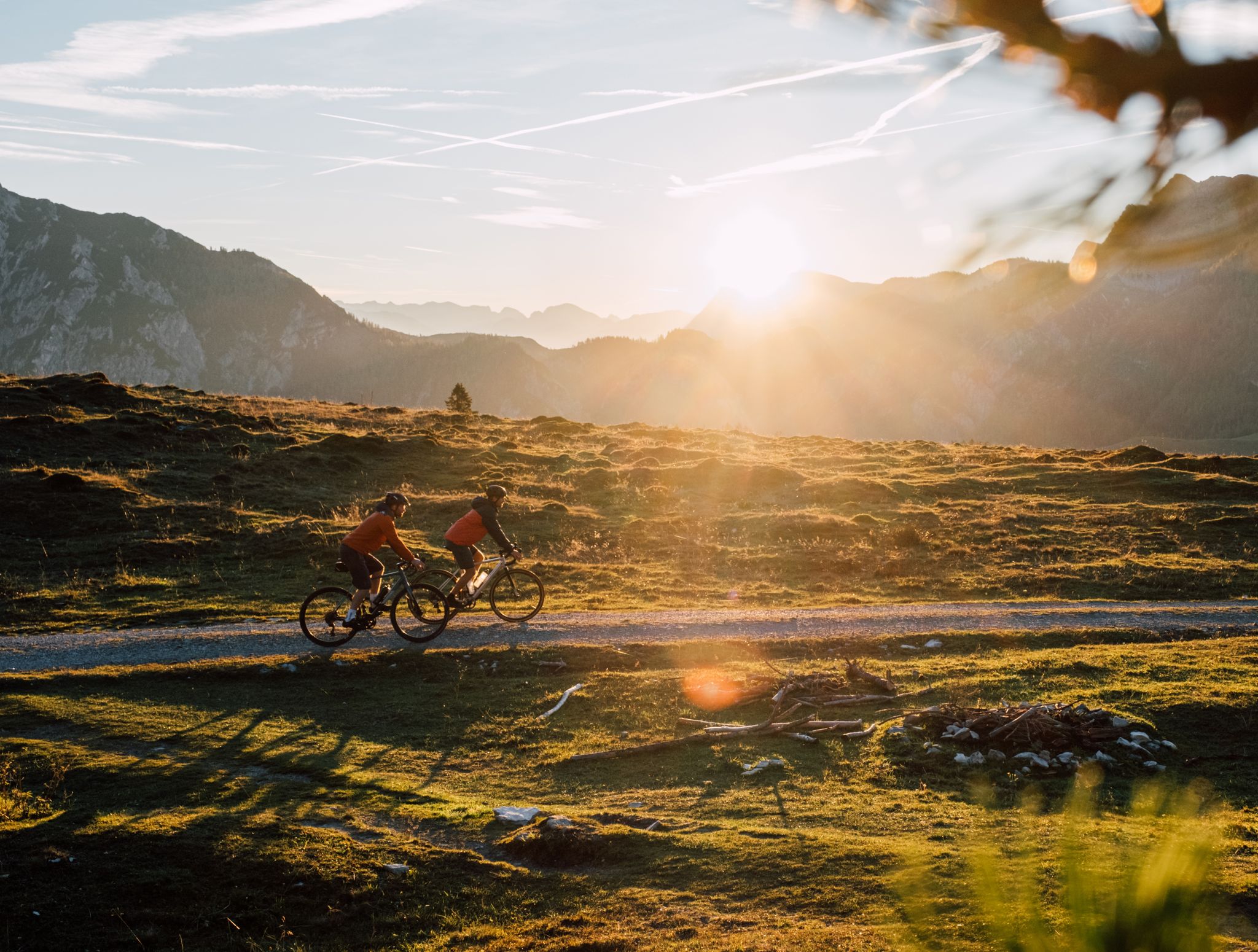
Beyond the pavement – explore Austria's wild nature on a gravel bike
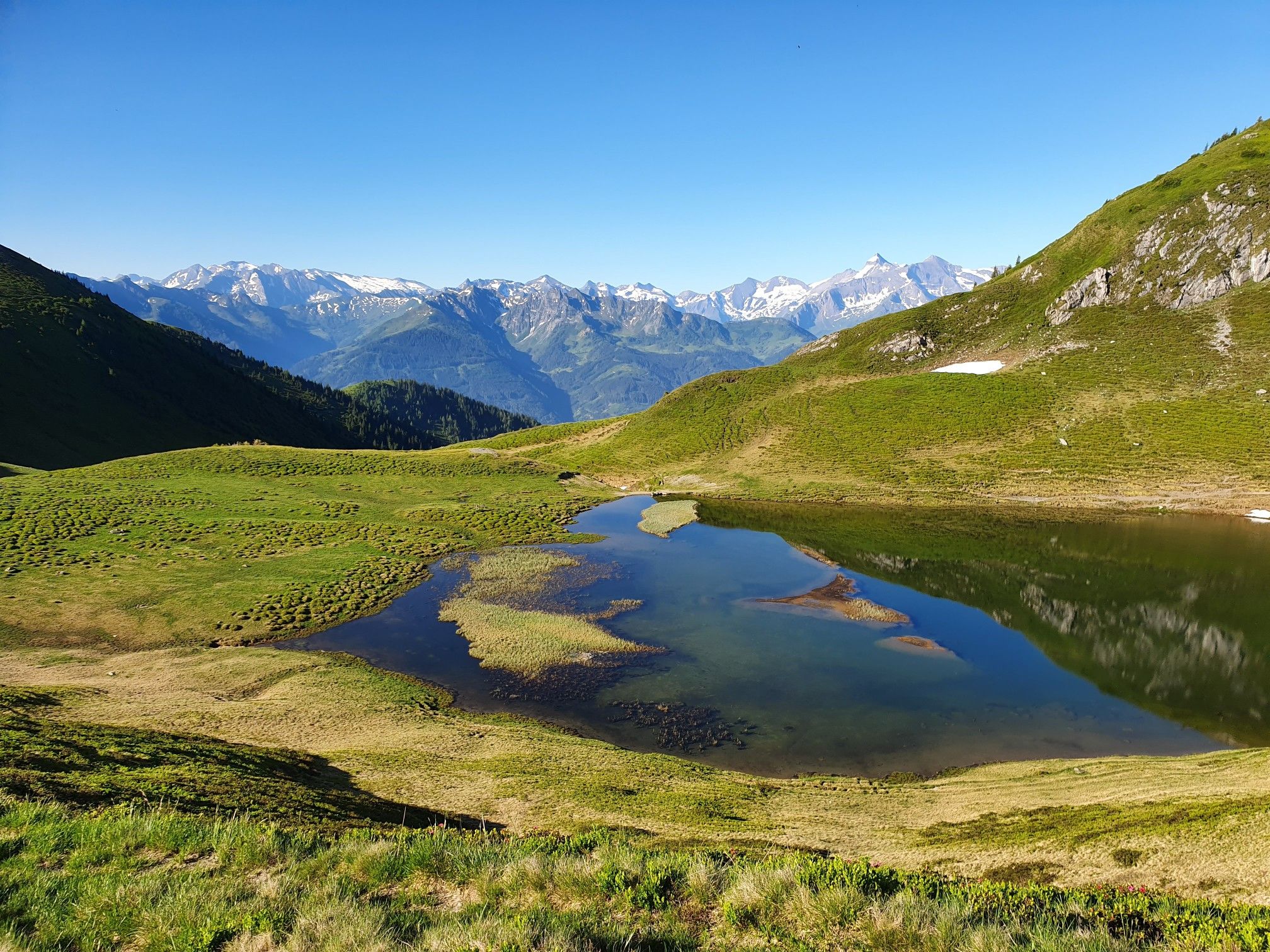
Hohe Tauern Panorama Trail – Face-to-face with 3000-metre peaks
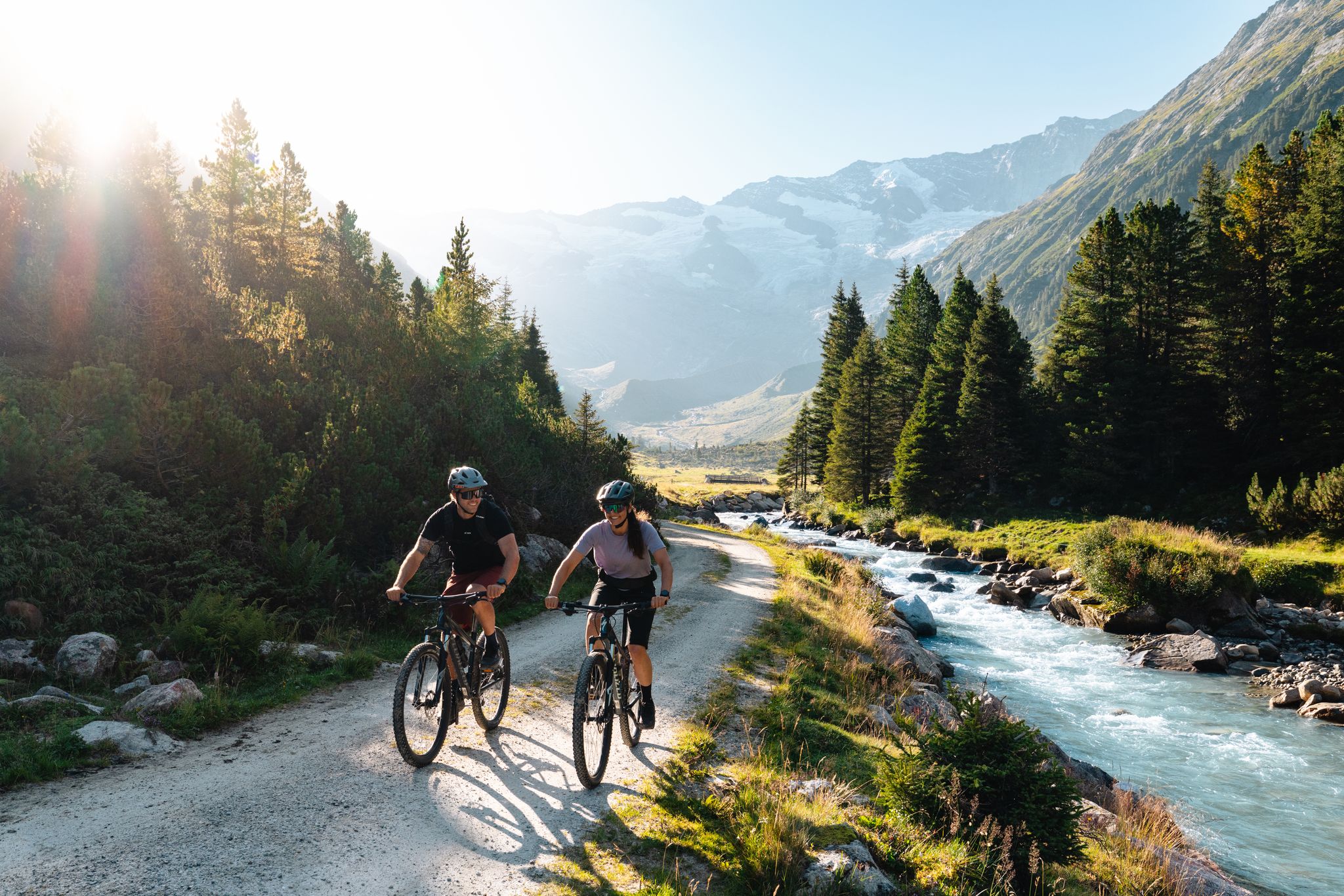
14 stages through the national park valleys – Hohe Tauern Bike Trail
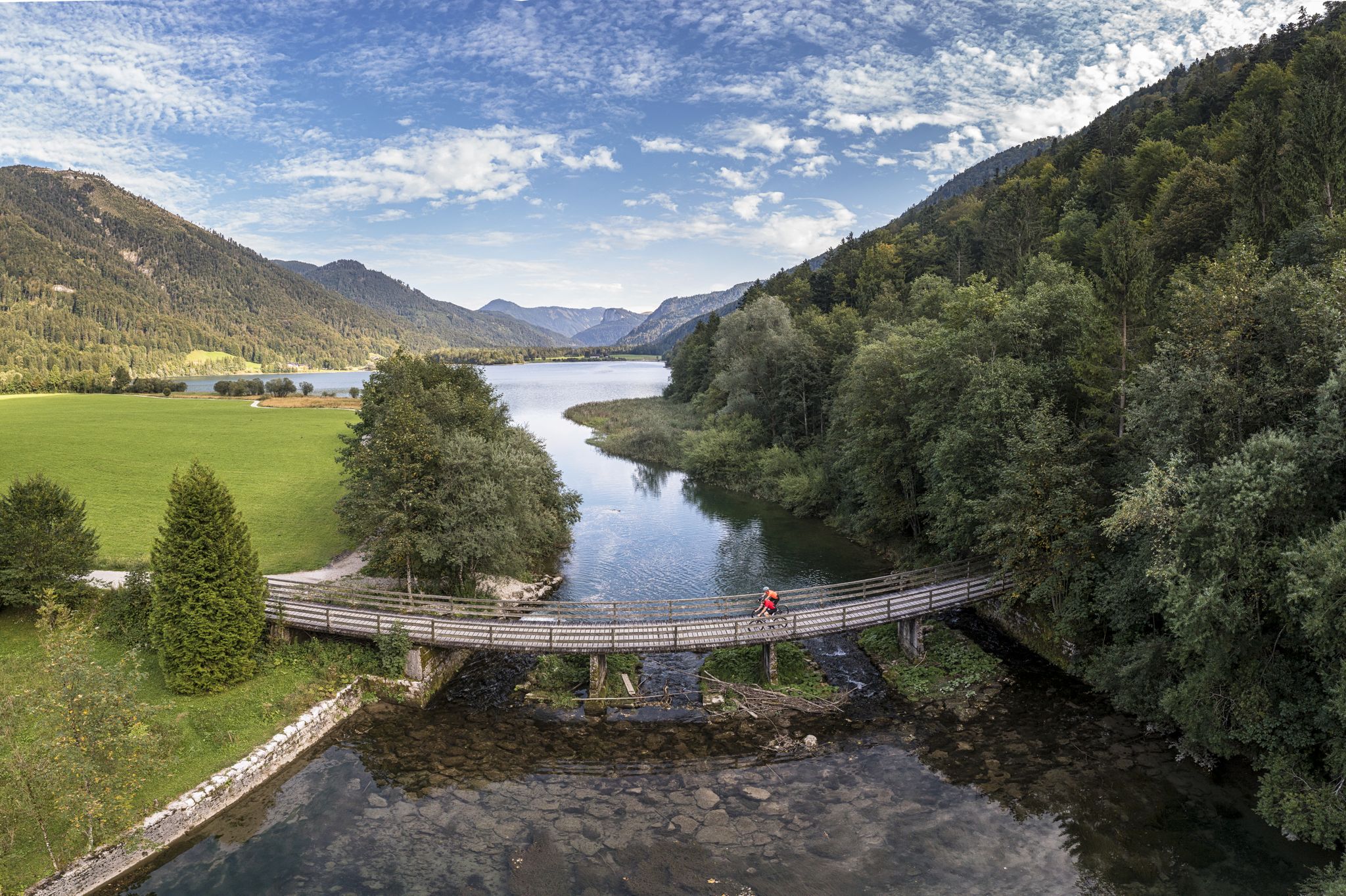
The Soft – a gravel bike loop through the Salzburg region
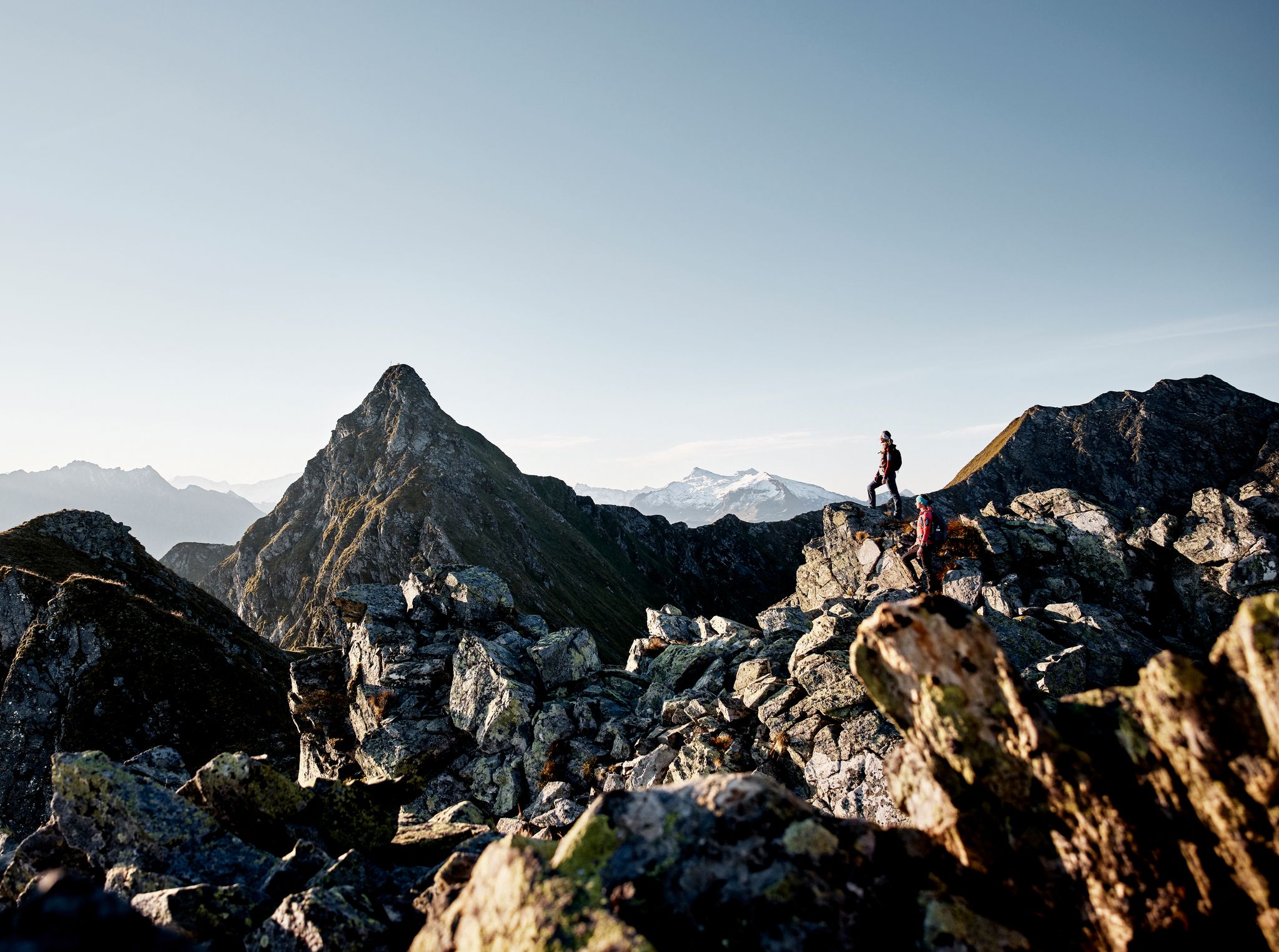
Your adventure is waiting – our ten favourite mountain Tours
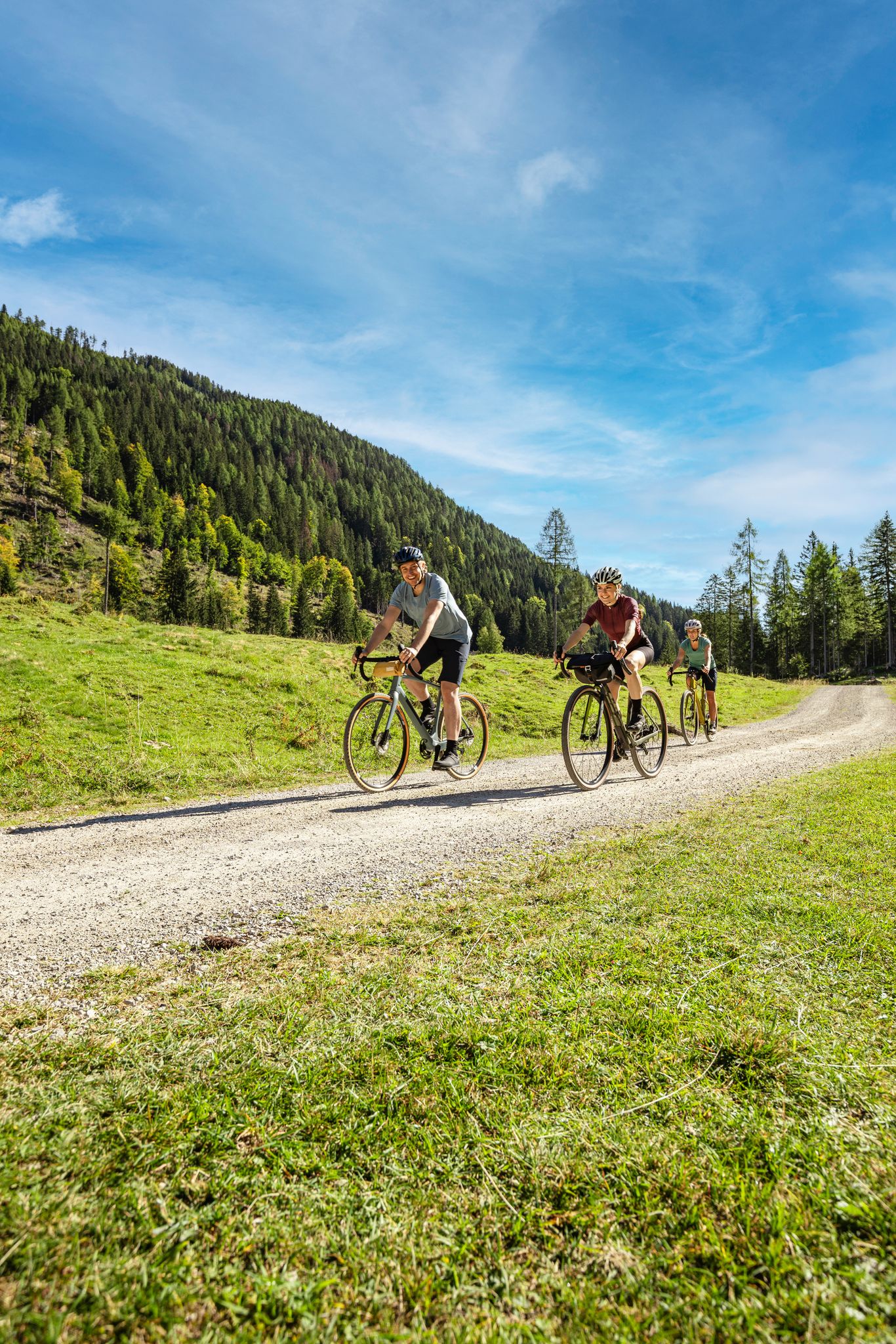
Lake Constance to Lake Neusiedl – explore Austria's federal states on gravel
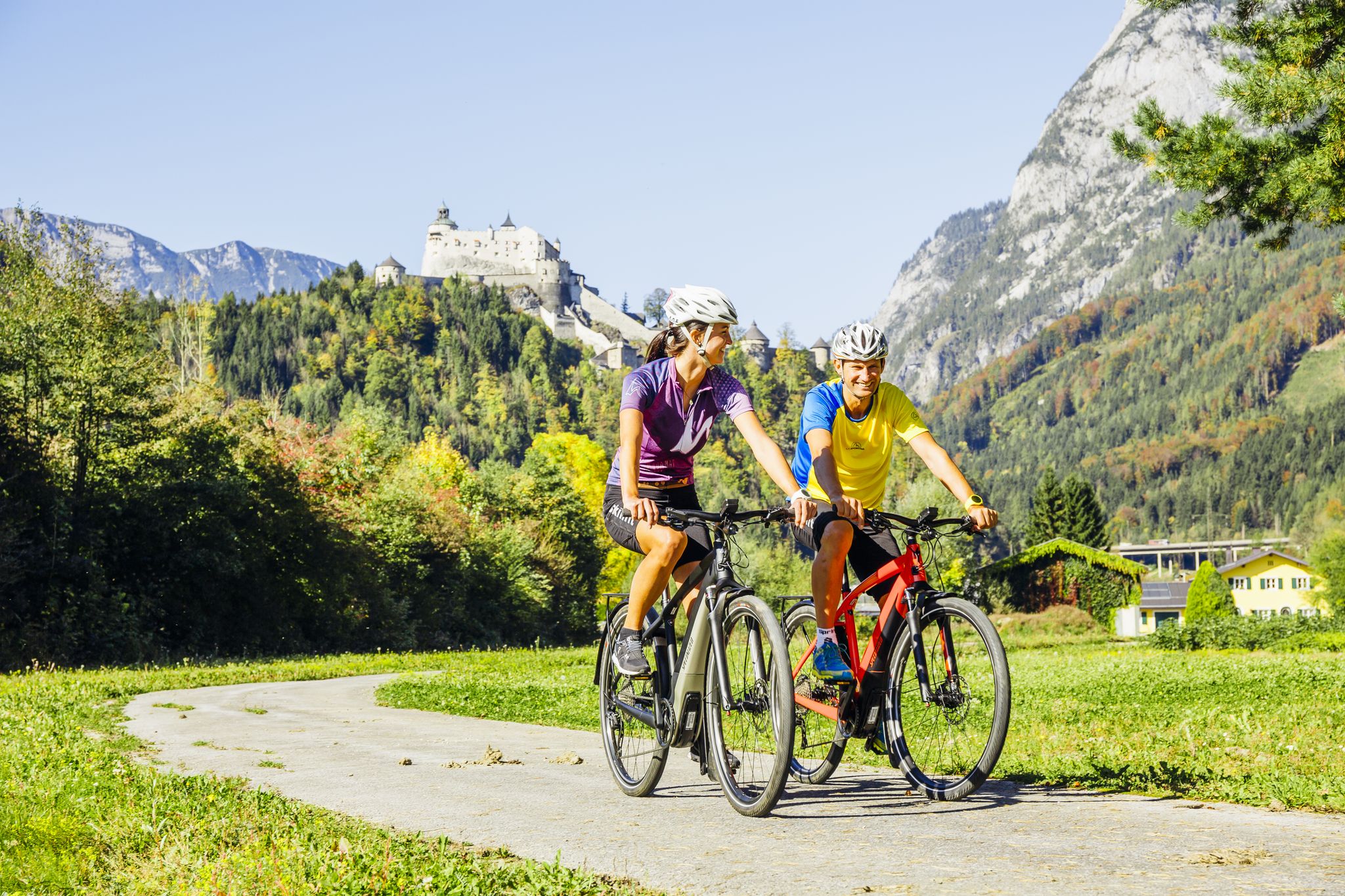
The Krimml-Passau Tauern Cycle Path and the Tauern Cycle Trail Circuit
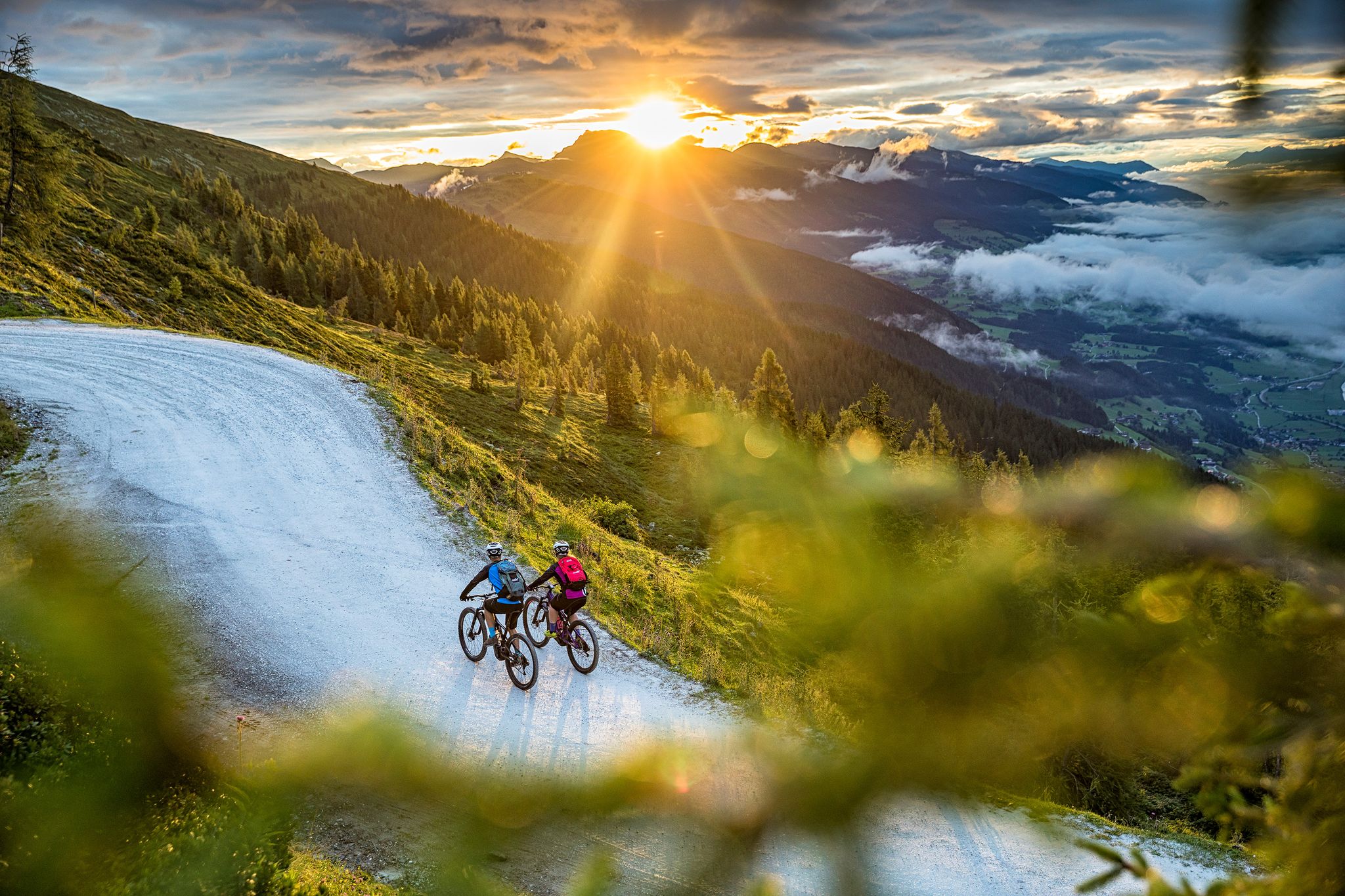
Top Tour tips from the bike hotels in Austria’s SalzburgerLand
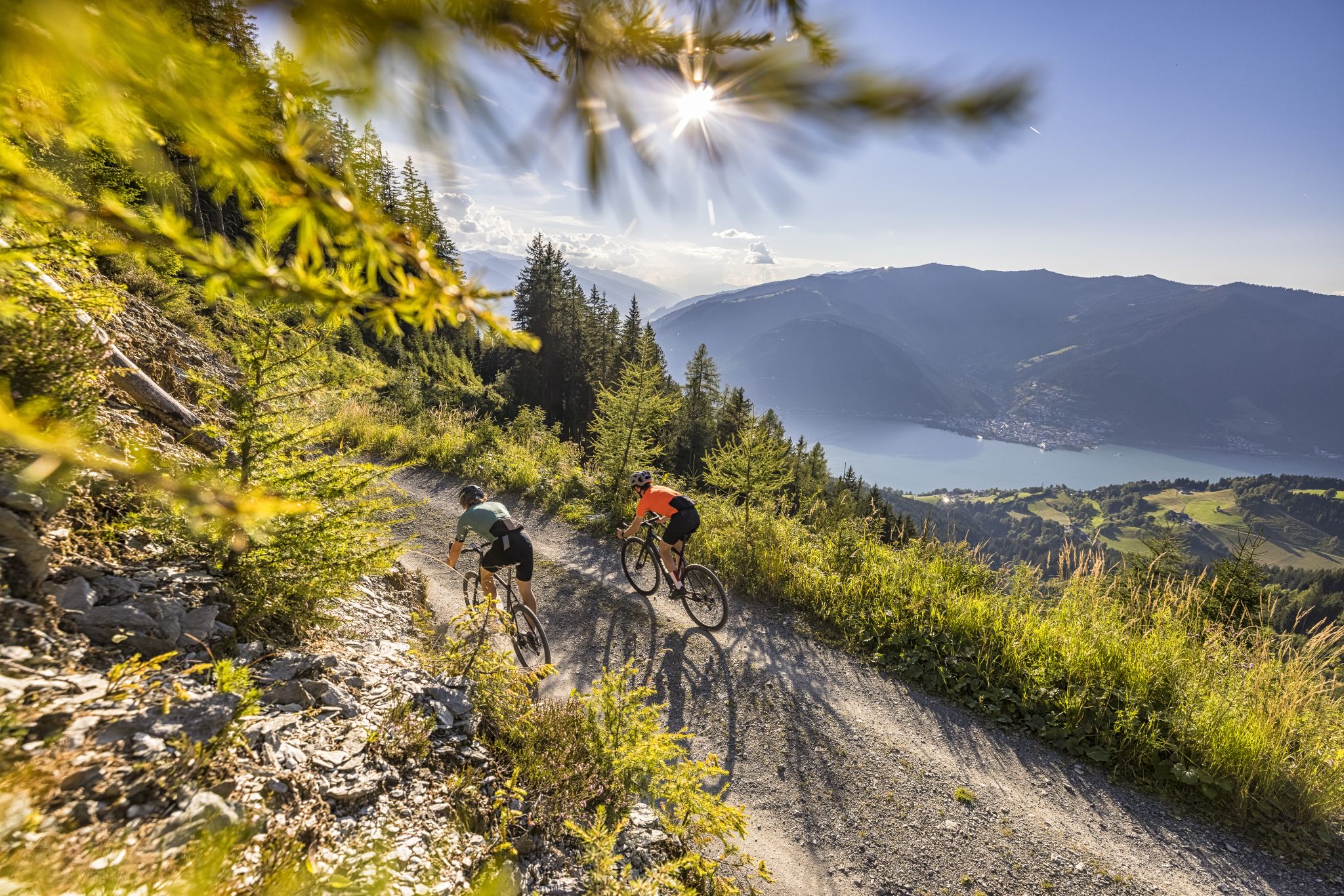
Gravel adventures in Austria’s SalzburgerLand
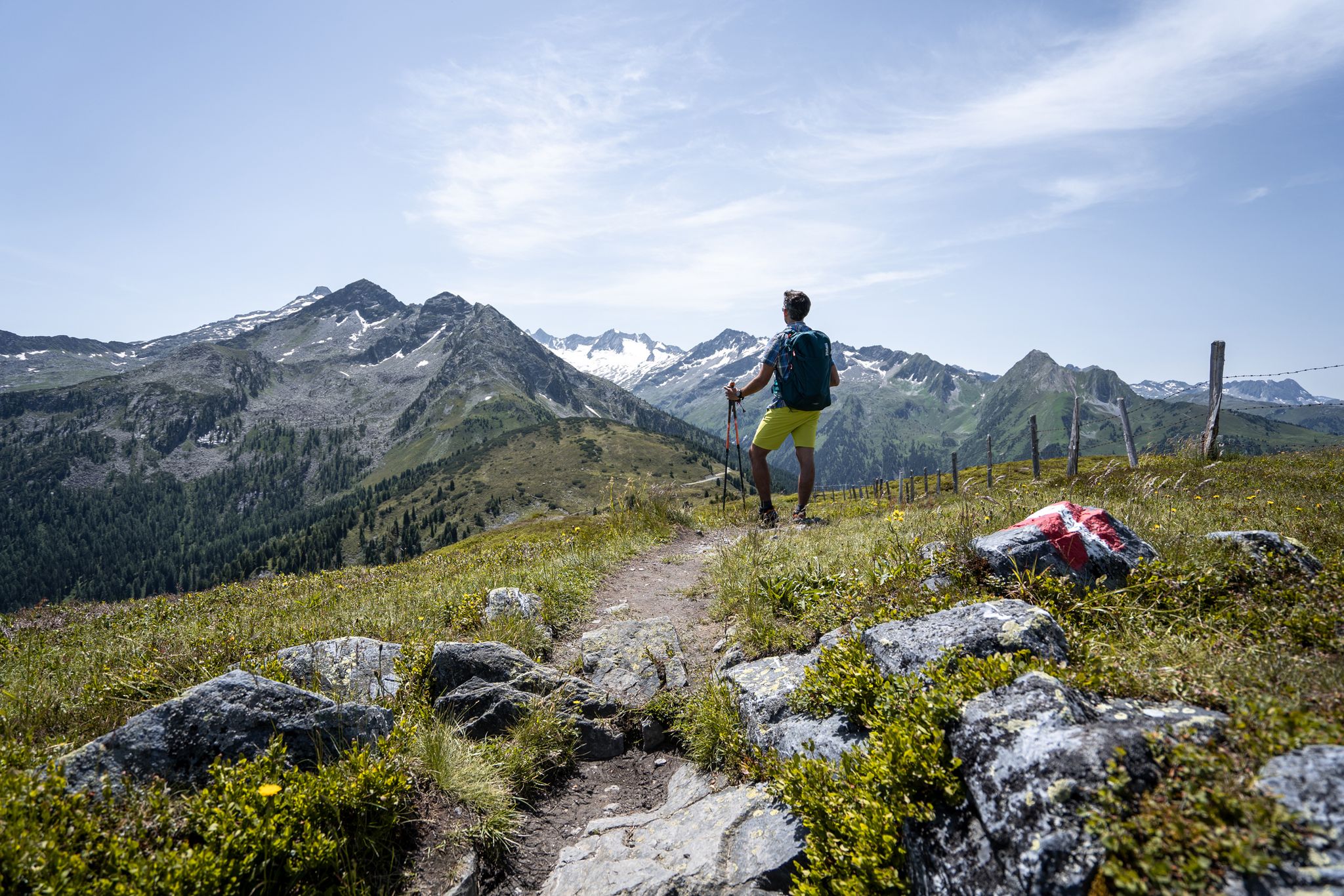
Best views of the highest mountains — Hohe Tauern Panorama Trail
Other adventures around Mittersill


Tips from the Community

Beautiful valley head with a view of the Großvenediger. Time still stands still here. Old farmhouses / with an inn and beautiful meadows and the river. great... highly recommended
0
0

The Teufelssprung (Devil's Leap), at 2,174 meters, is a striking peak in the Kitzbühel Alps, known for the impressive rock crevice that gives it its name. The ascent is usually via the ridge from the Gamshag or via the "Tor" and Hochtorsee lake from the head of the Saalbach-Hinterglemm valley. Once at the top, a spectacular view of the surrounding mountains opens up – a rewarding, tranquil summit for sure-footed hikers.
3
0

A stunning view from the head of the valley. Further up, there's a place to leave your bike and hike for two hours to the "Neue Fürther Hütte" (New Fürth Hut). Due to the snowfields, we could only hike a short distance uphill, but the view was well worth it. Hiking boots are essential! The hut's opening hours can be found online.
0
0

Beautiful and a nice walk to take
0
0

One of several bridges over the Sinterbach and its tributaries – makes the path nicely varied.
4
0

Frequently Asked Questions
What are some of the most impressive gorges to visit near Mittersill?
Beyond the local highlights, the region boasts several remarkable gorges. The Kitzlochklamm in Taxenbach offers dramatic rock formations and opportunities for via ferratas and canyoning. The Liechtensteinklamm near St. Johann im Pongau is one of the longest and deepest in the Alps, featuring a stunning 'Helix' spiral staircase and powerful waterfalls. Another unique experience is the Sigmund-Thun-Klamm in Kaprun, known for its geological formations like whirlpools and potholes carved by the Kapruner Ache river.
Are there any family-friendly gorges or canyon walks around Mittersill?
Yes, several gorges are suitable for families. The Liechtensteinklamm is particularly family-friendly with well-maintained wooden walkways. The Sigmund-Thun-Klamm is also considered a fantastic destination for the entire family, offering an enthralling natural spectacle. For a more local option, the Schösswendklamm provides a hiking trail with views of a mountain stream and a mesmerizing waterfall after rains.
What is the best time of year to visit the gorges near Mittersill?
Most gorges in the region, such as the Kitzlochklamm, Liechtensteinklamm, and Sigmund-Thun-Klamm, are typically open from May to October. This period offers the best weather conditions for exploring the trails and enjoying the natural beauty. Specific opening hours can vary based on weather conditions, so it's always good to check beforehand.
Can I go canyoning near Mittersill?
Yes, canyoning is an activity offered in the region. The Kitzlochklamm in Taxenbach is a suitable location for canyoning, providing an adventurous way to experience the gorge. For those seeking more advanced routes, local tour operators often provide guided canyoning experiences in various suitable locations around Mittersill.
What kind of natural features can I expect to see in the canyons and gorges around Mittersill?
You can expect to see dramatic rock formations, powerful rushing waters, and lush alpine flora. Highlights include impressive waterfalls, deep rock crevices like those at Teufelssprung, and unique geological formations such as whirlpools and potholes in the Sigmund-Thun-Klamm. Valleys like Gschlößtal Valley by the Großvenediger also offer views of glaciers and rustic alpine settlements.
Are there any historical or cultural aspects associated with the gorges in this region?
Yes, some gorges have historical significance. The Liechtensteinklamm, for instance, was made accessible to visitors in 1875-1876 with the support of Prince Johann II of Liechtenstein, after whom it is named. Additionally, valleys like Gschlößtal Valley by the Großvenediger feature ancient pasture lands and old alpine settlements, where East Tyrolean farmers still drive their livestock during summer months.
What outdoor activities can I combine with a visit to the gorges around Mittersill?
The region around Mittersill offers a variety of outdoor activities. You can find numerous cycling routes, such as the 'Tauern Cycle Path – View of Großvenediger loop' or the 'Salzach River Cycle Path – Lake Zell loop'. There are also many running trails, like the 'Felberturm – Mittersill loop', and gravel biking routes, including the 'Resterhöhe Tour'. For more details on these activities, you can explore the cycling, running, and gravel biking guides for Mittersill.
How long does it typically take to explore the gorges near Mittersill?
The duration varies depending on the gorge and your pace. For accessible gorges like the Liechtensteinklamm, about 1 km is accessible via walkways, which can take an hour or two to explore thoroughly. A hike through the Schösswendklamm to the Hintersee, for example, takes approximately 1.5 hours. More challenging routes or combining gorge visits with other activities will naturally take longer.
Are there any hidden gem canyons or less-known gorges worth exploring?
While the main gorges are well-known, exploring areas like the Seebach Valley, Hohe Tauern National Park, offers a breathtakingly beautiful valley experience with waterfalls and snow/ice remaining well into the summer. The Valley Entrance to the Core Zone, Hohe Tauern National Park also provides a great head of the valley with three impressive waterfalls, offering a more secluded feel.
What do visitors enjoy most about the gorges and canyons around Mittersill?
Visitors frequently highlight the dramatic scenery, the powerful force of the water, and the unique geological formations. Many appreciate the well-maintained paths and walkways that make these natural wonders accessible. The spectacular views from viewpoints like Teufelssprung and the serene beauty of valleys like Gschlößtal Valley are also highly praised.
Is the Liechtensteinklamm accessible, and what are its main features?
The Liechtensteinklamm is highly accessible, with about 1 km of its 4 km length explorable via wooden walkways. Its main features include impressive depth with walls up to 300 meters high, numerous thundering waterfalls, and the unique 'Helix' spiral staircase that offers profound views into the gorge. It's considered very family-friendly. You can find more information about its history on Wikipedia.
Most popular routes around Mittersill
Most popular attractions around Mittersill

Get inspired with the komoot mobile app


Explore more
Already discovered everything in this region? See additional gorges around Mittersill for your next adventure:
