Top 3 Caves around Ulrichsberg
Best caves around Ulrichsberg are situated in the broader Upper Austria region, characterized by its natural landscapes and geological formations. The area features various rock formations and natural monuments, often found within forested environments. These sites offer opportunities for exploration and are integrated into local hiking trails. The region's geology includes granite stones and significant rock colossuses that have formed natural shelters and caves over time.
Best caves around Ulrichsberg
- The most popular caves is Pfaffenhaus Cave, a natural…
Last updated: July 9, 2026
Drucker-Franzl cave
Highlight • Cave
Translated by Google •
Tip by

Pfaffenhaus Cave
Highlight • Cave
served as a shelter for the clergymen who fled from the Hussites (around 1427).
Translated by Google •
Tip by

Sign up now to discover places like this
Get recommendations on the best single tracks, peaks, & plenty of other exciting outdoor places.
Sign up for free
Hüllstein Rock Formation
Highlight • Natural Monument
(Pagan ancestors probably used it as an offering table)
Translated by Google •
Tip by
Robber's Cave
Highlight • Cave
Translated by Google •
Tip by
Grüneisfelsen (1,040 m)
Highlight • Natural Monument
Translated by Google •
Tip by
Start today with a free account
Your next adventure awaits.
Login or Signup
Popular around Ulrichsberg
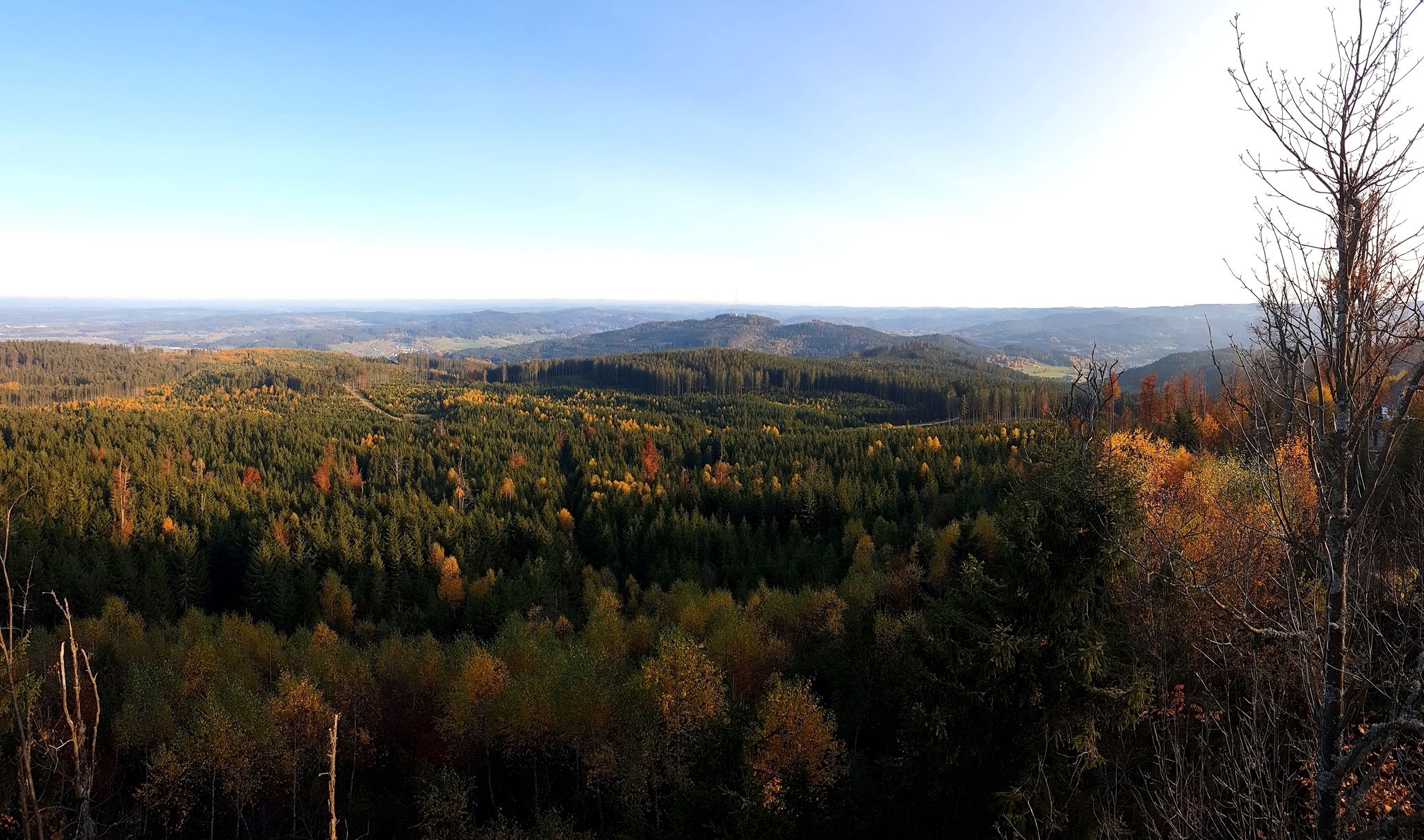
Nordwaldkamm trail – Hiking between the Czech Republic and Austria
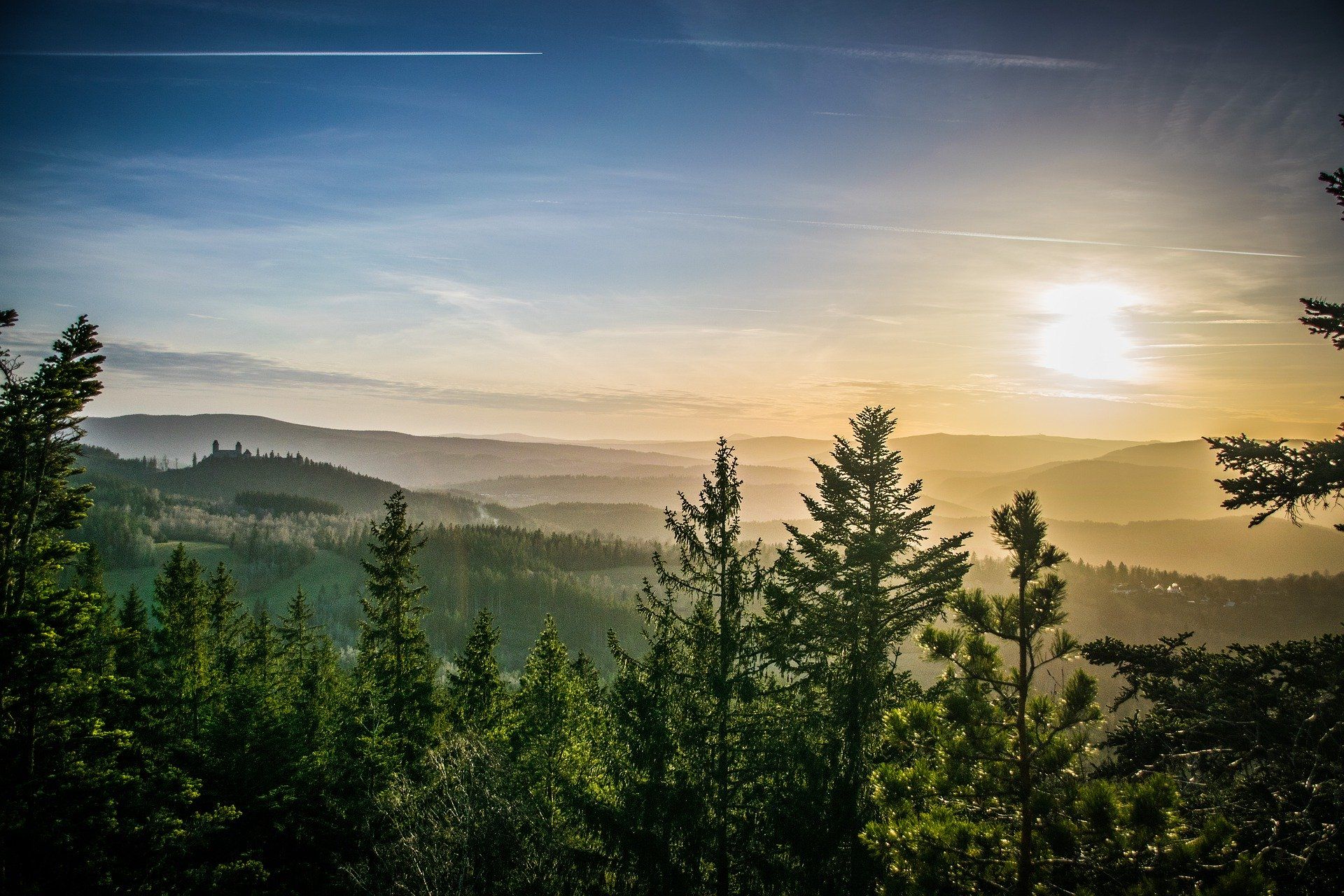
The Path of Deceleration – hiking through the Bohemian Forest
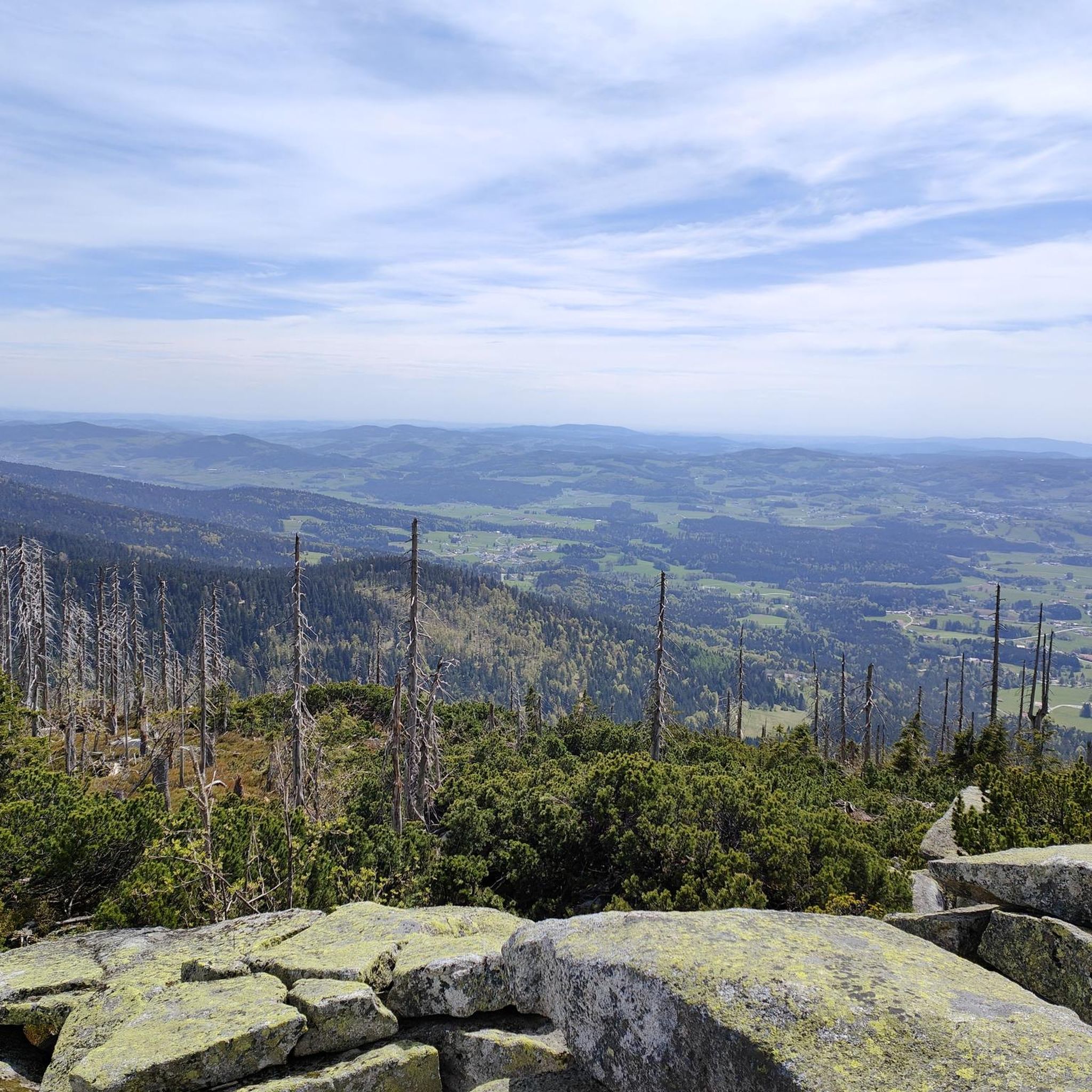
Hiking around Ulrichsberg
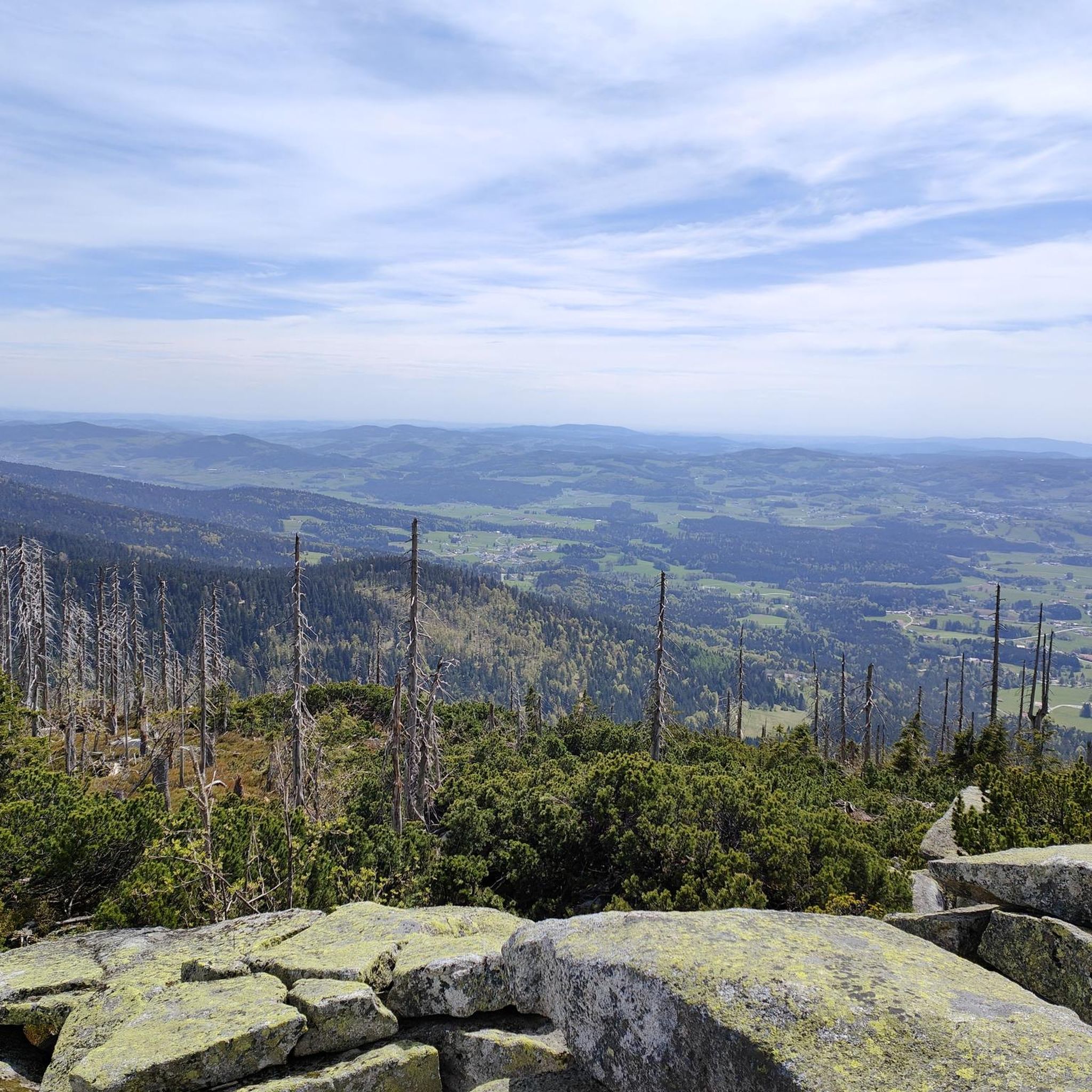
MTB Trails around Ulrichsberg
Cycling around Ulrichsberg
Road Cycling Routes around Ulrichsberg

Mountain Hikes around Ulrichsberg
Running Trails around Ulrichsberg

Gravel biking around Ulrichsberg


Tips from the Community

A little off the hiking trail is the mighty Grüneisfelsen...around it an impressive rock and cave landscape in a steep terrain
1
0

One of the "legendary" rocks on the Stoanaweg behind the Lourdes Chapel near Stratberg
0
0

90m worthwhile detour. small cave, great place
0
0

You have to go into the forest a bit to get to the stone. Is signposted on the main path.
1
0

Ideal for a hike with children, of course. However, we did not find the robber
2
0

You have to find the den of robbers first
2
0
gigantic rock formation with hidden caves...be sure to walk around the rocks...
3
0
Definitely look for the robber's cave...
2
0
Frequently Asked Questions
What types of caves can I explore around Ulrichsberg?
The caves around Ulrichsberg are primarily natural rock shelters, historical caves, and granite formations. These are often integrated into hiking routes and offer a blend of natural beauty and historical significance. For example, the Pfaffenhaus Cave is a large natural cave within a 20-meter high rock colossus, while the Hüllstein Rock Formation features a cave underneath a 6-meter long granite stone.
Are there any historical caves in the Ulrichsberg area?
Yes, the region features caves with historical connections. The Pfaffenhaus Cave, for instance, served as a shelter for clergymen fleeing the Hussites around 1427. Another is the Drucker-Franzl cave, historically associated with a smuggler and robber named Printer Franzl from around 1700.
Are the caves around Ulrichsberg suitable for families with children?
Yes, some caves are considered family-friendly. The Robber's Cave, with its gigantic rock formation and hidden caves, is ideal for a hike with children. Many of these sites are part of accessible hiking trails, making them suitable for family outings.
What natural features can I expect to see near the caves?
Beyond the caves themselves, you'll encounter diverse natural features. The region is characterized by granite stones, impressive rock colossuses, and dense forests. Many caves, like the Grüneisfelsen, are set within a dramatic rock and cave landscape in steep terrain, often offering viewpoints.
What outdoor activities can I do near the caves around Ulrichsberg?
The caves are often integrated into local trail networks. You can enjoy various outdoor activities such as hiking, mountain biking, and gravel biking. For detailed routes and guides, you can explore options like Hiking around Ulrichsberg or MTB Trails around Ulrichsberg.
Are there any larger, more extensive cave systems in the broader Upper Austria region?
Yes, if you're willing to venture further into Upper Austria, there are more extensive cave systems. The Dachstein massif, for example, hosts the impressive Dachstein Giant Ice Cave with its ice sculptures and the vast Mammut Cave, one of Europe's largest cave systems. Another notable site is the Stillensteinklamm, featuring an underground cave system where the Gießenbach stream flows.
What should I bring if I plan to explore caves in the region?
For the local rock shelters and smaller caves around Ulrichsberg, standard hiking gear is usually sufficient as they are often part of trails. However, for exploring larger, darker caves like those in the Stillensteinklamm, it is advisable to bring a flashlight. Always wear appropriate footwear for uneven terrain.
What is the best time to visit the caves around Ulrichsberg?
The caves and associated hiking trails around Ulrichsberg can be visited throughout much of the year, though spring to autumn generally offers the most pleasant weather for hiking. For caves with underground water features, like Stillensteinklamm, it's best to avoid visiting during heavy rain or thunderstorms.
Are there guided tours available for any of the caves?
While the local caves directly around Ulrichsberg are typically explored independently as part of hiking routes, larger cave systems in the broader Upper Austria region, such as the Dachstein Giant Ice Cave and Mammut Cave, offer guided tours. These tours provide insights into their unique geological formations and history.
What do visitors appreciate most about the caves and rock formations in Ulrichsberg?
Visitors frequently enjoy the blend of natural beauty and historical intrigue. The unique rock formations, like the 20-meter high colossus of Pfaffenhaus Cave, and the stories associated with places like the Drucker-Franzl cave, are often highlighted. The integration of these sites into scenic forest hikes also adds to their appeal.
Are there any unique geological formations besides traditional caves in the wider region?
Yes, the broader Upper Austria region is home to unique geological features. The Pießling Spring (Pießling Ursprung) is a significant natural monument, recognized as one of Austria's most powerful karst springs, where water emerges from an extensive underground system.
Most popular routes around Ulrichsberg
Most popular attractions around Ulrichsberg

Get inspired with the komoot mobile app


Explore more
Extend your search for the best caves by checking out these guides of the top ones around Ulrichsberg:
