Top 15 Waterfalls around Viehhofen
Waterfalls around Viehhofen offer diverse natural experiences within the Austrian Alps. The region provides opportunities to explore both powerful natural cascades and water-themed attractions. Visitors can find various types of waterfalls, from those emerging from caves to those within dramatic gorges. The area is suitable for day trips, combining natural wonders with engaging water features.
Best waterfalls around Viehhofen
- The most popular waterfalls is Birnbach Cave, a cave that features a waterfall falling down the mountain from its 20…
Last updated: July 9, 2026
Birnbach Cave
Highlight • Cave
Translated by Google •
Tip by

Klammsee Dam and Spillway
Highlight • Monument
Translated by Google •
Tip by

Sign up now to discover places like this
Get recommendations on the best single tracks, peaks, & plenty of other exciting outdoor places.
Sign up for free
The Power of the Mountain Streams – Panorama Trail
Highlight • Trail
Translated by Google •
Tip by

Sigmund Thun Gorge
Highlight • Gorge
Translated by Google •
Tip by

Klammsee Dam and Waterfall (Kaprun)
Highlight • Waterfall
Translated by Google •
Tip by

Sign up for free to discover even more waterfalls around Viehhofen.
Sign up for free
Already have an account?
Start today with a free account
Your next adventure awaits.
Login or Signup
Popular around Viehhofen
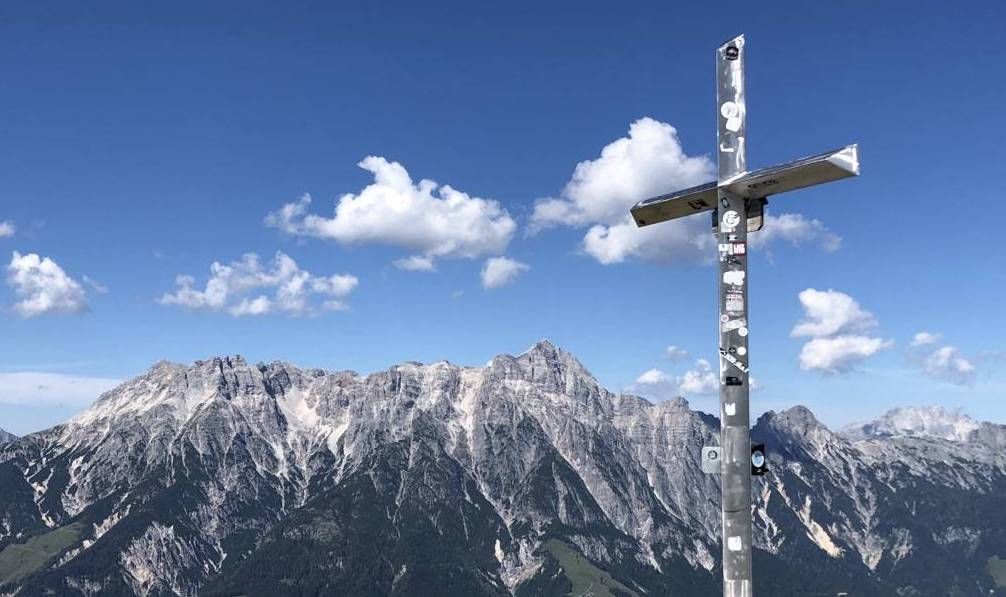
Hiking the Saalach Valley Ridge Way in Austria – Wild nature and mighty peaks
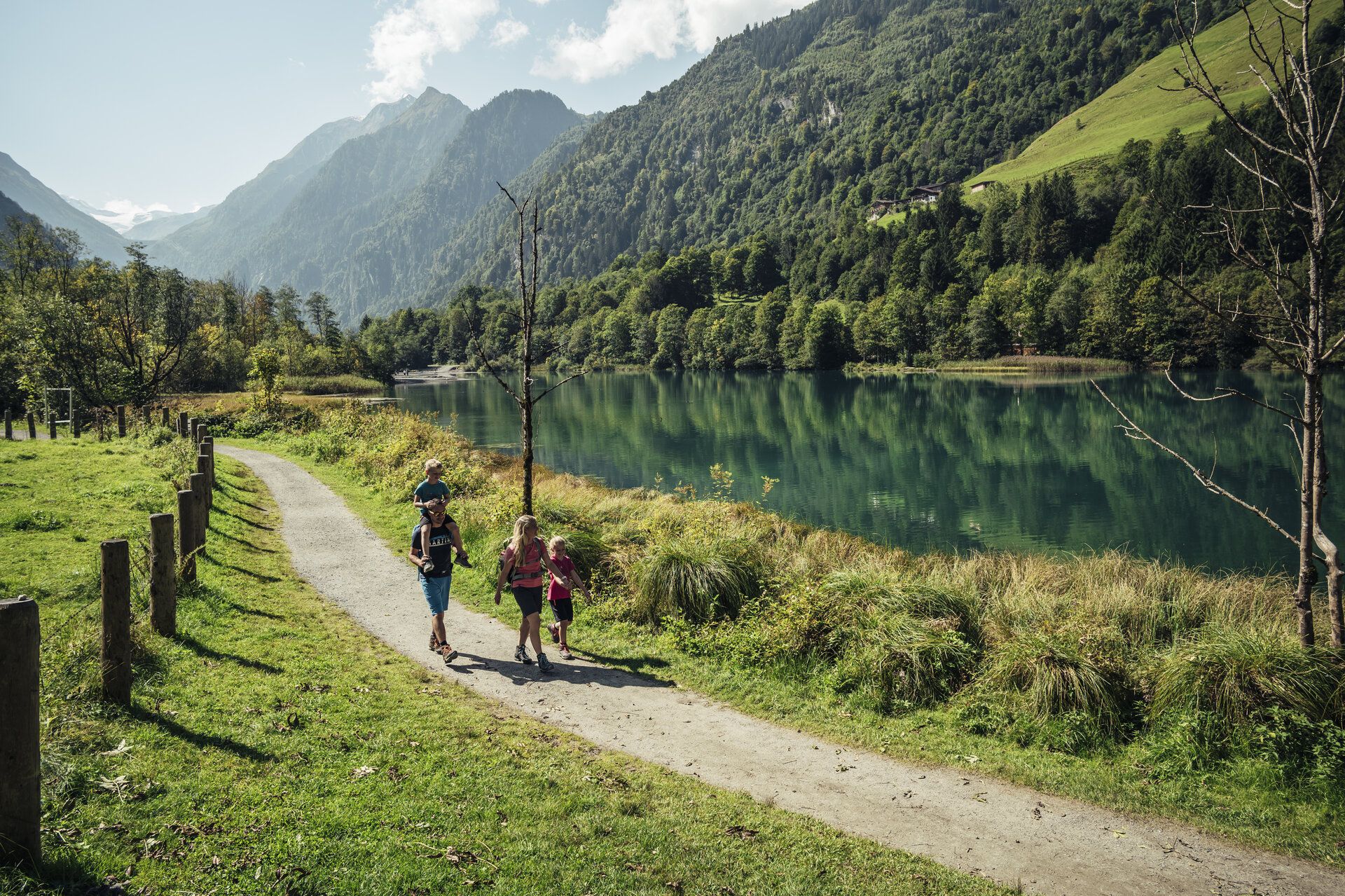
Hiking adventures for the whole family in Zell am See-Kaprun
Road Cycling Routes around Viehhofen
Cycling around Viehhofen
Hiking around Viehhofen

Gravel biking around Viehhofen
Running Trails around Viehhofen
MTB Trails around Viehhofen

Mountain Hikes around Viehhofen


Tips from the Community

The river of the same name originates from the 5-6m deep spring at Birnbachloch. The tour up to here is absolutely worthwhile 😃.
13
0


After the heavy rain things look different
0
0

From the gorge you can take a lovely hike to the cable car. You can either hike back or take the shuttle bus back to the starting point.
0
0

Below the running route you can see the path on wooden bridges through the Sigmund-Thun Gorge, for which you would have to pay an entrance fee.
1
0

It is not a waterfall. It is the overflow of the Klammsee. A dam wall for the power plant group's own use plant in Kaprun. Beautifully embedded at the end of the gorge.
1
1

Experience the impressive effect of the torrents: from round washouts to majestic waterfalls - a landscape shaped by the power of water. In the Hohe Tauern, torrents make their way through hard rock, forming round washouts, scours and whirlpools as well as impressive waterfalls. The gorge features arise as long as the steep side slopes remain stable. The rocks, mainly from the Wildschönau slate, are almost 500 million years old and tectonically assigned to the Upper Eastern Alpine. However, the soft shales are susceptible to weathering, favoring V-shaped valleys and rounded peaks. Slate formations do not allow deep gorges to form, which is why side slopes often slide. Disasters such as mudflows and floods force the stream to be blocked and retention barriers to be built to protect the towns. The forest also plays a crucial role in protecting against erosion. Maple-ash forests or gray alder slope forests stabilize the slopes and minimize the risk of mudslides and landslides. Protective measures such as avoiding clear-cutting and promoting natural forest communities are crucial for the preservation and stability of the mountain landscape.
0
0
Frequently Asked Questions
What unique waterfall experiences can I find around Viehhofen?
You can explore diverse water formations. The Birnbach Cave offers a unique spectacle where a waterfall emerges from a 20-meter-wide cave entrance. The Klammsee Dam and Spillway provides views of a man-made monument at the end of an impressive gorge. Further afield, the Krimml Waterfalls, Austria's highest, feature a well-maintained path with viewing platforms and an interactive 'Water Wonder World'. The Kitzlochklamm gorge near Taxenbach offers a dramatic hike through historical tunnels and past thundering cascades.
Are there family-friendly waterfall attractions near Viehhofen?
Yes, several options are great for families. The Klammsee Dam and Spillway is noted as family-friendly. The Krimml Waterfalls, while majestic, also feature 'WasserWelten Krimml', an interactive water park with various play stations. Closer to Viehhofen, Teufelswasser (Devil's Water) in Saalbach Hinterglemm is an adventure playground with interactive water stations, Kneipp pools, and a mysterious cave waterfall, perfect for children.
What kind of natural features can I expect to see besides waterfalls?
The region around Viehhofen is rich in natural beauty. You'll encounter dramatic gorges, such as the Kitzlochklamm and the Liechtensteinklamm Gorge, with impressive rock formations and historical paths. There are also serene lakes like the Klammsee, dense forests, and panoramic viewpoints offering vistas of the Hohe Tauern National Park and the surrounding mountains. The Birnbach Cave itself is a significant natural monument.
What is the best time to visit the waterfalls around Viehhofen?
The best time to visit is generally from spring to autumn when the weather is mild, and the water flow is strong due to snowmelt or rainfall. This period is ideal for hiking and enjoying outdoor activities. Many attractions, like the Kitzlochklamm, are typically open from May to October. While some waterfalls can be seen in winter, access to paths might be limited, and interactive water parks like WasserWelten Krimml are seasonal.
Are there hiking trails that include waterfalls directly from Viehhofen?
Yes, there's a moderate 5.7-mile (9.3 km) hiking loop directly from Viehhofen that includes a 'Small Waterfall'. This trail offers scenic views of the Glemmtal valley and the Hohe Tauern National Park. For more hiking options, you can explore various trails around the area, including those listed in the Hiking around Viehhofen guide.
What are the most powerful waterfalls in the wider region?
The Krimml Waterfalls are widely recognized as the highest in Austria and are known for their immense power, with the Krimmler Ache river plunging over three tiers. Another impressive display of water's force can be experienced on 'The Power of the Mountain Streams – Panorama Trail', which showcases how torrents carve through rock, forming washouts and majestic cascades.
Can I combine a waterfall visit with other outdoor activities?
Absolutely. Many waterfall locations are integrated into larger outdoor activity areas. For instance, the region offers numerous hiking trails, cycling routes, and running trails. The Teufelswasser in Saalbach Hinterglemm is easily accessible via the Glemmtal cycle path, making it perfect for a bike ride combined with water play.
What do visitors enjoy most about the waterfalls around Viehhofen?
Visitors frequently praise the breathtaking natural beauty and the sheer power of the water. The accessibility of many sites, like the Birnbach Cave, makes these natural wonders enjoyable for many. The combination of dramatic scenery, well-maintained paths, and interactive elements at places like Krimml Waterfalls and Teufelswasser also receives high acclaim.
Are there any historical or cultural sites associated with the waterfalls?
The Kitzlochklamm gorge near Taxenbach features historical footbridges and tunnels dating back to the 16th century, adding a cultural dimension to the natural spectacle. Within the gorge, you can also find an idyllic hermitage. While not directly historical, the Klammsee Dam and Spillway represents a significant man-made monument in the landscape.
How accessible are the waterfalls for different fitness levels?
Accessibility varies. The path to the Krimml Waterfalls includes barrier-free sections, making it accessible for many. The Birnbach Cave is described as easily accessible, though the path can be a bit alpine in parts. Gorges like Kitzlochklamm and Liechtensteinklamm involve walking on wooden footbridges and stairs, which may be more challenging for some.
Can I bring my dog to the waterfall trails?
While specific rules for every single waterfall trail are not detailed, generally, dog-friendly hiking is common in the Austrian Alps. However, it's always advisable to keep dogs on a leash, especially in nature protection areas or on busy trails. For specific regulations, particularly in protected areas like Hohe Tauern National Park (where Krimml Waterfalls are located), checking local guidelines is recommended.
Are there cafes or restaurants near the waterfalls?
Yes, many popular waterfall attractions have amenities nearby. For example, the Krimml Waterfalls area includes the 'Water Wonder World' which has facilities. The Kitzlochklamm also has infrastructure for visitors. For local trails like the 'Small Waterfall' loop from Viehhofen, you might find refreshment options in Viehhofen itself or at mountain huts like the Hecherhütte, which is part of another easy loop from Viehhofen.
Most popular routes around Viehhofen
Most popular attractions around Viehhofen

Get inspired with the komoot mobile app


Explore more
Happy to travel a little further afield? Then browse these guides for the best waterfalls around Viehhofen:
