Top 4 Castles around Stegersbach
Best castles around Stegersbach are found in Southern Burgenland, a region known for its gentle hills and historical landmarks. The area offers a blend of natural landscapes and cultural heritage, with several castles reflecting centuries of history. These fortifications and estates provide insight into the region's past, from medieval origins to Renaissance transformations. Visitors can explore various architectural styles and historical narratives within a compact area.
Best castles around Stegersbach
- The most popular castles is Rotenturm Castle, a castle…
Last updated: July 9, 2026
Rotenturm Castle
Highlight • Castle
Translated by Google •
Tip by

Burgau Water Castle
Highlight • Castle
The castle became state property and has been owned by the market town of Burgau since 1871.
Translated by Google •
Tip by

Sign up now to discover places like this
Get recommendations on the best single tracks, peaks, & plenty of other exciting outdoor places.
Sign up for free
Neudau Castle
Highlight • Castle
The original moated castle consists of the outer bailey with a mighty round tower, the gate wing and the south wing, the three-storey residential castle (closed four-wing building …
Translated by Google •
Tip by

View of Riegersburg
Highlight • Viewpoint
Translated by Google •
Tip by

Castle of Litzelsdorf
Highlight • Historical Site
Translated by Google •
Tip by

Sign up for free to discover even more castles around Stegersbach.
Sign up for free
Already have an account?
Start today with a free account
Your next adventure awaits.
Login or Signup
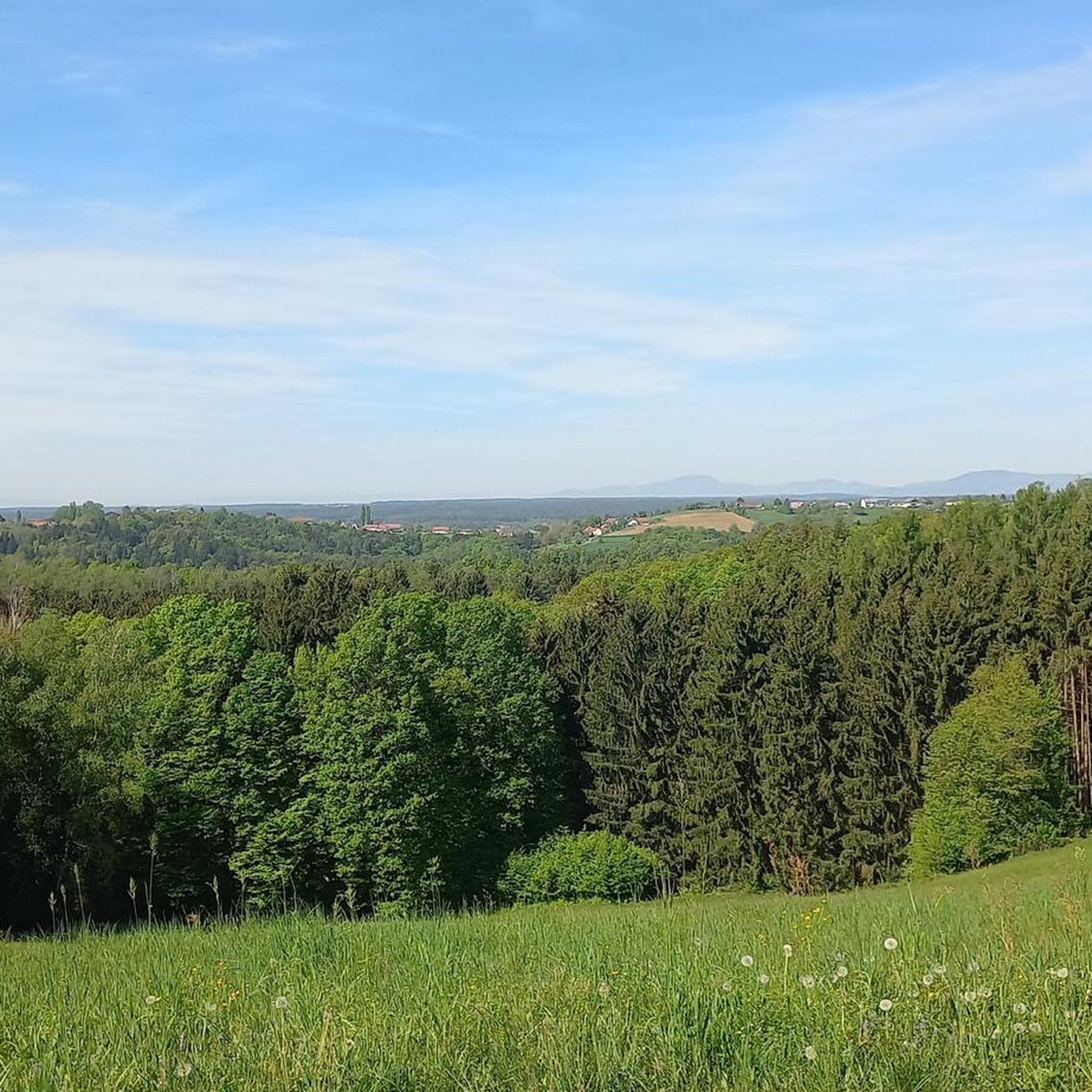
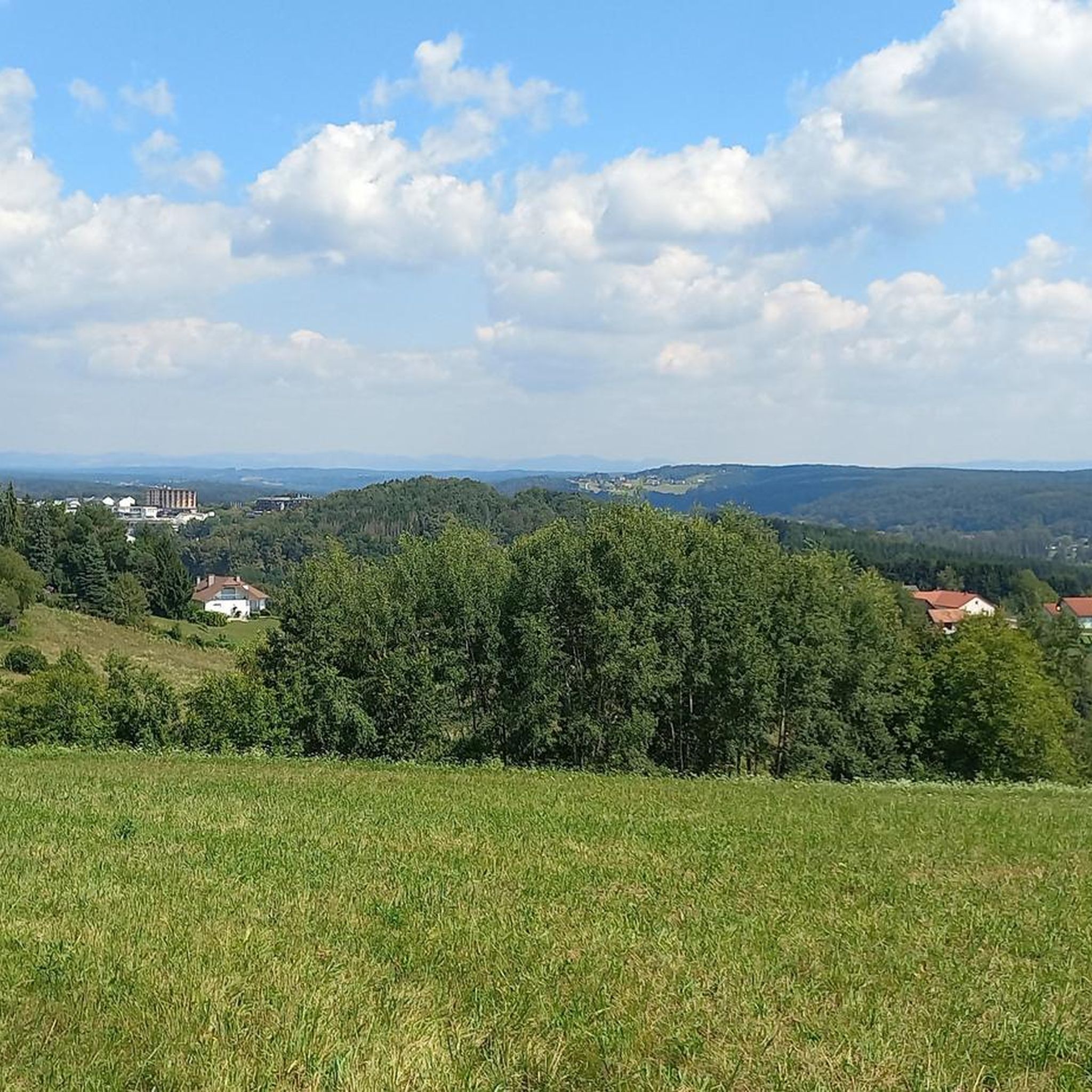
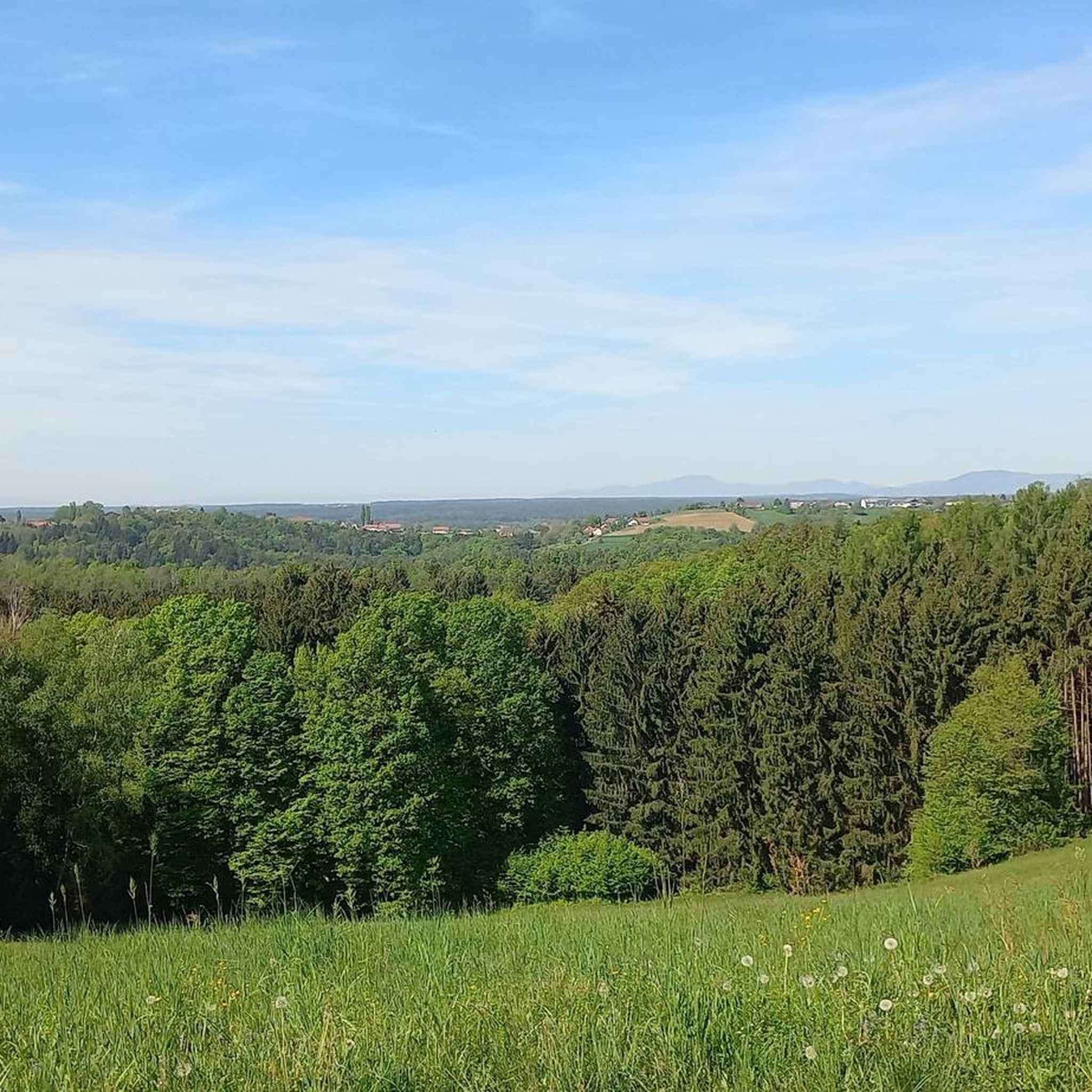
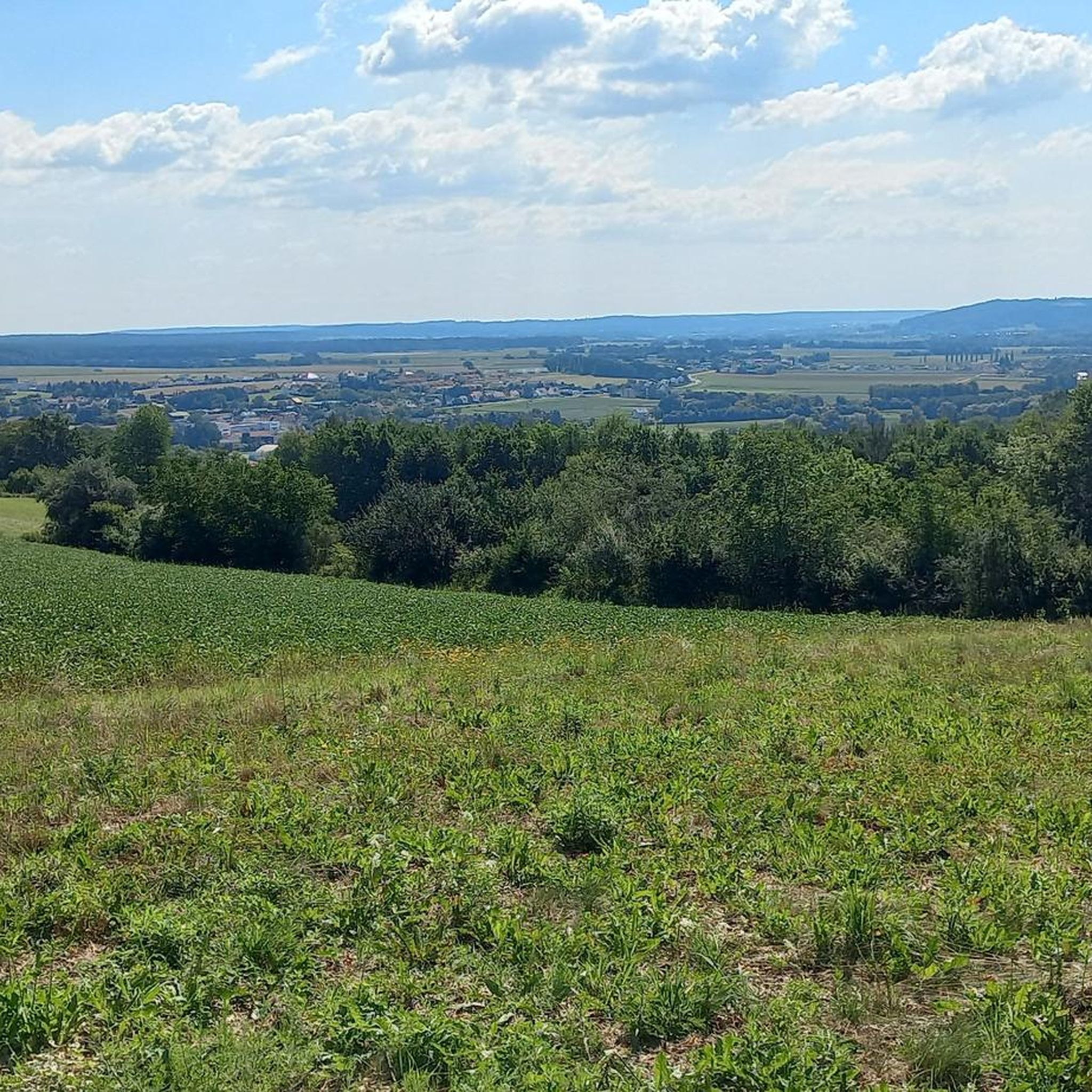

Tips from the Community

A sensationally beautiful castle (from the outside). We hiked past here and made a firm decision to pay this castle an extra visit. Really beautiful.
0
0

Rotenturm Castle, located in Rotenturm an der Pinka in Austria's Burgenland, is one of the most important historicist country castles. Built in the 1860s as the seat of the Erdödy family, it is privately owned and is available for events such as weddings, private parties, corporate events, or as a photo or film location.
0
0

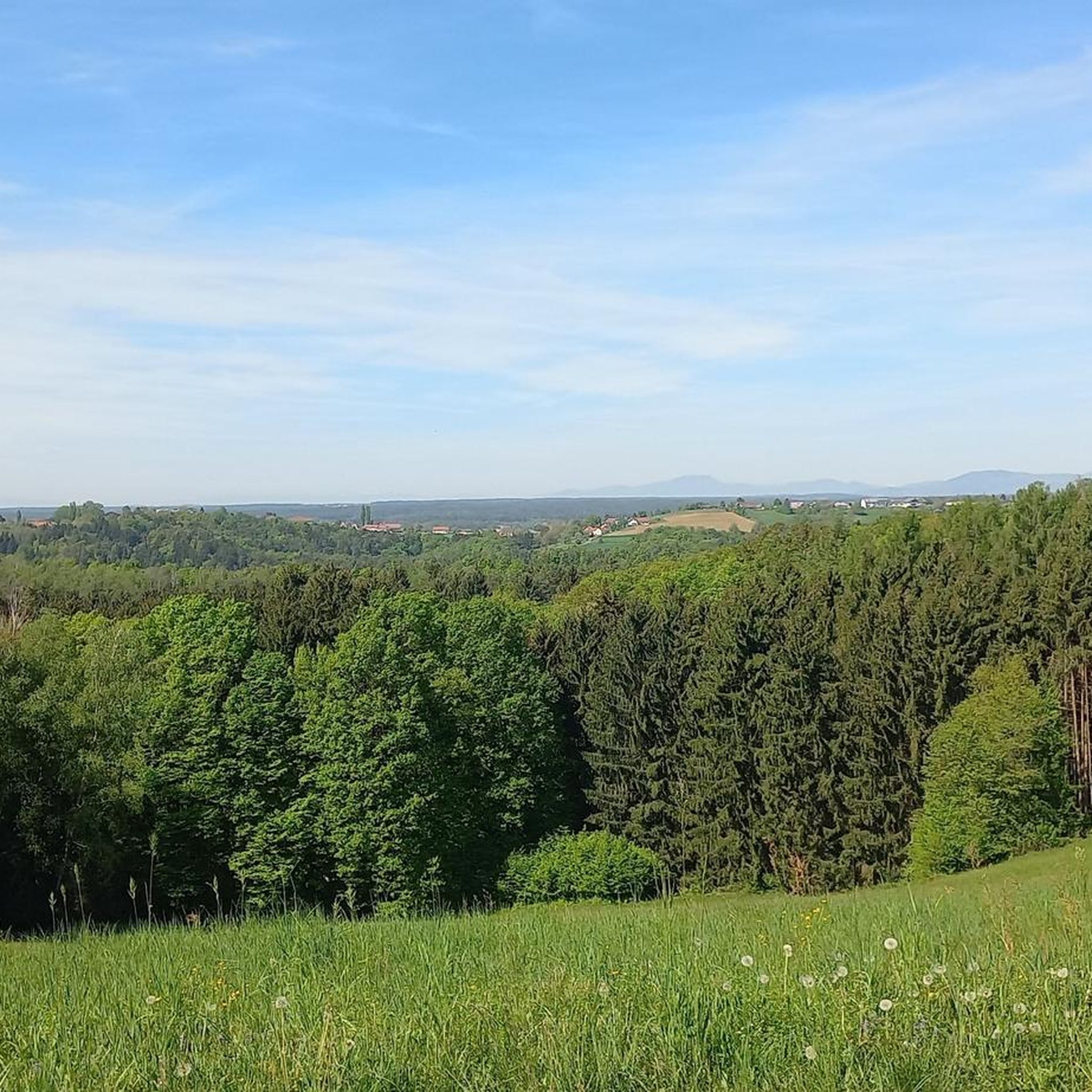
This offers a beautiful, expansive view. It's a good spot for photos.
0
0

Originally fortified with a wide moat, the fortified complex was a strategically important border fortress against the constant threat from the east. The castle became state property and has been owned by the market town of Burgau since 1871. In recent years, the castle, the inner courtyard, and the outer bailey with its round tower have been restored. The round tower houses the municipal office and a castle café; the outer bailey contains apartments; the cellar of the main castle features a beautiful brick vault and is used for various club events. The ballroom on the second floor and the inner courtyard with its arcaded vault are used for a variety of cultural events, including weddings and conferences.
1
0

Rotenturm Castle is a beautiful eye-catcher in the middle of the agricultural landscape. The current owner has extensively restored the building and made it accessible to the public at certain times.
0
0

Be sure to stop and take a picture with or without a frame - but take a picture! Definitely worth seeing!
1
0

Big castle tower as for a small village. Burgau had good history with market rights not being a city itself.
0
0

Castle Neudau The original moated castle consists of the outer bailey with a mighty round tower, the gate wing and the south wing, the three-storey residential castle (closed four-wing building around an inner courtyard) and the east wing with the chapel and the entrance. The castle, first mentioned in 1371, dates in its present form from the late 19th century (in the style of the second baroque). Parts of the interior with remarkable ovens from the 17th and 18th centuries have been preserved. In the park there is a small theater building from the early 18th century. The owners of the castle were the Neubers, from 1500 the Polheim, 1571 - 1706 the Rottal family. Today's owner Franz Karl Kottulinsky. The castle is very well preserved. Neudau received its current facade about 130 years ago.
0
0
Frequently Asked Questions
What are some historically significant castles to visit near Stegersbach?
Southern Burgenland is rich in history. Burg Güssing, the oldest castle in Burgenland, dates back to 1180 and offers a deep dive into the region's past with its extensive museum. Kastell Stegersbach, though now an event venue, was rebuilt in Renaissance style in 1636 and has a long history as a fortification. Further afield, Burg Lockenhaus, constructed around 1200, is considered one of Austria's last true knight's castles, showcasing Romanesque and Gothic styles.
Are there any castles around Stegersbach that offer panoramic views?
Yes, Burg Güssing is situated 293 meters (961 ft) above sea level on an extinct volcanic cone, providing stunning panoramic views that extend into the Hungarian lowlands. Additionally, the View of Riegersburg highlight offers a beautiful, expansive view of the well-preserved Riegersburg Castle on its volcanic rock.
Which castles near Stegersbach are particularly family-friendly?
While many castles offer historical insights, some are more geared towards family activities. Schloss Tabor hosts children's programs and historical exhibitions, making it engaging for younger visitors. Burg Lockenhaus also offers educational programs for children and knight's meals, providing an immersive medieval experience. For a more general family outing, the Rotenturm Castle, with its beautiful English garden, is a pleasant spot for a stroll, though the castle itself is not open to the public.
Can I find cultural events or unique experiences at castles in the region?
Absolutely. Schloss Tabor is renowned as an opera venue under jOPERA Jennersdorf and hosts numerous cultural events, including an Advent market. Burg Güssing hosts civil and church weddings in its picture gallery and Gothic chapel. Burg Lockenhaus is known for its Chamber Music Festival and knight's meals, offering a variety of cultural experiences.
What kind of outdoor activities can I do near the castles around Stegersbach?
The region around Stegersbach offers diverse outdoor activities. You can find numerous routes for mountain biking, cycling, and running. For example, there are MTB trails around Stegersbach, cycling routes around Stegersbach, and running trails around Stegersbach that pass through scenic landscapes and sometimes near historical sites.
Are there specific hiking or cycling routes that pass by castles?
Yes, several routes in the area incorporate castle views or pass nearby. For cyclists, the 'Orchard meadow cycle path' is a moderate route. Mountain bikers can explore routes like the 'Castle Gate of Güssing Castle – Güssing Castle loop' which is a moderate 49 km trail. You can find more details on these and other routes in the MTB Trails around Stegersbach and Cycling around Stegersbach guides.
What is the best time of year to visit the castles in Southern Burgenland?
The spring and autumn months generally offer the most pleasant weather for exploring the castles and their surroundings. During these seasons, temperatures are mild, and the natural landscapes are particularly beautiful, whether with blooming flowers or vibrant fall foliage. Summer can also be a good time, especially for outdoor events at castles like Schloss Tabor, but it can be warmer.
Is it possible to visit Kastell Stegersbach, and what is its current use?
Kastell Stegersbach was renovated and reopened in 2013 as an inn and event location. While it's not a traditional museum open for daily tours, its historic Renaissance architecture with a two-story arcade can be appreciated from the outside, and it serves as a local landmark. You can experience its interior if attending an event or staying at the inn.
Are there any lesser-known or 'hidden gem' castles worth exploring?
Beyond the major attractions, the region holds interesting historical sites. The Castle of Litzelsdorf is an intriguing, unfinished castle site with a mysterious ring wall system, offering a glimpse into medieval fortifications that were never completed. Rudersdorf Castle, a former manor farm with a beautiful, shady park, also offers a peaceful and less crowded experience.
What are the parking and public transport options for visiting castles like Burg Güssing?
For Burg Güssing, there is typically parking available near the base of the castle hill, from where visitors can walk up. Public transport options to the immediate vicinity of castles can be limited in rural Southern Burgenland, so checking local bus schedules in advance is recommended. Many visitors opt for personal vehicles to explore the region's castles more flexibly.
Are there any castles with unique architectural features or historical styles?
Yes, the region boasts diverse architectural styles. Kastell Stegersbach showcases elegant Renaissance architecture with its two-story arcade. Neudau Castle is a moated castle with a mighty round tower and a three-story residential building around an inner courtyard, dating in its present form from the late 19th century in the style of the second baroque. Burg Lockenhaus is a prime example of a medieval fortress, combining Romanesque and Gothic elements.
Can I find dining or accommodation options near the castles?
Yes, several castles, like Kastell Stegersbach, operate as inns or event locations that may include dining facilities. In the towns surrounding the castles, such as Stegersbach, Güssing, and Neuhaus am Klausenbach, you will find various restaurants, cafes, and accommodation options ranging from hotels to guesthouses, catering to visitors exploring the region.
What makes Burg Güssing a must-visit attraction?
Burg Güssing is a must-visit for several reasons: it's the oldest castle in Burgenland, offering a rich historical experience with its museum displaying over 5,000 objects, including an ancestral gallery and weapon collection. Its strategic location on an extinct volcanic cone provides breathtaking panoramic views. The castle also holds significant cultural importance, having been a bulwark against invasions and a cultural center.
What is special about Schloss Tabor?
Schloss Tabor is unique for its role as a vibrant cultural hub, particularly renowned as an opera venue under jOPERA Jennersdorf. It hosts a variety of cultural events, including an Advent market and children's programs. Architecturally, it features a distinctive hooked ground plan and a courtyard with two-story arcades. Its scenic location in the tri-border Nature Park Raab-Örség-Goricko, at the intersection of Austria, Hungary, and Slovenia, also adds to its appeal.
Are there any castles connected to famous historical figures or legends?
Burg Lockenhaus has strong associations with the Knights Templar and local legends, including tales of the 'Blood Countess' Elisabeth Báthory, adding a layer of mystery and intrigue to its rich history. Burg Güssing was acquired by the influential Batthyány family in 1524, who maintained ownership and significantly expanded it, making it a key site in their family's history and the region's defense.
Most popular routes around Stegersbach
Most popular attractions around Stegersbach

Get inspired with the komoot mobile app


Explore more
Looking for the best castles somewhere else? Discover other guides around Stegersbach:
