Top 10 Castles around Guarda
Best castles around Guarda, Portugal's highest city, offer a glimpse into the region's rich medieval history. The area is characterized by its strategic location, providing historical defensive strongholds and panoramic views of the surrounding landscape, including the Serra da Estrela mountain range. Exploring these historical sites allows visitors to connect with the past and appreciate the architectural heritage of the Beira Interior Norte region.
Best castles around Guarda
- The most popular castles is Tarasp Castle, a castle located on…
Last updated: November 23, 2026
Planta Castle
Highlight • Castle
Translated by Google •
Tip by

Fortezza Rohan Ruins
Highlight • Historical Site
Translated by Google •
Tip by

Sign up now to discover places like this
Get recommendations on the best single tracks, peaks, & plenty of other exciting outdoor places.
Villa Engiadina Vulpera
Highlight • Castle
Translated by Google •
Tip by

Tuor la Praschun (Prison Tower), Susch
Highlight • Historical Site
The tower, made of quarry stone, dates from the 12th or 13th century. It has a square floor plan with a wall length of …
Translated by Google •
Tip by

Wildenberg Castle in Zernez
Highlight • Castle
The castle stands majestically on the plain below the church hill and marks the transition to the old part of the village of Runatsch. …
Translated by Google •
Tip by
Sign up for free to discover even more castles around Guarda.
Already have an account?
Start today with a free account
Your next adventure awaits.
Popular around Guarda
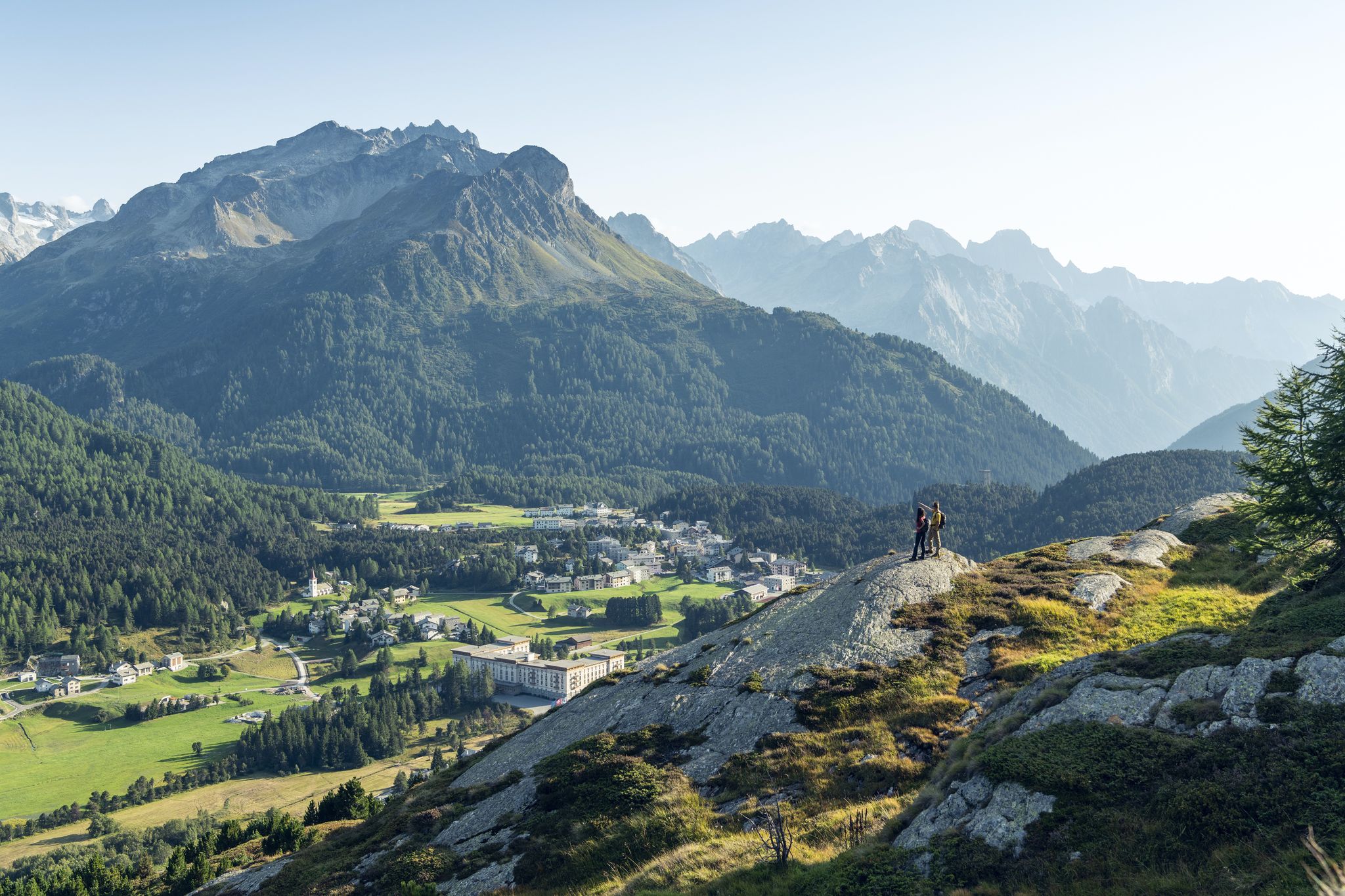
Between water and rock - Via Engiadina
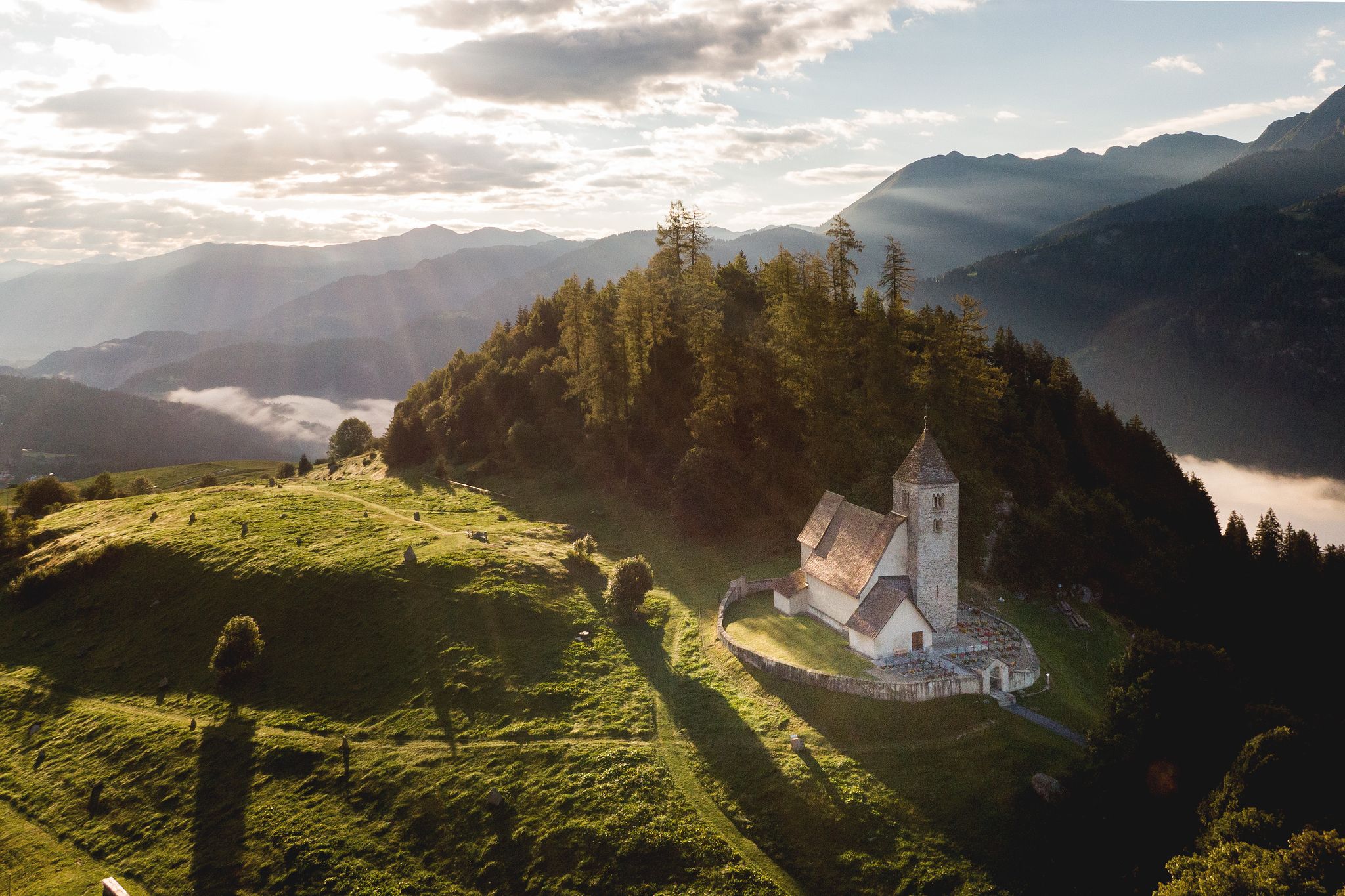
On ancient paths towards Santiago — the Way of St. James Graubünden
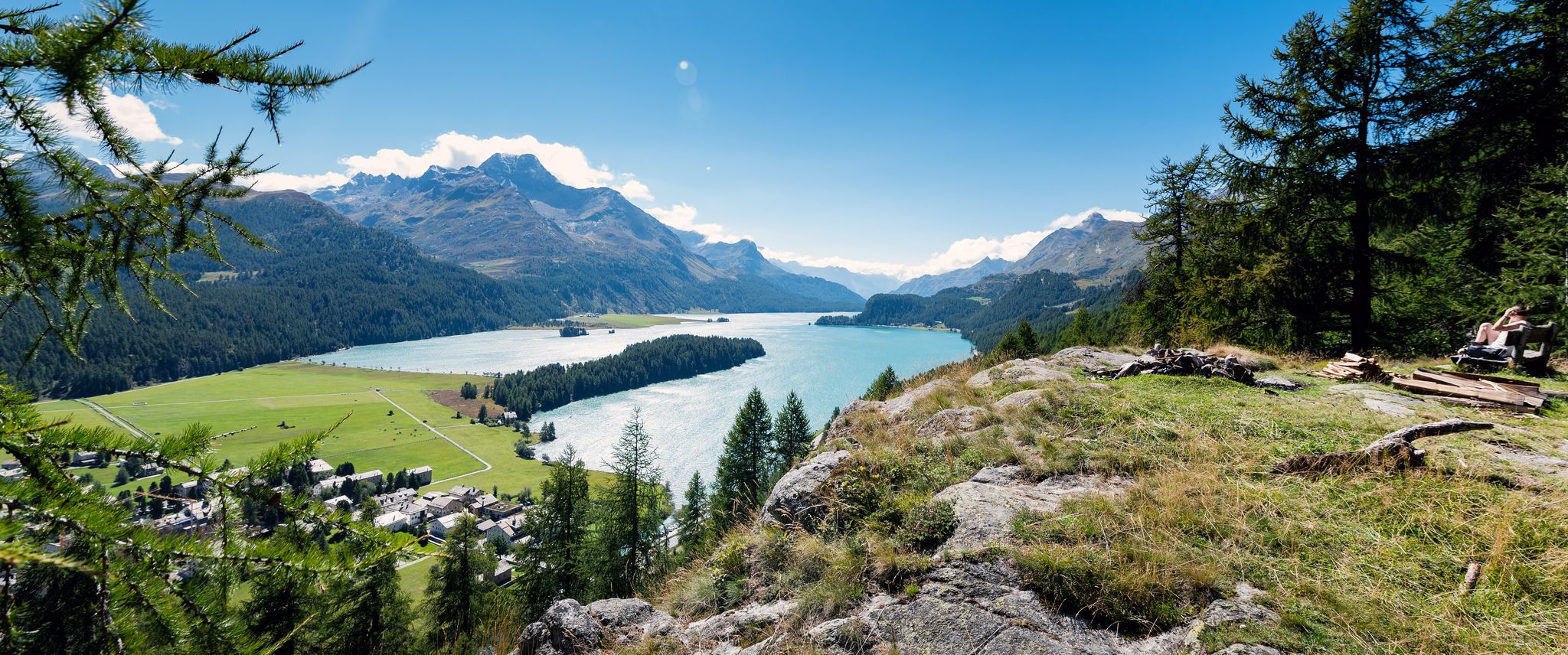
A tranquil and inspiring hike through the Engadin – Via Engiadina
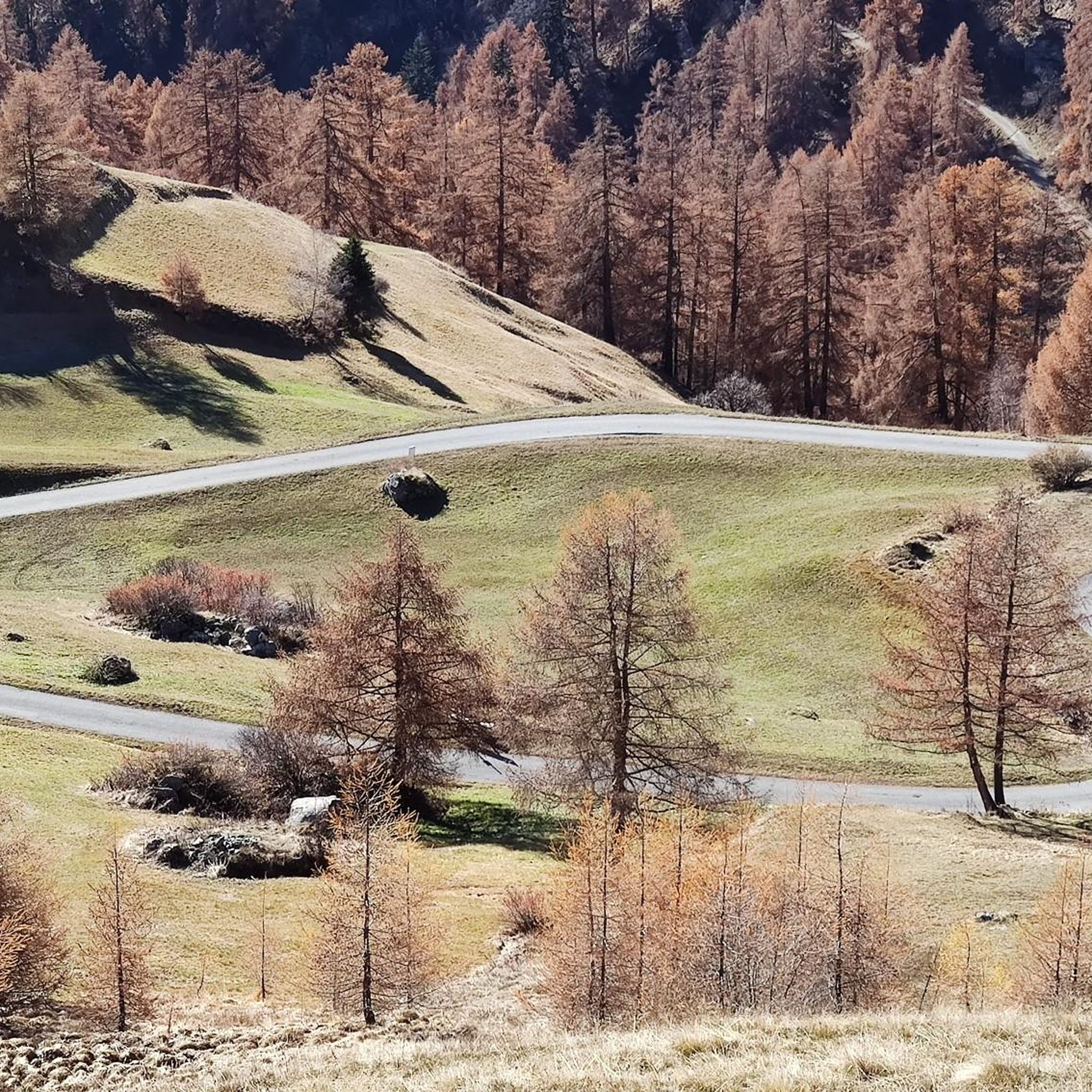
Hiking around Guarda
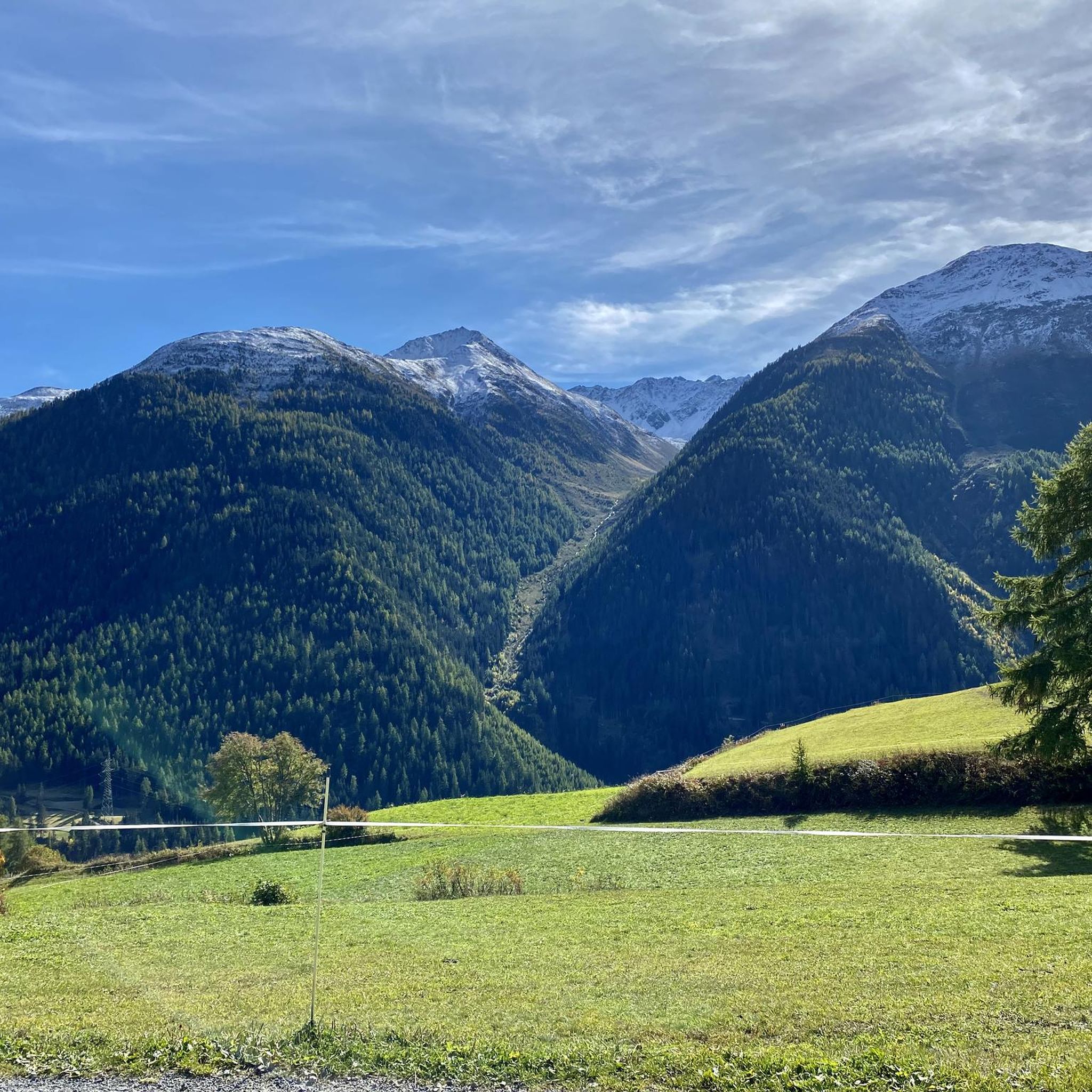
Road Cycling Routes around Guarda
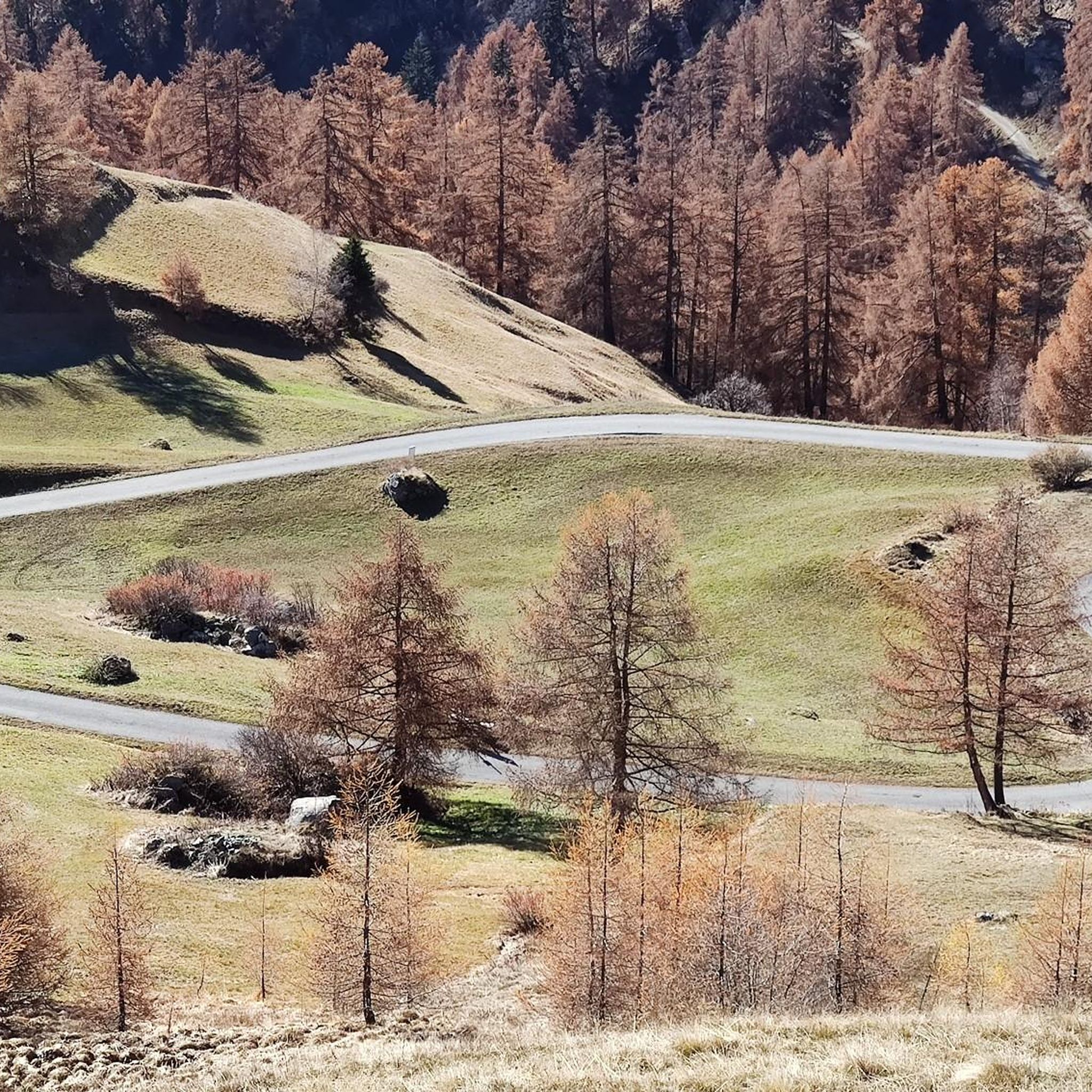
Cycling around Guarda
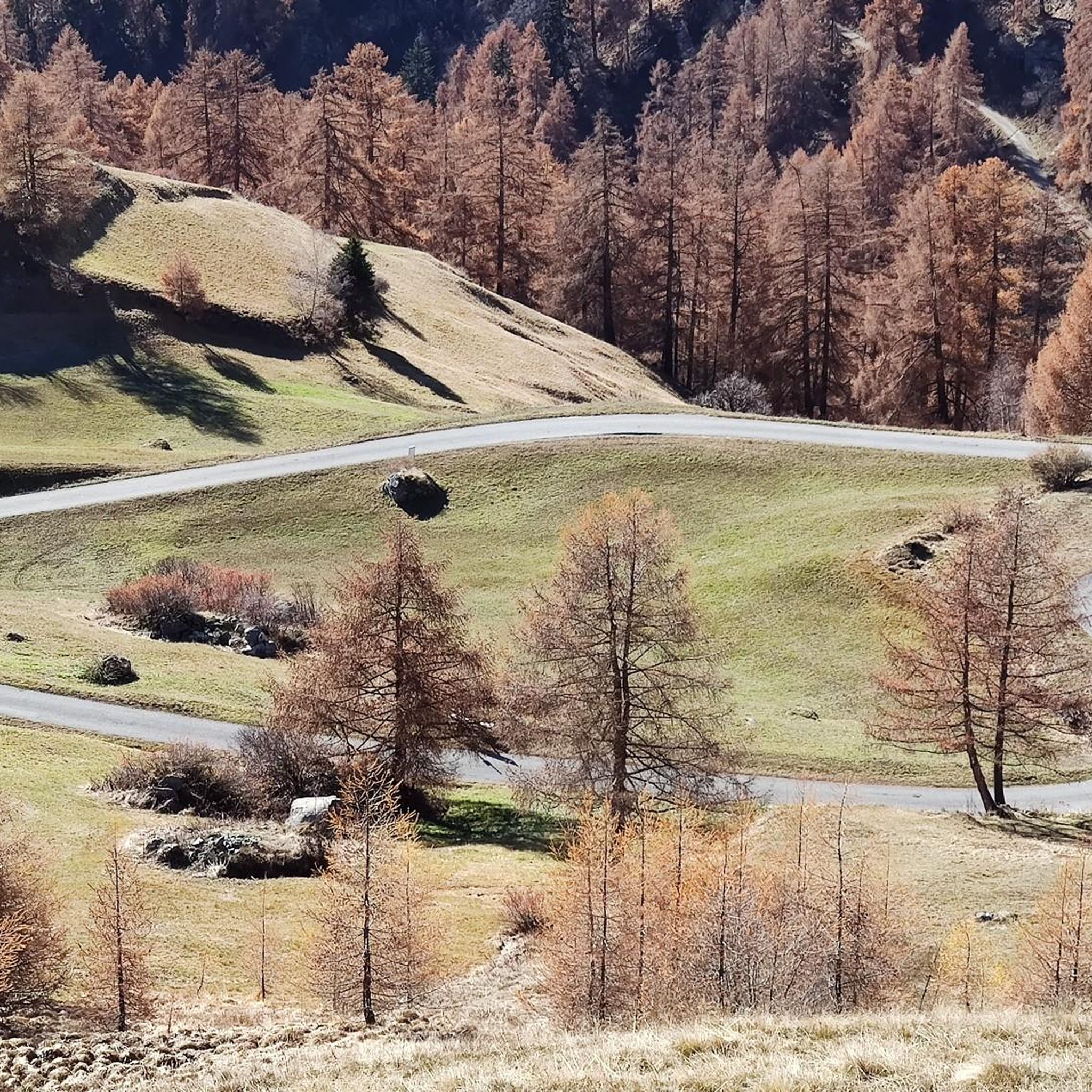
MTB Trails around Guarda
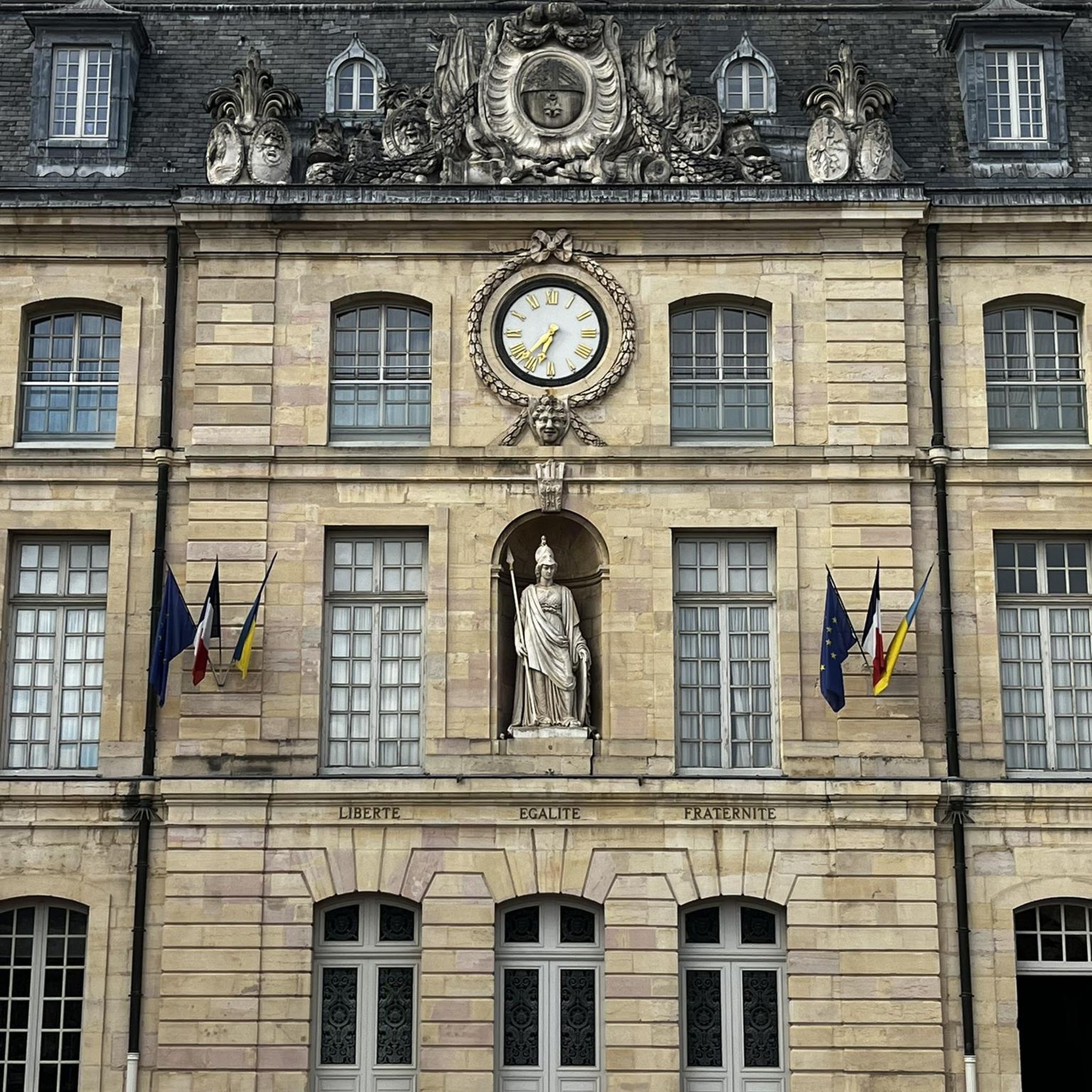
Mountain Hikes around Guarda
Running Trails around Guarda
Gravel biking around Guarda


Tips from the Community

Timeline Villa Engiadina Vulpera 1902: Built as a private villa by the famous hotel architect Karl Koller for the Engadine banker Gian Töndury-Zender, who also served as chairman of the board of the Waldhaus Vulpera hotel company from 1895-1937. [...] 1906: The Waldhaus Vulpera hotel company acquires the Villa Engiadina and will operate it in the future as a dependency of the Waldhaus Vulpera hotel company with "35 beds in addition to lounges". [...] 1999: Extensive renovation work and reopening as "Hotel Villa Engiadina" with 19 rooms. [...] 2013: Closure of hotel operations in the Villa Engiadina at the end of the 2013 summer season. [...]
1
0

This is not a castle, but a former hotel called Villa Engadina. Operations ceased in 2013. It was a dependency of the Grandhotel Waldhaus in Vulpera, which burned down in 1989.
1
0

Schloss Zernez / Schloss Planta von Wildenberg in Zernez Between the former Wildenberg court and the present-day Planta-Wildenberg Castle lies a long, history-rich path that could certainly be described as a cinematic drama with a happy ending. The castle stands majestically on the plain below the church hill, marking the transition to the old village part Runatsch. Only the square tower still reminds us of a long-gone era. This medieval residential tower was probably built around 1280 and was owned by the Lords of Planta-Wildenberg. The unpopular lord of the castle, Rudolf von Planta, as a statutory judge, had executions carried out, which the population resented. He was suspected of sympathizing with the Catholics, outlawed by the court in 1618, and sentenced to death in absentia. Under the leadership of his opponent Baptista von Salis, the people of Engadin devastated his castle, but he fled. In 1627, he became an Austrian captain and ruled again in Zernez, to the dismay of the inhabitants, who had to rebuild it. Over the centuries, there were many changes of ownership: from the Bishop of Chur, Conrad Planta from Zuoz, Knight Rudolf von Planta, the Bezzola and Hemmi families, to the municipality of Zernez. Its current appearance was given to the castle through the renovation and extension of the two additional wings in the 18th century. Miraculously, it was spared from the great village fire. In 1985, the municipality of Zernez acquired it for use as a municipal building. Since 2007, it has housed the National Park administration. During the National Park Cinema Open Air, the castle courtyard transforms into a fairytale film set. The dramas now only play out on the screen and no longer behind the castle walls. Text / Source: Gäste-Information Scuol, Stradun 403a, Scuol https://www.engadin.com/de/schloss-planta-wildenberg-zernez
14
0
Chastè / Schloss Planta Von Wildenberg, Zernez The castle stands majestically in the plain below the church hill and marks the transition to the old village part Runatsch. Only the square tower still reminds of long past times. This medieval residential tower was probably built around 1280 and was owned by the lords Planta-Wildenberg. The unpopular lord of the castle, Rudolf von Planta, had executions carried out as statutory judge, which the population resented. He was suspected of sympathizing with the Catholics, outlawed by the court in 1618, and sentenced to death in absentia. Under the leadership of his opponent Baptista von Salis, the people of Engadin devastated his castle, but he fled. In 1627 he became an Austrian captain and ruled again in Zernez, to the regret of the inhabitants, who had to rebuild it. Over the centuries, there were many changes of ownership: From the Bishop of Chur, Conrad Planta from Zuoz, Knight Rudolf von Planta, the Bezzola and Hemmi families to the municipality of Zernez. Text / Source: Gäste-Information Scuol, Stradun 403a, CH-7550 Scuol https://www.engadin.com/de/schloss-planta-wildenberg
14
0
Schloss Zernez / Schloss Planta-Wildenberg in Zernez Between the former Wildenberg farmstead and the present-day Schloss Planta-Wildenberg lies a long, history-rich path that could well pass as a film-worthy drama with a happy ending. The castle stands majestically on the plain below the church hill, marking the transition to the old village part Runatsch. Only the square tower is reminiscent of long-gone times. This medieval residential tower was probably built around 1280 and was owned by the lords Planta-Wildenberg. The unpopular castle lord Rudolf von Planta had executions carried out as a statutory judge, which earned him the ill will of the population. He was suspected of sympathizing with the Catholics, outlawed by the court in 1618, and sentenced to death in absentia. Under the leadership of his opponent Baptista von Salis, the Engadine people devastated his castle, but he fled. In 1627, he became an Austrian captain and ruled again in Zernez, to the dismay of the inhabitants, who had to rebuild it. Over the centuries, there were many changes of ownership: from the Bishop of Chur, Conrad Planta from Zuoz, Knight Rudolf von Planta, the Bezzola and Hemmi families, to the municipality of Zernez. Its current appearance was given to the castle through the renovation and addition of two further wings in the 18th century. Miraculously, it was spared from the great village fire. In 1985, it was acquired by the municipality of Zernez for use as a municipal building. Since 2007, it has housed the National Park administration. During the National Park Cinema Open Air, the castle courtyard transforms into a fairytale film set. The dramas now only play out on the screen and no longer behind the castle walls. Text / Source: Guest Information Scuol, Stradun 403a, Scuol https://www.engadin.com/de/schloss-planta-wildenberg-zernez
14
0

Rohan Fortress is a historic castle in Switzerland. The original structures were largely destroyed during World War II to make way for modern military installations, which were subsequently demolished. Today, only a few traces of the walls and foundations remain, testifying to the complex's ancient divisions.
1
0

This refers to the Fortezza Rohan near Susch. An impressive building in a dominant position on a hill near Susch.
0
0

Beautiful castle in Tarasp-Vulpera
6
1
Frequently Asked Questions
What is the main historical castle within the city of Guarda?
The primary historical fortification within the city limits of Guarda is the Castle of Guarda. While much of its original structure is in ruins, significant fragments of its walls, including the Torre dos Ferreiros and the prominent Torre de Menagem, still stand.
What can I see at the Guarda Castle today?
Today, the most prominent and well-preserved part of the Guarda Castle is the Torre de Menagem (Homage Tower). You can also see fragments of its walls, such as the Torre dos Ferreiros. The Torre de Menagem houses the Heritage Museum of Guarda and offers panoramic views.
Are there panoramic views from Guarda Castle?
Yes, the Torre de Menagem (Homage Tower) of Guarda Castle is situated atop a hill and offers unique panoramic views. From its summit, you can often see as far as Spain and the majestic Serra da Estrela mountain range.
Is there a museum at Guarda Castle?
Yes, the Torre de Menagem (Homage Tower) of Guarda Castle houses the Heritage Museum of Guarda (Museu do Património da Guarda). It showcases archaeological findings from the area and includes a 3D movie about the region's monuments. Admission to the museum is free.
What is the historical significance of Guarda Castle?
Guarda Castle, originally built in 1199 by King D. Sancho I, represents a key piece of medieval Portuguese history. Its strategic location in Guarda, Portugal's highest city, highlights its importance as a defensive stronghold and an example of 12th-century defensive architecture, featuring both Romanesque and Gothic elements.
Is Guarda Castle accessible to the public?
Yes, the Torre de Menagem (Homage Tower) and the Heritage Museum within Guarda Castle are open to the public daily. Admission to the museum is free, making it an accessible attraction for visitors.
Are there hiking opportunities around Guarda and its historical sites?
Absolutely. The region around Guarda offers various hiking trails. For example, you can explore routes like the 'Guarda Village – Schellen-Ursli Trail loop' or more challenging options such as the 'Guarda Village – View of Piz Buin from Val Tuoi loop'. You can find more details on hiking around Guarda.
What cycling routes are available near Guarda's castles?
The area provides diverse cycling experiences. Options range from moderate routes like the 'Susch Village and Muzeum Susch – View of the Inn River loop' to more difficult ones such as the 'Guarda Historic Village – View of Ardez loop'. Discover more cycling adventures on cycling around Guarda.
Can I go gravel biking near Guarda?
Yes, gravel biking is a popular activity in the Guarda region. You can find challenging routes like the 'Ardez Railway Viaduct – Inn floodplains loop' or the 'Guarda village – Guarda Historic Village loop'. Explore more gravel biking trails on gravel biking around Guarda.
What is the best time to visit the castles around Guarda?
The region around Guarda, being Portugal's highest city, experiences distinct seasons. For comfortable exploration of castles and outdoor activities, spring (April-June) and autumn (September-October) generally offer pleasant temperatures and fewer crowds. Summer can be warm, while winters can be cold, especially at higher altitudes like the Torre de Menagem.
Are there family-friendly aspects to visiting Guarda Castle?
Yes, Guarda Castle, particularly the Torre de Menagem, can be family-friendly. The climb to the top offers an engaging experience for children, and the panoramic views are impressive. The Heritage Museum inside the tower, with its archaeological findings and 3D movie, provides an educational and interactive element for all ages. Admission to the museum is free.
Is there parking available near Guarda Castle?
Guarda Castle is located within the city of Guarda. While direct parking at the castle entrance might be limited, there are usually public parking areas available within walking distance in the city center. It's advisable to check local signage for the closest available spots.
Most popular routes around Guarda
Most popular attractions around Guarda

Get inspired with the komoot mobile app


Explore more
Looking for the best castles somewhere else? Discover other guides around Guarda:
