Top 5 Castles around Obersaxen
Best castles around Obersaxen are found in the Canton of Graubünden, Switzerland, a region known for its mountainous terrain and historical significance. The area features numerous medieval castle ruins, many strategically located above the Vorderrhein valley. These historical fortified settlements offer insights into past control and defense along the Rhine river. Exploring these sites provides an opportunity to connect with Obersaxen's medieval past.
Best castles around Obersaxen
- The most popular castles is Jörgenberg Castle Ruins, a castle and historical…
Last updated: July 9, 2026
Kropfenstein Castle Ruins (Casti Grotta)
Highlight • Castle
Translated by Google •
Tip by

Jörgenberg Castle Ruins
Highlight • Castle
Translated by Google •
Tip by

Sign up now to discover places like this
Get recommendations on the best single tracks, peaks, & plenty of other exciting outdoor places.
Sign up for free
Turn-off to the Schiedberg Ruin
Highlight • Historical Site
Translated by Google •
Tip by

Jörgenberg Castle (Casti Munt Sogn Gieri), Waltensburg/Vuorz
Highlight • Castle
Translated by Google •
Tip by

Ringgenberg Tower Ruin
Highlight • Castle
Translated by Google •
Tip by

Start today with a free account
Your next adventure awaits.
Login or Signup
Popular around Obersaxen
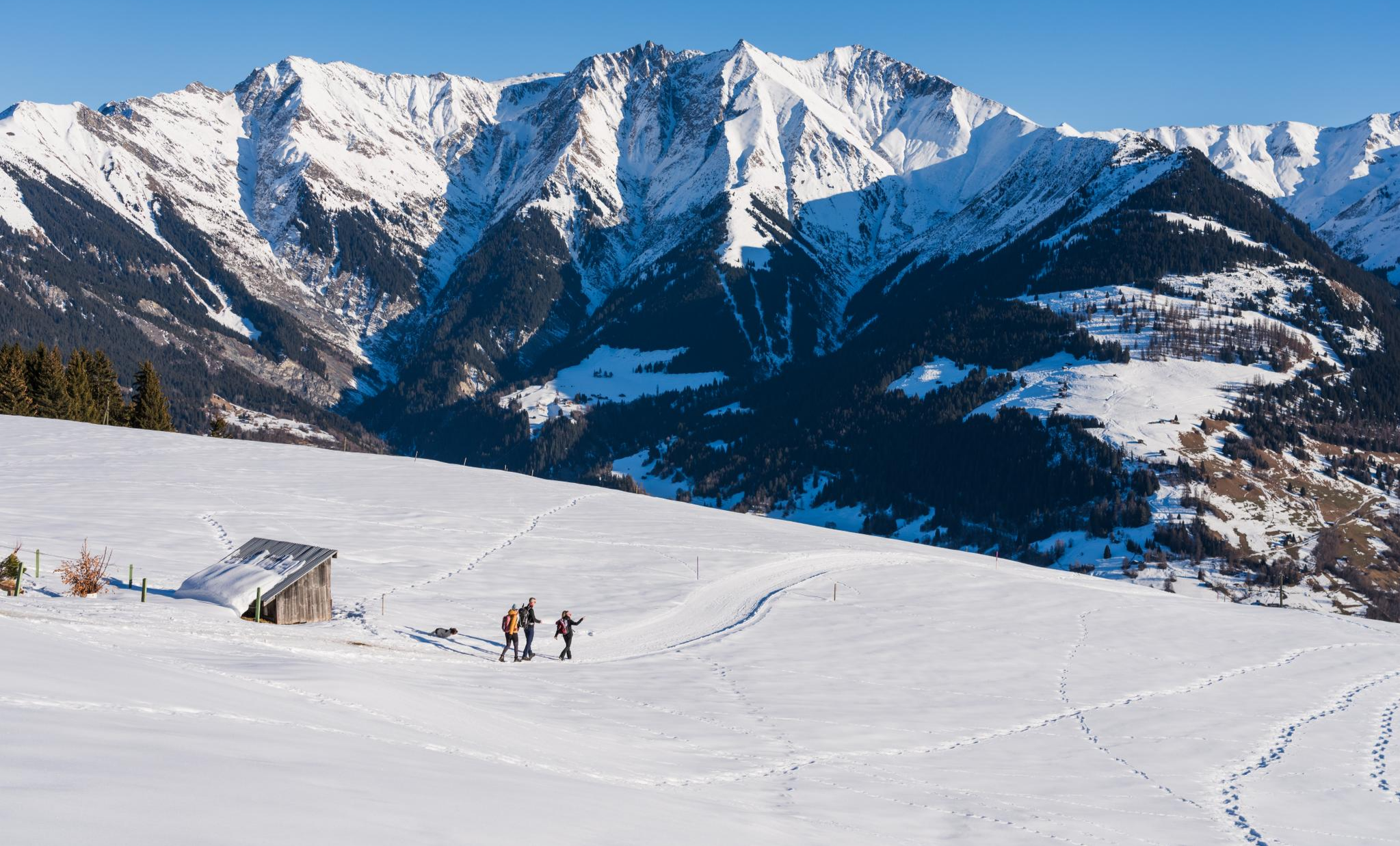
Winter Magic in the Surselva – peace, space and pure nature
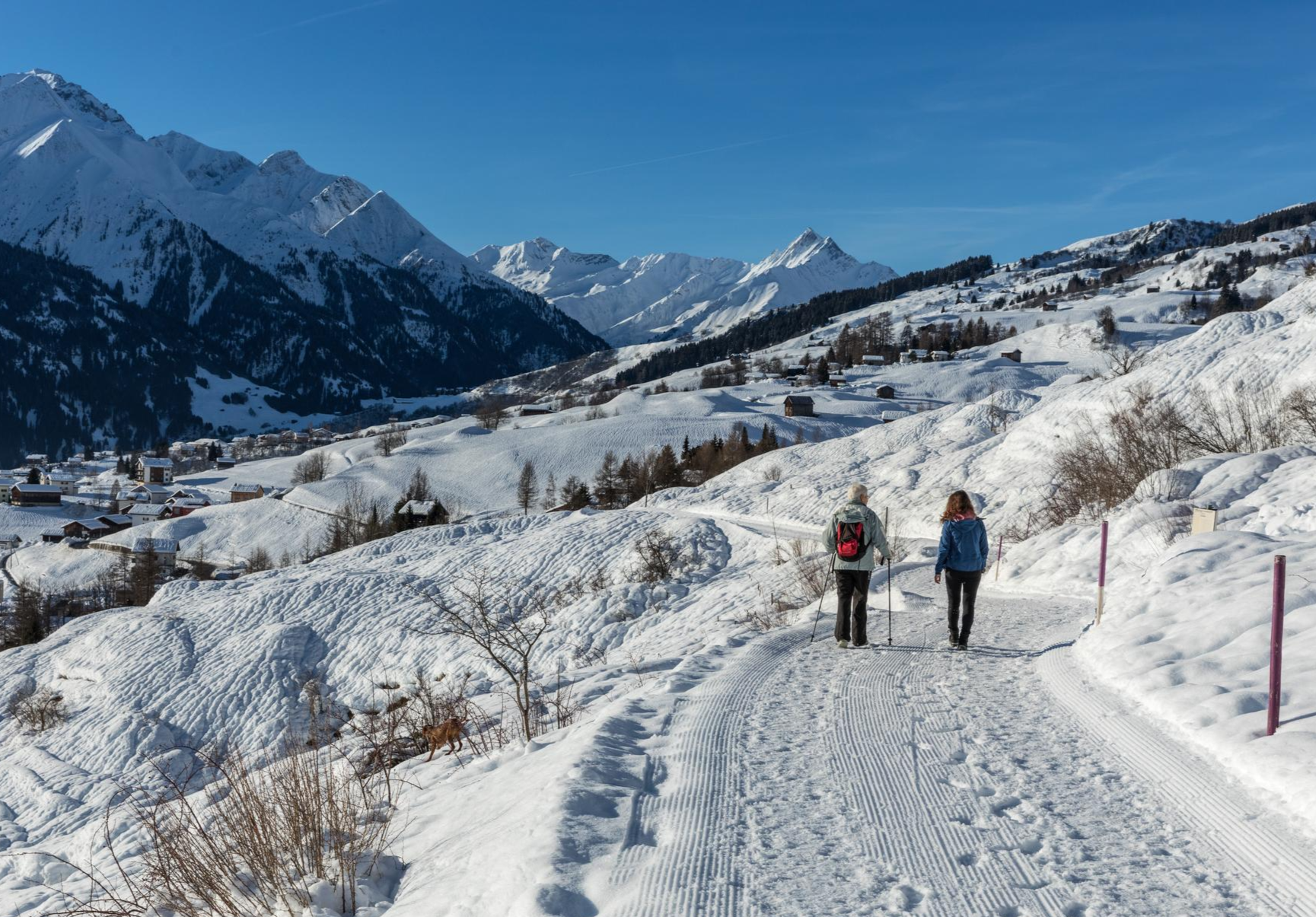
A winter mountain paradise – discover the Surselva
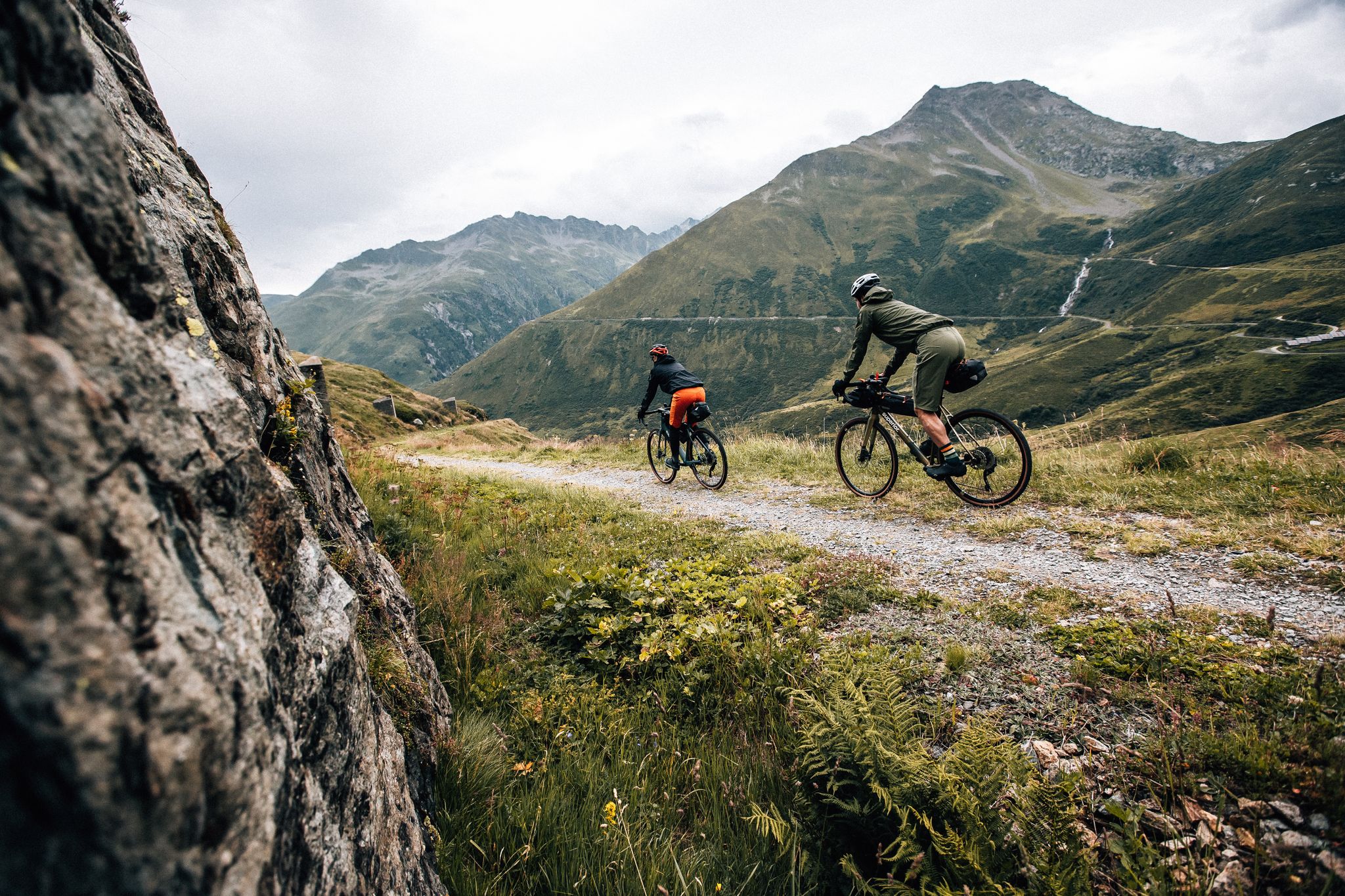
Trans Grischun – cross Graubünden on a gravel bike
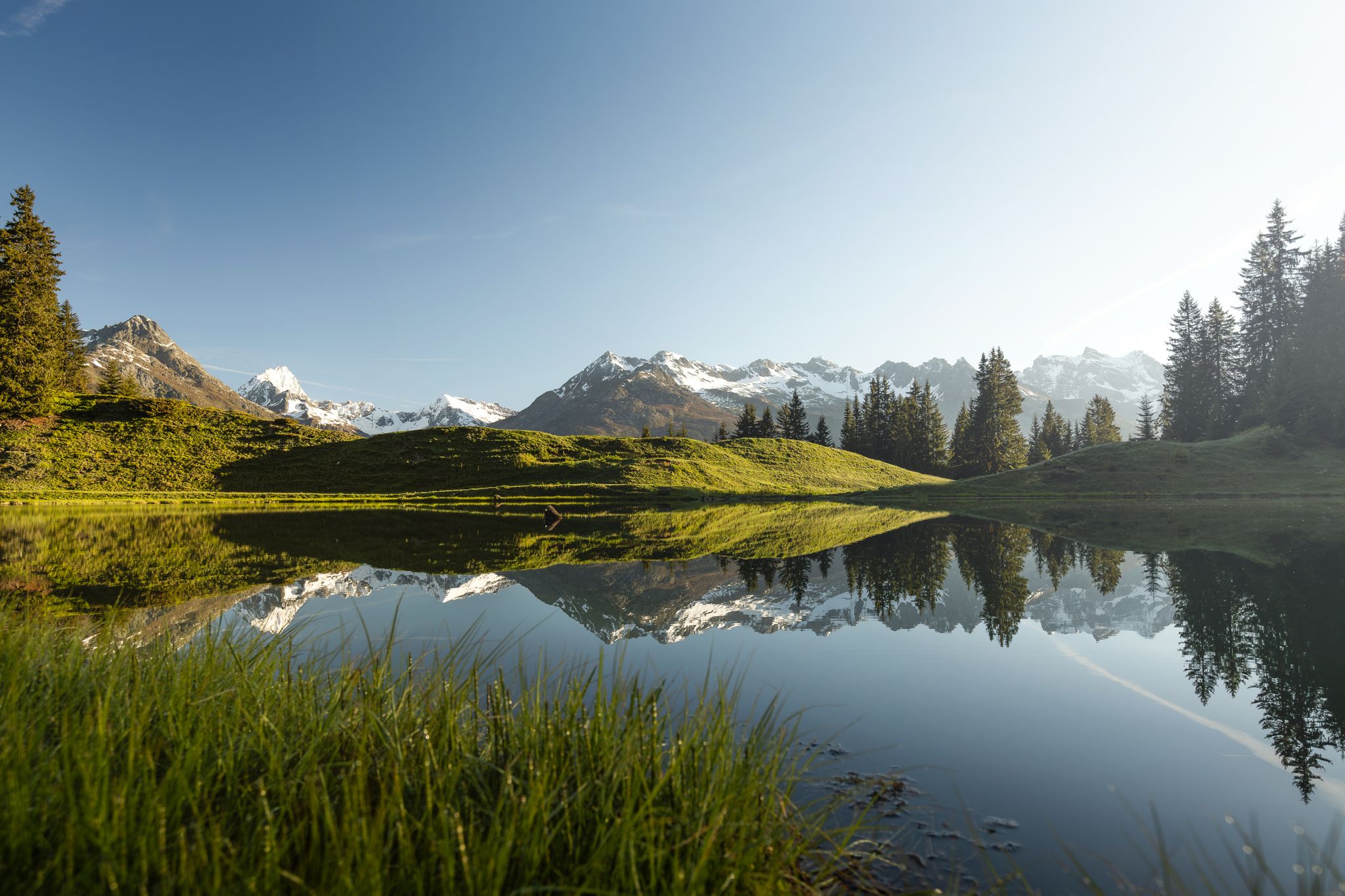
Tiefblau und unberührt – Wanderungen zu den Bergseen der Surselva
MTB Trails around Obersaxen
Hiking around Obersaxen
Cycling around Obersaxen
Gravel biking around Obersaxen
Road Cycling Routes around Obersaxen
Running Trails around Obersaxen
Other adventures around Obersaxen


Tips from the Community

The Schiedberg ruins are located above the former Val Casti landfill
0
0

Here a short path branches off up to the Schiedberg ruins. The detour is worthwhile not only because of the old walls, but also because of the wonderful view.
1
0

The Jörgenberg ruins are the largest castle complex in Surselva.
0
0

Very special ruin, built like a swallow's nest on the rock - the short detour from the wide path onto a narrow, well-secured path is very worthwhile.
0
0

Located directly on the rock face
0
0

Kropfenstein/Casti Grotta, Waltensburg. It is a grotto castle that is difficult to access in a south-facing location. Access is from the east via a narrow ledge around a ledge. Today it is widened and secured by railings, but would leave the bike up there.
0
0

The small path down to the castle ruins doesn't do much with the bike, I would definitely leave the bike up on the gravel road and walk the two or three minutes.
1
0
Worth seeing facility, about 700 years old. There is no direct documentary evidence of the castle or its builders. Kropfenstein, however, is one of the few grotto castles that were not built in a dark hole as a refuge in times of need, but served as a residence for a respected family, which among other things provided bailiffs and magistrates. Possibly the von Kropfenstein family of lower nobility based in Luven (Maschieras) built or acquired the Kropfenstein Castle or named themselves after it, while a branch of this family continued to reside in Luven. On November 28 or 29, 1328, during a procession in Rueun, a Jocobus de Strotznstein was killed. Whether this was an early owner of Kropfenstein or an as yet unidentified Stotznstein Castle in the Waltensburg area is uncertain. A Bürklin von Cropfenstein is mentioned in 1335, who worked several times as a judge, and in 1396 Albrecht von Kropfenstein, episcopal judge in Ilanz. His name will be mentioned several times in the years to come. 1401 Florin von Kropfenstein is mentioned. In 1433 Clara von Kropfenstein sold some goods to a donate from Kadunau. In the same year and again in 1437 Junker Hans von Kropfenstein is mentioned, who was nicknamed "Muschieras", which in turn indicates a connection to Luven. Close relationships with the barons of Rhäzüns can be proven. A feuding letter from Ulrich von Rhäzüns and Hans von Kropfenstein to the castellan of Freudenberg has been preserved from May 3, 1437. The best-known Kropfensteiner was Marquart von Kropfenstein, who was a judge of the Gray League in 1438/39 and 1442/43. Junker Jörg von Kropfenstein is mentioned in 1473, who at that time attached his seal to a contract of sale from a Waltensburger. Towards the end of the 15th century, perhaps with Junker Jörg, the von Kropfenstein family must have died out and the castle began to crumble.
1
0
Frequently Asked Questions
What is the historical significance of the castles in Obersaxen?
The castles in Obersaxen, though mostly ruins, are significant for their role in controlling and defending the region along the Rhine river during medieval times. They offer a tangible link to Obersaxen's past, with structures like Heidenberg Castle potentially dating back to 1000 AD, and others like Schwarzenstein Castle and Kropfenstein Castle Ruins from the 13th and early 14th centuries, respectively.
Which castle ruins offer the most impressive views in Obersaxen?
Many of Obersaxen's castle ruins are strategically located to provide excellent views. The ruins of Schwarzenstein Castle, perched high above the rocks, offer impressive views across to Breil/Brigels. Similarly, the Turn-off to the Schiedberg Ruin is noted for its wonderful views of the surrounding landscape. Jörgenberg Castle Ruins is also a popular viewpoint.
Are there hiking trails that lead to the castle ruins in Obersaxen?
Yes, many castle ruins are accessible via hiking trails. For example, Schwarzenstein Castle can be reached via a hiking trail from the road in about fifteen minutes. The Kropfenstein Castle Ruins (Casti Grotta) are accessed via a steep, narrow path, now secured by railings. You can find various hiking routes in the region, including those that pass by historical sites, in the Running Trails around Obersaxen guide.
What do visitors enjoy most about exploring the castles around Obersaxen?
Visitors particularly enjoy the historical atmosphere and the scenic beauty. Many appreciate the opportunity to explore the old walls and the wonderful views offered by sites like the Turn-off to the Schiedberg Ruin. The Jörgenberg Castle Ruins are praised as a 'great area' with 'good rest stops' and 'fire pits'.
Are the castle trails in Obersaxen suitable for families?
While some paths to castle ruins can be steep or narrow, many are manageable for families. For instance, the path to Kropfenstein Castle Ruins (Casti Grotta) is secured with railings, making it safer. When planning a family visit, it's advisable to check the specific trail difficulty and terrain for each ruin. The Jörgenberg Castle Ruins are described as a 'great area' for exploration, suggesting a family-friendly atmosphere.
What is the best time of year to visit the castle ruins in Obersaxen?
The best time to visit the castle ruins in Obersaxen is generally during the warmer months, from late spring to early autumn. During this period, the weather is more favorable for hiking and exploring, and the trails are typically free of snow. This allows for better access and enjoyment of the panoramic views.
Are there any particularly ancient castle ruins in the Obersaxen region?
Heidenberg Castle is considered one of the earliest, with its history potentially dating back to as early as 1000 AD, though it was in ruins by 1468. Its strategic location above Tavanasa and remnants of a polygonal tower offer a glimpse into its ancient past.
What other outdoor activities can I do near the castles in Obersaxen?
Beyond exploring castles, Obersaxen offers a variety of outdoor activities. You can find numerous cycling routes in the Cycling around Obersaxen guide, including difficult loops like 'Bündner Rigi – Cuolm Sura loop from Burg Moregg'. For mountain biking enthusiasts, the MTB Trails around Obersaxen guide provides options such as the 'Plaun Fravia Riverside Path – Cavadiras Village and Church loop from Burg Moregg'.
How accessible are the castle ruins by public transport?
While specific public transport details to each ruin may vary, Obersaxen is part of the Graubünden canton, which generally has good public transport connections. Many castle ruins, like Schwarzenstein, are accessible via a short hiking trail from a main road, suggesting proximity to transport links. It's recommended to check local bus schedules to the nearest villages like Tavanasa or Waltensburg and plan your hike from there.
Can I find any unique castle structures in Obersaxen?
Yes, the Kropfenstein Castle Ruins (Casti Grotta) are particularly unique as a grotto castle. The inner wall and parts of the roof are formed by the overhanging rock, making it a distinctive and fascinating site to explore. Its complex dates from the early 14th century.
What remains can be seen at Moregg Castle?
At Moregg Castle, visitors can observe the remains of a three-story tower and parts of a shield wall. The castle's strategic location on a rocky spur between two gorges, with an artificial moat at the rear, gives a clear sense of its former defensive capabilities. You can see these ruins opposite a stream before reaching the hamlet of Affeier.
Are there any castles that are particularly challenging to access?
The Kropfenstein Castle Ruins (Casti Grotta) are noted for their challenging access. The path is steep and narrow, though it has been secured with railings since a 1950s restoration. The Path to Kropfenstein Castle (Grotta Ruin) is also described as a narrow path not very suitable for bikes, suggesting a more demanding walk.
Most popular routes around Obersaxen
Most popular attractions around Obersaxen

Get inspired with the komoot mobile app


Explore more
Looking for the best castles somewhere else? Discover other guides around Obersaxen:
