Top 8 Waterfalls in Estonia
Best waterfalls in Estonia are often characterized by their geological significance and unique formations. The country's waterfalls, frequently wider than they are tall, showcase millions of years of geological history through layered cliff faces. In winter, these cascades transform into ice sculptures, adding to their natural allure. Estonia offers a collection of captivating waterfalls, many formed by limestone erosion, providing diverse natural beauty.
Best waterfalls in Estonia
- The most popular waterfalls is Keila Waterfall, a waterfall that is 6 meters high and several dozen meters wide. It is Estonia's third most powerful waterfall, situated within a scenic park featuring suspension bridges and a 3 km nature trail.
- Another must-see spot is Jägala Waterfall, a waterfall. With a height of about 8 meters and a width of about 50 meters, it is one of the largest waterfalls in Estonia. Visitors can see it from both banks, with paths leading along interesting spots, and it is particularly beautiful when it freezes in winter.
- Visitors also love Valaste Waterfall, a waterfall that is the highest in Estonia at 30.5 meters. It is particularly notable for its impressive drop directly to the ocean and is best visited in winter when its spray freezes into ice formations.
- Estonia is known for its wide, shallow cascades, waterfalls formed by limestone erosion, and multi-tiered waterfalls. These natural features offer a variety of landscapes to explore, from powerful continuous flows to unique staircase-like formations.
- The waterfalls in Estonia are appreciated by the komoot community, with over 120 upvotes and more than 110 photos shared by visitors.
Last updated: September 2, 2026
Keila Waterfall
Highlight • Waterfall
Good to know:
In Keila-Joa, there is a renovated hydroelectric power station. Additionally, nearby is a restored manor house inspired by Neo-Gothic architecture – one of the most magnificent of its kind. You can discover the magnificent nature along the 3 km long Keila-Joa nature trail.
Showing Translation
Tip by

Jägala Waterfall
Highlight • Waterfall
Translated by Google •
Tip by

Sign up now to discover places like this
Get recommendations on the best single tracks, peaks, & plenty of other exciting outdoor places.
Sign up for free
Valaste Waterfall
Highlight • Waterfall
Translated by Google •
Tip by

Treppoja Waterfalls
Highlight • Waterfall
Tip by

Waterfall and Beach Access Stairs
Highlight (Segment) • Waterfall
On the other side there is a path leading into the bushes, which is blocked by a railing before reaching a place where there is a risk of collapse. The danger is best seen from the other side (slipped cliff)!
Translated by Google •
Tip by

St Matthias Church - Madise, German graves, small waterfall
Highlight • Religious Site
Tip by

Fossils
Highlight • Natural Monument
Showing Translation
Tip by

Start today with a free account
Your next adventure awaits.
Login or Signup
Popular around Estonia
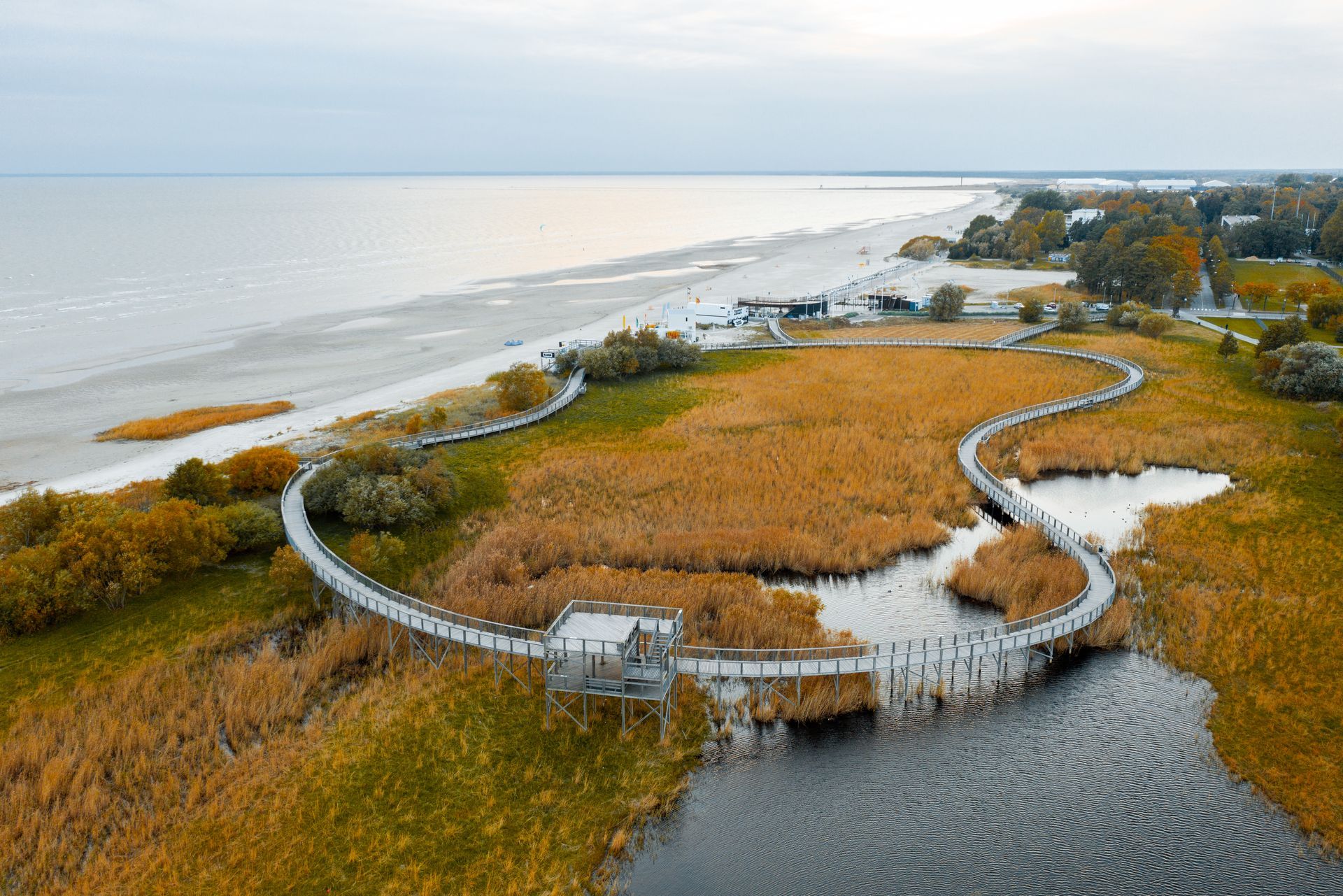
National Cycling Routes of Pärnumaa – Forest Trails, River Valleys and Coastal Roads of Western Estonia
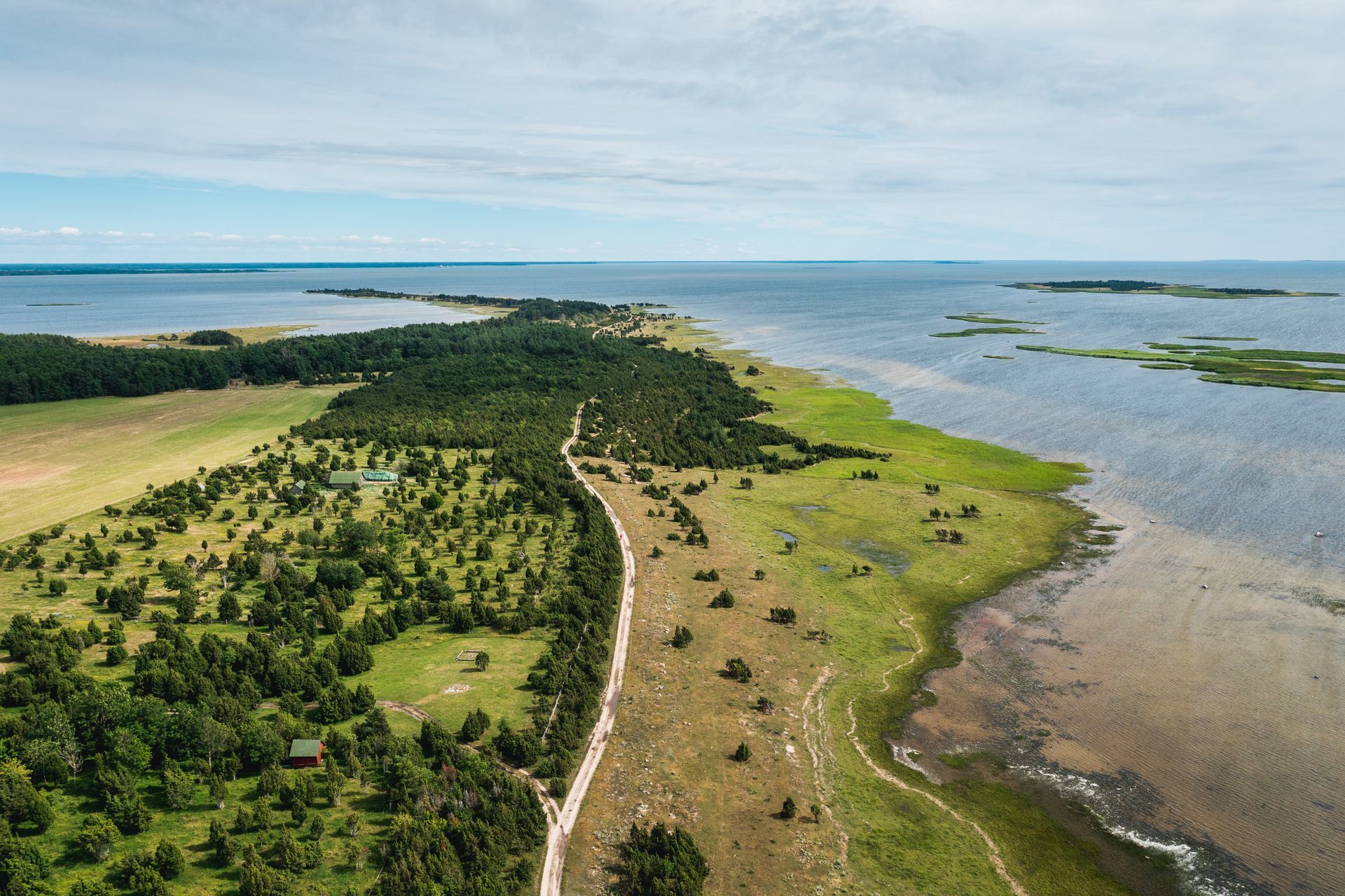
Best of national cycling routes of Estonian Islands
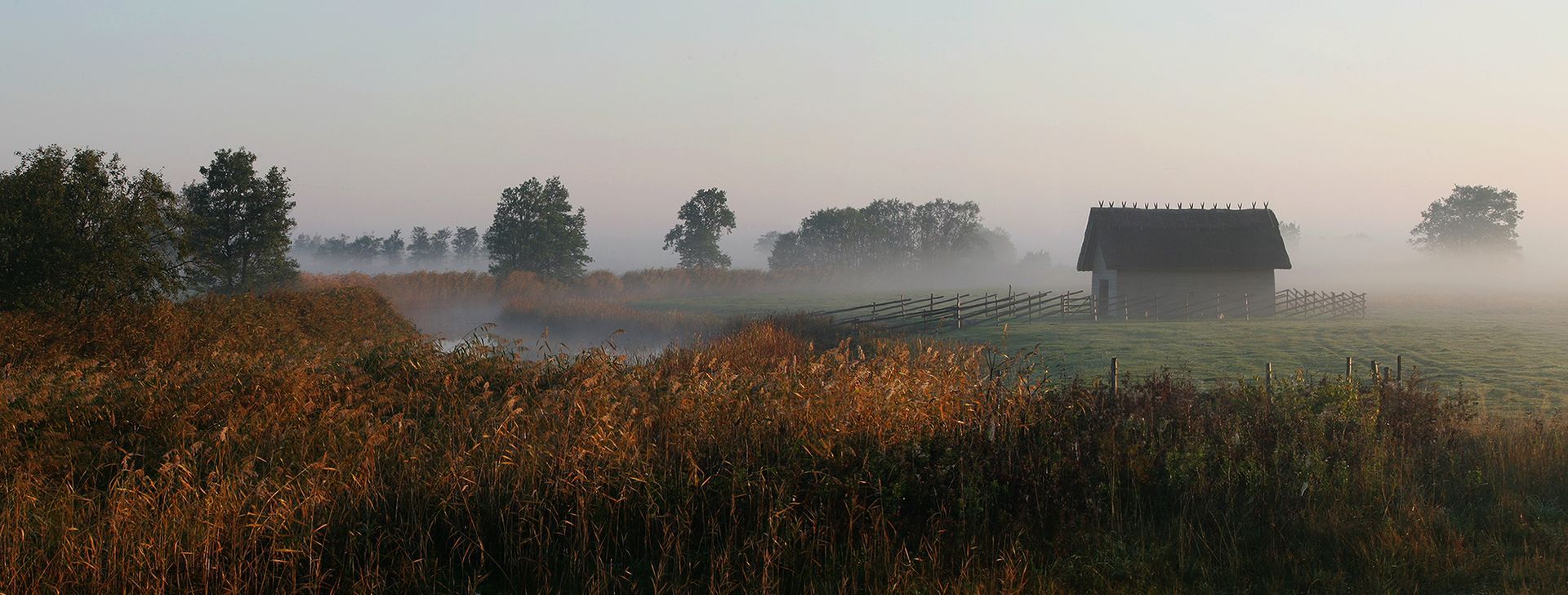
Best Cycling Routes in Western Estonia and Matsalu National Park – Coastal Nature, Wetlands & Nordic Heritage
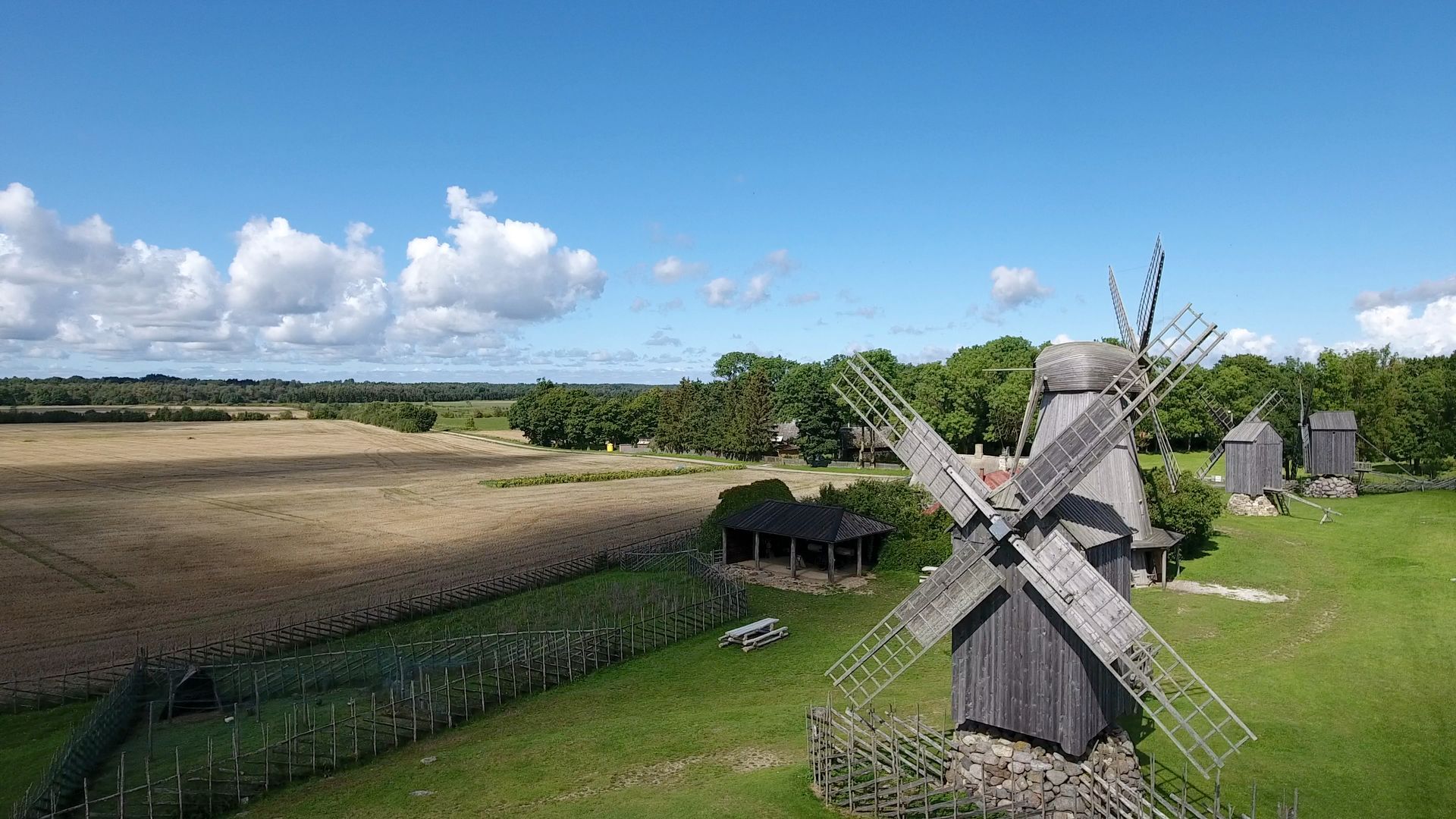
Estonian national cycling routes of Saaremaa & Muhu Islands – Islands of Windmills, Craters & Coastal Roads
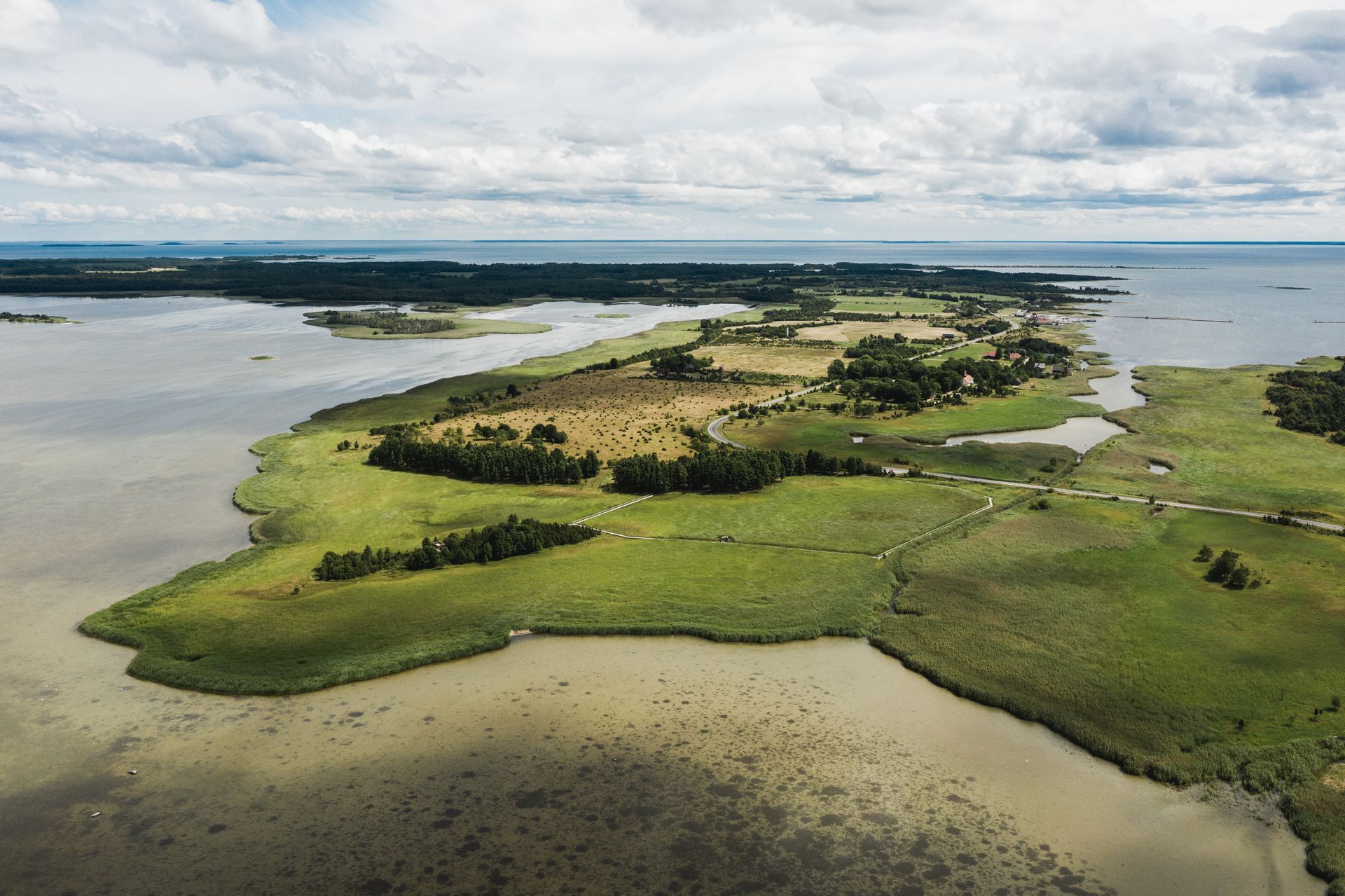
Best of Estonian national cycling routes in Hiiumaa
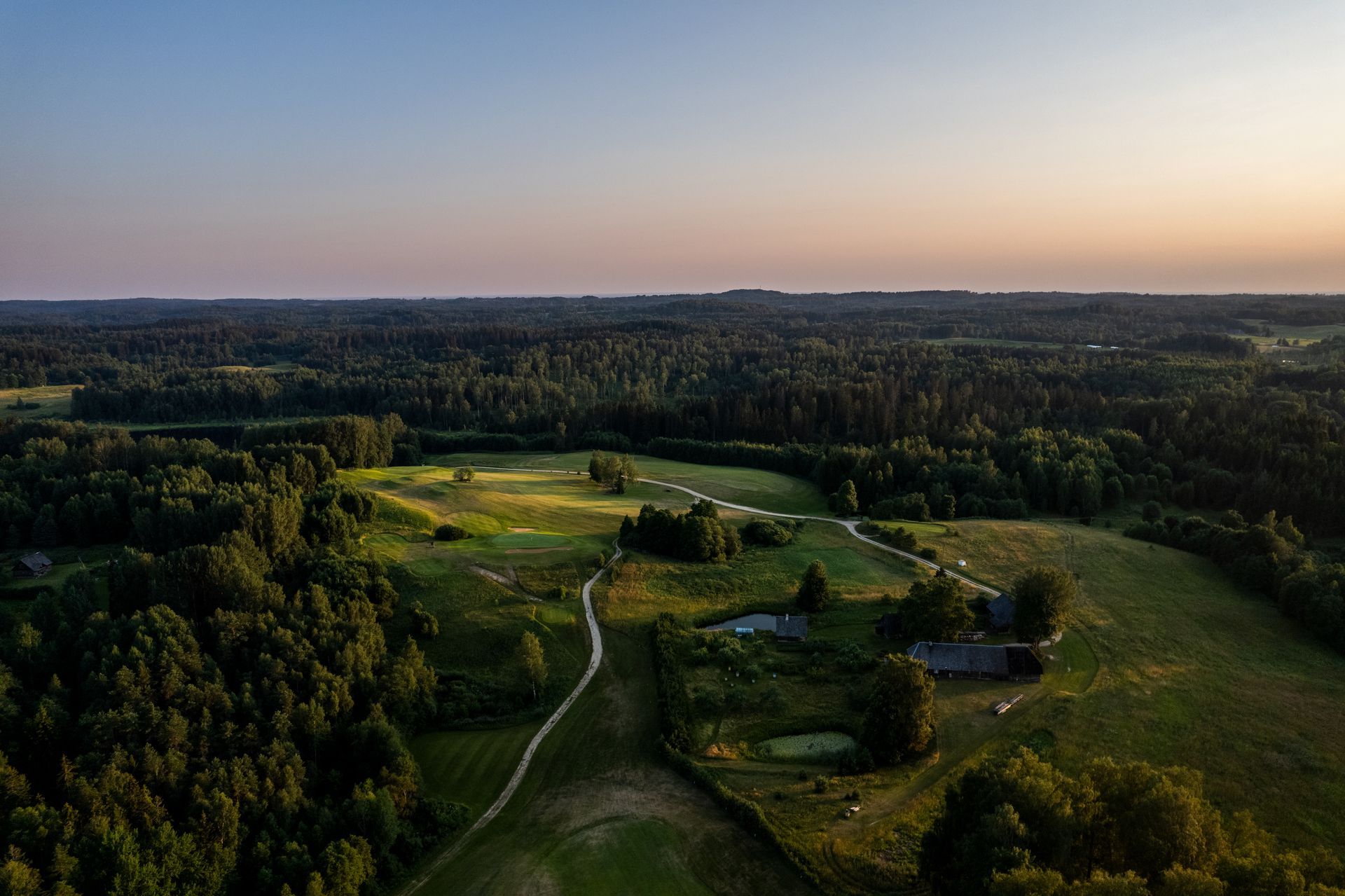
Best of National Cycling Routes in South Estonia
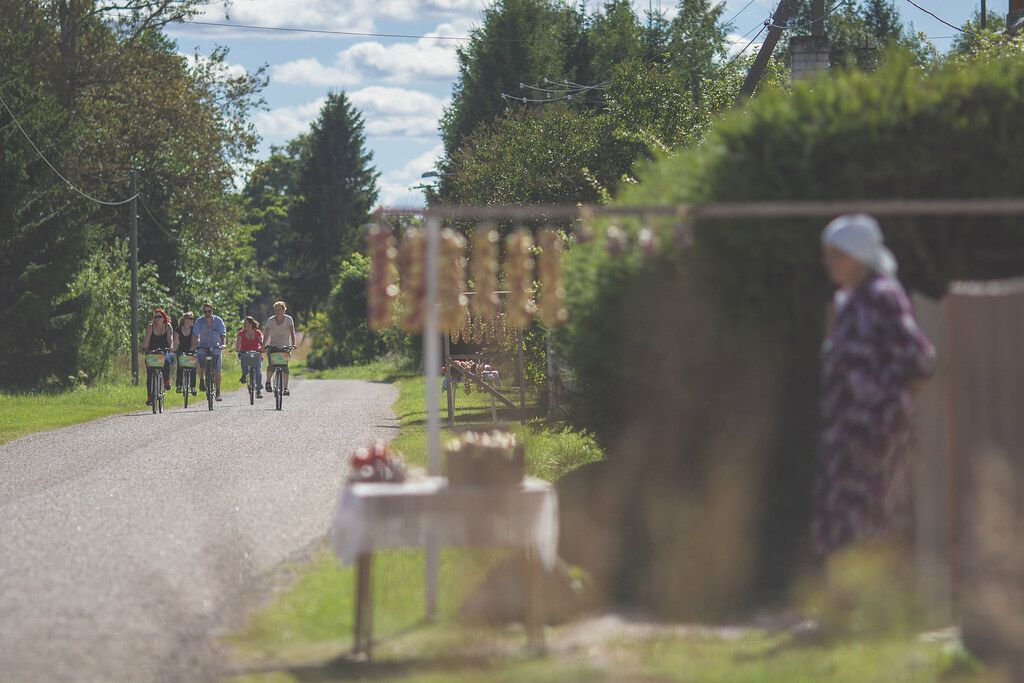
Lake Peipus, Mustvee, Old Believers, Manors & Nature Ride in Central and Eastern Estonia
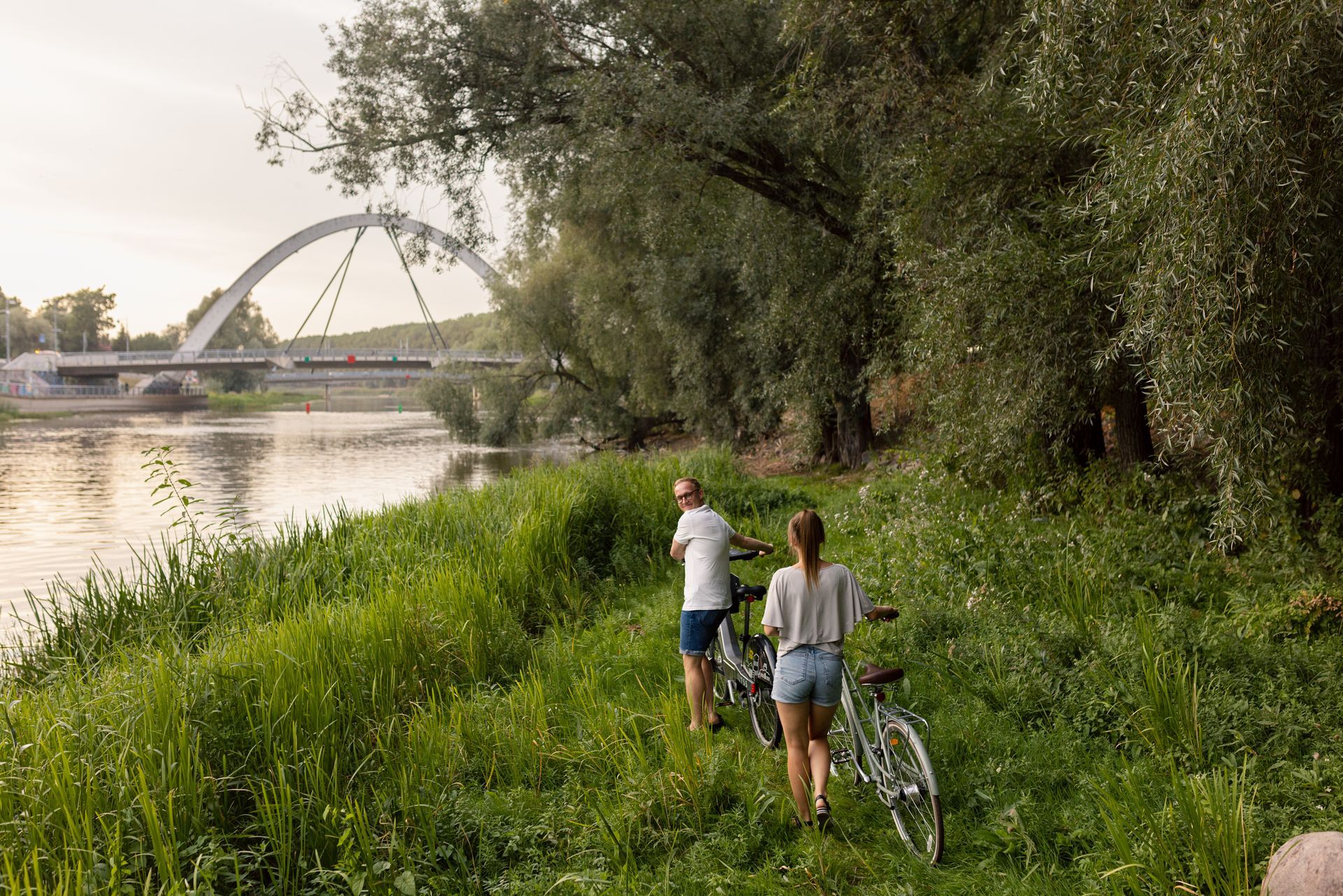
Best of National Cycling Routes in Tartu County & South-Eastern Estonia
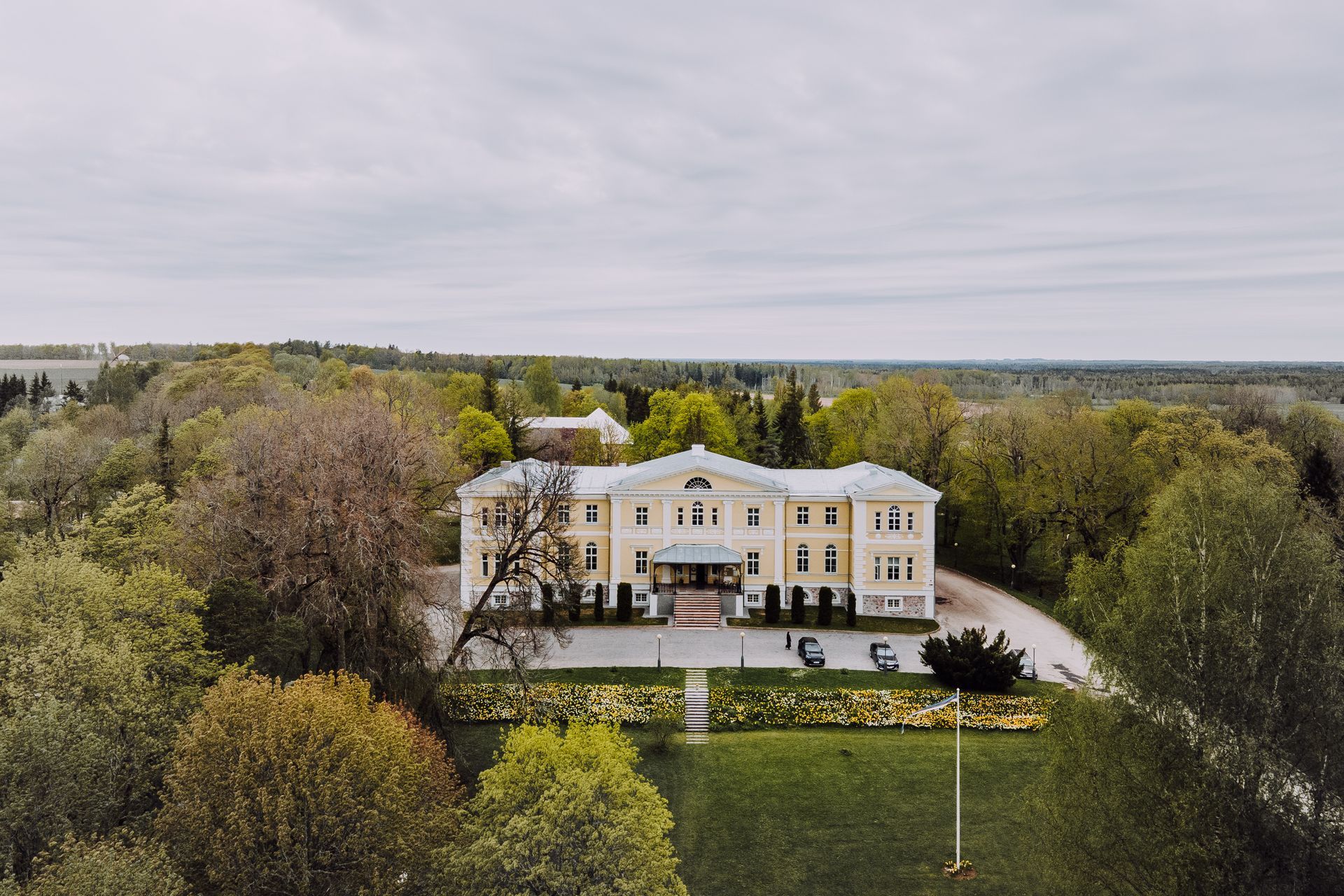
Best of National Cycling Routes in Jõgevamaa, Central & Eastern Estonia – Land of Lakes, Legends & Manors
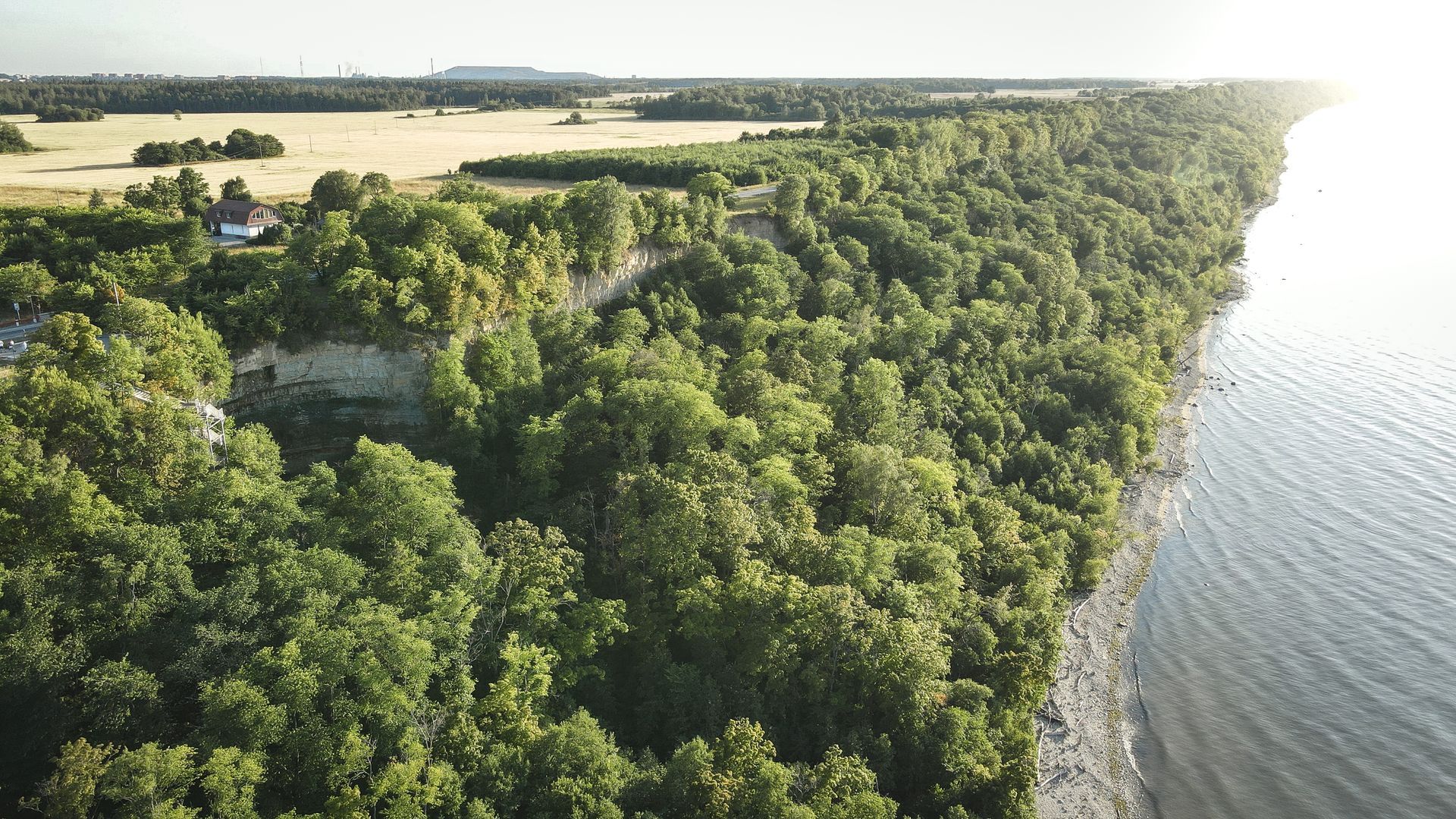
Best of National Cycling Routes in East and North Estonia – Ida-Virumaa County
Other adventures in Estonia

Tips from the Community


Waterfall with mill very nicely situated with park benches for a little rest
1
0

The waterfall is six meters high and a few dozen meters wide, making it second only to the Narva and Jägala waterfalls in terms of grandeur. From the park, the path leads along the riverbed across two suspension bridges to the waterfall. Good to know: In Keila-Joa, there is a renovated hydroelectric power station. Additionally, nearby is a restored manor house inspired by Neo-Gothic architecture – one of the most magnificent of its kind. You can discover the magnificent nature along the 3 km long Keila-Joa nature trail.
2
0
The waterfall was popularly called Joarüngas. It was probably a cult site in pre-Christian times. A water mill was first mentioned in documents around 1240, and can still be found on a map from 1688. From 1917 until shortly after the end of the Second World War, a power station and a cellulose factory stood near the waterfall. The waterfall and the surrounding area were part of the locations chosen by Andrei Tarkovsky for his 1978 film Stalker.
4
0
Beautiful waterfall, great place to take a break, lots of benches to rest
1
0

The actual falls are about 6 meters high and not too spectacular. The geology panels provide good background information. Worth a stop along the trails that lead behind the main road.
1
0
St Matthias is a well maintained historic church that was one of the few actually open to visit inside. The cemetery has interesting historic Swedish-Estonian and German graves. In the right season the little stream that runs through the cemetery forms a small waterfall toward the road below. The memorial for Bengt Gottfried Forselius is north of the church.
2
0

There are no restaurants on site, but there is a supermarket nearby.
1
1
Frequently Asked Questions
What makes Estonia's waterfalls unique?
Estonia's waterfalls are often characterized by their geological significance and unique formations. Many are wider than they are tall, showcasing millions of years of geological history through layered cliff faces. In winter, these cascades transform into stunning ice sculptures, adding to their natural allure.
When is the best time to visit waterfalls in Estonia?
Many Estonian waterfalls are particularly spectacular in winter when their spray freezes, creating magnificent ice sculptures. For example, Valaste Waterfall and Jägala Waterfall are renowned for their winter beauty. Spring, with its increased water flow from melting snow, also offers a powerful display. However, they offer picturesque settings year-round.
Are there family-friendly waterfalls in Estonia?
Yes, several waterfalls are great for families. Keila Waterfall is situated within a scenic park featuring suspension bridges and a 3 km nature trail, making it ideal for exploration. Jägala Waterfall is also easily accessible and popular year-round. The Treppoja Waterfalls, with their staircase-like cascades, offer a unique and picturesque setting for all ages.
What kind of natural features can I expect to see around Estonian waterfalls?
Beyond the cascades themselves, you'll often find diverse natural features. Many waterfalls are formed by the erosion of limestone layers, creating impressive cliff faces and U-shaped valleys. Some, like Valaste Waterfall, drop directly to the ocean. Others, like Nõmmeveski Waterfall, are set within deep, scenic canyons. You might also encounter forests, rivers, and coastal landscapes.
Are there historical or cultural sites near Estonian waterfalls?
Yes, some waterfalls are close to historical sites. Near Keila Waterfall, you can find a renovated Neo-Gothic manor house and a hydroelectric power plant. The area around Jägala Waterfall has historical significance, with mentions of a water mill from the 13th century and its use as a filming location for Andrei Tarkovsky's 1978 film 'Stalker'. Nõmmeveski Waterfall features the atmospheric ruins of an old hydroelectric power station.
What outdoor activities can I do near Estonia's waterfalls?
Many waterfalls are integrated into areas perfect for outdoor activities. You can enjoy hiking on nature trails, such as the 3 km trail at Keila Waterfall. The wider region of Estonia offers numerous opportunities for hiking, cycling, and running, with routes ranging from easy to difficult.
Which waterfall is the highest in Estonia?
Valaste Waterfall holds the title of Estonia's highest waterfall, plunging approximately 30.5 meters (100 feet) from the Ontika limestone cliff. It's particularly impressive for its drop directly to the ocean.
Which waterfall is the widest in Estonia?
Jägala Waterfall is recognized as the widest natural waterfall in Estonia, measuring about 50 meters (160 feet) across. It is also considered one of the most powerful continuously functioning waterfalls in the country.
Are there any waterfalls near Tallinn that are easy to reach?
Jägala Waterfall is a popular choice, located about a 30-minute drive from Tallinn. Keila Waterfall is also relatively close and easily accessible. For a unique urban experience, the Deer Statue and Waterfall in Hirve Park offers a small, charming cascade right in Tallinn.
Can I see impressive ice formations at Estonian waterfalls in winter?
Absolutely. Winter is a prime time to witness spectacular ice formations. Waterfalls like Jägala Waterfall often freeze into massive ice walls, sometimes forming walkable ice tunnels. Valaste Waterfall's spray freezes into magnificent ice sculptures on the cliffs and trees, creating a truly magical scene.
What are the Narva Cascades and when can they be seen?
The Narva Cascades, historically one of Europe's most powerful waterfalls, consist of Kreenholm Falls and Joala Falls. They are usually dry due to a hydroelectric power plant diverting water. However, they become a spectacular sight during spring high water or other exceptional situations when water is released, showcasing immense power. Access to view them can be restricted and often requires guided tours.
Are there any waterfalls with a unique 'staircase' appearance?
Yes, the Treppoja Waterfalls are known for their unique 'staircase' appearance. The name 'Treppoja' translates to 'staircase stream,' aptly describing this series of cascades where water flows across six limestone terraces, each up to 1.5 meters high, stretching over 150 meters.
Most popular routes in Estonia
Most popular attractions in Estonia

Get inspired with the komoot mobile app


Didn’t find what you were looking for?
Looking for more great places nearby? See even more amazing waterfalls in Estonia with these guides per region:
Explore more
Happy to travel a little further afield? Then browse these guides for the best waterfalls in Estonia:
