Top 20 Lakes in Indonesia
Lakes in Indonesia are diverse, ranging from volcanic calderas to clear natural pools. This archipelago nation features numerous lakes that showcase its varied natural beauty and geological history. Many lakes are significant for their unique features, cultural importance, or surrounding ecosystems. They offer insights into Indonesia's natural landscape and local traditions.
Best lakes in Indonesia
- The most popular lakes is View of Mount Batur, the caldera, and Lake Batur, a viewpoint that offers panoramic views of the volcano and its caldera lake. The hike to this spot is feasible in the dark for sunrise views, though the scenery is also enjoyable throughout the day.
- Another must-see spot is Tirta Gangga Water Palace, a man-made monument featuring a water garden complex with sacred springs. Visitors can explore the recreation park with its water basins, ponds, and a temple, which was originally built in 1946 and later restored.
- Visitors also love Pura Tirta Empul Water Temple, a religious building known for its sacred springs. This temple is considered holy by the Balinese Hindu community, who perform purification rituals in its waters.
- Indonesia is known for its volcanic crater lakes, clear mirror lakes, and culturally significant temple lakes. The variety of lakes to see and explore includes those with unique geological formations and those integrated into local spiritual practices.
- The lakes in Indonesia are appreciated by the komoot community, with 28 upvotes and 5 photos shared across 44 highlights.
Last updated: September 2, 2026
Sunrise at the Ijen Crater
Highlight • Volcano
You definitely need a mask, as it smells strongly of sulfur down there! Masks and headlamps are available for rent.
Afterward, you climb back up and can watch the sunrise. You need a bit of luck, as fog often rises from the crater, and you can't see much.
Truly beautiful, BUT it's a mass event! Many of those who climb up, and especially those who descend into the crater, don't have the fitness for it, and especially not the surefootedness. So, you have to set off right away at two o'clock! People are also crowding around the blue fire.
Translated by Google •
Tip by

Pura Tirta Empul Water Temple
Highlight • Religious Site
Translated by Google •
Tip by

Sign up now to discover places like this
Get recommendations on the best single tracks, peaks, & plenty of other exciting outdoor places.
Sign up for free
Tirta Gangga Water Palace
Highlight • Monument
Translated by Google •
Tip by
Gili Air Island
Highlight • Beach
Translated by Google •
Tip by
View of Mount Batur, the caldera, and Lake Batur
Highlight • Viewpoint
Tip by

Segara Anak Lake
Highlight • Lake
The lake was formed during the volcanic eruption of Mount Samalas in the year 1257. The estimated height of Mount Samalas before its eruption was 4,200 m. The eruption was one of the largest during the last few thousand years and is thought to have changed the climate around the world causing the ‘little ice age’. The scenery is stunningly beautiful.
en.wikipedia.org/wiki/Lake_Segara_Anak
Tip by

Ulun Danu Beratan Temple
Highlight • Religious Site
Translated by Google •
Tip by

Mahabharata Pond, Taman Tirta Gangga
Highlight • Monument
tirtagangga.com/Sculplan.htm#Mahabharata
Excursus: In the Mahabharata, the Hindu epic, the Pandavas are the five sons of Prabu Pandu Dewanata, who rules the kingdom of Hastinapura. King Pandu leaves the kingdom to live as an ascetic, leaving his wife, five sons and the kingdom to his brother Dretarastra. When the five sons grow up, the kingdom will be handed over to them. Dretrastra has 99 sons of his own, called Kurawa. Over the years, Dresastra and the Kurawa try to get rid of the Pandavas and seize power. The disputes ultimately lead to a war, which the Pandavas win despite losses.
artsandculture.google.com/story/the-pandava-unit-pengelola-museum-seni/NgWB8o4lv7-hgQ?hl=en
Translated by Google •
Tip by
View of Segara Anak Lake and Mount Rinjani
Highlight • Viewpoint
rinjaninationalpark.com
Tip by
Taman Mumbul Sangeh Sacred Pond and Temple
Highlight • Religious Site
Tip by

Sign up for free to discover even more lakes in Indonesia.
Sign up for free
Already have an account?
Start today with a free account
Your next adventure awaits.
Login or Signup
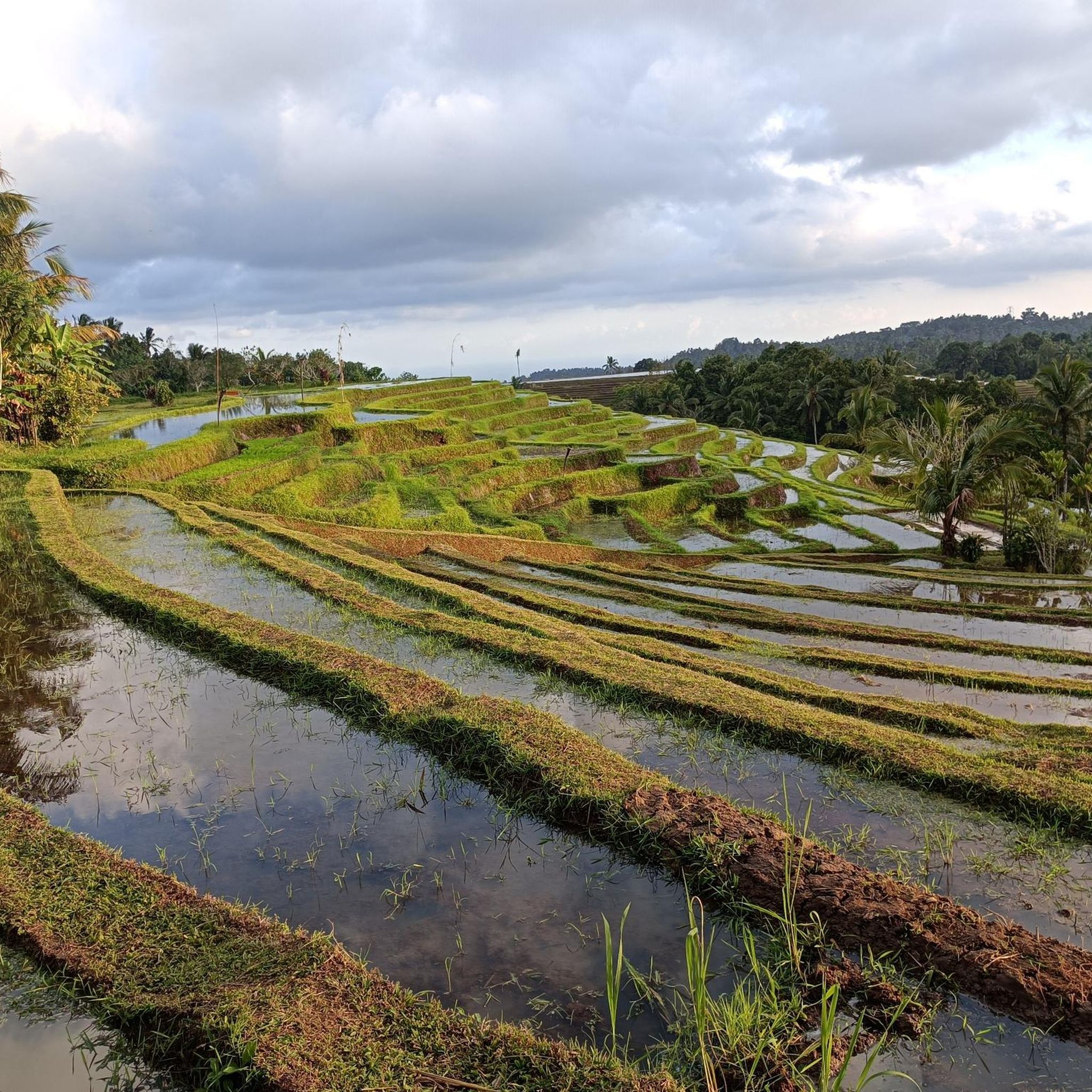

Other adventures in Indonesia

Tips from the Community

Water temple on Lake Bratan on the island of Bali, Indonesia. The temple is an important religious center of Balinese Hinduism and a popular photo subject for tourists.
2
0

If you want to see the Blue Fire and the sunrise, you should set off early. The gates open at 2:00 a.m., and you can begin the climb up Ijen. It's about 4 km to the top and 600 meters in elevation. The path is wide and well-maintained, with some steep climbs. You'll definitely need a headlamp. Then you can descend into the crater to see the natural phenomenon known as the Blue Fire, which is caused by the combustion of sulfur gases. The path is rocky and requires some surefootedness—but I found it manageable in sneakers. The fire wasn't big when I was there, but it was still fascinating! You definitely need a mask, as it smells strongly of sulfur down there! Masks and headlamps are available for rent. Afterward, you climb back up and can watch the sunrise. You need a bit of luck, as fog often rises from the crater, and you can't see much. Truly beautiful, BUT it's a mass event! Many of those who climb up, and especially those who descend into the crater, don't have the fitness for it, and especially not the surefootedness. So, you have to set off right away at two o'clock! People are also crowding around the blue fire.
0
0

Gili Air, the second largest of the islands, offers a bit of Gili Trawangan and Gili Meno - nightlife and quiet places for undisturbed relaxation. Here you can also dive with one of the local diving schools or you can rent a snorkel and explore the underwater world around the island yourself. Diving on Gili If you don't want to be on the beach, you can pay one of the local diving schools and go on an excursion to the local sea depths and believe us, you won't regret it.
1
0

Gunung Batur is an active volcano located in Kintamani, Bangli District, Bali, Indonesia. With an elevation of about 1,717 meters above sea level, Gunung Batur is one of the most popular hiking destinations in Bali, especially for its stunning sunrise.
1
0

The smallest and quietest of the 3 Gili Islands. No cars, just a few R-scooters. Otherwise you get around on foot or with a bike that is not very roadworthy 😉 Alternatively you can take a small horse-drawn carriage. Very quiet and relaxing. Unfortunately, there were a lot of jellyfish in the sea when we were there 🙄
0
0

Very worth seeing, you have to see it
0
0

The water garden complex 'Taman Tirtagangga' was built in 1946 by the last Raja of Karangsem, inspired by the spring, cool climate and scenic beauty. The water from one of Tirtagangga's natural springs is considered sacred. The garden is intended to ensure the safety of the sacred place and create a place of reflection, peace and joy for all visitors. In 1963, the Gunung Agung volcanic eruption almost completely destroyed the garden. Tirtagangga is abandoned and subject to looting. The restoration of the water garden began in 1979, but in the 1990s the facility fell into disrepair again. End of the 20th century Widoere Djelantik, the grandson of the last Raja, founded a foundation with the aim of restoring and developing the garden based on the Balinese Hinduism-Buddhism concept. This concept divides the cosmos into Bhur, Bwah and Swah. Swah is the upper world of gods, Bwah is the middle world of humans and Bhur is the underworld of demons. The transition between these worlds is expressed by the 8 sculptures in the meditation center in the northwest corner of the garden. The human struggle between gods and demons is symbolized by 20 sculptures in the Mahabharata pond. https://www.tirtagangga.com/ https://tirtaganggabali.com/index.php/en/home/
1
0
In the Mahabharata Pond in Taman Tirtagangga, Pandawa and Kurawa figures rise from the water, symbolizing the human struggle between gods and demons. A path between the statues allows visitors to walk on the water and cross the Mahabharata pond while observing the Pandawa and Kurawa figures. https://www.tirtagangga.com/Sculplan.htm#Mahabharata Excursus: In the Mahabharata, the Hindu epic, the Pandavas are the five sons of Prabu Pandu Dewanata, who rules the kingdom of Hastinapura. King Pandu leaves the kingdom to live as an ascetic, leaving his wife, five sons and the kingdom to his brother Dretarastra. When the five sons grow up, the kingdom will be handed over to them. Dretrastra has 99 sons of his own, called Kurawa. Over the years, Dresastra and the Kurawa try to get rid of the Pandavas and seize power. The disputes ultimately lead to a war, which the Pandavas win despite losses. https://artsandculture.google.com/story/the-pandava-unit-pengelola-museum-seni/NgWB8o4lv7-hgQ?hl=en
1
0
Frequently Asked Questions
What makes Indonesia's lakes unique?
Indonesia's lakes are incredibly diverse, ranging from vast volcanic calderas like Lake Toba to mystical crater lakes such as Lake Kelimutu, known for its changing colors. Many also feature unique geological formations, clear mirror-like waters, or are integrated into local spiritual practices with temples built upon them, like the Ulun Danu Beratan Temple on Lake Beratan.
Are there any lakes with cultural or historical significance?
Yes, many Indonesian lakes hold deep cultural and historical importance. For instance, the Pura Tirta Empul Water Temple is a sacred site where Balinese Hindus perform purification rituals in its holy springs. Similarly, the Tirta Gangga Water Palace, though a man-made water garden, was built by a Raja and is considered sacred, reflecting Balinese Hinduism-Buddhism concepts.
Which lakes are good for family visits?
Several lakes and water attractions in Indonesia are family-friendly. The Tirta Gangga Water Palace offers a beautiful recreation park with water basins and ponds. The Ulun Danu Beratan Temple on Lake Beratan is also a popular and accessible destination for families, offering cooler temperatures and picturesque views. Additionally, the Pura Tirta Empul Water Temple is open to visitors of all ages, though purification rituals are for those who wish to participate respectfully.
What kind of outdoor activities can I do near Indonesian lakes?
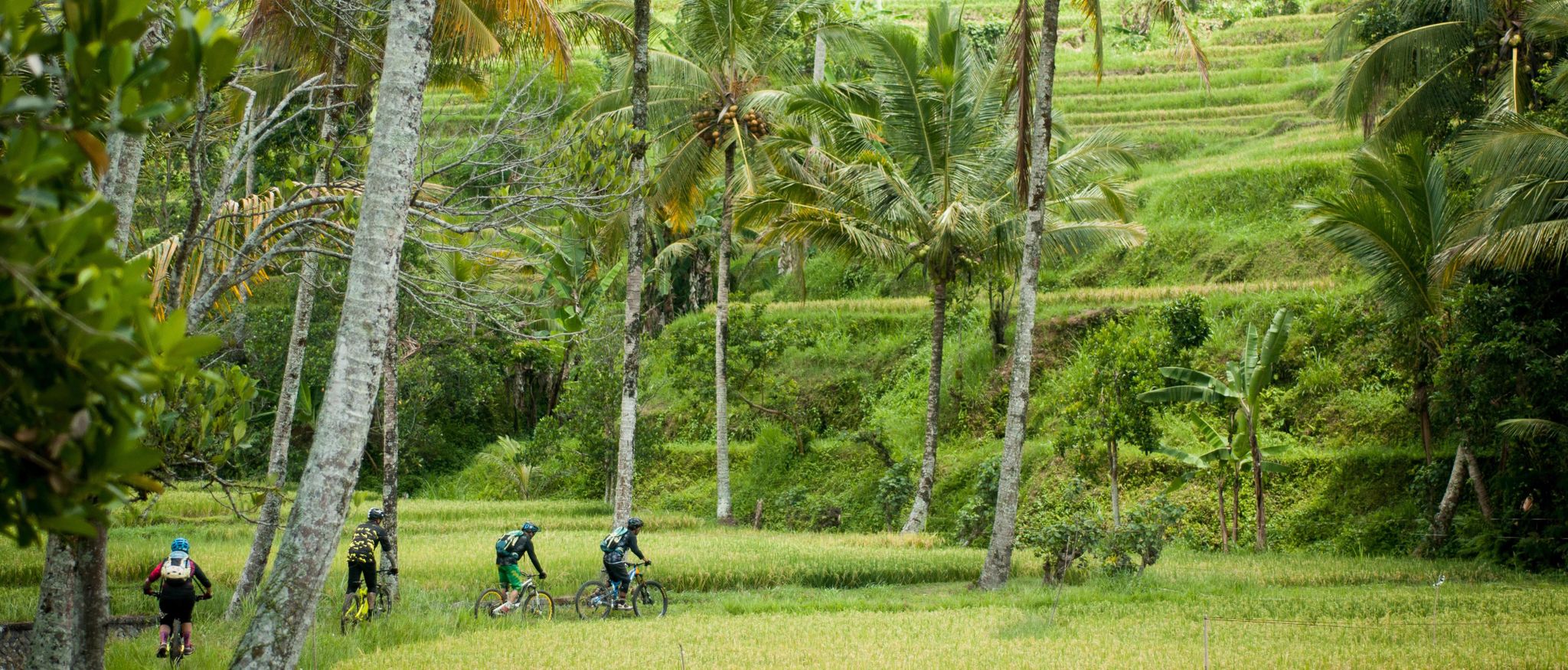
You can enjoy a variety of outdoor activities near Indonesia's lakes. For hiking, there are easy hikes around places like Ubud, which often feature rice fields and natural scenery. For cycling enthusiasts, there are gravel biking and MTB trails available. Adventurous trekkers can undertake multi-day hikes to reach high-altitude lakes like Segara Anak within Mount Rinjani's caldera.
Are there any lakes with exceptionally clear water?
Yes, Indonesia boasts several lakes renowned for their extraordinary clarity. Labuan Cermin Lake in East Kalimantan, aptly named 'Mirror Lake,' has water so clear it perfectly reflects its surroundings and features unique dual layers of fresh and saltwater. Paisu Pok Lake in Central Sulawesi is another 'mirror lake' where you can clearly see the bottom, including rocks and tree branches.
Which lakes are known for volcanic features?
Indonesia, being part of the Pacific Ring of Fire, has many lakes with volcanic origins. Lake Toba in North Sumatra is the world's largest volcanic lake, formed in a massive caldera. Lake Kelimutu on Flores island is famous for its three crater lakes whose colors mysteriously change. The Ijen Crater also features a stunning turquoise acidic lake within its caldera, known for its 'Blue Fire' phenomenon.
What is the best time to visit Indonesian lakes?
Generally, the dry season (May to September) is considered the best time to visit most Indonesian lakes, as it offers clearer skies and more stable weather conditions, ideal for outdoor activities and sightseeing. However, specific lakes might have unique considerations; for example, the sunrise view at Mount Batur and Lake Batur can be enjoyed throughout the day, not just at dawn.
Can I see unique wildlife around Indonesian lakes?
Yes, some lakes are known for their unique ecosystems and wildlife. Lake Sentani in Papua, for example, is home to diverse marine life, including unique species like cork fish, Sentani sharks, and saw sharks. The surrounding forests of many lakes also host various bird species and other terrestrial animals, offering opportunities for nature observation.
Are there any lakes that resemble inland beaches?
Lake Poso in Central Sulawesi, Indonesia's third-largest lake, is unique for having white sand surrounding its edges. This gives it the appearance of an inland beach, where visitors can explore by motorboat and observe the daily activities of local fishermen and fish farmers.
What is special about Segara Anak Lake?
Segara Anak Lake is a stunning crater lake nestled within the caldera of Mount Rinjani in Lombok. Its name means 'Child of the Sea,' referring to its striking blue waters. Formed during a massive volcanic eruption, it's part of the Gunung Rinjani National Park and offers spectacularly beautiful scenery, often reached by adventurous multi-day treks.
Are there any lakes with naturally changing water colors?
Yes, Lake Kelimutu on Flores island is famously known as the 'Three-Colored Lake' because its three crater lakes mysteriously change water colors, often appearing red, blue, and white. Another example is Weekuri Lake in Southwest Sumba, a crystal-clear lagoon connected to the sea, which results in dynamic color changes in its bluish-green waters.
Most popular routes in Indonesia
Most popular attractions in Indonesia

Get inspired with the komoot mobile app


Didn’t find what you were looking for?
Find the best lakes in Indonesia per region:
Explore more
Still not found your perfect lake in Indonesia? Check out the guides of these regions to see even more beautiful places.
