Top 12 Waterfalls in Laos
Waterfalls in Laos offer a diverse range of natural spectacles, from multi-tiered cascades to some of the world's widest falls. The country's lush tropical forests and limestone geology contribute to the formation of these significant natural landmarks. Many waterfalls are integral to the landscape, providing both ecological value and cultural significance, particularly along the Mekong River. These sites are popular for their natural beauty and opportunities for exploration.
Best waterfalls in Laos
- The most popular waterfalls is Kuang Si Waterfalls, a waterfall known for its strikingly clear, milky-blue turquoise pools. The main fall plunges about 60 meters, and visitors can swim in designated pools.
- Another must-see spot is Khone Phapheng Waterfalls, a waterfall often cited as the widest in the world. Its immense width, spanning approximately 10,783 meters, showcases the powerful force of the Mekong River.
- Visitors also love Tad Fane Waterfalls, a waterfall featuring twin streams that plummet approximately 120 meters into a deep jungle gorge. It is one of Laos' tallest and most dramatic waterfalls.
- Laos is known for its multi-tiered turquoise cascades, wide river falls, and tall, dramatic waterfalls. These natural features provide a variety of experiences for those exploring the country's diverse landscapes.
- The waterfalls in Laos are appreciated by the komoot community, with 18 upvotes and 21 photos shared across 14 highlights.
Last updated: September 2, 2026
Kuang Si Waterfalls
Highlight • Waterfall
Tip by

Somphamit (Liphi) Waterfall
Highlight • Waterfall
There is an entrance fee and it's worth it.
Also has very clean toilets.
Translated by Google •
Tip by

Sign up now to discover places like this
Get recommendations on the best single tracks, peaks, & plenty of other exciting outdoor places.
Sign up for free
Tad Mook Waterfalls
Highlight • Waterfall
The best way to get to Sop Keng is by boat from Nong Khiaw. There is also a road that leads there. However, the ground is loose and you have to cross several streams. By bike (or scooter) it is possible but not recommended (3.5 hours of cycling with many meters of elevation and a lot of pushing).
Translated by Google •
Tip by

Tad Somphamit Waterfalls
Highlight • Waterfall
Translated by Google •
Tip by

Suspension Bridge to Khone Pa Soy Falls
Highlight • Bridge
Tip by

Tad Fane Waterfalls
Highlight • Waterfall
Translated by Google •
Tip by

100 Waterfalls
Highlight • Waterfall
Translated by Google •
Tip by
Khone Phapheng Waterfalls
Highlight • Waterfall
Over a width of more than 10 kilometers, the river cascades down over 21 meters. The Mekong Falls reach an average discharge of 11,600 m³/s and maximum discharges of almost 50,000 m³/s. There are two main cascades running parallel: Khong Phapheng (Lao: "The Roar of the Mekong on the Eastern Bank"), with a drop of approximately 18 meters, and Tad Somphamit (also: Li Phi Falls) on the Western Bank.
The Mekong Falls are the widest waterfall in the world and the largest waterfall in Asia.
The Mekong Falls are the main obstacle to the use of the Mekong as a shipping route from Vietnam to China. In 1866, the expedition of the French colonial officers Francis Garnier and Ernest Doudart de Lagrée, who were seeking to find a trade route from Vietnam to China, ended here. To bypass the waterfall, the Don Det–Don Khon railway line was built.
Source: de.wikipedia.org/wiki/Mekongf%C3%A4lle#Quellen
Translated by Google •
Tip by

Tad Gneuang Waterfall
Highlight • Waterfall
Tip by

Waterfall
Highlight • Waterfall
Not very spectacular
Translated by Google •
Tip by

Sign up for free to discover even more waterfalls in Laos.
Sign up for free
Already have an account?
Start today with a free account
Your next adventure awaits.
Login or Signup
Tips from the Community

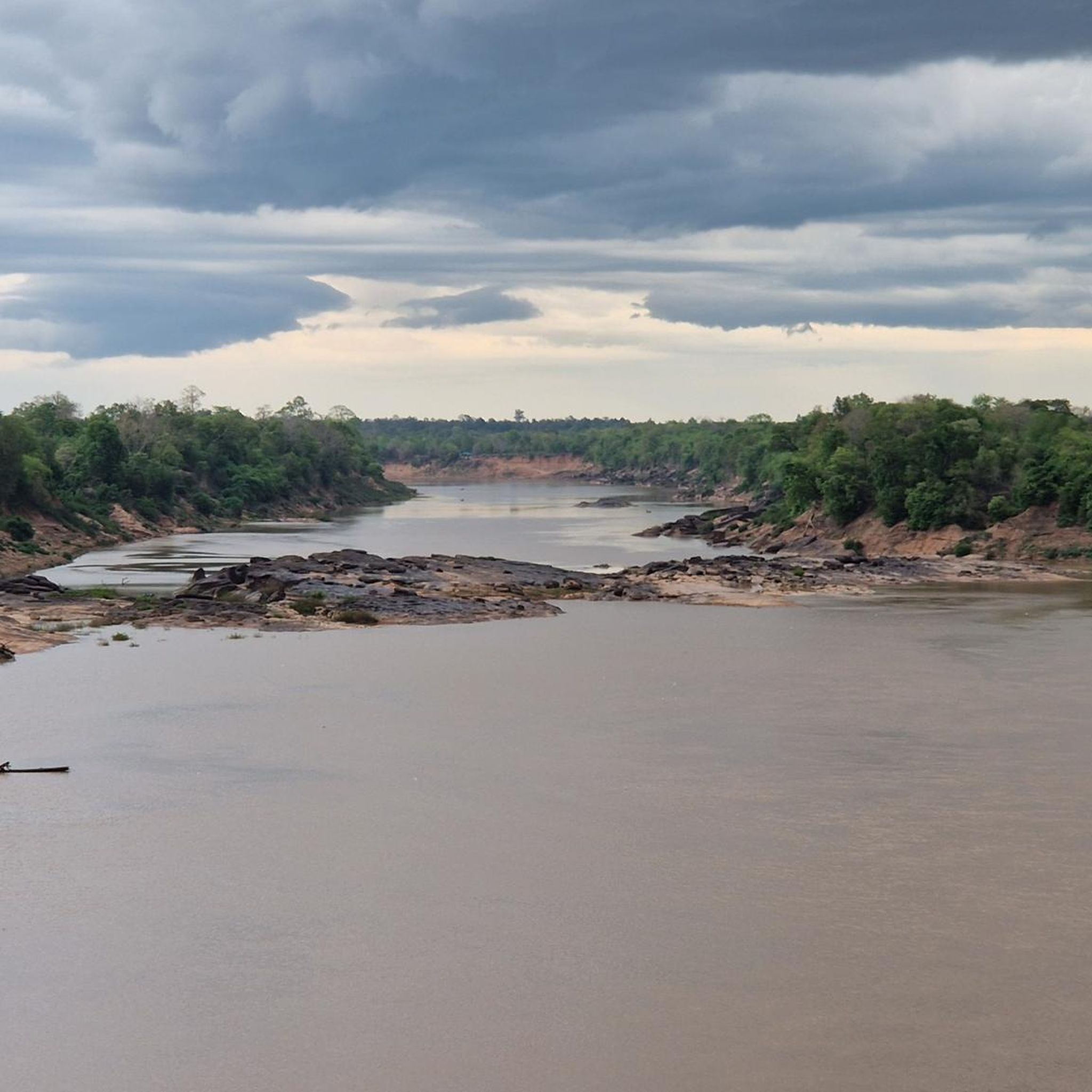
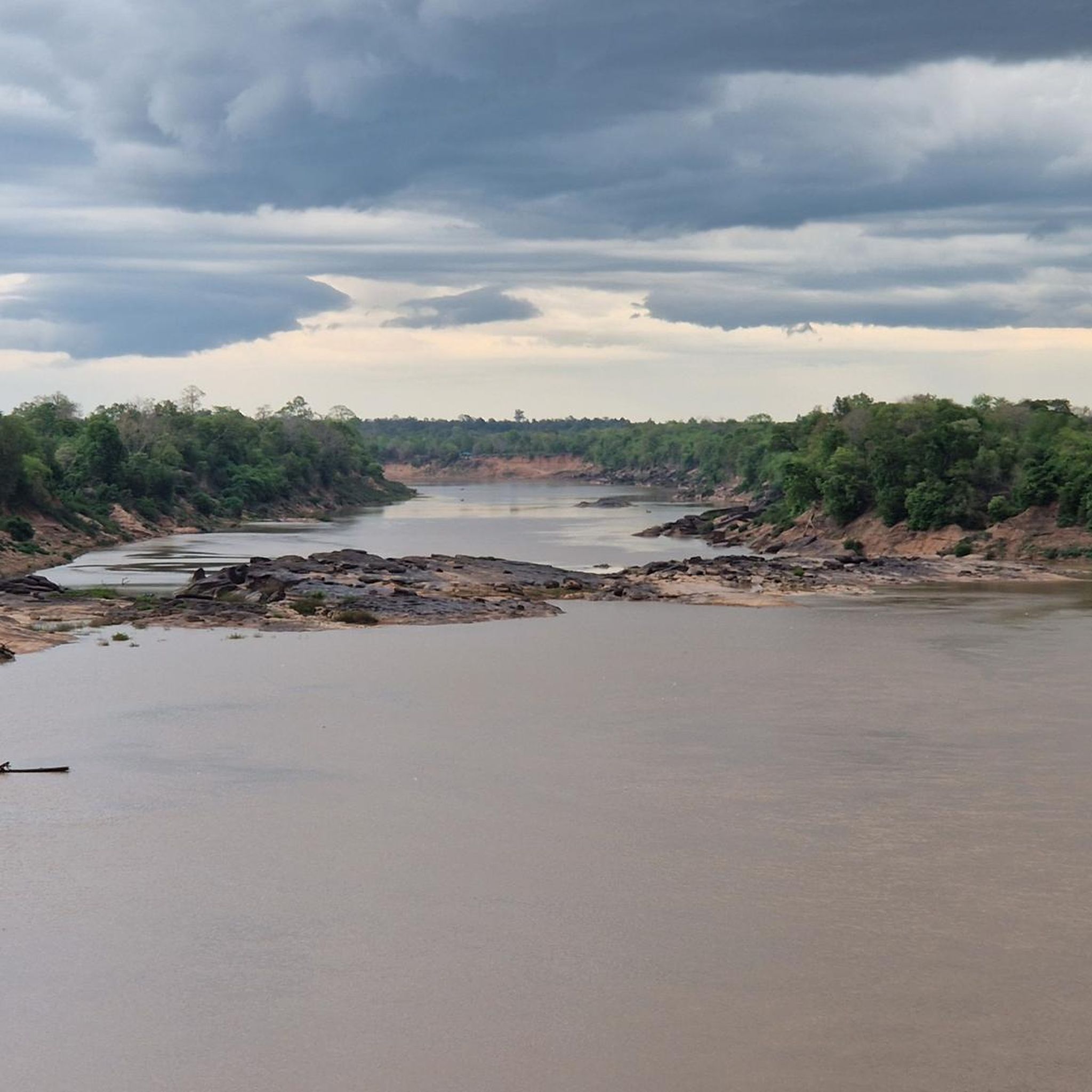
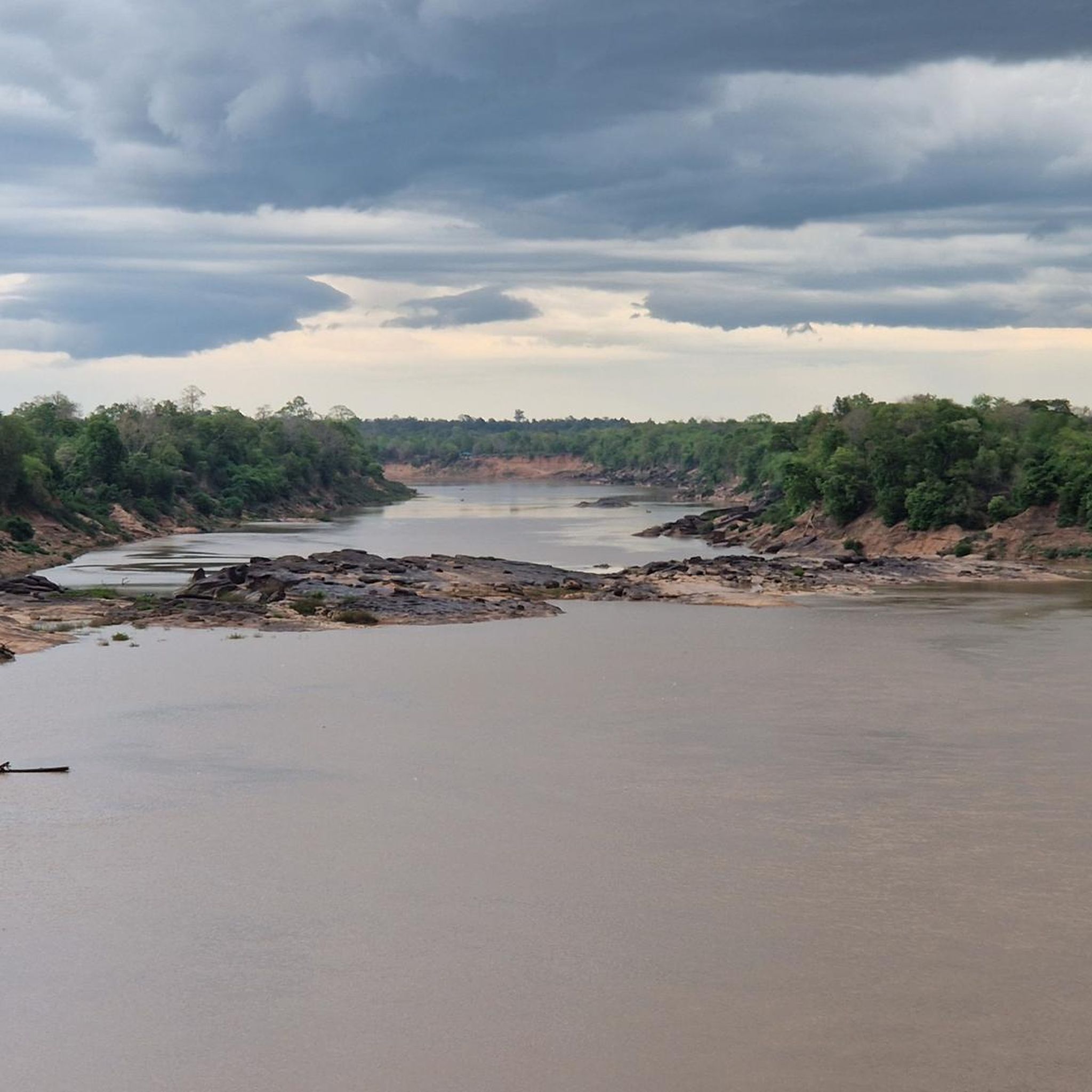
The Mekong Falls (Lao: ນ້ຳຕົກຕາດຄອນພະເພັງ Nam Tok Khon Phapheng, German: "Full Moon Rapids"; French: Chutes de Khone, English: Khon Phapheng Waterfalls) are a cascading waterfall on the Mekong River in the Laotian province of Champasak, near the border with Cambodia. They are located south of the inland delta Si Phan Don (Lao: 4,000 Islands). Over a width of more than 10 kilometers, the river cascades down over 21 meters. The Mekong Falls reach an average discharge of 11,600 m³/s and maximum discharges of almost 50,000 m³/s. There are two main cascades running parallel: Khong Phapheng (Lao: "The Roar of the Mekong on the Eastern Bank"), with a drop of approximately 18 meters, and Tad Somphamit (also: Li Phi Falls) on the Western Bank. The Mekong Falls are the widest waterfall in the world and the largest waterfall in Asia. The Mekong Falls are the main obstacle to the use of the Mekong as a shipping route from Vietnam to China. In 1866, the expedition of the French colonial officers Francis Garnier and Ernest Doudart de Lagrée, who were seeking to find a trade route from Vietnam to China, ended here. To bypass the waterfall, the Don Det–Don Khon railway line was built. Source: https://de.wikipedia.org/wiki/Mekongf%C3%A4lle#Quellen
1
0
Don Khon is the site of the Liphi Falls (officially known as Taat Somphamit). It is located about 15 km south of Muang Khong. Starting from the village of Baan Khon, 1 km down a path, the Liphi Falls cascade over rugged boulders. The falls have a drop of only a few meters, but their volume and power are impressive. A second waterfall is located 500 meters downstream. Fishermen use traps and nets to catch fish in the pools at the base of the falls. A unique attraction are the Irrawaddy dolphins, sacred to the Laotian people. The Center for the Protection and Conservation of Freshwater Dolphins is located on the border between Laos and Cambodia. Called "Pla kha" in Lao, the freshwater dolphins inhabit only this part of the Mekong. They are not afraid of humans and frolic when they see people. Source: https://vietlongtravel.com/de/News/laos-reisef%C3%BChrer/Liphi-Wasserf%C3%A4lle
1
0
Tad Gneuang Waterfall is one of Laos' most impressive natural attractions and is located in the Paksong District of Champasak Province. This majestic waterfall cascades over rocky cliffs, offering a spectacular sight that attracts visitors from all over the world. The area is surrounded by lush forests, enhancing the tranquil beauty of the landscape. The closer you get to the waterfall, the louder the rushing water becomes—a breathtaking experience. The location is not only perfect for sightseeing but also ideal for photography enthusiasts who want to capture the essence of Laos' natural beauty. Source: https://evendo.com/locations/laos/southern-laos/landmark/tad-gneuang-waterfall
0
0
Located near Luang Prabang, this waterfall awaits you even at the end of the dry season with impressive masses of water cascading over 30 meters of water. In addition to the main waterfall, the water's path forms countless turquoise pools where you can swim and refresh yourself. It's obvious that this beautiful place is no longer unknown. Source: https://faszination-suedostasien.de/tat-kuang-si-wasserfall-luang-prabang/#smooth-scroll-top
0
0
Beautiful waterfall, which is accessed via stairs. These are steep, so be careful when it rains! At the parking lot above the falls you will find the usual souvenirs and a good restaurant.
0
0
The Champee and Pak Koot rivers flow from the plateau and join here to form the Tad Fane waterfall, which plunges an impressive 120 metres. The real beauty of this waterfall lies in its two branches that split as they plunge over the steep cliffs. This creates a seemingly endless flow of water and when it's windy, the spray creates spectacular rainbows. Visitors can sit and enjoy the view from nearby resorts or take guided walks through the coffee plantations and forests. Source: https://discoverlaos.today/paksong-bolaven-plateau/thing-to-do/tad-fane-fane-waterfall
1
0

Entry costs 30,000 kip (02/2025). Optionally, you can walk on the suspension bridges for 250,000 kip or ride a zipline for 700,000 kip.
0
1

You pay for a regular entrance, like in many touristic doors in Laos. But once inside you have the option of buying another more expensive ticket in order to use the 4 hanging bridges across different parts of the cascades. This is really worth the extra money!
0
0
Frequently Asked Questions
What is the best time of year to visit waterfalls in Laos?
The rainy season, typically from June to November/December, is generally the best time to visit waterfalls in Laos. During this period, the water flow is substantial, making the cascades more impressive and the pools fuller for swimming. However, trails can be muddy and slippery, so appropriate footwear is recommended.
Are there family-friendly waterfalls in Laos?
Yes, several waterfalls in Laos are suitable for families. Kuang Si Waterfalls near Luang Prabang is a popular choice, offering designated swimming pools and a bear rescue center. Khone Phapheng Waterfalls also offers family-friendly viewpoints to witness the immense power of the Mekong River.
What kind of outdoor activities can I do near the waterfalls in Laos?
Near the waterfalls in Laos, you can enjoy various outdoor activities. For instance, there are numerous waterfall hikes, including easy loops around Kuang Si Waterfalls. Cycling is also popular, with routes like the 'Wat Xieng Thong Temple – Kuang Si Waterfalls loop' available for touring bicycles and road cycling.
How long does it typically take to visit Kuang Si Falls?
A visit to Kuang Si Waterfalls usually takes half a day, including travel time from Luang Prabang. This allows ample time to swim in the turquoise pools, hike to the top of the falls, and visit the bear rescue center.
Are there any less crowded waterfalls near Luang Prabang?
While Kuang Si Waterfalls is very popular, Tad Mook Waterfalls and Tad Sae Waterfall (not in highlights data but mentioned in research) offer a quieter experience. Tad Sae is particularly charming during the rainy season and is accessible by boat, providing a more local feel.
What are some unique natural features to look for at Laos' waterfalls?
Laos' waterfalls boast diverse natural features. Kuang Si Waterfalls is famous for its milky-blue turquoise pools, a result of calcium carbonate from limestone. Khone Phapheng Waterfalls is globally significant for its immense width, spanning thousands of islands and waterways. Tad Fane Waterfalls impresses with its twin streams plunging 120 meters into a deep jungle gorge.
Can I swim in the waterfall pools in Laos?
Yes, many waterfalls in Laos offer opportunities for swimming. Kuang Si Waterfalls has designated pools for swimming, and Tad Sae Waterfall is also popular for its clear waters during the rainy season. Always observe local customs regarding swimwear and be aware of safety warnings.
What should I wear when visiting waterfalls in Laos?
When visiting waterfalls in Laos, it's advisable to wear comfortable, quick-drying clothing. Sturdy, waterproof footwear with good grip is essential, especially during the rainy season, as trails can be muddy and slippery. Bringing swimwear and a towel is also recommended if you plan to take a dip in the pools.
How can I reach Tad Sae Waterfall using public transport?
Tad Sae Waterfall is located southeast of Luang Prabang and is primarily accessible by boat. You would typically take a tuk-tuk or minivan to the boat landing, and then a short boat ride across the river to reach the falls.
Are there any hidden gem waterfalls in Laos for adventurous travelers?
For those seeking adventure, the 100 Waterfalls near Nong Khiaw is a hidden gem. It involves a jungle trek through numerous cascading waterfalls, offering a challenging and rewarding experience. Tad Tayicseua Waterfall on the Bolaven Plateau is another off-the-beaten-path destination with seven waterfalls, requiring adventurous travel to reach.
What makes Tad Fane Waterfalls a must-see attraction?
Tad Fane Waterfalls is a must-see due to its dramatic scale. It features twin streams that plummet approximately 120 meters (330 feet) into a deep jungle gorge, making it one of Laos' tallest and most impressive waterfalls. The surrounding area in Dong Hua Sao National Park offers breathtaking views and a magnificent tropical rainforest setting.
What amenities are available near Tad Fane Waterfall?
Near Tad Fane Waterfalls, you'll find viewpoints to admire the falls. The Bolaven Plateau region, where Tad Fane is located, is also famous for its coffee plantations, and some areas might have small cafes or shops. For the adventurous, there are opportunities for ziplining across the gorge.
Most popular attractions in Laos

Get inspired with the komoot mobile app


Didn’t find what you were looking for?
Looking for more great places nearby? See even more amazing waterfalls in Laos with these guides per region:
Explore more
Happy to travel a little further afield? Then browse these guides for the best waterfalls in Laos:
