Top 5 Waterfalls in Macedonia
Waterfalls in Macedonia are found across diverse natural settings, from mountain slopes to national parks. The country, located in the Balkan Peninsula, features a landscape characterized by mountains, forests, and rivers. These natural features contribute to the formation of numerous waterfalls, offering varied experiences for visitors. The region provides opportunities for exploring different types of cascades within its natural environment.
Best waterfalls in Macedonia
- The most popular waterfalls is Duf Waterfall, a waterfall that is fed by the Radika River and falls over a stone cliff within a dense beech forest. It is notable for being full of water throughout the year, becoming impressive in winter when it forms icicles.
- Another must-see spot is Pelister Waterfall, a natural monument. Visitors can expect to see beautiful cascades, particularly when the snows melt in mid-spring.
- Visitors also love Dlaboka Reka Gorge and Waterfall, Mavrovo National Park, a gorge and waterfall within North Macedonia's largest national park. This area is part of a transnational World Heritage Site for ancient beech forests.
- Macedonia is known for its permanent waterfalls, seasonal cascades, and those with unique multi-stream formations. The variety of waterfalls includes tall drops like Smolare Waterfall and those within national parks, providing diverse natural spectacles to explore.
- The waterfalls in Macedonia are appreciated by the komoot community, with 15 upvotes and 18 photos shared across the highlights.
Last updated: August 19, 2026
Duf Waterfall
Highlight • Waterfall
Translated by Google •
Tip by

Dlaboka Reka Gorge and Waterfall, Mavrovo National Park
Highlight (Segment) • Gorge
The national park is used by tourists for hiking, cycling and skiing; there are hotels, holiday homes and ski lifts. Hiking trails are only sporadically marked. Worth seeing are the Duf waterfall near Bituše, the village of Galičnik and the Sveti Jovan Bigorski monastery.
Large parts of the national park consist of grassland, as large areas of forest were cleared up until the early 1950s to facilitate the intensive sheep farming of the time. Norway spruce and beech grow in particular at higher altitudes, while various types of oak can be found at lower altitudes. Animal species found in the national park include the western rock vole, the Martino snow vole, the western blind vole, the Balkan mole, several species of shrews and bats, as well as otters, wild cats, lynxes, wolves and brown bears, as well as numerous rare amphibians, reptiles and insects. There were plans for two hydroelectric power plants in the national park that would have threatened the survival of the Balkan lynx. The park is home to the most significant population of the critically endangered lynx species. A campaign by the environmental organization Eko-svest led by Ana Čolović Lešoska resulted in the project's building permit being revoked in 2016.[2][3]
A part of the national park, namely the valley of the river Dlaboka Reka ("Deep River") flowing through the national park, was included in the transnational World Heritage Site "Ancient Beech Forests and Primeval Beech Forests of the Carpathians and Other Regions of Europe" in 2021.[4]
Translated by Google •
Tip by

Sign up now to discover places like this
Get recommendations on the best single tracks, peaks, & plenty of other exciting outdoor places.
Sign up for free
Waterfall
Highlight • Waterfall
Translated by Google •
Tip by

Skokot Vera Waterfall
Highlight • Waterfall
Unfortunately, the well-maintained path and the bridge are already dilapidated. The weather is already taking its toll. It's quite dangerous in places.
Translated by Google •
Tip by

Berovo Waterfalls
Highlight • Waterfall
Translated by Google •
Tip by
Start today with a free account
Your next adventure awaits.
Login or Signup
Popular around Macedonia
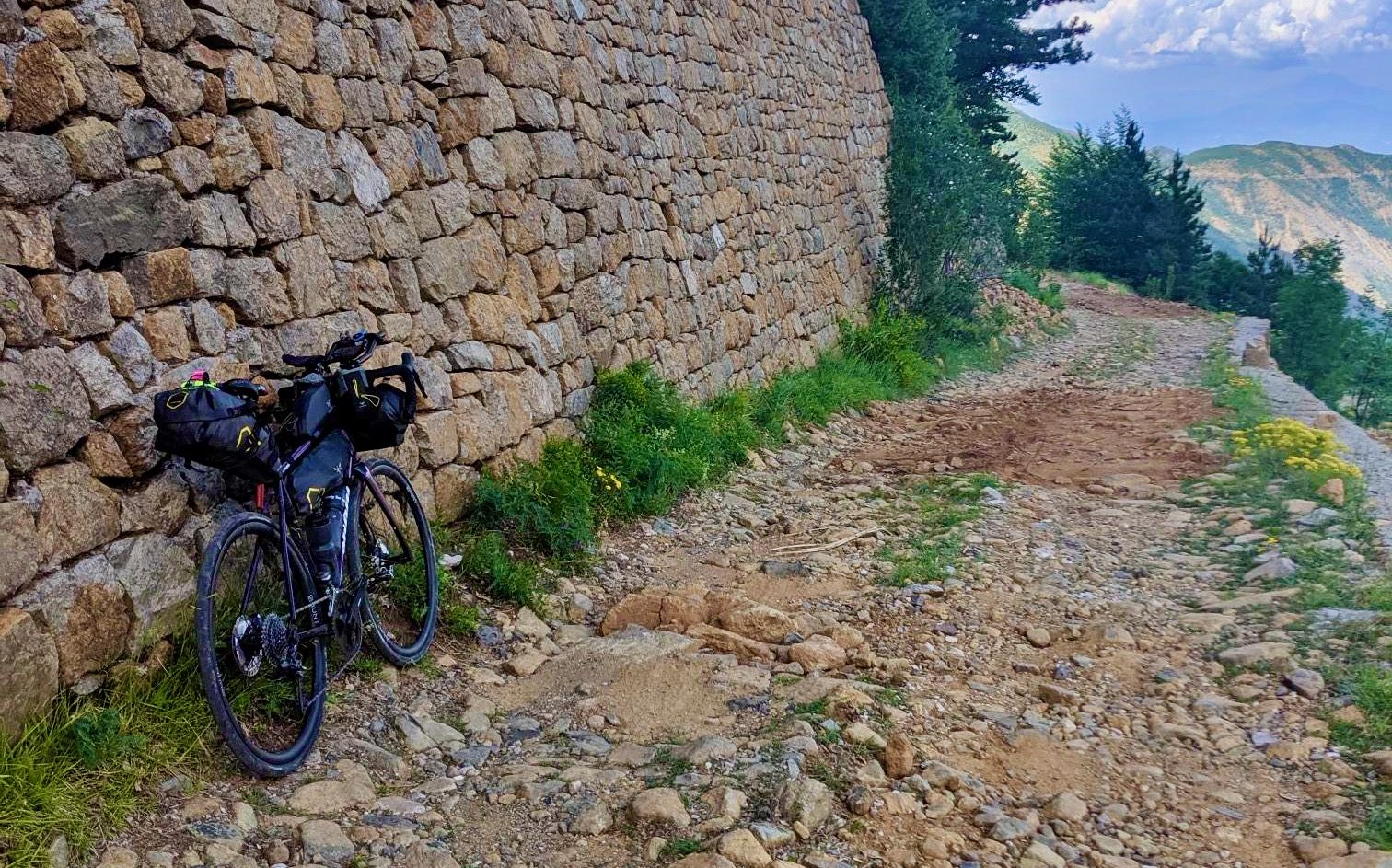
Traversing the Dinaric Alps — bikepacking from the mountains to the sea
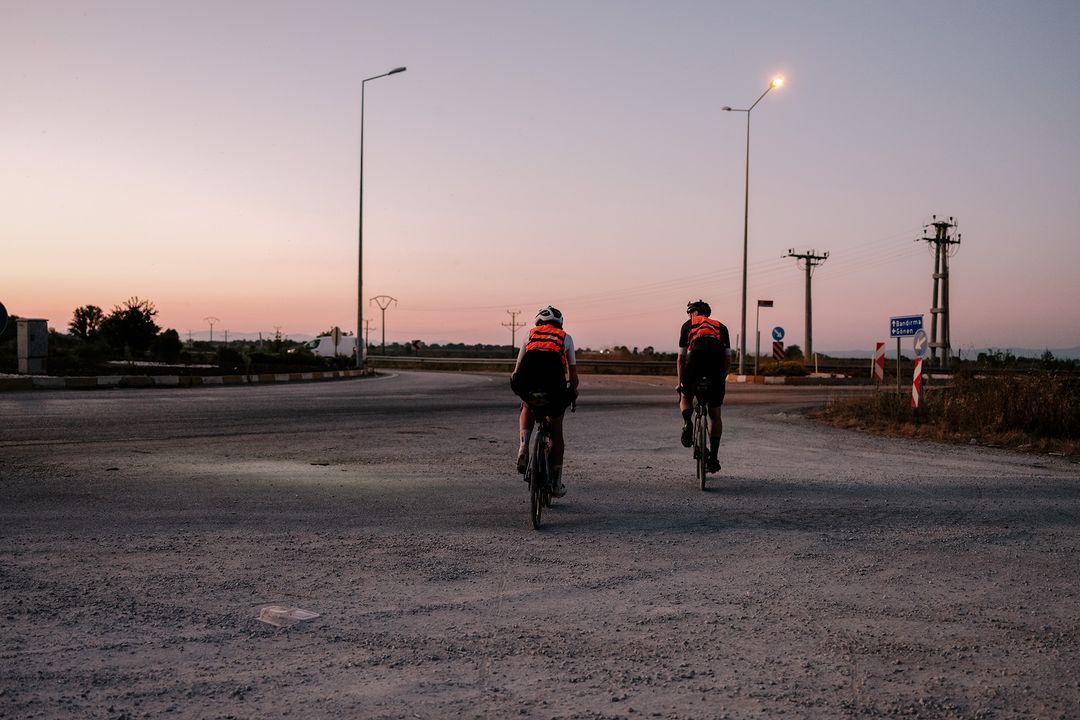
Transcontinental Race No10: crossing Europe from France to Turkey
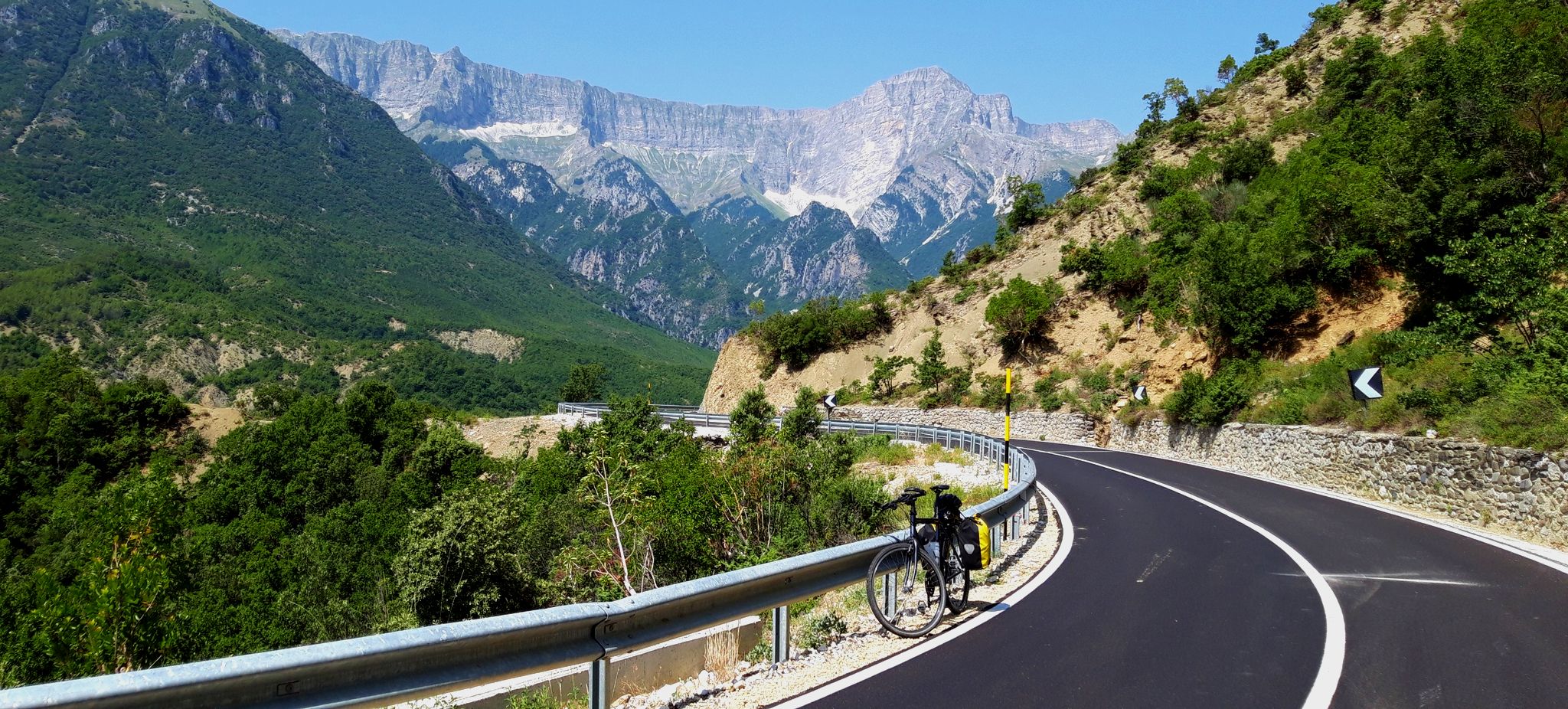
Balkan cycling adventure – Dubrovnik to Corfu
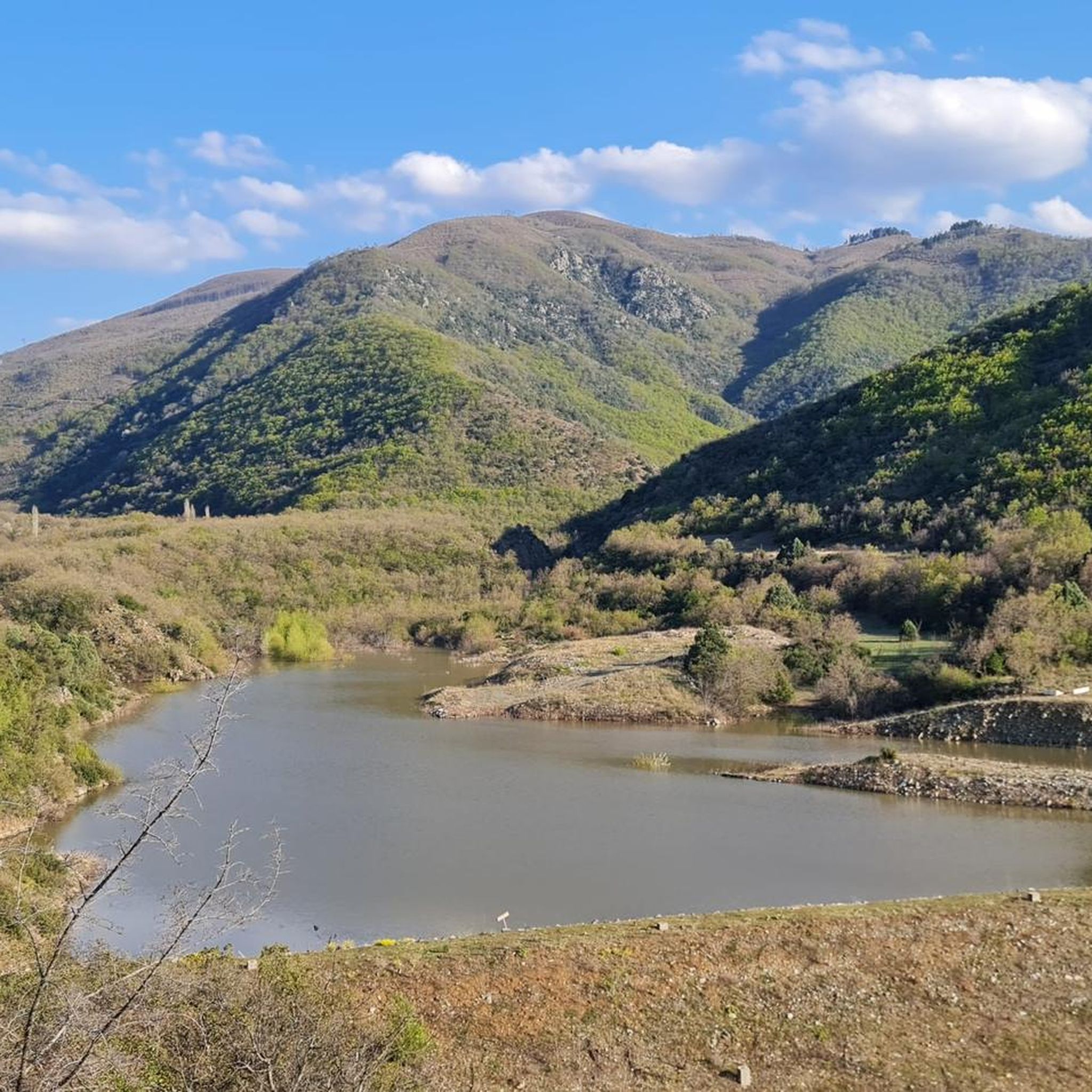
Hiking in Macedonia
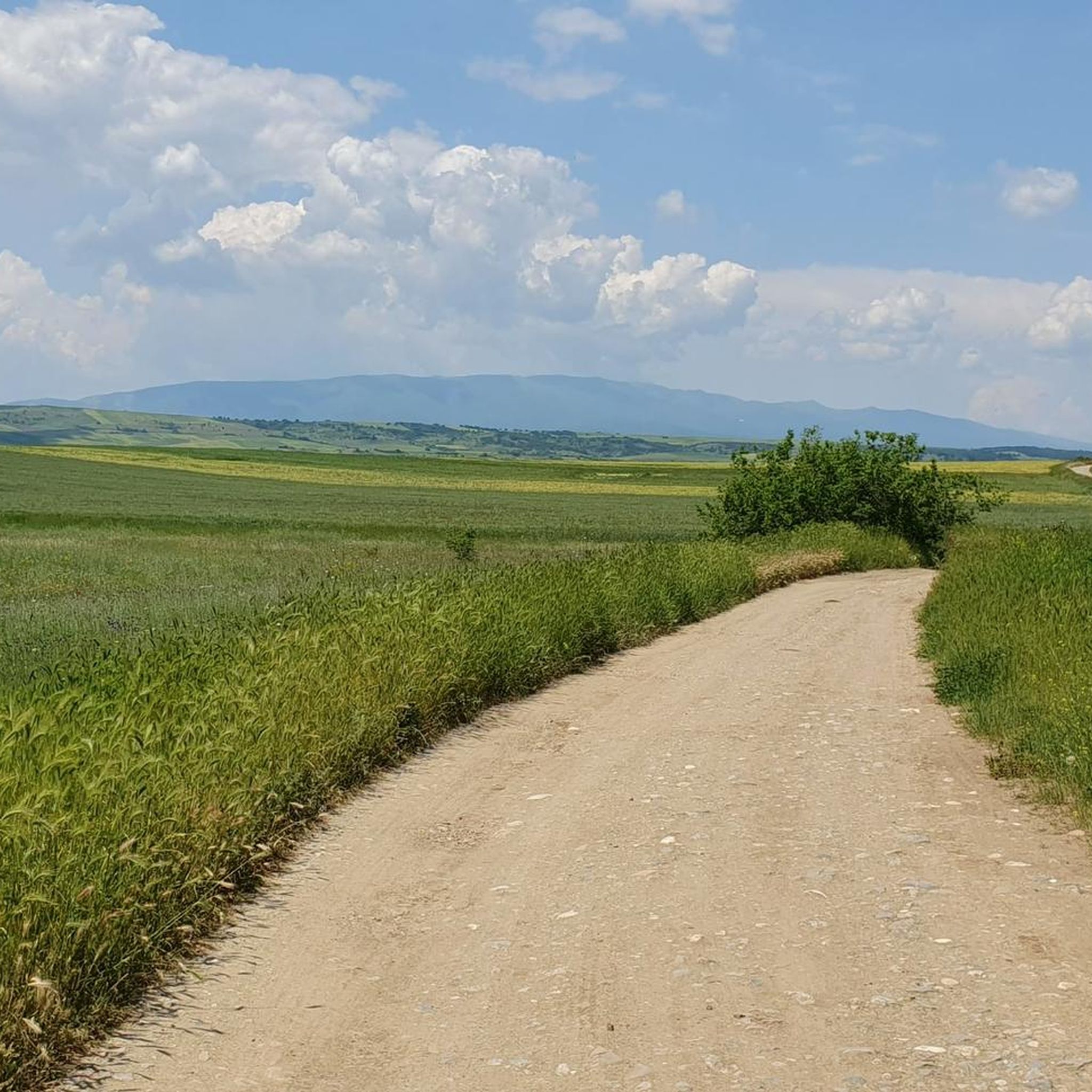
Running Trails in Macedonia
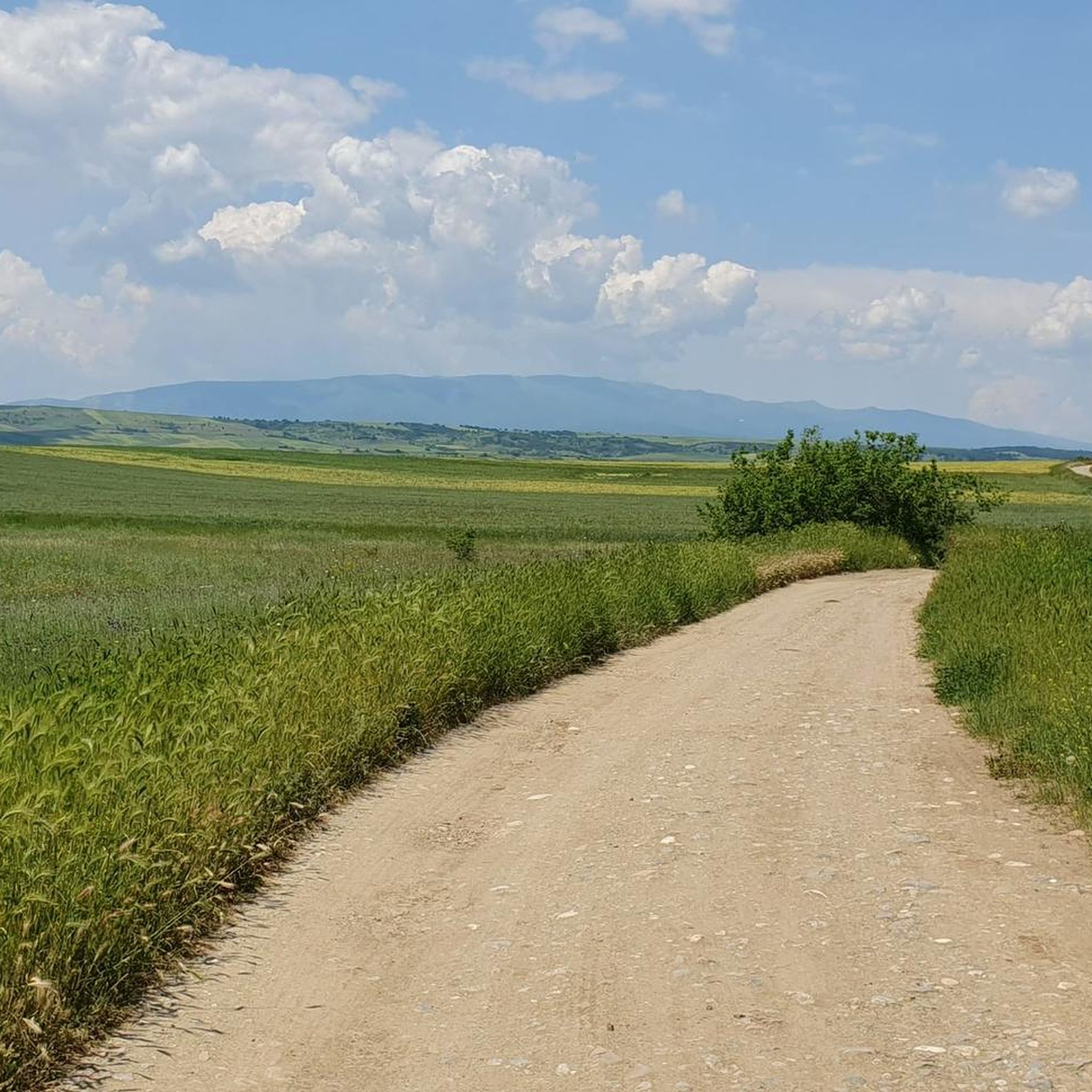
Cycling in Macedonia
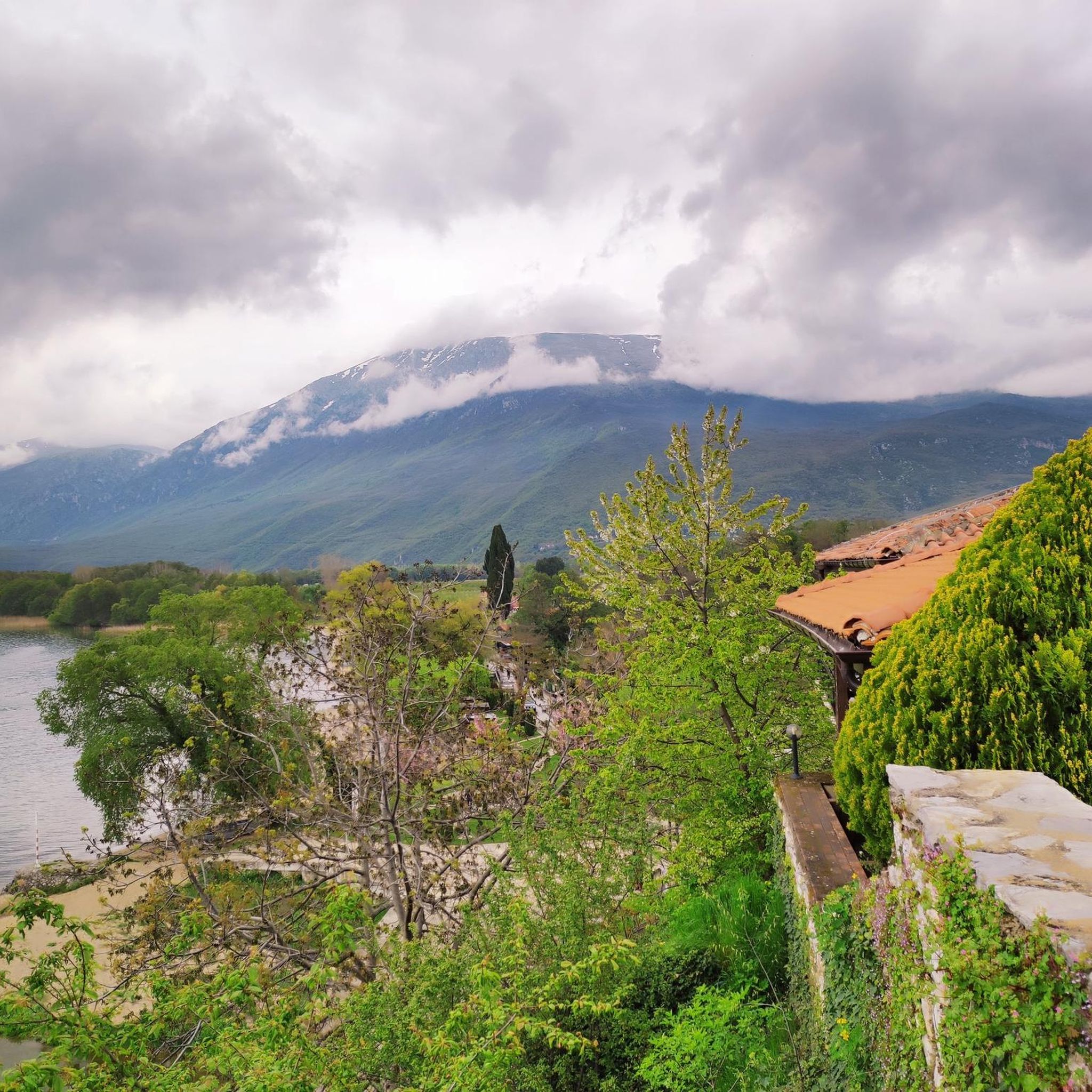
Road Cycling Routes in Macedonia
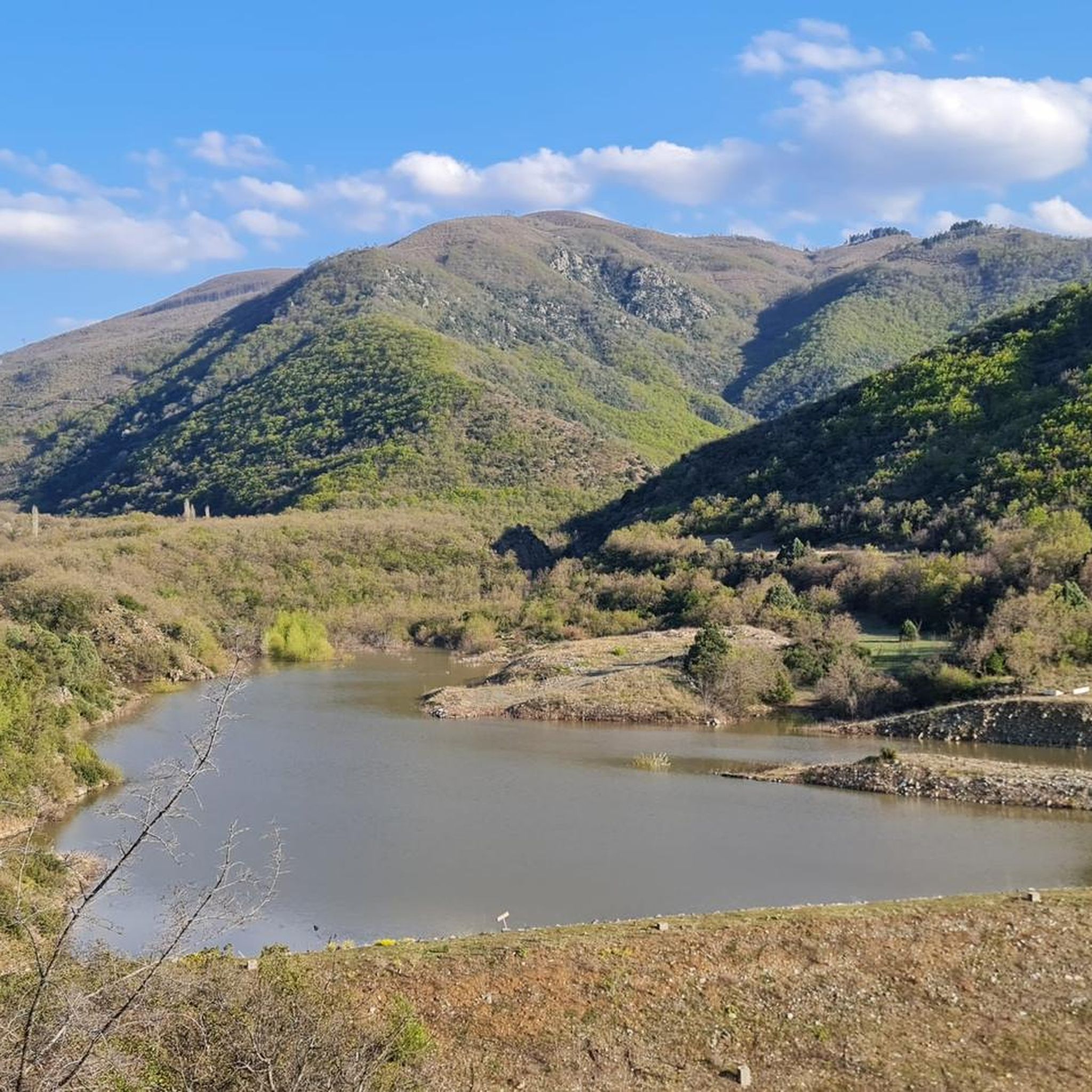
MTB Trails in Macedonia
Other adventures in Macedonia


Tips from the Community

It feels like being in a rainforest or in an Indiana Jones story. Very slippery in places when wet. Due to the high steps, it's only suitable for small children to a limited extent.
0
0

A very beautiful waterfall. Well-marked at first, but then difficult to find the right path. Unfortunately, the well-maintained path and the bridge are already dilapidated. The weather is already taking its toll. It's quite dangerous in places.
1
0

Mavrovo National Park (Macedonian: Национален Парк Маврово Nacionalen Park Mavrovo, Albanian: Parku Kombëtar i Mavrovës) is the largest of the four national parks in North Macedonia. It was founded in 1949 and has an area of 731 km². It is located in the northwestern part of North Macedonia, southwest of the city of Gostivar. Originally the national park had an area of 118 km². In 1952 it was expanded, at the same time Lake Mavrovo was created - a 13.7 km² reservoir located at 1233 m above sea level - which supplies the surrounding area with electricity.[1] The village of Mavrovi Anovi, which was flooded by the lake, was rebuilt north of the lake. The highest point in the national park is Korab Peak. The national park is used by tourists for hiking, cycling and skiing; there are hotels, holiday homes and ski lifts. Hiking trails are only sporadically marked. Worth seeing are the Duf waterfall near Bituše, the village of Galičnik and the Sveti Jovan Bigorski monastery. Large parts of the national park consist of grassland, as large areas of forest were cleared up until the early 1950s to facilitate the intensive sheep farming of the time. Norway spruce and beech grow in particular at higher altitudes, while various types of oak can be found at lower altitudes. Animal species found in the national park include the western rock vole, the Martino snow vole, the western blind vole, the Balkan mole, several species of shrews and bats, as well as otters, wild cats, lynxes, wolves and brown bears, as well as numerous rare amphibians, reptiles and insects. There were plans for two hydroelectric power plants in the national park that would have threatened the survival of the Balkan lynx. The park is home to the most significant population of the critically endangered lynx species. A campaign by the environmental organization Eko-svest led by Ana Čolović Lešoska resulted in the project's building permit being revoked in 2016.[2][3] A part of the national park, namely the valley of the river Dlaboka Reka ("Deep River") flowing through the national park, was included in the transnational World Heritage Site "Ancient Beech Forests and Primeval Beech Forests of the Carpathians and Other Regions of Europe" in 2021.[4]
1
0

There are a number of waterfalls in the Berovo area. For our visit we chose two with designated hiking trails. The stream carried very little water and the falls were correspondingly calm.
3
0
Here the river Radika falls in the lower part of its course near the village Rostushe into the valley.
5
0

It's 30-40 minute walk from the town of Rostushe. I suggest you take appropriate hiking gear along with some water. The path is narrow and steep.
2
0
Frequently Asked Questions
Which waterfalls in Macedonia are known for their unique natural features?
Macedonia offers several waterfalls with distinct characteristics. The Duf Waterfall in Mavrovo National Park is notable for being full of water year-round, forming impressive icicles in winter. Koleshino Waterfall is known for its unique appearance, where multiple thin water streams cascade gently over granite and stone terraces. Korab Falls, the highest in the country, is formed by melting snow and can reach up to 138 meters in spring, though it may dry out in late summer or autumn.
What is the best time of year to visit the waterfalls in Macedonia?
The best time to visit depends on the waterfall. For Pelister Waterfall, mid-spring when the snows melt offers beautiful cascades. Smolare Waterfall is majestic in spring and early summer due to its powerful flow. Korab Falls is most impressive in spring when snowmelt maximizes its height, but it can dry out in late summer or autumn. Duf Waterfall is full of water throughout the year and becomes particularly striking in winter with icicles.
Are there family-friendly waterfalls or easy-access trails in Macedonia?
Yes, several waterfalls are suitable for families. Smolare Waterfall features a well-maintained walking trail with stairs and wooden bridges, including over 300 stone steps, making it easily accessible. Koleshino Waterfall also has an easy and pleasant trail leading to it, with arrangements for relaxation and picnic areas, making it popular for families and groups.
What kind of terrain can I expect when hiking to Macedonian waterfalls?
The terrain varies by location. The trail to Smolare Waterfall involves over 300 stone steps. For Duf Waterfall, the path from Rostushe is described as narrow and steep, requiring appropriate hiking gear. The area around Korab Falls is rugged and scenic, characterized by rocky cliffs, green meadows, and pine forests, suitable for adventurers and hikers.
What outdoor activities can I do near the waterfalls in Macedonia?
Many waterfalls are located within or near areas offering diverse outdoor activities. Mavrovo National Park, home to Dlaboka Reka Gorge and Waterfall and Duf Waterfall, is known for hiking, cycling, and skiing. You can find various hiking routes, including a 2 km easy loop to Duf Waterfall from Monastery of Bigor, and a challenging 22 km loop to Korab Waterfall. For more options, explore the waterfall hikes in Macedonia guide.
Are there any waterfalls in Macedonia that are part of a national park or protected area?
Yes, several significant waterfalls are located within protected areas. Duf Waterfall and Dlaboka Reka Gorge and Waterfall are both found within Mavrovo National Park, the largest national park in North Macedonia. The Dlaboka Reka Gorge is also part of a transnational World Heritage Site for ancient beech forests. Smolare Waterfall was declared a natural monument in 2006.
What should I bring for a waterfall hike in Macedonia?
Given varied terrain, it's advisable to bring appropriate hiking gear, especially for trails like the one to Duf Waterfall which can be narrow and steep. For trails that might be slippery when wet, such as the one to Waterfall, sturdy footwear is recommended. Always carry water, especially during warmer months.
Can I find accommodation or places to eat near the waterfalls?
While specific cafes or restaurants directly at every waterfall are not detailed, the Mavrovo National Park area, which hosts Duf Waterfall and Dlaboka Reka Gorge and Waterfall, offers hotels and holiday homes. Koleshino Waterfall has picnic areas, suggesting it's a good spot to bring your own food. For other areas, it's best to check local villages like Rostushe or Smolare for nearby amenities.
Are there any waterfalls in Macedonia that are considered 'hidden gems' or less frequented?
While the main waterfalls like Smolare, Koleshino, and Duf are well-known, the region offers many smaller cascades. The Berovo Waterfalls, for example, are a collection of falls in the Berovo area, some with designated hiking trails, which might offer a quieter experience depending on the season and water levels.
What is the tallest permanent waterfall in Macedonia?
Smolare Waterfall holds the distinction of being the tallest permanent waterfall in Macedonia, with an impressive drop of 39.5 meters (129.5 feet). It is located on the northern slopes of Mount Belasica and is fed by the Lomnica River.
Are there any waterfalls in Macedonia that are known for their historical or cultural significance?
While the waterfalls themselves are primarily natural attractions, the area around Smolare Waterfall is steeped in local legends, with some suggesting it was once considered sacred. Additionally, the Dlaboka Reka Gorge and Waterfall is part of a transnational World Heritage Site recognized for its ancient beech forests, highlighting its ecological and historical importance.
Can I find cycling routes near the waterfalls in Macedonia?
Yes, particularly in areas like Mavrovo National Park, which is popular for cycling. While not directly adjacent to every waterfall, the region offers various cycling opportunities. You can explore guides like Cycling in Macedonia or Road Cycling Routes in Macedonia for routes that might pass through or near waterfall regions.
Most popular attractions in Macedonia

Get inspired with the komoot mobile app


Explore more
Happy to travel a little further afield? Then browse these guides for the best waterfalls in Macedonia:
