Top 10 Caves in Jordan
Caves in Jordan offer a diverse range of geological formations and historical sites, providing insight into the region's past and natural beauty. The landscape features ancient dwellings, religiously significant locations, and natural rock-cut architecture. From sandstone formations to basalt caves, these sites are often integrated into hiking routes, providing opportunities for exploration. Jordan's caves represent a fusion of natural rock formations and ancient craftsmanship.
Best caves in Jordan
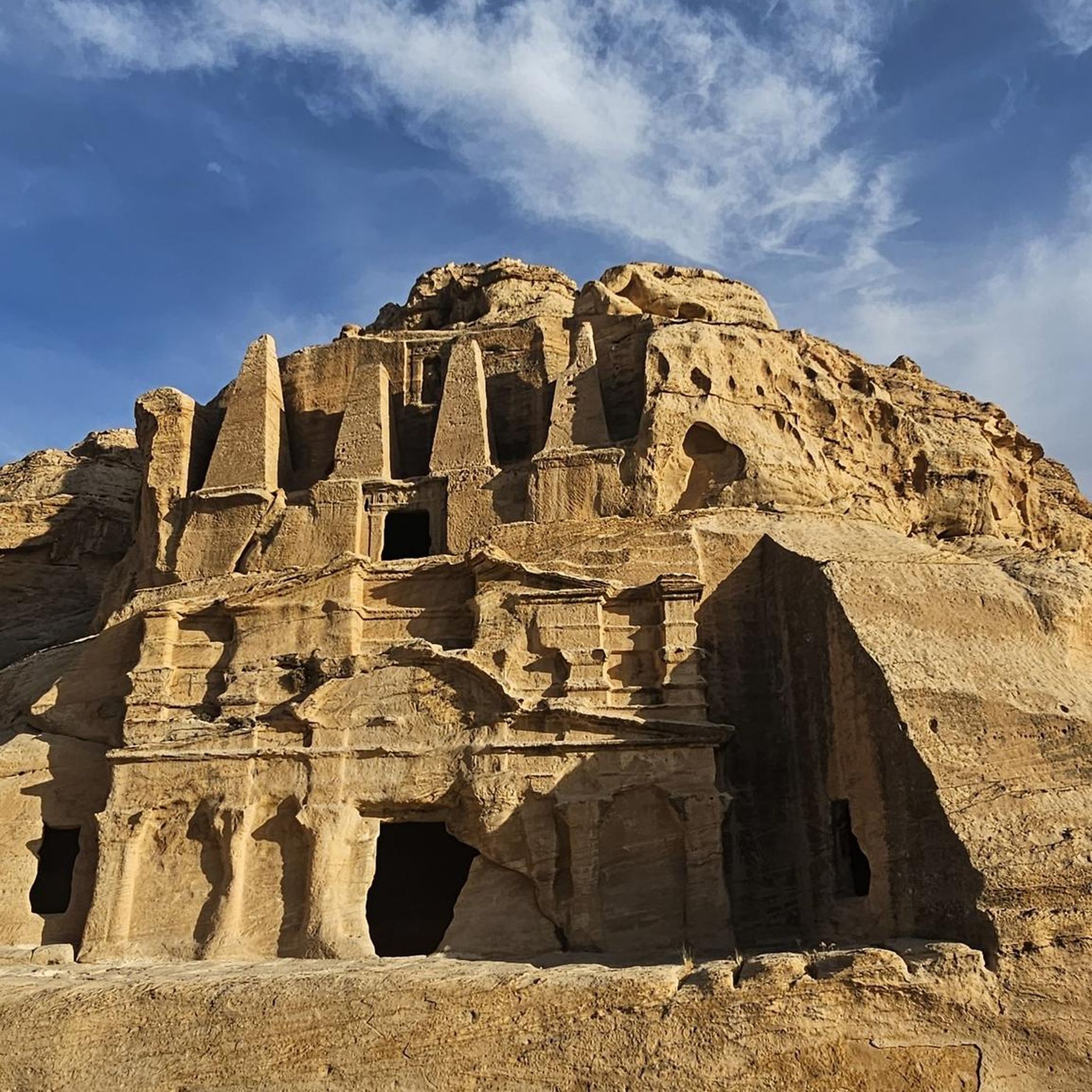
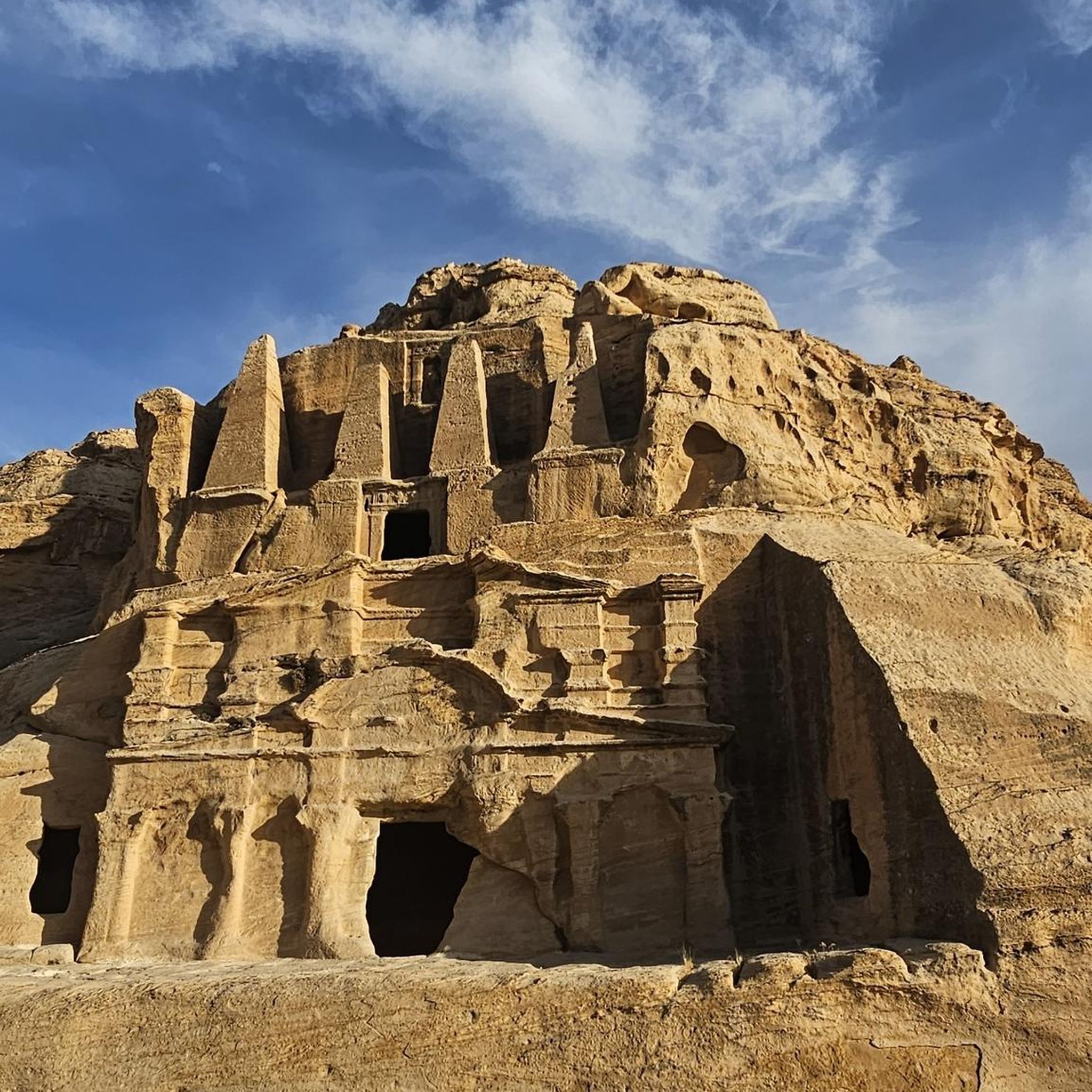
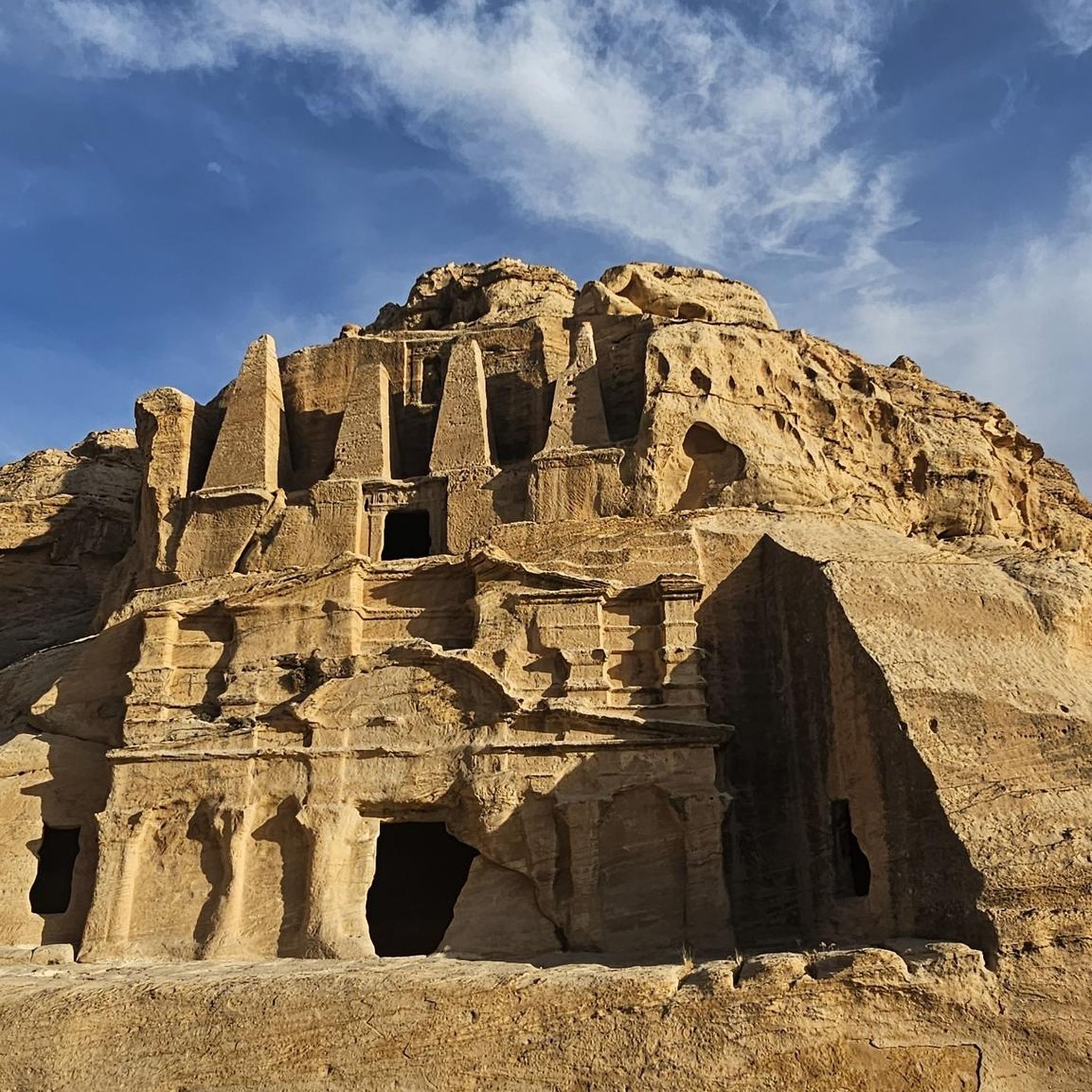
- The most popular caves is Royal Tombs of Petra, a historical site that features impressive royal tombs carved from sandstone by the Nabataeans. The monumental size and decorated facades suggest they were built for important people, possibly kings or queens of Petra.
- Another must-see spot is Little Petra (Siq al-Barid), a historical site also known as 'Siq al-Barid' or 'Cold Gorge'. Visitors can expect to see buildings carved into rocks, likely built during the Nabataean Empire, and it is thought to have been a suburb of the Nabataean capital and a trade base on the Silk Road.
- Visitors also love Tomb of the Roman Soldier, a historical site in Petra. The tomb is freely accessible and well preserved, featuring two rooms carved directly from the rock.
- Jordan is known for ancient dwelling caves, rock-cut historical sites, and natural geological formations. These include sites with Nabataean craftsmanship, religiously significant locations, and unique basalt caves.
- The caves in Jordan are appreciated by the komoot community, with more than 180 upvotes and 40 photos shared across 8 highlights.
Last updated: June 26, 2026
Royal Tombs of Petra
Highlight • Historical Site
Translated by Google •
Tip by

Little Petra (Siq al-Barid)
Highlight • Historical Site
'Little Petra' was probably a suburb of the Nabataean capital and a base for trade on the Silk Road. After the Nabataean Empire fell, the place was used by nomads for many centuries and only in the late 20th century. rediscovered and excavated.
en.wikipedia.org/wiki/Little_Petra
Translated by Google •
Tip by

Sign up now to discover places like this
Get recommendations on the best single tracks, peaks, & plenty of other exciting outdoor places.
Sign up for free
Tomb of the Roman Soldier
Highlight • Historical Site
Translated by Google •
Tip by
Corinthian Tomb
Highlight • Historical Site
The upper part of this tomb resembles the treasury but is badly damaged by erosion. The tomb combines elements of Nabatean and classical architecture.
Source: Flyer available at visitpetra.jo
Translated by Google •
Tip by

Silk Tomb (Petra)
Highlight • Historical Site
This tomb is notable for the different colored layers of rock.
Translated by Google •
Tip by
Urn Tomb, Petra
Highlight • Historical Site
Translated by Google •
Tip by
Early Bronze Age Cave, Bâb edh-Dhrâ', Jordan
Highlight • Cave
Tip by

Qabla Archaeological Site
Highlight • Historical Site
Tip by

Iraq Al-Amir
Highlight • Historical Site
At this location, you will find a mini market. A few kilometers further downtown, there is a coffee shop, a bakery, and a falafel place in the main street. If you want to spend the night, there are also homestays in town.
Tip by
Start today with a free account
Your next adventure awaits.
Login or Signup
Popular around Jordan
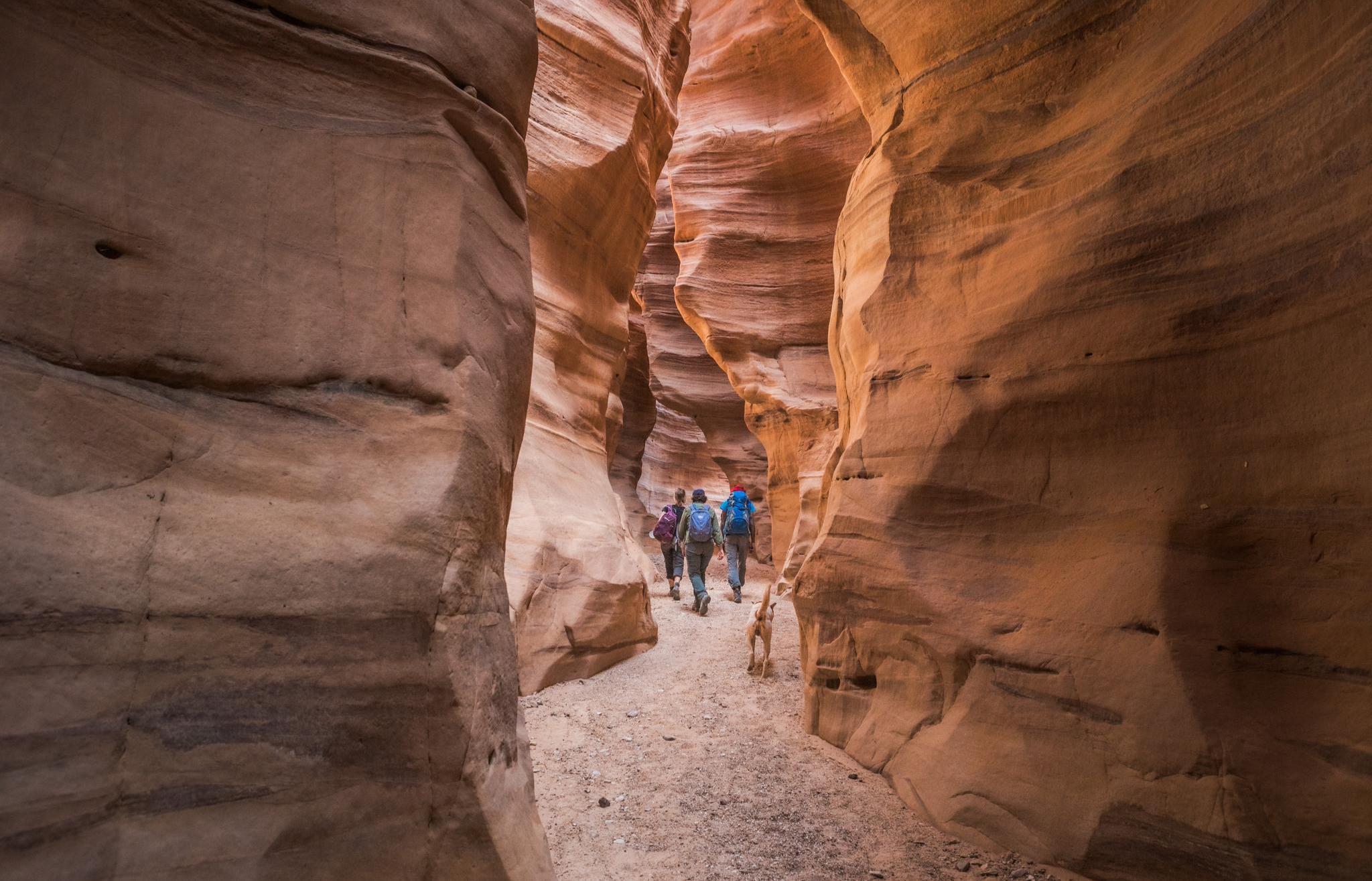
Jordan Trail Region 7 — an immersive 5-day hike from Petra to Wadi Rum
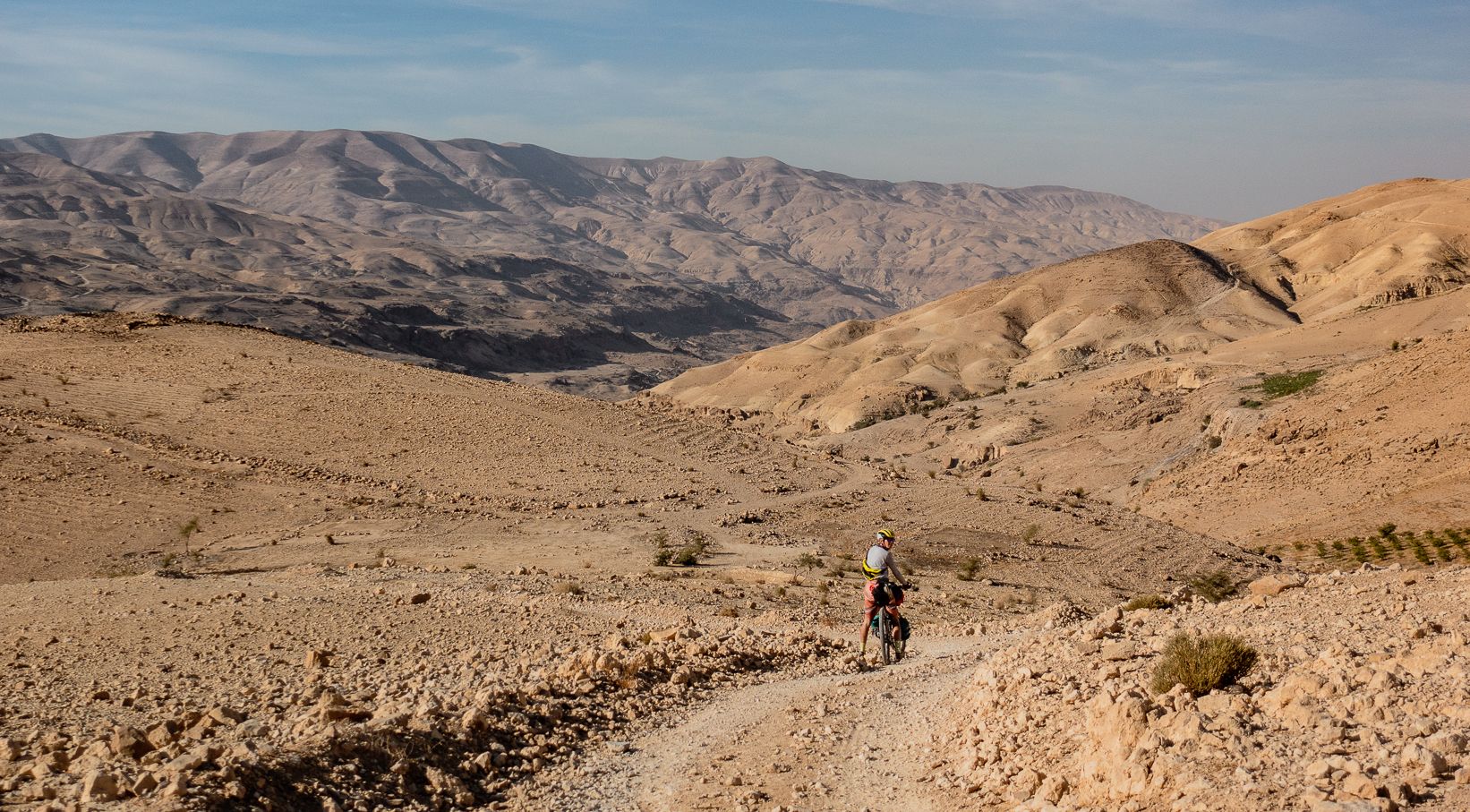
Jordan Trail – Bikepacking across Jordan
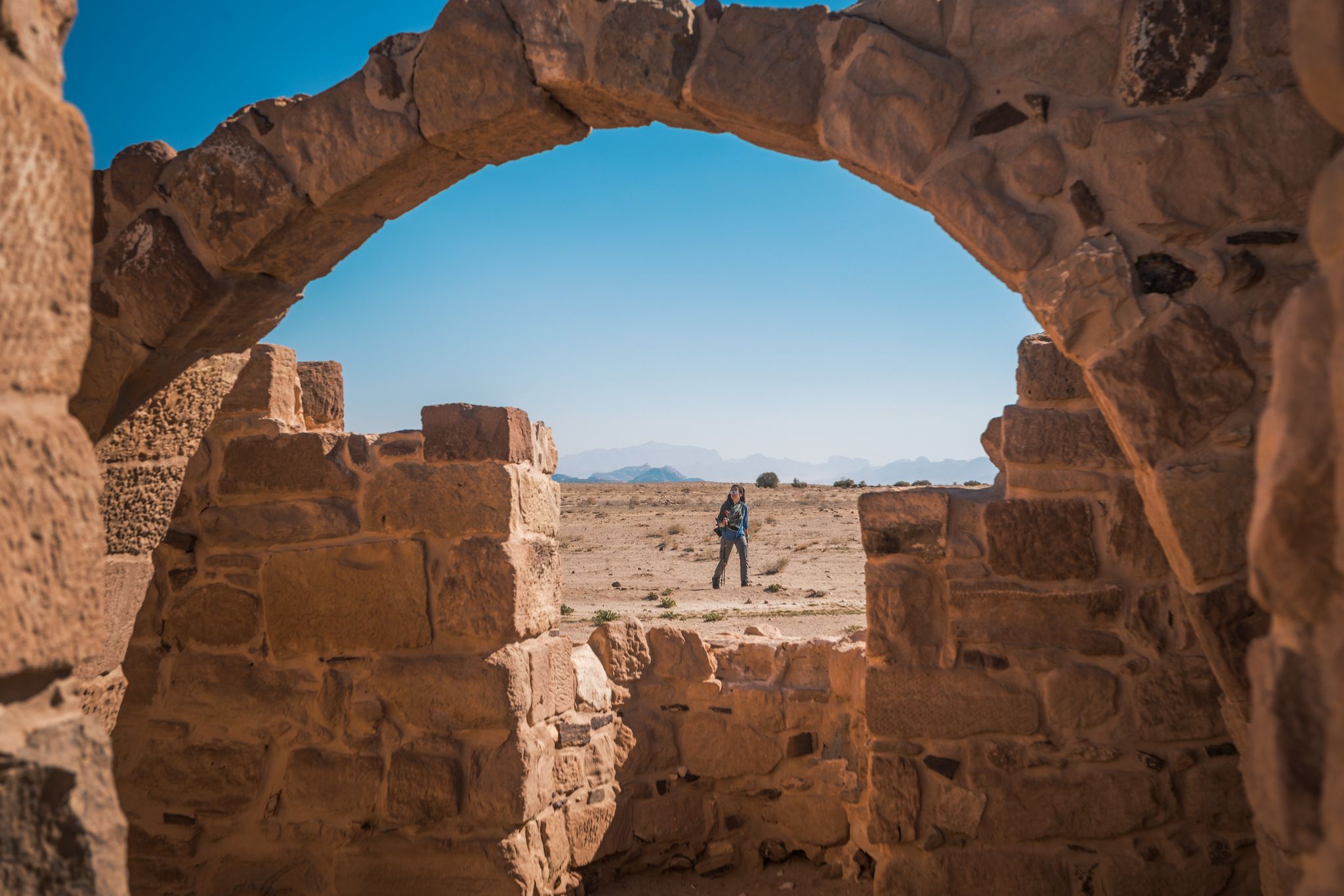
Your adventure on the Jordan Trail – culture, history and the Red Sea
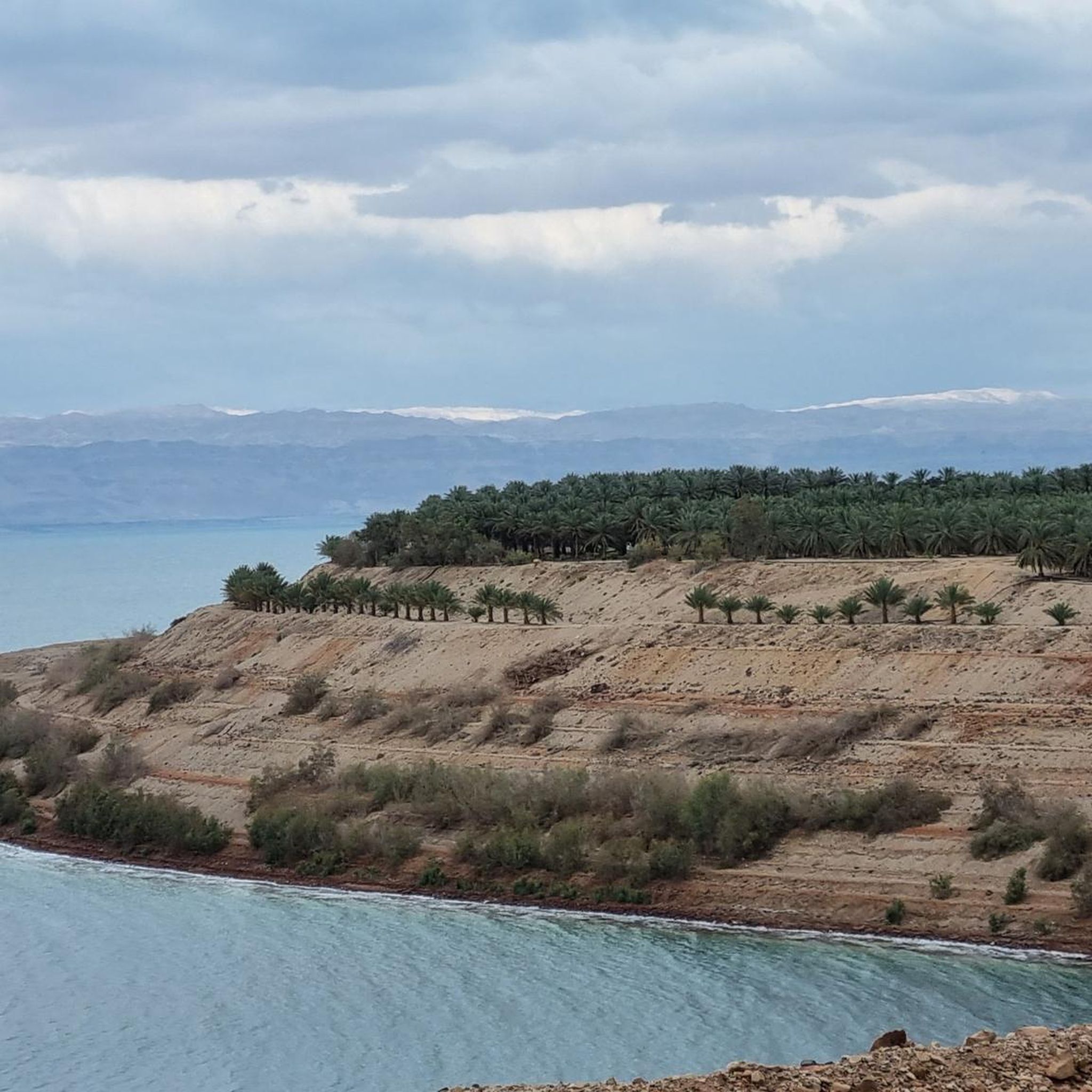
Hiking in Jordan
MTB Trails in Jordan
Road Cycling Routes in Jordan
Running Trails in Jordan
Cycling in Jordan

Gravel biking in Jordan
Other adventures in Jordan


Tips from the Community

the detour to the royal tombs is definitely worth it
0
0

The Jordan Trail passes along the ruins of Qabla, a small archeological site. You can explore the remains of houses and quarries as well as some caves.
2
0
Iraq Al-Amir is famous for its ancient caves and the historic Qasr Al-Abd castle dating back to the 2nd century B.C. The impressive landscape and archaeological sites make the city a popular destination in the region. At this location, you will find a mini market. A few kilometers further downtown, there is a coffee shop, a bakery, and a falafel place in the main street. If you want to spend the night, there are also homestays in town.
1
0

Hike to the High Place of Sacrifice Trail
0
0

Little Petra is really worth the visit. You can take a free shuttle from Petra main entrance (in the bus area) to go there. From there you can also take the trail heading to the monastry.
0
0

It is impressive what earlier civilizations were able to achieve. You should also go inside and marvel at the size and acoustics.
0
0

The 'Painted House' is located on the main street in 'Siq al-Barid'. It is a rock-cut dining room (biclinium) with well-preserved murals. The paintings are evidence of the importance of the Dionysian religious cult of the Nabataeans. https://en.wikipedia.org/wiki/Little_Petra
2
0
The “Temple Above the Cave Rooms” was carved out of the sandstone rock and is probably a temple or a chapel. The two free-standing columns and corner pillars are remarkable. On the “ground floor” there is a “cave dwelling” with three rooms.
1
0
Frequently Asked Questions
What are some of the most historically significant caves in Jordan?
Jordan is rich in historically significant caves. The Iraq al-Amir Caves, near Amman, date back to the Copper Age and feature ancient carvings. Petra's caves, including the Royal Tombs of Petra and Little Petra (Siq al-Barid), showcase elaborate Nabataean rock-cut architecture. The Wadi Rum Caves also contain ancient petroglyphs and inscriptions.
Are there any caves in Jordan with religious significance?
Yes, several caves hold religious importance. The Cave of the Seven Sleepers, just outside Amman, is significant in both Christian and Islamic traditions, associated with a legend of young men who slept there for centuries. Maqamat Cave, near the Dead Sea, is a sacred site for both Islamic and Christian faiths.
Which caves in Jordan are known for their natural beauty or unique geological formations?
The Wadi Rum Caves, located in the 'Valley of the Moon,' are famous for their dramatic sandstone and granite formations. In the Tafila region, you can find unique Tafila Lava Caves, which are geological formations resulting from ancient volcanic activity. The Azraq Caves in eastern Jordan are notable for being made of black basalt.
Can I find family-friendly caves to visit in Jordan?
Many caves in Jordan offer accessible experiences suitable for families. The Iraq al-Amir Caves provide an easy hiking experience with panoramic views. Exploring the broader Petra area, including Little Petra, can also be a fascinating family adventure, though some areas may require more walking.
What kind of rock-cut architecture can I see in Jordan's caves?
Petra is the prime example of rock-cut architecture, where entire structures are carved into sandstone cliffs. This includes the monumental Royal Tombs of Petra, the Urn Tomb, the Corinthian Tomb, and the Tomb of the Roman Soldier. Little Petra also features buildings carved into rocks, serving as ancient dwellings and trade bases.
Are there opportunities for hiking or outdoor activities near Jordan's caves?
Yes, many cave sites in Jordan are integrated into hiking routes or are near areas with outdoor activities. For instance, the Iraq al-Amir Caves offer easy hiking. The dramatic landscapes of Wadi Rum, with its natural caves, are ideal for desert trekking. You can also find various running, MTB, and gravel biking trails across Jordan. For more details on routes, explore the Running Trails in Jordan, MTB Trails in Jordan, and Gravel biking in Jordan guides.
What are the Iraq al-Amir Caves known for?
The Iraq al-Amir Caves are known for their archaeological significance, dating back to the Copper Age. These man-made caves were historically used as stables and dwellings. They also feature a large carved word 'Toviyah' in early Hebrew script and offer panoramic views of the nearby Qasr al-Abd palace ruins. You can find more historical context at Atlas Obscura.
What makes the Petra Caves unique?
The Petra Caves are unique due to their integration into the ancient city of Petra, a UNESCO World Heritage Site. They combine natural rock formations with the extraordinary craftsmanship of the Nabataeans, who carved elaborate facades, tombs, and dwellings directly into the rose-red sandstone cliffs. This includes the iconic Royal Tombs and the structures of Little Petra.
Are there any caves in Jordan that offer panoramic views?
Yes, several cave sites provide stunning panoramic views. The Iraq al-Amir Caves offer views of the surrounding village and the Qasr al-Abd palace ruins. Maqamat Cave, near the Dead Sea, provides expansive views of the Jordan Valley.
What kind of historical artifacts or inscriptions can be found in Jordan's caves?
Jordan's caves offer glimpses into ancient history through various artifacts and inscriptions. The Iraq al-Amir Caves feature early Hebrew script. The Wadi Rum Caves are notable for their ancient petroglyphs and inscriptions, some thousands of years old, left by Bedouins and earlier inhabitants.
What are the Azraq Caves like?
The Azraq Caves are distinctive desert caves located in eastern Jordan. They are unusual because they are made of black basalt, contrasting with the more common sandstone caves in other parts of the country. Historically, these caves provided shelter for traders and Bedouins during their journeys through the stark and beautiful desert landscape.
Are there any hidden gem caves in Jordan that are less commonly visited?
While many of Jordan's caves are well-known, some offer a more secluded experience. The Ajloun Caves, nestled within the Ajloun Forest Reserve, provide a natural escape for those seeking a quieter exploration. The Tafila Lava Caves also represent a unique geological 'hidden gem' due to their volcanic origins.
Most popular routes in Jordan
Most popular attractions in Jordan

Get inspired with the komoot mobile app


Didn’t find what you were looking for?
Discover more caves in Jordan region by region:
Explore more
Extend your search for the best caves by checking out these guides of the top ones in Jordan:
