Top 9 Lakes in Jordan
Best lakes in Jordan are found in a country known for its arid landscapes, yet it features several unique and significant water bodies. These include internationally renowned salt lakes, vital reservoirs, and important wetland areas. Jordan's diverse aquatic features offer distinct natural beauty and experiences for visitors.
Best lakes in Jordan
- The most popular lakes is Dead Sea, Sweimeh – Jordan, a lake that is approximately 420 meters below sea level, making it the lowest point on Earth. Its exceptionally high salt content allows bathers to float effortlessly.
- Another must-see spot is King Talal Dam and Reservoir, a man-made lake. This dam impounds the Nahr ez-Zarqa river and is used for irrigation, regional water supply, and electricity generation.
- Visitors also love Dead Sea Beach with Mud Bath and Freshwater Showers, a beach with facilities for bathing. The extremely salty water is known for its therapeutic properties, and visitors can enjoy mud baths.
- Jordan is known for its unique salt lakes, artificial reservoirs, and significant wetland areas. These bodies of water range from the hypersaline Dead Sea to the functional King Talal Dam.
- The lakes in Jordan are appreciated by the komoot community, with 1 upvote and 5 photos shared across 8 highlights.
Last updated: June 26, 2026
Dead Sea, Sweimeh – Jordan
Highlight • Lake
Translated by Google •
Tip by

Dead Sea Beach with Mud Bath and Freshwater Showers
Highlight • Beach
Translated by Google •
Tip by

Sign up now to discover places like this
Get recommendations on the best single tracks, peaks, & plenty of other exciting outdoor places.
Sign up for free
Dead Sea, Jordan
Highlight • Lake
Translated by Google •
Tip by

King Talal Dam and Reservoir
Highlight • Lake
Tip by

Red Sea and southern terminus of the Jordan Trail
Highlight • Beach
Tip by
Nice place to visit the Dead Sea
Highlight • Lake
Translated by Google •
Tip by

View of Wadi al-Arab Reservoir
Highlight • Viewpoint
Tip by
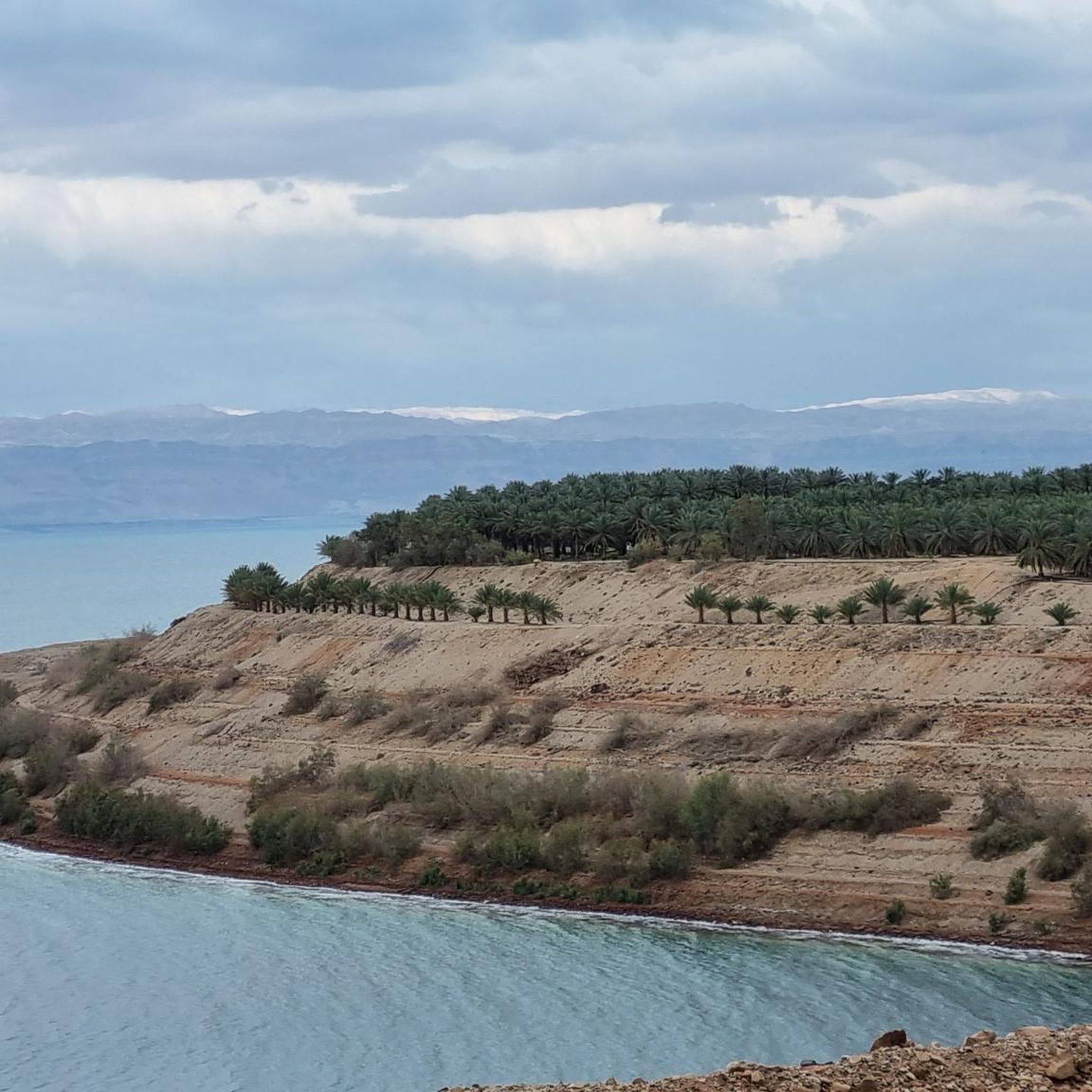
View of the Dead Sea
Highlight • Viewpoint
The Dead Sea is rapidly retreating. The area is now 605 sq km, in 1930 it was 1,050 sq km.
en.wikipedia.org/wiki/Dead_Sea
Translated by Google •
Tip by

View of Wadi Mujib and Mujib Dam
Highlight (Segment) • Viewpoint
Translated by Google •
Tip by

Viewpoint and Parking Area at the Dead Sea
Highlight • Viewpoint
Translated by Google •
Tip by

Start today with a free account
Your next adventure awaits.
Login or Signup
Popular around Jordan
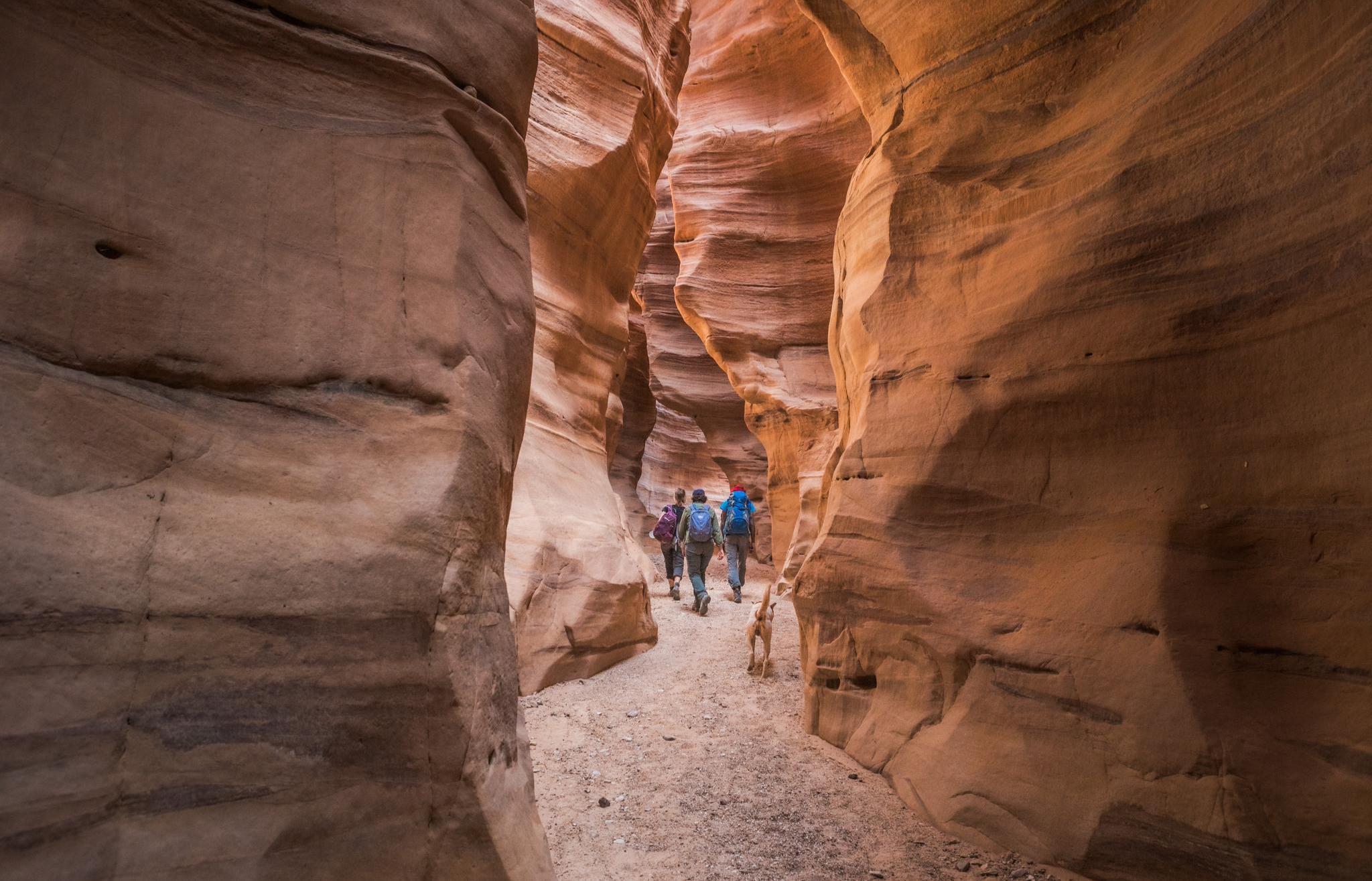
Jordan Trail Region 7 — an immersive 5-day hike from Petra to Wadi Rum
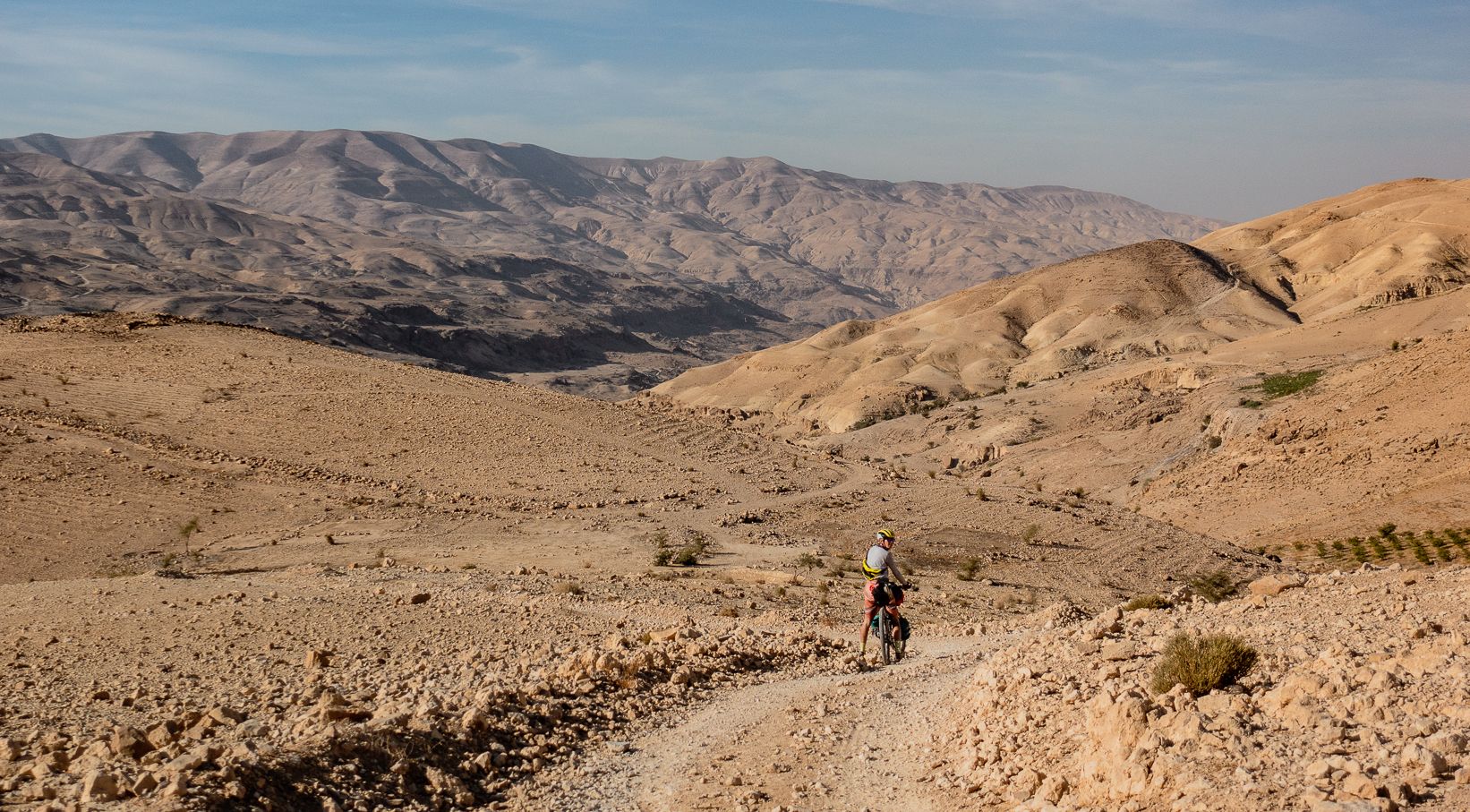
Jordan Trail – Bikepacking across Jordan
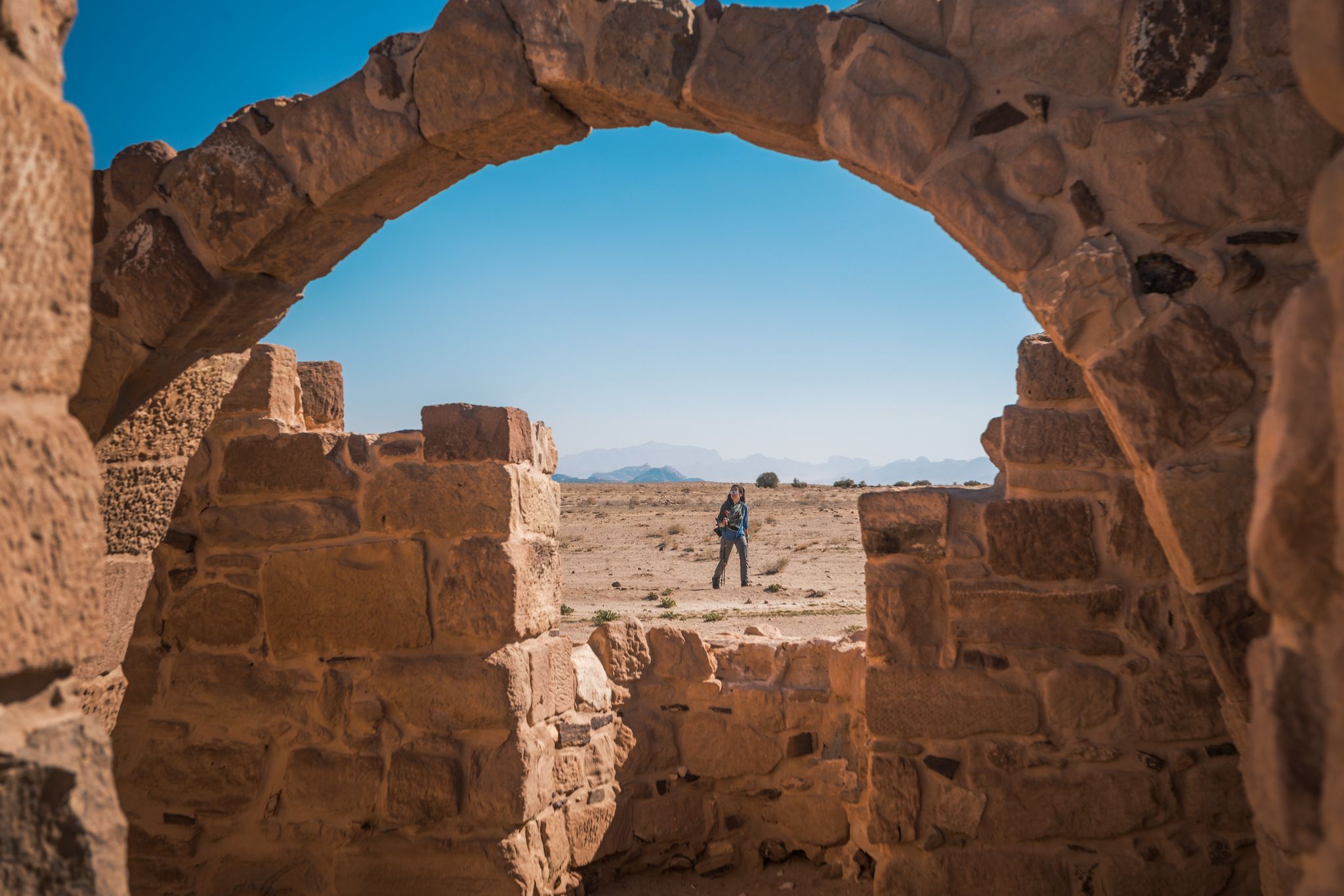
Your adventure on the Jordan Trail – culture, history and the Red Sea
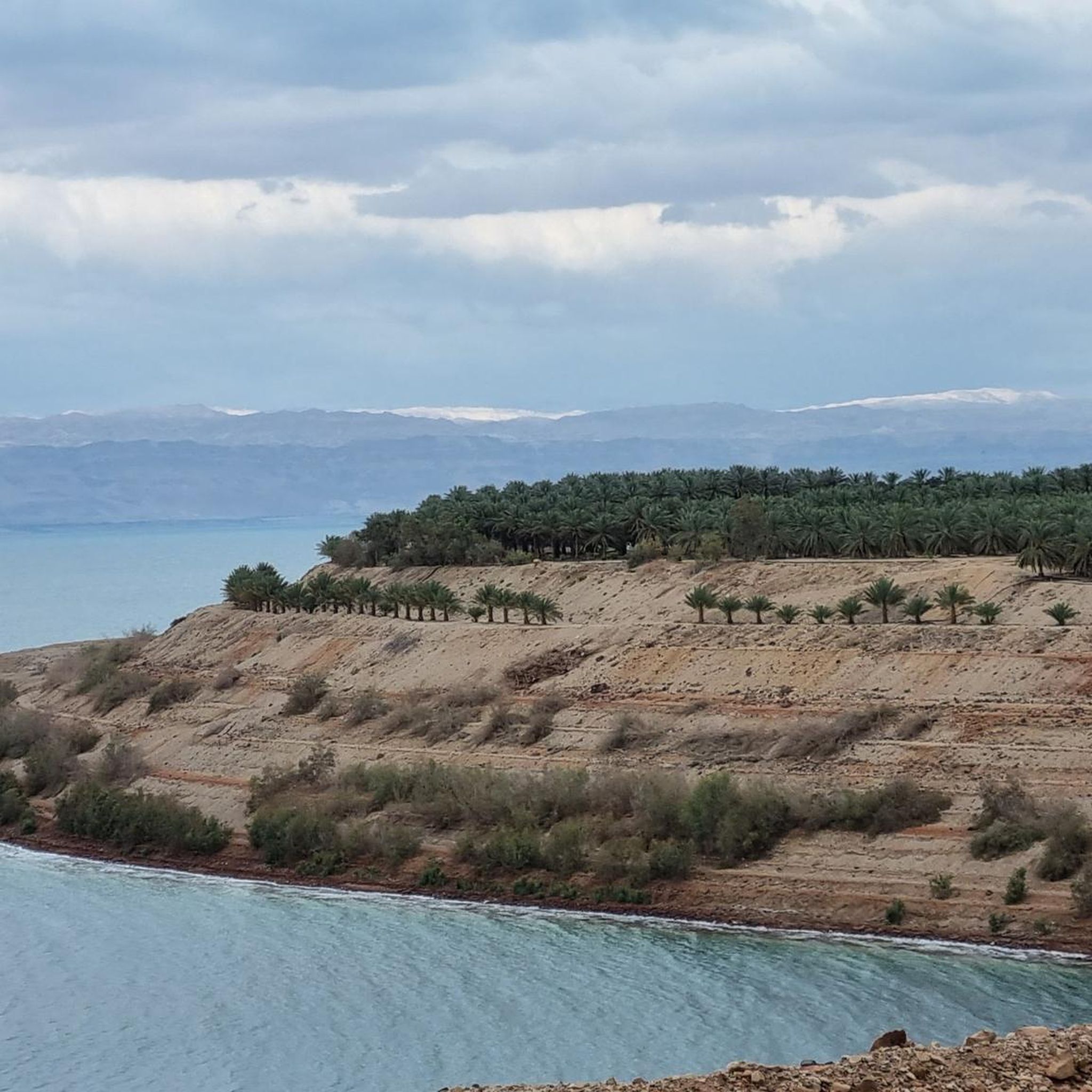
Hiking in Jordan
MTB Trails in Jordan
Road Cycling Routes in Jordan
Running Trails in Jordan
Cycling in Jordan

Gravel biking in Jordan
Other adventures in Jordan


Tips from the Community

The salinity is 34%. There are no fish in the water, hence the name Dead Sea.
0
0
The Dead Sea Spa Resort was the first hotel built on the Dead Sea in Jordan. It is located at the lowest point on Earth, approximately 420 meters below sea level. In recent years, the water level has been steadily declining. The Dead Sea is an endorheic salt lake on the border between Jordan, Israel, and the West Bank, known as the lowest point on Earth on land. Its extremely high salt content allows bathers to float weightlessly on the water. The salinity is 34%, which is why no fish can live there. The water contains not only sodium chloride but is also rich in various minerals such as magnesium, potassium, and iron, which are known for their healing effects on the skin and musculoskeletal system.
0
0

The King Talal Dam, named after King Talal who ruled Jordan between 1951 and 1952, was constructed from 1971 to 1977. It dams the river Nahr ez-Zarqa and is used not only for irrigation and the region's water supply, but also to provide electricity.
1
0
From the Jordan Trail, you will enjoy a great view over the Wadi al-Arab Reservoir. This water treatment plant was constructed in 2020 to provide northern Jordan with potable water in a very dry and challenging environment. The water is taken from the King Abdullah Canal and treated with multiple stages of conventional methods of disinfection along with UV-light.
2
0
Here, on the beautiful Red Sea, the adventure ends on the 650-kilometer Jordan Trail. How about a well-deserved dip in the water? There are plenty of restaurants in the area to celebrate your success, as well as a good selection of accommodation.
2
0

Jordan is characterized by a culture, way of life and experiences that are thousands of years old. Changing landscapes with a wide range of climatic conditions, with a difference in altitude of around 2000m between the lowest point around 400m below sea level and the mountain peaks, situations that constantly challenge everyone to find something new.
0
0

We came from the direction of Madaba and were on our way to Karak. Crossing Wadi Mujib was really one of our highlights! The view is incredibly beautiful and easy to drive. The climb was, contrary to expectations, easy - challenging but still absolutely doable and so we really enjoyed it.
0
0
Frequently Asked Questions
What makes Jordan's water bodies unique?
Jordan is home to diverse and unique water bodies, including the hypersaline Dead Sea, significant reservoirs like the King Talal Dam and Reservoir, and vital wetland areas such as the Azraq Wetland Reserve. The country also features remarkable water-filled canyons known as wadis, offering distinct natural beauty and experiences.
Can I float in the Dead Sea?
Yes, the Dead Sea is famous for its exceptionally high salt content (34%), which allows visitors to float effortlessly on its dense waters. It's also rich in minerals known for therapeutic properties. You can experience this at locations like Dead Sea, Sweimeh – Jordan, where resorts offer access to private beaches and mud baths.
Are there family-friendly activities around Jordan's lakes?
Yes, several areas offer family-friendly activities. The Dead Sea, for instance, provides a unique floating experience that children often enjoy, with facilities like Dead Sea Beach with Mud Bath and Freshwater Showers. The Azraq Wetland Reserve is also suitable for families, offering easy walking trails and birdwatching opportunities.
What is the Pink Lake near the Dead Sea?
The Pink Lake is a less-known but visually striking attraction near the southern end of the Dead Sea. It consists of several ponds that display vibrant shades of pink, depending on the season and time of day. It offers fantastic photo opportunities due to its unusual coloration and can be combined with a visit to the nearby Salt Beach.
What kind of views can I expect around the Dead Sea?
The Dead Sea offers impressive and unique views. You can find viewpoints like View of the Dead Sea Coastline and View of the Dead Sea, showcasing the bizarre, towering rocks on one side and the vast, calm waters on the other. These spots also reveal the visible retreat of the waterline over recent years.
Are there any significant man-made lakes in Jordan?
Yes, the King Talal Dam and Reservoir is a significant man-made water body. Constructed between 1971 and 1977, it impounds the Nahr ez-Zarqa river and serves crucial functions for irrigation, regional water supply, and electricity generation, offering scenic views.
Where can I go birdwatching in Jordan?
The Azraq Wetland Reserve, located in Jordan's Eastern Desert, is an internationally significant wetland and a critical stopover point for over 350 species of migratory birds. It's an excellent destination for birdwatching, particularly between December and March, and also supports diverse plant and animal species.
What are wadis, and can I hike in them?
Wadis are water-filled canyons in Jordan that feature natural pools and waterfalls. They offer exhilarating water hikes and canyoning experiences. Notable wadis include Wadi Mujib, known as the 'Grand Canyon of Jordan,' Wadi Hidan with its natural pools, and Wadi Himara, which boasts Jordan's tallest waterfall.
What outdoor activities are available near Jordan's lakes?
Beyond visiting the lakes themselves, you can find various outdoor activities. For instance, there are numerous gravel biking routes in Jordan, some of which are near water bodies. You can explore options like the 'Ein Moda Natural Spring – Basalt Canyon Waterfall loop' or the 'Kantara Bridge and Waterfall – Ein Shokek Spring loop'. Find more details on Gravel biking in Jordan.
Are there hiking trails near the lakes?
Yes, there are several hiking opportunities. Near the Dead Sea, you can find waterfall hikes such as the 'Ein Gedi Nature Reserve – Ein Gedi Waterfall loop'. For more hiking options, including those near other water features, refer to the Waterfall hikes in Jordan guide.
Is Lake Tiberias (Sea of Galilee) accessible from Jordan?
While primarily associated with Israel, the northern part of Jordan borders Lake Tiberias, also known as the Sea of Galilee. For those in northern Jordan, it offers picturesque views and a calm natural environment, exuding a sense of peace and tranquility.
What is the best time to visit the Azraq Wetland Reserve for birdwatching?
The best time to visit the Azraq Wetland Reserve for birdwatching is typically between December and March, as it serves as a critical stopover point for over 350 species of migratory birds during these months.
Most popular routes in Jordan
Most popular attractions in Jordan

Get inspired with the komoot mobile app


Explore more
Still not found your perfect lake in Jordan? Check out the guides of these regions to see even more beautiful places.
