Top 14 Castles in Jordan
Castles in Jordan offer a journey through diverse historical periods, from ancient Crusader strongholds to Umayyad desert retreats. The country's varied landscape, encompassing arid deserts, fertile valleys, and strategic hilltops, provided ideal locations for these fortifications. These structures reflect centuries of military architecture and cultural exchange. Exploring them provides insight into the region's rich past and its strategic importance.
Best castles in Jordan
- The most popular castles is Kerak Castle, a castle that is a well-known example of Crusader architecture, blending European, Byzantine, and Arabic styles. It contains an archaeological museum and was largely restored in 2008.
- Another must-see spot is Ajloun Castle, a Muslim castle in northwest Jordan, built in the 12th century by the Ayyubids. Its hilltop location provides panoramic views of the surrounding olive groves and the Jordan Valley.
- Visitors also love Qasr Amra (UNESCO World Heritage Site), an 8th-century Umayyad "pleasure palace" known for its beautifully preserved frescoes. Its vibrant murals offer insight into early Islamic art and culture.
- Jordan is known for its Crusader castles, Umayyad desert castles, and Roman fortifications. Visitors can explore a variety of historical sites, from military fortresses to elaborate desert retreats.
- The castles in Jordan are appreciated by the komoot community, with 9 upvotes and 40 photos shared by visitors.
Last updated: June 26, 2026
Kerak Castle
Highlight • Castle
Translated by Google •
Tip by

Shobak Castle (Krak de Montreal)
Highlight • Castle
nabataea.net/explore/cities_and_sites/shoubak-castle
Translated by Google •
Tip by

Sign up now to discover places like this
Get recommendations on the best single tracks, peaks, & plenty of other exciting outdoor places.
Sign up for free
Crusader Stables, Kerak Castle
Highlight • Castle
Translated by Google •
Tip by
Qasr Amra (UNESCO World Heritage Site)
Highlight • Historical Site
It has 3 bathrooms, a cold, a warm and a steam bath. The well is over 20m deep. There is something mystical about these desert castles
Translated by Google •
Tip by

Outer Walls of Kerak Castle
Highlight • Castle
Translated by Google •
Tip by
Ajloun Castle Defensive Structures
Highlight • Castle
Tip by

Ajloun Castle
Highlight • Castle
More information at: archiqoo.com/locations/ajlun_castle.php
Translated by Google •
Tip by
Crusaders' Vault at Kerak Castle
Highlight • Castle
Tip by

Iraq Al-Amir
Highlight • Historical Site
At this location, you will find a mini market. A few kilometers further downtown, there is a coffee shop, a bakery, and a falafel place in the main street. If you want to spend the night, there are also homestays in town.
Tip by
Azraq Castle
Highlight • Castle
Translated by Google •
Tip by
Sign up for free to discover even more castles in Jordan.
Sign up for free
Already have an account?
Start today with a free account
Your next adventure awaits.
Login or Signup
Popular around Jordan
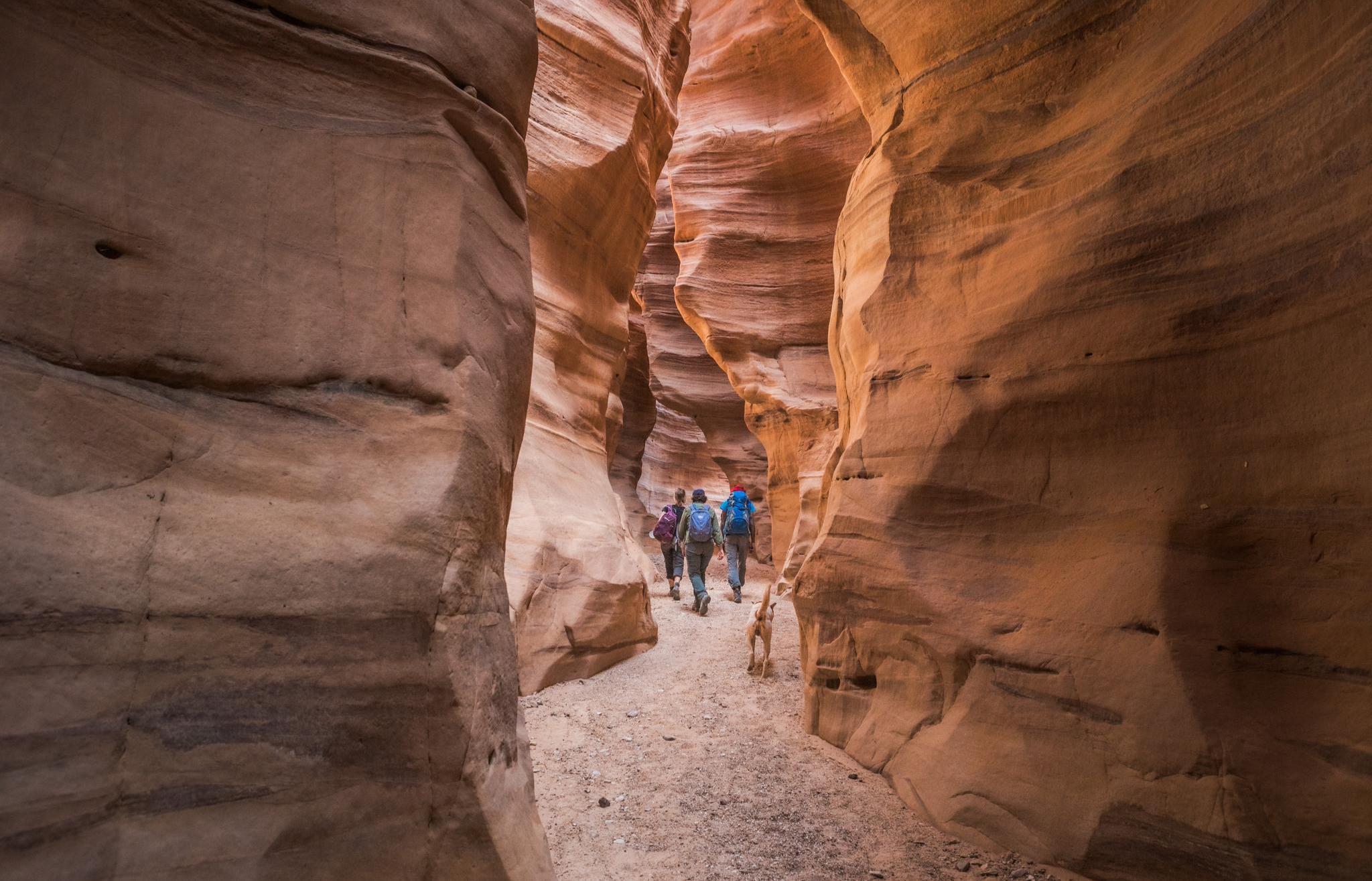
Jordan Trail Region 7 — an immersive 5-day hike from Petra to Wadi Rum
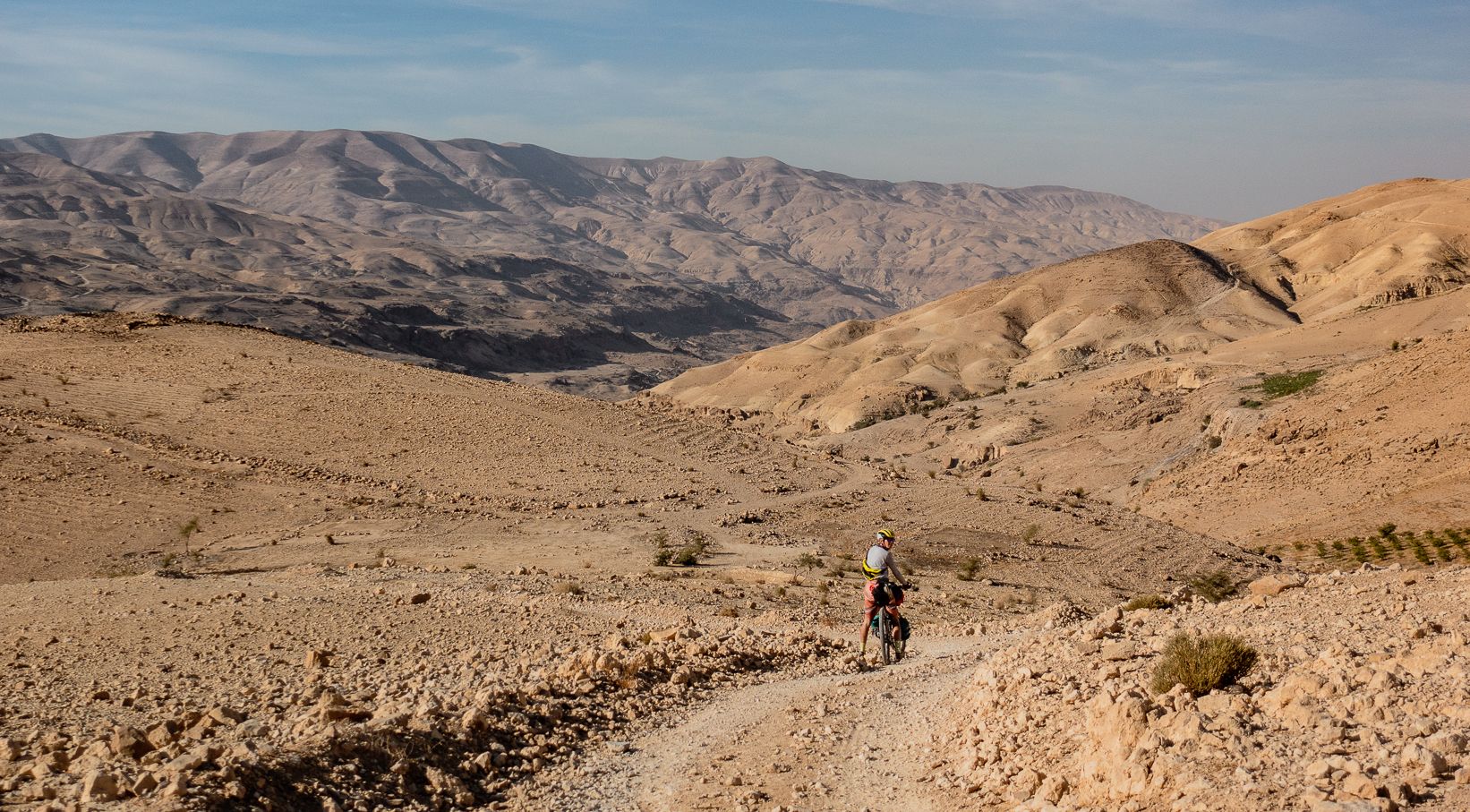
Jordan Trail – Bikepacking across Jordan
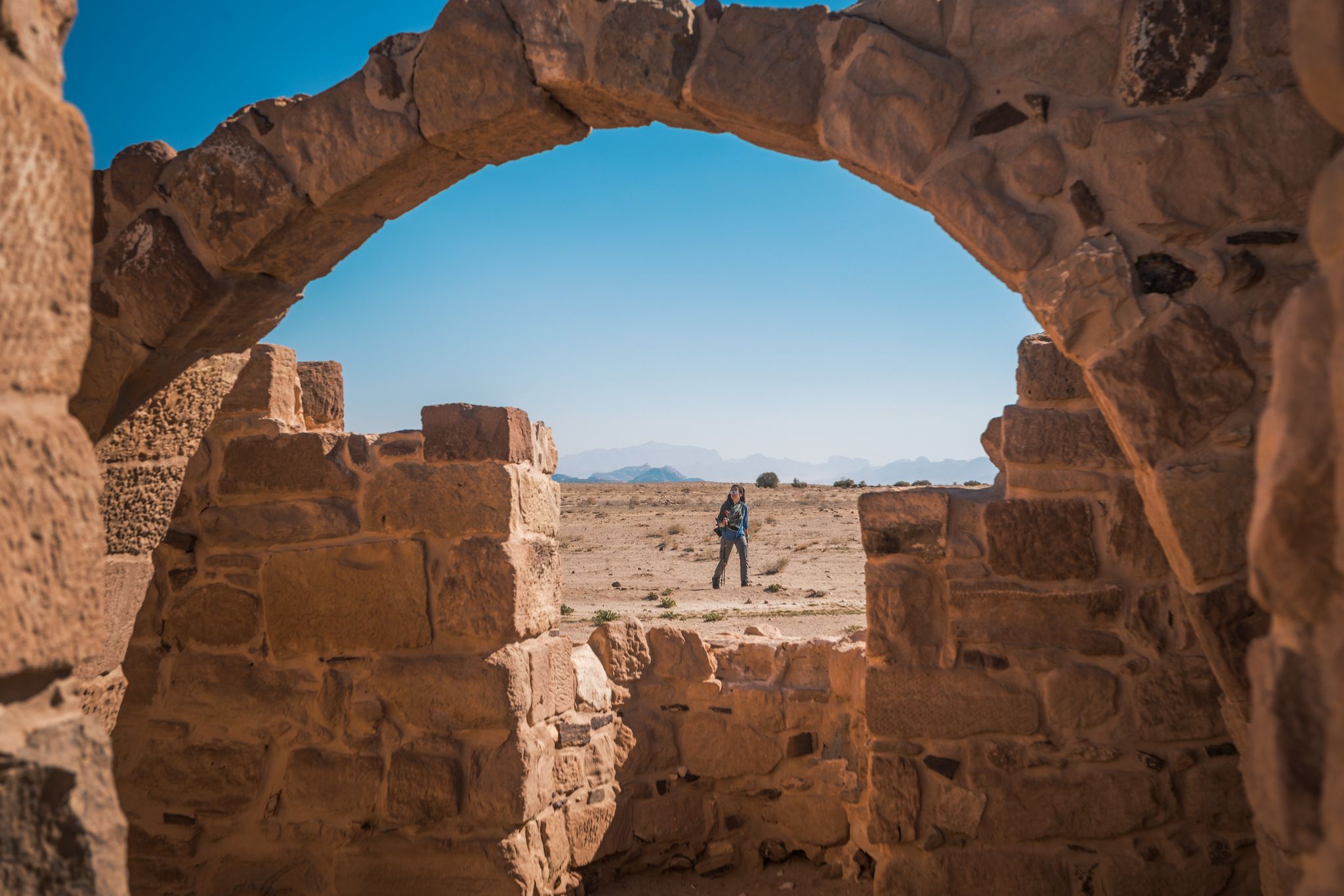
Your adventure on the Jordan Trail – culture, history and the Red Sea
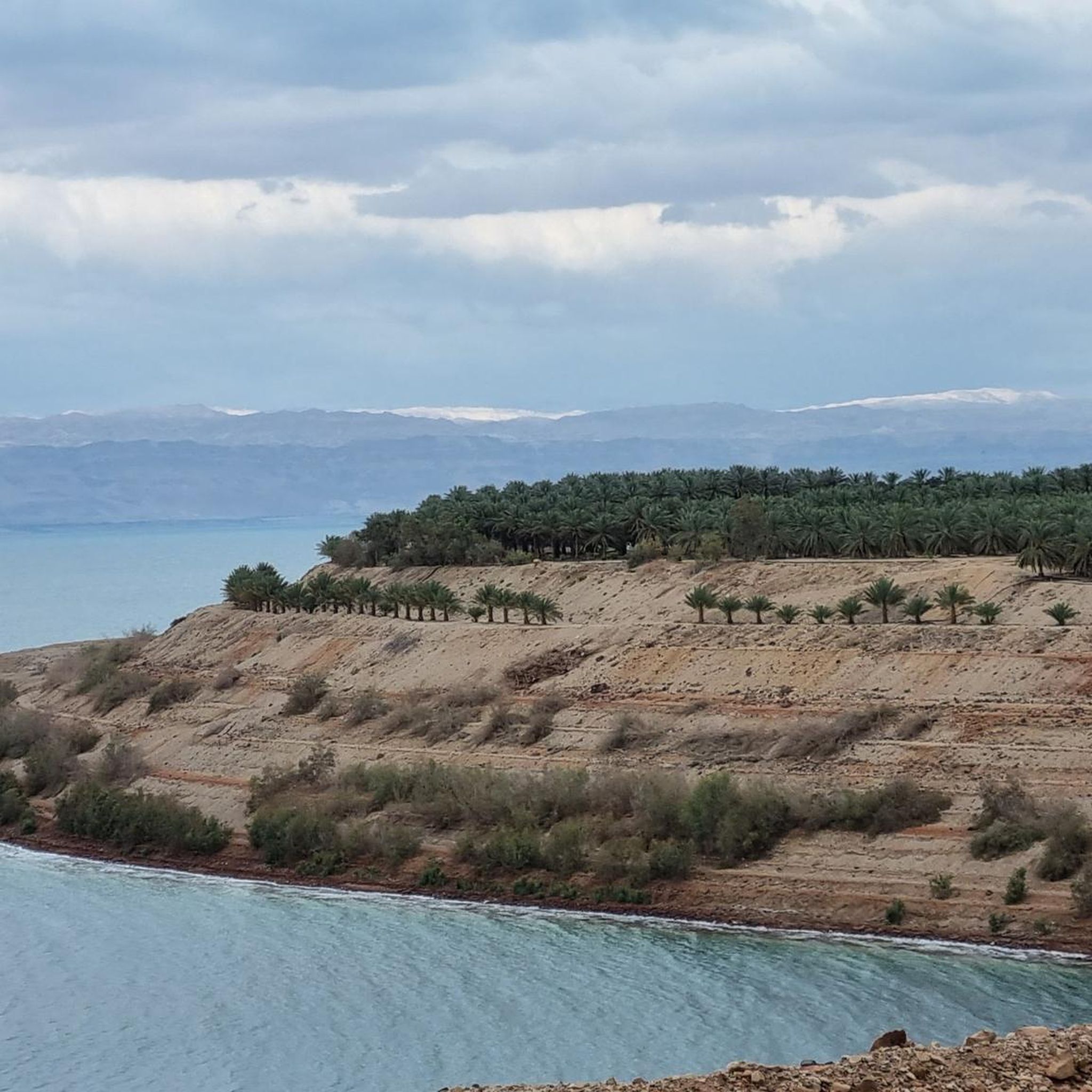
Hiking in Jordan
MTB Trails in Jordan
Road Cycling Routes in Jordan
Running Trails in Jordan
Cycling in Jordan

Gravel biking in Jordan
Other adventures in Jordan


Tips from the Community

The large hall, known as the crusaders vault, was used as living quarters for the soldiers during the Mamluk period (1250 to 1517). Today, it is used as a museum.
1
0
Iraq Al-Amir is famous for its ancient caves and the historic Qasr Al-Abd castle dating back to the 2nd century B.C. The impressive landscape and archaeological sites make the city a popular destination in the region. At this location, you will find a mini market. A few kilometers further downtown, there is a coffee shop, a bakery, and a falafel place in the main street. If you want to spend the night, there are also homestays in town.
1
0

Montreal, also Mons Regalis, Castrum Saboach, Arabic قلعة الشوبك, DMG qalʿat aš-Šawbak, is a former Crusader castle in “Idumaea” (Edom) southeast of the Dead Sea in what is now Jordan. https://de.wikipedia.org/wiki/Montreal_(Crusaders' Castle)
0
0
Qusair 'Amra consists of a throne room and a Roman-style bath. The rooms are quite small for a palace and suggest only short stays. What is special about the Qusair 'Amra, however, is the rich wall painting, some of which is still there even after 1,300 years, but has suffered greatly in recent decades due to vandalism and improper treatment. However, when discovered by Alois Musil, an Austro-Hungarian orientalist, in 1898, copies of the wall paintings were made and thus preserved for posterity, albeit in a poor manner. During renovation work in 2012, a Kufic inscription was discovered above a window that names al-Walid ibn Yazid without the title of caliph. It is therefore assumed that he had the castle built as a prince during the reign of his uncle Hisham (724–743). https://de.wikipedia.org/wiki/Qusair_%CA%BFAmra
0
0
Qusair ʿAmra (Arabic قصير عمرة, DMG Quṣair ʿAmra 'Small Palace of ʿAmra') is one of the desert castles and is a type of hunting lodge, around 70 kilometers east of Amman in the Jordanian desert, from the early eighth century, probably built by the Umayyad prince al-Walid ibn Yazid, the later Caliph al-Walid II. The word Qasr (Arabic القصر, DMG al-qaṣr), which these buildings often have in their names, means “castle, fortress”. Qusair 'Amra has been a UNESCO World Heritage Site since 1985. https://de.wikipedia.org/wiki/Qusair_%CA%BFAmra
0
0

The crusader castle 'Shobak Castle' was built in 1115 by Baldwin I, King of Jerusalem, and was originally called 'Krak de Montreal'. The castle was attacked several times by Sultan Saladin's troops and was captured by them in 1189 after a two-year siege. The Mamluks restored the castle in the 14th century. https://nabataea.net/explore/cities_and_sites/shoubak-castle/
2
0
Kerak Castle is a large wedge-shaped building complex. The two main construction phases took place under the rule of the Crusaders (12th century AD) and the Mamluks (13th-16th centuries AD). The masonry of the Crusader period consists of dark rock material from the surrounding area. The Ayyubid-Mamluk builders used a grayish-yellowish limestone from a distant quarry, which was cut into rectangular blocks.
1
0
The Crusader castle ‘Kerak Castle‘, formerly called ‘Crac des Moabites‘, was built in 1142 AD by Pagan the Butler, Lord of Oultrejordain and Fulk the Younger, King of Jerusalem. The castle, one of the largest Crusader castles in the Levant, controlled the trade routes from Damascus to Egypt and Mecca east of the Dead Sea. Kerak Castle was besieged several times before falling into the hands of Saladin in 1187 AD. From 1264 onwards it was fundamentally renovated and expanded with stronger fortifications. https://archiqoo.com/locations/kerak_castle.php https://en.wikipedia.org/wiki/Kerak_Castle The Lordship of Oultrejordain (Old French for "beyond the Jordan") was the name given to a vast area east of the Jordan during the Crusades. https://en.wikipedia.org/wiki/Oultrejordain
1
1
Frequently Asked Questions
What types of castles can I explore in Jordan?
Jordan's castles offer a journey through diverse historical periods. You can explore formidable Crusader strongholds like Karak Castle and Shobak Castle, elegant Umayyad desert retreats such as Qasr Amra and Qasr Kharana, and structures with Roman origins like Qasr Azraq.
Which castles are best for history buffs interested in the Crusades?
For those interested in Crusader history, Karak Castle is a must-visit. It's a massive medieval fortress with a rich history of battles between Crusader and Islamic armies. Shobak Castle, one of Jordan's oldest Crusader fortresses, also offers a deep dive into this era with its well-preserved defensive structures.
Are there any castles that showcase early Islamic art and architecture?
Yes, Qasr Amra, a UNESCO World Heritage site, is renowned for its beautifully preserved frescoes depicting diverse scenes from daily life, nature, and hunting, offering exceptional insight into early Islamic art. Qasr Kharana is another excellent example, showcasing early Islamic architecture with Roman and Sassanid influences.
Which castle is known for its connection to Lawrence of Arabia?
Qasr Azraq holds significant historical importance, famously serving as an operating base for T.E. Lawrence (Lawrence of Arabia) during the Arab Revolt in 1917–18. Its unique construction from local black basalt and strategic location near the Azraq Oasis make it a fascinating visit.
Which castles offer the best panoramic views?
Karak Castle provides breathtaking panoramic views of the surrounding valleys, and on clear days, you can even see the Dead Sea. Ajloun Castle, perched on a hilltop, offers stunning views of olive groves, rolling hills, and the Jordan Valley, with parts of Syria, Palestine, and Israel visible on clear days. Shobak Castle also boasts impressive views of the vast Jordanian desert.
Are there family-friendly castles to visit in Jordan?
Many of Jordan's castles can be family-friendly, offering open spaces for exploration and a chance to learn about history. Ajloun Castle, with its accessible hilltop location and impressive views, is often a good choice. Karak Castle, with its extensive ruins and underground passages, can also be an exciting adventure for older children, though some areas might be dark or uneven.
What is the best time of year to visit castles in Jordan?
The best time to visit castles in Jordan is during the spring (March to May) and autumn (September to November). During these seasons, the weather is mild and pleasant, making it ideal for exploring outdoor sites. Summers can be very hot, especially in desert areas, while winters can be cool and sometimes rainy.
What should I wear when visiting castles in Jordan?
When visiting castles in Jordan, it's advisable to wear comfortable walking shoes as you'll likely be exploring uneven terrain, stairs, and extensive grounds. Light, breathable clothing is recommended, especially during warmer months. While there's no strict dress code for tourists at these sites, modest attire is always appreciated out of respect for local culture.
Are there guided tours available for Jordan's desert castles?
Yes, guided tours are commonly available for Jordan's desert castles, often combining several sites like Qasr Amra, Qasr Kharana, and Qasr Azraq into a single itinerary. These tours provide valuable historical context and logistical support, especially for sites that are more remote.
How can I visit Jordan's castles without a car?
Visiting some castles without a car can be challenging due to their remote locations. However, organized tours from major cities like Amman are a popular option for reaching sites like the desert castles or even Karak Castle and Ajloun Castle. Taxis can also be hired for day trips, or you can use local buses to reach nearby towns and then arrange local transport to the castles.
What outdoor activities can I do near Jordan's castles?
While the castles themselves are historical sites, the surrounding regions offer various outdoor activities. You can find excellent waterfall hikes, explore MTB trails, or enjoy cycling routes throughout Jordan. For example, the area around Ajloun Castle is known for its picturesque olive groves and rolling hills, suitable for gentle walks.
How does <a href="https://www.komoot.com/highlight/3176484" target="_blank" rel="noopener">Karak Castle</a> compare to <a href="https://www.komoot.com/highlight/5616401" target="_blank" rel="noopener">Ajloun Castle</a>?
Karak Castle is a massive Crusader stronghold, known for its dark, maze-like passages and strategic importance in medieval battles. It offers a deep dive into military architecture. Ajloun Castle, built by the Ayyubids, is smaller but equally impressive, strategically positioned to defend against Crusaders and control trade routes. It's set amidst lush olive groves, offering stunning green landscapes compared to Karak's more arid surroundings. Both provide excellent historical insights and panoramic views.
Are there any less crowded or 'hidden gem' castles worth visiting?
Shobak Castle, also known as Montreal Castle, is often considered a more peaceful and less crowded experience compared to Karak Castle. Its remote location in the desert and unique features like an underground tunnel to a water spring make it a fascinating 'hidden gem' for those willing to venture further. Qasr Kharana, with its mysterious purpose and striking facade, also offers a unique and less frequented experience among the desert castles.
Most popular routes in Jordan
Most popular attractions in Jordan

Get inspired with the komoot mobile app


Explore more
Looking for the best castles somewhere else? Discover other guides in Jordan:
