The 12 Most Amazing Peaks in Vietnam
Best mountain peaks in Vietnam offer a diverse topography with numerous peaks, particularly in the northern region. The country features a range of elevations, from the highest points in Indochina to lower-lying mountains with cultural significance. These areas provide varied landscapes, including sub-tropical forests, bamboo thickets, and alpine environments. Many peaks are known for their challenging trails, while others are accessible via modern infrastructure.
Best mountain peaks in Vietnam
- The most popular mountain peak is Fansipan Summit, a summit that is the highest mountain in Vietnam and the Indochinese Peninsula. A cable car system provides access to the summit, offering views of the surrounding valleys and terraced rice fields.
- Another must-see spot is Lang Biang Peak, a summit known for its panoramic views of the mountains and Da Lat. This peak is the highest in its region and offers a high-altitude experience with pine forests.
- Visitors also love Angel Fairy Mountain Peak One, a summit offering great views. The climb to this peak is considered rewarding for its panorama.
- Vietnam is known for its diverse mountain peaks, including high summits, challenging climbs, and culturally significant sites. The region offers a variety of mountain peaks to see and explore, from remote border mountains to accessible spiritual destinations.
- The mountain peaks in Vietnam are appreciated by the komoot community. With 12 highlights, including 43 photos and 59 upvotes, the region offers many documented experiences.
Last updated: September 2, 2026
Fansipan Summit
Highlight • Summit
Translated by Google •
Tip by

Kim Giao Peak
Highlight • Summit
Translated by Google •
Tip by

Sign up now to discover places like this
Get recommendations on the best single tracks, peaks, & plenty of other exciting outdoor places.
Sign up for free
Lang Biang Peak
Highlight • Summit
Alternative: halfway left to the radar station, where the road also leads.
Translated by Google •
Tip by

Angel Fairy Mountain Peak One
Highlight • Summit
Translated by Google •
Tip by

Ridge Ascent to Fansipan Subsidiary Peak
Highlight (Segment) • Climb
(Committed in October 2015 before the opening of the cable car: At that time this was the main route to the Fansipan and accordingly well maintained, i.e. not overgrown and sometimes even provided with wooden railings. Current status not known.)
Translated by Google •
Tip by

View of the Dragon at Hang Múa Peak
Highlight • Viewpoint
Translated by Google •
Tip by

Start of Love Waterfall and Fansipan Hike
Highlight • Trail
Translated by Google •
Tip by

Quan Ba Pass Summit
Highlight • Mountain Pass
Tip by

Yen Tu Peak
Highlight • Summit
Translated by Google •
Tip by
Ho Chi Minh Temple on Ba Vi Peak
Highlight • Religious Site
Translated by Google •
Tip by

Sign up for free to discover even more peaks in Vietnam.
Sign up for free
Already have an account?
Start today with a free account
Your next adventure awaits.
Login or Signup
Tips from the Community

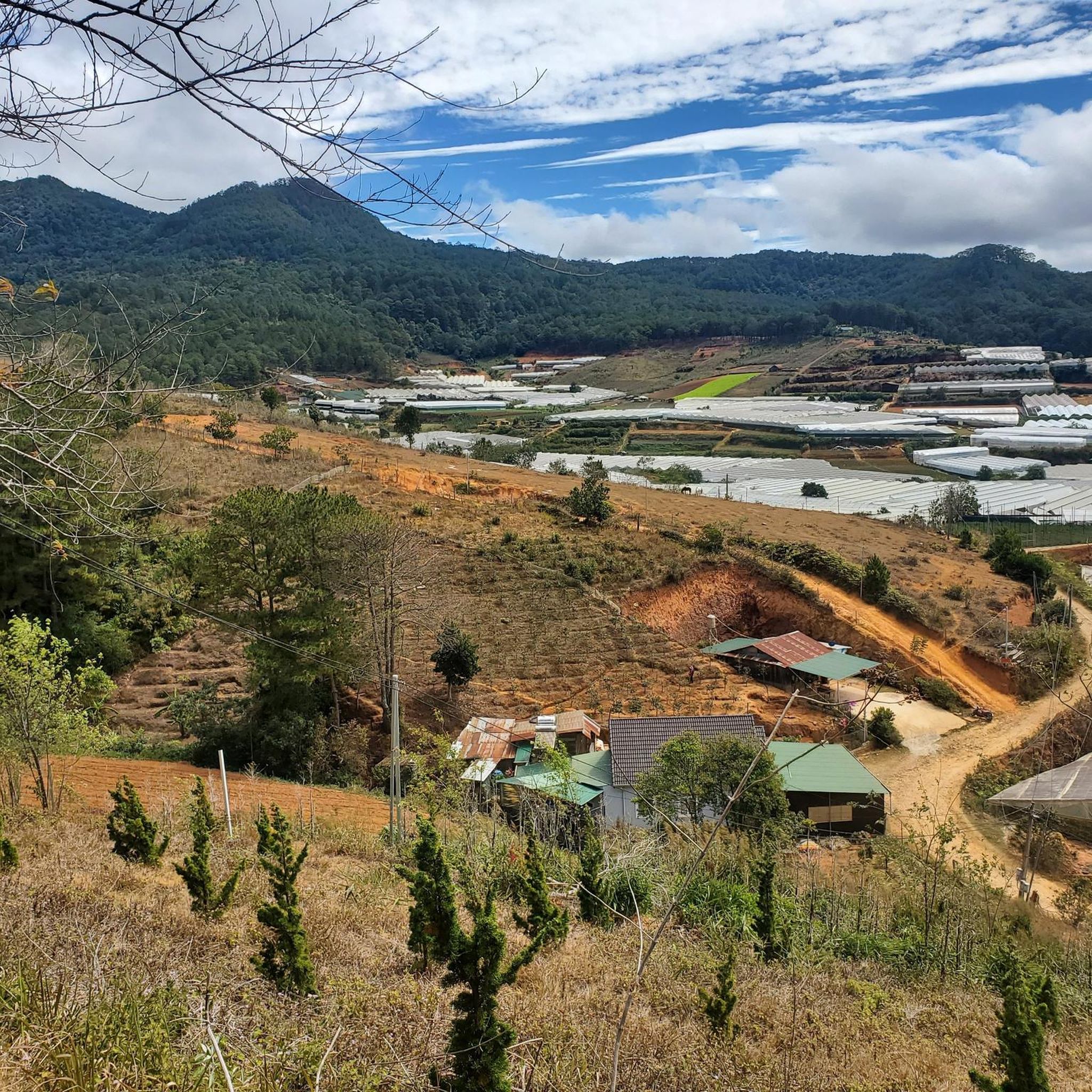
A big thank you to those who secured the final 600 meters to the summit using stairs and ropes! The panoramic view of the mountains, Da Lat, and (unfortunately) the sea of plastic greenhouses makes the climb to 2167 meters well worth the effort!
1
0

Ascent to Kim Giao Peak (Highpoint of the Short National Park Loop) Kim Giao Peak is the highest point of the short hike in Cát Bà National Park and offers magnificent views over the island's lush greenery. The climb only takes about 20–30 minutes, but is quite steep in places and can be slippery in wet weather – sturdy shoes are highly recommended! Once you reach the top, a small platform awaits you with panoramic views of the forested hills and limestone formations. The view is particularly beautiful in the morning when the fog slowly clears. Tip: Bring plenty of water and take short breaks in the shade along the way – the humidity is high, but the short climb is definitely worth it! 🌤️
1
0

After climbing over 500 steps, some of which are too high, you can enjoy this view from the Hang Mua viewpoint.
1
0

As one of the highest peaks in northeastern Vietnam and located in Dong Trieu Tow (Quang Ninh Province), Yen Tu Mountain is famous for its natural scenery and numerous historical relics, and is the sacred land for Vietnam's millions of Buddhists. Vietnamese people often say that, besides practicing charity and doing good deeds, the only path to enlightenment is to reach Yen Tu.
0
0

Hi, did you hire a guide for the hiking ?
0
0

Great view! Unfortunately very crowded With all the stairs you really work up a sweat
1
1
Great view in good weather! Unfortunately, on the good days it is very crowded.
0
1
Frequently Asked Questions
What are some of the most popular mountain peaks to visit in Vietnam?
Among Vietnam's most popular peaks, Fansipan Summit, known as the 'Roof of Indochina', is highly sought after due to its accessibility via a cable car and stunning views. Lang Biang Peak near Da Lat is another favorite, offering panoramic views and a unique cultural experience. For those seeking rewarding climbs with great panoramas, Angel Fairy Mountain Peak One is also appreciated by the komoot community.
Are there any family-friendly mountain peaks or accessible options in Vietnam?
Yes, Fansipan Summit is highly accessible for families and those preferring less strenuous options, thanks to its world-record-holding cable car system. This allows visitors to reach the summit and enjoy the views without a challenging climb. Similarly, Langbiang Mountain offers a vintage jeep ride to Radar Peak, making it accessible for many.
Which mountain peaks in Vietnam are considered challenging for experienced trekkers?
For experienced trekkers, Vietnam offers several challenging peaks. Pu Ta Leng, the second-highest mountain in Indochina, is known for its rigorous adventure. Bach Moc Luong Tu (Ky Quan San) involves arduous journeys through high passes and dense forests, rewarding climbers with stunning cloudscapes. Pu Si Lung, located on the border with China, is one of the most difficult due to its long and demanding trail, often requiring three to four days to complete.
What kind of natural features and landscapes can I expect to see on Vietnam's mountain peaks?
Vietnam's mountain peaks offer diverse natural beauty. On Fansipan, you'll find a transition from sub-tropical forests to dense bamboo thickets and ancient dwarf azalea trees, leading to an alpine environment. Peaks like Bach Moc Luong Tu and Ta Chi Nhu are famous for their spectacular 'cloud seas' and panoramic views. In areas like Cat Ba National Park, near Kim Giao Peak, you can explore lush greenery, wild lianas, and limestone formations.
Are there any mountain peaks in Vietnam with historical or spiritual significance?
Absolutely. Yen Tu Peak in Quang Ninh Province is a sacred land for Vietnamese Buddhists, renowned for its historical relics and natural scenery. Ba Den Mountain, near Ho Chi Minh City, is a spiritual mecca with temples and historical significance related to Vietcong tunnel systems. Fansipan also features a spiritual complex at its peak, including the 15th-century Kim Son Bao Thang Pagoda.
What is the best time of year to hike in the mountains of Vietnam?
The climate in Vietnam's mountains can be unpredictable, often shifting from sunshine to thick mist. Generally, the dry season (roughly October to April) is considered the best for trekking, offering clearer skies and more stable weather conditions, especially in the northern regions where many of the highest peaks are located. However, conditions can vary by specific mountain and altitude.
Do I need any special permits to hike certain mountain peaks in Vietnam?
Yes, for some peaks, especially those near border areas, permits are required. For instance, to visit Pu Si Lung, due to its sensitive border location, a license from the Lai Chau Military Staff Committee is necessary. It's always advisable to check local regulations and permit requirements for your chosen peak in advance, especially for multi-day treks or remote areas.
What outdoor activities can I do near the mountain peaks in Vietnam?
Near many of Vietnam's mountain peaks, you can find a variety of outdoor activities. For instance, in the Sapa region, close to Fansipan, you can explore numerous hiking trails, including the 'Bamboo Forest Trail – Terraced Rice Fields of Sapa' loop. Cat Ba National Park, home to Kim Giao Peak, also offers hiking routes like the 'Kim Giao Peak – View of Cát Bà National Park loop'. Additionally, areas like Ninh Binh offer cycling routes through scenic landscapes.
Are there any hidden gem mountain trails or less-documented peaks in Vietnam?
While many peaks are well-known, some offer a more off-the-beaten-path experience. Khang Su Van, located on the border between Vietnam and China, is a less-documented peak that provides a challenging two-day, one-night trek for those seeking a more secluded adventure. Exploring areas like the Rocky Hill with Flag near Mai Châu can also lead to unique viewpoints away from the main tourist routes.
What should I pack for mountain trekking in Vietnam?
Given the unpredictable mountain climate, it's crucial to pack layers, including warm clothing, even if starting in warmer conditions. Sturdy, waterproof hiking shoes are highly recommended, especially for steep or slippery trails. Don't forget rain gear, plenty of water, snacks, sun protection, and insect repellent. For multi-day treks, a reliable backpack, navigation tools, and a first-aid kit are essential.
Can I find viewpoints that offer stunning cloudscapes in Vietnam's mountains?
Yes, several peaks are renowned for their incredible cloudscapes. Bach Moc Luong Tu (Ky Quan San) is particularly famous among adventurers for its stunning sea of clouds, often present at dawn. Ta Chi Nhu is another peak known for its 'cloud sea,' making it a popular destination for those who enjoy contemplating this natural phenomenon. The views from Fansipan Summit can also offer breathtaking cloud formations when the weather permits.
What is the significance of the Marble Mountains near Da Nang?
The Marble Mountains (Ngu Hanh Son) near Da Nang are a group of five limestone and marble hills, each named after one of the five elements: Kim (metal), Thuy (water), Moc (wood), Hoa (fire), and Tho (earth). They are significant for their intricate cave systems, tunnels, and numerous Buddhist temples and shrines. Only Thuy mountain is generally accessible to visitors, offering panoramic views after a climb.
Most popular attractions in Vietnam

Get inspired with the komoot mobile app


Explore more
See even more amazing summits in Vietnam with these guides:
