Top 8 Castles in South Korea
Best castles in South Korea are primarily historical fortresses and fortified palaces that played crucial defensive and administrative roles. These structures, often situated on strategic mountain locations or along rivers, showcase advanced military engineering and architectural beauty. They offer insights into Korean heritage, particularly from the Joseon and Baekje Dynasties. The country's terrain features a variety of these historical fortifications, from extensive mountain strongholds to city-protecting walls.
Best castles in South Korea
- The most popular castles is Deoksugung Palace, a historical site that served as a royal residence during the Joseon Dynasty. It features a blend of traditional Korean and Western-style architecture, with a changing of the guard ceremony.
- Another must-see spot is Hwaseong Fortress, a historical site known for its 18th-century innovative blend of Korean, Chinese, and European military architectural styles. This UNESCO World Heritage site features a wall almost 6 kilometers long, with numerous defensive structures and panoramic views of Suwon.
- Visitors also love Namhansanseong Palace, a historical site and mountain fortress built in the 17th century as a temporary capital. This UNESCO World Heritage site offers well-preserved historic buildings and fortifications, providing views of the surrounding landscape.
- South Korea is known for mountain fortresses, fortified palaces, and extensive city walls. These historical fortifications demonstrate strategic military design and cultural significance across various regions.
- The castles in South Korea are appreciated by the komoot community, with more than 40 photos and over 10 upvotes across 8 highlights.
Last updated: September 2, 2026
Hwaseong Fortress
Highlight • Historical Site
With a considerable length of 5099 meters, the wall originally served as a protective barrier for the entire city. 18 gates served as entry and exit into the fortress. During the Japanese colonial era and during the Korean War, the fortress was badly damaged. It was largely restored from the 1970s onwards.
In 1997, the fortress was added to the UNESCO World Heritage Site as a World Heritage Site.
The fortress is absolutely impressive and should not be missing in any trip to Korea. From Seoul you can easily and quickly take the local trains to Suwon.
Translated by Google •
Tip by

Namhansanseong Palace
Highlight • Historical Site
Tip by

Sign up now to discover places like this
Get recommendations on the best single tracks, peaks, & plenty of other exciting outdoor places.
Sign up for free
Gwongeum Fortress
Highlight • Castle
Ensure you wear appropriate hiking shoes, especially in winter, as the trail to the peak does not get cleared of snow. Try to come in the morning, as it can get very crowded during the day.
Tip by

Deoksugung Palace
Highlight • Historical Site
Translated by Google •
Tip by

Western Bastion I (Hwaseong Fortress)
Highlight • Historical Site
The Western Bastion I is located where the fortress wall is sharply bent between the Northwestern Corner Pavilion and the Western Artillery Pavilion. As this was an important defense point, the bastion was built very close to the corner pavilion.
Tip by
Busanjinseong Fortress
Highlight • Castle
Busan City Walls
Busan Metropolitan City Monument No. 7
Busanjin was a strategic military base where, in the 7th year of King Taejong's reign (1407), the naval command of the left-wing Gyeongsang Province was stationed to defend the southeast coast of Korea. In the 21st year of King Seongjong's reign (1490), Busanjinseong Fortress was built beneath Mount Jeungsan to protect numerous warships, naval forces, and supplies.
In the 25th year of King Seonjo's reign (1592), during the Imjin War, the Japanese general Mori Terumoto destroyed Busanjinseong Fortress and built the main fortress, Jeungsan Waeseong Fortress, on the summit of Mount Jeungsan, as well as a branch fortress (a fortress built outside the main fortress) on the southeast coast to defend the main fortress. After the war, in the 40th year of King Seonjo's reign (1607), the Joseon Navy relocated its base to Jiseong and renamed it Busanjinseong. The perimeter of the Busanjinseong fortress in use at that time was approximately 2.25 km. The four gates to the east, west, south, and north were Jindongmun (鎮東門), Geumrugwan (金壘關), Jinnammun (鎮南門), and Gujangru (龜藏樓), and a gate tower (a tall house or attic built on top of a gate) was built. At the top of the castle, at Jaseongdae, they also built Mangongdan in memory of Mansedeok, a Ming general who fought in the Imjin War.
Afterward, the castle was demolished during the Japanese colonial period as part of the urban development plan, and most of its original appearance was lost. However, in 1974, as part of the Busanjinseong Fortress cleanup project, the Geunchunmun East Gate (formerly Jindongmun), the Geumnu-gwan West Gate, and the Jinnamdae General's Platform were restored.
Busanjinseong Fortress is a site that preserves the 500-year history of the Joseon Navy and the ancestors who risked their lives to protect the country. It is also considered of great historical value, as it can be used to study the Japanese castle built during the Imjin War and the naval base built using the Japanese castle in the late Joseon Dynasty.
Translated by Google •
Tip by

Start today with a free account
Your next adventure awaits.
Login or Signup

Tips from the Community

Abastion, called chi in Korean, was a structure projecting outward from a fortress wall, which was designed to attack approaching enemies from the side. The name chi comes from the Chinese character for pheasant, because pheasants are good at hiding and peeping. Hwaseong Fortress has a total of 10 bastions. The Western Bastion I is located where the fortress wall is sharply bent between the Northwestern Corner Pavilion and the Western Artillery Pavilion. As this was an important defense point, the bastion was built very close to the corner pavilion.
1
0
A guard pavilion, called poru in Korean, is an outwardly projecting structure topped with a pavilion that functioned as a soldiers' lookout. There are five guard pavilions in Hwaseong Fortress. The Western Guard Pavilion was built near the summit of Paldalsan Mountain. This guard pavilion was designed to utilize the geographical characteristics of the steep slope, such that soldiers could effectively attack an approaching enemy.
1
0

Namhansanseong is a historic fortress located about 25 kilometers southeast of Seoul. The fortress was built in the 17th century and served as the temporary capital of Korea during the Joseon Dynasty. The history of Namhansanseong began in 1636, when the Korean King Injo decided to build a fortress to protect himself from attacks by the Qing Dynasty from China. The fortress was built on a mountain and surrounded by a wall over 7 kilometers long. The fortress was strategically important and served as a refuge for the king and his government during wars with the Qing. Over time, however, the fortress also became an important cultural and religious center. Today, Namhansanseong is a UNESCO World Heritage Site and a popular tourist destination. The fortress is well-preserved and offers visitors a variety of historic buildings and structures, including temples, palaces, and fortifications. The fortress is also known for its impressive architecture and breathtaking views of the surrounding landscape. Visitors can explore the fortress and experience Korean history and culture. Overall, Namhansanseong is an important part of Korean history and culture and a must-see for any visitor to Seoul. The fortress offers a unique opportunity to experience Korea's past and admire the beauty of Korean architecture. <This message has been edited. The descent towards Seoul is truly beautiful, but you have to be careful because of the long curves.
0
0

Busanjinseong Busan City Walls Busan Metropolitan City Monument No. 7 Busanjin was a strategic military base where, in the 7th year of King Taejong's reign (1407), the naval command of the left-wing Gyeongsang Province was stationed to defend the southeast coast of Korea. In the 21st year of King Seongjong's reign (1490), Busanjinseong Fortress was built beneath Mount Jeungsan to protect numerous warships, naval forces, and supplies. In the 25th year of King Seonjo's reign (1592), during the Imjin War, the Japanese general Mori Terumoto destroyed Busanjinseong Fortress and built the main fortress, Jeungsan Waeseong Fortress, on the summit of Mount Jeungsan, as well as a branch fortress (a fortress built outside the main fortress) on the southeast coast to defend the main fortress. After the war, in the 40th year of King Seonjo's reign (1607), the Joseon Navy relocated its base to Jiseong and renamed it Busanjinseong. The perimeter of the Busanjinseong fortress in use at that time was approximately 2.25 km. The four gates to the east, west, south, and north were Jindongmun (鎮東門), Geumrugwan (金壘關), Jinnammun (鎮南門), and Gujangru (龜藏樓), and a gate tower (a tall house or attic built on top of a gate) was built. At the top of the castle, at Jaseongdae, they also built Mangongdan in memory of Mansedeok, a Ming general who fought in the Imjin War. Afterward, the castle was demolished during the Japanese colonial period as part of the urban development plan, and most of its original appearance was lost. However, in 1974, as part of the Busanjinseong Fortress cleanup project, the Geunchunmun East Gate (formerly Jindongmun), the Geumnu-gwan West Gate, and the Jinnamdae General's Platform were restored. Busanjinseong Fortress is a site that preserves the 500-year history of the Joseon Navy and the ancestors who risked their lives to protect the country. It is also considered of great historical value, as it can be used to study the Japanese castle built during the Imjin War and the naval base built using the Japanese castle in the late Joseon Dynasty.
0
0

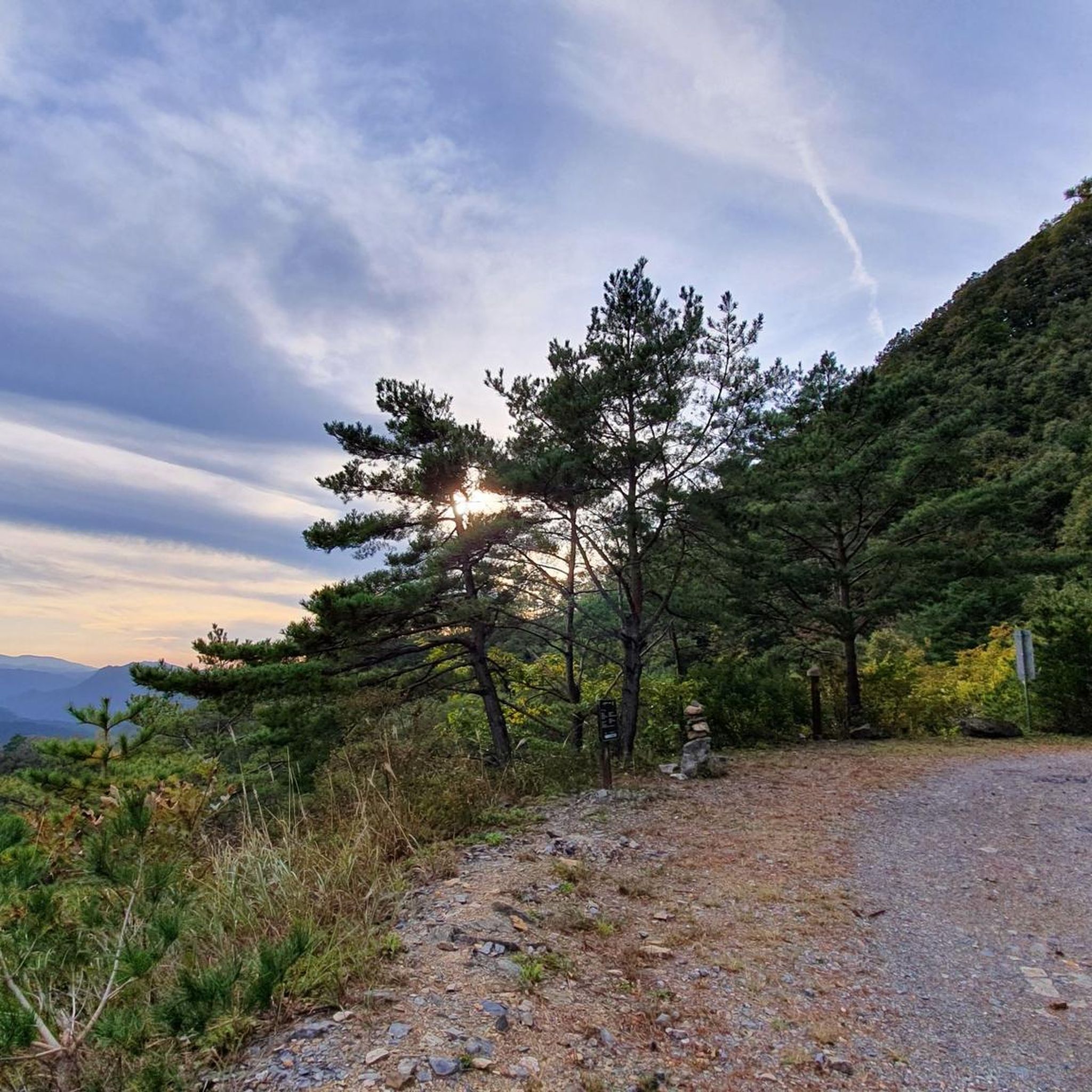
The public road starting from Paldang is not in good condition and has only one lane in each direction, so if you are not used to riding on public roads, you need to be very careful.
0
0

Palace complex that has gained importance in Korea's recent history. The buildings constructed in western style also date from this period.
1
0

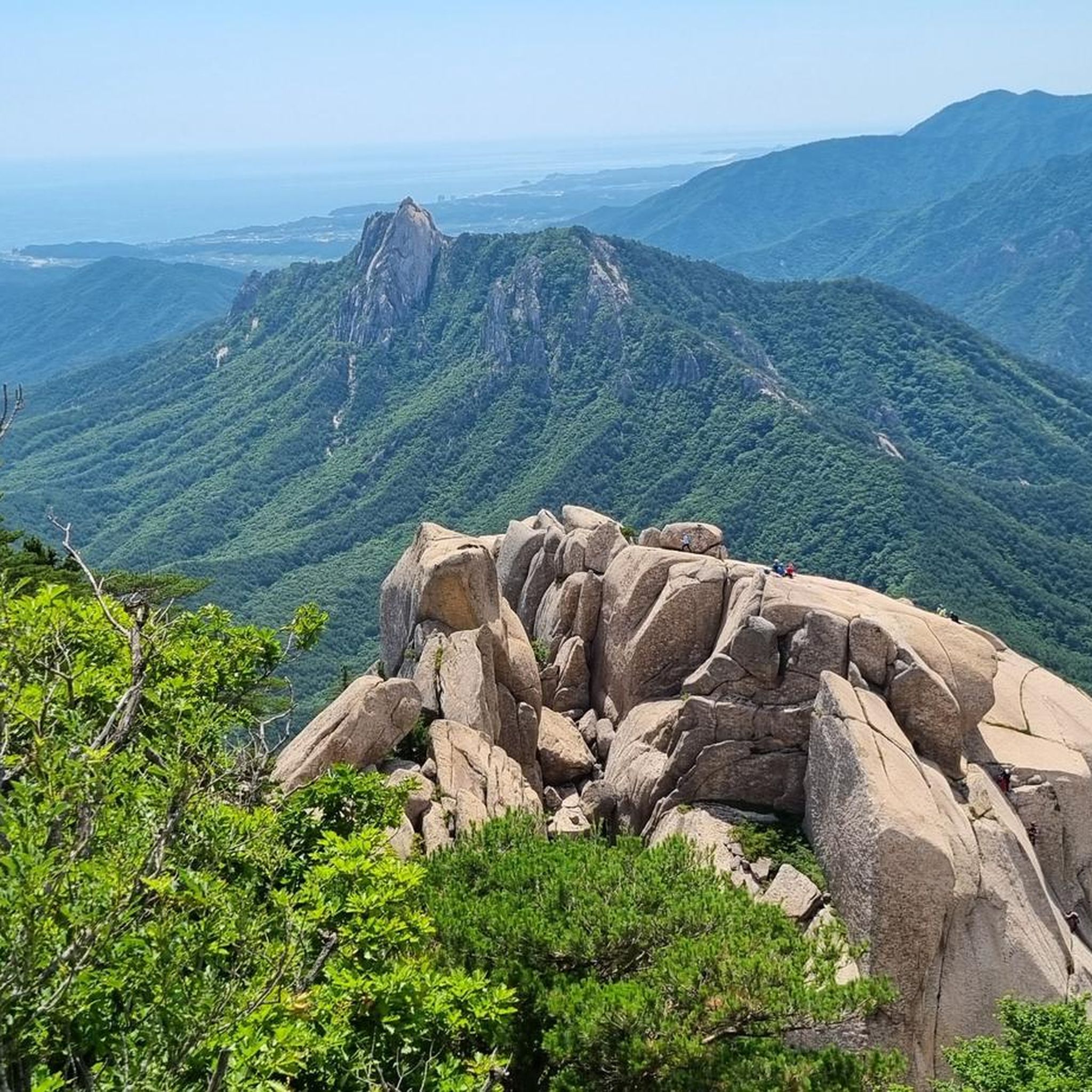
A five to ten-minute hike from the cable car mountain station leads to the ruins of an old castle. There is not much left of the fortress, but the view is amazing: you can see Sokcho, the Ssang River valley, and the coastline to the east, as well as the surrounding peaks of the Taebaek mountain range. Ensure you wear appropriate hiking shoes, especially in winter, as the trail to the peak does not get cleared of snow. Try to come in the morning, as it can get very crowded during the day.
0
0

Smaller palace complex with equally great buildings. Also a must see
5
0
Frequently Asked Questions
What distinguishes South Korea's fortresses and fortified palaces from European castles?
South Korea's 'castles' are primarily magnificent fortresses and fortified palaces that served crucial defensive and administrative roles, rather than the residential strongholds common in Europe. They showcase advanced military engineering and architectural beauty, often built on strategic mountain locations or along rivers. These structures, like Hwaseong Fortress, integrate traditional Korean, Chinese, and even European military styles, adapted for defense against various threats throughout history.
Which historical fortresses in South Korea are UNESCO World Heritage sites?
Several of South Korea's historical fortresses are recognized as UNESCO World Heritage sites. These include Hwaseong Fortress in Suwon, known for its innovative 18th-century design, and Namhansanseong Palace (Fortress) near Seoul, a 17th-century mountain stronghold. Additionally, Gongju Gongsanseong Fortress, dating back to the Baekje Kingdom, is also a UNESCO site.
Are there any family-friendly fortresses to visit in South Korea?
Yes, several fortresses offer family-friendly experiences. Deoksugung Palace in Seoul is a great option, featuring a blend of traditional and Western architecture and hosting a changing of the guard ceremony. Hwaseong Fortress also provides opportunities for walking along its walls and participating in traditional archery, making it engaging for all ages.
What kind of natural features and viewpoints can I expect at these fortresses?
Many of South Korea's fortresses are strategically built into the landscape, offering stunning natural features and panoramic viewpoints. Namhansanseong Palace, for instance, is a mountain fortress providing breathtaking views of the surrounding landscape. Hwaseong Fortress offers panoramic views of Suwon from its extensive walls. Gwongeum Fortress, though mostly ruins, provides amazing views of Sokcho, the Ssang River valley, and the Taebaek mountain range.
What are the best times to visit South Korea's fortresses for good weather and fewer crowds?
The best times to visit South Korea's fortresses are generally during spring (April to May) and autumn (September to October). These seasons offer pleasant weather for exploring and hiking, with vibrant foliage in autumn and blooming flowers in spring. Weekdays are typically less crowded than weekends, especially at popular sites like Namhansanseong Palace.
Are there hiking opportunities around the fortresses?
Yes, many fortresses are excellent for hiking. Namhansanseong Palace is a popular hiking destination with various trails along its 12-kilometer wall. Hwaseong Fortress also allows visitors to walk along its almost 6-kilometer wall. For more extensive outdoor activities, you can explore nearby Mountain Hikes in South Korea or Waterfall hikes in South Korea.
How long should I plan for a visit to a major fortress like Hwaseong Fortress?
For a comprehensive visit to Hwaseong Fortress, plan for at least half a day, or even a full day if you wish to walk the entire 6-kilometer wall, explore the central Haenggung Palace, and participate in cultural activities. This allows ample time to appreciate its architectural details and panoramic views.
What are some other notable fortresses in South Korea besides the most popular ones?
Beyond the most popular sites, South Korea offers other significant fortresses. Jinju Castle, overlooking the Nam River, is known for its role in historical battles. Geumjeongsanseong Fortress in Busan is one of Korea's largest, offering tremendous views. Samnyeonsanseong Fortress in Boeun is considered a masterpiece of stone-built fortifications from the 5th century. Busanjinseong Fortress is another historical site worth exploring.
Are there specific architectural features to look out for at these fortresses?
Yes, Korean fortresses boast unique architectural features. At Hwaseong Fortress, look for the four main gates, two floodgates, observation towers, and bastions (called *chi*) designed to attack enemies from the side. The Northeastern Watchtower is a unique cylindrical brick building. Namhansanseong Palace features 16 hidden gates (ammun) and 125 guardhouses, showcasing advanced defensive engineering.
What public transport options are available to reach major fortresses?
Major fortresses are often accessible via public transport. Hwaseong Fortress in Suwon is easily reachable from Seoul by local trains. Namhansanseong Palace, located southeast of Seoul, can be accessed by public transport, though specific routes may vary. It's advisable to check local transport schedules for the most current information.
Can I find cafes or restaurants near these historical sites?
Yes, many popular fortress areas have amenities nearby. For example, the area around Namhansanseong Palace is described as a recreation park with restaurants, cafes, and convenience stores, especially in the small village within the fortress. Similarly, areas around other major sites like Hwaseong Fortress and Gyeongbokgung Palace often have cafes and dining options.
What activities can I do at Deoksugung Palace?
Deoksugung Palace offers a blend of traditional Korean and Western-style architecture to explore. A highlight for many visitors is the changing of the guard ceremony, which takes place at 11:00, 14:00, and 15:30. It's a smaller palace complex but rich in recent Korean history.
Most popular routes in South Korea
Most popular attractions in South Korea

Get inspired with the komoot mobile app


Explore more
Looking for the best castles somewhere else? Discover other guides in South Korea:
