The 17 Most Amazing Peaks in Morocco
Best mountain peaks in Morocco are primarily found within the Atlas Mountain range, offering diverse landscapes and experiences. This region is characterized by high-altitude peaks, deep valleys, and traditional Berber villages. The terrain varies from volcanic rock formations to limestone regions, providing a range of trekking opportunities. Visitors can explore a variety of natural attractions and cultural insights across these mountains.
Best mountain peaks in Morocco
- The most popular mountain peaks is Summit of Mount Toubkal, a summit that stands at 4,167 meters, making it the highest peak in North Africa. On clear days, it offers a 360-degree panorama of the surrounding Atlas Mountains and distant regions.
- Another must-see spot is Mount M'Goun summit (4,071 m), a summit reaching over 4,000 meters. This limestone region is known for its dramatic rock formations and offers extensive trekking routes with views from the top.
- Visitors also love Mount El Kelaa, a summit with intermediate difficulty. It provides views into the valleys around Chefchaouen and can offer glimpses of the Mediterranean Sea.
- Morocco is known for its high-altitude summits, volcanic peaks, and limestone massifs. These mountains offer a variety of landscapes to explore, from challenging ascents to scenic viewpoints.
- The mountain peaks in Morocco are appreciated by the komoot community. With 17 total highlights, including 97 upvotes and 166 photos, the region offers diverse experiences for outdoor enthusiasts.
Last updated: July 9, 2026
Summit of Mount Toubkal
Highlight • Summit
Translated by Google •
Tip by

Mount M'Goun summit (4,071 m)
Highlight • Summit
Translated by Google •
Tip by

Sign up now to discover places like this
Get recommendations on the best single tracks, peaks, & plenty of other exciting outdoor places.
Sign up for free
Mount El Kelaa
Highlight • Summit
Tip by

Jbel Asstef (2061 m)
Highlight • Summit
Translated by Google •
Tip by

Ras n'Ouanoukrim (4,083 m)
Highlight • Summit
Translated by Google •
Tip by

Timesguida (4,089 m)
Highlight • Summit
Translated by Google •
Tip by
Bab’N’Ali
Highlight • Natural Monument
Its summit is not accessible but walking in its foothills allows you to appreciate its grandeur.
Translated by Google •
Tip by

View of Agadir, Mountains and Ocean
Highlight • Viewpoint
Tip by

Jebel Iferouane Summit (4,001 m)
Highlight • Summit
Translated by Google •
Tip by
Bou Naceur Ridge
Highlight • Summit
For more information on accommodation, cultural background and a day to day logbook visit: atlasmountaintrails.com.
Tip by

Sign up for free to discover even more peaks in Morocco.
Sign up for free
Already have an account?
Start today with a free account
Your next adventure awaits.
Login or Signup
Popular around Morocco
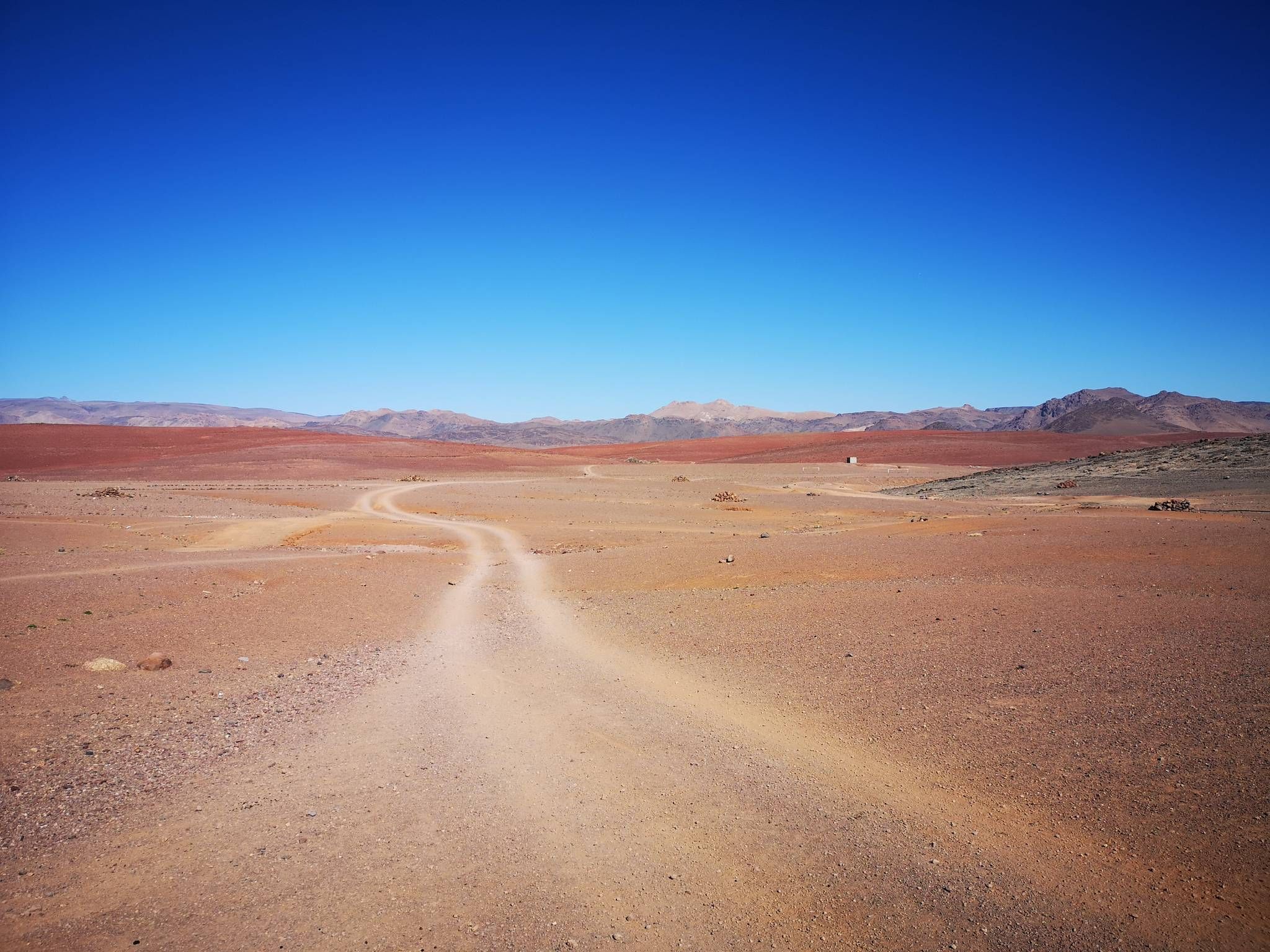
Atlas Mountain Race – One week, one bike, one girl
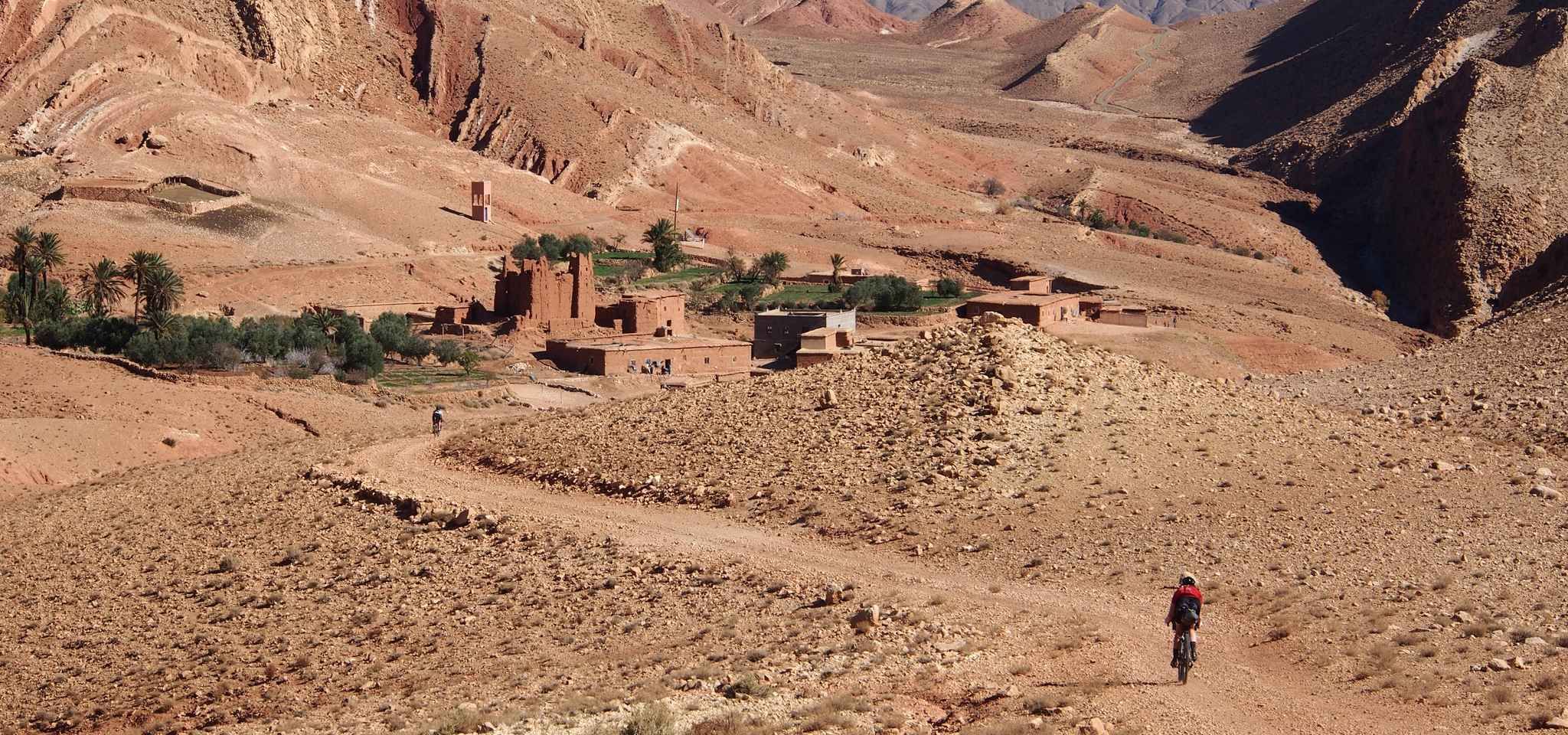
Atlas Mountains — teaser, taster & race recce
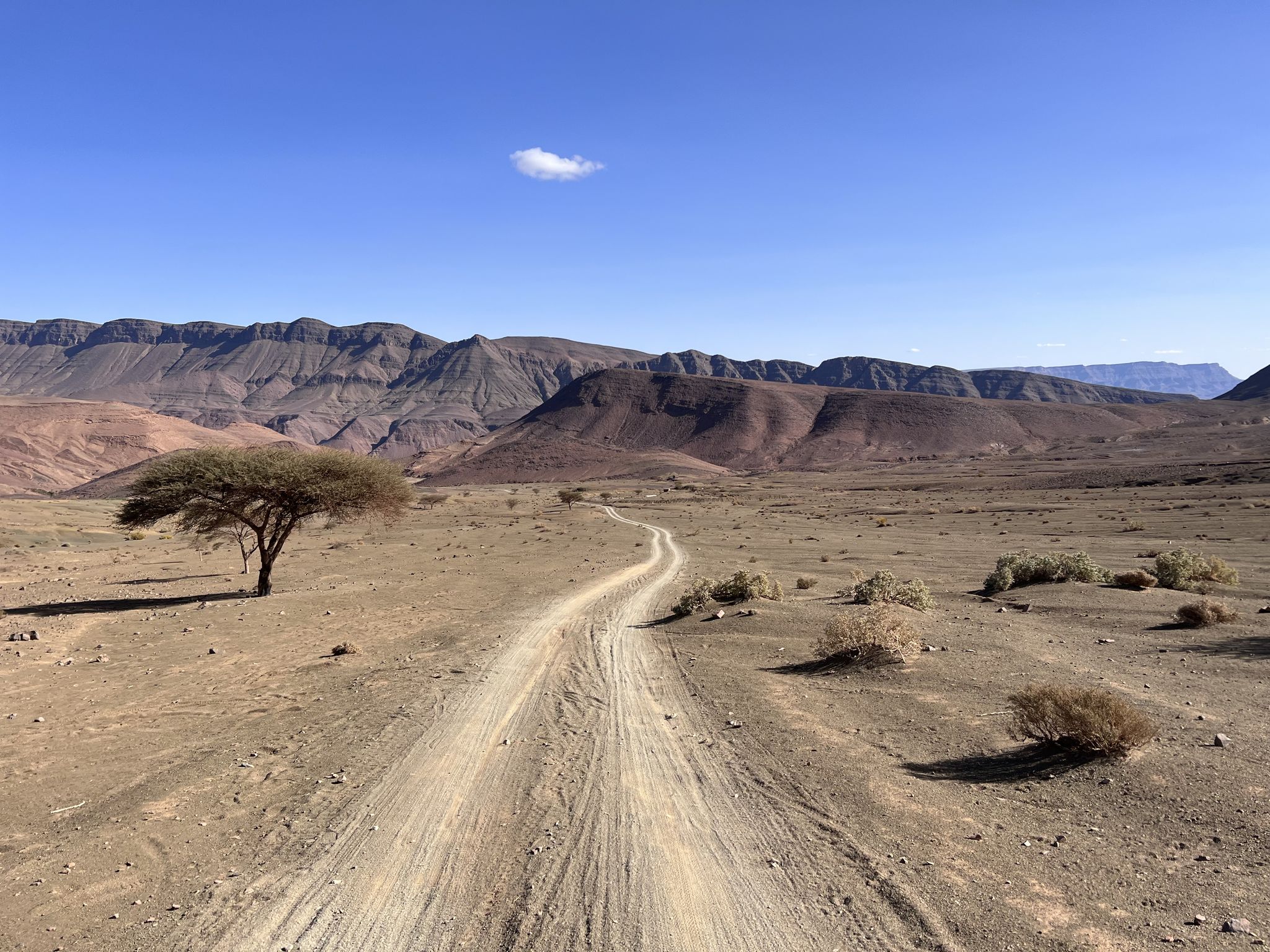
Marokko on the Rocks - Diary of the Atlas Mountain Race 2023
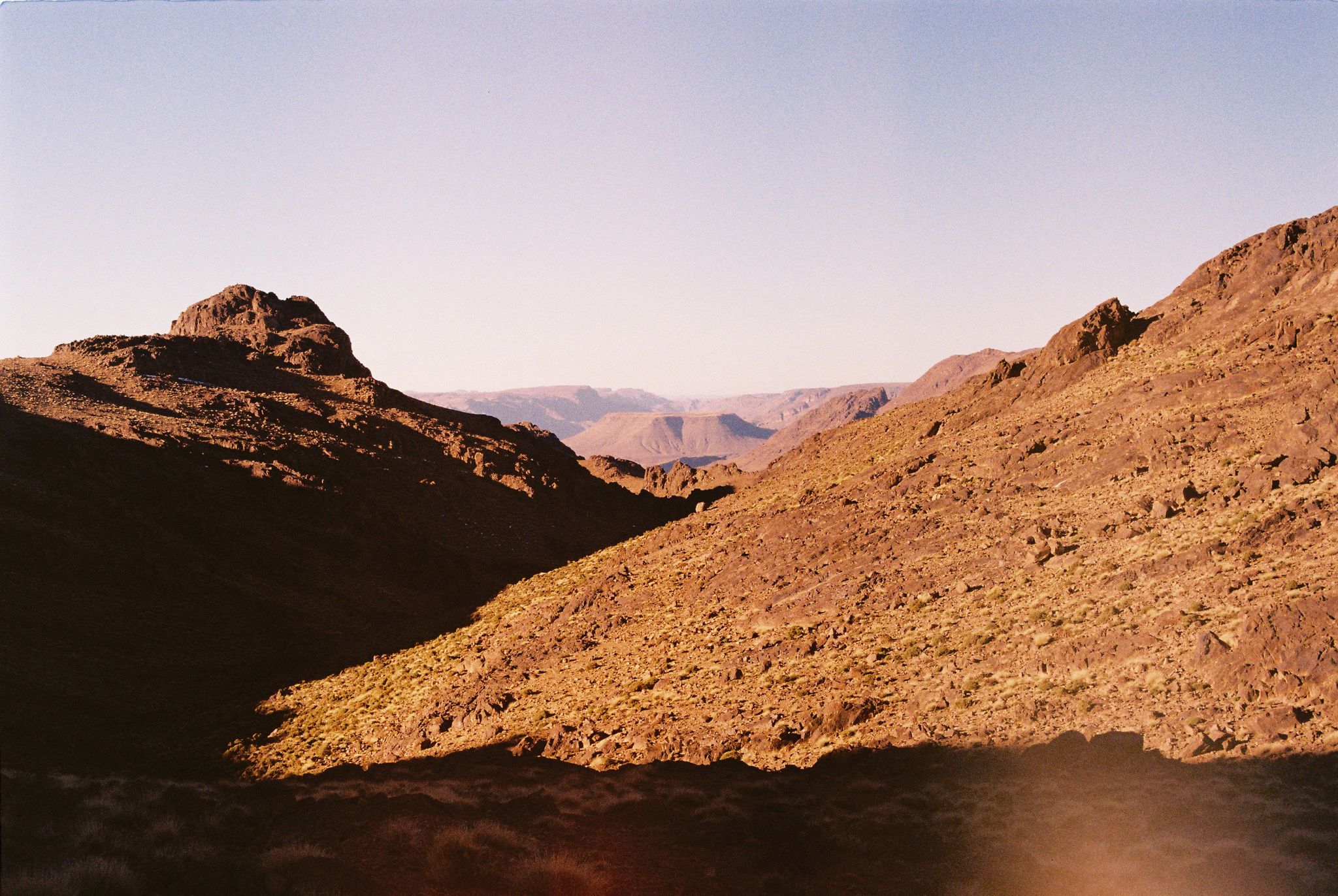
Desert and dust in the Jbel Saghro – hiking in the Moroccan Anti-Atlas
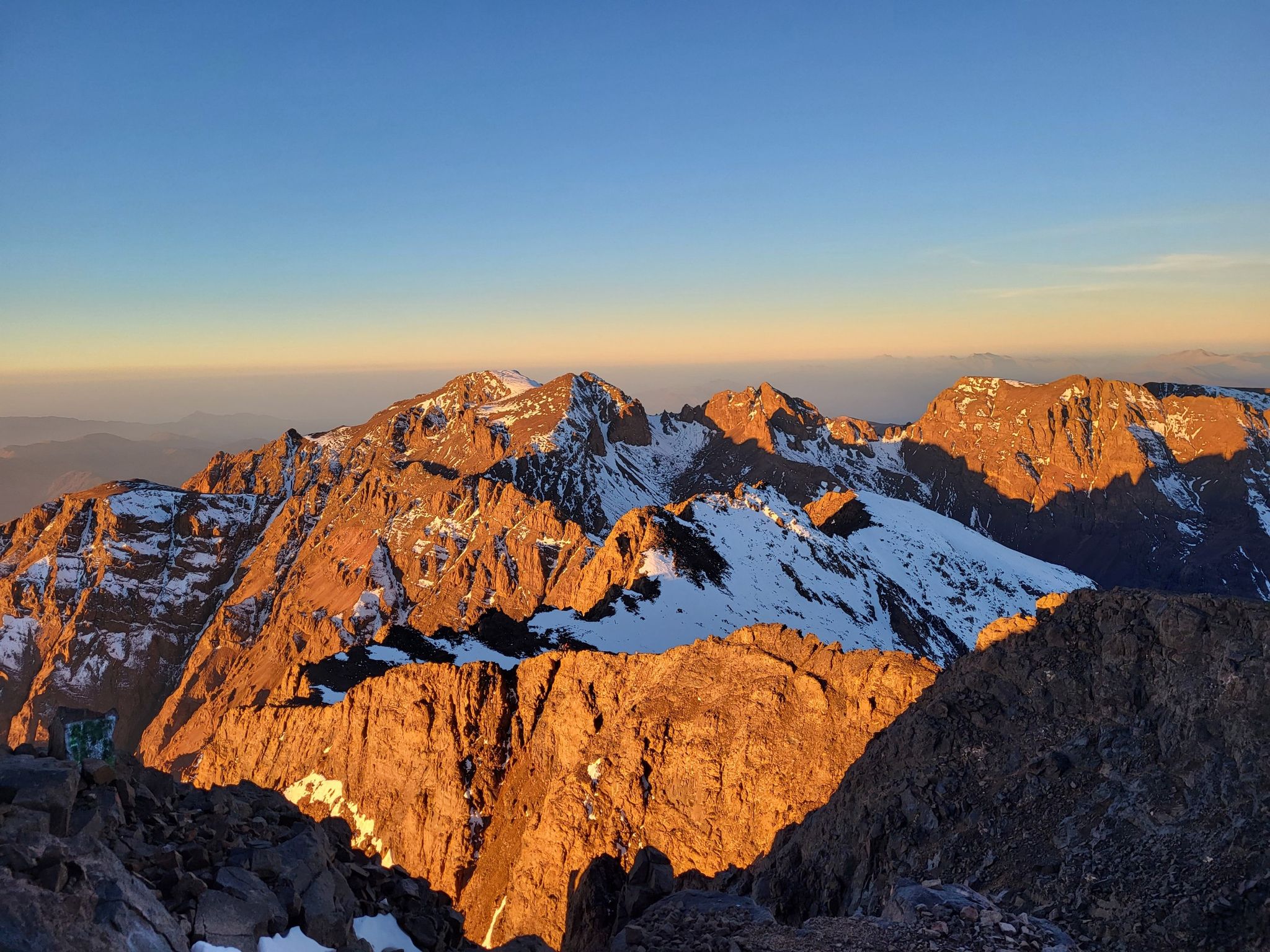
Hike on the roof of the Atlas Mountains – Toubkal National Park
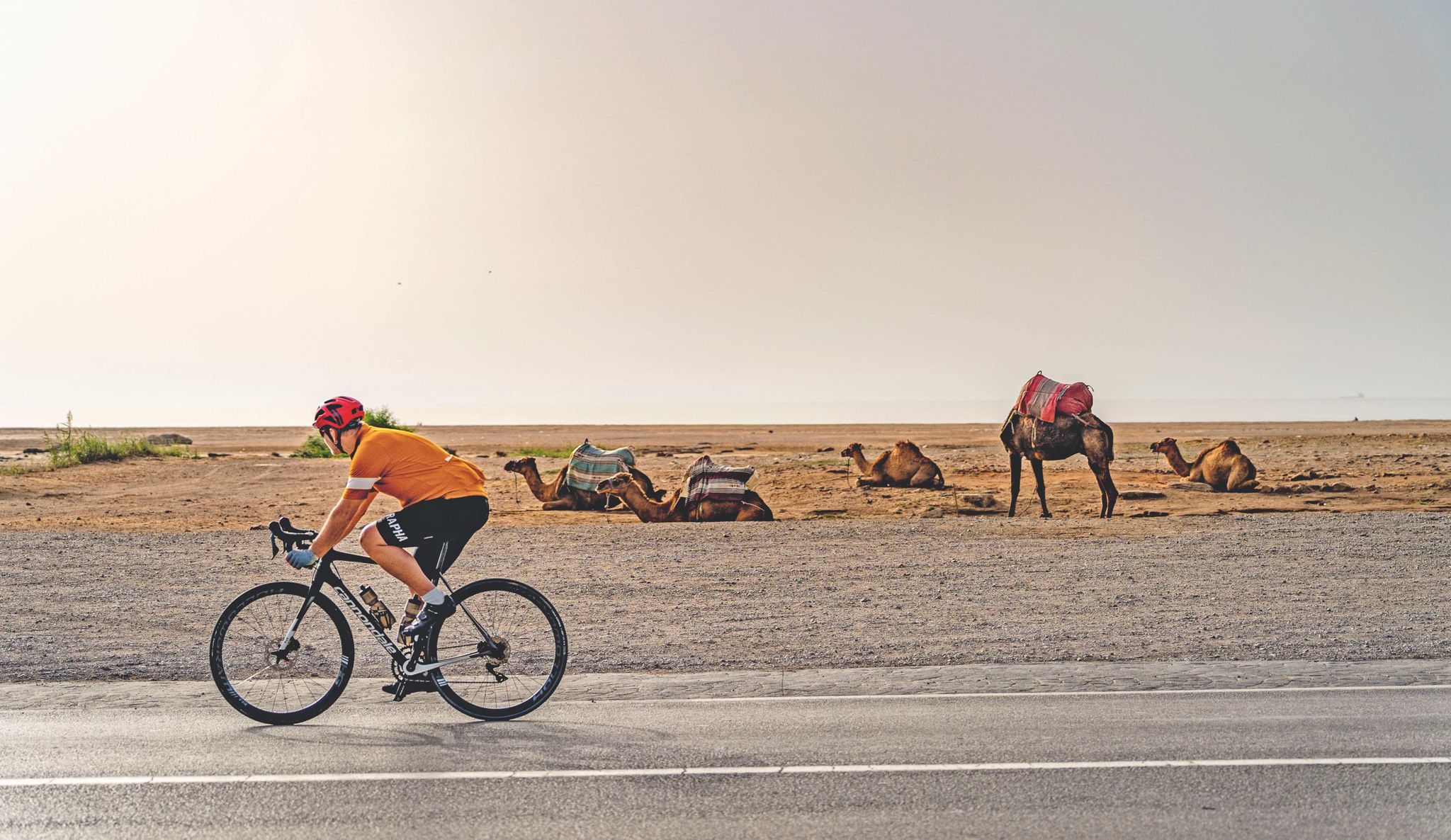
Between two seas - with TOUR in northern Morocco
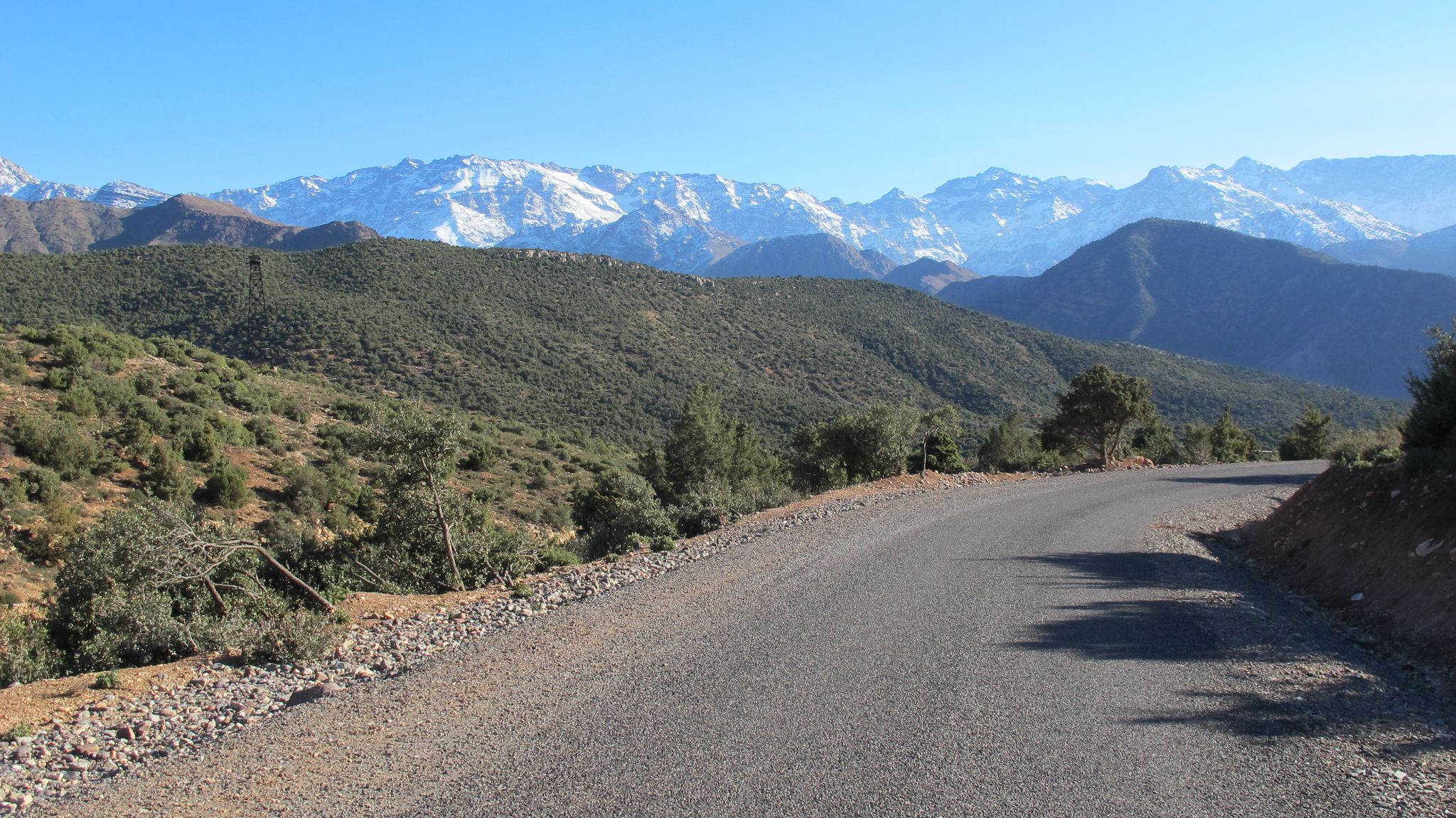
Morocco of the passes and beaches — the Atlas via the Tizi N'Test
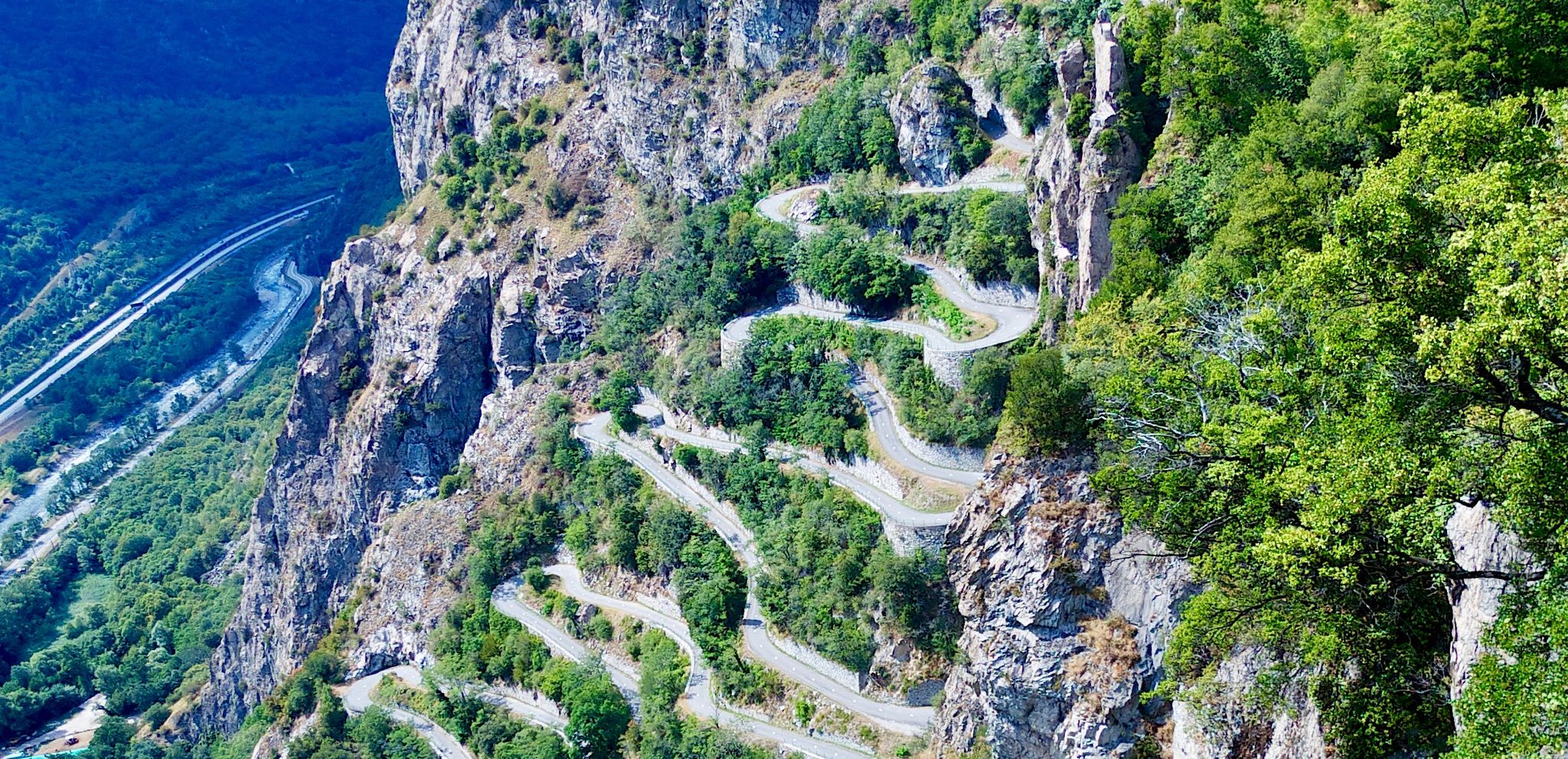
The world's most epic cycling roads
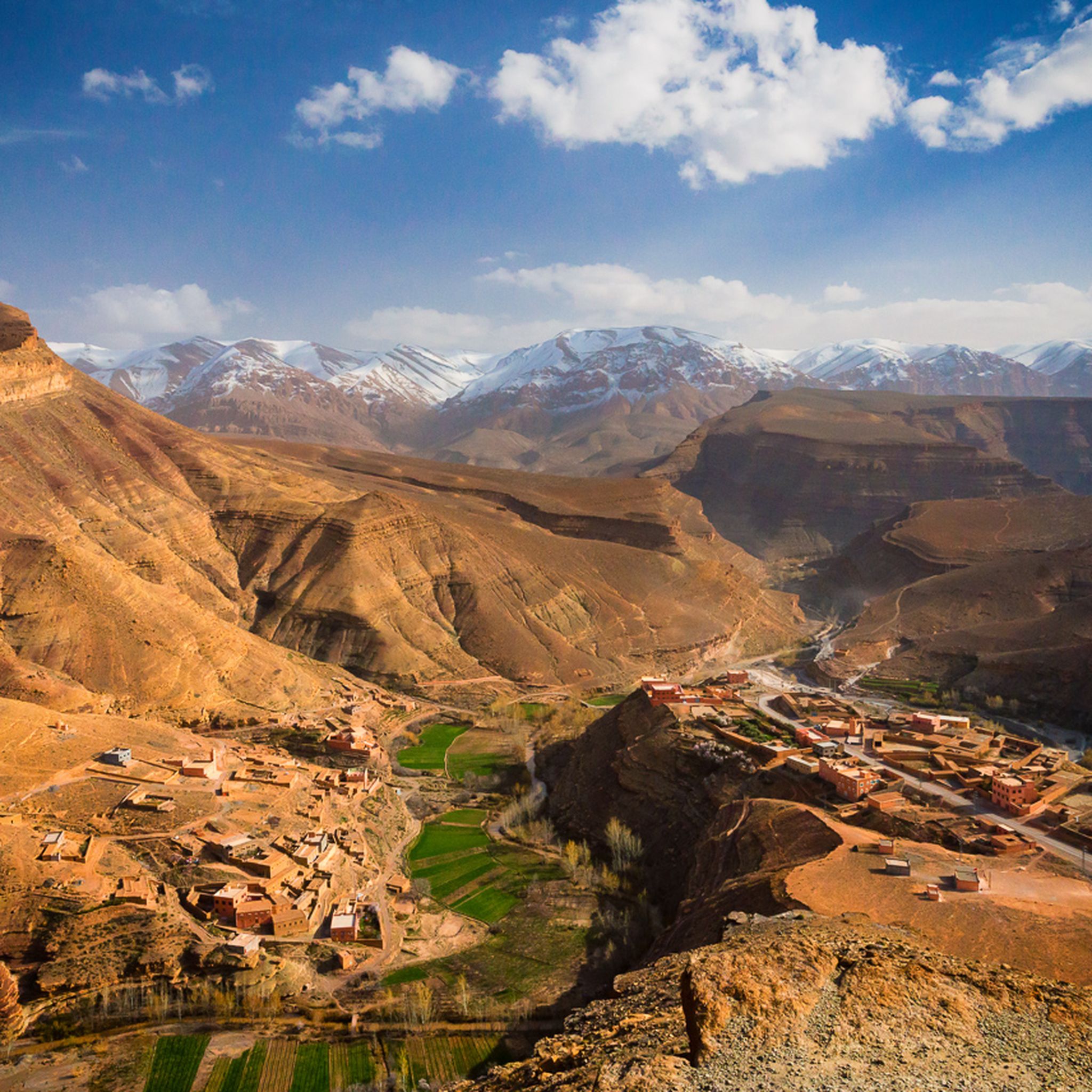
Hiking in Morocco
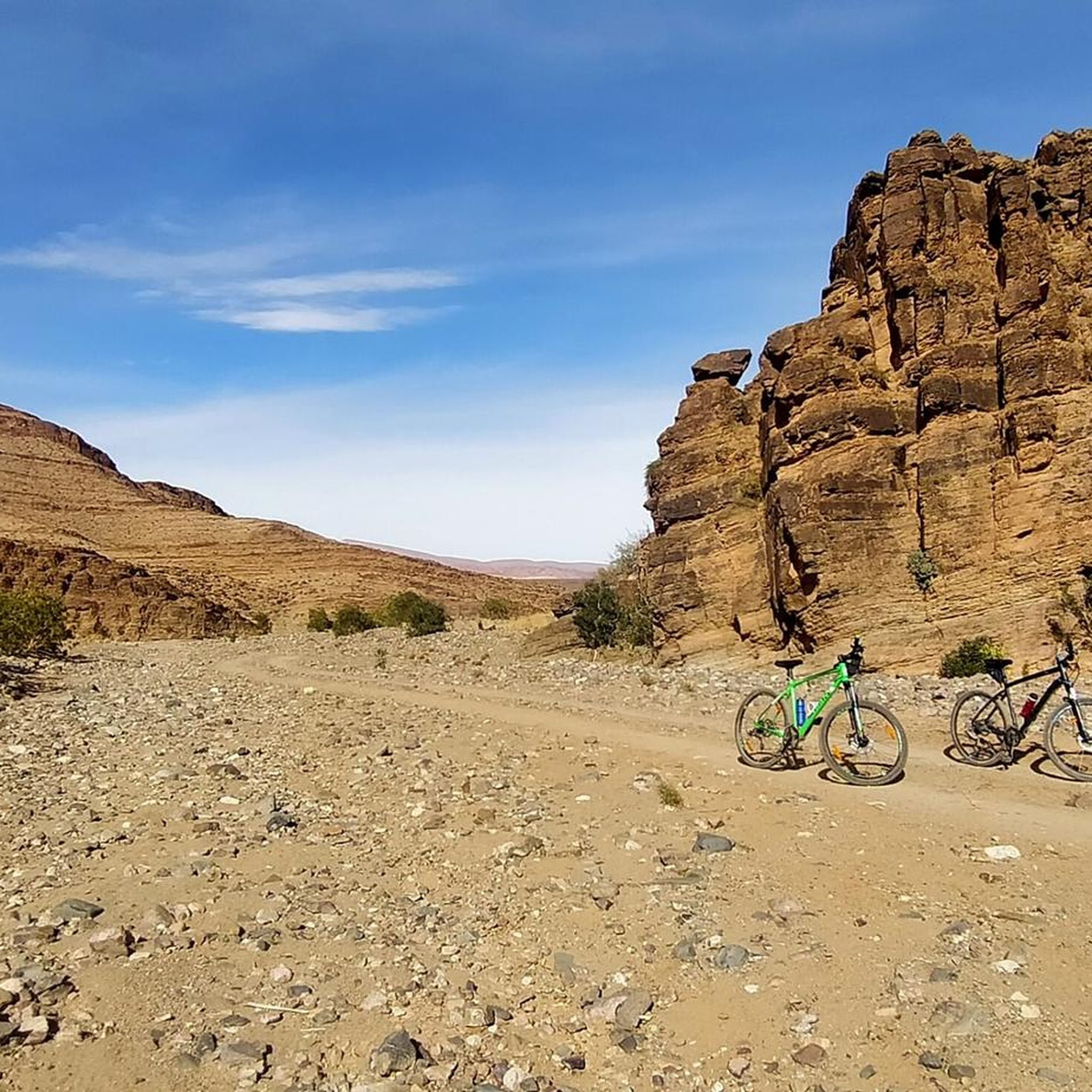
Running Trails in Morocco
Other adventures in Morocco


Tips from the Community


Trekking to do once in a lifetime, achieved at 72 years old.
4
0

It is an impressive experience when you stand here on the highest mountain in Morocco at 4167 m. If you slowly get used to the altitude, you won't have any physical problems. You can spend the night in the Refuge du Toubkal (French Alpine Club House) or next to it in a tent. It is advisable to set off early in the morning with a headlamp so that you are not surprised by a thunderstorm. It is actually an easy mountain. From the Refuge it is 1000 m to the summit.
3
0

(Almost) the highest point on that passage, with the possibility to see the mountains and the ocean at the same time. Good place for a break before descending
1
0

According to our travel program, it's actually Jebel Adrar n'Darn ("mountain of mountains"), but the summit sign is pretty clear. Either way, in our opinion, it's the most beautiful 4000-meter peak we've climbed in Morocco. We didn't know where to look first. Incredible 360-degree panorama. Amazing view!
0
0

Last dasy on Atlas MTB - Middle Atlas Oriental: 5 Days from Taza to Bou Naceur For more information on accommodation, cultural background and a day to day logbook visit: www.atlasmountaintrails.com.
0
0

Climbing Jbel Toubkal is a magnificent experience. Technically not demanding but the air is getting thinner again :-))
3
1
Climbing Jbel Toubkal is a great experience. But the 2400 meter descent is a real challenge!!!
3
1
Frequently Asked Questions
What are the most popular mountain peaks for trekking in Morocco?
Among the most popular peaks for trekking in Morocco are Summit of Mount Toubkal, the highest peak in North Africa, and Mount M'Goun summit (4,071 m). Toubkal is highly accessible from Marrakech and offers stunning panoramic views, while M'Goun provides a more off-the-beaten-path experience through dramatic limestone formations. Another notable peak is Jebel Sirwa, an extinct volcano offering a wilder, culturally rich trek.
What is the highest mountain peak in Morocco?
The highest mountain peak in Morocco, and indeed North Africa, is Summit of Mount Toubkal, standing at 4,167 meters (13,671 feet). From its summit, you can enjoy an incredible 360-degree panorama of the surrounding Atlas Mountains and distant regions.
What kind of landscapes and natural features can I expect to see in Morocco's mountains?
Morocco's mountains offer a diverse range of landscapes. You'll find high-altitude peaks, deep valleys, and traditional Berber villages. The terrain varies from the volcanic rock formations of Jebel Toubkal and Jebel Sirwa to the dramatic limestone regions of the M'Goun Massif. Expect to see jagged mountain crests, snow-capped peaks, deep gorges, lush valleys, alpine lakes, and even cedar forests. The remote Jebel Sirwa region also features unique basalt ridges and high-altitude plateaus.
How challenging are the treks to Morocco's highest peaks?
The treks to Morocco's highest peaks, such as Summit of Mount Toubkal and Mount M'Goun summit (4,071 m), are generally considered challenging. While Toubkal is manageable for beginners with proper acclimatization, the summit day involves loose scree. M'Goun offers extensive trekking routes with significant elevation. Other peaks like Ras n'Ouanoukrim (4,083 m) and Timesguida (4,089 m) are also challenging ascents.
What is the best time of year to hike in the High Atlas Mountains?
The High Atlas Mountains offer different experiences depending on the season. Summer (roughly May to September) is ideal for high-altitude trekking when trails are generally clear of snow. For winter trekking (October to April), snow-capped peaks provide a different challenge and beauty, but require appropriate gear and experience. The 'Valley of Roses' in the M'Goun region is particularly beautiful in May when roses are in bloom.
Are there any less crowded mountain trails in Morocco for a more wilderness experience?
Yes, for a more off-the-beaten-path and wilderness experience, consider trekking in the M'Goun Massif or the Jebel Sirwa region. The M'Goun area offers a chance to encounter Berber tribes and experience preserved village charm, while Jebel Sirwa, an extinct volcano, provides challenging trekking through a remote area with unique volcanic landscapes and insights into the Ait Ouaouzguit Berber tribe's lifestyle.
What cultural experiences can I find while trekking in Morocco's mountains?
Trekking in Morocco's mountains offers rich cultural immersion. Routes often pass through traditional Berber villages, providing insights into the local way of life. In the M'Goun region, you can experience Amazigh cultural heritage, including music, dance, crafts, and food, and even stay in a traditional Berber guesthouse. The Jebel Sirwa area allows you to observe the simple lifestyle of the Ait Ouaouzguit Berber tribe and nomadic shepherds, and if you visit during late October, you might witness saffron harvesting.
Are there any family-friendly hiking options in Morocco's mountains?
While many high-altitude treks are challenging, some areas offer more moderate options. For example, the region around Chefchaouen features peaks like Mount El Kelaa, which is described as an intermediate hike with nice views into the valleys and even glimpses of the Mediterranean Sea. When planning family hikes, look for trails with moderate difficulty and consider local guides for suitable routes.
What outdoor activities can I do near the mountain peaks in Morocco?
Beyond peak bagging, the mountain regions of Morocco offer a variety of outdoor activities. You can find numerous hiking routes, such as the 'Tizi n'Toubkal (Toubkal Pass) – Summit of Mount Toubkal loop' or 'Berber Villages – View of Jebel Toubkal loop' near Imlil. For cycling enthusiasts, there are road cycling and touring bicycle routes, including challenging options like the 'Anemiter Mud City – Oued Ounia Valley Ruins loop' or the 'Dades Gorge – Dades Gorge Switchbacks loop'. You can explore more options on the Hiking in Morocco, Road Cycling Routes in Morocco, and Cycling in Morocco guide pages.
What do visitors enjoy most about trekking Morocco's mountain peaks?
Visitors frequently praise the stunning panoramic views from summits like Summit of Mount Toubkal, often describing them as incredible 360-degree vistas. The sense of achievement after a challenging hike is also a common highlight, with many finding the experience rewarding even without extensive prior training. The unique landscapes, from volcanic formations to dramatic gorges, and the cultural immersion in traditional Berber villages are also highly valued aspects of the experience.
Are there other significant peaks in Morocco besides Toubkal and M'Goun?
Yes, Morocco is home to several other significant peaks. Ras n'Ouanoukrim (4,083 m) and Timesguida (4,089 m) are both over 4,000 meters and are part of the Toubkal massif. Jebel Sirwa, an extinct volcano at 3,305 meters, offers a wild and remote experience between the High Atlas and Anti-Atlas ranges. Other notable summits include Jbel Assif Summit (2661 m) and Jebel Iferouane Summit (4,001 m).
What are the requirements for trekking in Toubkal National Park?
For trekking in Toubkal National Park, especially for the ascent of Mount Toubkal, it's generally recommended to hire a local guide, particularly during winter months when conditions can be challenging. While specific permits for the summit itself are not always strictly enforced, local authorities often require trekkers to be accompanied by a guide for safety and to support the local economy. It's advisable to check the latest regulations before your trip.
Where can I find viewpoints with impressive vistas in Morocco's mountains?
Many of Morocco's mountain peaks offer exceptional viewpoints. The Summit of Mount Toubkal provides a 360-degree panorama of the Atlas Mountains. Similarly, Mount M'Goun summit (4,071 m) offers extensive views. For a different perspective, Mount El Kelaa near Chefchaouen offers views into surrounding valleys and even the Mediterranean Sea. Other highlights like View of Agadir, Mountains and Ocean also provide scenic outlooks.
Most popular routes in Morocco
Most popular attractions in Morocco

Get inspired with the komoot mobile app


Didn’t find what you were looking for?
Discover Morocco’s best peaks and summits by region:
Explore more
See even more amazing summits in Morocco with these guides:
