The 20 Most Amazing Peaks in Albania
Mountain peaks in Albania cover approximately 70% of the country's terrain, presenting a diverse landscape of rugged peaks, deep valleys, and pristine wilderness. This region offers opportunities for hiking and cultural immersion. The mountains provide views and experiences for various adventurers, from the dramatic Albanian Alps in the north to coastal ranges overlooking the Ionian Sea.
Best mountain peaks in Albania
- The most popular mountain peaks is View of Maja Valbonës, a viewpoint and summit offering magnificent views. This…
Last updated: August 19, 2026
View of the Valbona Valley
Highlight • Viewpoint
Tip by

Popadija Peak
Highlight • Summit
Translated by Google •
Tip by

Sign up now to discover places like this
Get recommendations on the best single tracks, peaks, & plenty of other exciting outdoor places.
Sign up for free
Valbona Valley National Park
Highlight • Natural Monument
Tip by

Zorzit Peak
Highlight • Summit
Translated by Google •
Tip by

Zla Kolata (2,534 m)
Highlight • Summit
Translated by Google •
Tip by

View of Maja Valbonës
Highlight • Viewpoint
Translated by Google •
Tip by

Talijanka Peak
Highlight • Summit
Translated by Google •
Tip by

Mount Korab Summit
Highlight • Summit
Translated by Google •
Tip by
Maja e Jezercës Summit
Highlight • Summit
Translated by Google •
Tip by

Maja e Qorres
Highlight • Summit
Translated by Google •
Tip by

Sign up for free to discover even more peaks in Albania.
Sign up for free
Already have an account?
Start today with a free account
Your next adventure awaits.
Login or Signup
Popular around Albania
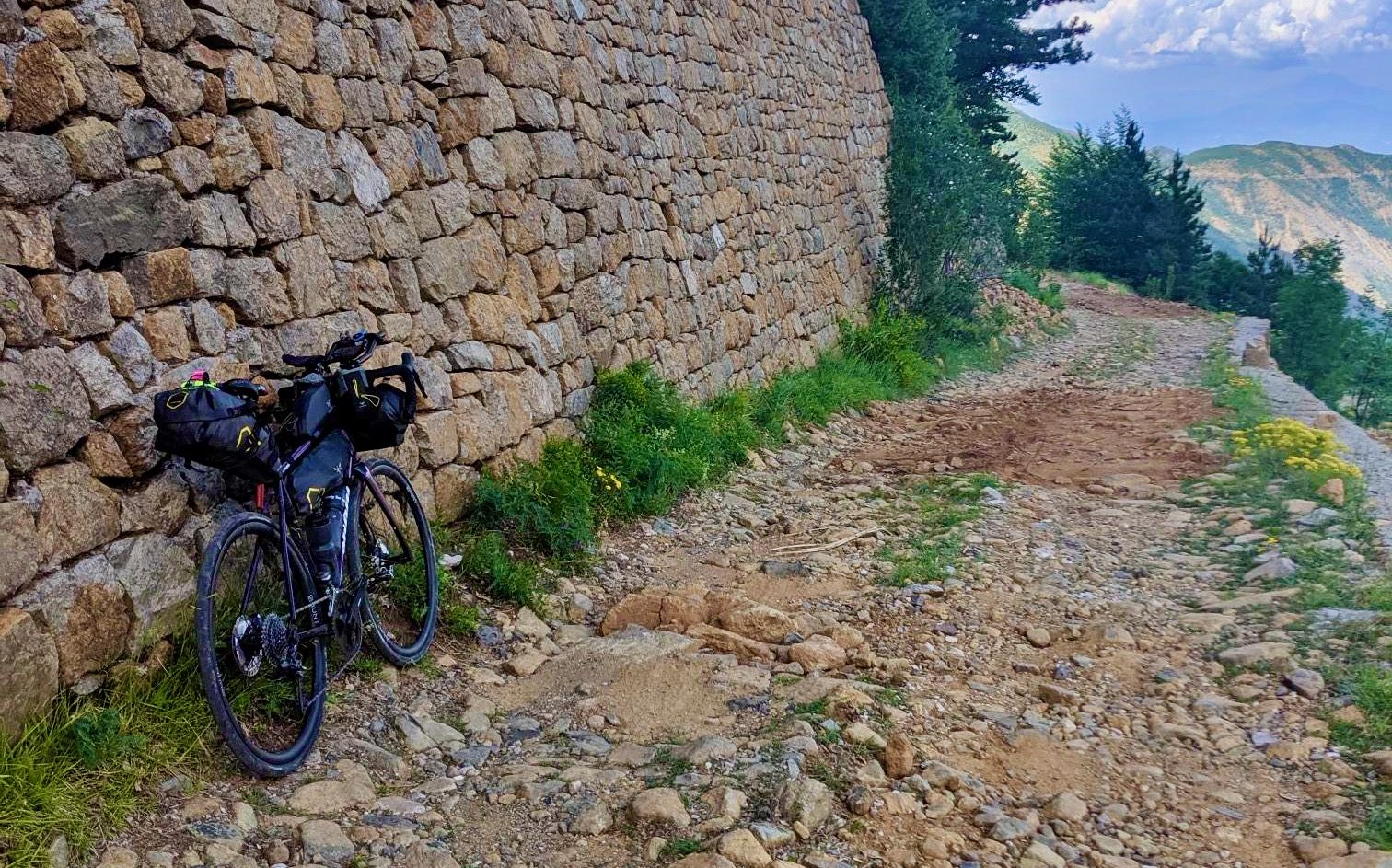
Traversing the Dinaric Alps — bikepacking from the mountains to the sea
Transcontinental Race No9 2023
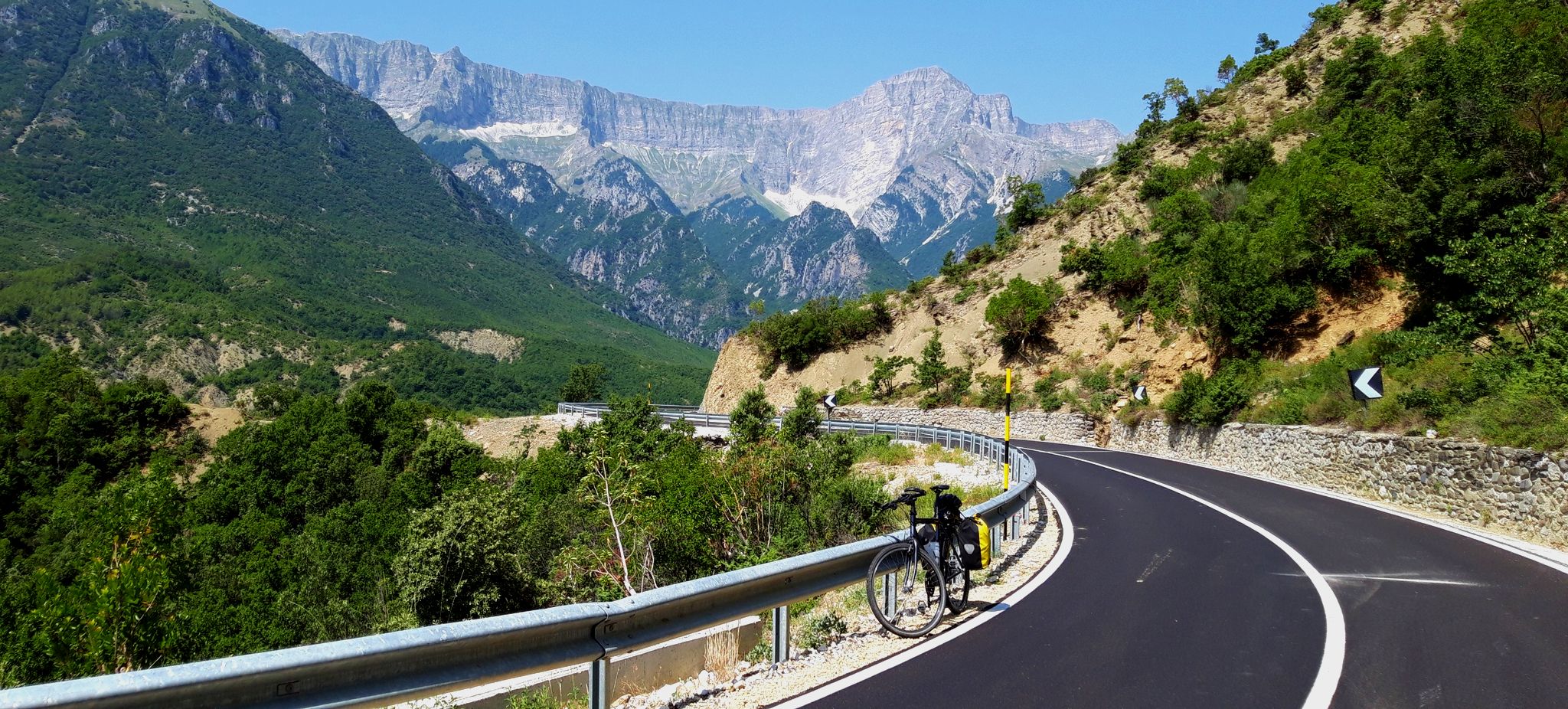
Balkan cycling adventure – Dubrovnik to Corfu
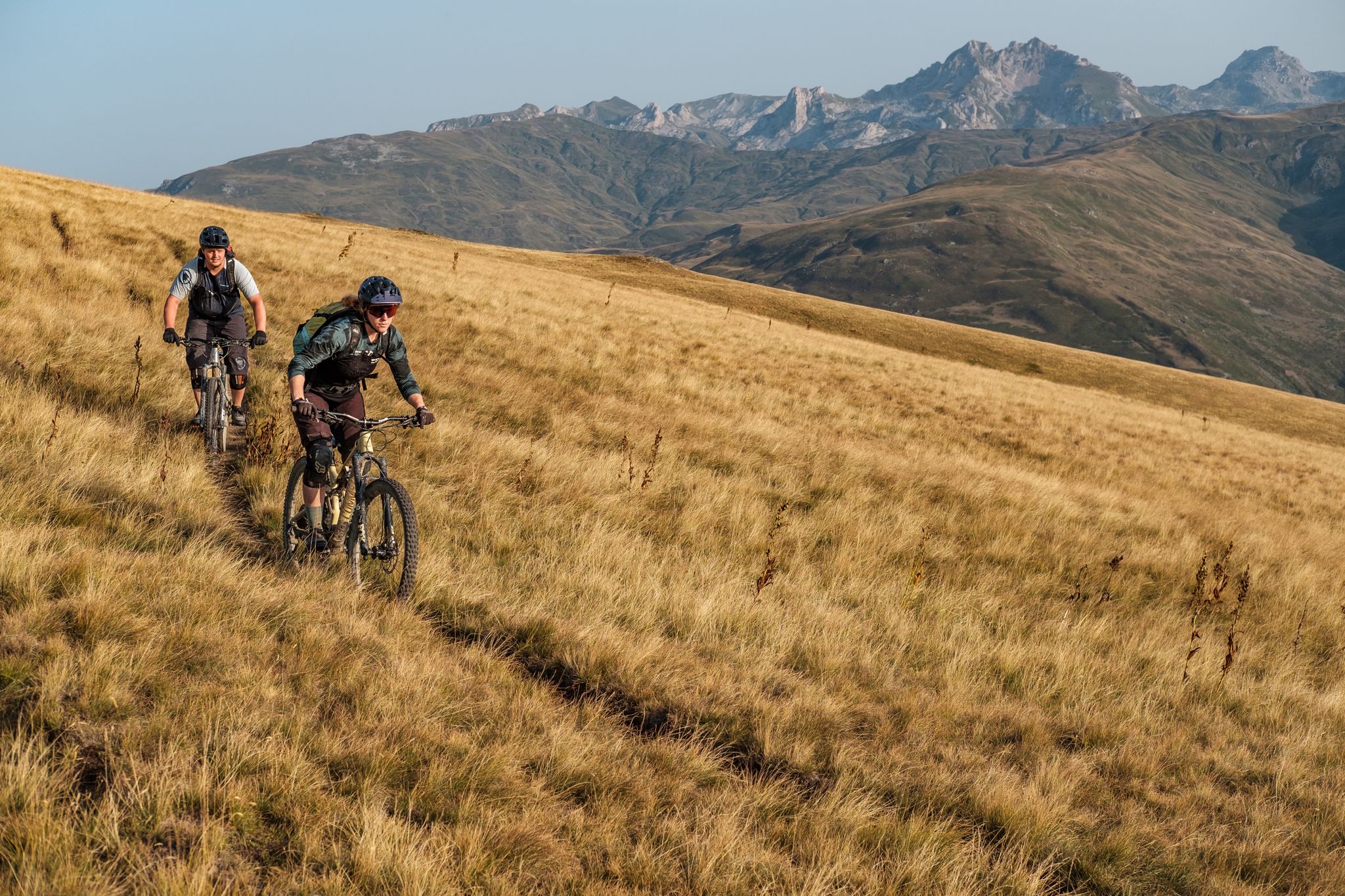
Explorer Trip through Kosovo and Albania
As we wrote history – the Transcontinental Race #TCRN06
Hiking in Albania
Cycling in Albania
Running Trails in Albania
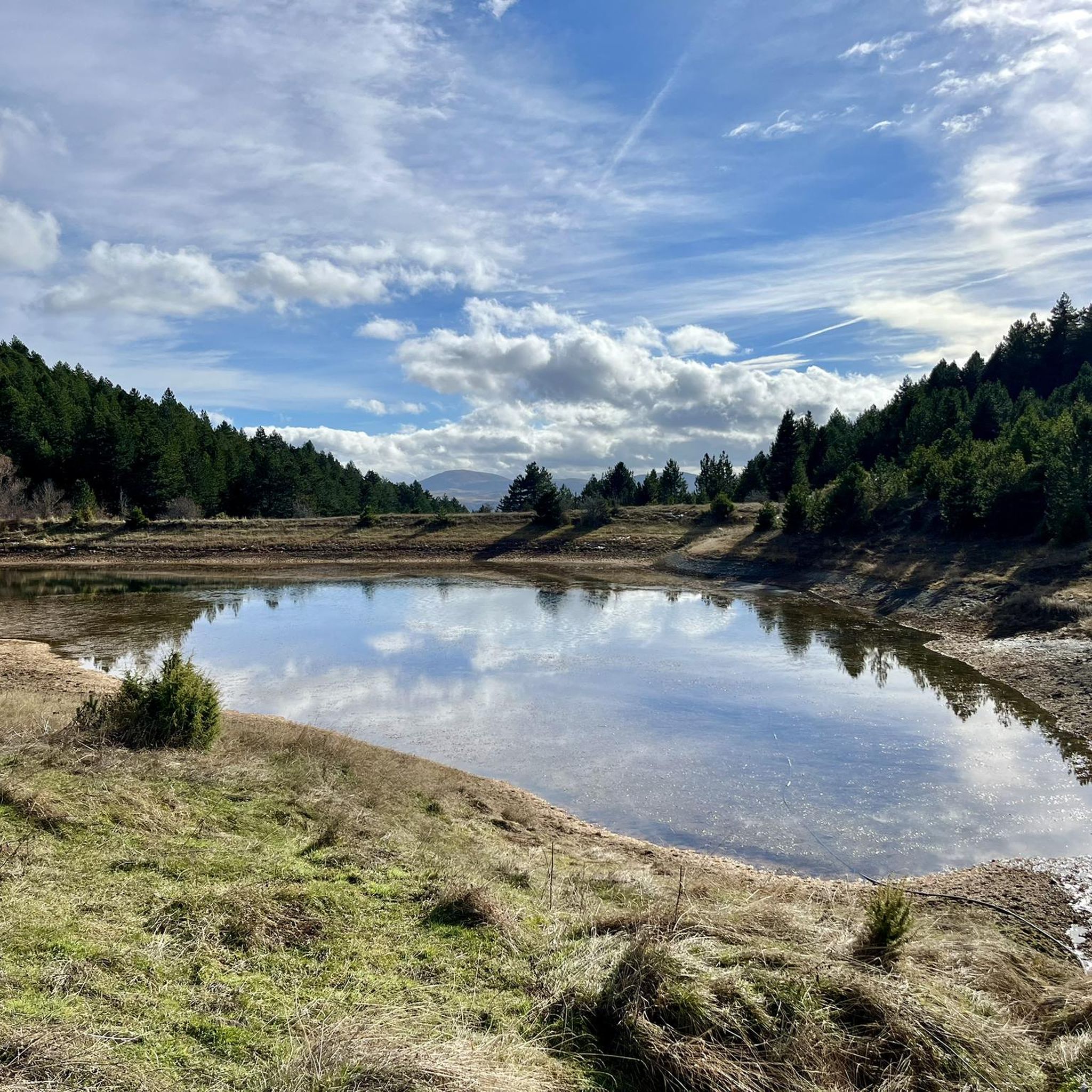
Road Cycling Routes in Albania
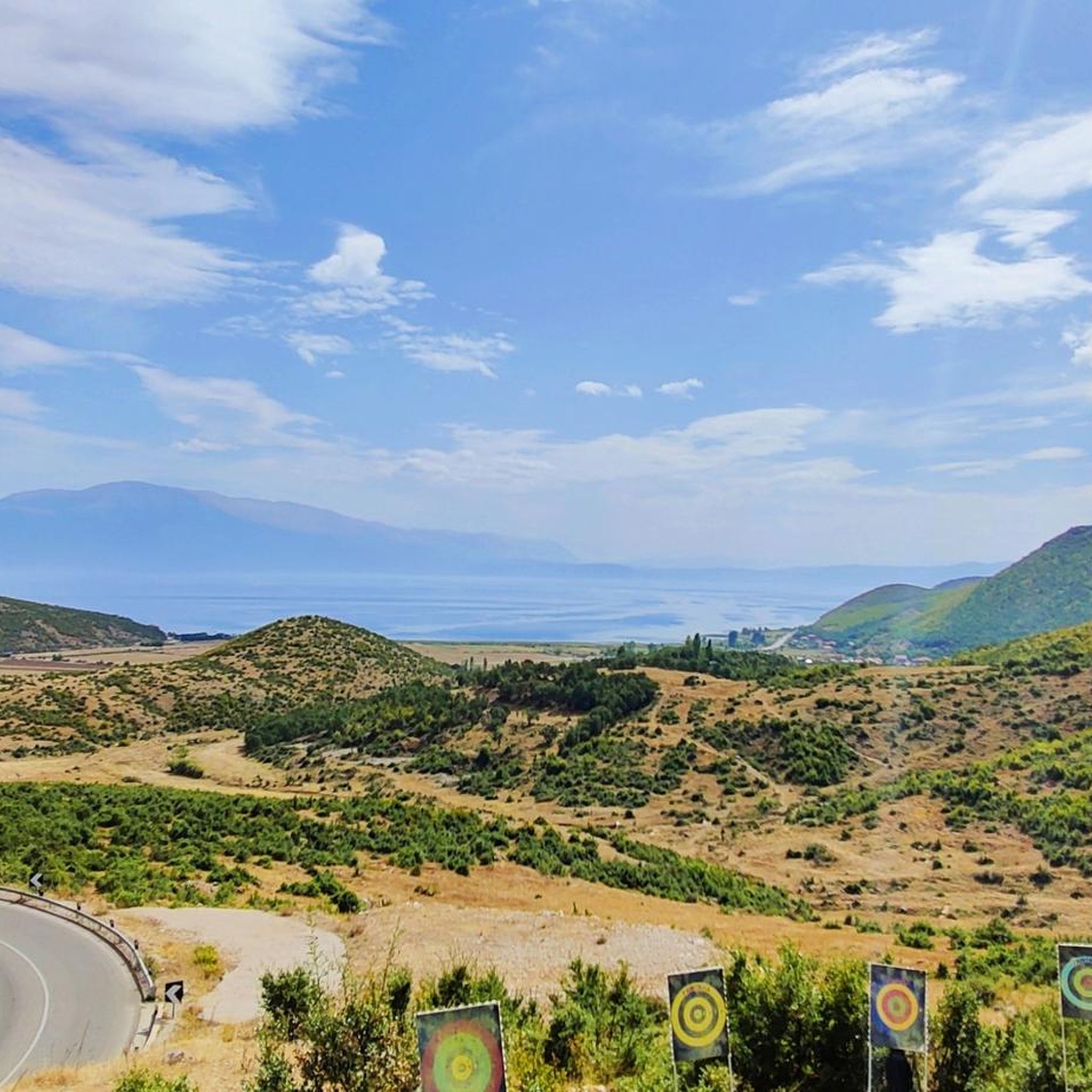
MTB Trails in Albania
Other adventures in Albania


Tips from the Community

Here you will find many great opportunities for hiking 🥾
0
0

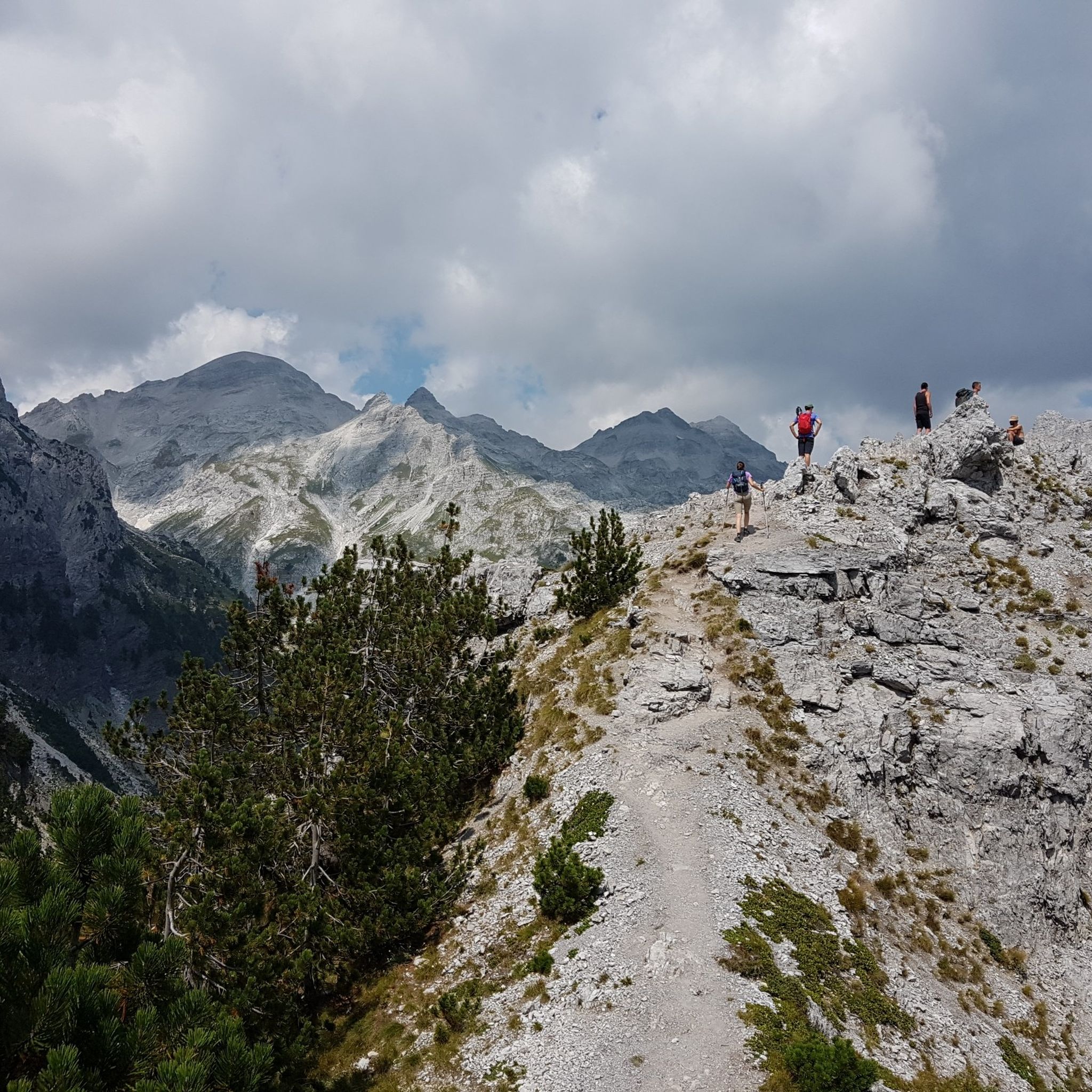
Jezerca (Albanian: Maja e Jezercës; Serbian: Језерски Врх Jezerski Vrh), at 2,694 m above sea level, is considered the highest mountain entirely located in Albania and the highest peak in the Northern Albanian Alps. Not an easy climb. The trail is fairly well marked (red and white), including cairns. It winds its way through the valley to the foot of Jezerca (also over small snowfields), and then climbs mostly in and alongside a gully (with a snowfield). It winds skillfully over several steps in the limestone, also over small scree fields. Hands and feet are often needed for climbing, and poles are also helpful. The ascent is approximately 600 m.
1
0

Great view - no one should miss this detour ⛰️☀️ (assuming you are sure-footed and have a head for heights)
0
0

The highest peak in Montenegro. When you're there, you can really enjoy the view and the nature. In my case, there weren't many people on the way and it was quiet. I don't find the route strenuous. Only the last hour requires a bit of climbing and walking on steep rocks. In wet weather, there are places that could be slippery and dangerous.
7
0
The two countries share this peak. That's why you can climb it from both sides. In my case, I chose the route in Albania. I think the surroundings are very beautiful and you have a great view from the top when the weather is good.
3
0

The short 5-minute additional ascent is very worthwhile, great view of both valleys
0
0

From the summit there is a magnificent view down into the Valbona valley and the surrounding mountains
1
0

The Grbaja Valley is one of the most impressive in the Balkans. A 30-minute transfer leads to a narrow valley wedged between the karst towers of Karanfili (2,461 m). It is probably one of the most rugged and dramatic peaks of the Prokletije and a dream of many climbers. A last steep ascent leads up through a shady, fairytale beech forest to the twin peaks of Popadija and Taljanka (2,056 m). The route traverses the narrow ridge to a series of lookout points back onto the shady forest trail where the balloon hike ends. Celebrate the adventure with a cold drink in a beer garden on the valley floor before heading back to the guest house in Vusanje.
2
0
Frequently Asked Questions
What are some of the most notable mountain peaks in Albania?
Albania boasts a diverse range of impressive peaks. The highest is Mount Korab, standing at 2,764 meters, which offers challenging hikes and panoramic views across the Balkan Peninsula. Another significant peak is Maja Jezercë, the highest in the Albanian Alps, known for its dramatic landscapes and demanding trails. For a blend of spiritual and adventurous experiences, Mount Tomorr is a sacred site with sweeping views. Along the coast, the Llogara Mountains and Mount Çika provide stunning sea and mountain vistas, while Mount Dajti offers an accessible escape near Tirana.
What is the highest mountain peak in Albania?
The highest mountain peak in Albania is Mount Korab, reaching an elevation of 2,764 meters (9,068 feet). It forms a natural border with North Macedonia and is known for its rugged massif, diverse geological features, and rich flora and fauna. The summit trek offers stunning panoramic views. You can find more details about the summit at Mount Korab Summit.
Are there challenging multi-day treks in the Albanian mountains?
Yes, Albania's mountains offer several challenging multi-day treks. The region around Maja Jezercë, often called the "Giant of the Accursed Mountains," provides strenuous multi-day routes, frequently starting from Theth or Valbona. The Korab-Koritnik Trail near Mount Korab also offers multi-day trekking options through remote beauty. These treks often involve glacial lakes, knife-edge ridges, and dramatic limestone cliffs, ideal for serious hikers seeking pristine landscapes.
Which mountain peaks are suitable for families or beginners?
For families or beginners looking for easier access to nature, Mount Dajti near Tirana is an excellent choice. It's easily accessible via the Dajti Ekspres cable car and offers well-marked hiking trails, picnicking, and panoramic views without extreme difficulty. While many Albanian peaks are challenging, areas within national parks like Llogara National Park also offer trails of varying difficulty, some of which are suitable for less experienced hikers.
What is the best time of year to hike in Albania's mountains?
The best time of year to hike in Albania's mountains is generally from late spring to early autumn, specifically from May to October. During these months, the weather is typically more stable, with less snow at higher elevations and pleasant temperatures. Spring brings blooming wildflowers, while autumn offers vibrant foliage. However, be prepared for potential snow in spring at higher altitudes, as noted by visitors to Talijanka Peak.
What kind of wildlife can I expect to see in the Albanian mountains?
The Albanian mountains are rich in biodiversity. In areas like Mount Korab, you might spot rare wildflowers, eagles, and even lynxes. The national parks, such as Tomorr National Park and Llogara National Park, protect diverse ecosystems where various bird species, small mammals, and unique flora thrive. Keep an eye out for eagles, which are a national symbol, soaring above the peaks.
Are there any mountain peaks with cultural or historical significance?
Yes, Mount Tomorr is particularly significant, considered sacred in Albanian mythology and a major pilgrimage site for the Bektashi order. Every August, thousands visit the Bektashi Tekke high on the mountain. Hikers can explore trails through ancient ruins, delving into the region's cultural and spiritual traditions alongside rugged landscapes.
How accessible are the mountain peaks from major cities like Tirana?
Some peaks are quite accessible. Mount Dajti, for instance, is just outside Tirana and can be reached easily via the Dajti Ekspres cable car, making it a convenient day trip. Other more remote peaks, especially in the Albanian Alps (like Maja Jezercë), require more planning, often involving travel to villages like Theth or Valbona, which can be reached by a combination of public transport and shuttles.
What outdoor activities, besides hiking, can be done near Albania's mountain peaks?
Beyond hiking, Albania's mountain regions offer a variety of outdoor activities. Near the Llogara Mountains, paragliding from the Llogara Pass down to the Ionian coast is a popular and unforgettable experience. The dramatic Osum Canyon, near Mount Tomorr, is known for rafting, swimming, and exploring waterfalls. The diverse terrain also supports mountain biking and road cycling. You can find various routes, including mountain hikes, gravel biking, and road cycling, in guides like Mountain Hikes in Albania, Gravel biking in Albania, and Road Cycling Routes in Albania.
Are permits required for hiking in Albanian National Parks, particularly in the Valbona Valley?
While general access to most national parks in Albania is usually free or requires a small entrance fee, specific permits might be needed for certain protected areas or for multi-day treks, especially those involving border crossings. It's always advisable to check local regulations, particularly for popular routes like the Theth to Valbona trek, as rules can change. For instance, the Valbona Valley National Park is a protected area, and while hiking is encouraged, inquire locally about any specific requirements.
Where can I find accommodation or amenities when visiting the Albanian Alps?
In the Albanian Alps, villages like Theth and Valbona are key hubs for visitors and offer various guesthouses, small hotels, and local restaurants. These areas cater to hikers and provide essential amenities. For coastal mountain ranges like the Llogara Mountains, you'll find more developed tourist infrastructure along the Albanian Riviera. Near Mount Dajti, you have the full range of amenities available in Tirana.
What should I wear for summer hiking in the Albanian mountains?
For summer hiking in the Albanian mountains, it's crucial to wear lightweight, breathable, and moisture-wicking clothing. Layers are recommended, as temperatures can vary significantly between day and night, and at different altitudes. Sturdy hiking boots with good ankle support are essential, especially for rugged terrain. Don't forget sun protection (hat, sunglasses, sunscreen) and plenty of water, as some trails can be exposed. A waterproof jacket is also advisable for unexpected rain showers.
Are there any hidden gem mountain trails in Albania?
Beyond the well-known routes, Albania offers several hidden gems for adventurers. The Shebenik-Jabllanicë National Park, with its highest peak Shebenik (2,253m), is known for beautiful treks and UNESCO-protected forests, offering a less crowded experience. The Mali i Gramozit range in southeastern Albania provides challenging hikes and untouched natural beauty for those seeking off-the-beaten-path adventures. Additionally, Gjallica Mountain in northeastern Albania offers a unique and remote experience.
Most popular routes in Albania
Most popular attractions in Albania

Get inspired with the komoot mobile app


Didn’t find what you were looking for?
Discover Albania’s best peaks and summits by region:
Explore more
See even more amazing summits in Albania with these guides:
