Top 20 Castles in Bosnia and Herzegovina
Castles in Bosnia and Herzegovina offer a rich collection of historical sites, each reflecting the region's diverse past, including medieval, Ottoman, and Austro-Hungarian periods. These fortresses are often situated in strategic locations, providing views of the surrounding natural landscapes and river valleys. The country's varied geography, from rocky cliffs to river confluences, has shaped the placement and design of these historical structures. Exploring these sites provides insight into centuries of cultural and architectural evolution.
Best castles in Bosnia and Herzegovina
- The most popular castles is Stone archway at Kastel Fortress, Banja Luka, a castle that is one of the oldest buildings in the city, with origins believed to date back to Roman times. Its expansion into a heavily fortified fortress began in the 15th century, and it now includes a large park and a restaurant.
- Another must-see spot is Vidoška Fortress (Stolac), a castle located on a hilltop just a 15-minute walk from the city center. This ancient fortress, founded in the 5th century, was one of the best-fortified cities in Bosnia and Herzegovina, with 13 towers in the 17th century.
- Visitors also love Jajce Fortress, a castle located 470 meters above sea level, offering views of Jajce and its old town. It features the only preserved royal coat of arms of the Kotromanić family in Bosnia and Herzegovina, dating from the 15th century.
- Bosnia and Herzegovina is known for medieval fortresses, Ottoman-era fortifications, and castles with Neo-Gothic additions. Visitors can explore a variety of architectural styles and historical periods across the country's many castle sites.
- The castles in Bosnia and Herzegovina are appreciated by the komoot community, with more than 30 upvotes and over 70 photos shared by visitors.
Last updated: October 12, 2026
Stone archway at Kastel Fortress, Banja Luka
Highlight • Castle
Its exact age has not yet been determined. However, it is believed that the settlement of Kastra was already located here in Roman times. Its expansion into a heavily fortified fortress with defensive towers began in the 15th century under Ferhat Pasa Sokolovic.
After the Ottomans, the Austrians took over the fortress, and during World War II, it was even used by the German Wehrmacht. The fortress complex is located on a vast site that, in addition to the bastions and defensive towers, includes a large park and a restaurant.
In summer, the Kastel is a popular destination for relaxing or picnicking in the beautiful surroundings of the Vrbas River. Numerous festivals and events also take place here during the summer months.
Translated by Google •
Tip by

Jajce Fortress
Highlight • Castle
Next to the fortress entrance is a portal bearing the royal coat of arms of the Kotromanić family from the 15th century. It is the only preserved royal portal in Bosnia and Herzegovina. Inside the fortress is a powder chamber built in the late 18th or early 19th century and a water tank from the time of the Austro-Hungarian Empire. The fortress walls extend along the eastern wall, with the Bear Tower and the Travnik Gate, and along the western wall, with the Great Tower (Velika Tabija), the Džikovac Tower, the Papaz Tower, the Banja Luka Gate, and the Šamića Tower, towards the Pliva and Vrbas Rivers.
On the way to the fortress is the Clock Tower (Sahat kula), which was the original entrance to the city in the Middle Ages. It is believed that the clock already stood on the tower during the Ottoman period and that it also dates back to this period.
Translated by Google •
Tip by
Sign up now to discover places like this
Get recommendations on the best single tracks, peaks, & plenty of other exciting outdoor places.
Vidoška Fortress (Stolac)
Highlight • Castle
Translated by Google •
Tip by

Bobovac Medieval Fortress Ruins
Highlight • Castle
Translated by Google •
Tip by
Captain's Tower
Highlight • Castle
Translated by Google •
Tip by

Stjepan Grad Fortress
Highlight • Castle
Translated by Google •
Tip by

Visočica Summit and Fortress Ruins
Highlight • Summit
Translated by Google •
Tip by
Travnik Fortress
Highlight • Castle
Some archaeologists and historians believe that there was a Neolithic settlement here. The old town was built in the first half of the 15th century during the reign of the Bosnian king Ostoja or King Tvrtko II. Kotromanić. It is not known how the Turks conquered it, but it is known that they upgraded and expanded the fortress. During the Austro-Hungarian period, the fortress was called Kastel or Kaštel.
Translated by Google •
Tip by

Srebrenik Fortress
Highlight • Castle
Small fee has to be paid at the entrance.
Tip by

Blagaj Old Town Fortress
Highlight • Castle
Tip by

Sign up for free to discover even more castles in Bosnia and Herzegovina.
Already have an account?
Start today with a free account
Your next adventure awaits.
Popular around Bosnia and Herzegovina
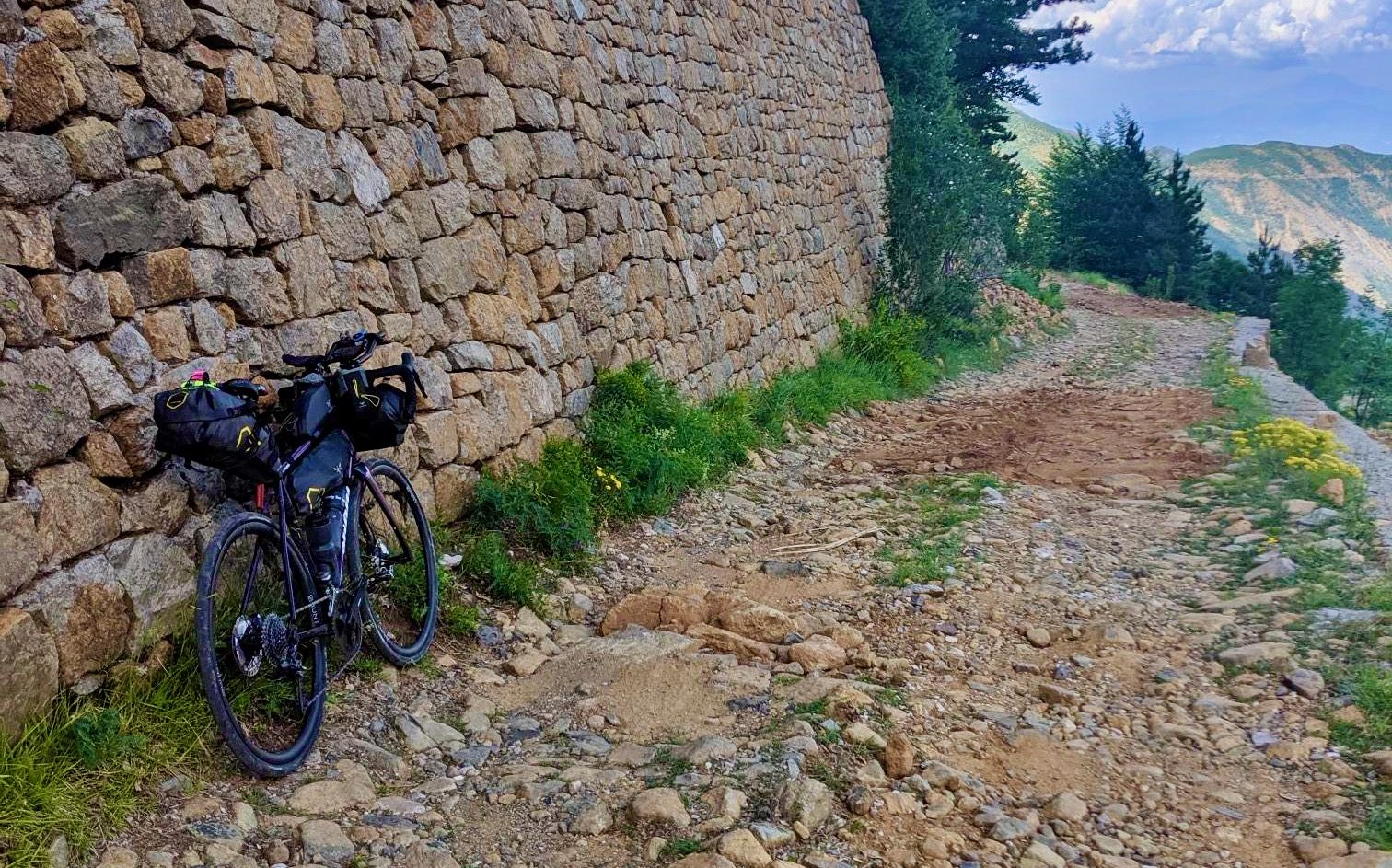
Traversing the Dinaric Alps — bikepacking from the mountains to the sea
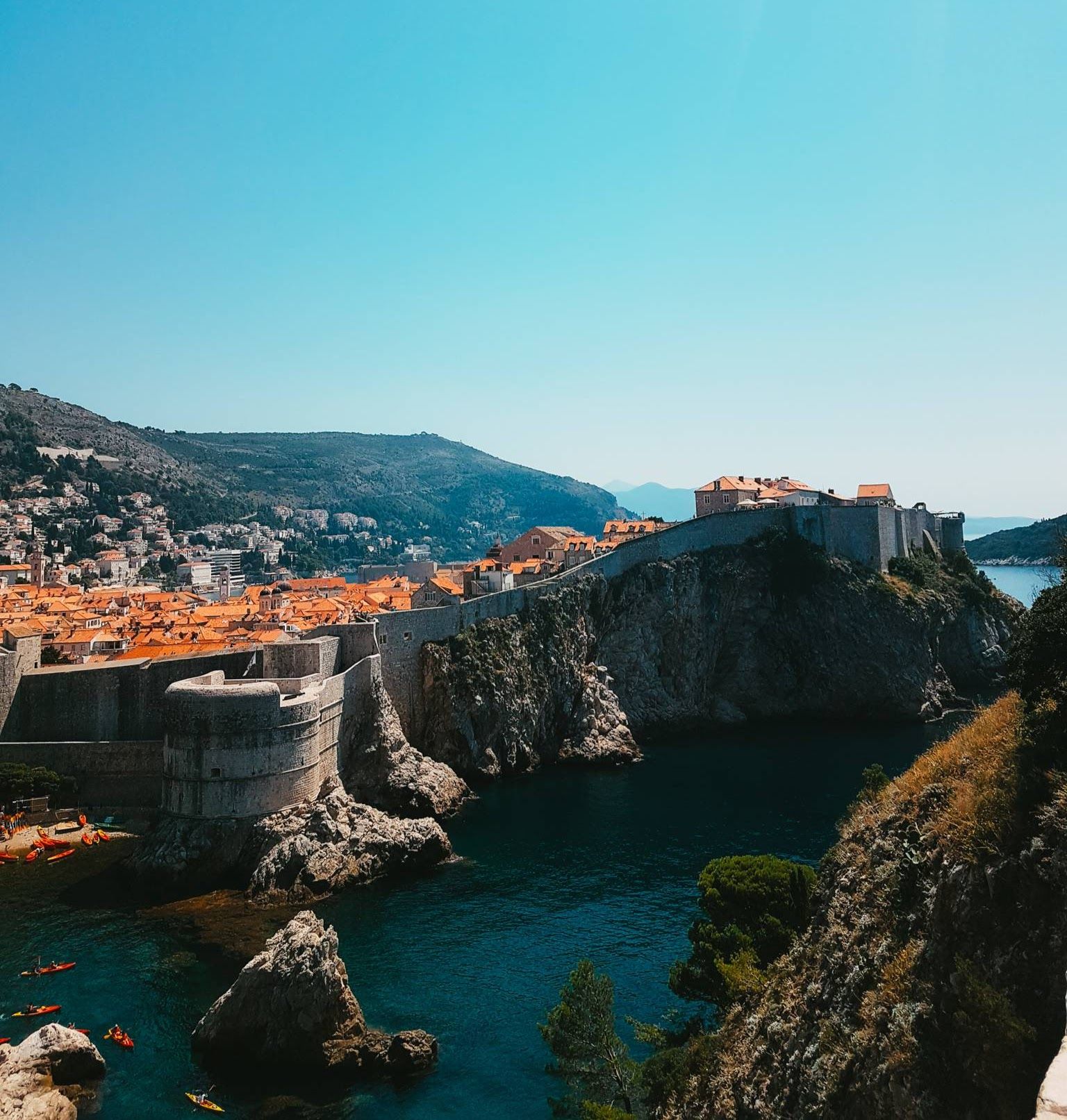
The Ciro Trail — Along the railtrail from Mostar to Dubrovnik
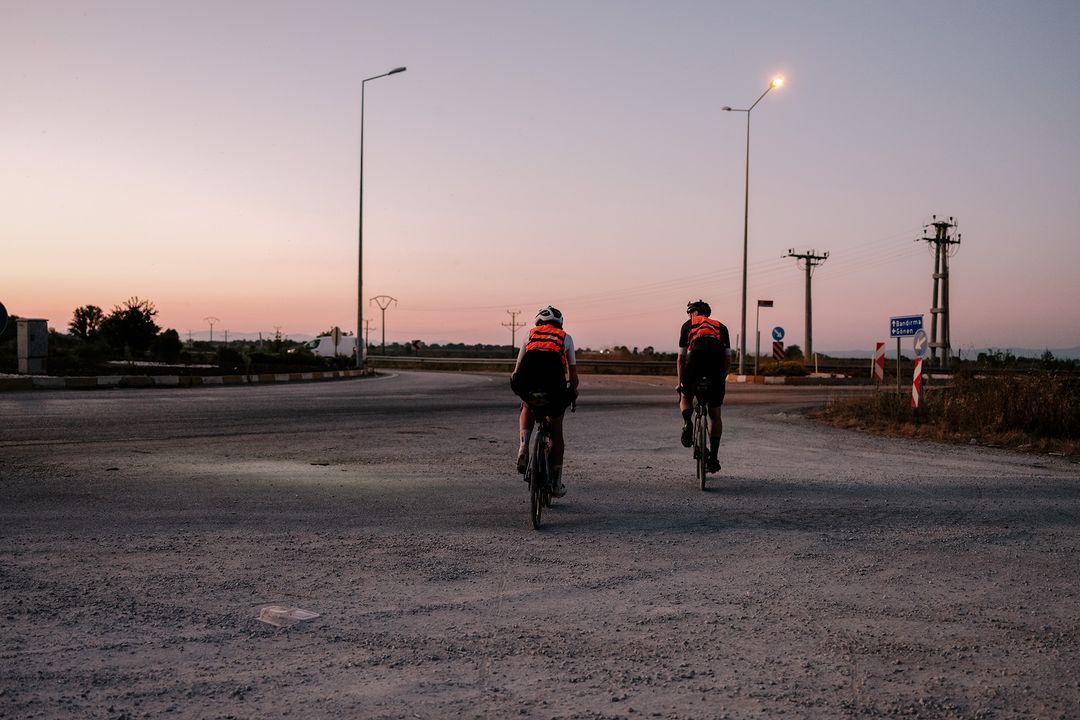
Transcontinental Race No10: crossing Europe from France to Turkey
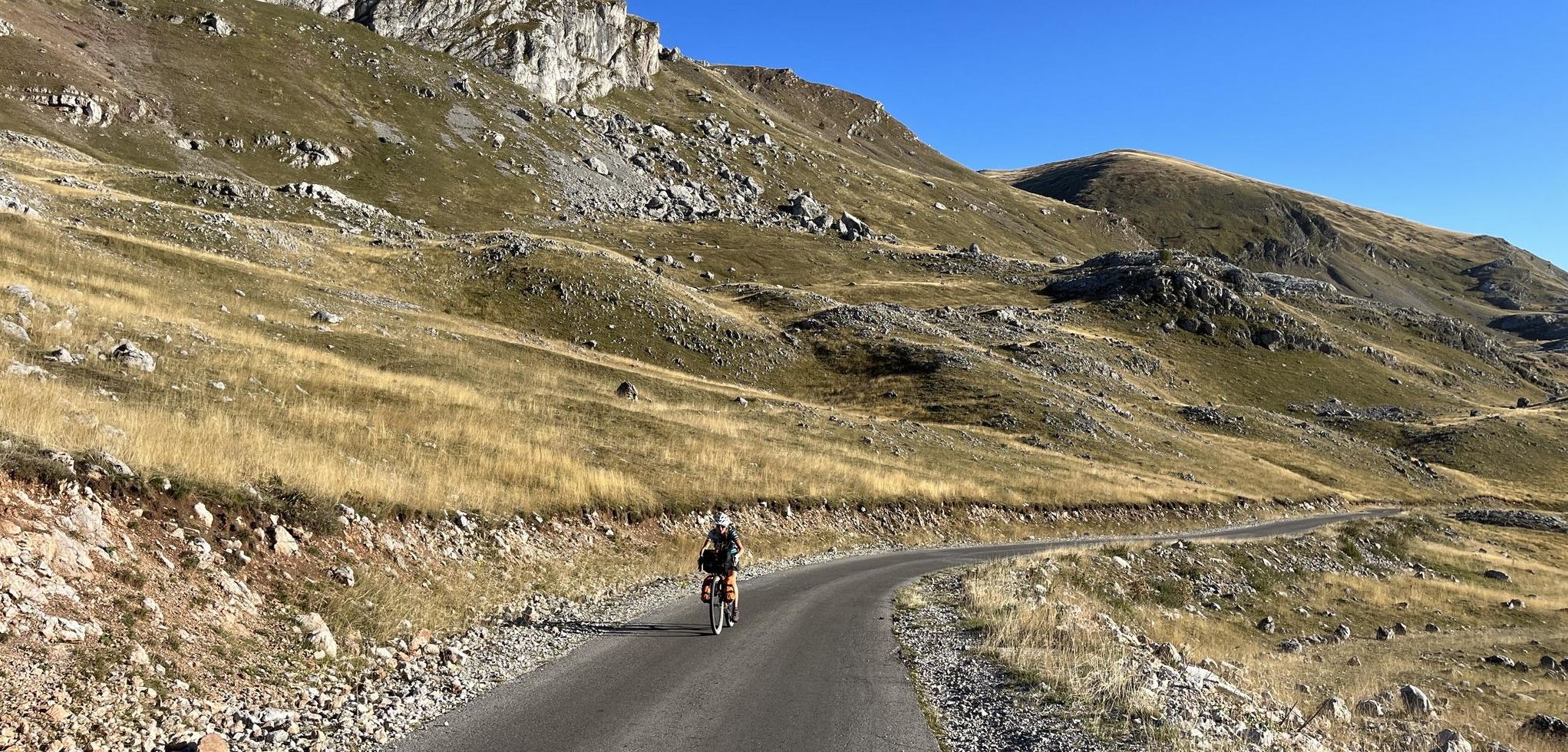
Balkan Escape – Croatia and Bosnia and Herzegovina
A weekend by Lake Buško – cycling the border between Croatia and Bosnia-Herzegovina
Transcontinental Race No9 2023
Warm earth and wild mountains — hiking in the Bosnian Alps
TCR No. 8 — racing across Europe
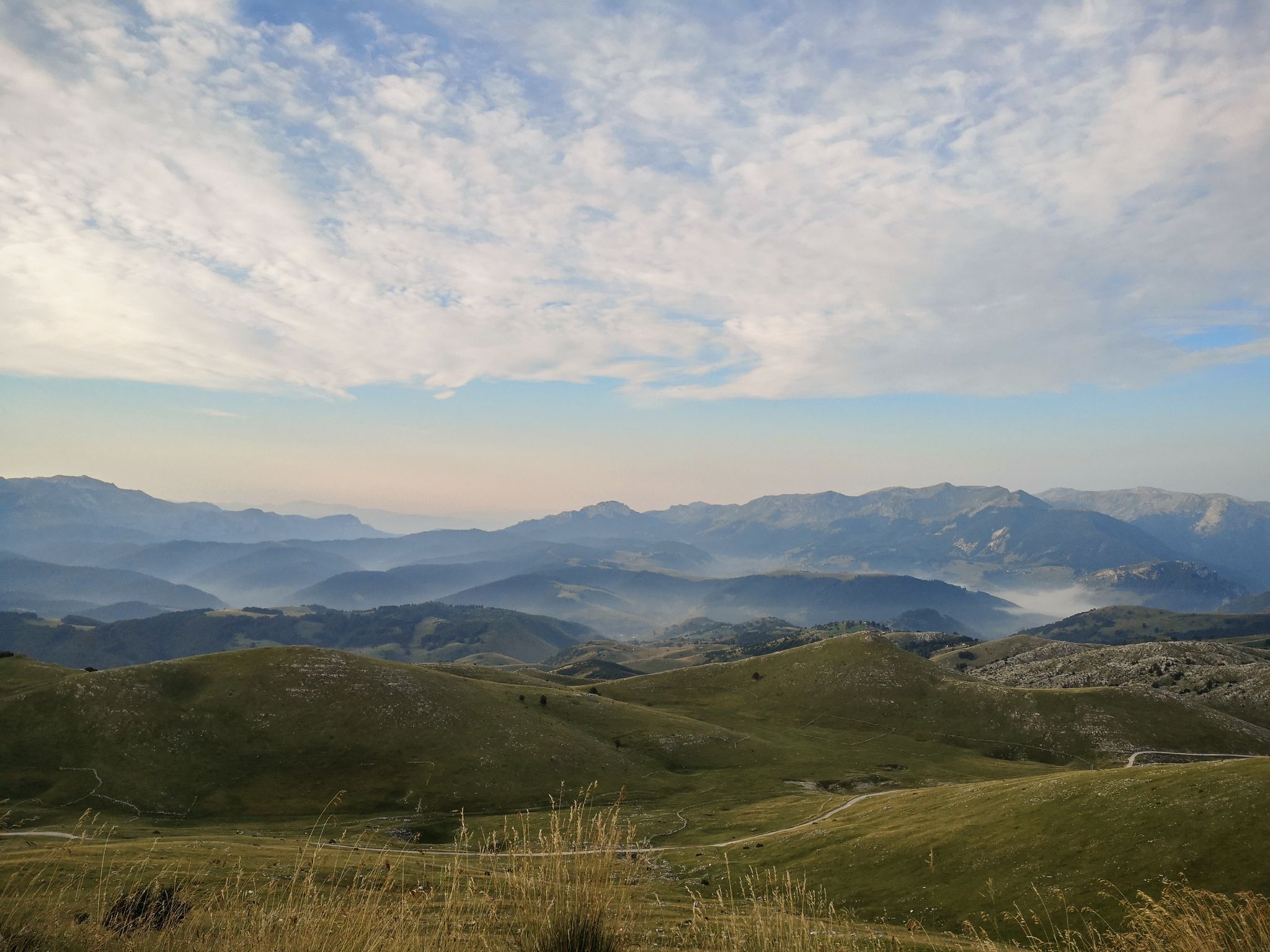
As we wrote history – the Transcontinental Race #TCRN06
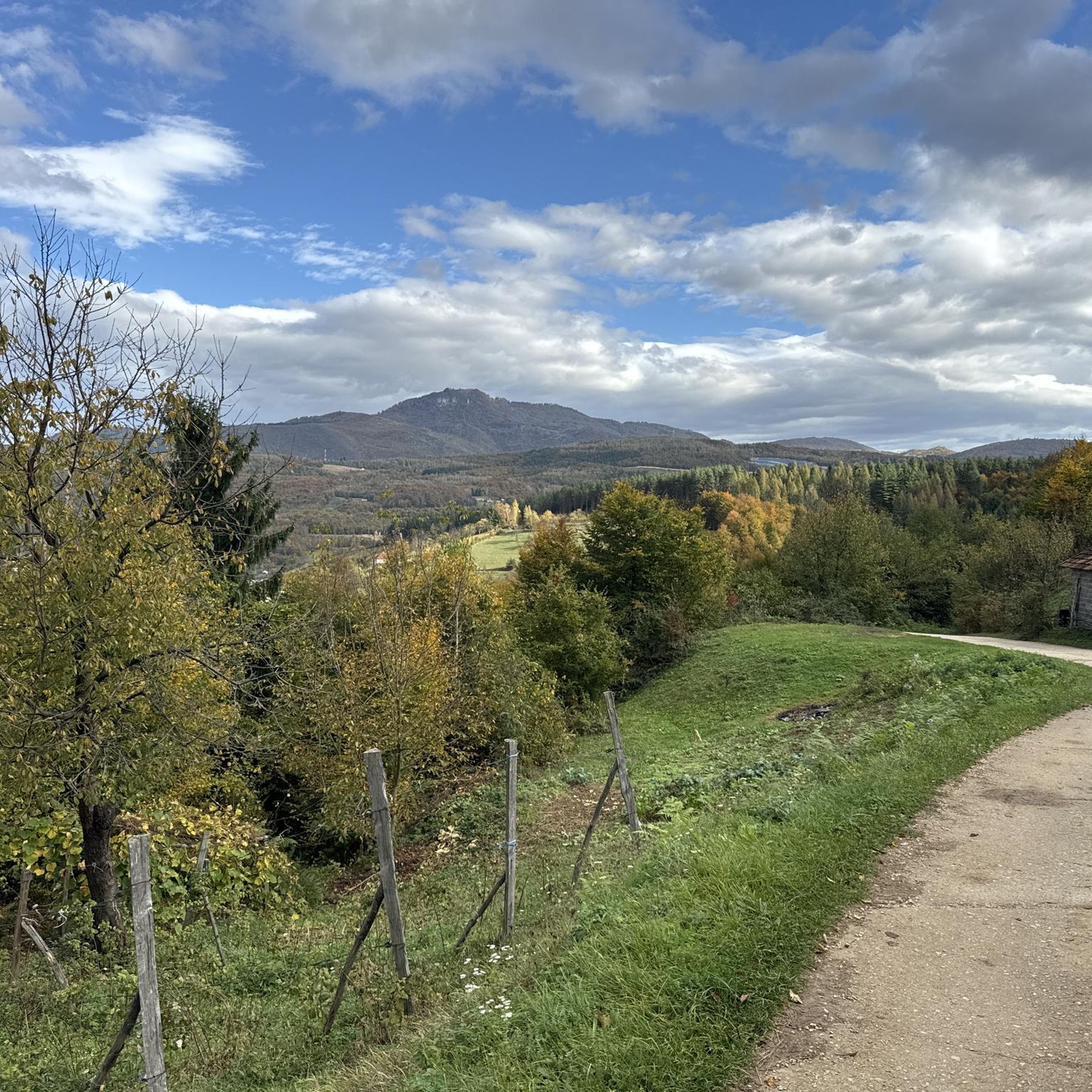
Hiking in Bosnia and Herzegovina
Other adventures in Bosnia and Herzegovina


Tips from the Community

Dolaskom austrougarskih vlasti u Bihać 1878.godine Kapetanova kula je adaptacijom unutrašnjeg prostora 1889.godine pretvorena u zatvor. Na osnovu podataka može se konstatovati da je u njoj na tri sprata moglo biti smješteno 50 zatvorenika, koji su tu izdržavali kaznu zbog težih krivičnih djela. Kapetanova kula je sve do 1959. godine služila kao Okružni zatvor. Zgrada je u potpunosti adaptirana u muzejski prostor, gdje su smještene stalne postavke, i značajna je u turističkoj ponudi Bihaća. Izvor: https://www.kulturnonaslijedjeusk.ba/bs/clanak/historijska-gradevina-kapetanova-kula-u-bihacu/19
4
2
The Captain's Tower is built of finely cut limestone. It was built on several floors; originally it had a ground floor and three upper floors, but the last restoration involved internal modifications and additions, so now, in addition to the ground floor, it has four more floors. Its external appearance has not been changed. The tower has a square base (10 x 10) and the shape of a four-sided truncated pyramid, which makes it unique compared to other towers in Bosnia and Herzegovina. It is covered with a 'tent' roof (hipped roof) with an opening. It has several openings. Source: https://www.kulturnonaslijedjeusk.ba/bs/clanak/historijska-gradevina-kapetanova-kula-u-bihacu/19
4
2
Kapetanova kula is part of the former fortress in Bihać. It has been declared a national monument of Bosnia and Herzegovina. It is located in the lower part of the city, on the left bank of the Una River. Based on available historical maps of the city and its surroundings, it can be determined that it was built before 1697. Some historians believe that Kapetanova kula was built around 1205 and that it was one of the four towers of Bihać. According to popular tradition, Hungarian King Béla IV stayed in the tower during the Tatar invasion. Source: https://sh.wikipedia.org/wiki/Kapetanova_kula_u_Biha%C4%87u
4
2


Further descriptions: https://www.tzsrebrenik.ba/stari-grad-srebrenik/ https://bs.wikipedia.org/wiki/Tvr%C4%91ava_Srebrenik
4
0

The old town of Srebrenik is today increasingly interesting to visitors who come to see the stone town built on a rock with an unreal view of the valley.
0
5
In my early childhood, until I was seven, I spent many days playing and climbing around Gradina. It was a source of imagination for us village kids. In those early 60s, almost no one knew about Gradina, except for us residents of Gornji Srebrenik and the surrounding villages (the current Srebrenik was then in the making, slowly growing around the railway station next to the newly built Brčko-Banovici railway.
5
1
Srebrenik is first mentioned in written sources on February 15, 1333. The city was then under the rule of the Bosnian Ban Stjepan II Kotromanić from 1322 to 1353. On that day, the Ban received the envoys of the Dubrovnik Republic in the suburbs of Srebrenik, and on that occasion confirmed their right to possession in the Ston War (Pelješac), "for all time" - as he states in his Charter. The Ban's son was also born here during those days, which provided an occasion for special festivities. From then until 1512, when it passed into Turkish hands, fortune was mixed in this city. It changed masters very often. The current walls of Srebrenik are from a somewhat younger time - they date back to the 18th century. However, the city still shows its old medieval foundation and outlines today, after many and thorough renovations. Situated on a steep rock, it imposingly dominates its surroundings. See: https://srebrenik.net/gradina-stari-grad-srebrenik-historija/
5
1
Frequently Asked Questions
Which castles offer the most significant historical insights into Bosnia and Herzegovina?
For a deep dive into history, consider visiting Jajce Fortress, which was the capital of the Kingdom of Bosnia and features the only preserved royal coat of arms of the Kotromanić family. Počitelj Citadel showcases a blend of medieval and Ottoman architecture, reflecting centuries of diverse influences. Srebrenik Fortress, dating back to 1333, is one of the oldest and best-preserved medieval castles, offering a glimpse into the country's early history.
Are there any 'hidden gem' castles worth exploring in Bosnia and Herzegovina?
Ostrozac Castle is often described as a 'hidden gem' due to its unique blend of medieval origins and Neo-Gothic architecture, including a 19th-century palace and an open-air sculpture park. It offers a surreal contrast of ancient and modern art, along with impressive views of the Una River valley.
What architectural styles can I expect to see in Bosnian castles?
Bosnian castles present a fascinating mix of architectural styles. You'll find medieval fortresses like Srebrenik and Jajce, Ottoman-era fortifications such as those expanded in Počitelj, and even unique Neo-Gothic additions, as seen at Ostrozac Castle. This diversity reflects the region's rich and complex history.
Which castles provide the best panoramic views?
Many castles in Bosnia and Herzegovina are strategically located for stunning views. Jajce Fortress offers incredible panoramas of the town, its famous waterfalls, and the surrounding rivers. Blagaj Fort (Stjepan Grad) provides breathtaking vistas of the Buna River source and the Neretva Valley, especially beautiful at sunset. Počitelj Citadel also boasts stunning views of the Neretva River valley.
Are there family-friendly castles in Bosnia and Herzegovina?
Yes, several castles are suitable for family visits. Kastel Fortress in Banja Luka is considered family-friendly, featuring a large park and a restaurant within its grounds, making it a great spot for relaxing. The open-air sculpture park at Ostrozac Castle can also be engaging for families.
What is the best time of year to visit castles in Bosnia and Herzegovina?
The best time to visit castles in Bosnia and Herzegovina is generally during the spring (April to June) and early autumn (September to October). During these months, the weather is pleasant for exploring, with milder temperatures and less rainfall than winter, and fewer crowds than the peak summer season. This allows for comfortable walks and clear views.
How accessible are the castles in Bosnia and Herzegovina?
Accessibility varies significantly between castles. Many are ancient structures located on hills or cliffs, requiring walking and sometimes steep climbs. For example, the path to Blagaj Fort is a well-maintained hiking trail, but it is still an ascent. Jajce Fortress is located 470 meters above sea level, offering a different perspective after a climb. Wheelchair access is generally limited due to the historical nature and terrain of these sites.
What outdoor activities can I do near these castles?
The region around Bosnia and Herzegovina's castles offers various outdoor activities. You can find numerous hiking trails, including easy hikes, and running trails. For example, there are routes like the Unac Waterfalls loop near Martin Brod. Gravel biking is also popular, with routes such as the Štrbački Buk Waterfalls loop in Una National Park. You can explore more options for easy hikes, running trails, and gravel biking in the region.
Are there entrance fees for castles in Bosnia and Herzegovina?
Many major castles and fortresses in Bosnia and Herzegovina do have entrance fees, which contribute to their maintenance and preservation. It's advisable to check the specific castle's official website or local tourist information for the most current pricing and opening hours before your visit.
What kind of amenities can I find near major castles like Jajce Fortress or Počitelj Citadel?
Near major historical sites like Jajce Fortress and Počitelj Citadel, you can typically find amenities such as local restaurants, cafes, and accommodation options ranging from guesthouses to hotels. Jajce, being a historic urban site, has various services within the town. Počitelj, often described as an 'open-air museum,' also has facilities catering to visitors, including places to eat and stay.
Can I visit castles in Bosnia and Herzegovina during winter?
While some castles remain accessible in winter, conditions can be challenging due to snow and ice, especially for those located on higher elevations or rugged terrain like Srebrenik Fortress. Many sites might have reduced opening hours or limited services. It's best to check local weather forecasts and specific castle information before planning a winter visit.
Which castles are considered the oldest in Bosnia and Herzegovina?
Among the oldest castles in the region, Kastel Fortress in Banja Luka has origins believed to date back to Roman times. Vidoška Fortress (Stolac) was founded by the Byzantine Emperor Constantine in the 5th century. Srebrenik Fortress is also noted as one of the oldest and best-preserved medieval castles, with records dating it back to 1333.
Most popular routes in Bosnia and Herzegovina
Most popular attractions in Bosnia and Herzegovina

Get inspired with the komoot mobile app


Didn’t find what you were looking for?
Explore Bosnia and Herzegovina’s best castles region by region:
Explore more
Looking for the best castles somewhere else? Discover other guides in Bosnia and Herzegovina:
