Top 4 Caves around Karrösten
Best caves around Karrösten are found in a region known for its geological history and position on the south-western slope of the Tschirgant mountain. The area offers insights into millions of years of earth history, with a landscape shaped by natural processes and historical mining activities. Visitors can explore various cave formations and historical sites. The terrain around Karrösten features natural caves, gorges, and old mine tunnels.
Best caves around Karrösten
- The most popular caves is Blue Grotto in Rosengarten…
Last updated: September 29, 2026
Blue Grotto in Rosengarten Gorge
Highlight • Cave
Translated by Google •
Tip by

Old Mine Tunnel
Highlight • Cave
Sign up now to discover places like this
Get recommendations on the best single tracks, peaks, & plenty of other exciting outdoor places.
Cave at Lake Piburg
Highlight • Cave
Translated by Google •
Tip by

Tschirgant Caves
Highlight • Cave
Translated by Google •
Tip by

Lower Knappenloch
Highlight • Cave
You can go in with your phone light and look for gold
Showing Translation
Tip by

Start today with a free account
Your next adventure awaits.
Popular around Karrösten
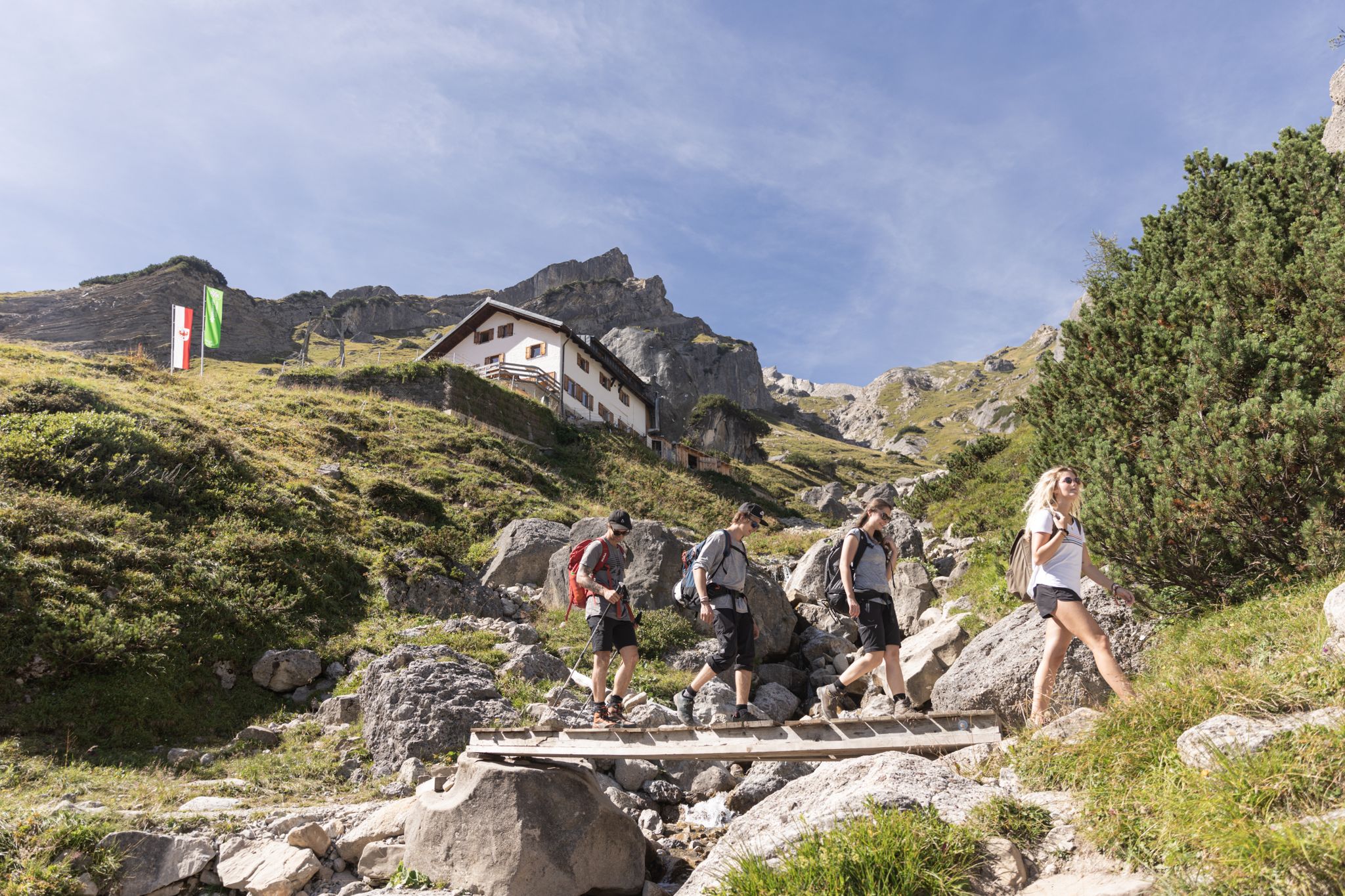
Eight enjoyable hut Tours in Austria’s Imst outdoor region
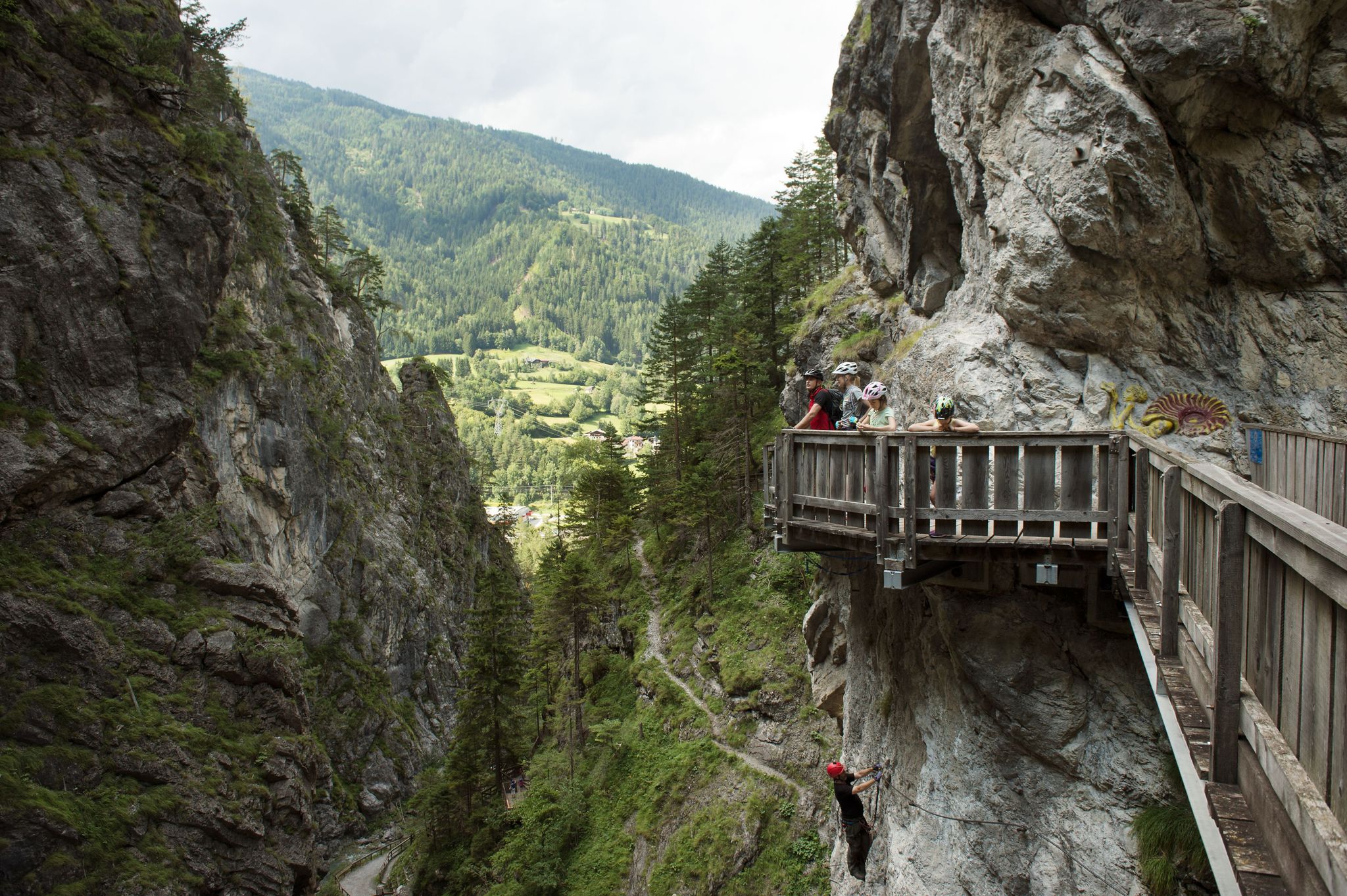
Natur, Spaß und Erholung – Radtouren für Familien in Tirol
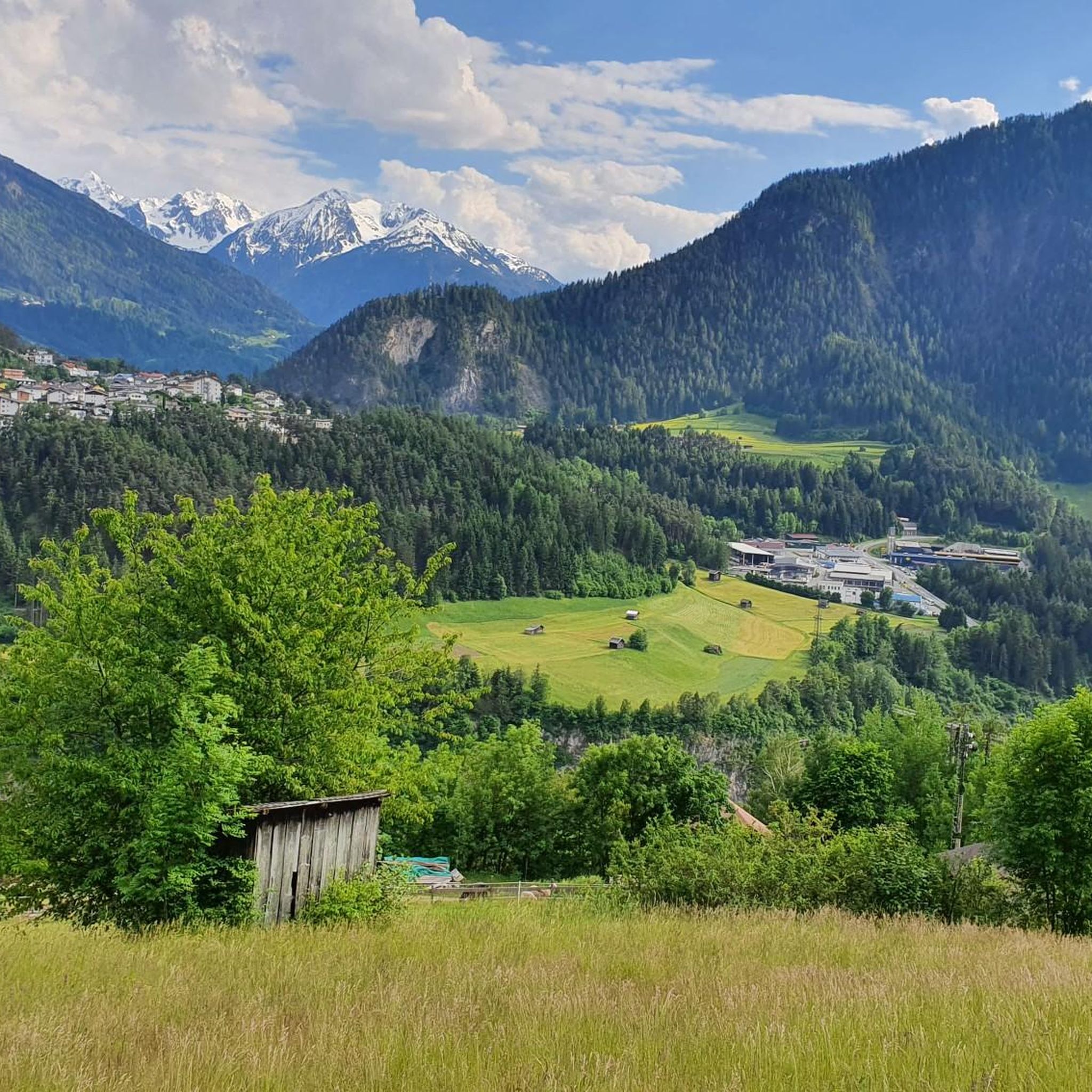
Cycling around Karrösten
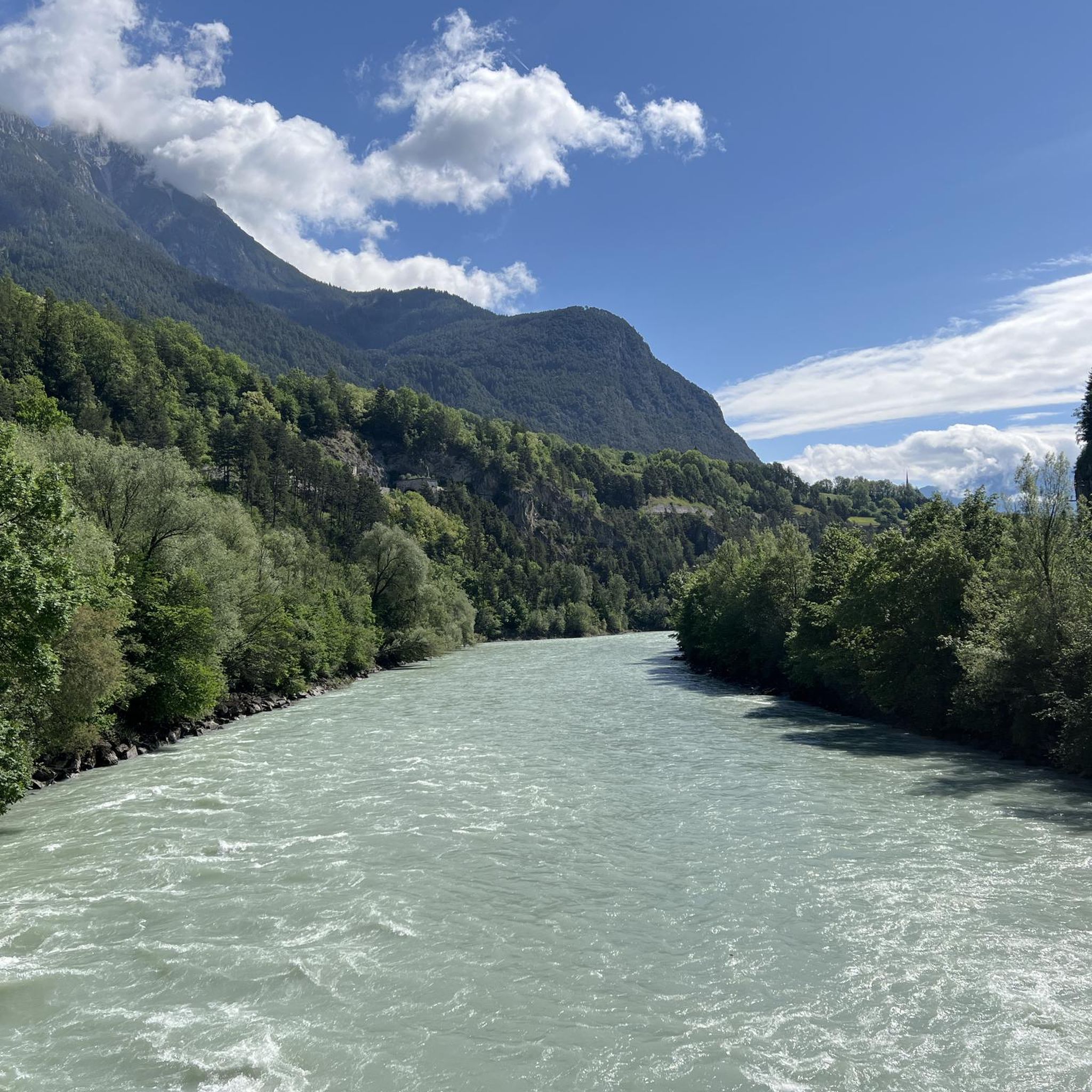
Road Cycling Routes around Karrösten
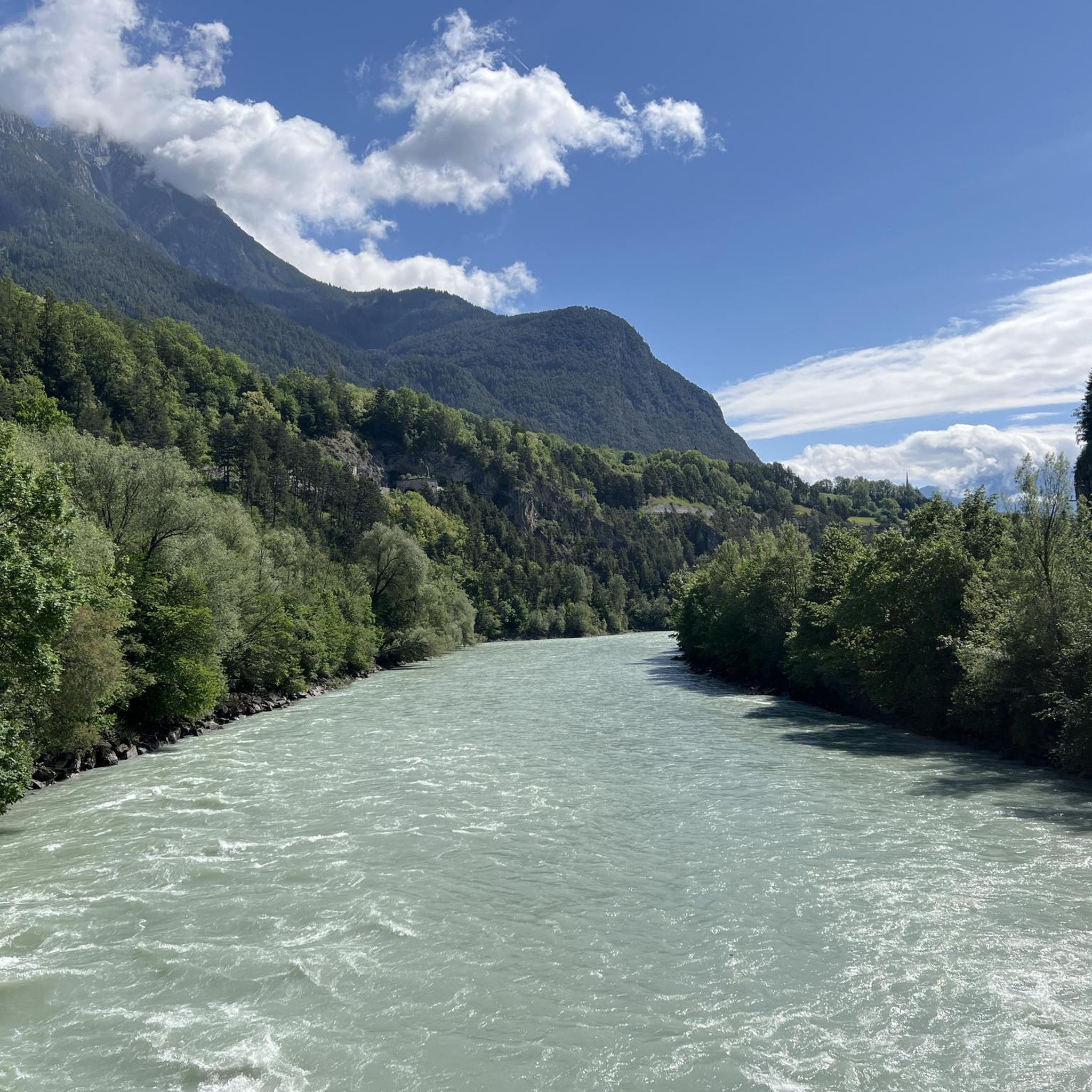
MTB Trails around Karrösten
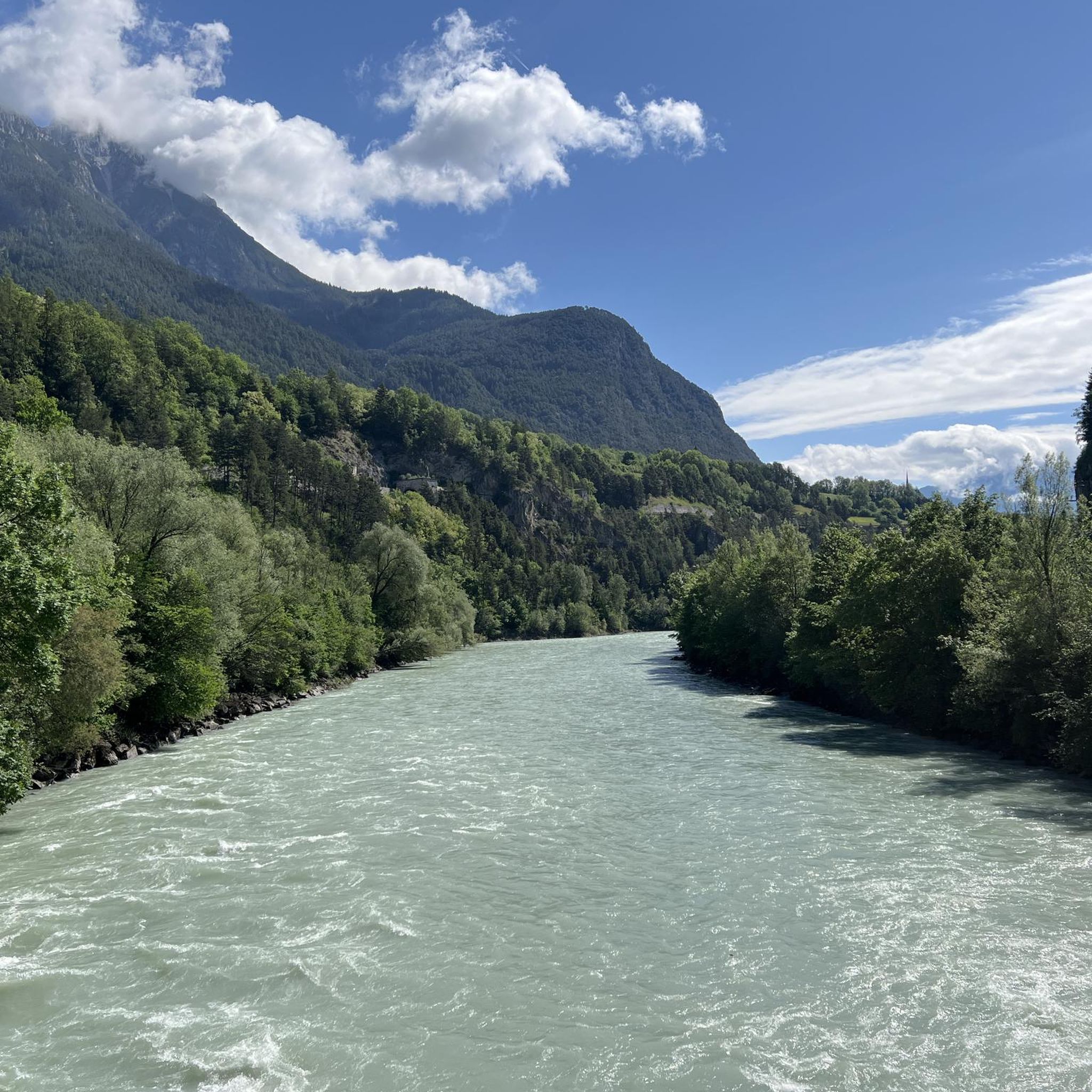
Hiking around Karrösten
Gravel biking around Karrösten
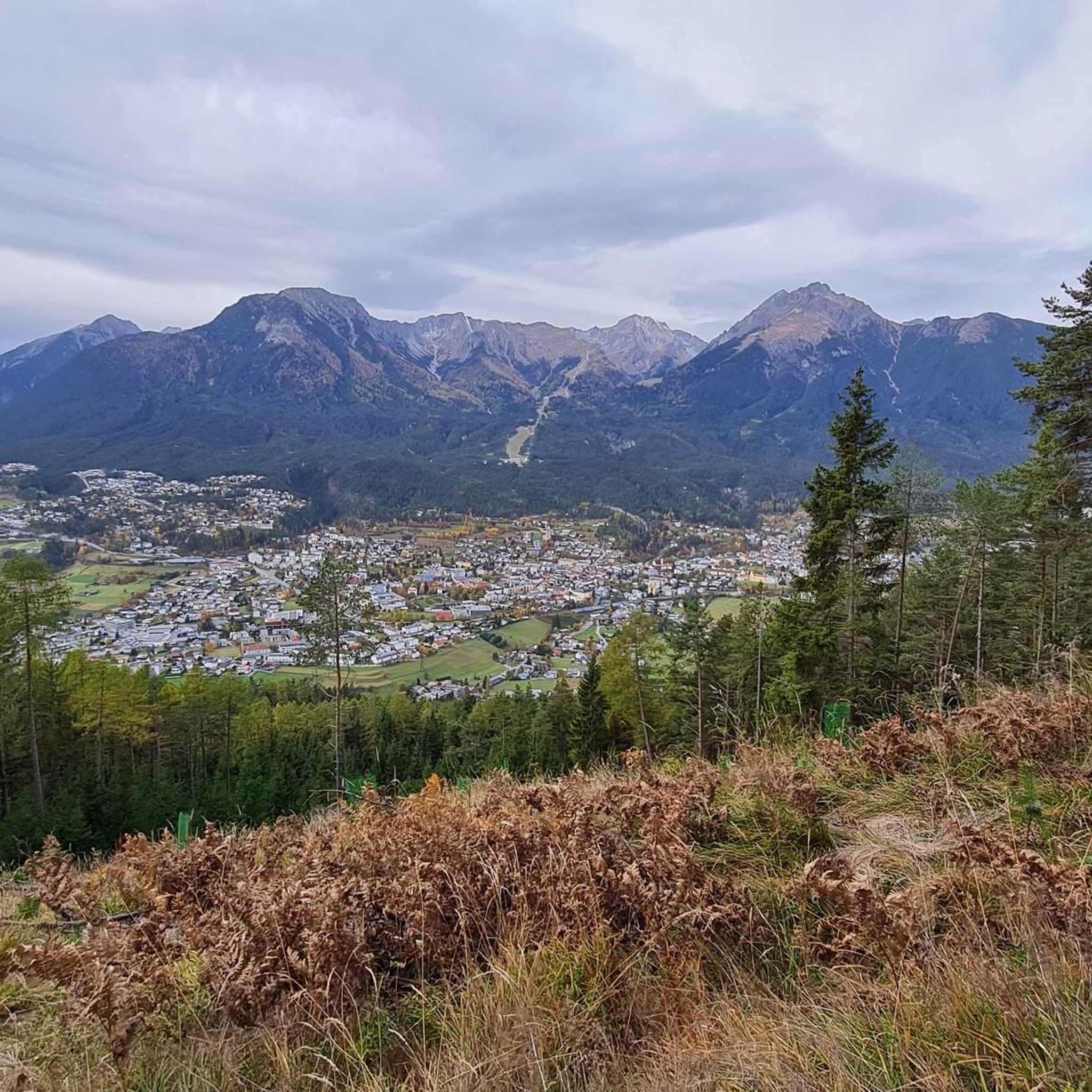
Running Trails around Karrösten
Mountain Hikes around Karrösten


Tips from the Community

The cave is about 80 m long and pleasantly cool. You can go in with your phone light and look for gold
0
0


The special thing about the Blue Grotto is the story of its creation: 2000 years ago, in Roman times, people were working diligently here and searching for silver-containing galena. The geologist Peter Gstrein suspects that the fire-setting method was already being used for mining in the first centuries after the birth of Christ; The rock's rock became brittle due to the heating and could therefore be chipped away more easily. This is how the Blue Grotto was created, which is probably unique in Tyrol. The blue grotto is located at the end of the Rosengartenschlucht just before the hiking trail arrives in Hoch-Imst. In the opposite direction from Hoch-Imst, the Blue Grotto can be reached in less than 10 minutes. Imst.at
5
0


There is always a fresh wind blowing from the cave
1
0

On the way to the Karröster Alm, you will pass small caves on the wooded mountain slope of the Tschirgant. Don't forget the flashlight!
2
0

A little above the gorge - almost a bit hidden. Duck your head!
5
0
Frequently Asked Questions
What types of caves can I explore around Karrösten?
The region offers a mix of natural and historical cave experiences. You can find natural formations like the Tschirgant Caves, which are small caves on a wooded mountain slope. There are also historical sites such as the Blue Grotto in Rosengarten Gorge, which has a history of ancient mining, and the Old Mine Tunnel.
Are there any family-friendly caves to visit near Karrösten?
Yes, several caves are suitable for families. The Blue Grotto in Rosengarten Gorge is considered family-friendly, offering an exciting story of its creation. The Cave at Lake Piburg is also noted as family-friendly, with visitors often remarking on the cool air blowing from it.
What historical insights can I gain from visiting caves in this area?
The region has a rich mining history. The Blue Grotto in Rosengarten Gorge is particularly significant, believed to have been created by Roman-era mining for silver-containing galena using fire-setting methods. The Old Mine Tunnel and Lower Knappenloch also offer glimpses into the area's past mining activities.
What is the difficulty level for exploring these caves?
Most of the listed caves, such as the Blue Grotto, Old Mine Tunnel, Tschirgant Caves, and Lower Knappenloch, are categorized as intermediate in difficulty. This suggests they might involve some walking or navigating uneven terrain. For the Tschirgant Caves, a flashlight is recommended, indicating a darker environment.
Are there any unique natural features to observe in the caves?
Yes, the Cave at Lake Piburg is known for a constant fresh, cold wind blowing from its interior, which visitors find quite interesting. While not directly in Karrösten, the broader Tyrol region features diverse cave types, including the Nature Ice Palace with impressive ice formations and an underground glacial lake, and the Hundalm Ice and Stalactite Cave with constant 0° Celsius temperatures.
What should I wear or bring when visiting caves in the Karrösten area?
Given that many caves, like the Lower Knappenloch, are described as 'pleasantly cool' or have a 'fresh wind blowing' like the Cave at Lake Piburg, it's advisable to bring an extra layer of clothing. For darker caves such as the Tschirgant Caves or the Lower Knappenloch, a flashlight or phone light is essential.
What outdoor activities can I combine with a cave visit near Karrösten?
The area around Karrösten offers various outdoor activities. You can find easy hikes, such as the Rosengarten Gorge loop from Imst, which passes by the Blue Grotto. There are also numerous gravel biking and MTB trails, including routes around Tschirgant and trails with views of the Inn River.
Are there hiking trails that lead to these caves?
Yes, some caves are accessible via hiking trails. For instance, the Tschirgant Caves are located on the way to the Karröster Alm. The Blue Grotto is reached via a path through the Rosengarten Gorge, which is part of an easy hiking route from Imst.
What do visitors enjoy most about the caves around Karrösten?
Visitors frequently highlight the unique atmosphere and historical context. For the Blue Grotto, the story of its ancient mining creation is a major draw, often described as 'exciting for children.' The cool temperatures inside caves like the Cave at Lake Piburg are also a popular feature, especially on warmer days.
Are there any caves in the wider Tyrol region that offer unique experiences?
Beyond Karrösten, the broader Tyrol region boasts several remarkable caves. The Nature Ice Palace in Tux offers boat trips on an underground glacial lake, while the Hundalm Ice and Stalactite Cave maintains a constant 0° Celsius and requires a hike to reach. The Tischofer Cave near Kufstein is freely accessible and holds historical artifacts.
Do I need a permit or guide to visit the caves around Karrösten?
For the caves listed within the Karrösten area, such as the Blue Grotto or Tschirgant Caves, there is no indication of requiring permits or guided tours in the provided information. However, for some regional caves like the Hundalm Ice and Stalactite Cave, guided tours are offered, and the Tischofer Cave is freely accessible without a guide.
Most popular routes around Karrösten
Most popular attractions around Karrösten

Get inspired with the komoot mobile app


Explore more
Extend your search for the best caves by checking out these guides of the top ones around Karrösten:
